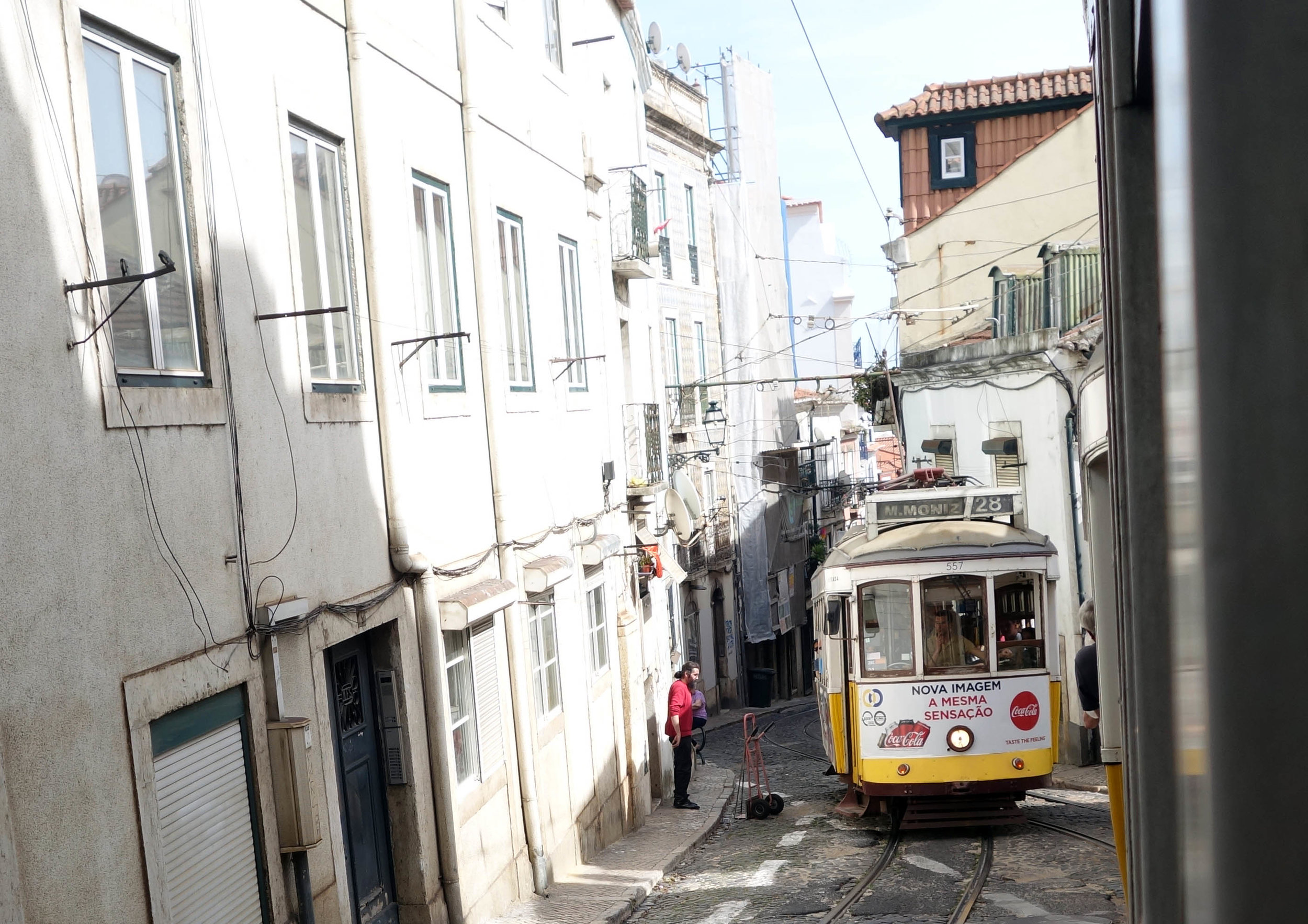
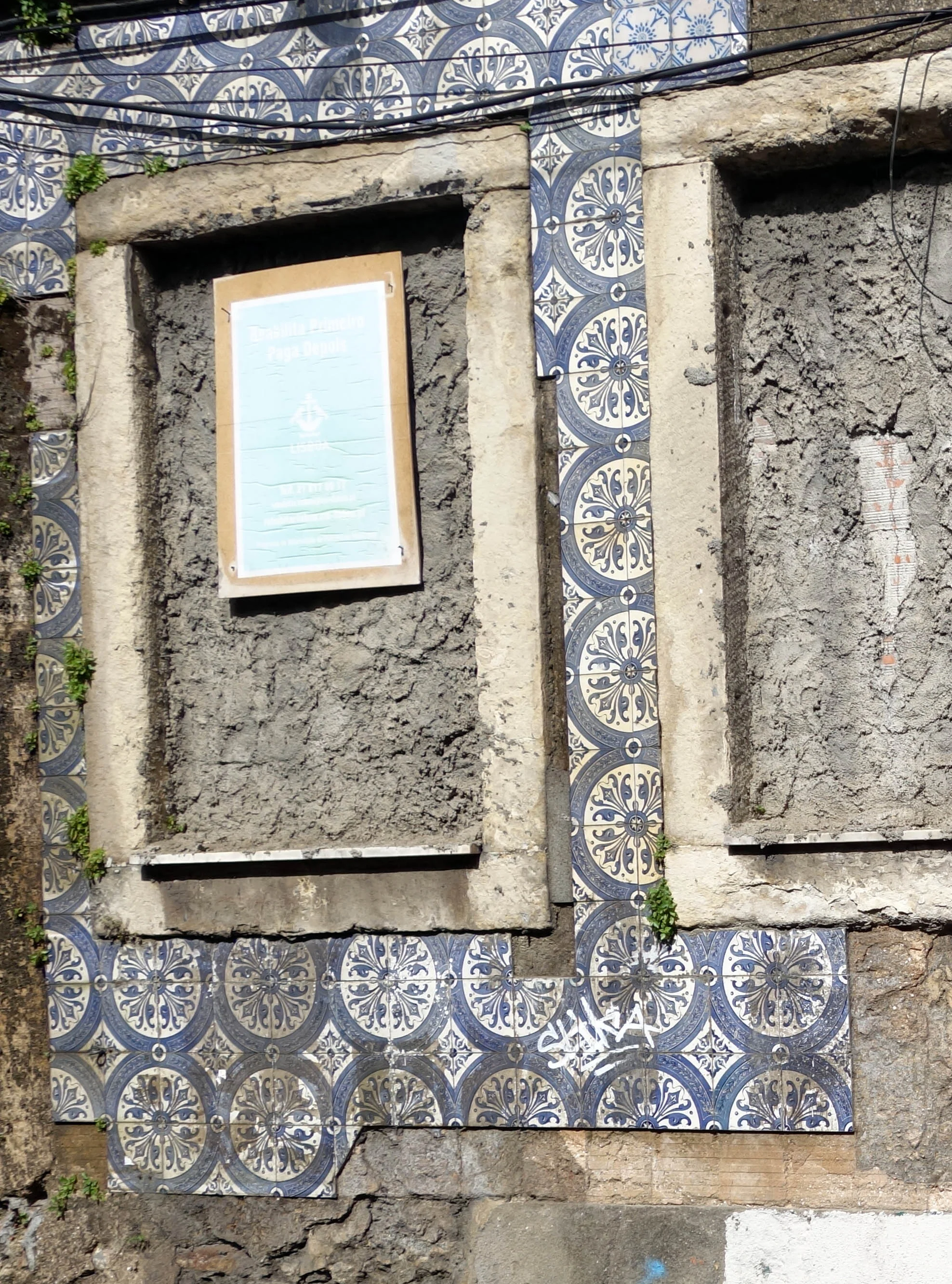
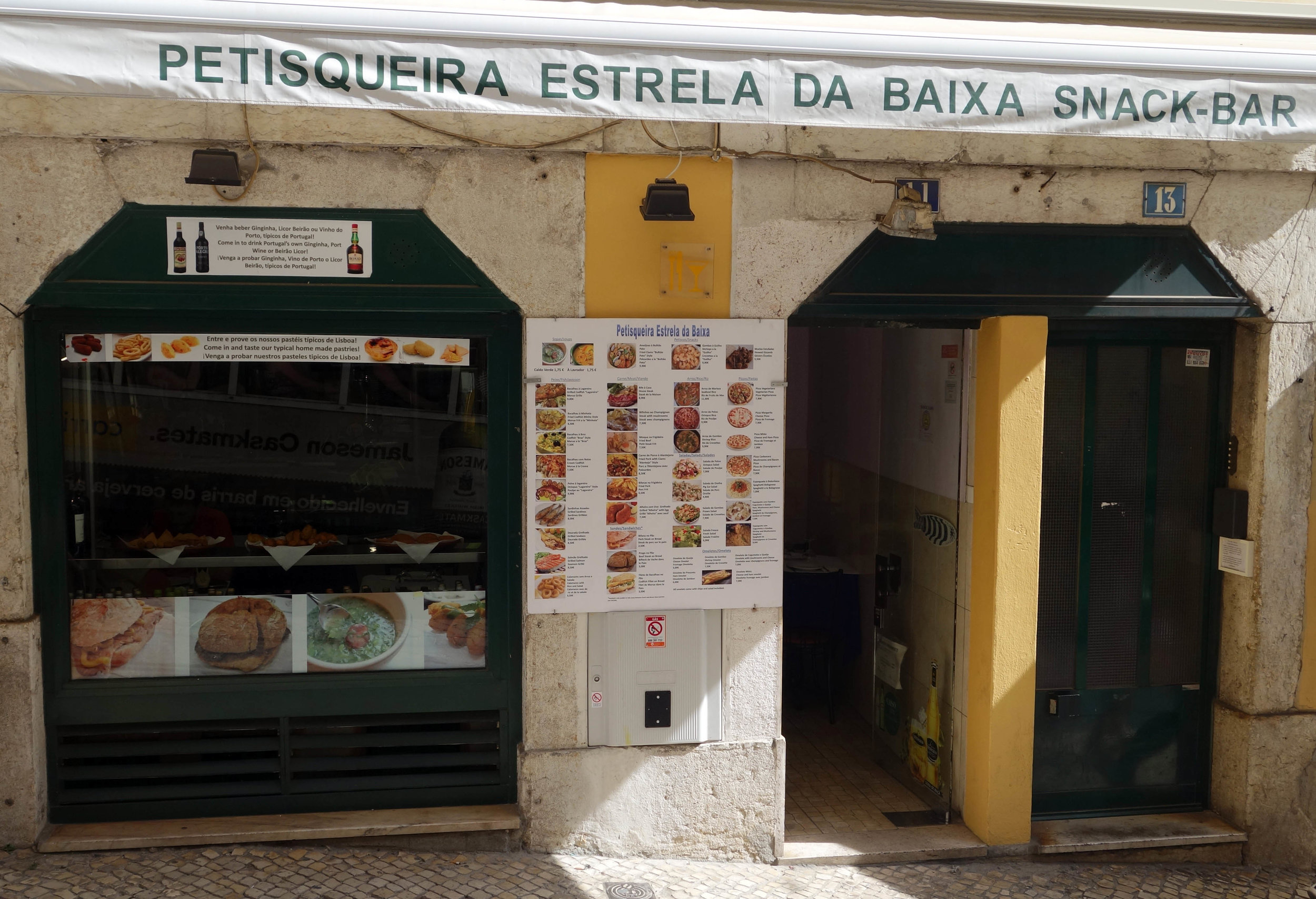
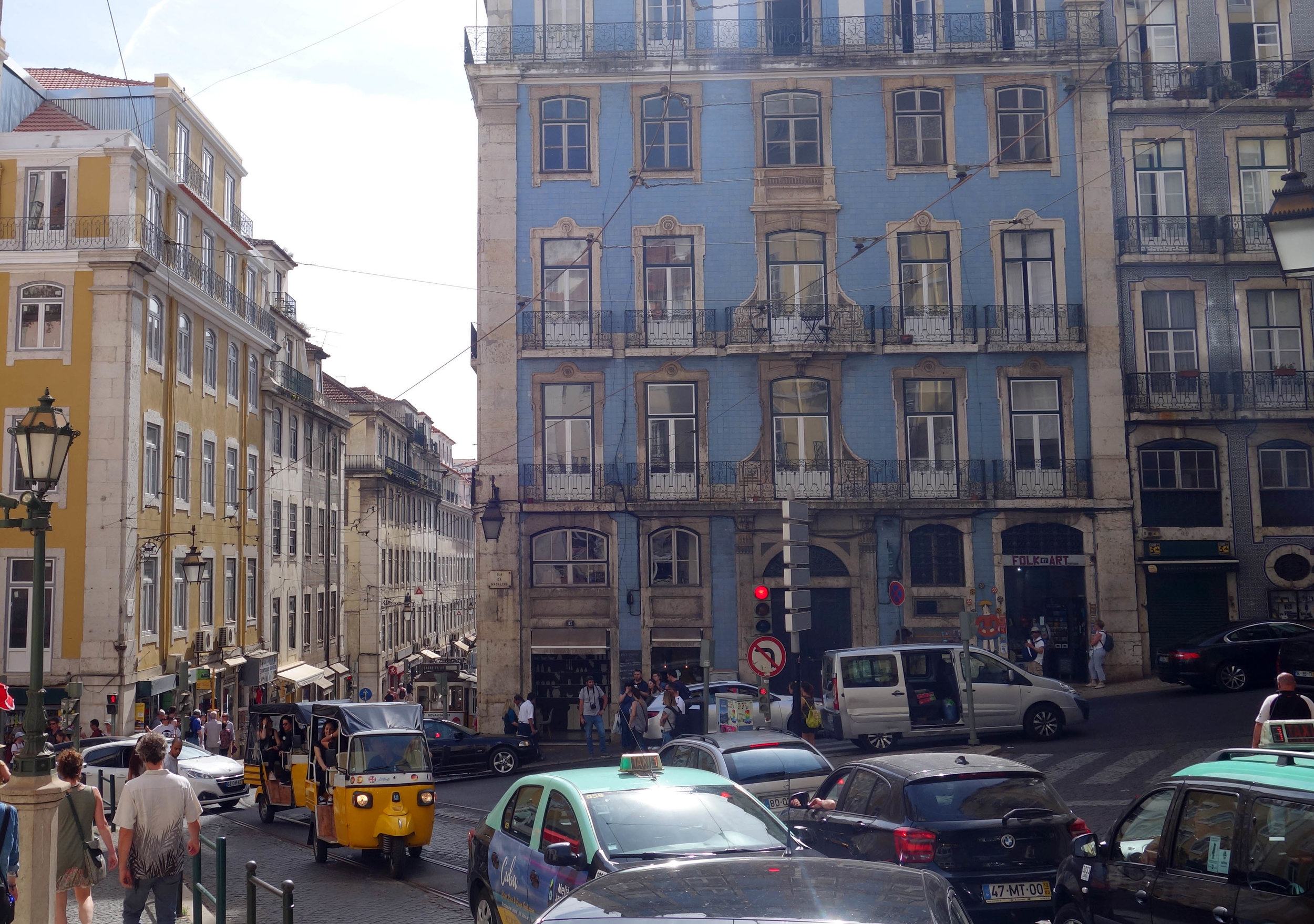
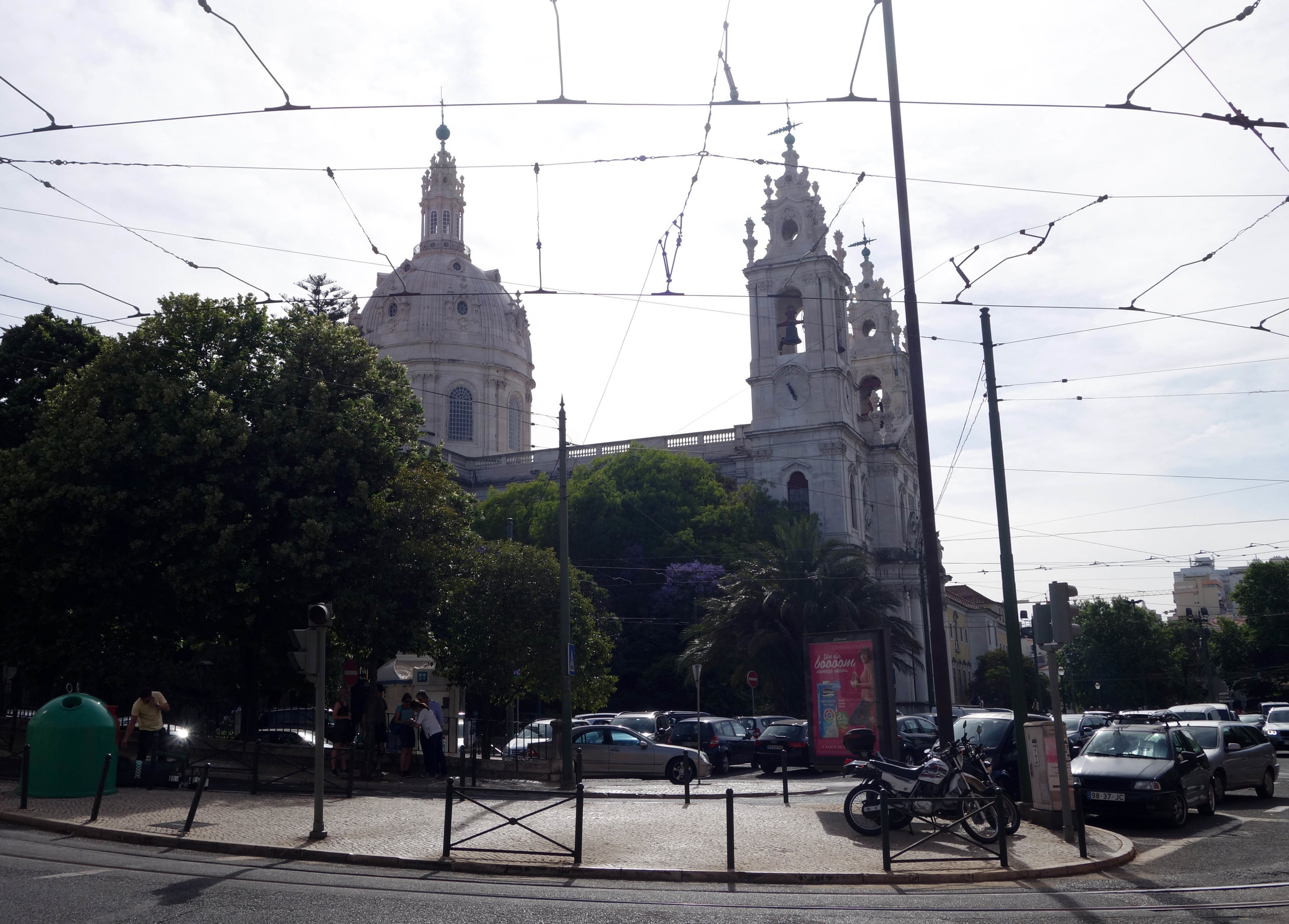
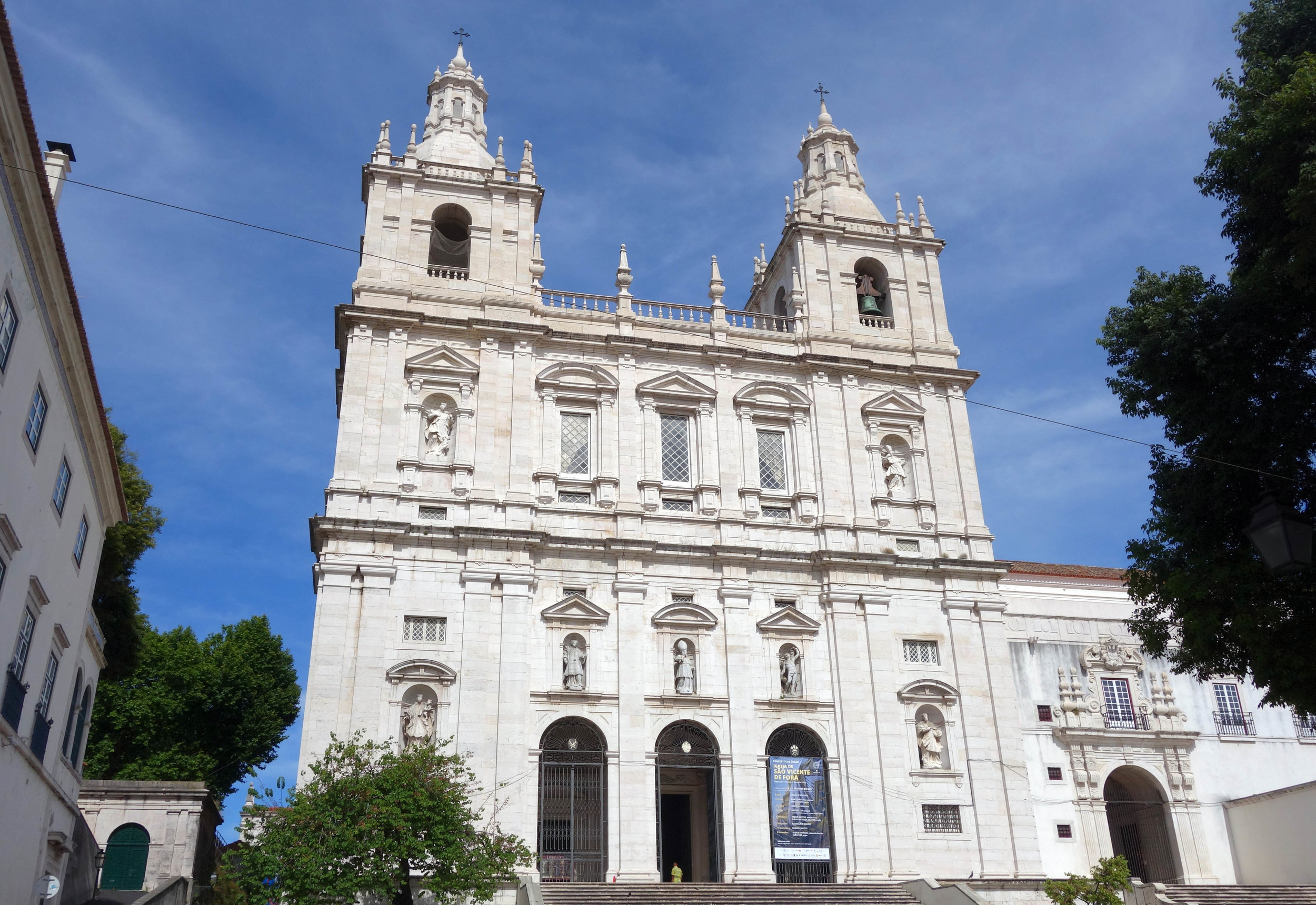
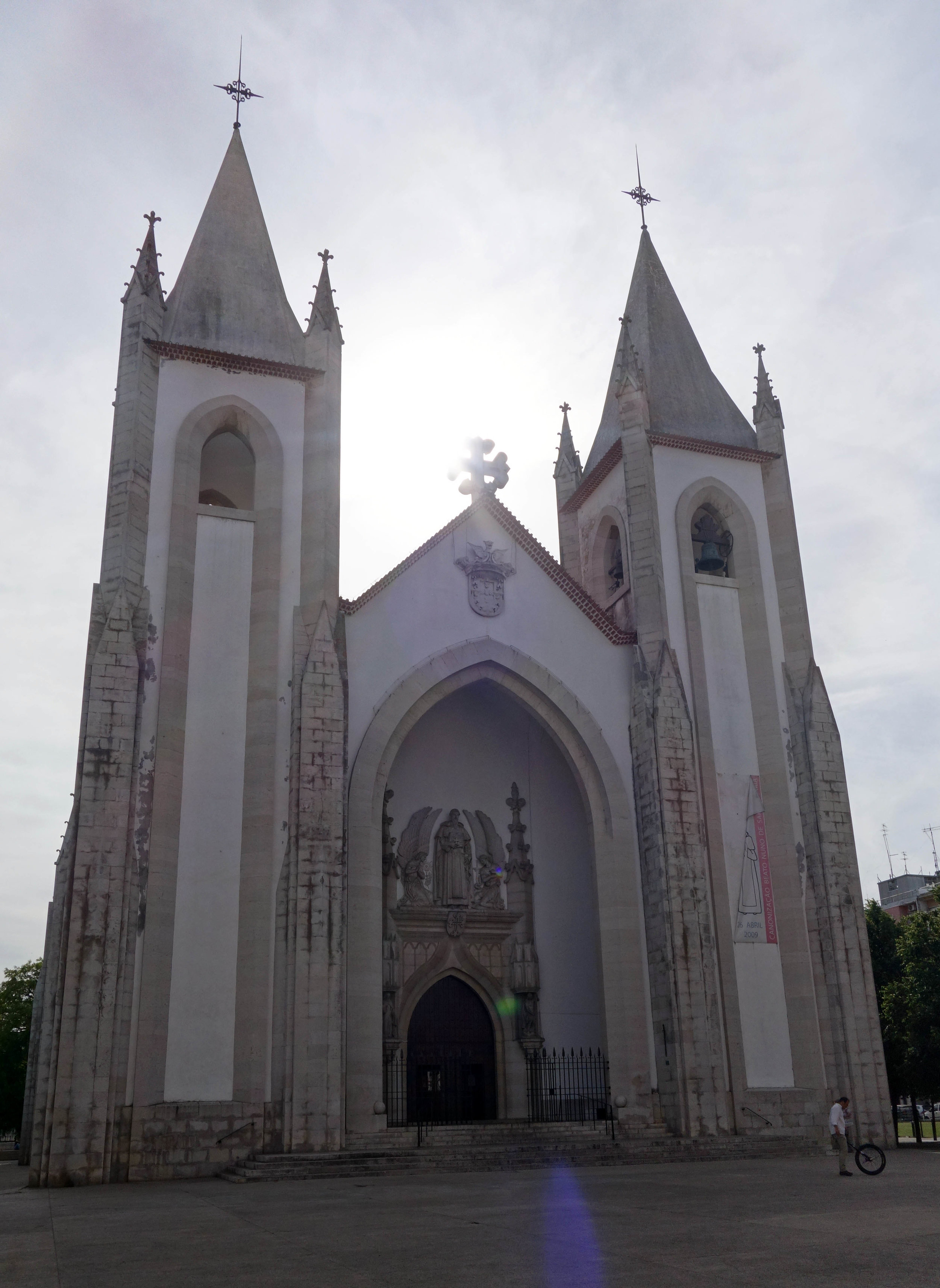
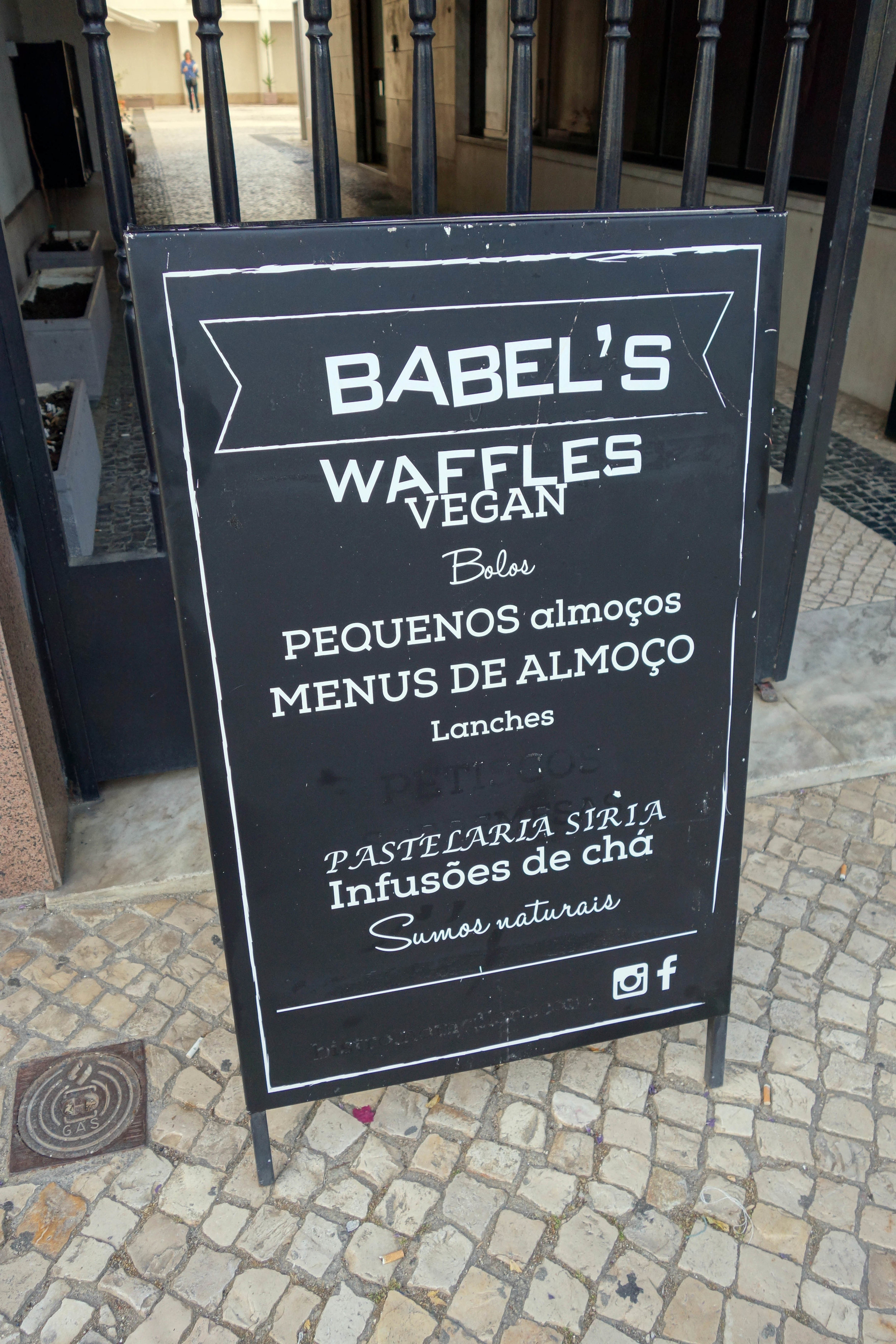
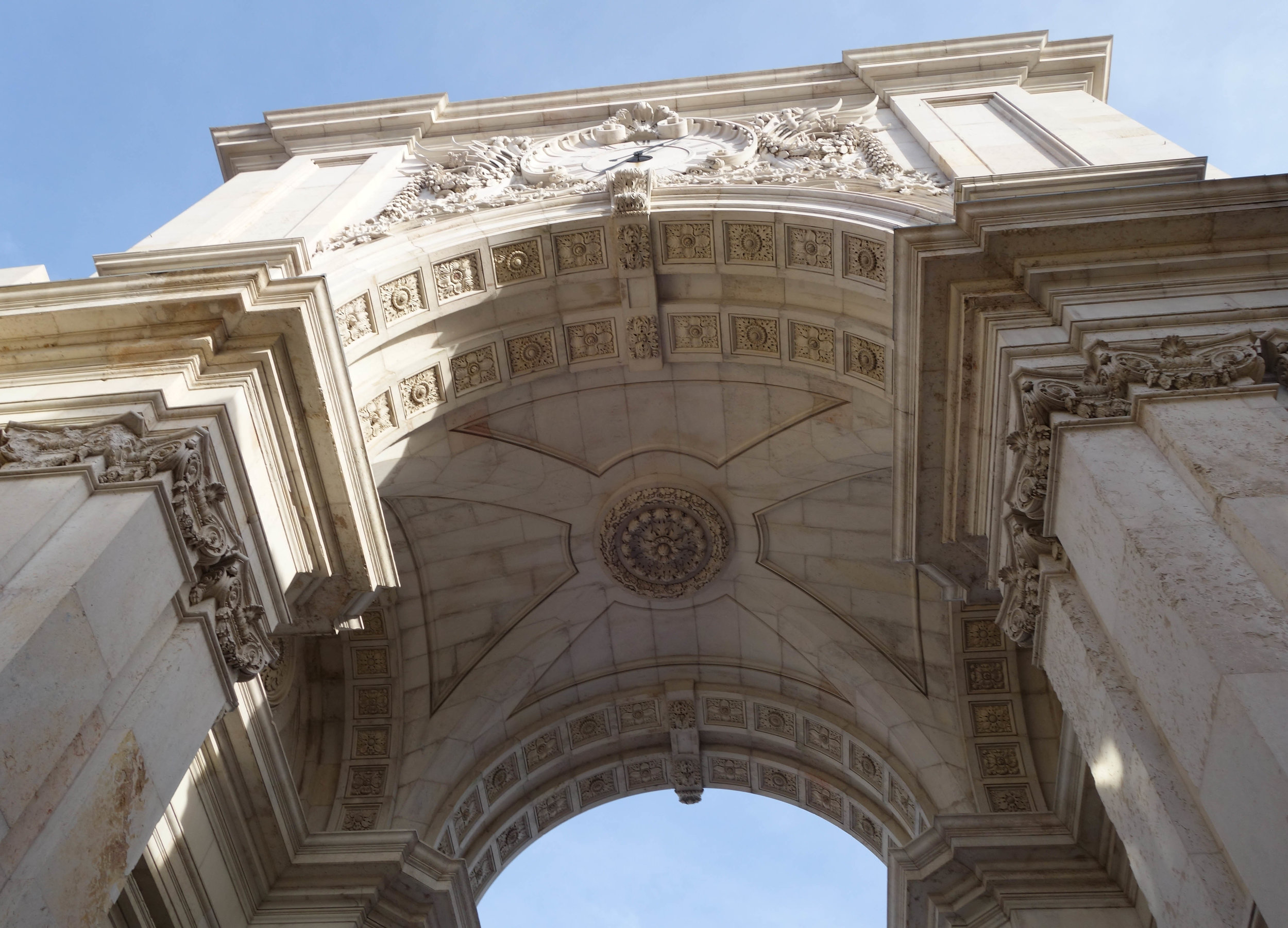
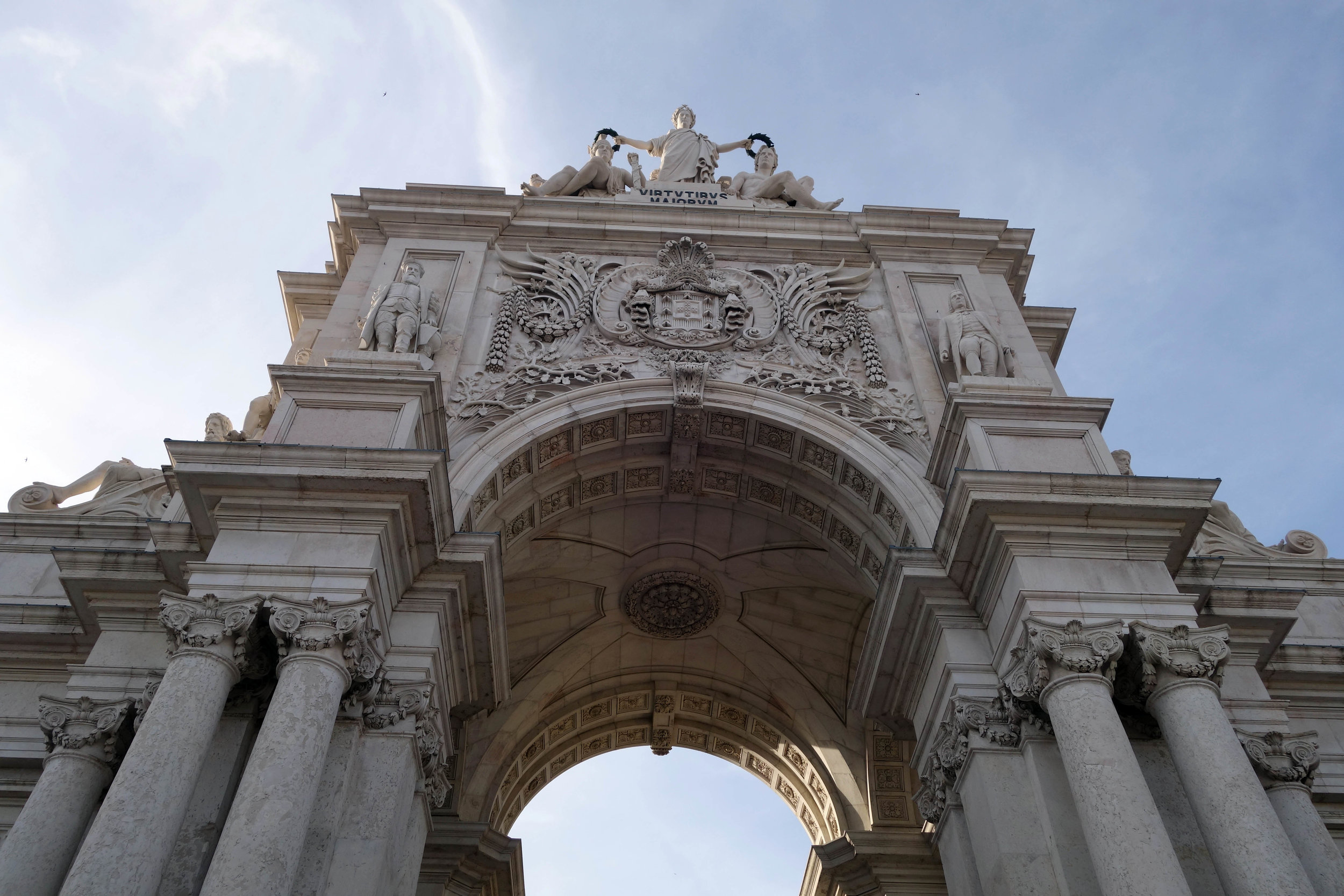
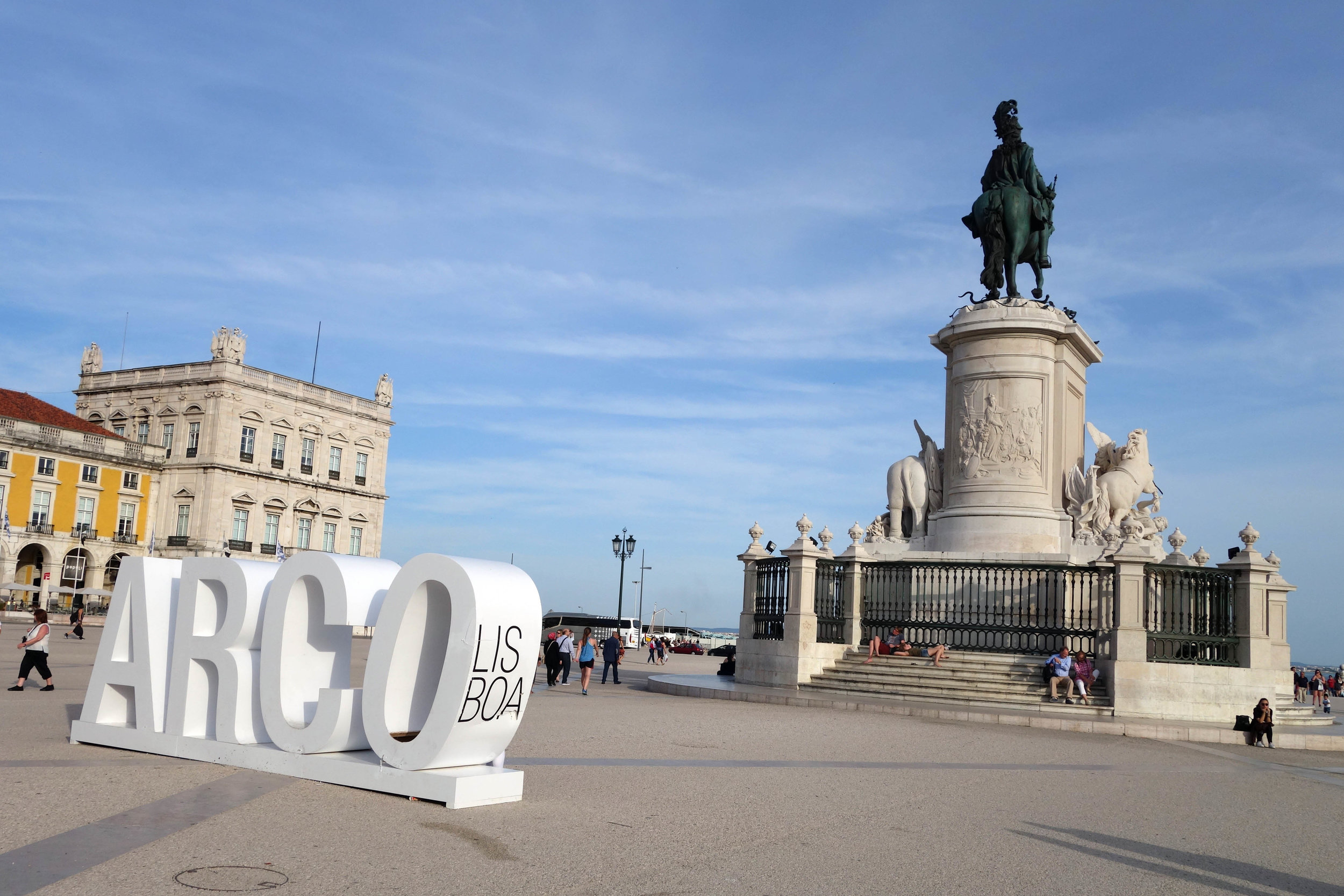
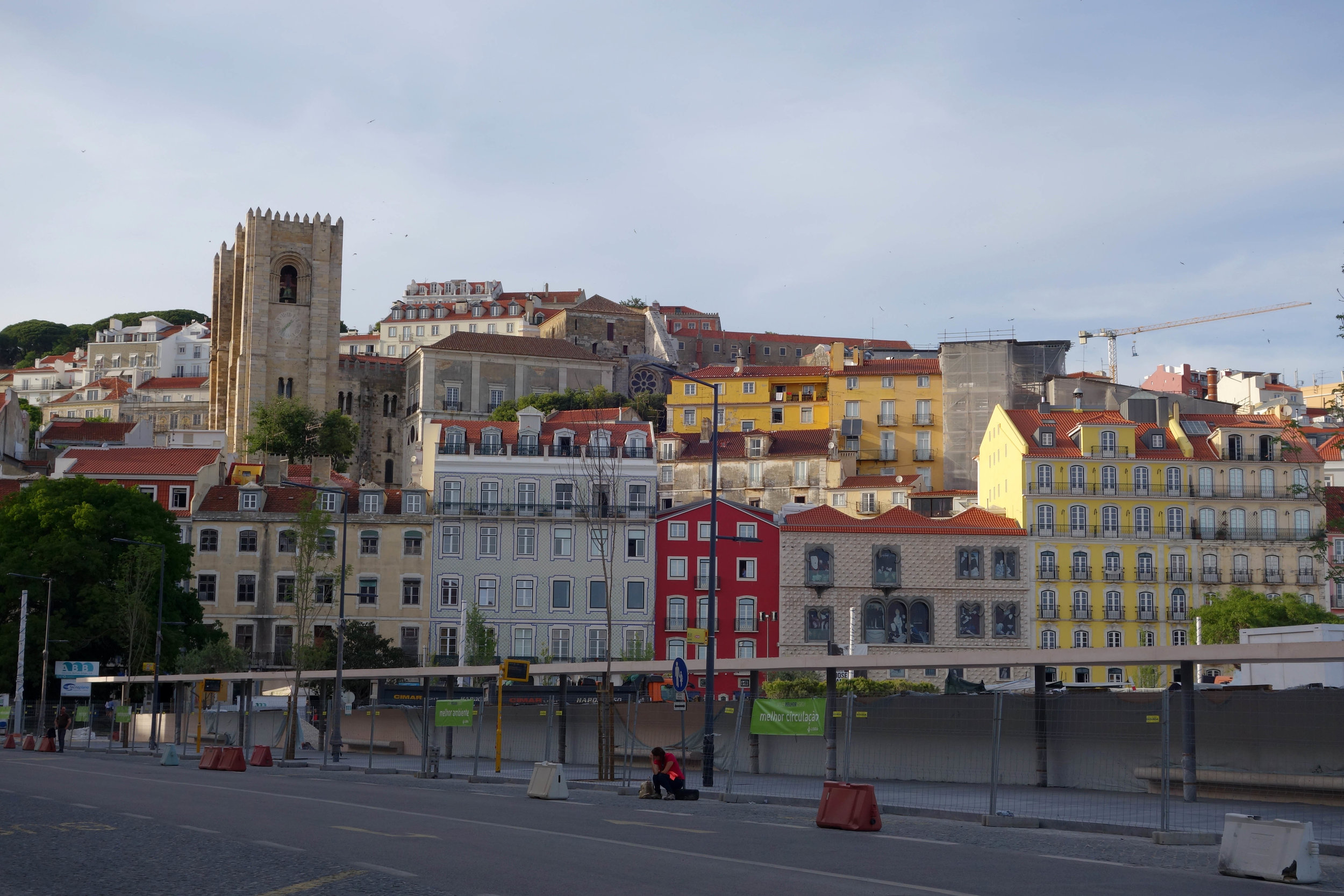
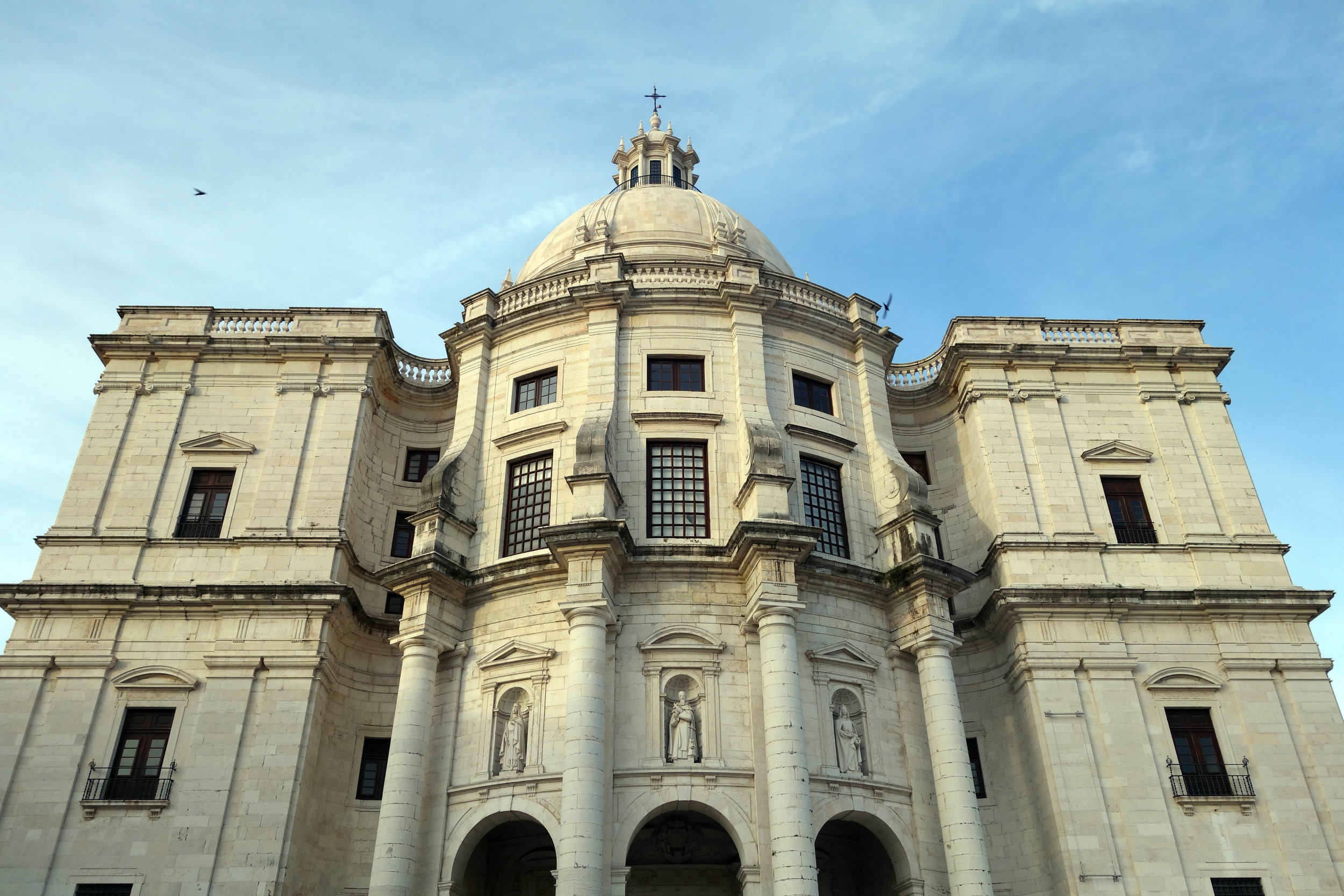
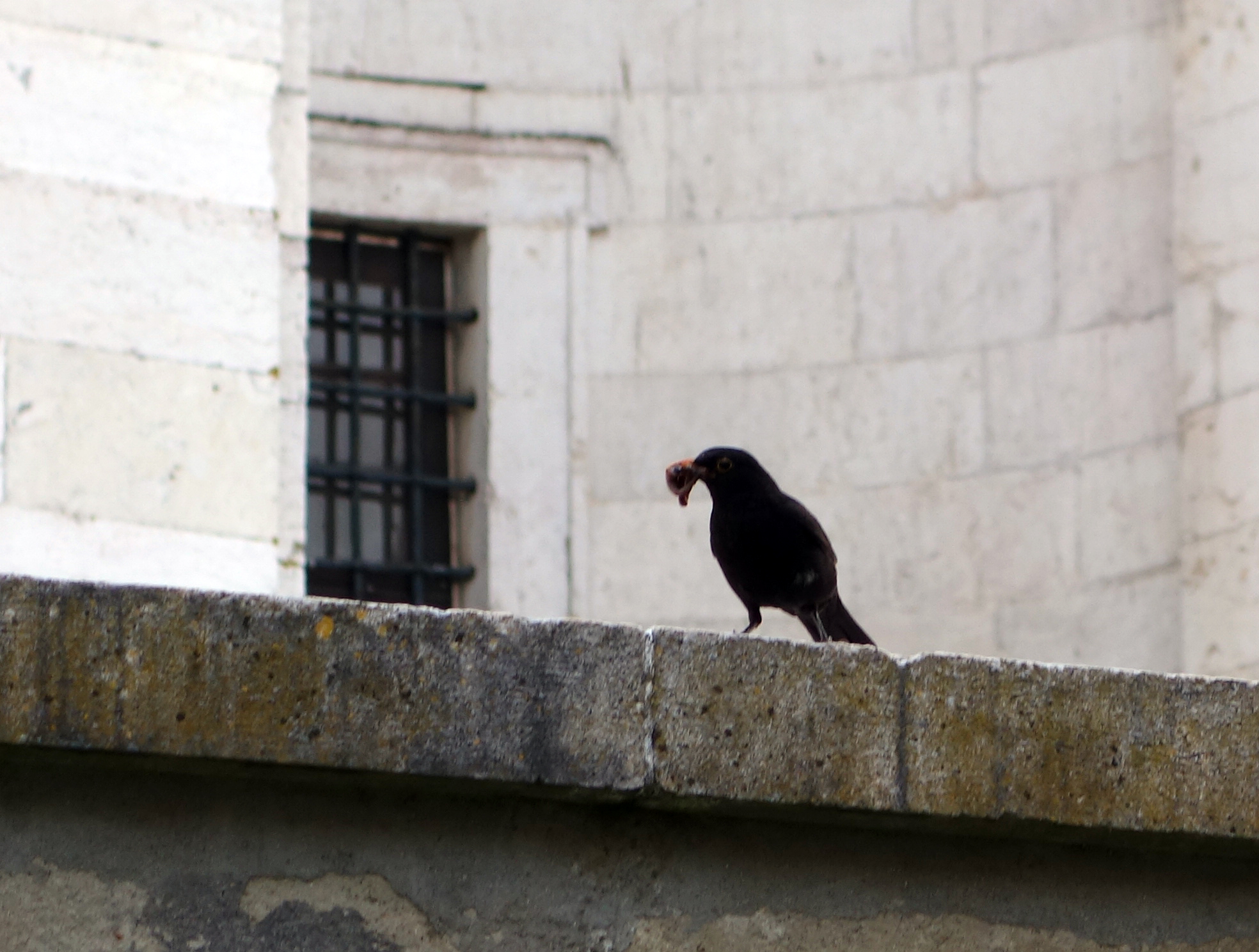
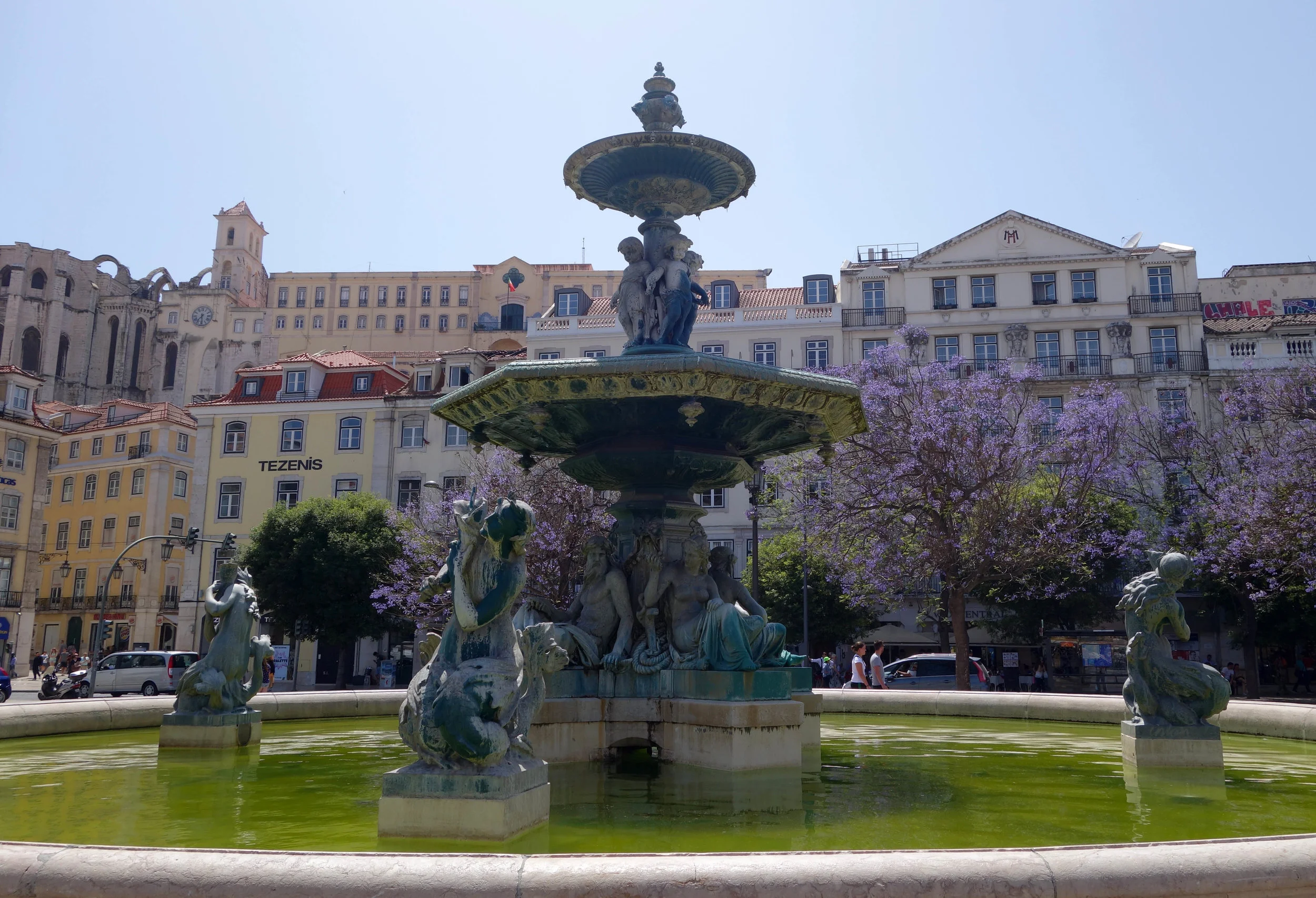
Here are the photos from my second day in Lisbon - there are so many photos from my second journal entry that I'm splitting out my trip en route to Cerdeira Village into another photo post!
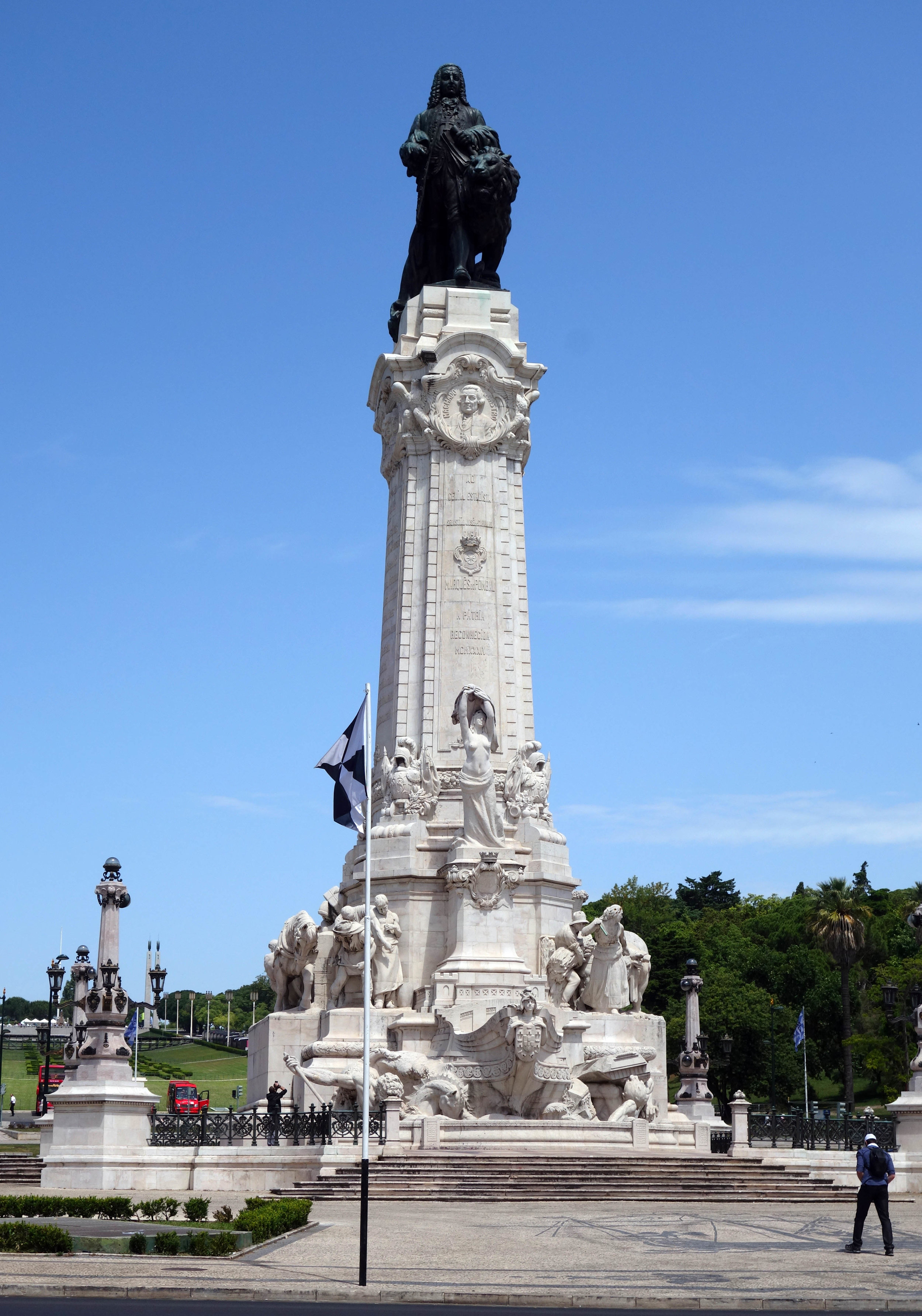
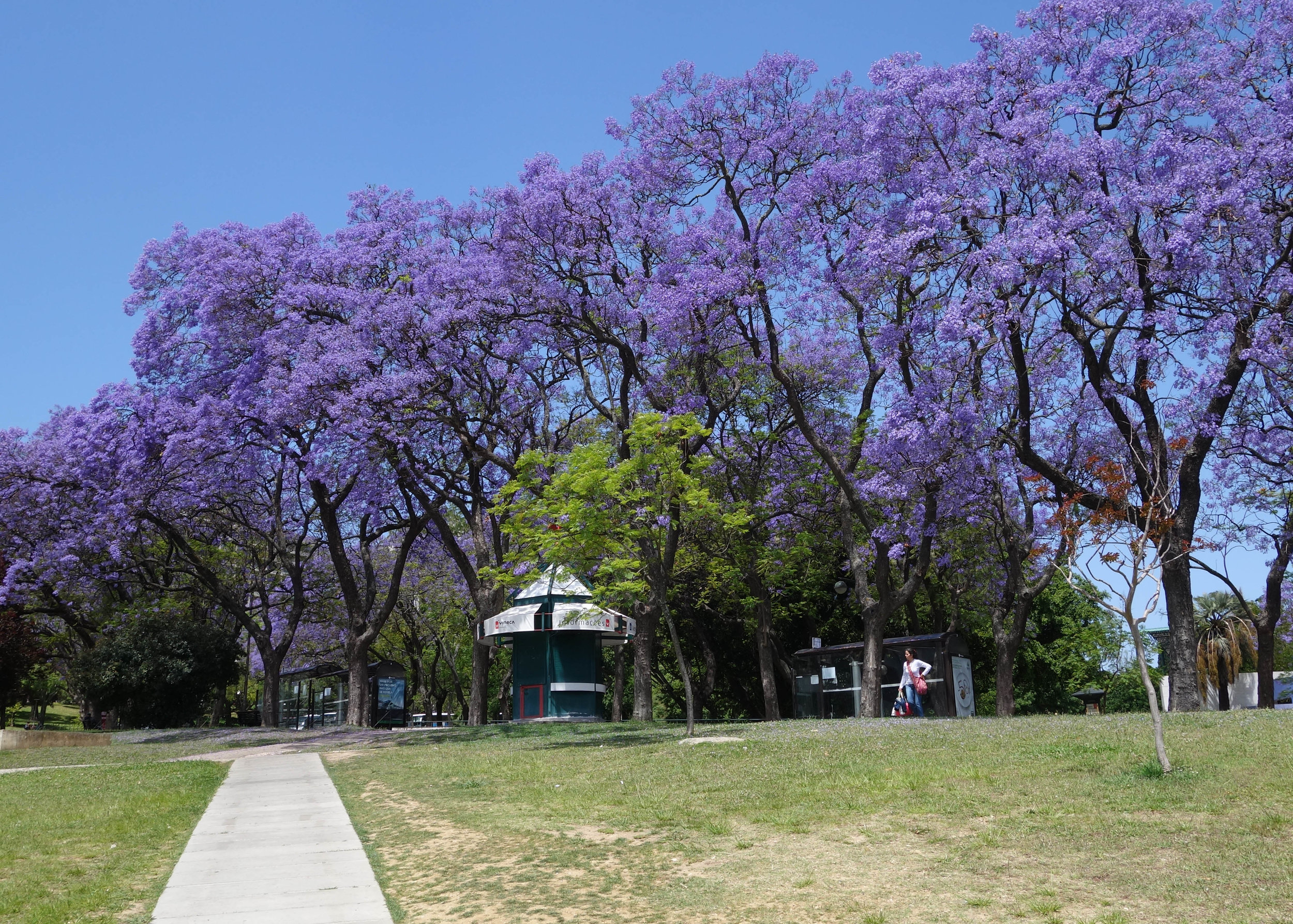

General Interest
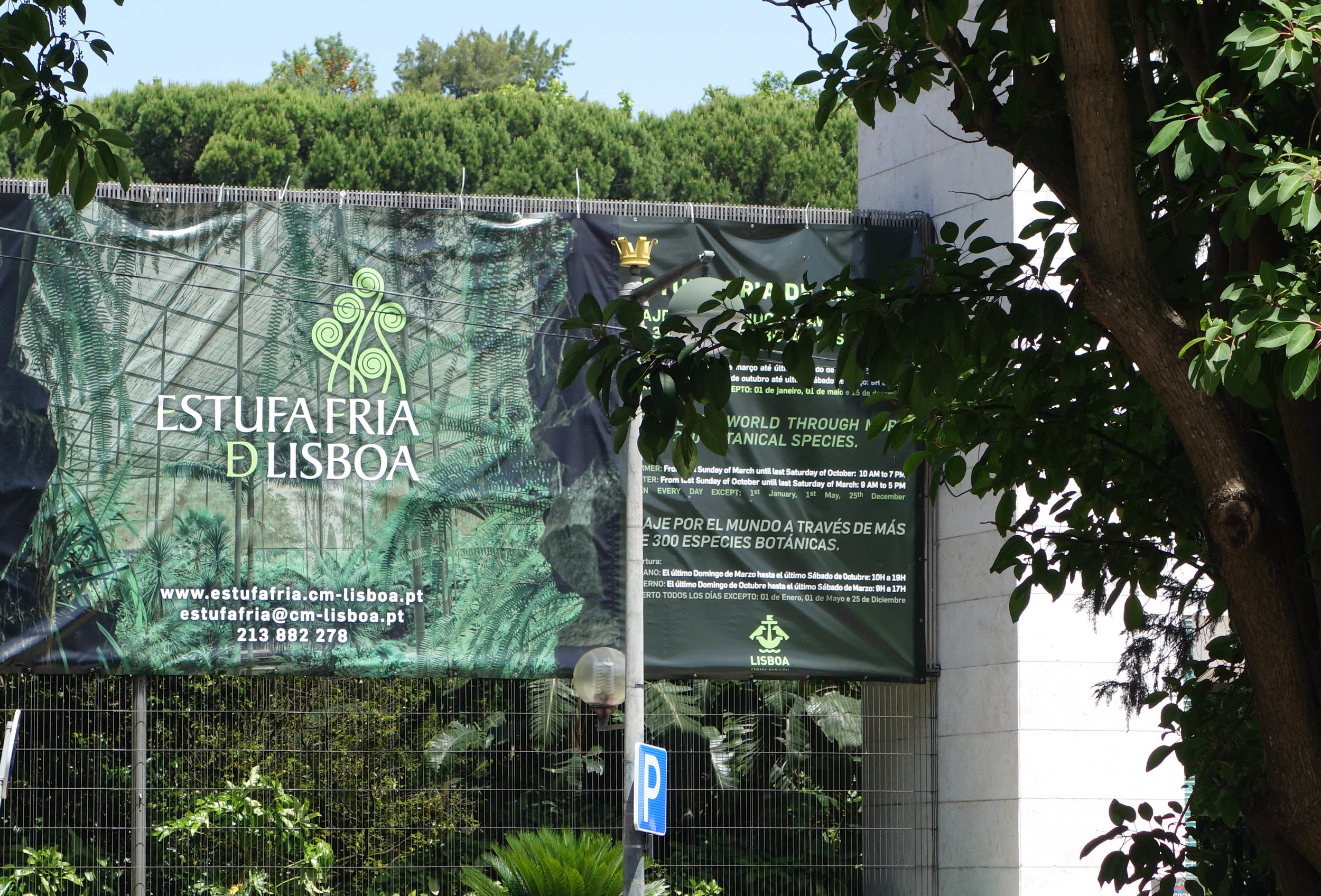
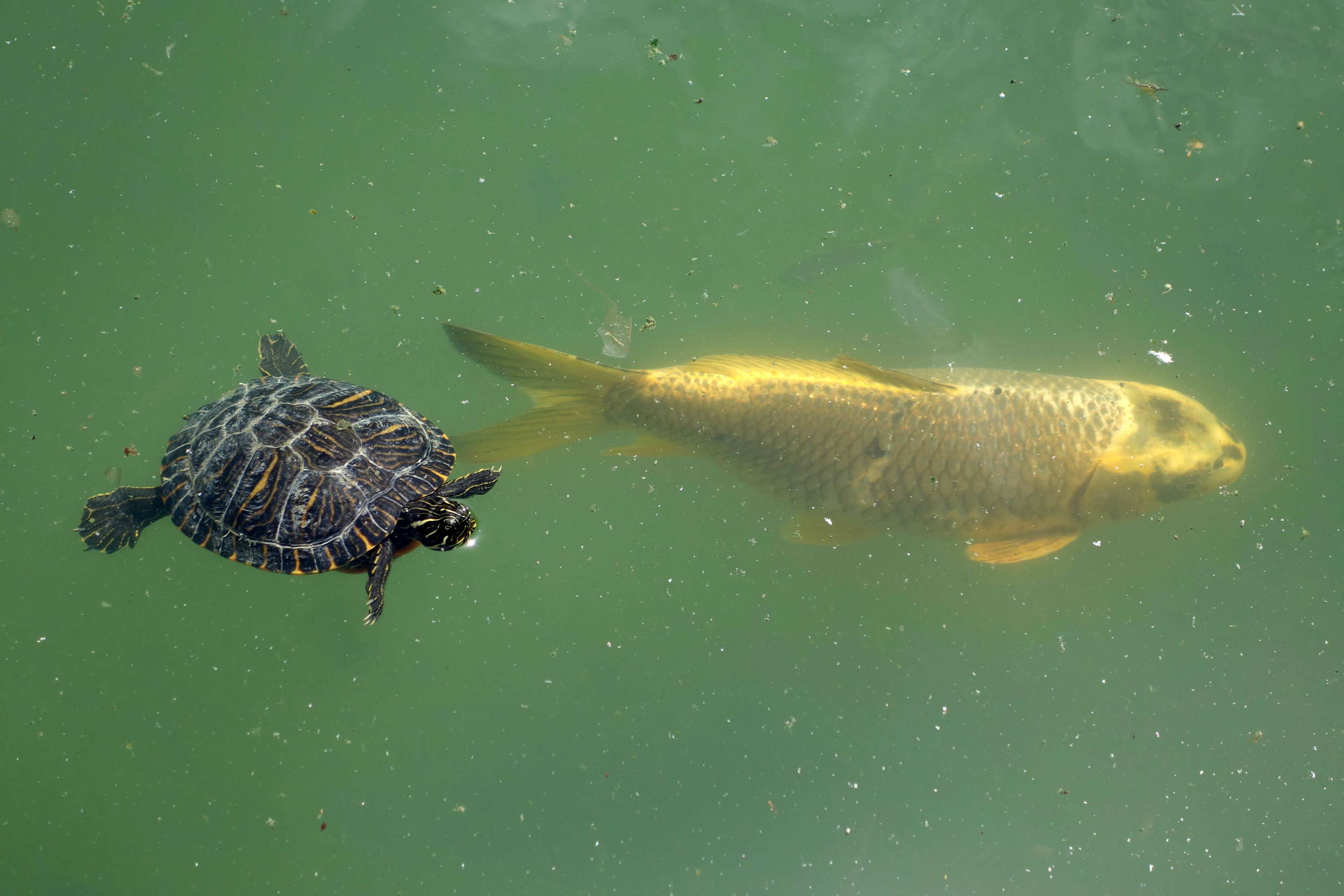
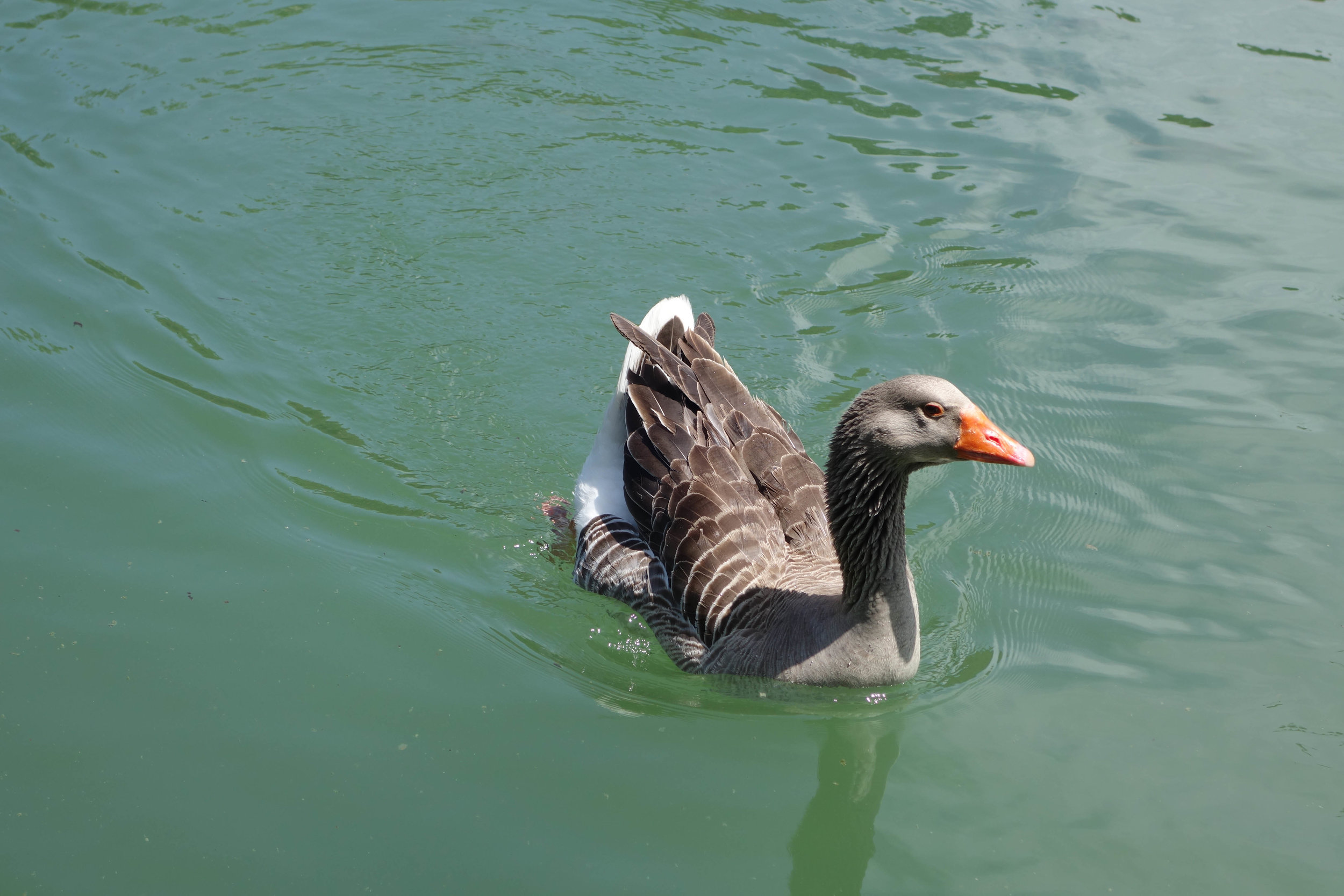
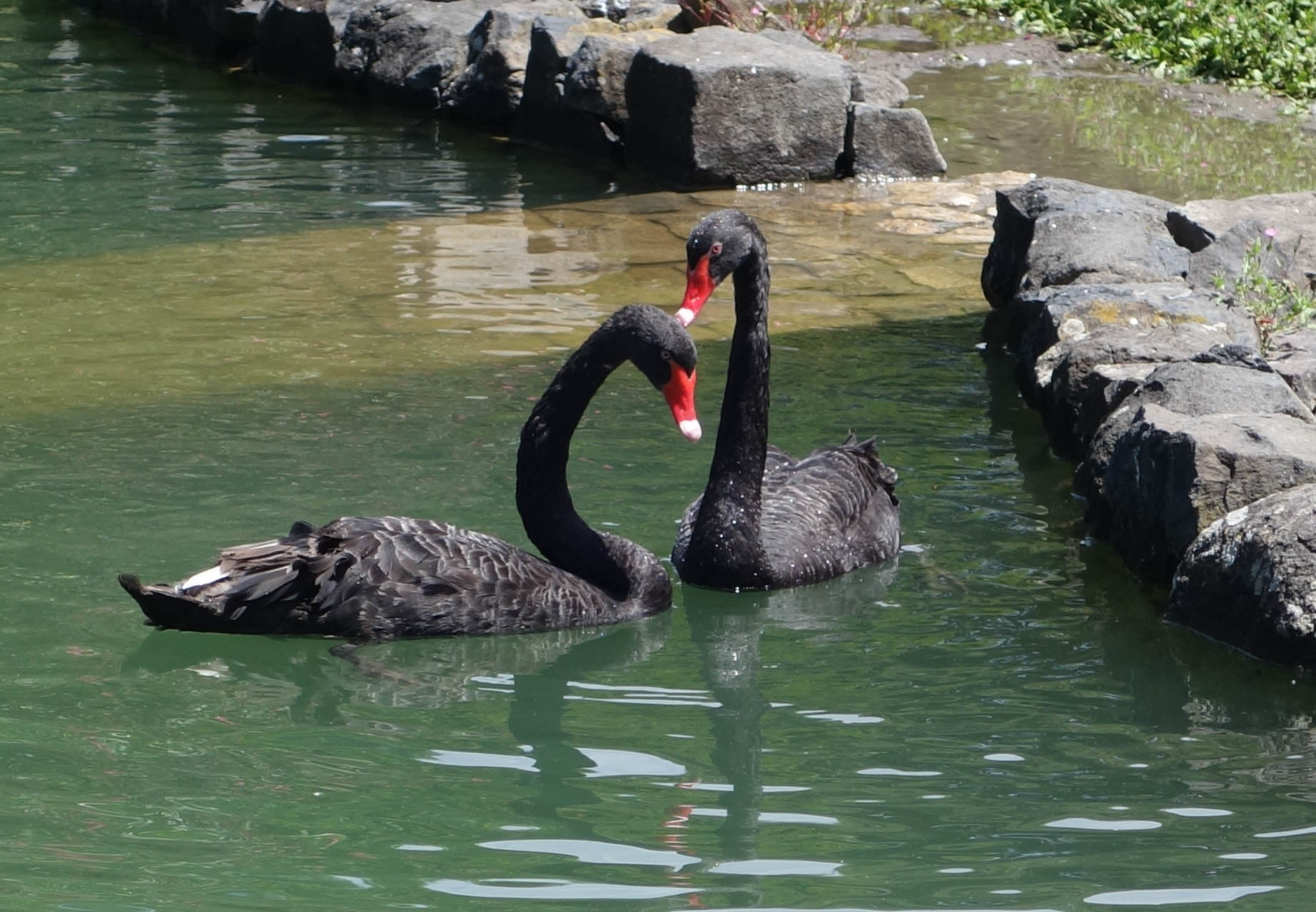
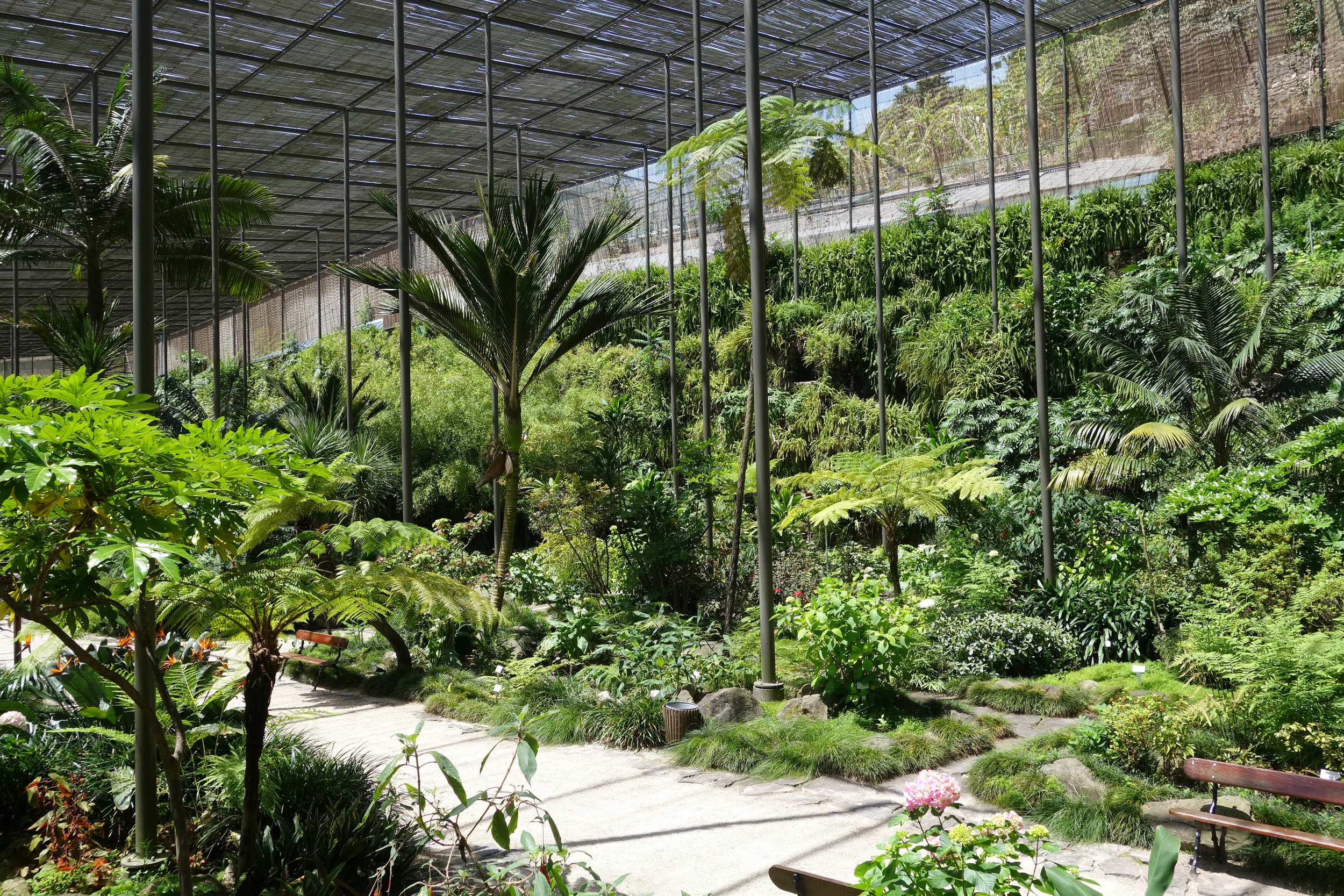
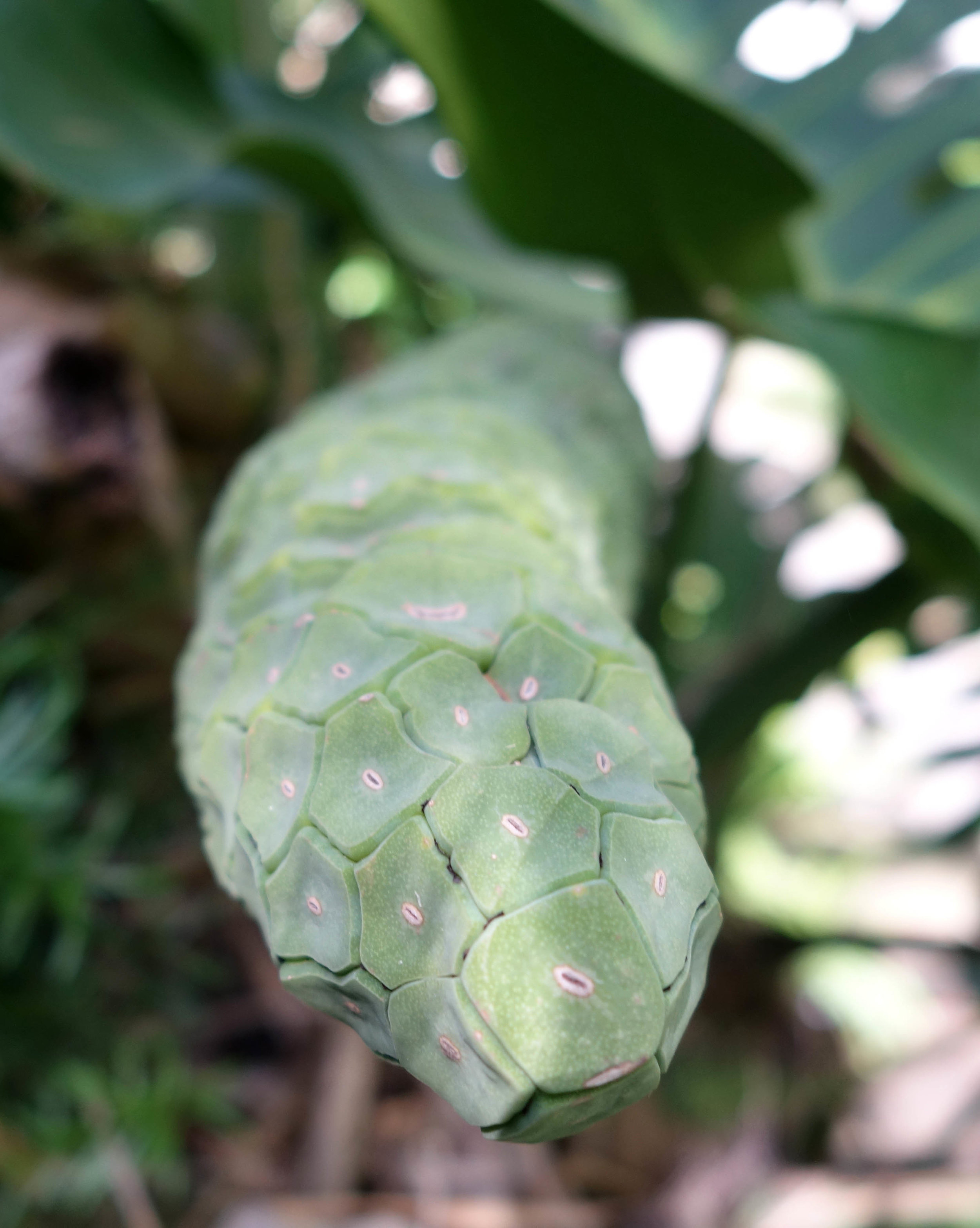
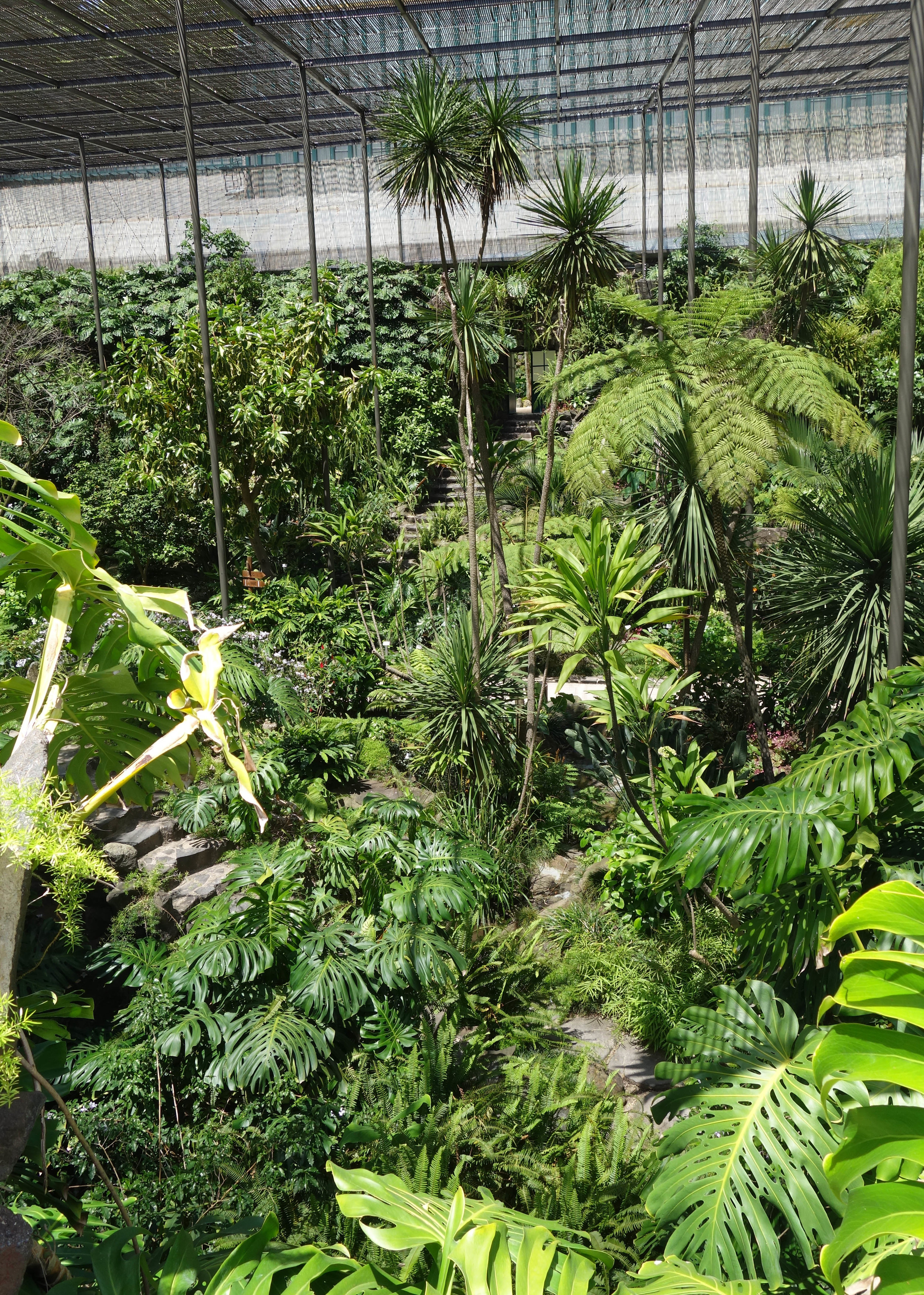
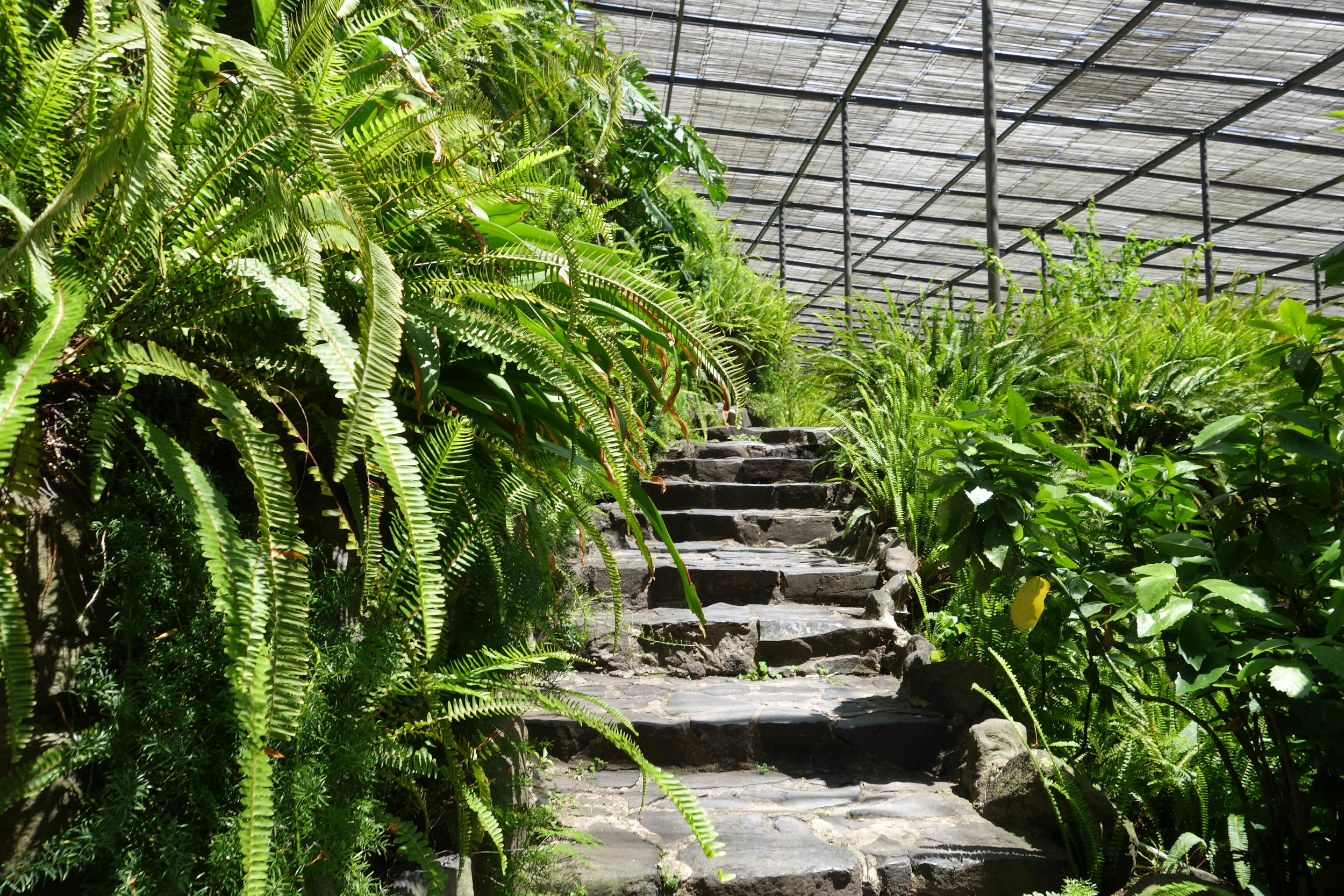
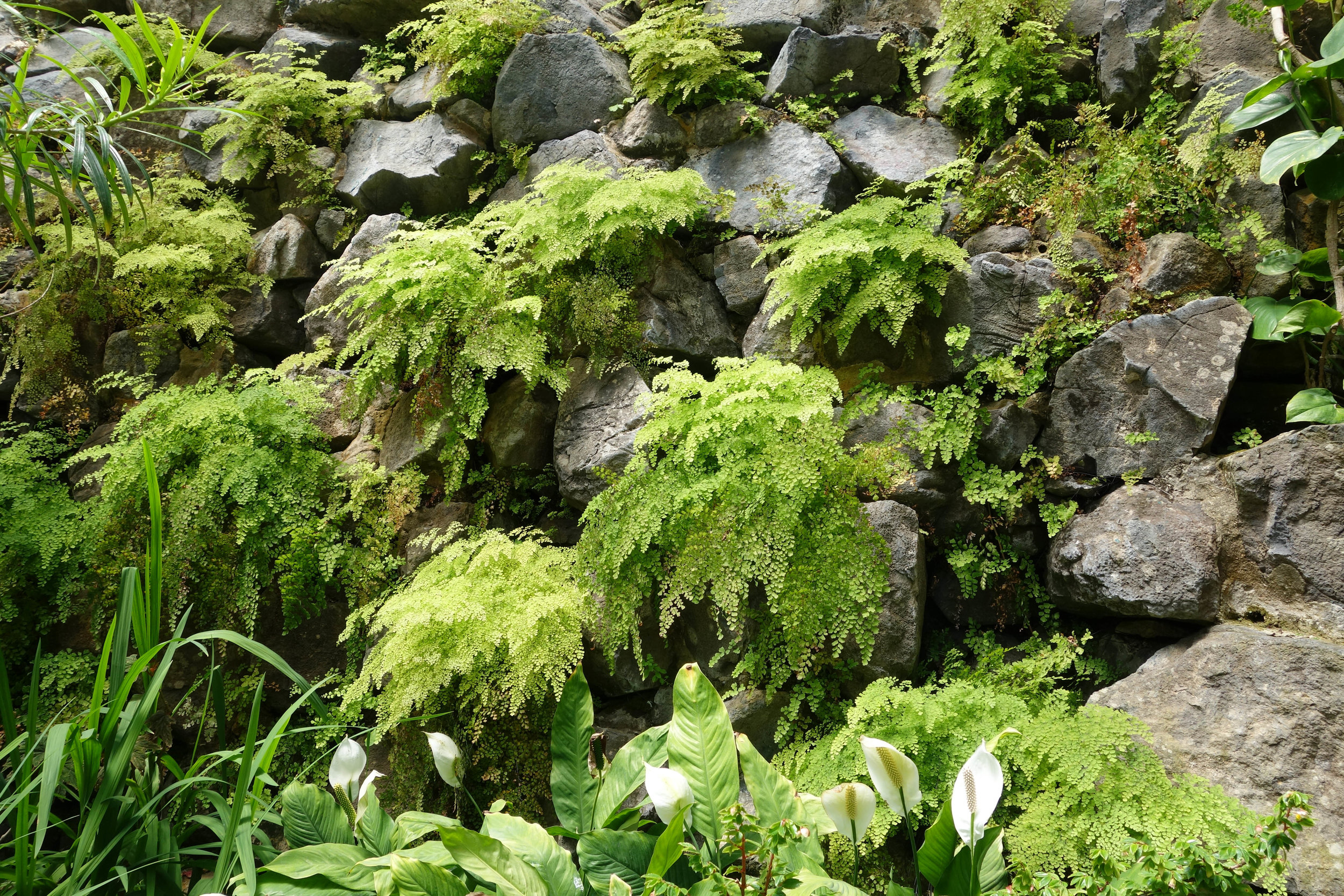
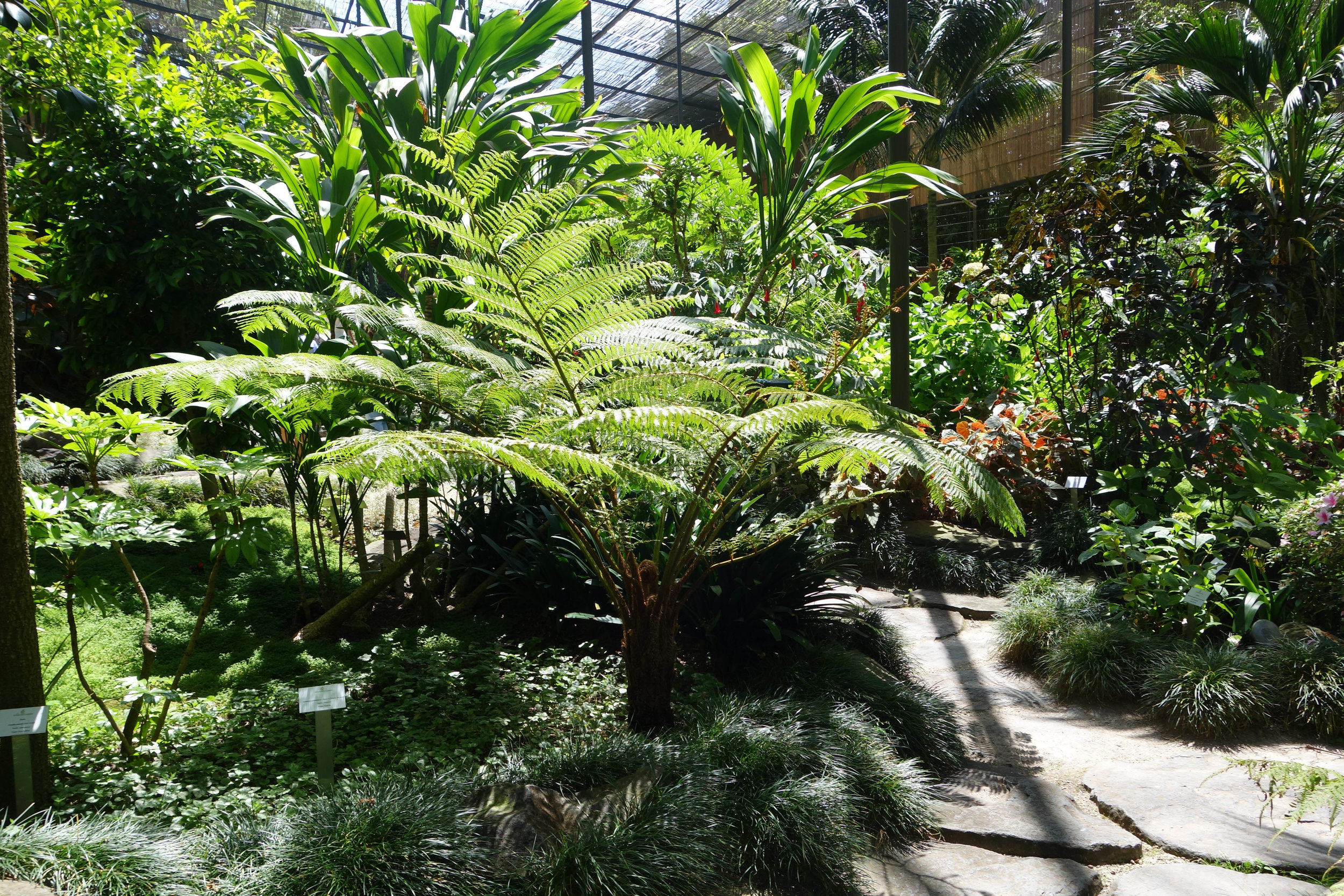
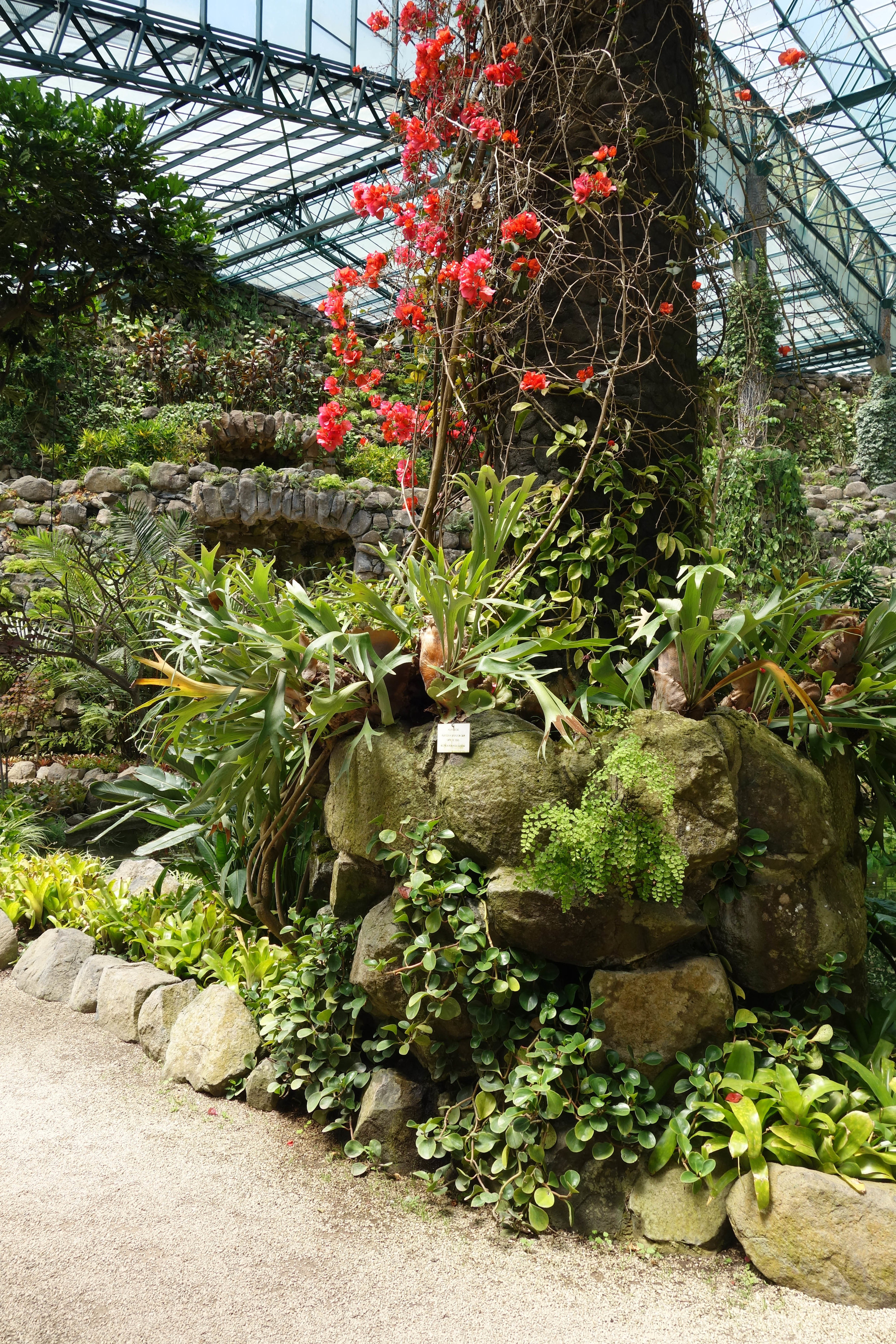
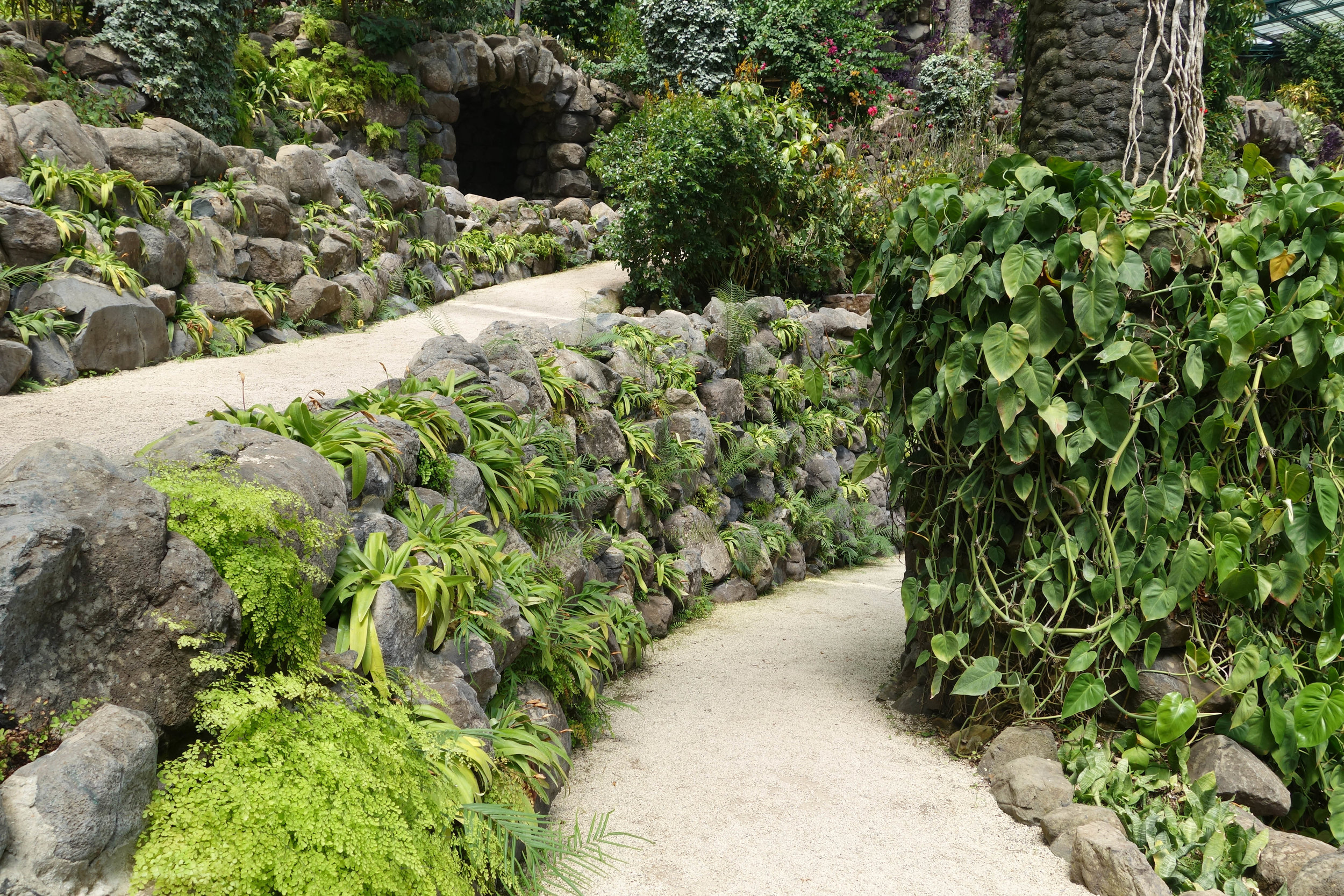
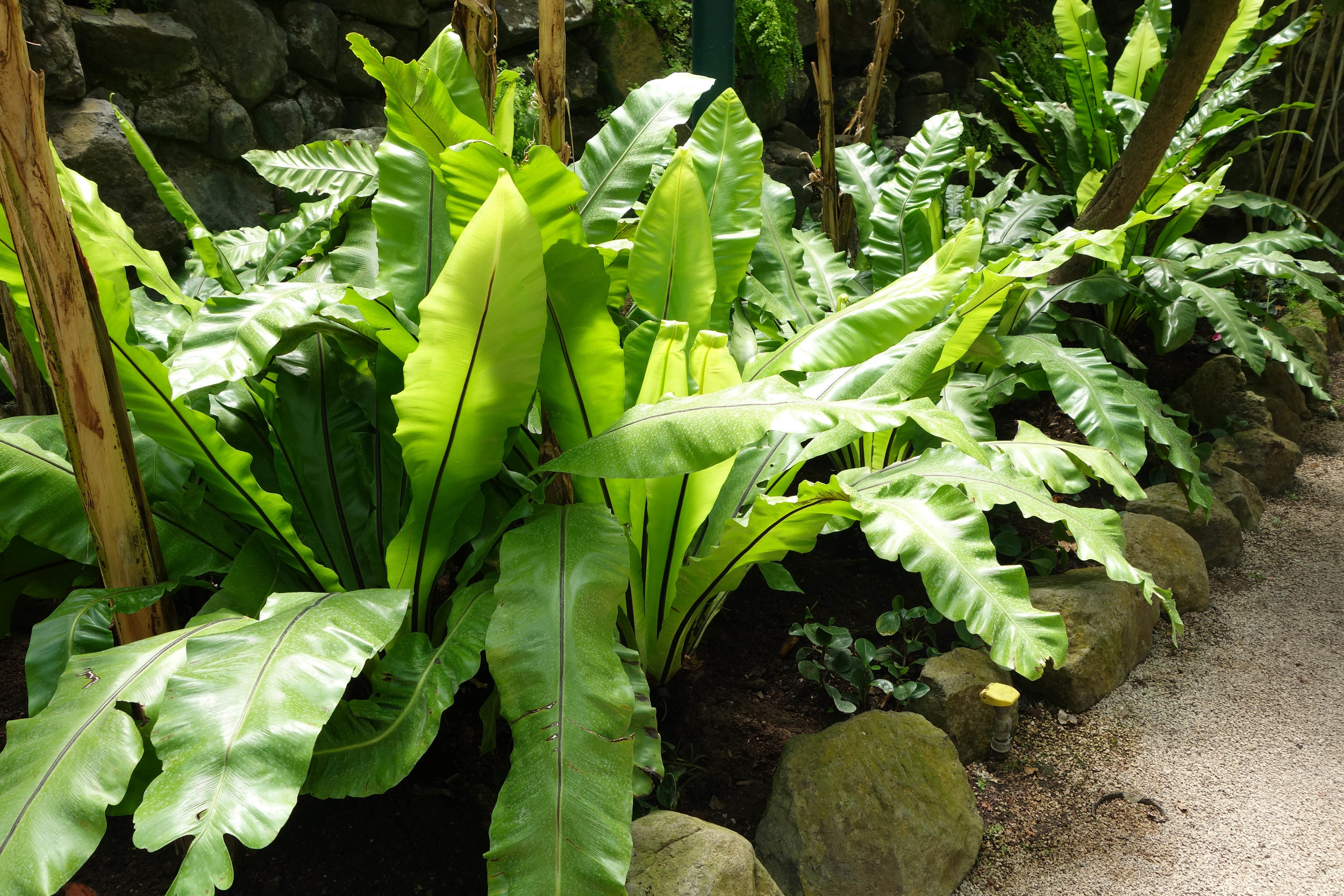
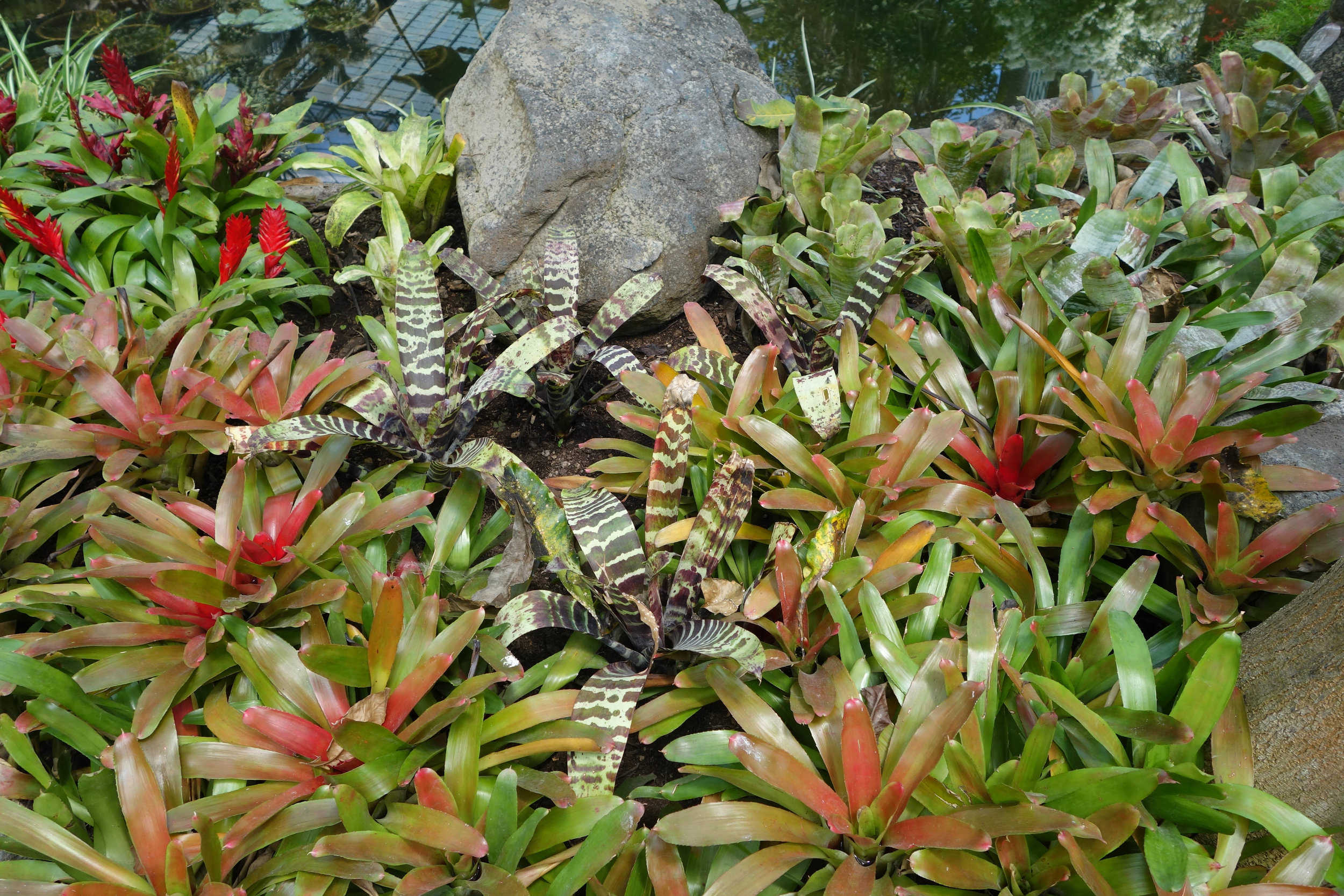
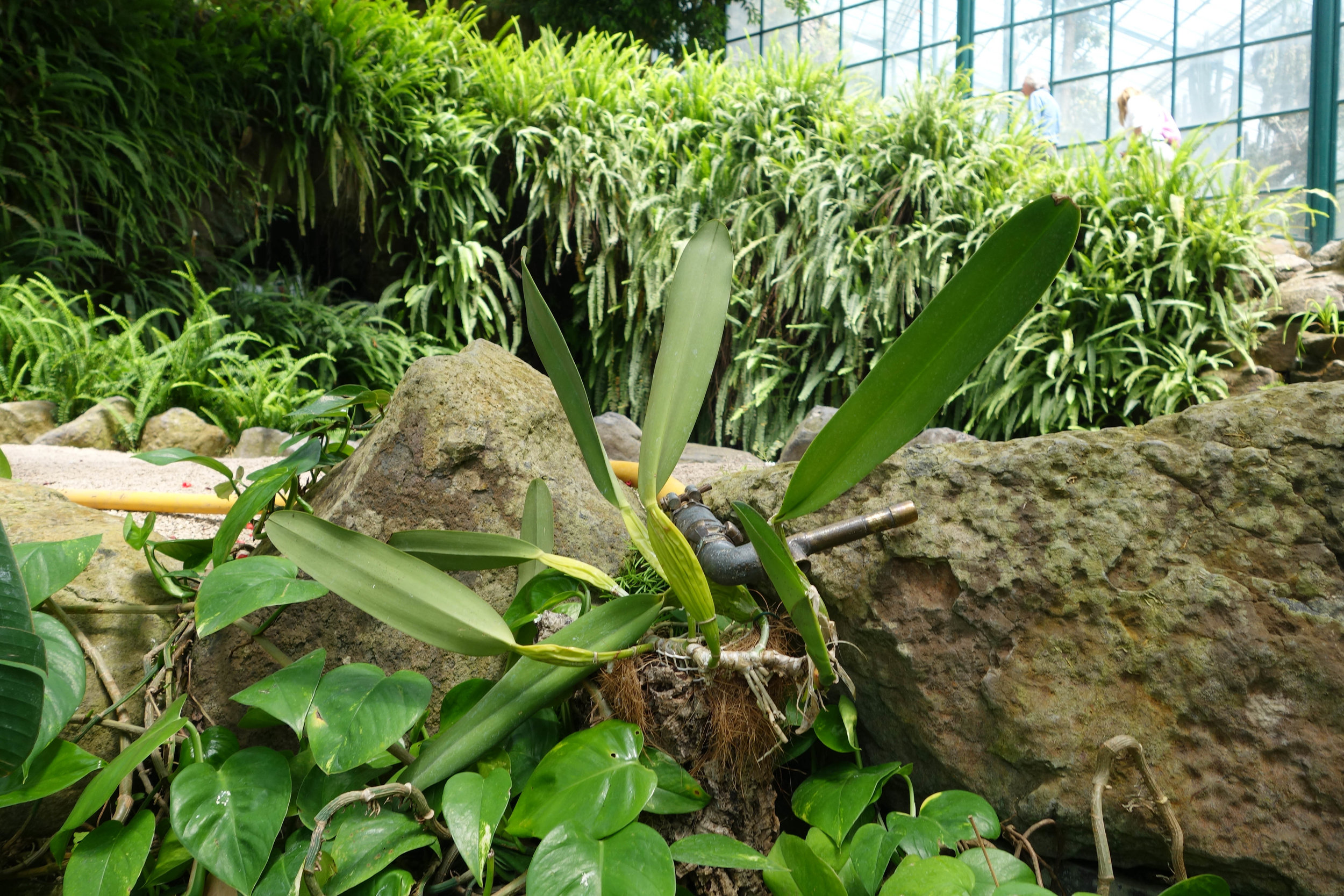
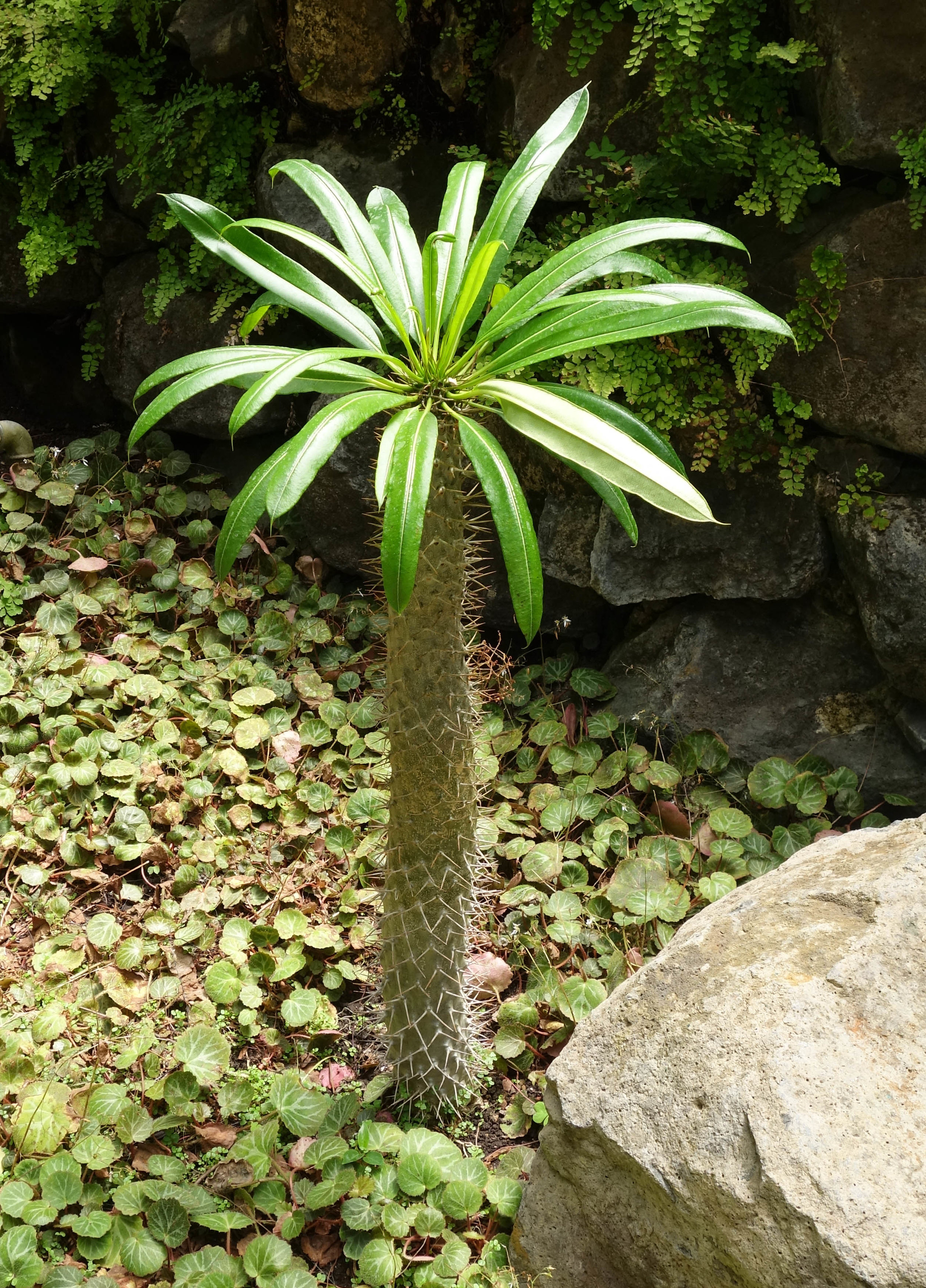
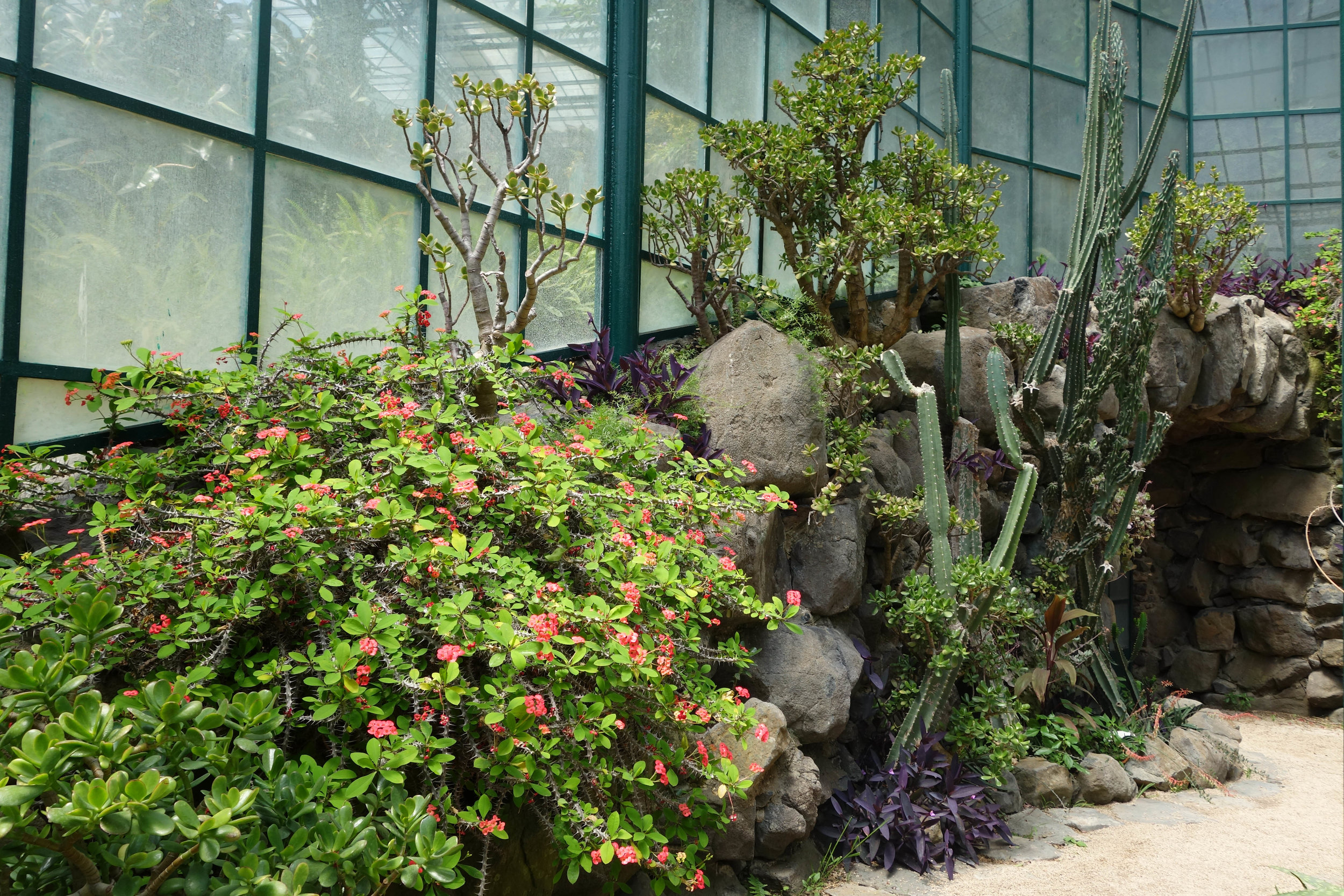
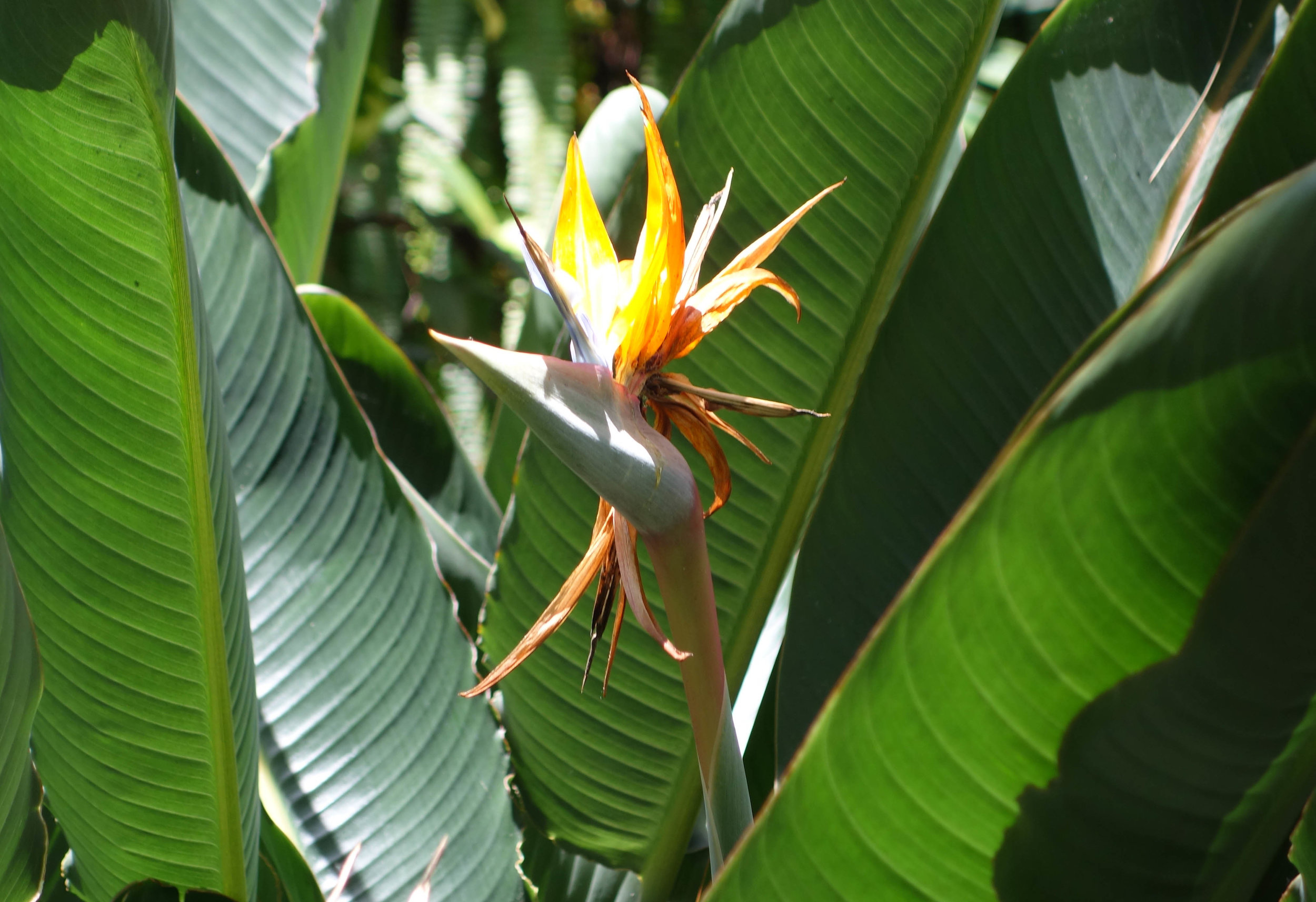
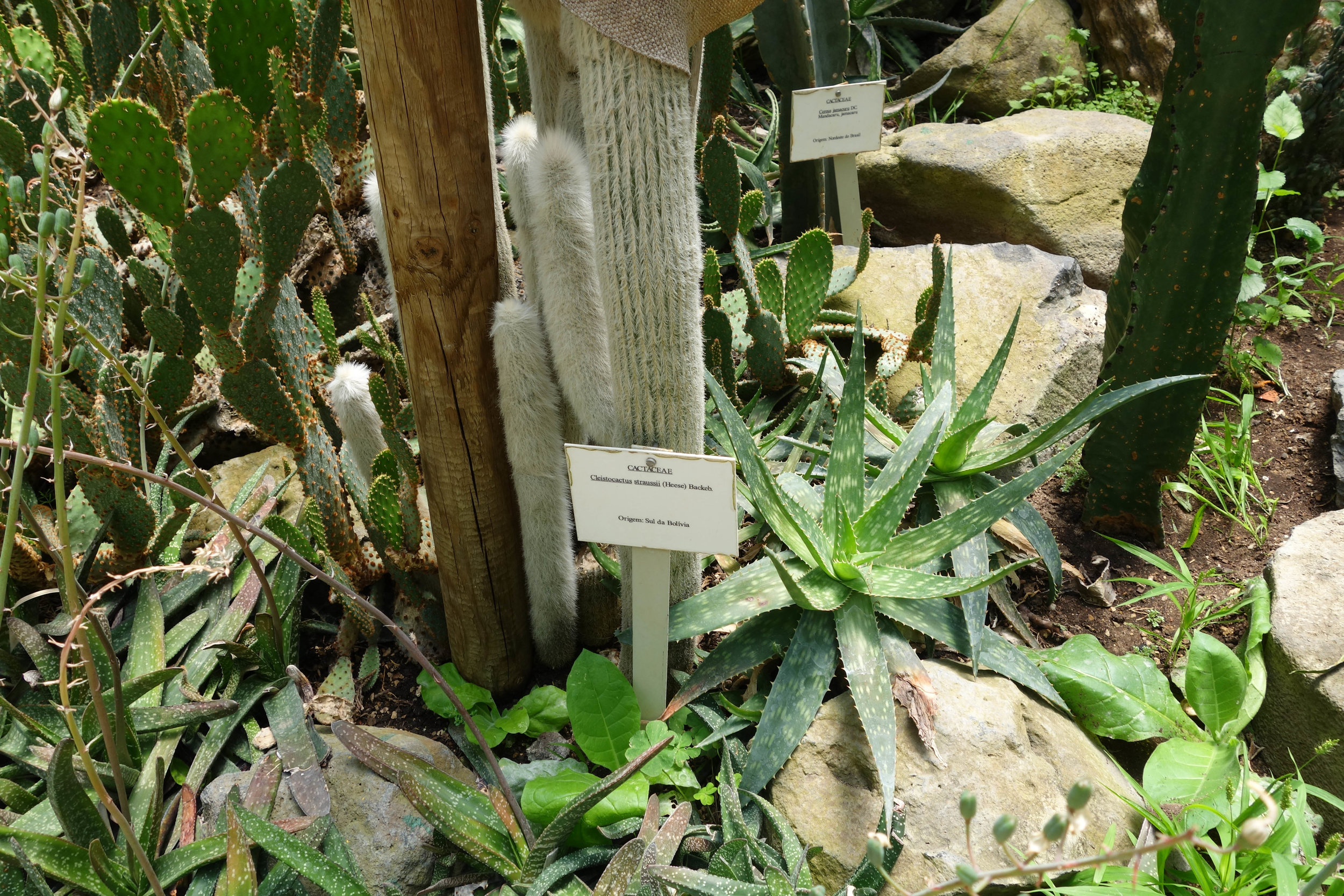
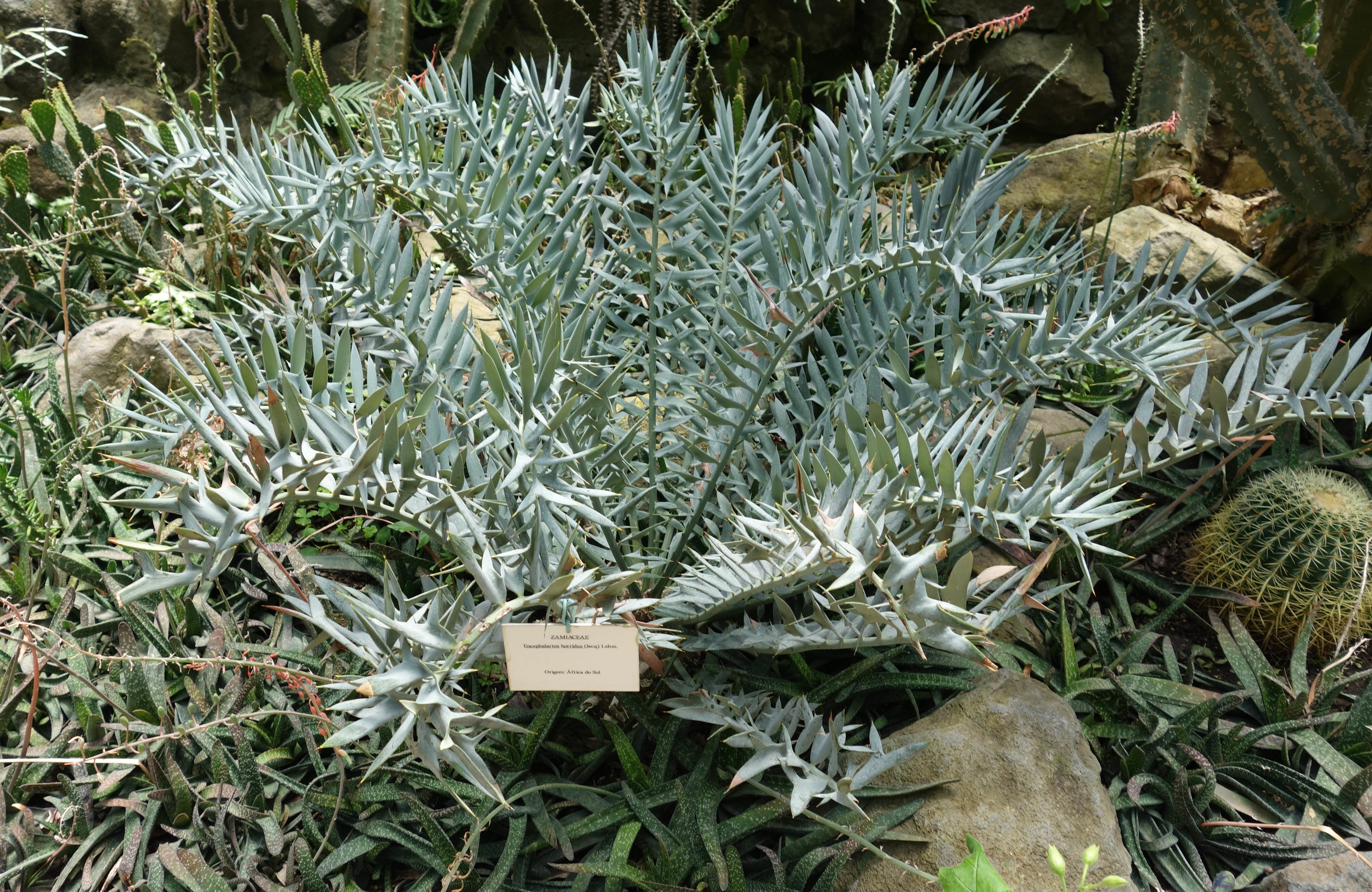
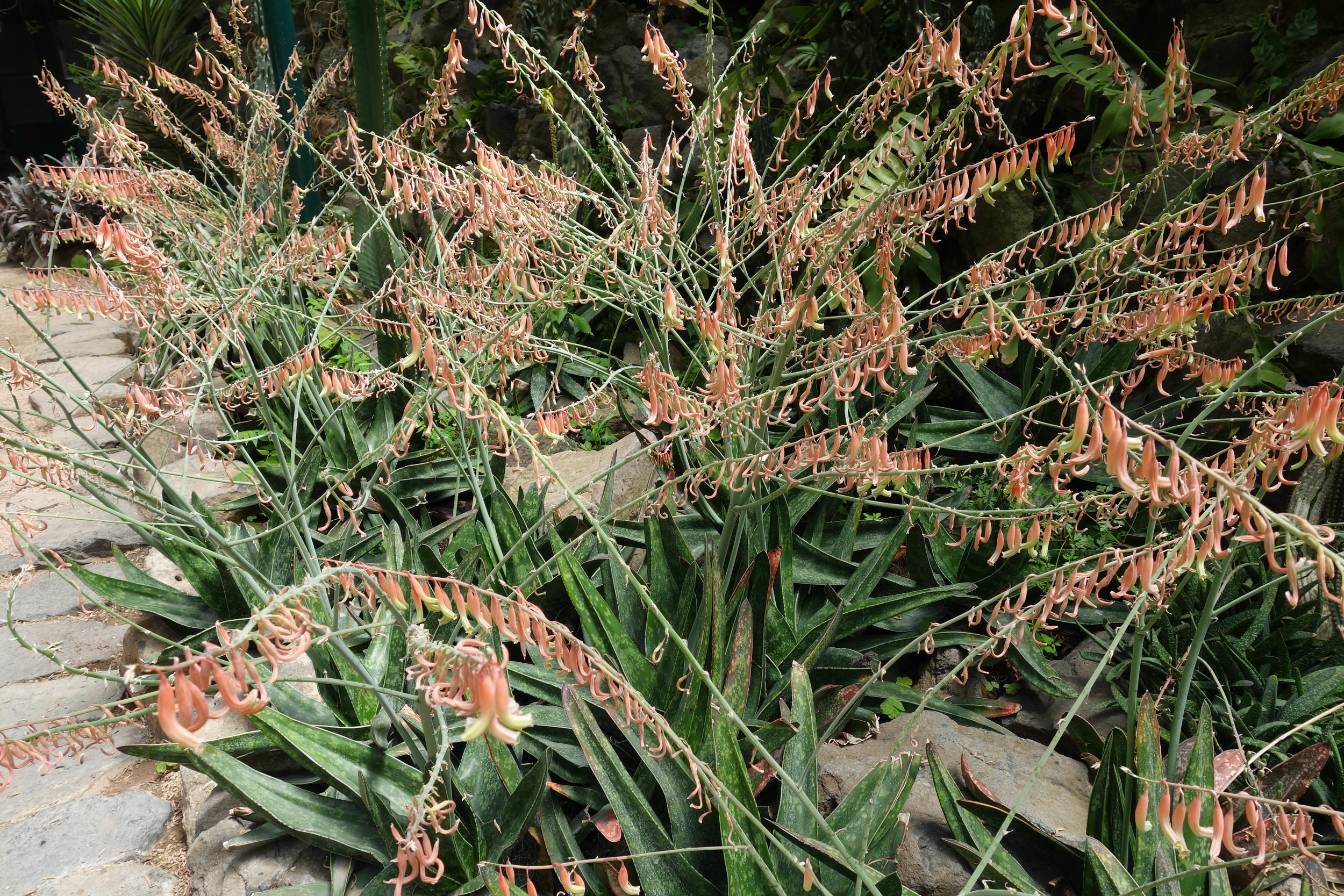
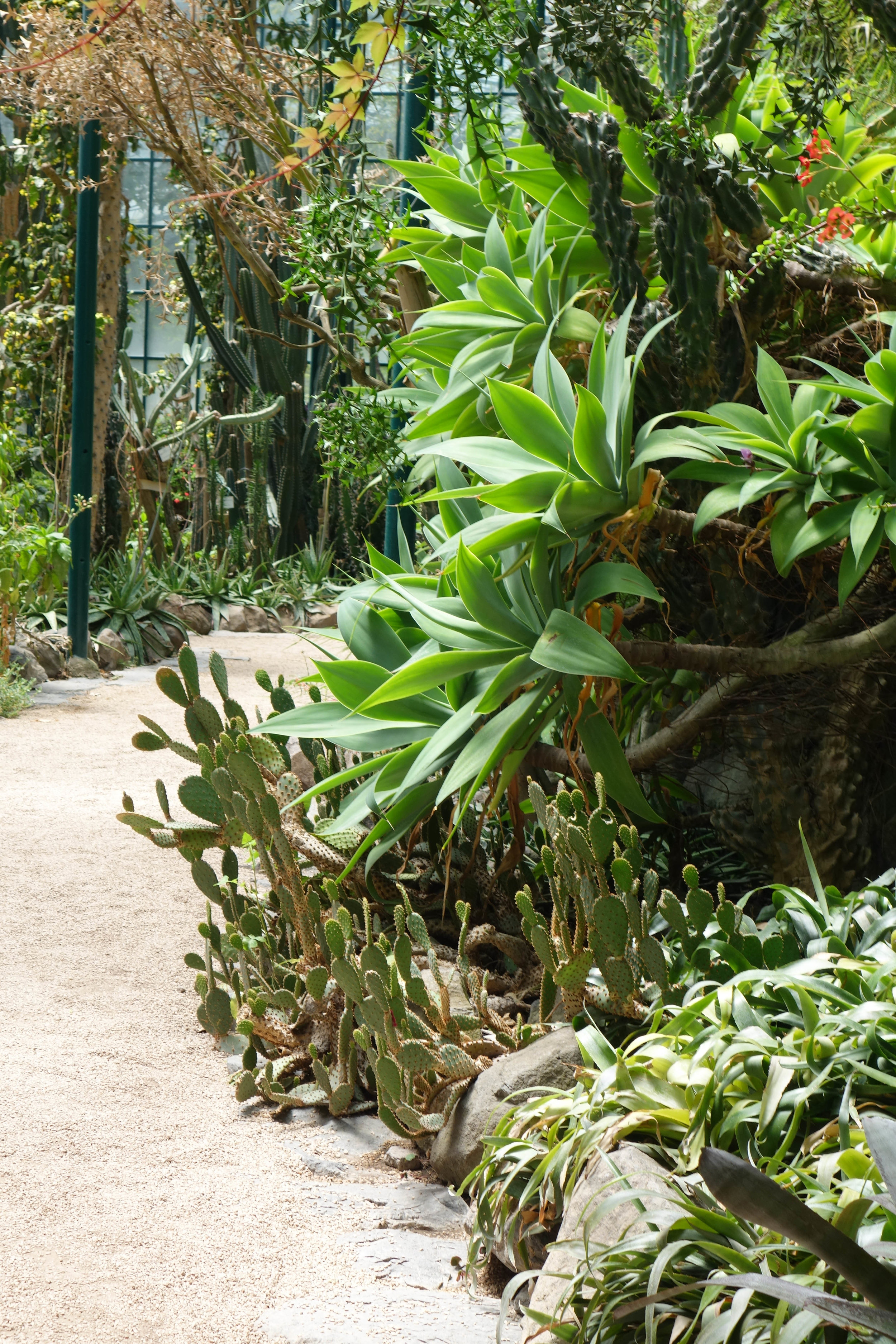
The second and final day of my stay in Lisbon, I first went to the Estufa Fria. It's a beautiful greenhouse complex in the Parque Eduardo VII (which I later found out is filled with prostitutes and drug sellers at night... but it was fine in the daytime!). Though the entrance fee is normally quite cheap anyway, it was actually free for me - I think every Sunday morning the fee is waived. As I walked in, I was greeted by a pool filled with fish, waterfowl, and turtles. Then I walked through the main "cold" greenhouse which contains plants that can thrive in the standard Lisbon climate with just a little additional protection, and the two branching greenhouses ("hot," for plants that want a bit warmer and wetter environment like orchids and bananas, and "sweet," for cacti and succulents). The plants all looked very happy, and I enjoyed seeing some that I keep as houseplants thriving in more natural yet massive plantings.
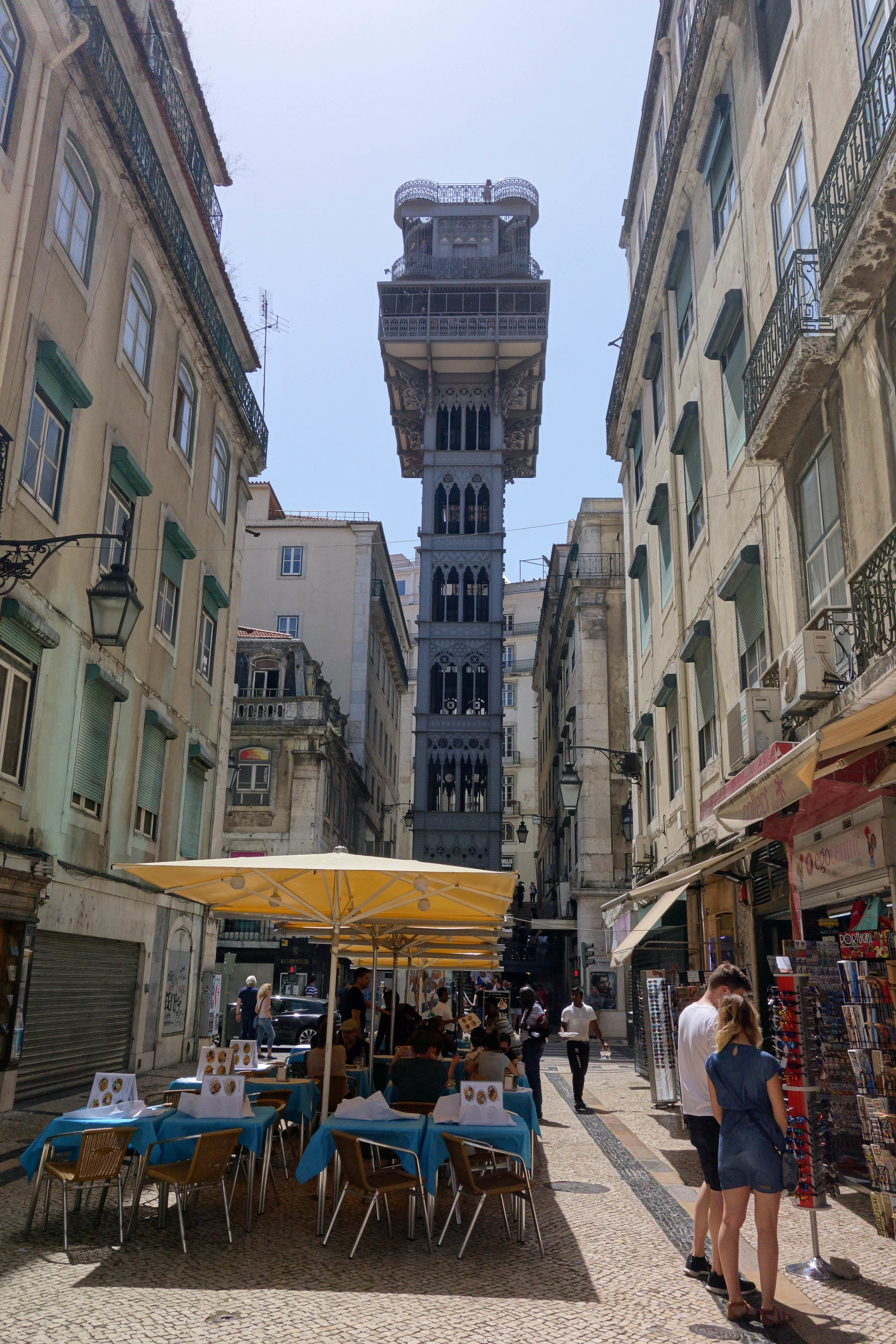
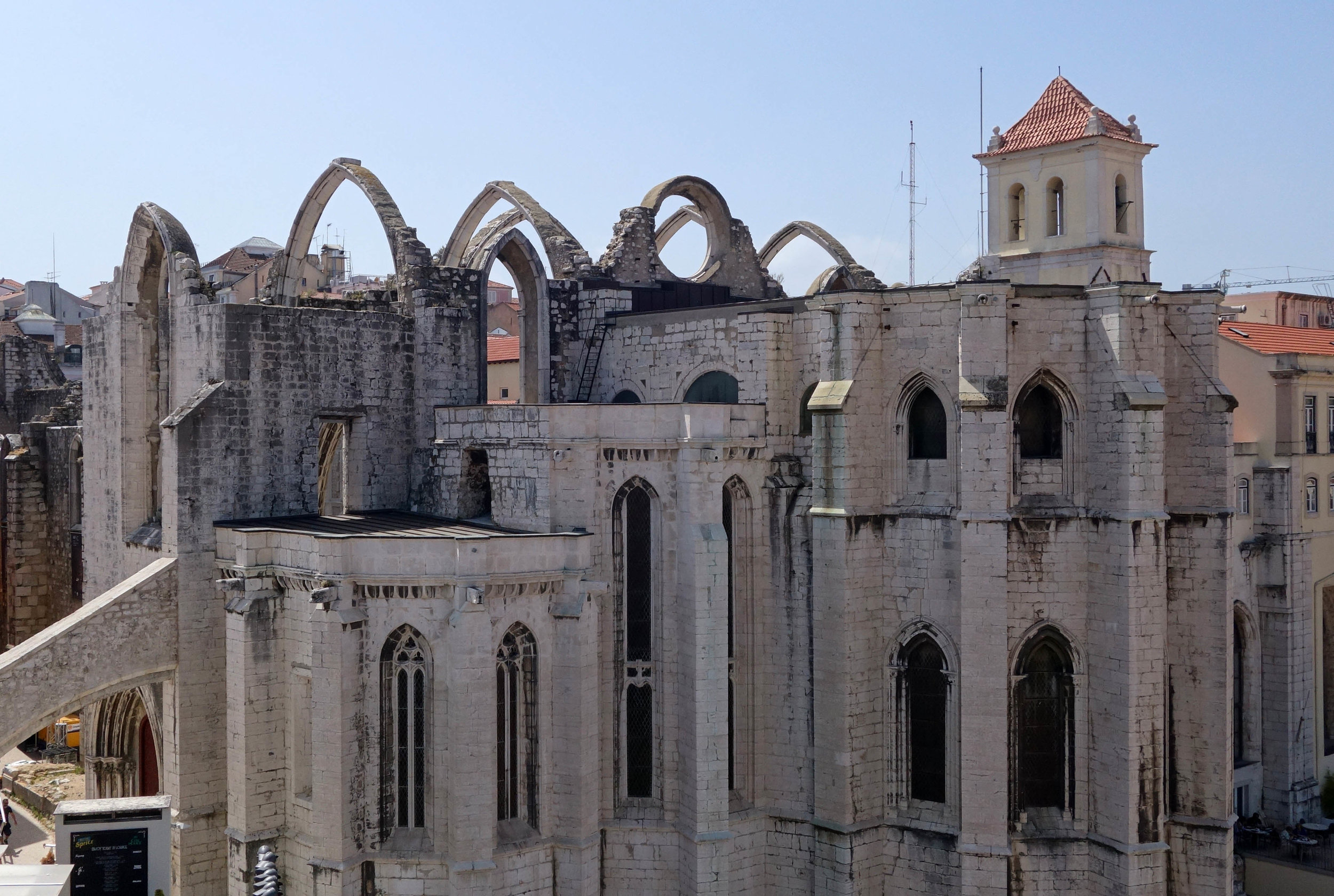
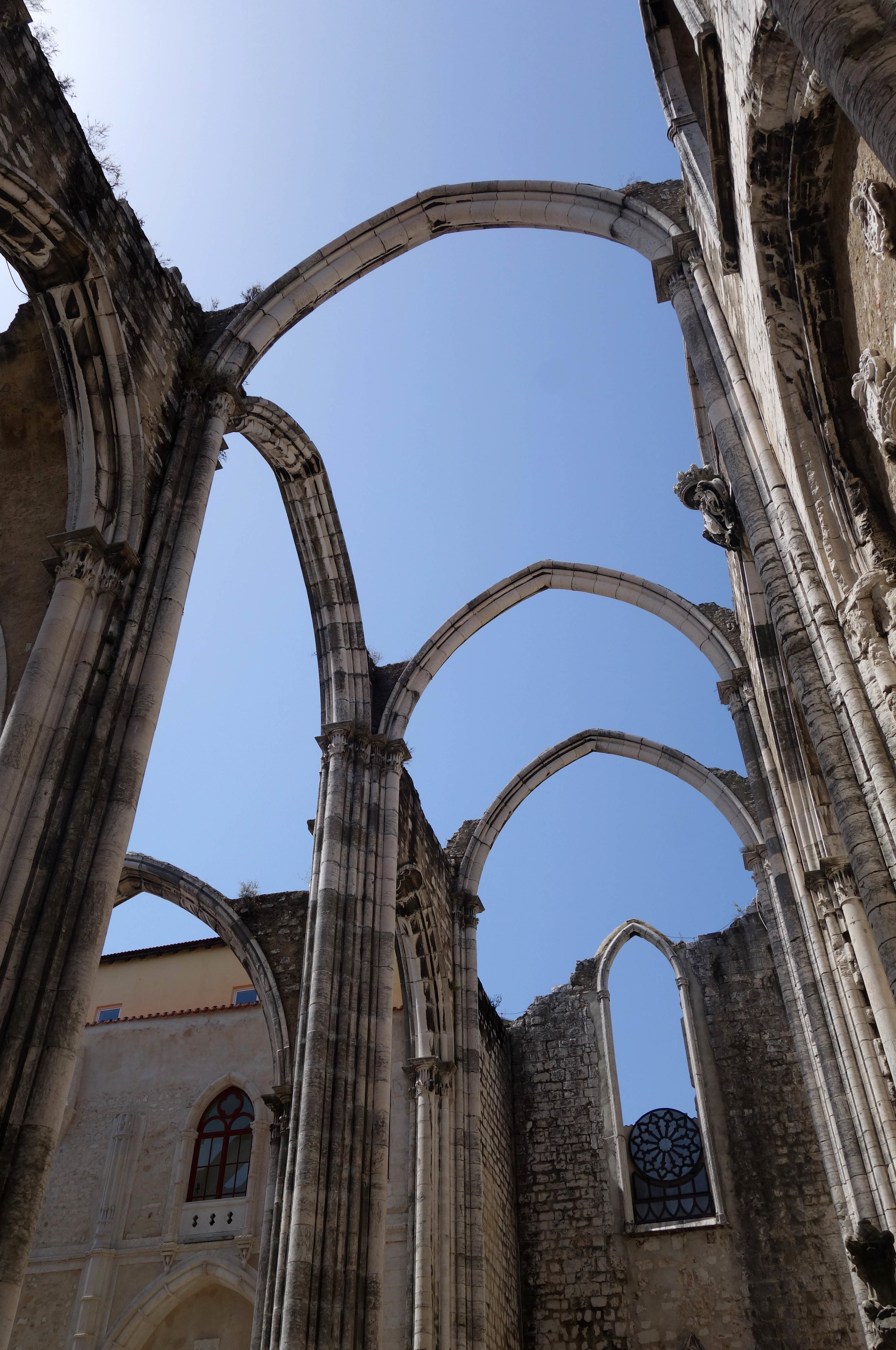
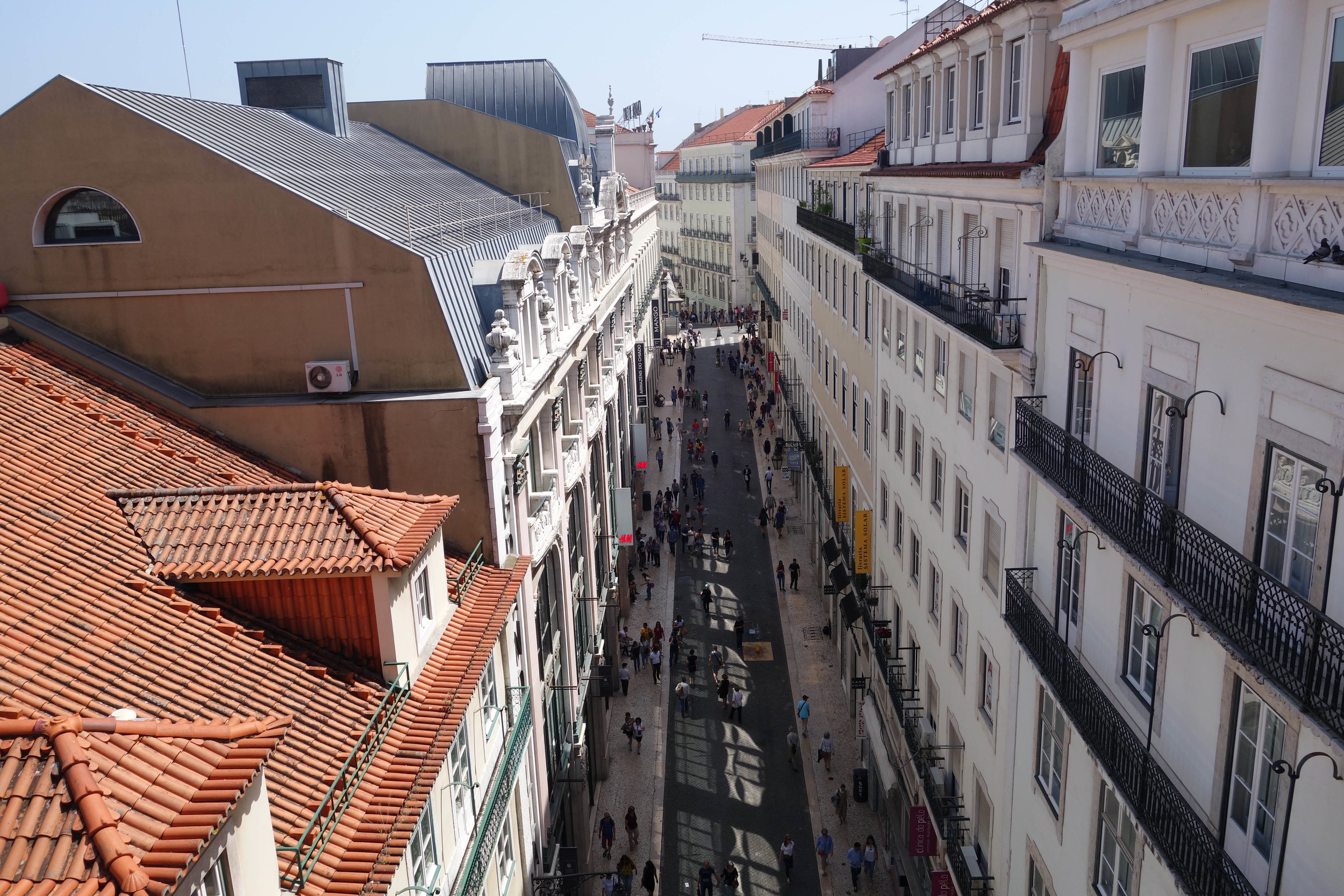
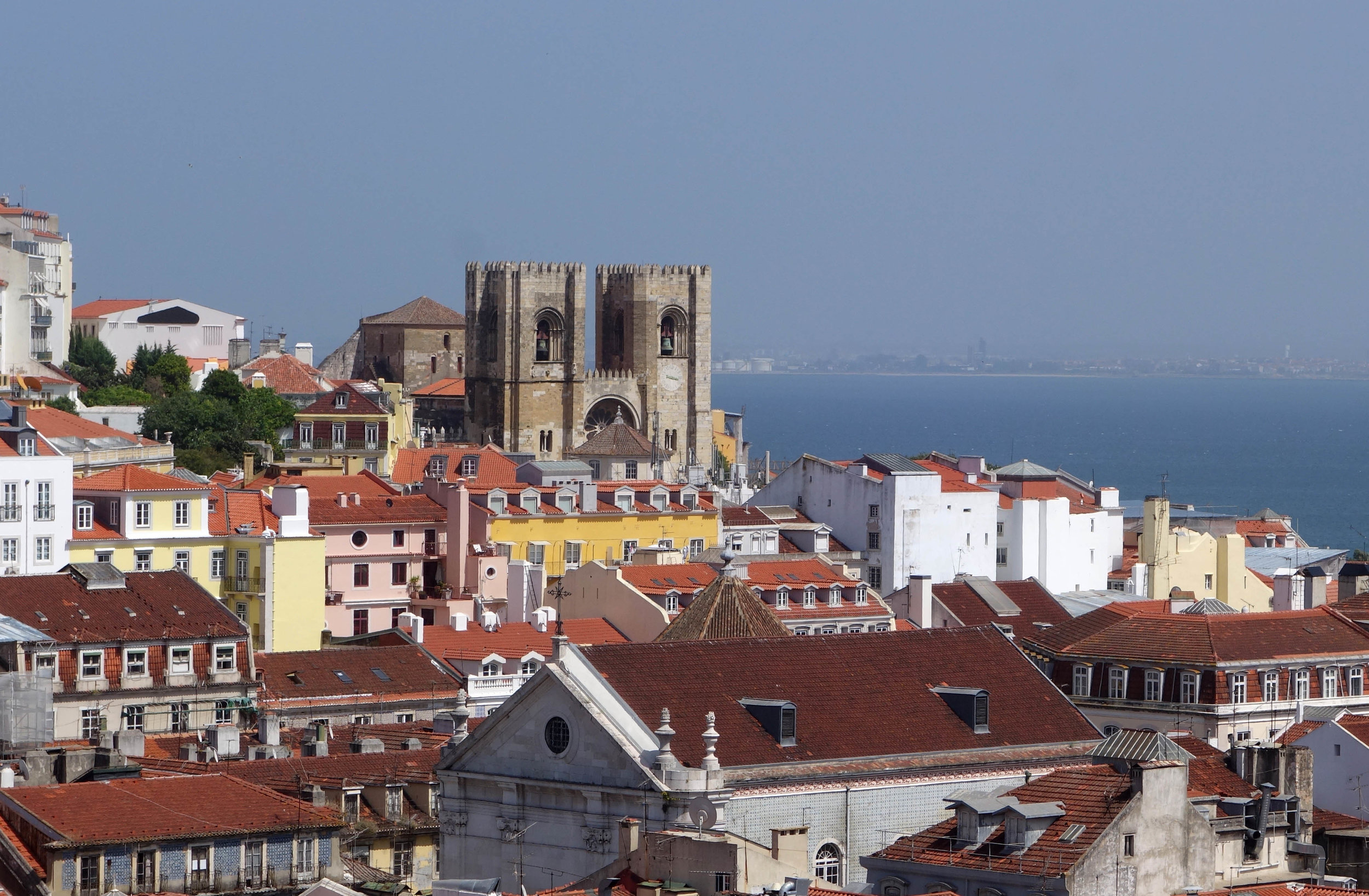
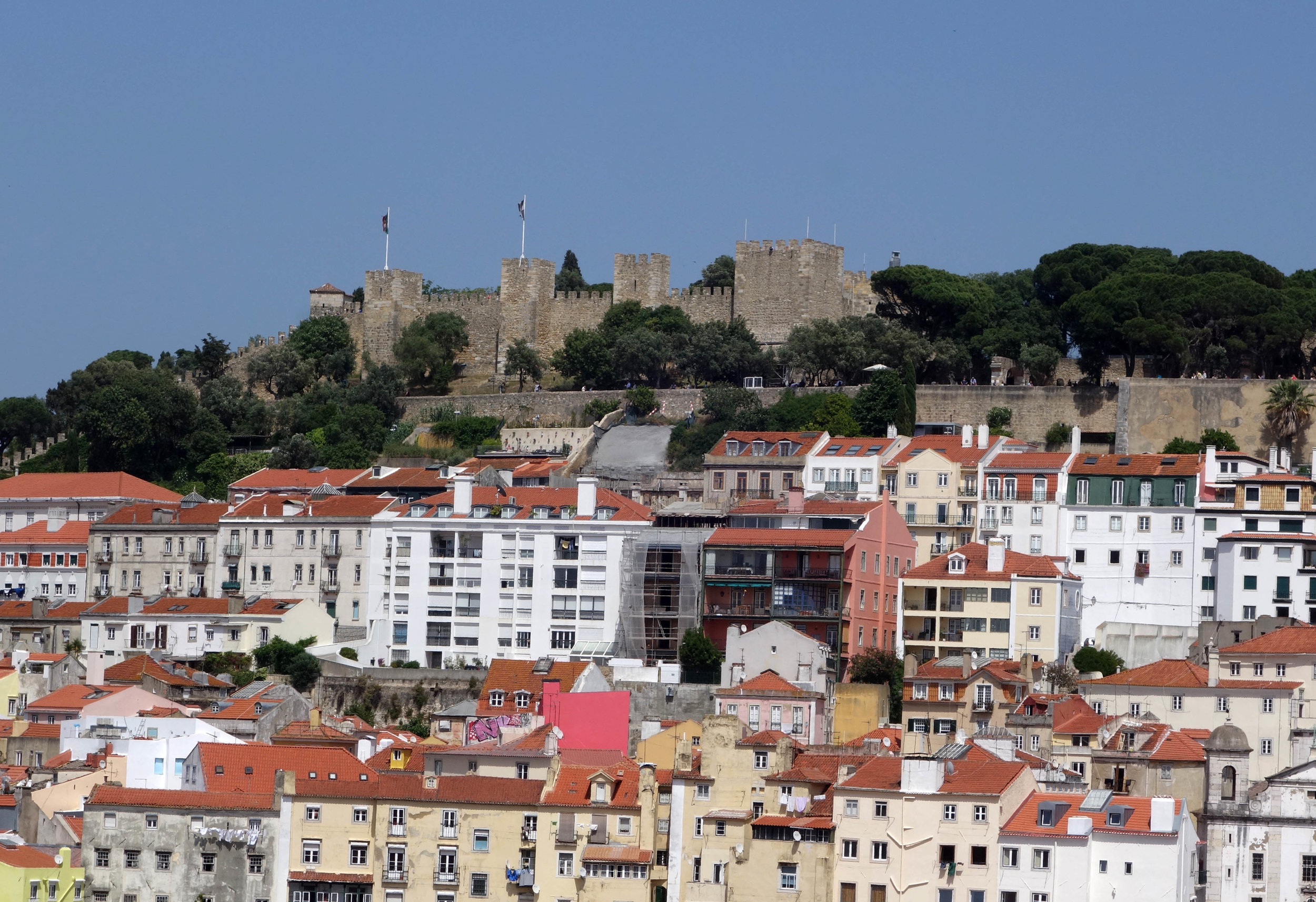
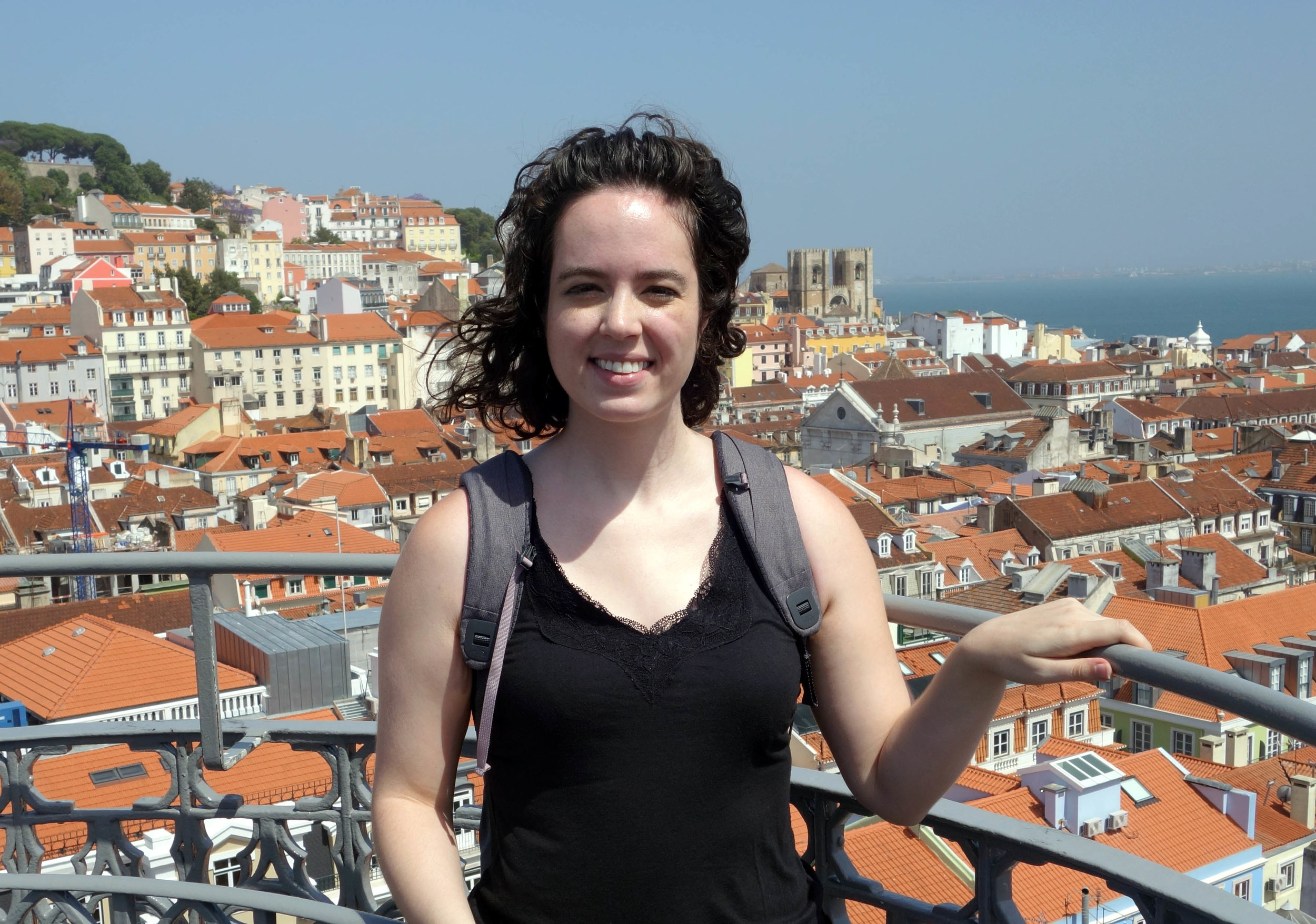
I then went to the Chiado district, stopped for a quick snack of bread and cheese at a little pop-up market and bought a few local desserts to try. As I was walking around the area noticed a tall, decorative elevator with a short line of tourists waiting to get on called the Santa Justa Lift. I decided to get in line; due to my foot, I couldn't handle the hike to the castle which is the more normal touristic look-out point to the city so this was quite an unexpected find! The line moved relatively quickly, too, and I soon paid the 5.15 euro fare to get aboard. Once up, I managed with tacit permission from the guard to sneak into a religious ruin and got chased out shortly thereafter by a different guard but not before taking a look and snapping a couple photos! Then I soaked in the aerial view of the city.
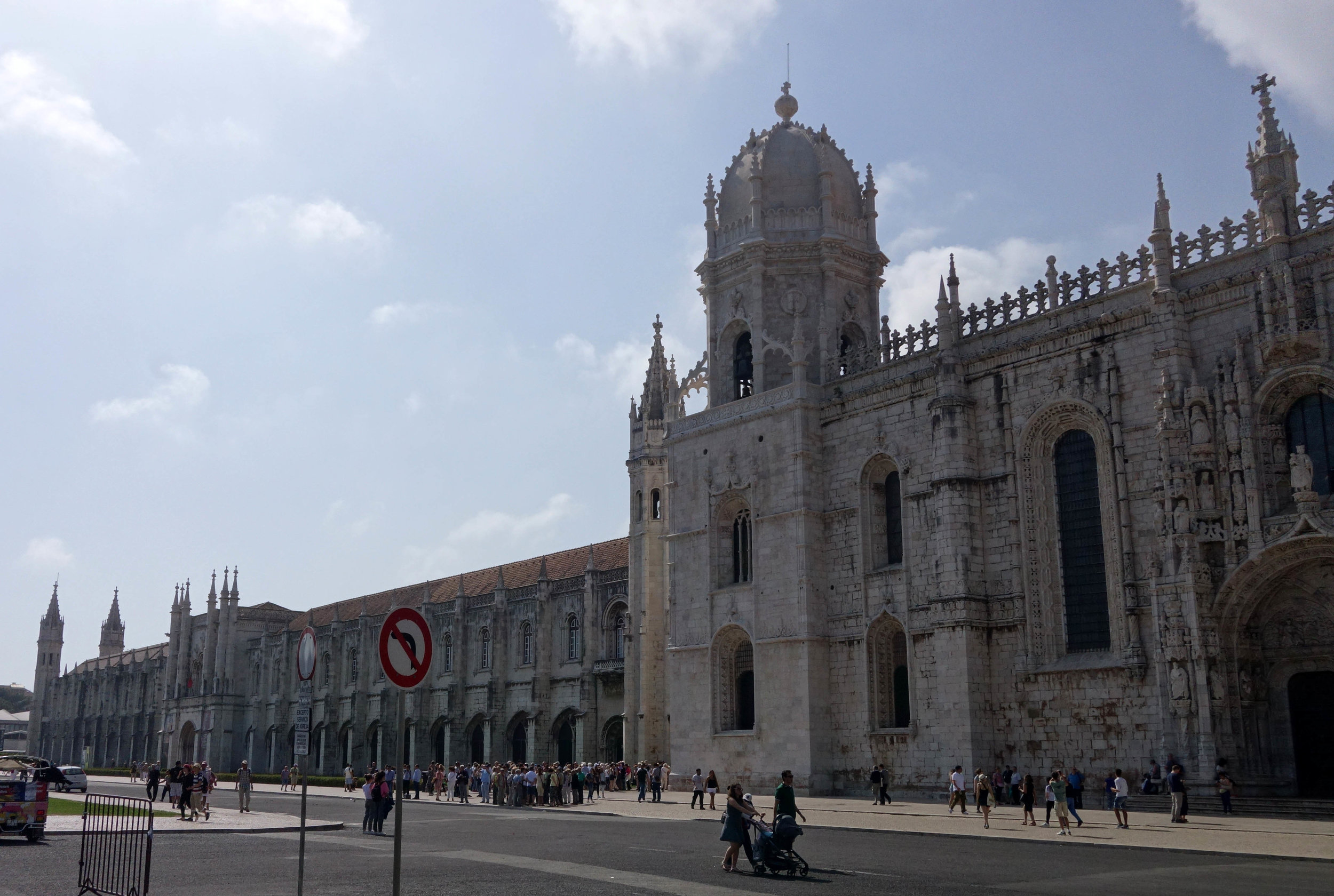
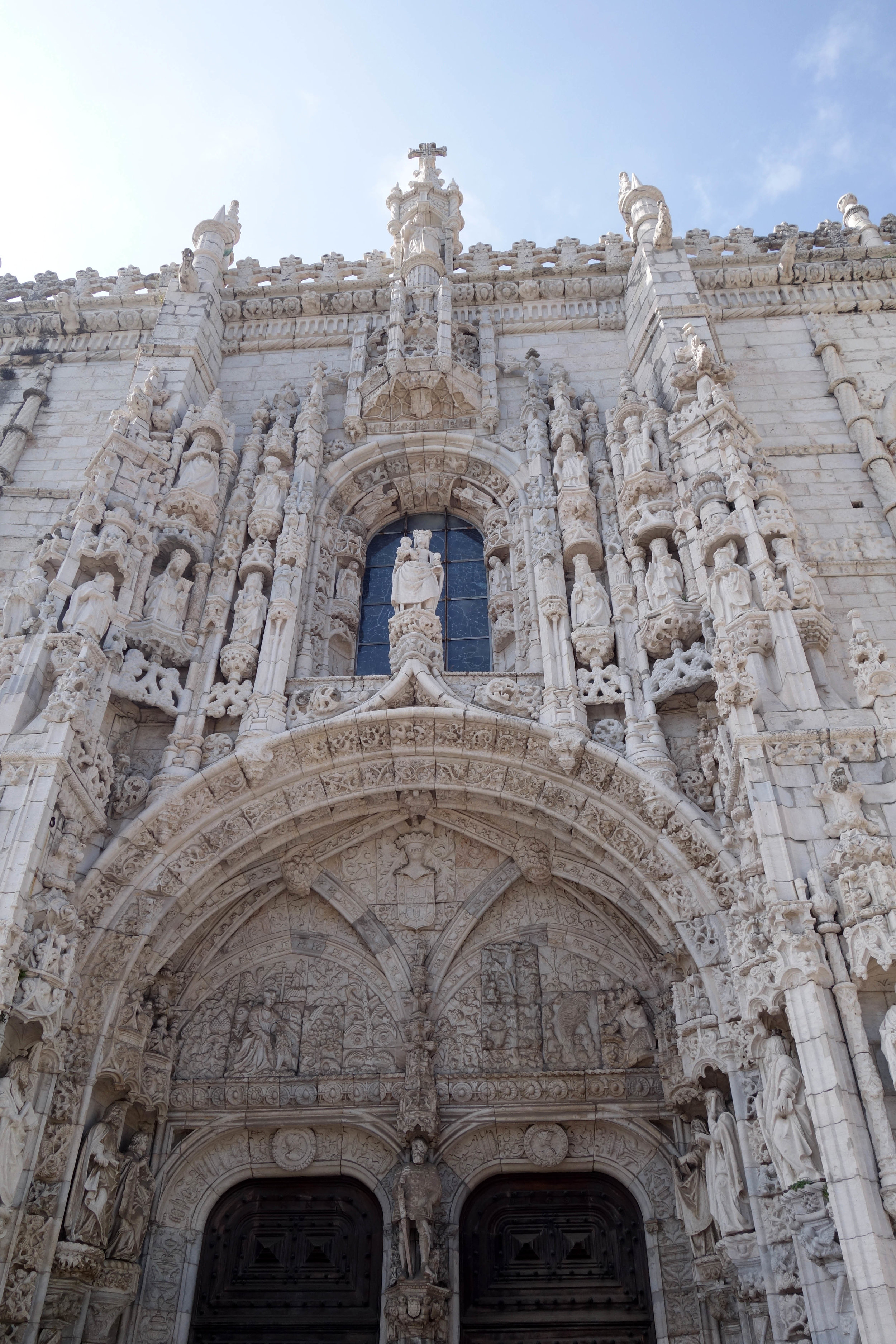
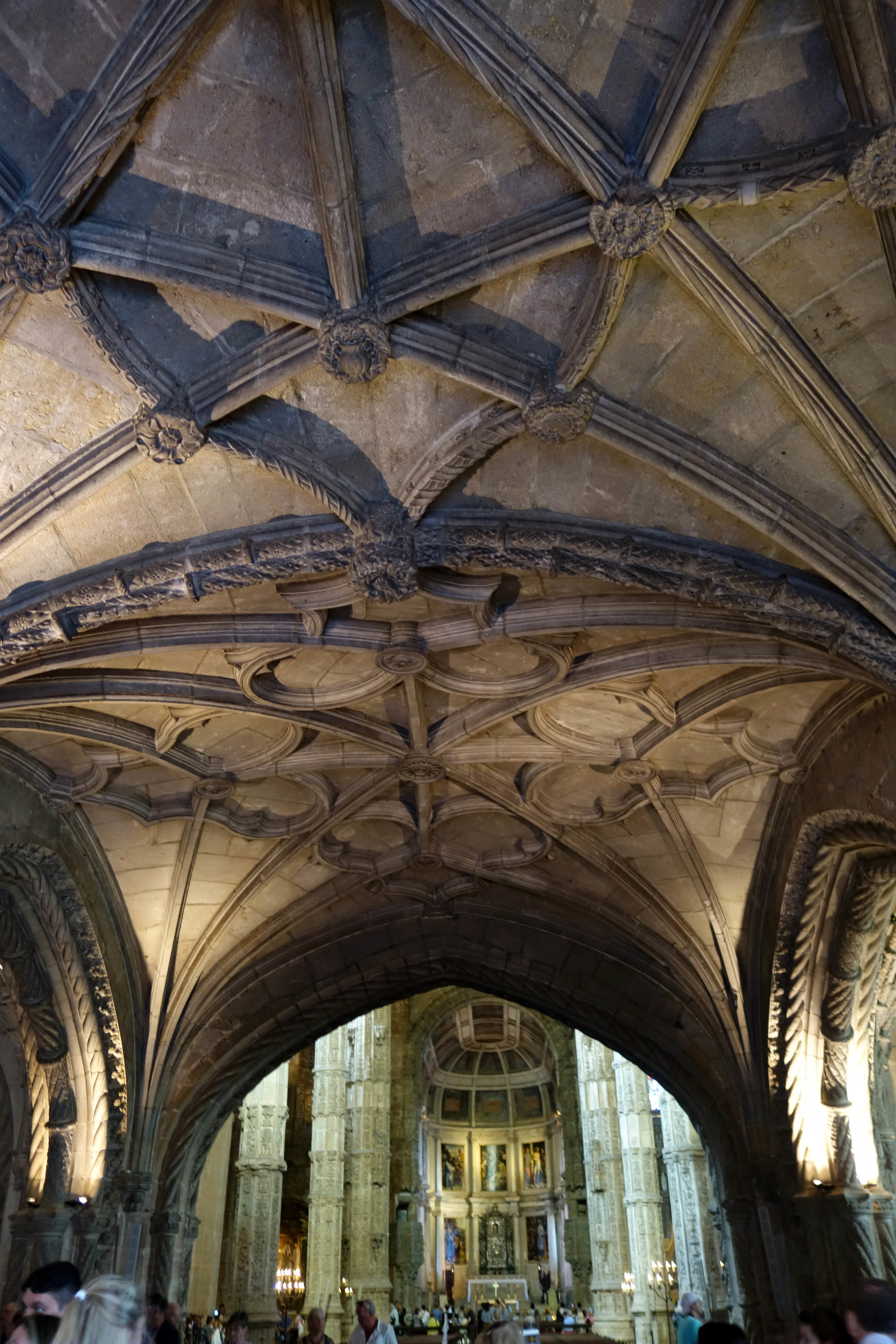
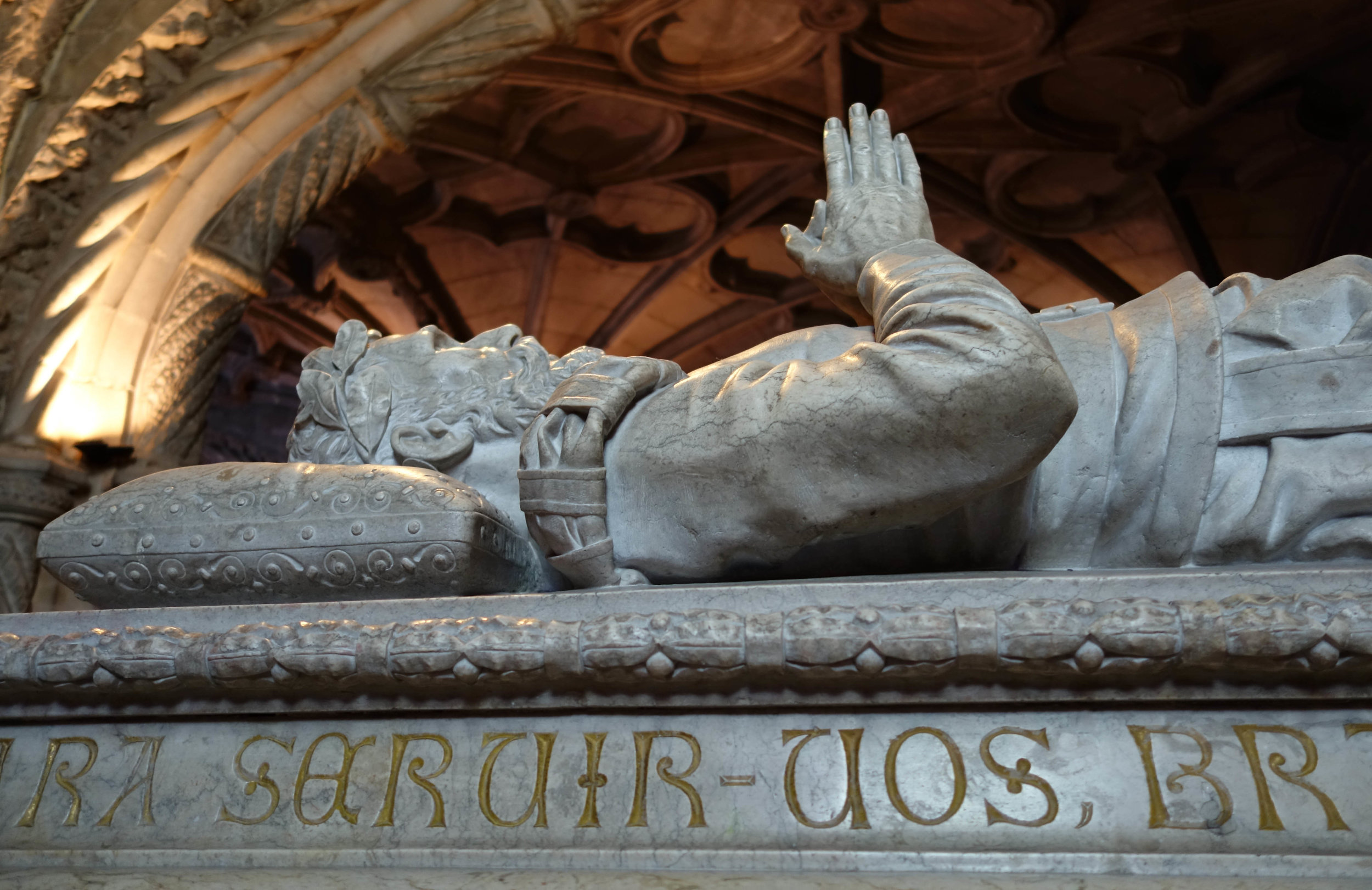
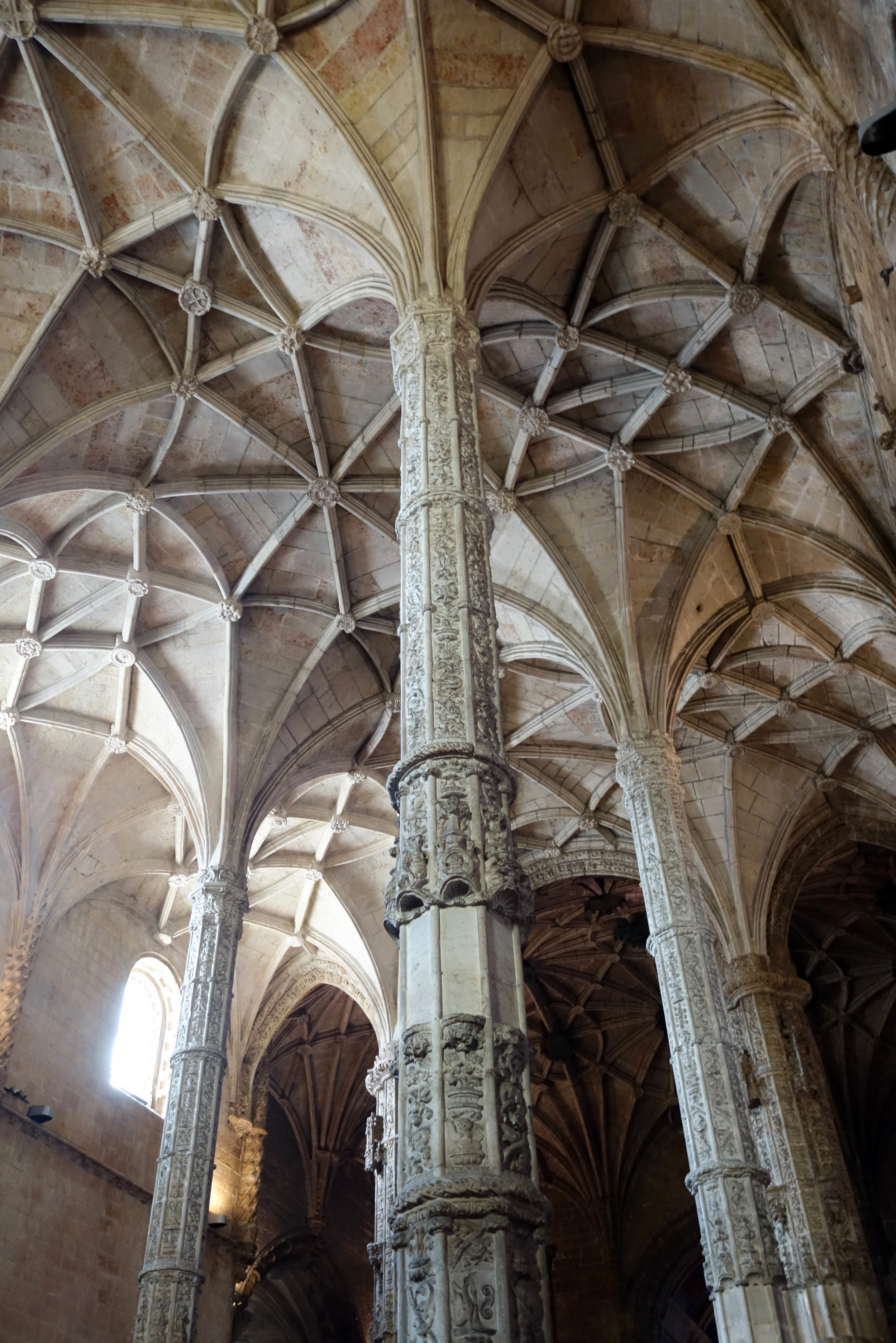
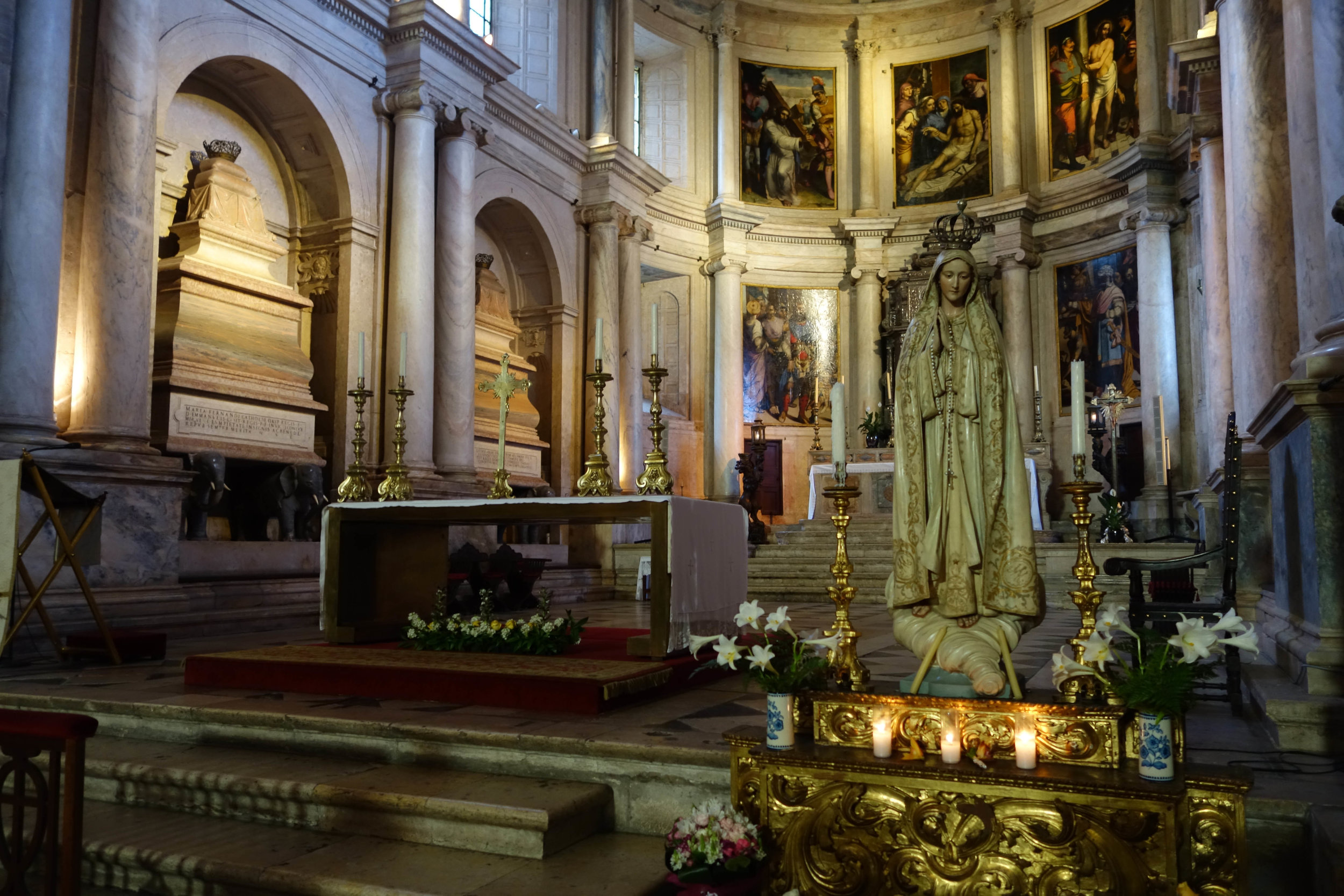
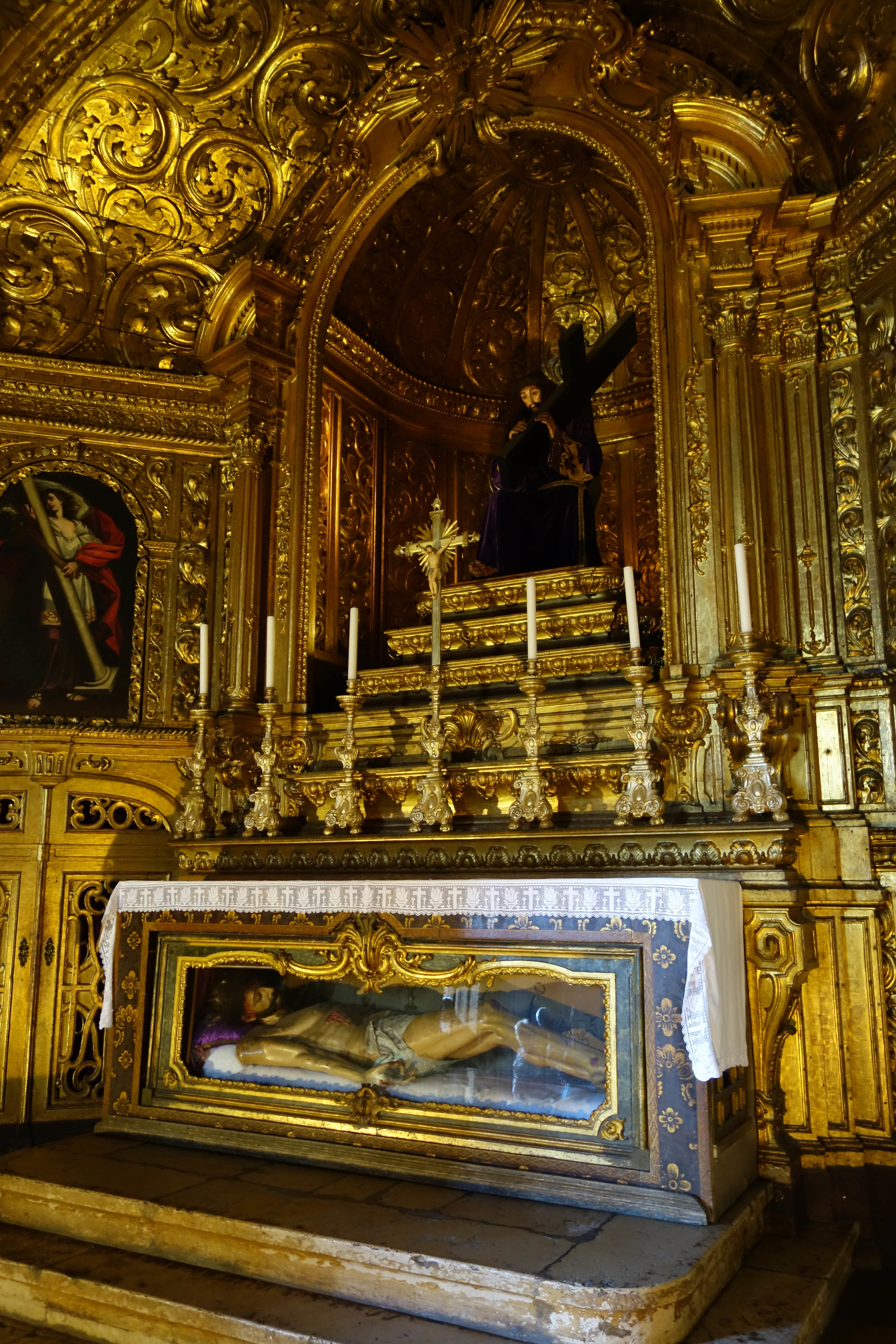
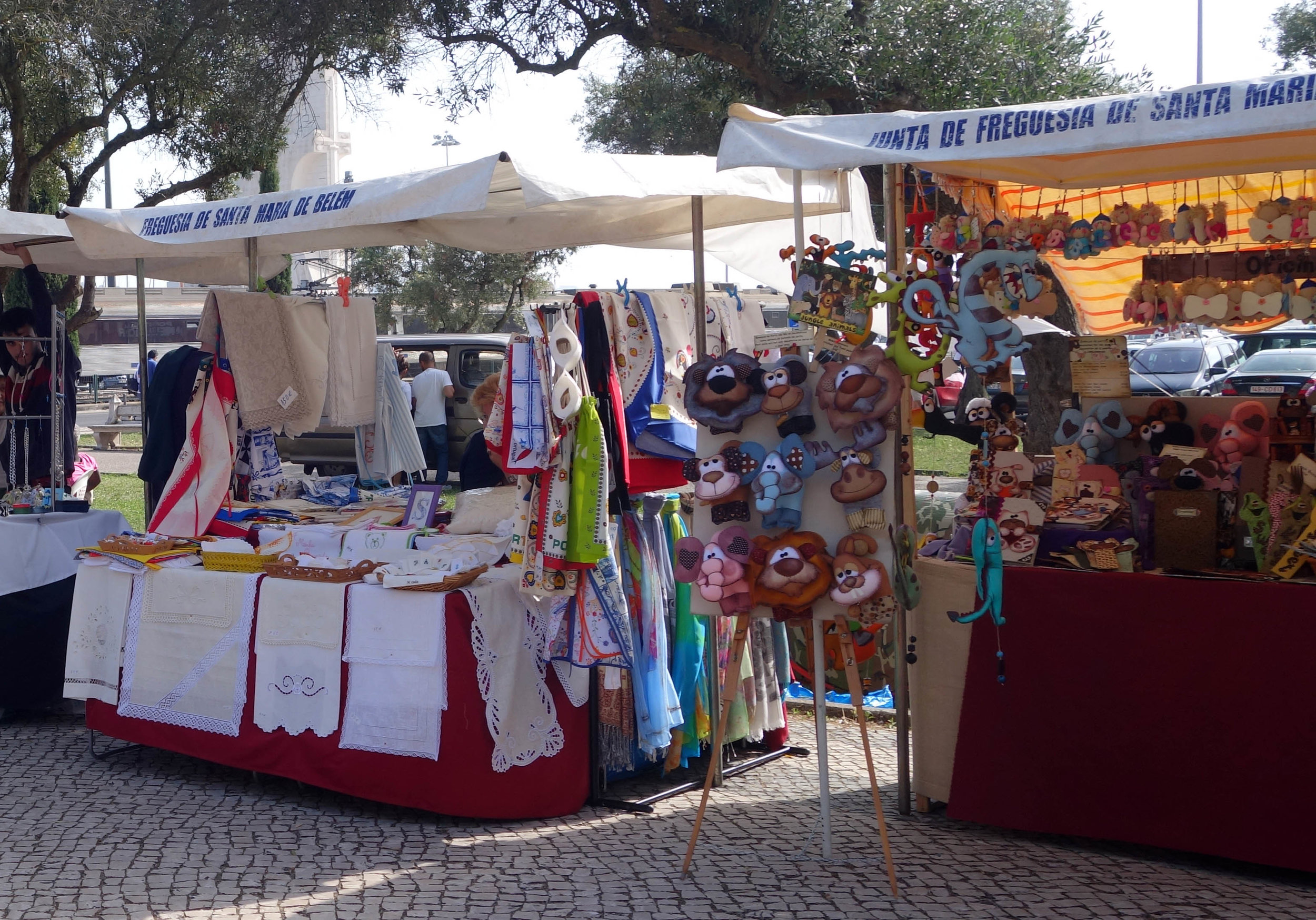
After that, I took Tram 15 to the Belém district and saw the Mosteiro dos Jeronimos cathedral, which is spectacular. Then I crossed the street as I saw there was a market; it was the first non-touristic shopping opportunity I saw. All the normal touristic shops sell the same cheap goods for inflated prices (probably manufactured abroad, ironically); especially after traveling enough in a given region, I've found myself to be really not interested in their wares. This market, though, was geared toward locals (many of the vendors only spoke Portuguese, which is both inconvenient for me but also a strong sign that they are not in it for the tourism angle). I still actually only bought a couple things - primarily because my luggage was already completely full and I only plan to make more room while in Madrid through using up a lot of what I brought with me (clay, shampoo, lotion, contact solution, etc). And most of what was being sold was not luggage friendly - vases and other home decor - or was something that I can also pick up in Madrid (scarves and jewelry). I did buy a little brass dish that caught my fancy, though, and an eighteenth century azulejo tile. The market was being held next to the annual Lisbon Thai Festival, which was quite random, so I strolled through that, too - it was quite small.
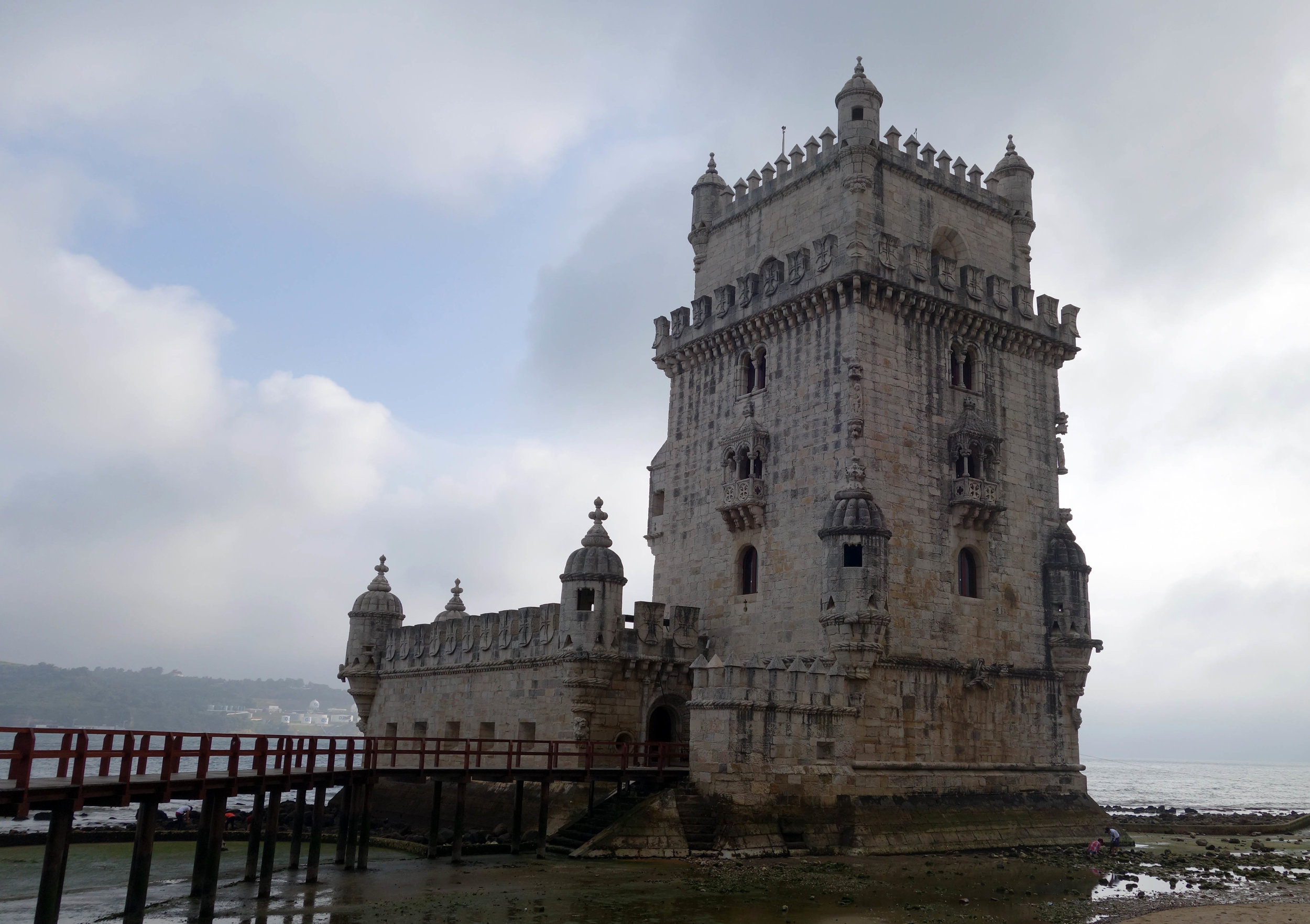
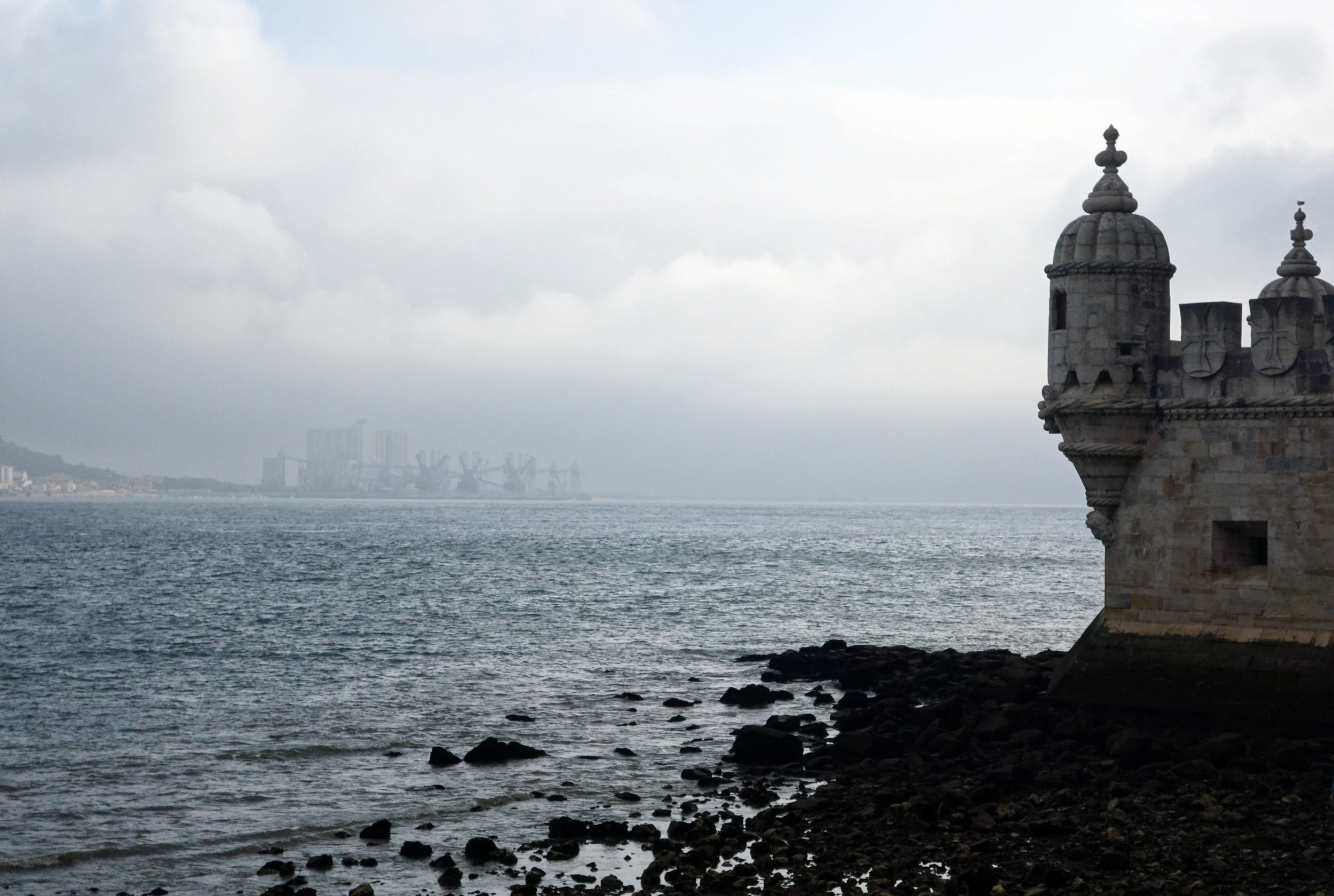
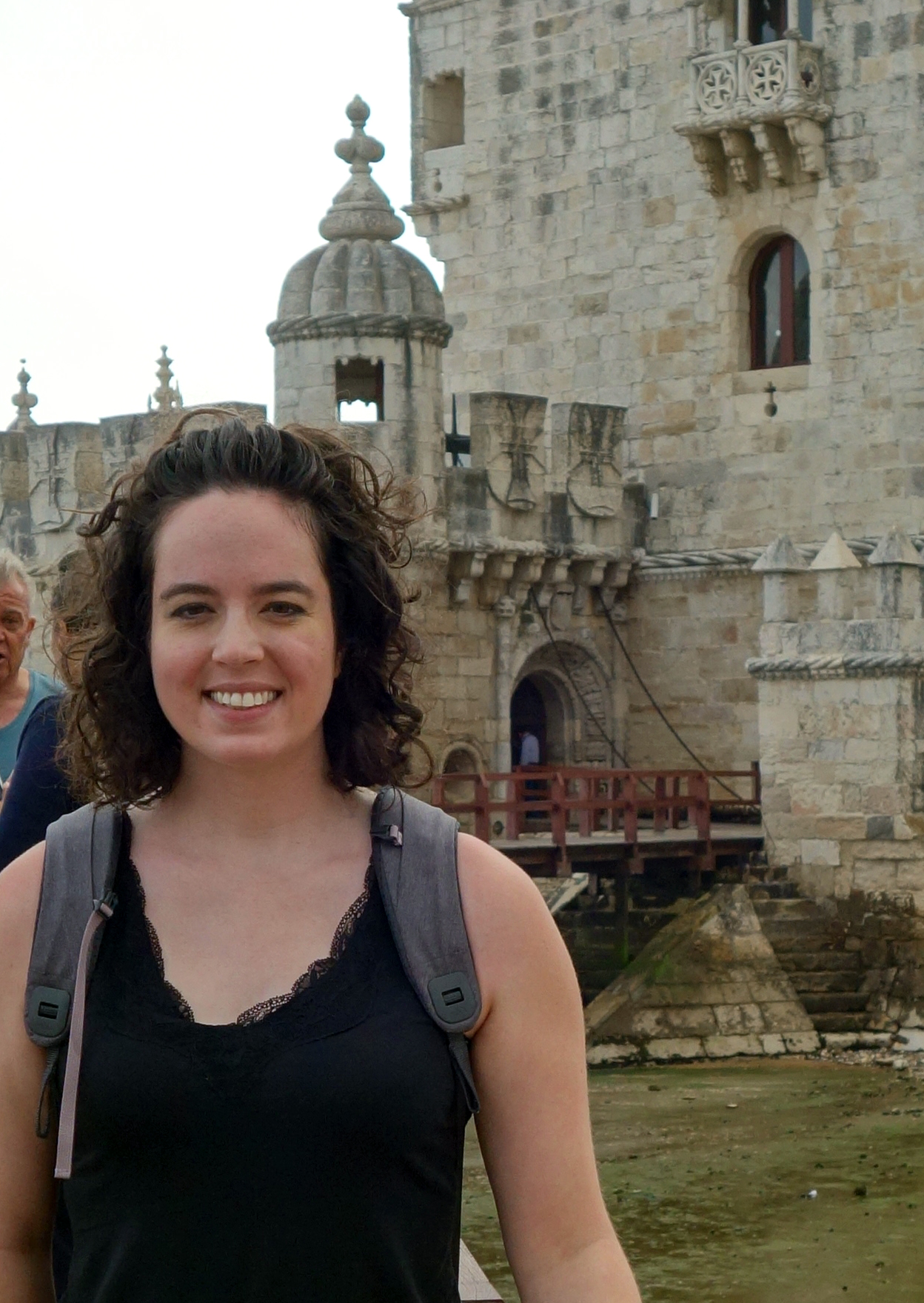
Then I rode the tram to the Torre de Belém, and took a look at it. I might've decided to go inside, but by the time I got there it had just closed. According to TripAdvisor, though, I didn't miss much - the outside is the real draw.
Finally, I had dinner at a place literally next door to my AirBnB as all the walking had done a number on my foot already, sampled a caipirinha, and went to bed.
The next day, I packed up my belongings and took taxi to the train station in order to catch my ride to Coimbra B. I was going to be picked up there by one of the residency staff and driven the rest of the way into Cerdeira Village. I apparently left the Coimbra B station on the wrong side, so it took a while for the residency staff member to find me, but he eventually did and off we went, driving past the famous University of Coimbra renowned for its medical training en route. I had also requested we stop to get groceries, and that made the trip long enough that Nuno, the staffer, wanted to get lunch before groceries in Lousã. He was so kind about my being vegetarian, and we walked to two different restaurants before he settled on a third and basically ordered off menu directly in the kitchen (he knew the waitstaff) for me and even requested they box up my leftovers, which is not even really a thing in Europe. We also drove past Lousã's castle and a miracle-granting church-on-a-cliff (though really, in this part of the world, everything is on a mountainside or cliff...).
Then we came to Cerdeira Village, where I will be staying for two weeks on a residency. From May 22nd through May 31st, I will be a normal resident, but from June 1st through June 4th, I will also participate in the Elementos à Solta (Art Meets Nature) Festival. I was invited to do this residency as one of two sponsored international artists, meaning that Cerdeira Village is letting us stay and use their facilities for free.
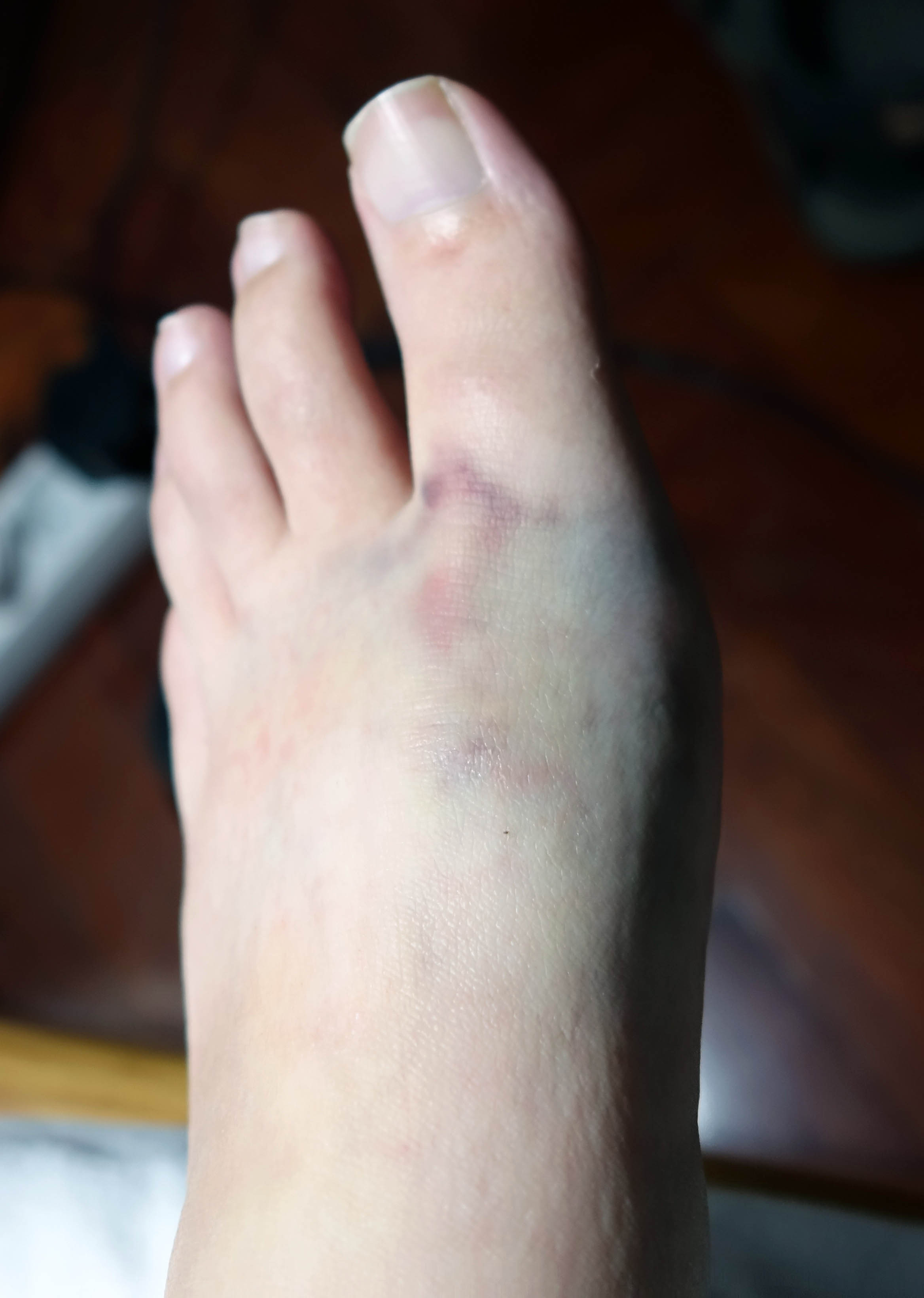
The village is a traditional Schist village, which means the houses are made out of thinly stacked and mortared schist rock. It is also carved into the mountainside; almost nowhere apart from in rooms is flat, and even in the houses there are flights of stairs and you are constantly called to go up or down inclines or stairs to get anywhere. It is not an ideal site to have a foot injury (!) but luckily, it is not as bad of an injury as it could have been, and upon arrival it was exactly a week old so it already had some time to heal. Plus, I'd already gotten some of my wanderlust out while in Lisbon so I planned to use the first few days to crank out some studio time. I met the other sponsored artist, a Finnish woman named Julia, when she arrived a couple hours after I did, and we soon went to bed. Free accommodations means we're sharing a room, and the room itself can house six people in three bunk beds; we were each set up on the bottom of two of the bunk beds. I already hit my head on the bottom of the top bunk above me twice, and it took me about an hour of being super self-conscious about making noise while tossing, turning, sneezing, and whatnot next to a stranger trying to sleep, but with my own earplugs and a warm comforter, I eventually fell asleep.
In case you haven't been following along (I do understand the appeal of attempting to ignore that Trump is in charge of the USA), here's a list put together by The New York Times compiling twenty-three environmental laws, regulations, and policies that Trump has overturned in the first hundred days of his presidency. At least Elon Musk is trying his best to get humanity to Mars, since it seems like it'd be best if we just left Earth to the rest of the species that inhabit it and move to a lifeless planet that won't suffer as much from our short-sighted and morally questionable leadership.
My crested gecko Lex has been posing up a storm lately! Here are a couple of new snaps of her antics. If you think she looks significantly yellower in the middle photo than the other two, you're correct - and it's not an illusion due to lighting or camera settings. The white versions are her "fired down" state, while the yellow is a more active coloration; when she's really intensely "fired up," she can actually even reach a medium brown, but that's relatively rare for her.
Usually animals who are in the process of shedding are quite shy, so I haven't seen Lex shed in quite a while (when she was a baby I saw bits of it as very juvenile crested geckos have a harder time getting their shed off). But last night, she popped up with a superhero mask and cape of her own dead skin.
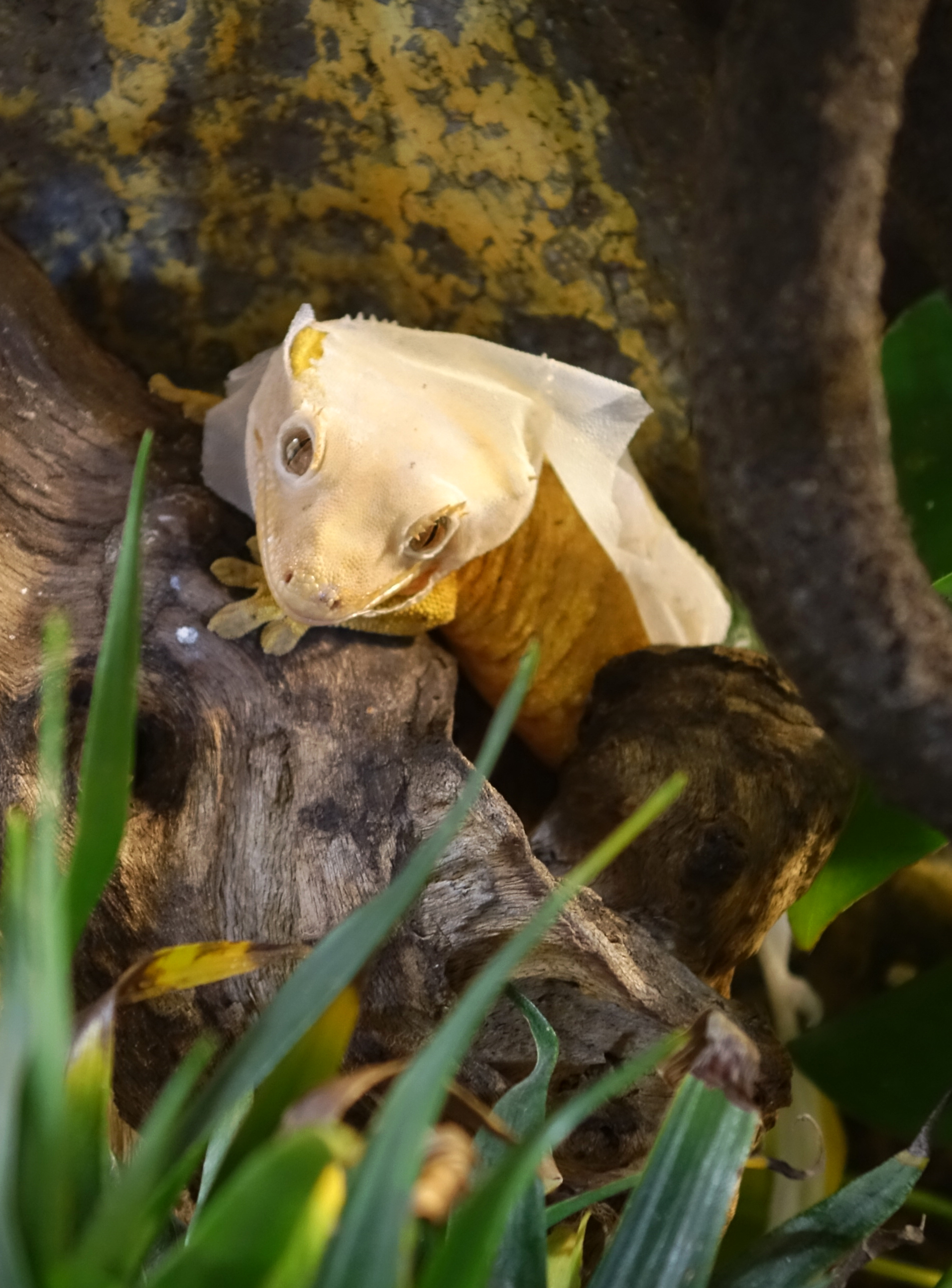
I assumed her surprisingly social behavior was a request for more humidity to aid in the detaching and easy consumption of her shed, so after taking her photo I spritzed her and watched as she ate it all within the next half hour.
Did you know that there's a Dead Animal Tales exhibition at the Rotterdam Natural History Museum featuring animals who came into interestingly fatal contact with humanity? One of the latest additions is a stone marten who got electrocuted while breaching the Large Hadron Collider's substation fence. The Guardian wrote an article on the exhibition which is worth reading in its entirety, but here's an excerpt:
The stone marten [...] joins a sparrow that was shot after it sabotaged a world record attempt by knocking over 23,000 dominoes; a hedgehog that got fatally stuck in a McDonalds McFlurry pot, and a catfish that fell victim to a group of men in the Netherlands who developed a tradition for drinking vast amounts of beer and swallowing fish from their aquarium. The catfish turned out to be armoured, and on being swallowed raised its spines. The defence did not save the fish, but it put the 28-year-old man who tried to swallow it in intensive care for a week.
It was another unfortunate incident that spurred Moeliker to establish the exhibition in the first place. In 1995, a male duck flew into the glass facade of the museum and died on impact, a fate that did not deter another male duck from raping the corpse for 75 minutes. The incident ruffled feathers in the community but earned Moeliker a much-coveted IgNobel prize when he published his observations . “I was the one and only witness,” Moeliker said. “I’m a trained biologist but what I saw was completely new to me.”
The gay necrophiliac duck sex act is elaborated on here, if you're compelled - as I was - to read more about it. Apparently there may or may not have been a similar case witnessed between two American squirrels.
I met Ariel while in residency at La Maison Verte this past summer, and now she's coming to exhibit with USM in Goppert Gallery! Her work will be on display February 17-March 10, with an opening reception tomorrow from 3-5pm.
Here's the full press release!
I saw this photo while browsing Reddit a few days ago; it gives me a sort of odd comfort in metaphorically depicting that if we as humanity can just avoid completely taking the world out with us as we continue on towards our own extinction, the rest will soldier on just fine.
The Environmental Protection Agency was just frozen, "temporarily halt[ing] all contracts, grants and interagency agreements." It's also been placed under a media blackout. I cannot emphasize enough how problematic this is not only for its immediate effect but also for the implications this action has in conjunction with other decisions and promises - including sharply increasing drilling and mining operations in previously protected land - already made by Trump and his team. This will lead to short-term financial profit at the short-, middle-, and long-term expense of catastrophic environmental mismanagement. It's not a unique decision, unfortunately, but it is still a deeply wrong one to make.
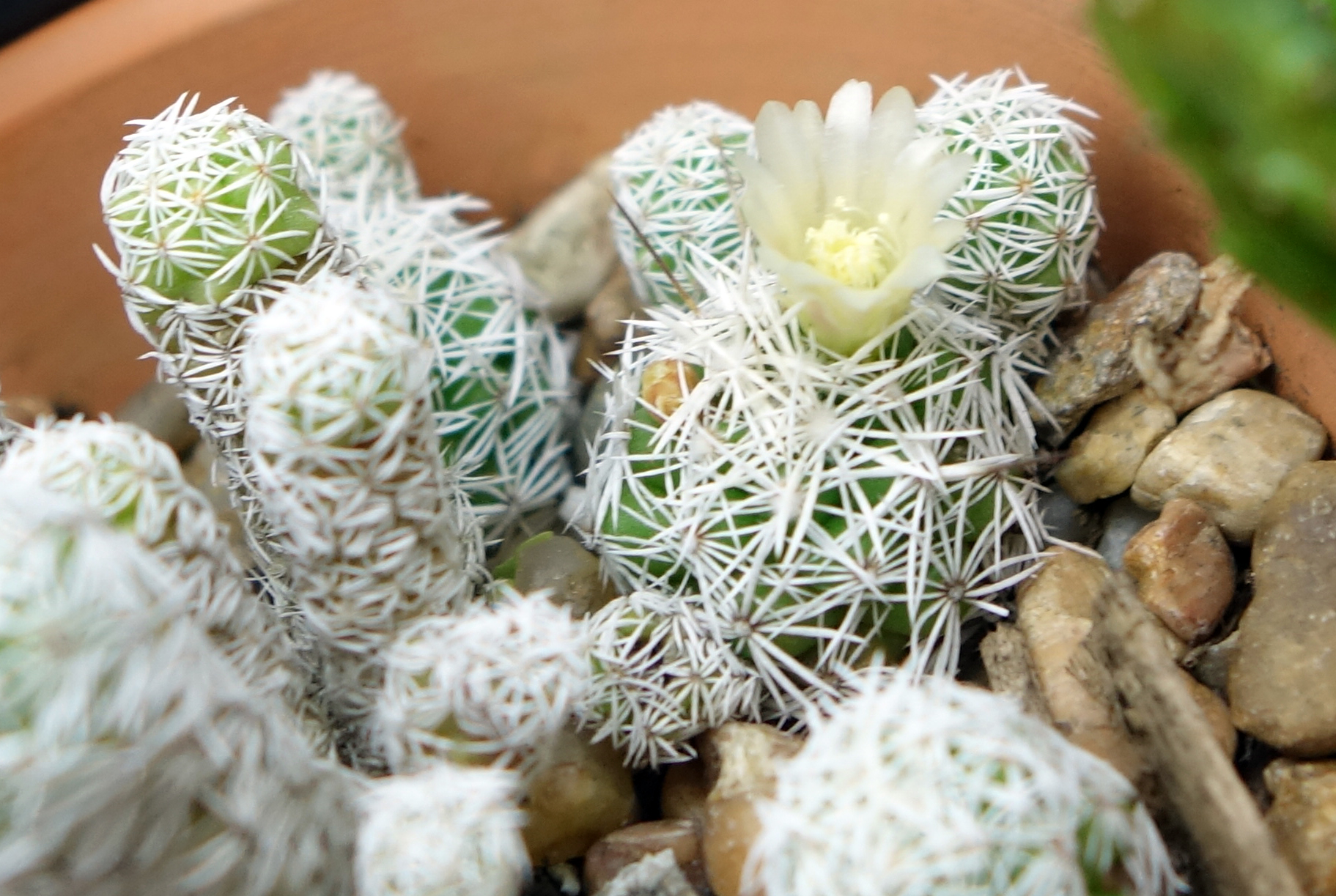
And speaking of seeds - my Anacampseros rufescens has bloomed repeatedly for me, and due to its self-fertile nature, it's produced seed pods at least twice that I've noticed. I also suspect it's a monocarpic plant (though googling has only led me to one other person willing to make that statement, so who knows for sure) as each branch that blooms severely dies back. Over time, this has meant my plant has become smaller and smaller. So when I spotted another seed pod in late September that still had seeds in it, I pounced. I grabbed it and then massaged it over the mother plant such that the tiny little seeds sprinkled into the same pot. I wasn't sure that would do anything, but I figured it was worth a shot. Several months later and... we have seedlings! Adorable little Anacampseros rufescens seedlings, some of which are even sprouting telltale white hairs! Take a peek - there are at least sixteen visible by my count and that's just one corner of the pot:
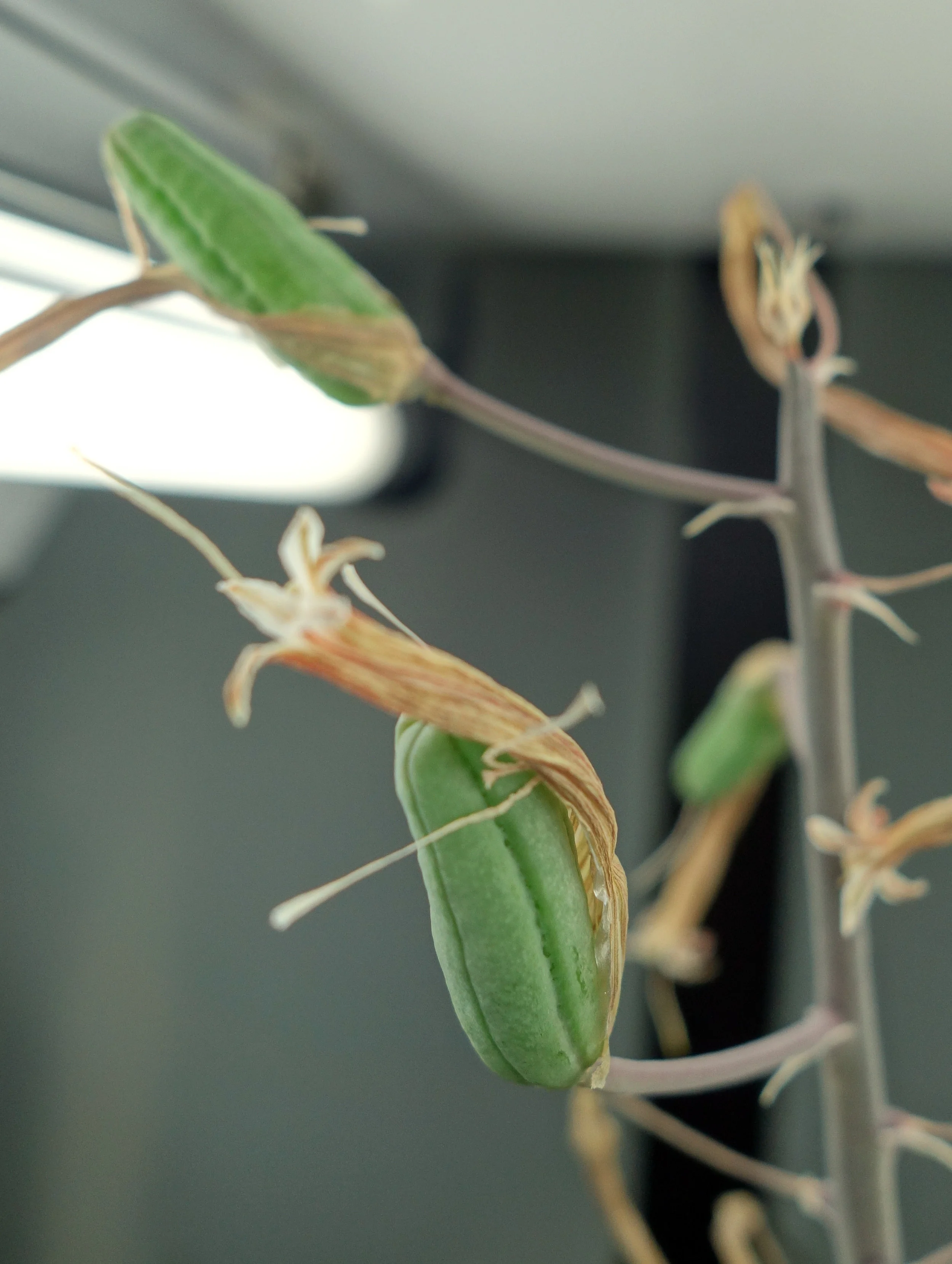
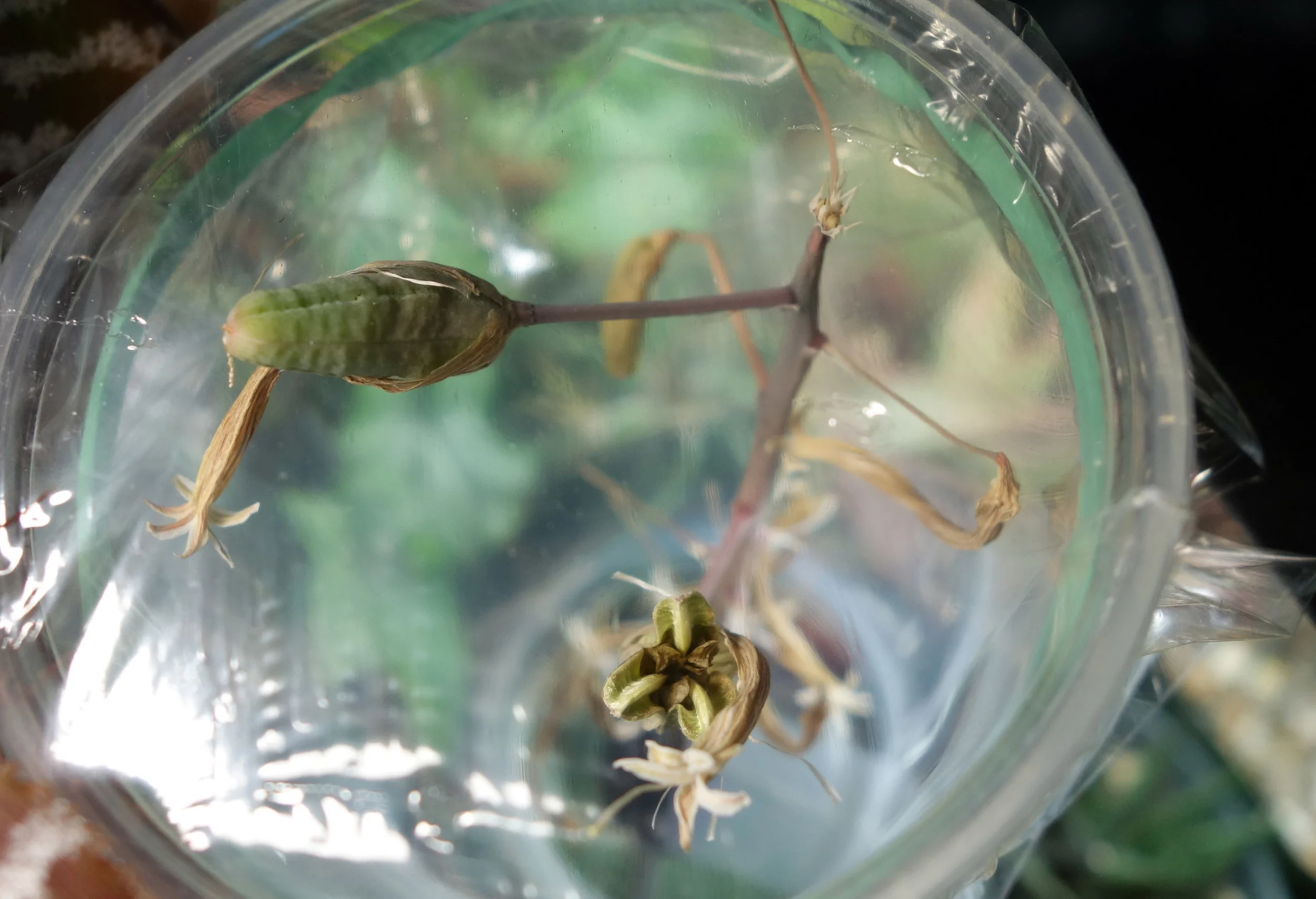
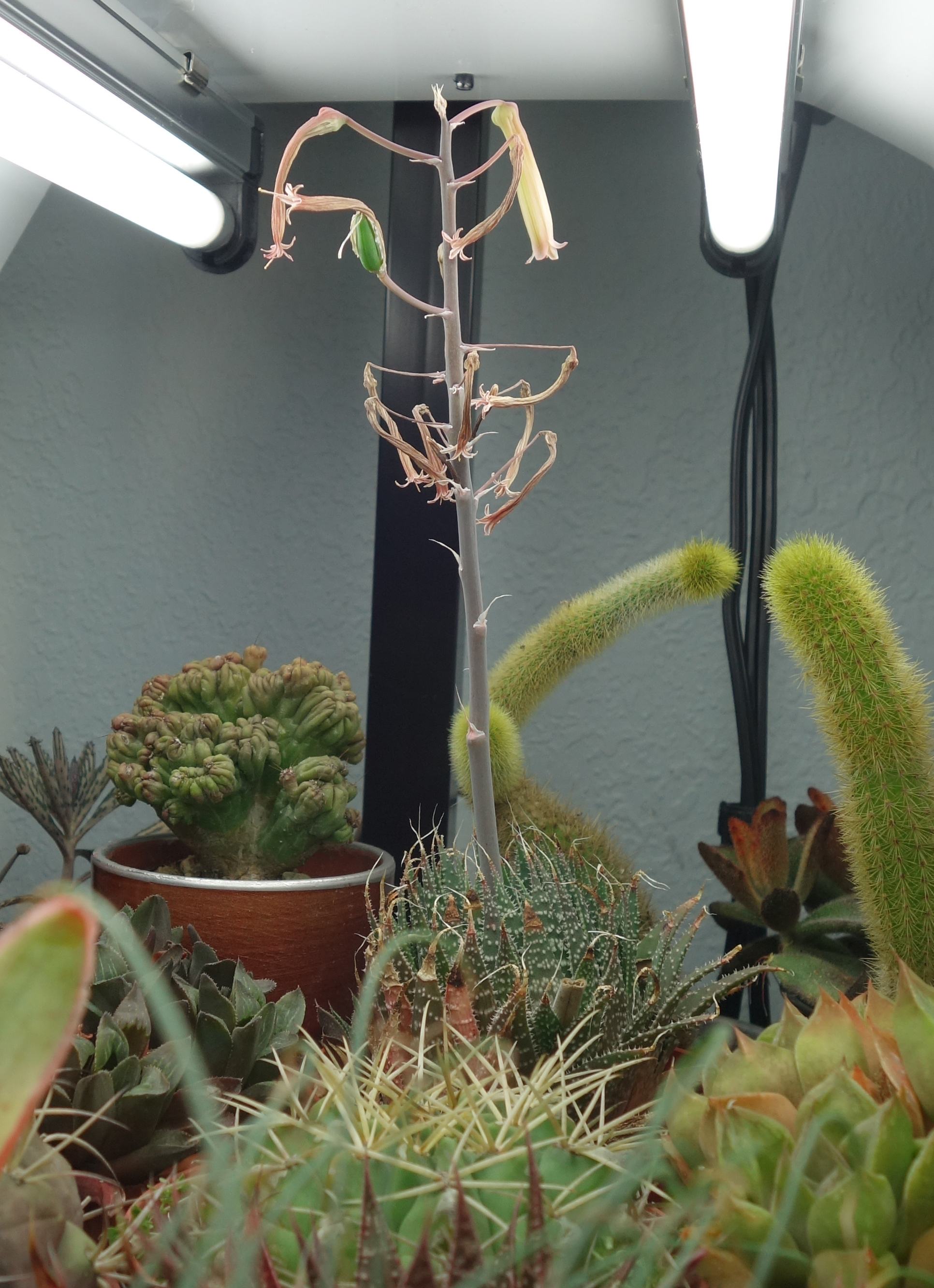
Speaking of the new year and new beginnings - something managed to pollinate my Aloe aristata (or potentially itself an Alworthia cross or a Haworthia spp. lookalike like Haworthia decipiens), and now I have seeds! I've never bothered to try to pollinate any of my Haworthia/Gasteria/Aloe flowers due to their long, thin throats, so this is a first for me. I plan to sow the seeds once all the pods have burst open. I slit a plastic cup in such a way that I fit it around the flower stem and covered it with saran wrap (with air holes) to try to catch the seeds, as the pods apparently explode with some force in order to scatter their goods far and wide. As you can see, one pod has already opened!
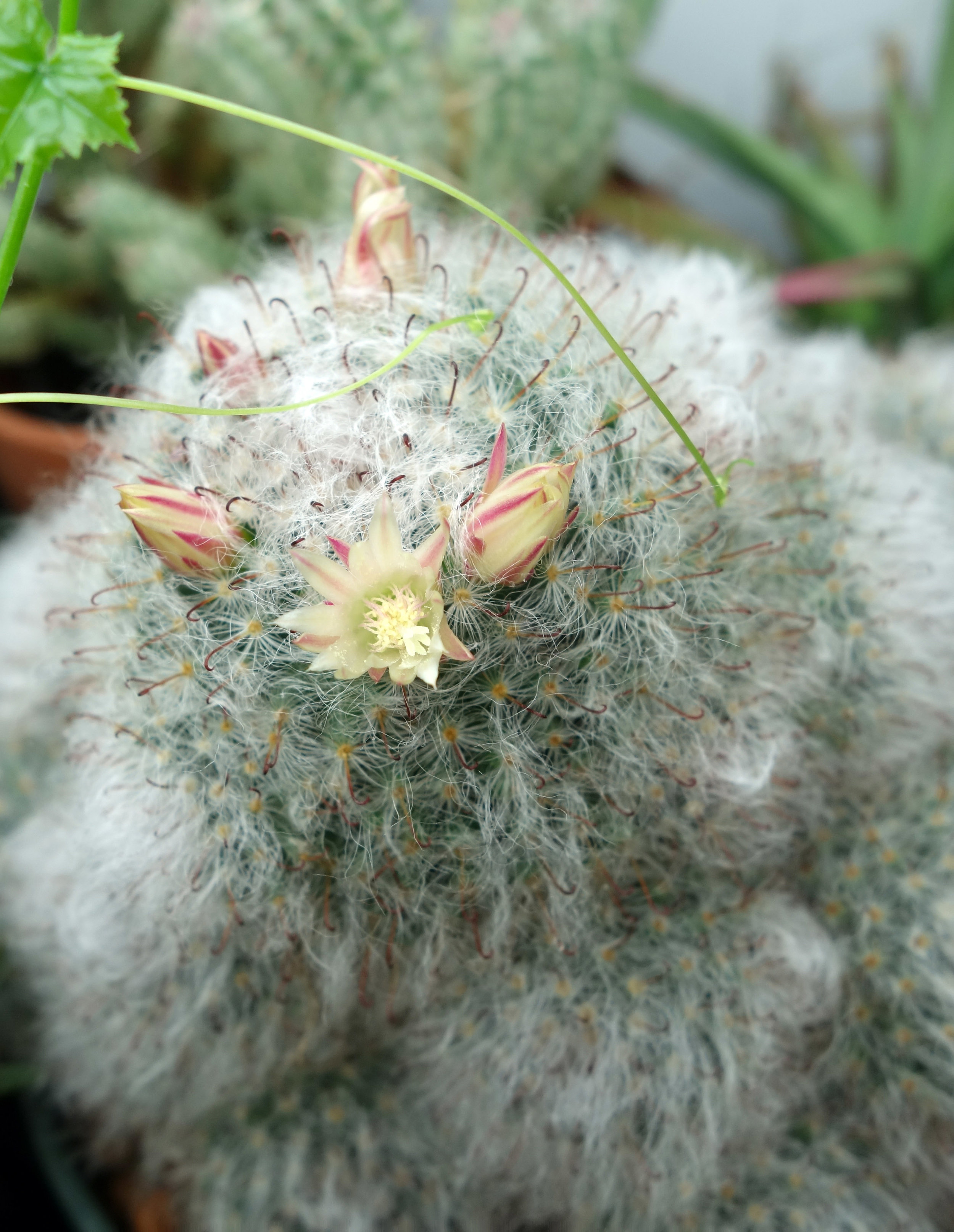
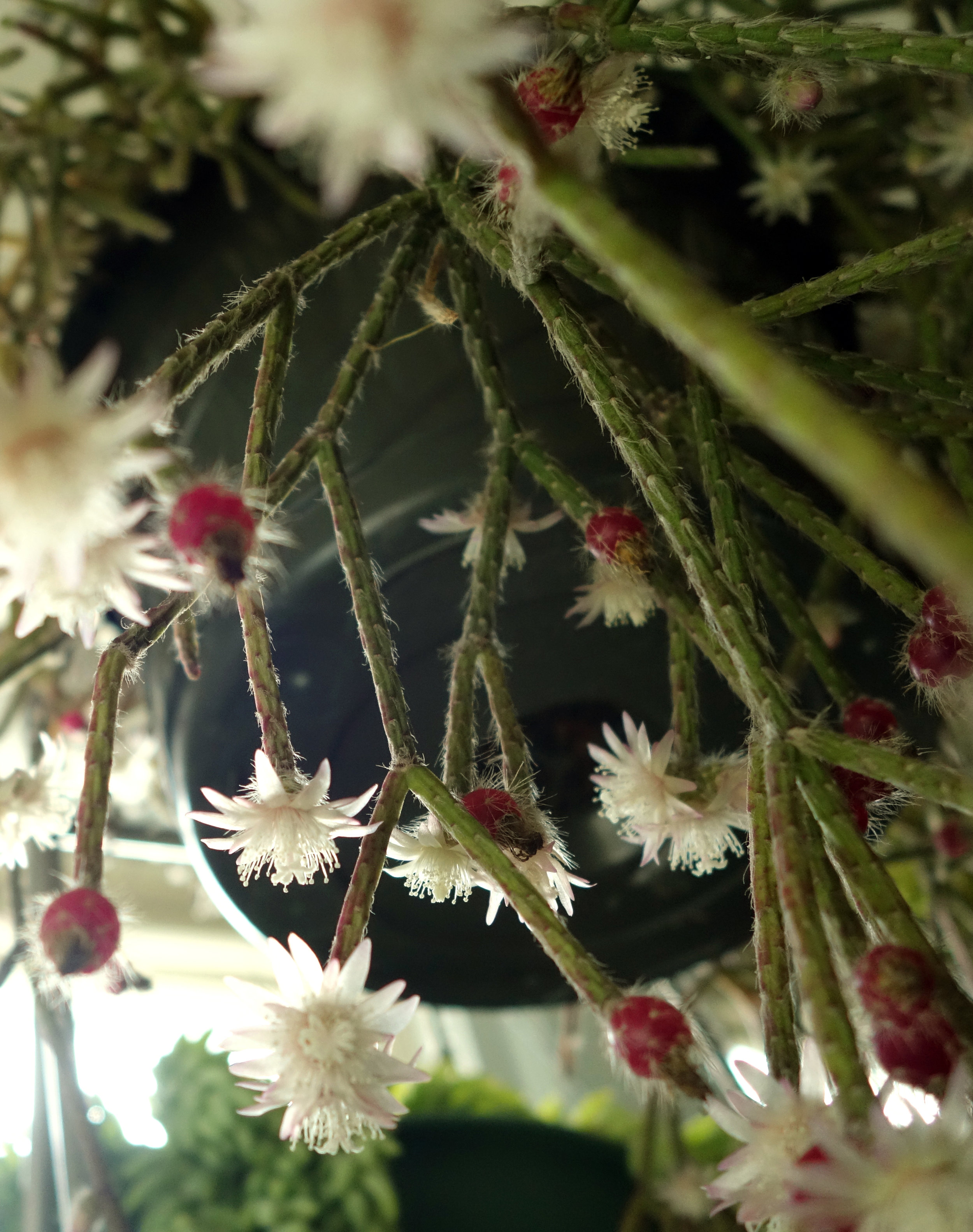
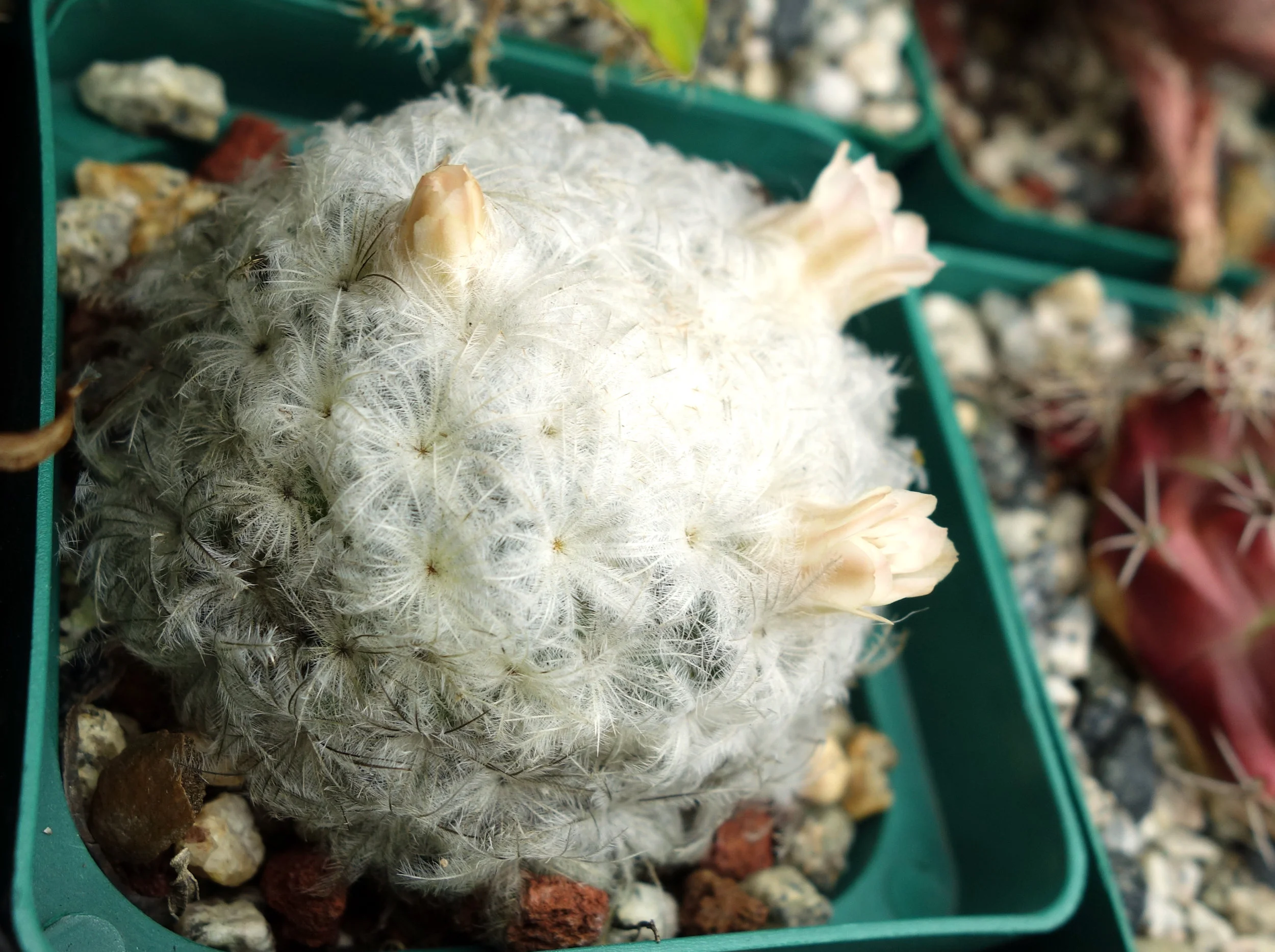
Happy New Year! Here are my houseplant blooms from December, minus my Senecio jacobsenii which rebloomed but is currently in my office and therefore I kept forgetting to bring my camera in. From left to right and top to bottom: Gasteria liliputana, Gymnocalycium bruchii, Haworthia cuspidata, Haworthia fasciata, Mammillaria bocasana, Pachyphytum oviferum (a little misleadingly as its bloom stalk is leaning past the trunk of my Uncarina roeoesliana), Phalaenopsis spp., Rhipsalis mesembryanthemoides, Sansevieria phillipsiae, Ibervillea lindheimeri, Euphorbia flanaganii, and Faucaria tigrina.
My crested gecko Lex and I wish you happy holidays! Her native environment is a tropical island, so I mist her at least twice a day. She doesn't enjoy being directly sprayed in the face, though, so using a pothos leaf as an umbrella is a far preferable option.
Someone asked me the other day what my favorite, presently owned plant is. I honestly don't know. I imagine most people who have reached the stage where they own over a hundred plants would have a very difficult time answering this question; that's part of the reason why they own over a hundred plants! I can narrow down my favorites into an only moderately long list, though. This is in no particular order, other than me thinking about wandering through my house, porches, and office and what's in each of those spaces.
It's hard to call out only one species of these genera, so the whole genus will have to do:
So there it is. For someone who has as many plants as I do, that's actually quite a narrowing down! I left off perfectly good species and genera that I keep and enjoy like Homalomena 'Emerald Gem', Phalaenopsis "Moth Orchids", Aglaonema "Chinese Evergreens", Saintpaulia "African Violets", Paphiopedilum "Lady Slipper Orchids", Echeveria, Tillandsia "Air Plants", Hoya, Philodendron, Ledebouria, Mesembs, Anacampseros, Sempervivum, and so many more (including a ton of cactus species), so don't tell me I didn't winnow.
I can also tell you the plants are on my never-again list: Opuntia spp. and all other glochid-bearing cacti. I fervently hate glochids. I will take firm spines or toxic sap any day over hundreds of nearly invisible, easily detached, reverse-barbed stabby hairs. It's like the difference between bees and wasps - bees are defensive stingers; wasps are aggressive jerks that seek out trouble. Glochids are the wasps of the cactus world and I will not invite them into my home no matter how aesthetically pleasing the plant that carries them is.
Though they aren't necessarily perma-banned like glochid-bearing cacti, I also tend to avoid Selaginella spp. due to its rabid desire for water, Crassula and Kalanchoe spp. (with a couple tentative exceptions) and annuals due to my own disinterest in plants that die no matter what I do, and larger plants like many Ficus spp. pretty much solely due to my limited and already overtaxed space. It may also be of note that since one factor in my favorites and not-favorites depends on what thrives for me which changes due to local climate, some plants I enjoyed more in Baton Rouge aren't on the list now that I'm in Leavenworth. That's the thing about favorites, though - they come and go depending both on historical performance as well as present conditions, and can also be usurped by a relative newcomer who nevertheless outperforms admirably! So when I make this list again in a few years, it'll be interesting to see what stays, what goes, and what takes the place of the jettisoned.
Here are some of my November blooms! I've excluded a few from display due to hard-to-photograph-well-for-various-reasons flowers (a couple of my ever blooming Phalaenopsis and Saintpaulia spp.), but there are more than enough that were accessible. We've got a range of plants here; in order from top to bottom and left to right, they are: Episcia spp., Rhipsalis pilocarpa, Pleiospilos nelii, Mammillaria plumosa, Schlumbergera truncata, Quaqua incarnata, Mammillaria gracilis var. fragilis, Gasteria glomerata, Haworthia spp., and Faucaria tigrina. I was particularly excited about the Quaqua incarnata blooms, as I've never had a Stapeliad bloom for me before; but I've also never had a Faucaria tigrina flower either and it's the Mammillaria gracilis var. fragilis' first time as well. Admittedly some of the photos aren't when the flower was in full bloom; I'm quite busy and I'm not always around when they're at their prime. That'll give me something to look forward to for future blooms, though!
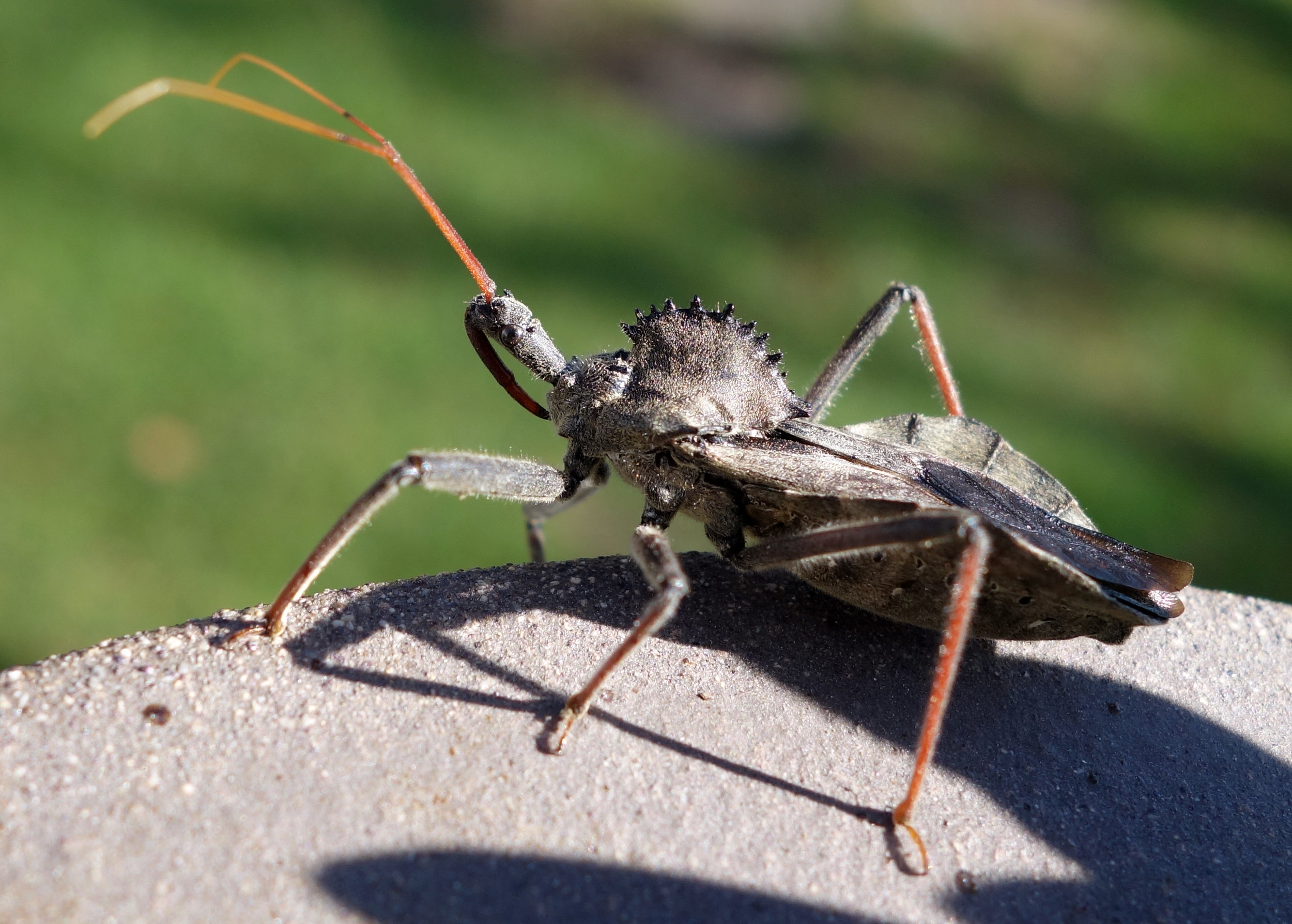
Hey, hey, I finally got to see another beneficial insect on my porch right before hauling my plants in for the winter! This time, it was Arilus cristatus, the wheel bug. As their ridged back portends, they are a type of assassin bug which in both its larval and adult stages preys upon aphids, caterpillars, and beetles - including my very common fall pest, the stink bug. If manhandled, they can bite painfully but they are not aggressive and this fellow somewhat unwillingly posed for me for several minutes before flying off when I got the camera lens just a little too close. As I was planning on bringing in my plants later that afternoon, I was OK with having scared it away temporarily; I don't think it'd be able to survive overwintering in my house. Hopefully it'll return, though, to guard my sempervivum and sedum which spend the winter outdoors.
Do you ever go on Wikipedia research spirals? I end up on them all the time. My most recent lengthy one began with this Yankee Magazine article, "A Fatal Mistake | The Sinking of El Faro," which brought me to the Wikipedia page for SS El Faro, which somehow led to researching rogue waves and rogue wave holes and the MS München as well as the Three Sisters waves and the SS Edmund Fitzgerald amongst other well known incidents.
This was all particularly interesting to me given my prior experience working as an assistant vessel operator in dry bulk shipping. While steering-into-a-hurricane-leads-to-calamity is an unsurprising notion to me, I was not aware of the phenomenon of rogue waves prior to this research spiral; science itself wasn't really aware either until 1995! It's amazing and kind of simultaneously exciting and terrifying to me that there is still so much about this world that we don't know or understand.
If you aren't able to make it to the exhibition (up through November 4th, aka tomorrow, in USM's Goppert Gallery), here's an installation video Hannah took!
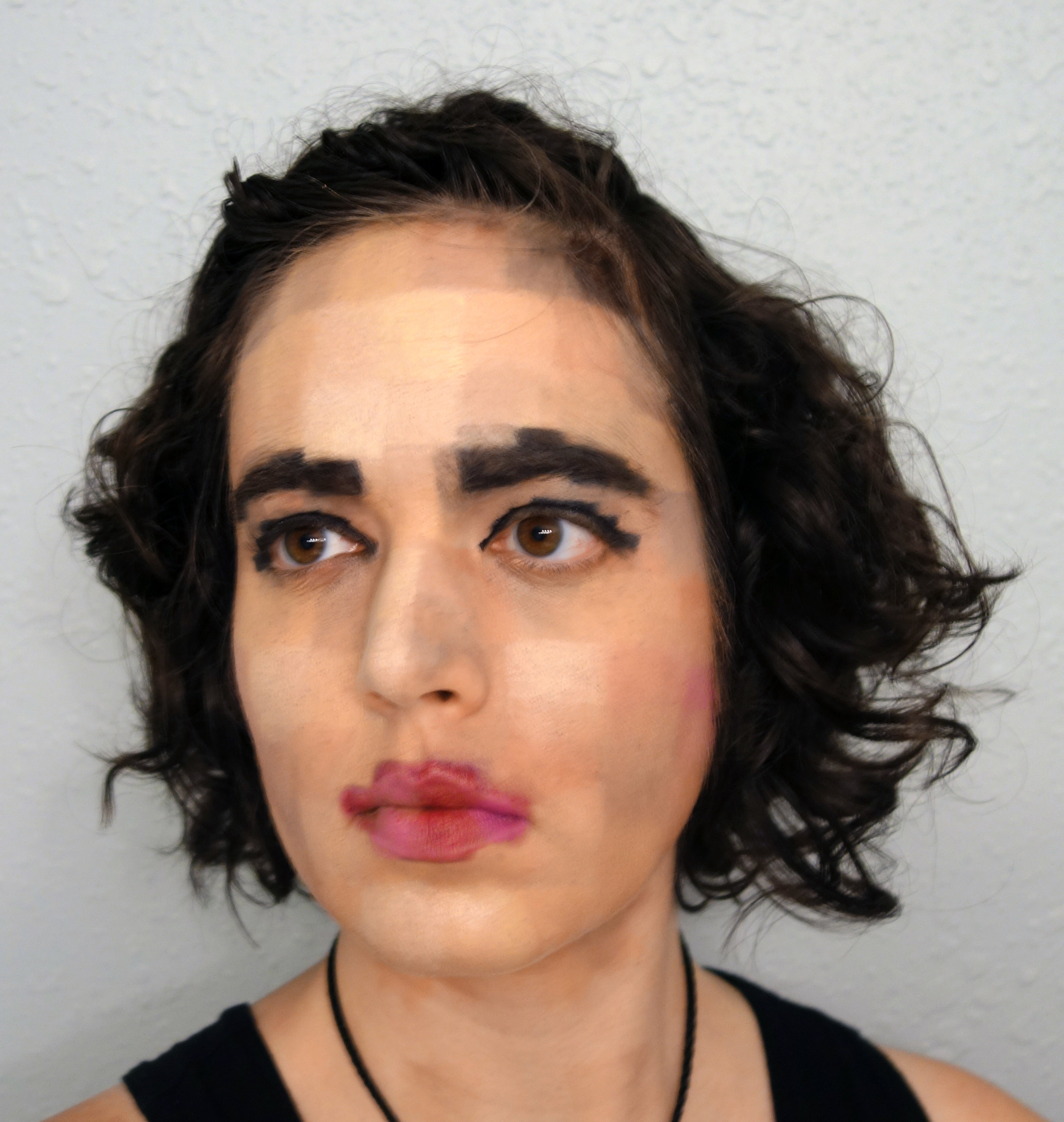
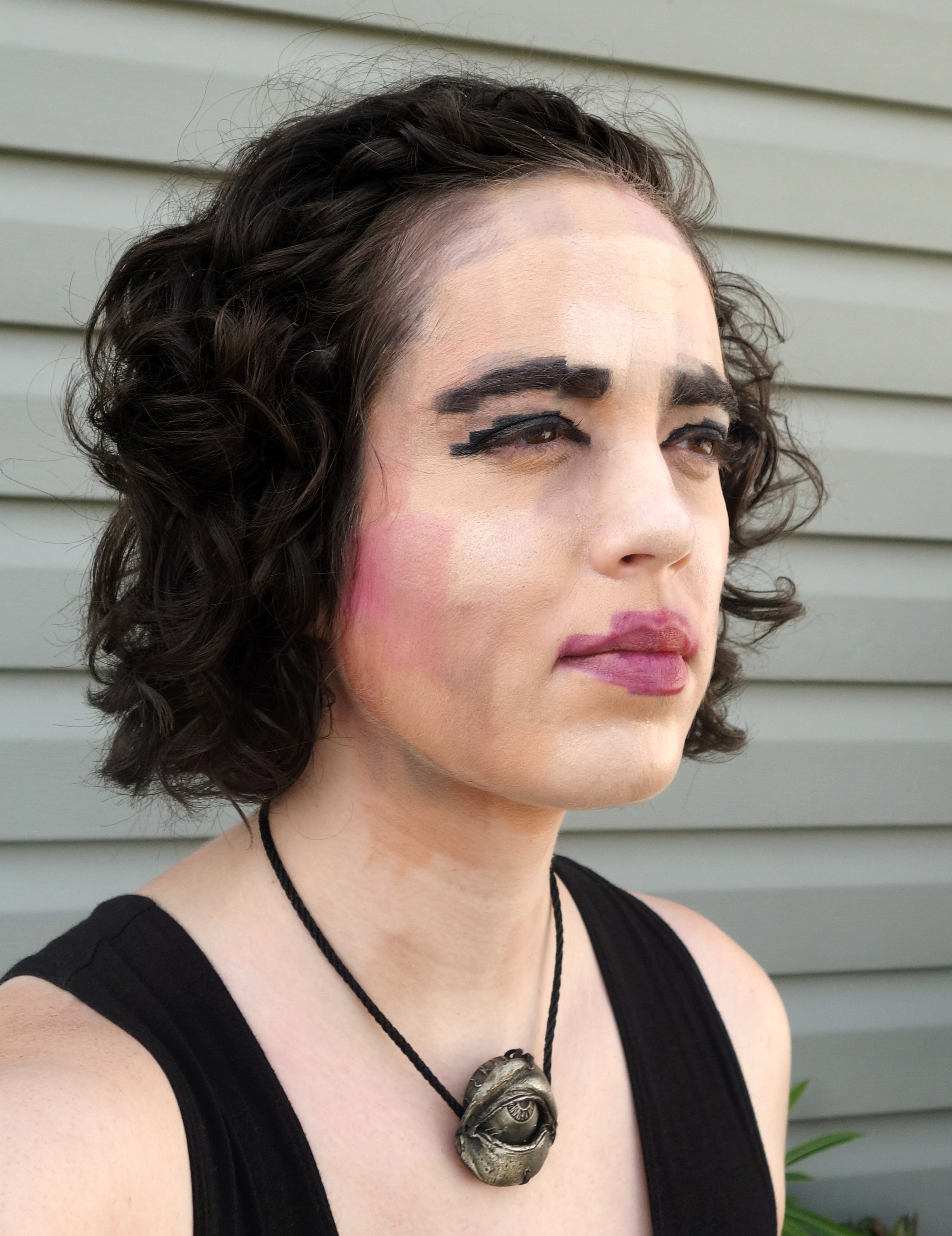
I like to paint my face each Halloween with either an art-related theme or a high skill look (or ideally, both!); I fancy that it shows my students another facet of artistry they may not have considered - and being a good makeup or visual effects artist absolutely involves a lot of the principles and elements of design.
This year, I did a pixelated, low-resolution look. That's what you get when blowing up raster... and we've been talking about vector vs. raster artwork in Computer Graphics all semester!