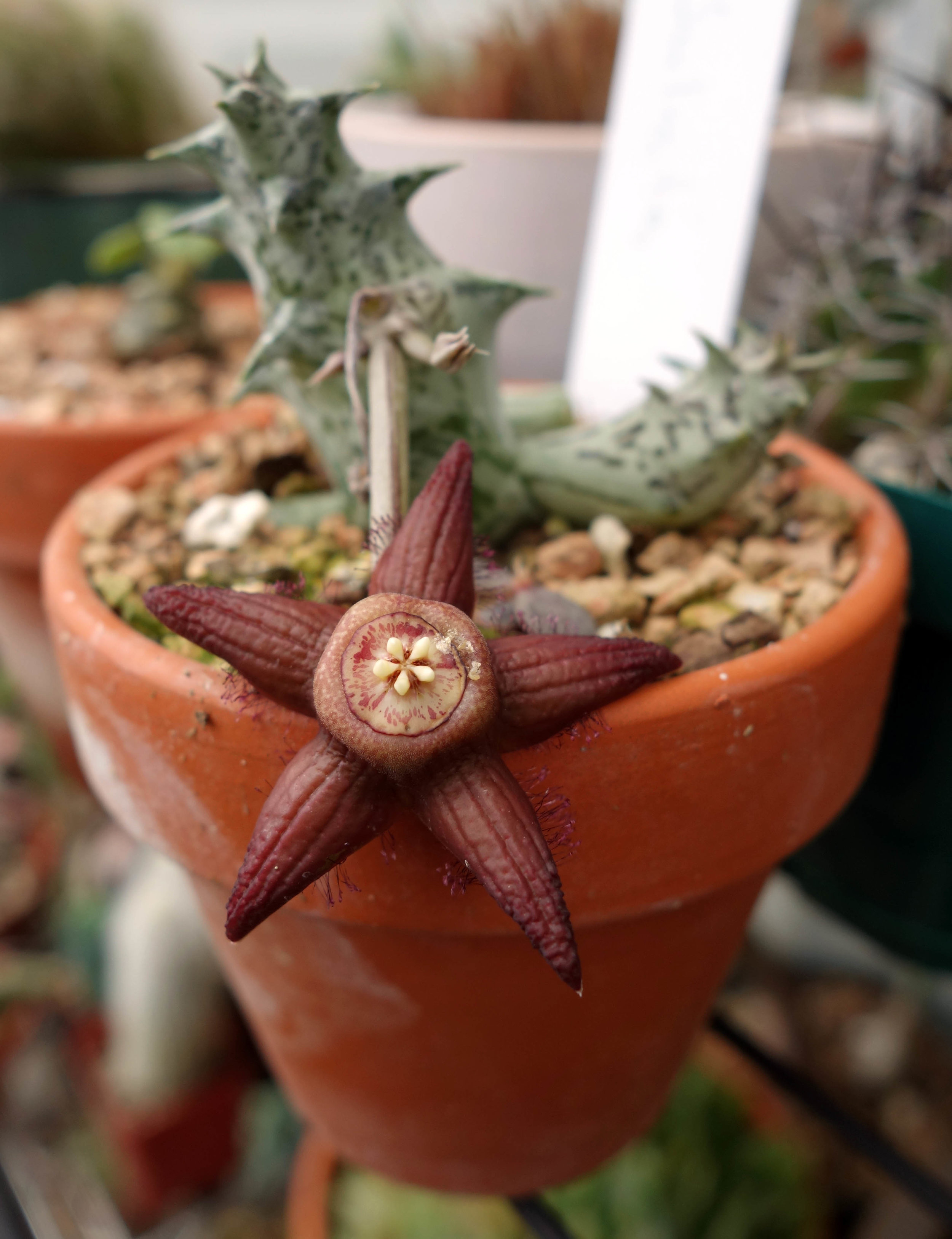
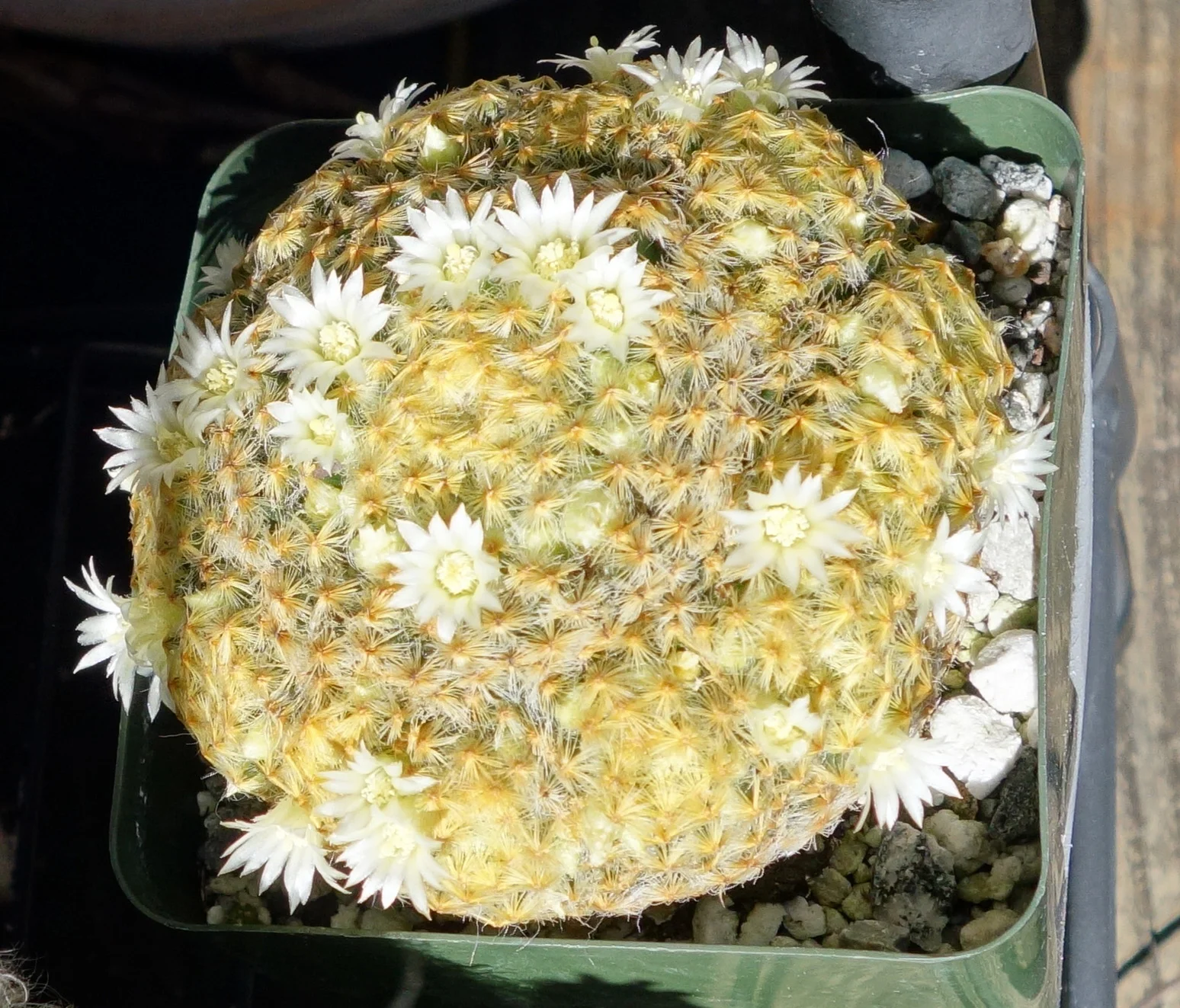
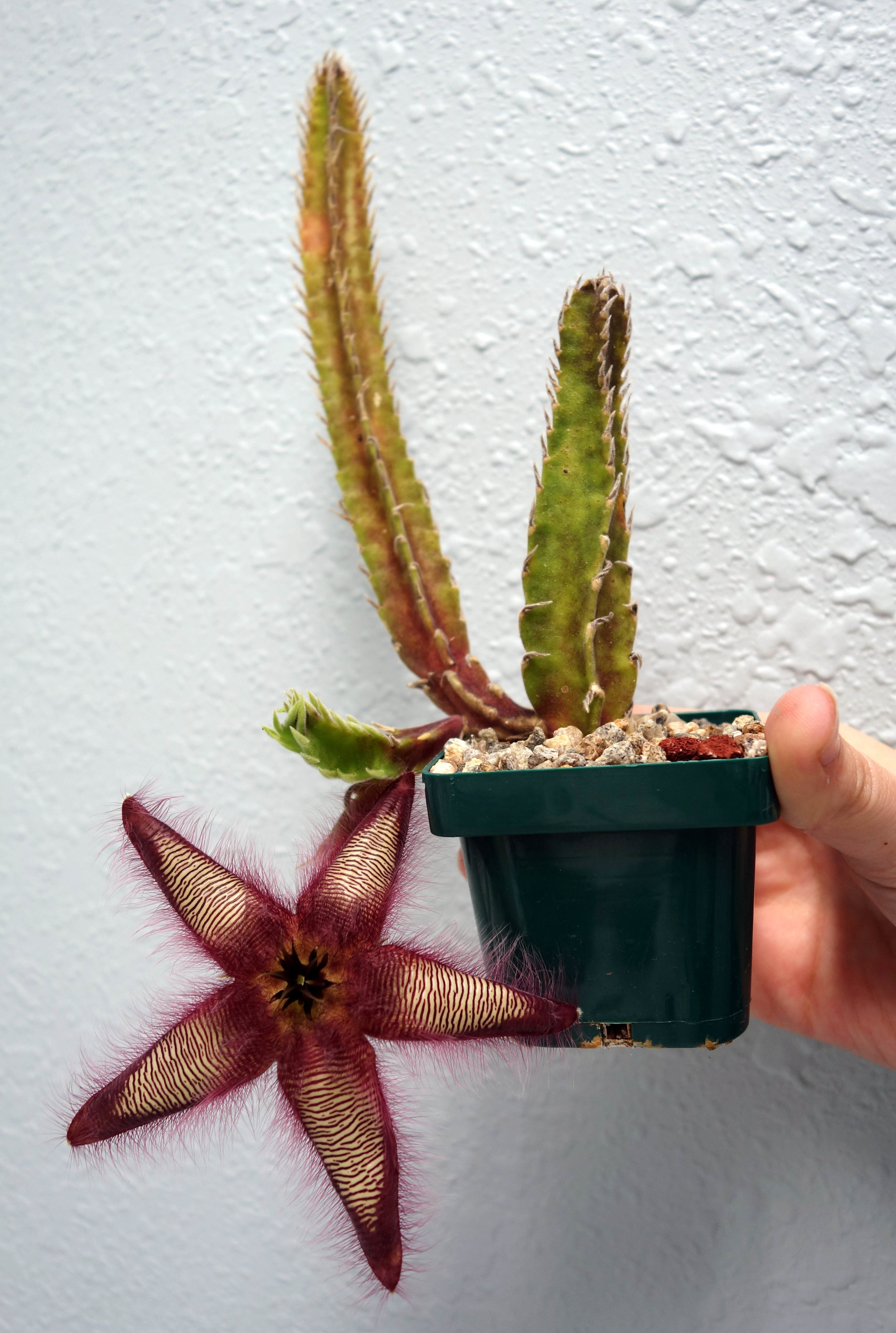
blooming

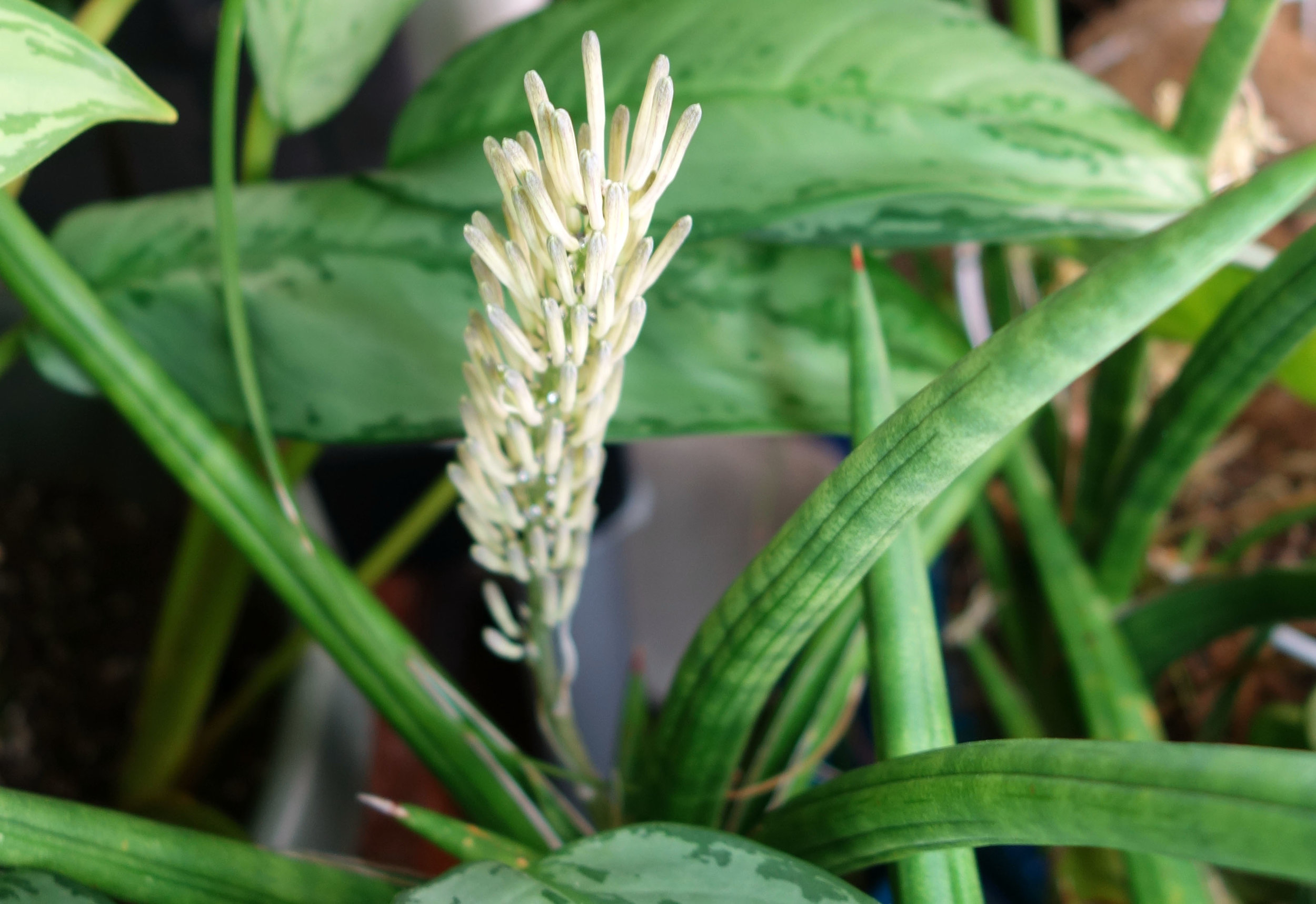
Haemanthus Deformis in Flower!

It’s been quite a while since I posted anything about my houseplants, and given that Sioux City’s been getting snowy, frigid weather this past week, it feels timely to take a look at a beautiful flower and urge on spring’s arrival!

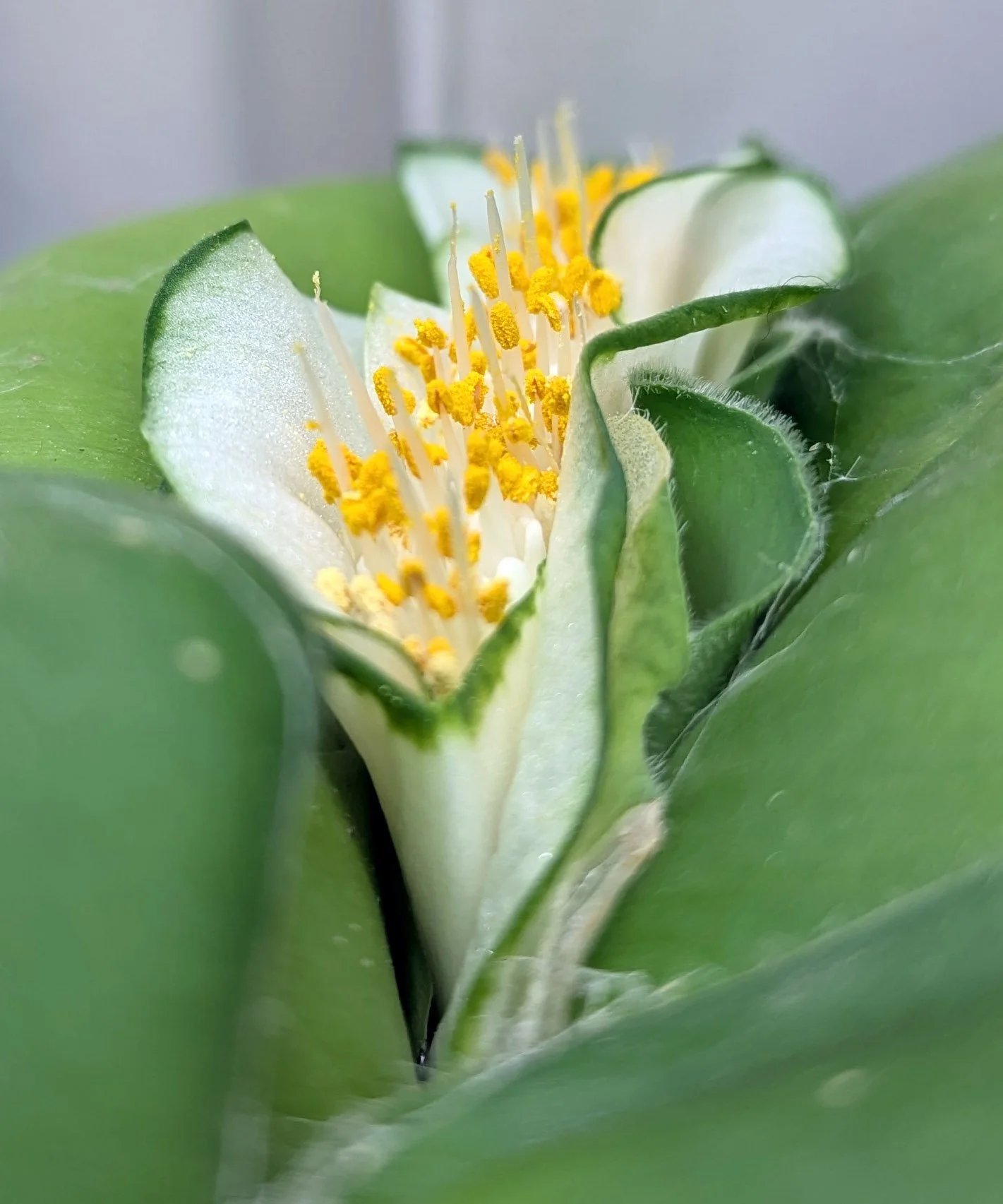
As you may recall, I have two Haemanthus deformis bulbs in a single pot. It’s a very striking and unusual plant. I believe my bulbs are both approximately seven years old, and they have flowered before. So far they’ve not flowered at the same time, such that I’ve been unable to attempt pollination. Hopefully someday! While there are haemanthus species that are relatively quick to offset, H. deformis is not, so getting viable seeds would be an exciting development.

Right now, one of my H. deformis has been blooming for a couple of weeks! The flower is very low in the plant, which is not atypical though there are images online of some with higher peduncles (and greater age can play a role in that as well). The bulb that is blooming is letting its old leaves die back while focusing on its flower, but will then grow a new pair of leaves (you can see the beginning of one to the right of the bloom)!.
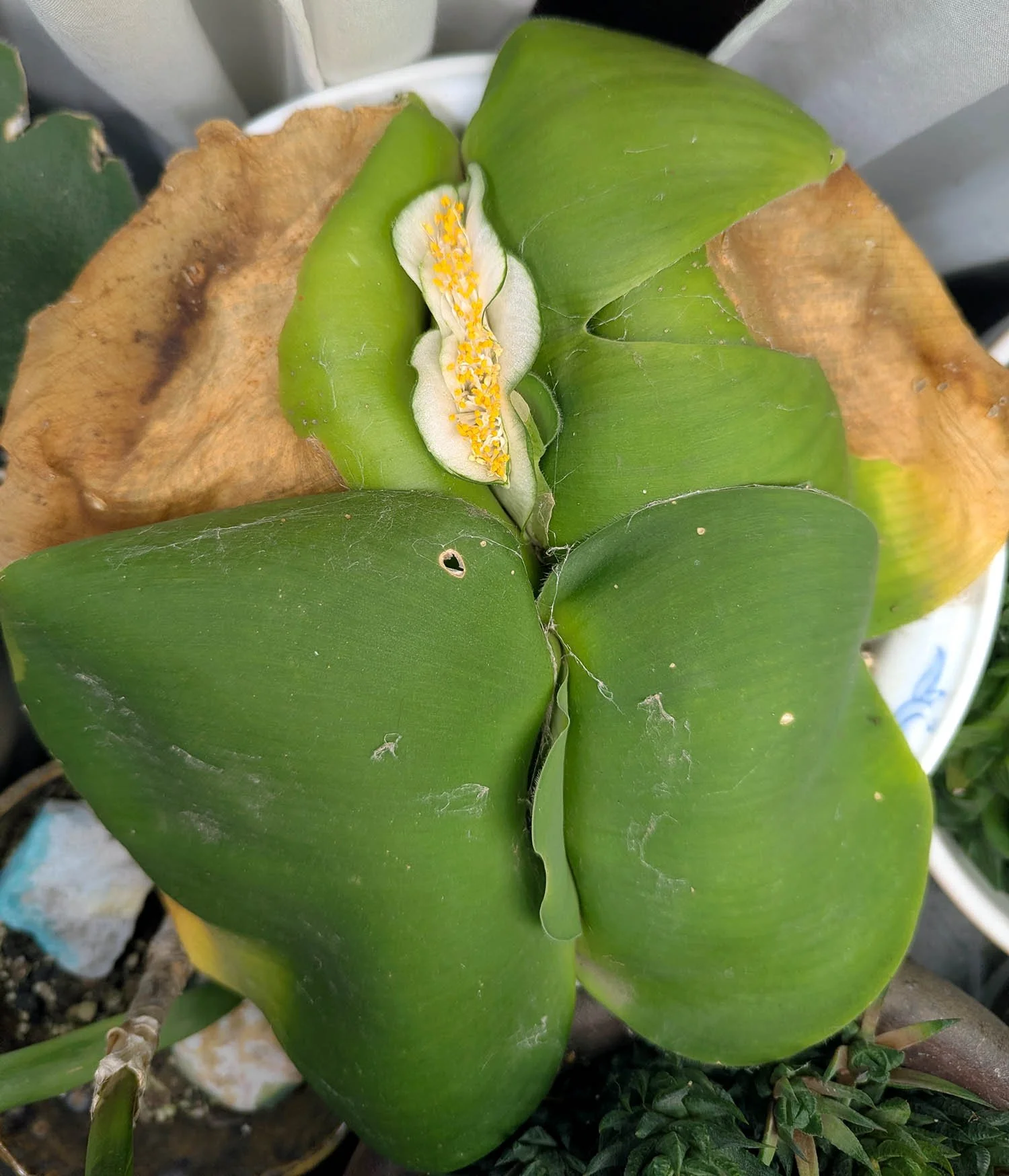
If you’re curious about their care, they spend the warm weather outside in light shade (usually early May through early October), and come inside for the colder seasons where they bask under grow lights. They get watered once every week or two, occasionally with weak fertilizer.

Most haemanthus are deciduous, but H. deformis is one of the evergreen species. I keep four haemanthus species at present, and it’s a 50-50 split between deciduous and evergreen in my collection. Of those four, this species is my favorite! I love its outrageous leaves; they usually fully cover the whole top of the pot, so to water I have to gently lift a leaf up to sneak the watering can spout in beneath it!
Summer Plant Highlights

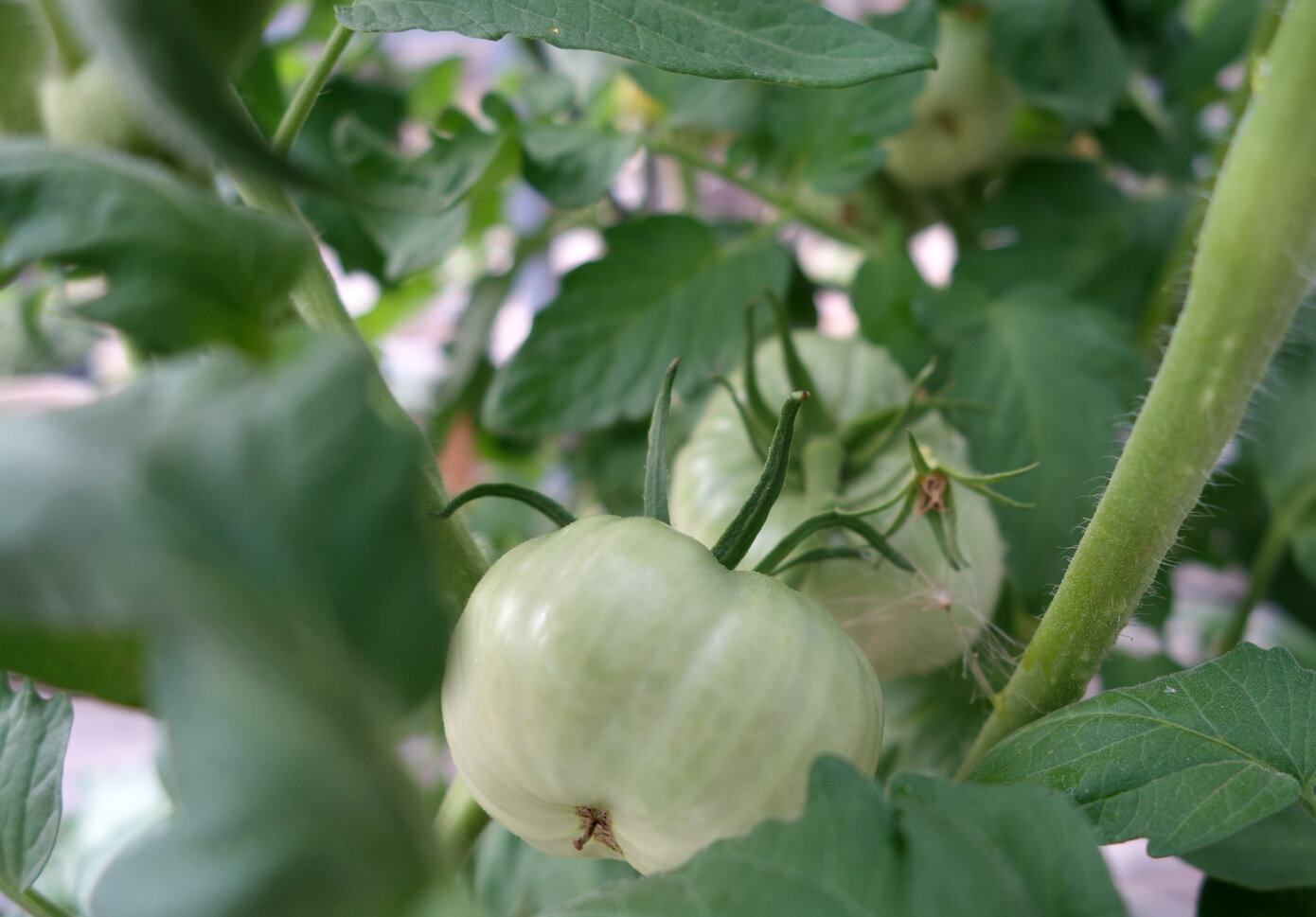
This is the first summer in at least six years that I have been present to witness and tend to my plants throughout. (Usually I do at least one artist residency, which typically takes me away for anywhere from five weeks to two-and-a-half months, but the pandemic put a pause on that practice.) I’ve been using the opportunity to try my hand at growing a tomato plant as well as attempting to hand-pollinate compatible flowers from my collection. Here are some photos from the past couple months!

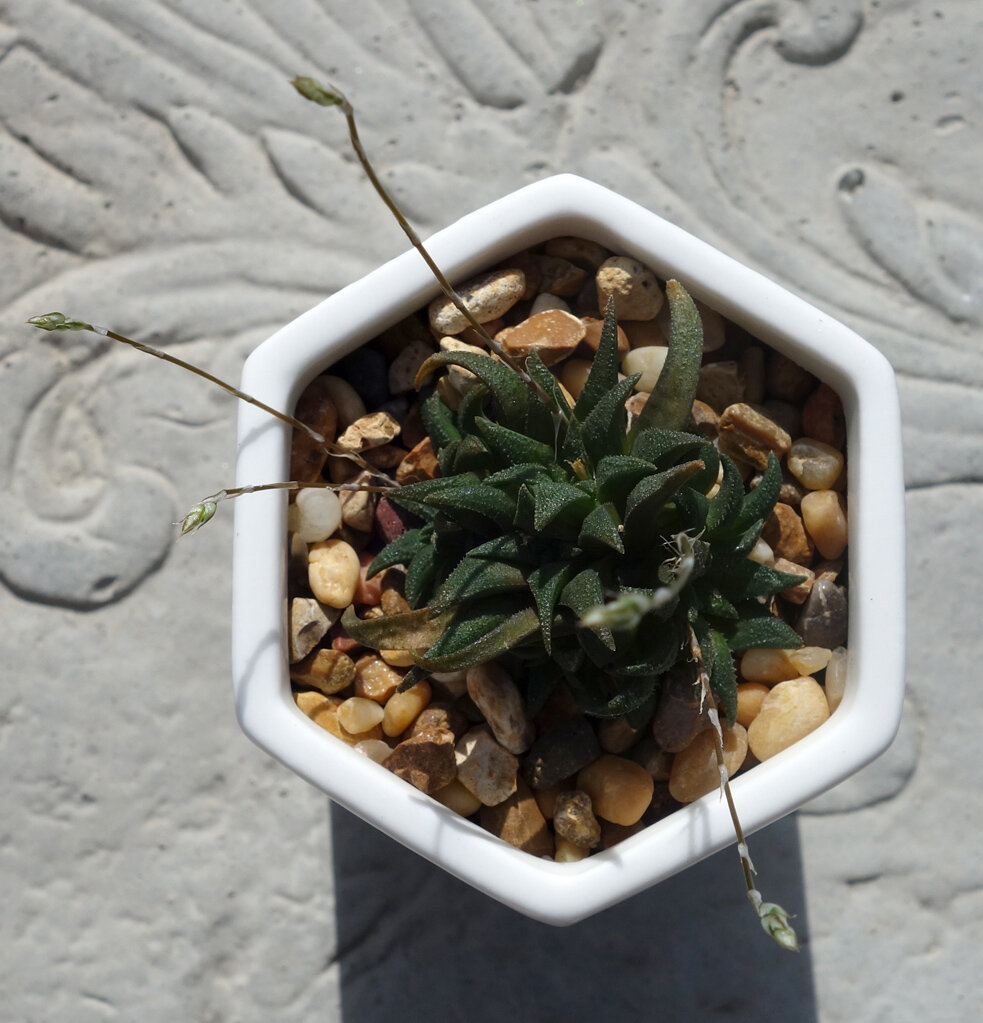
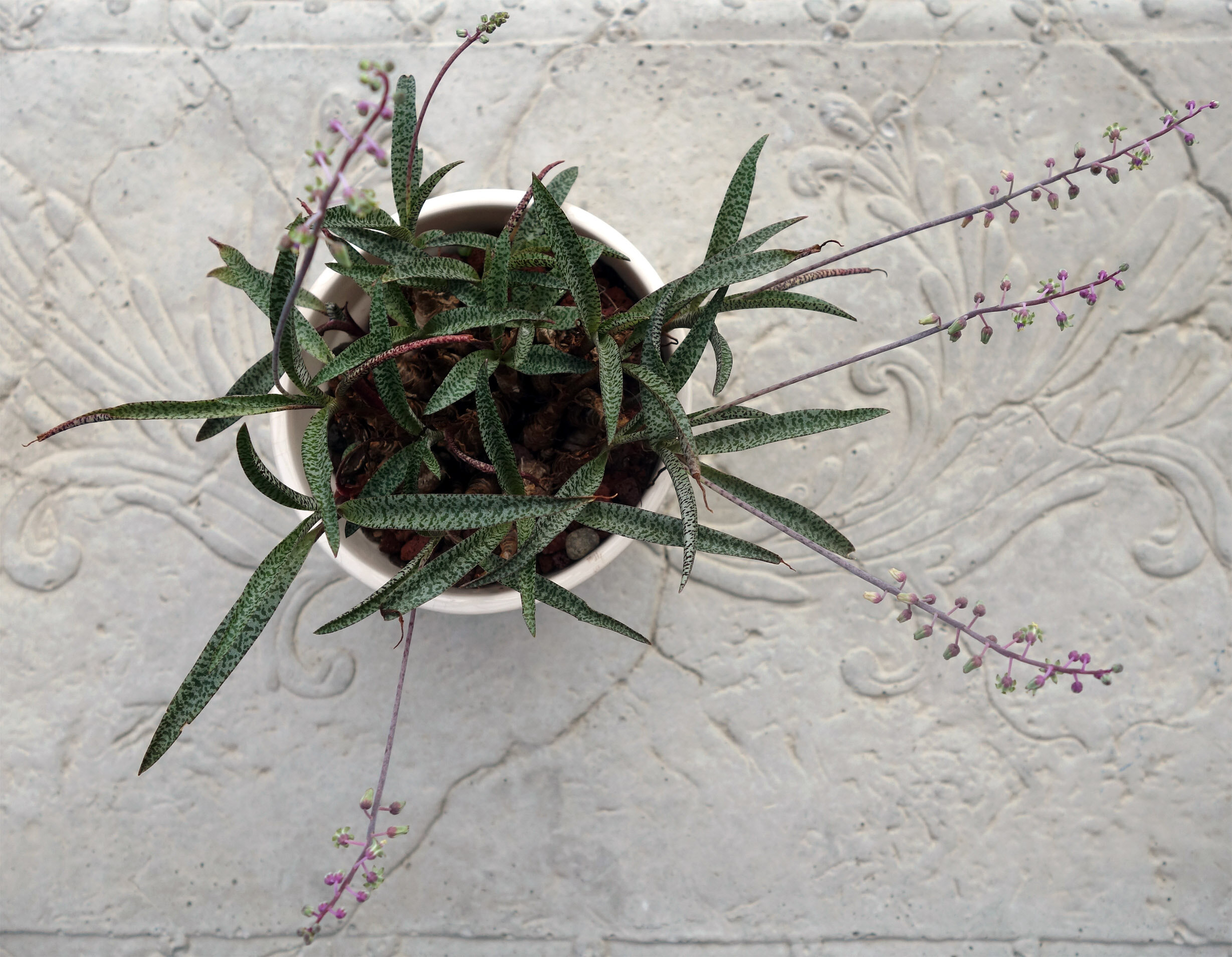
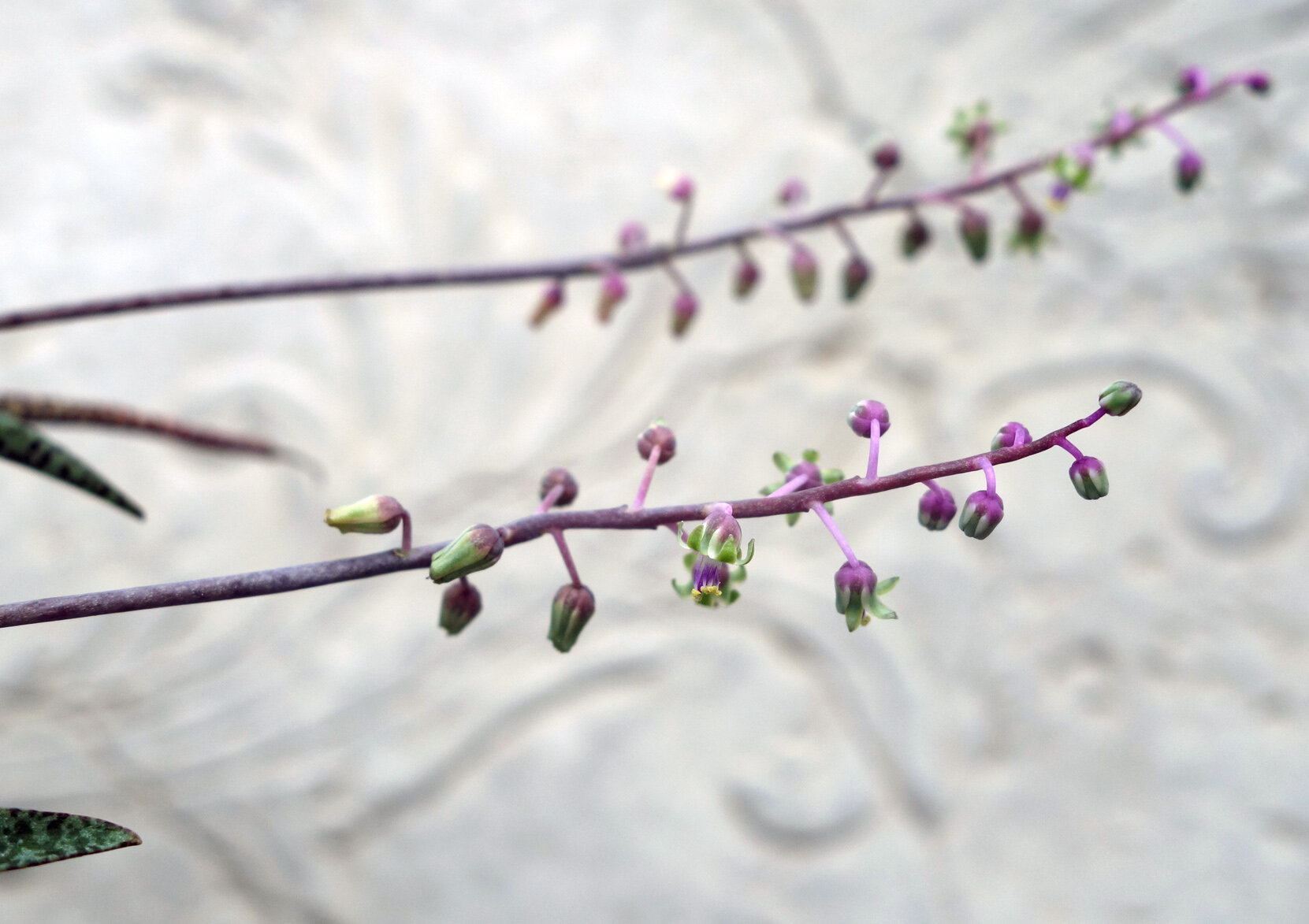
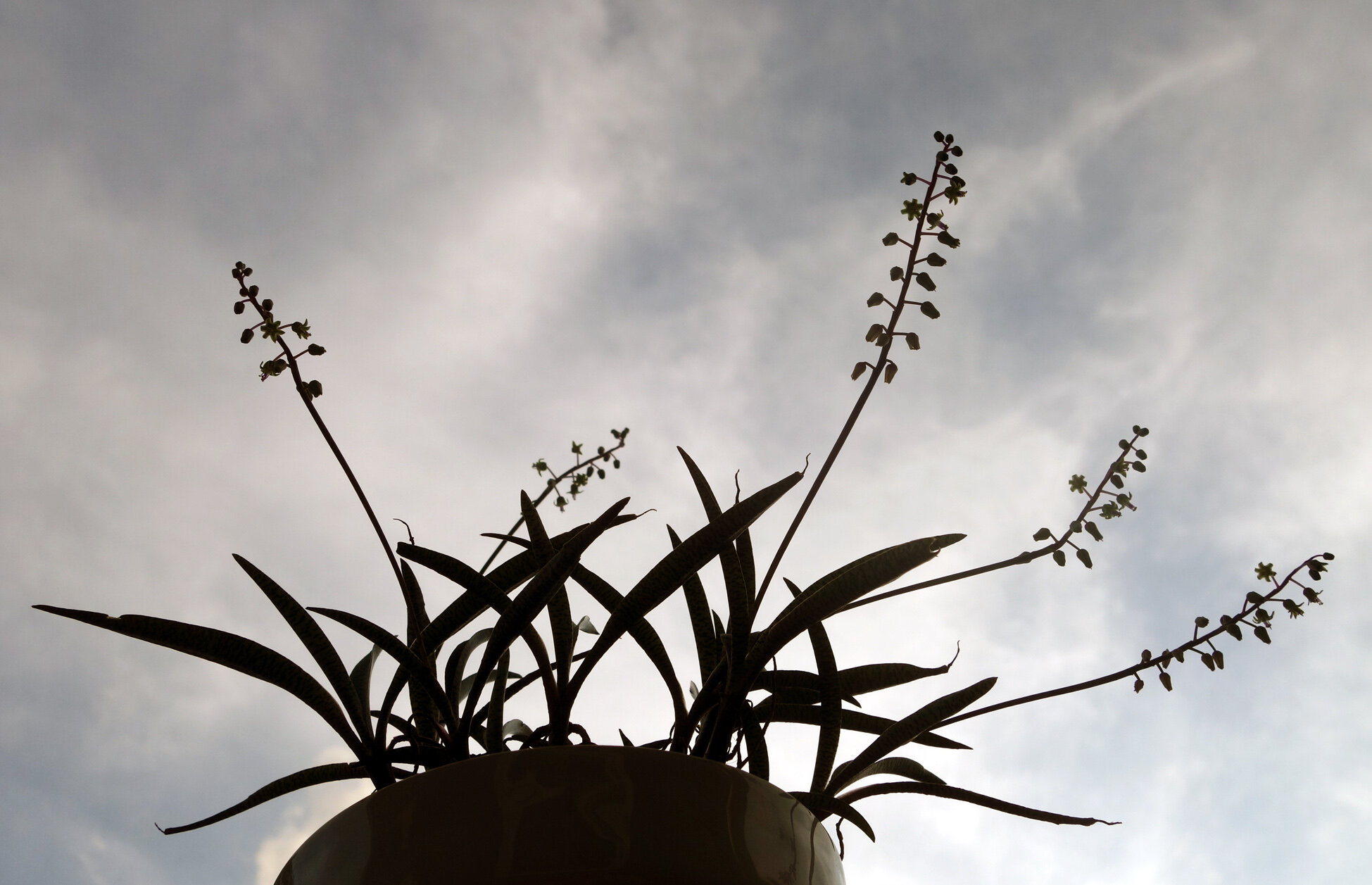
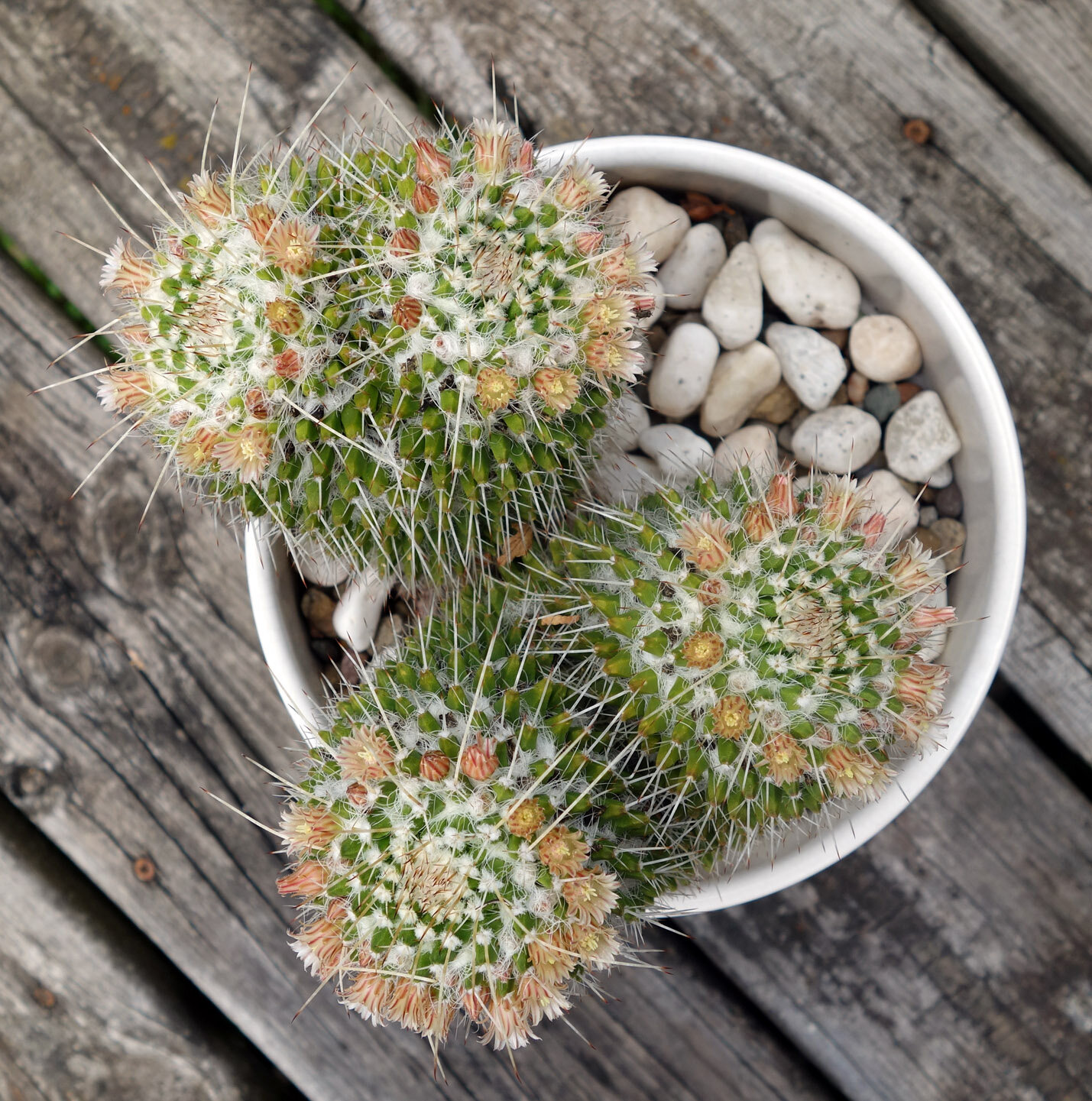
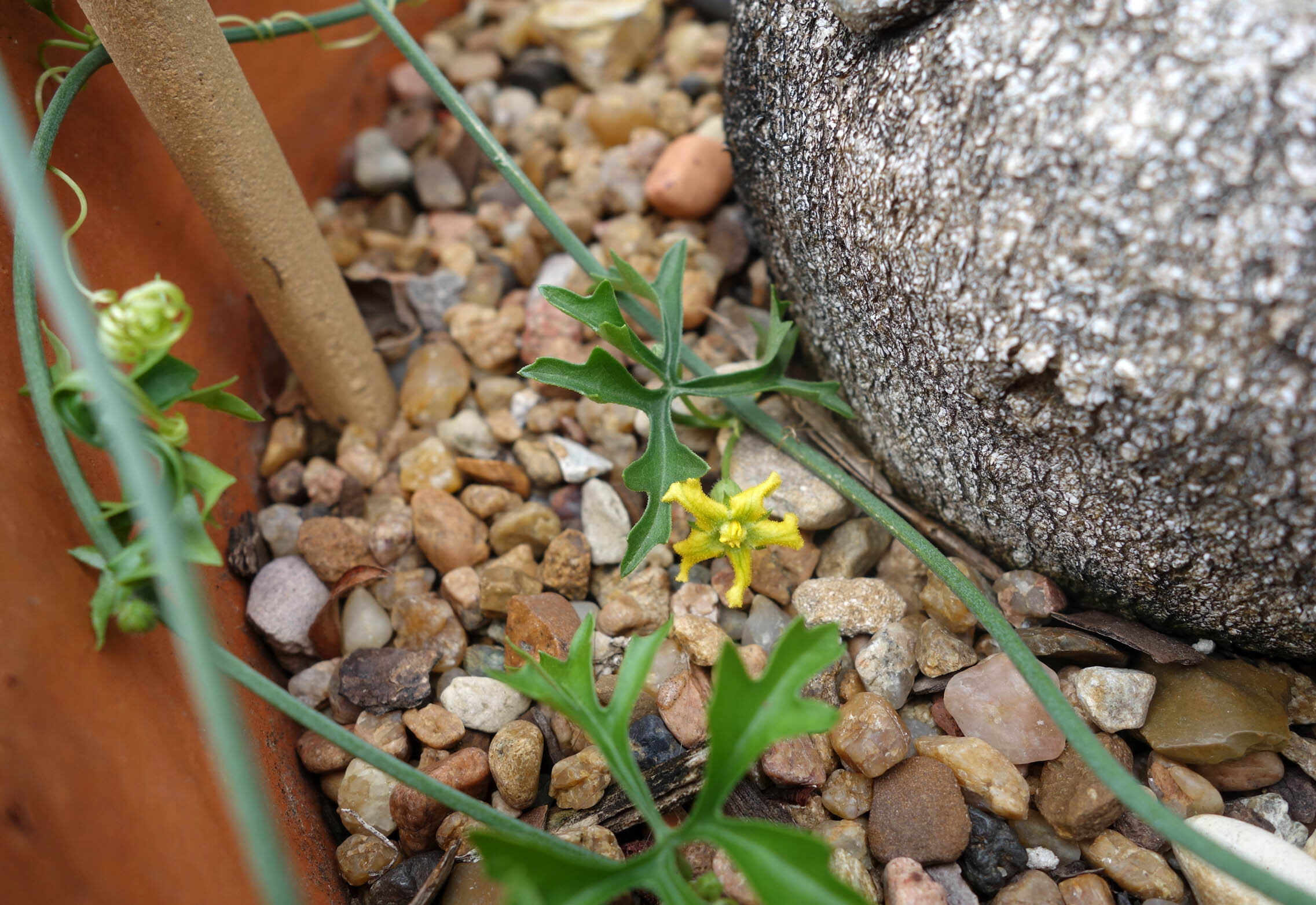
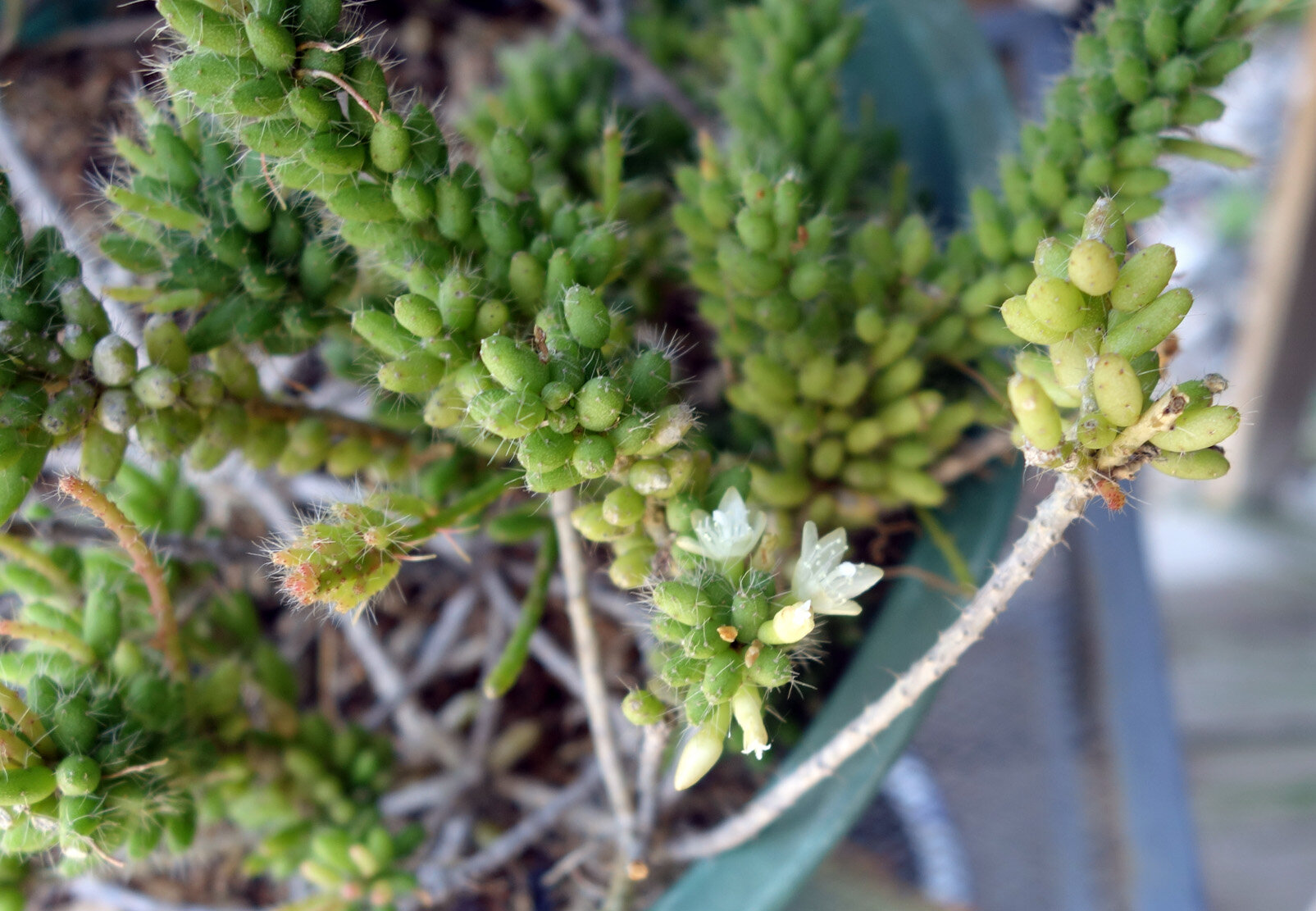
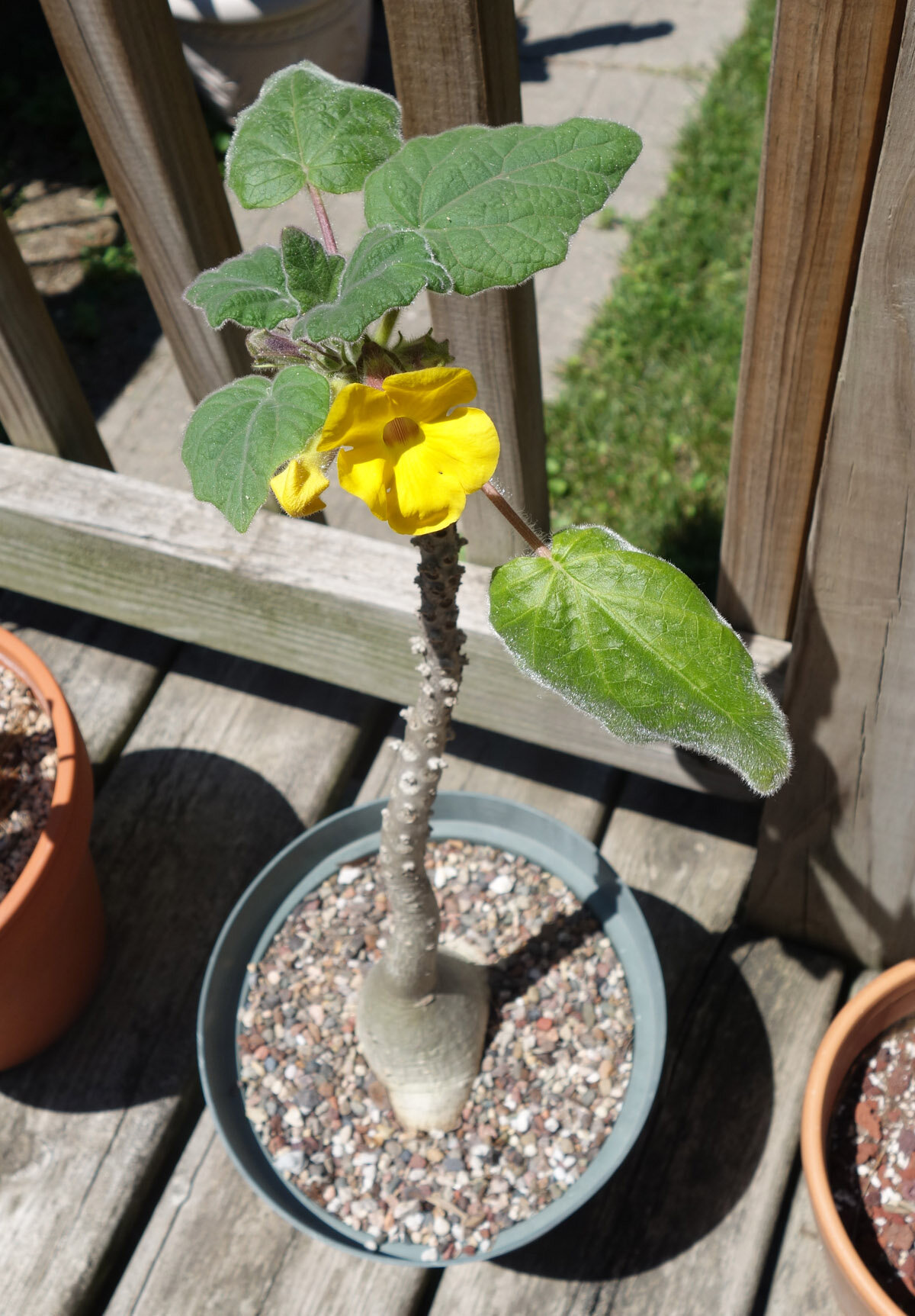
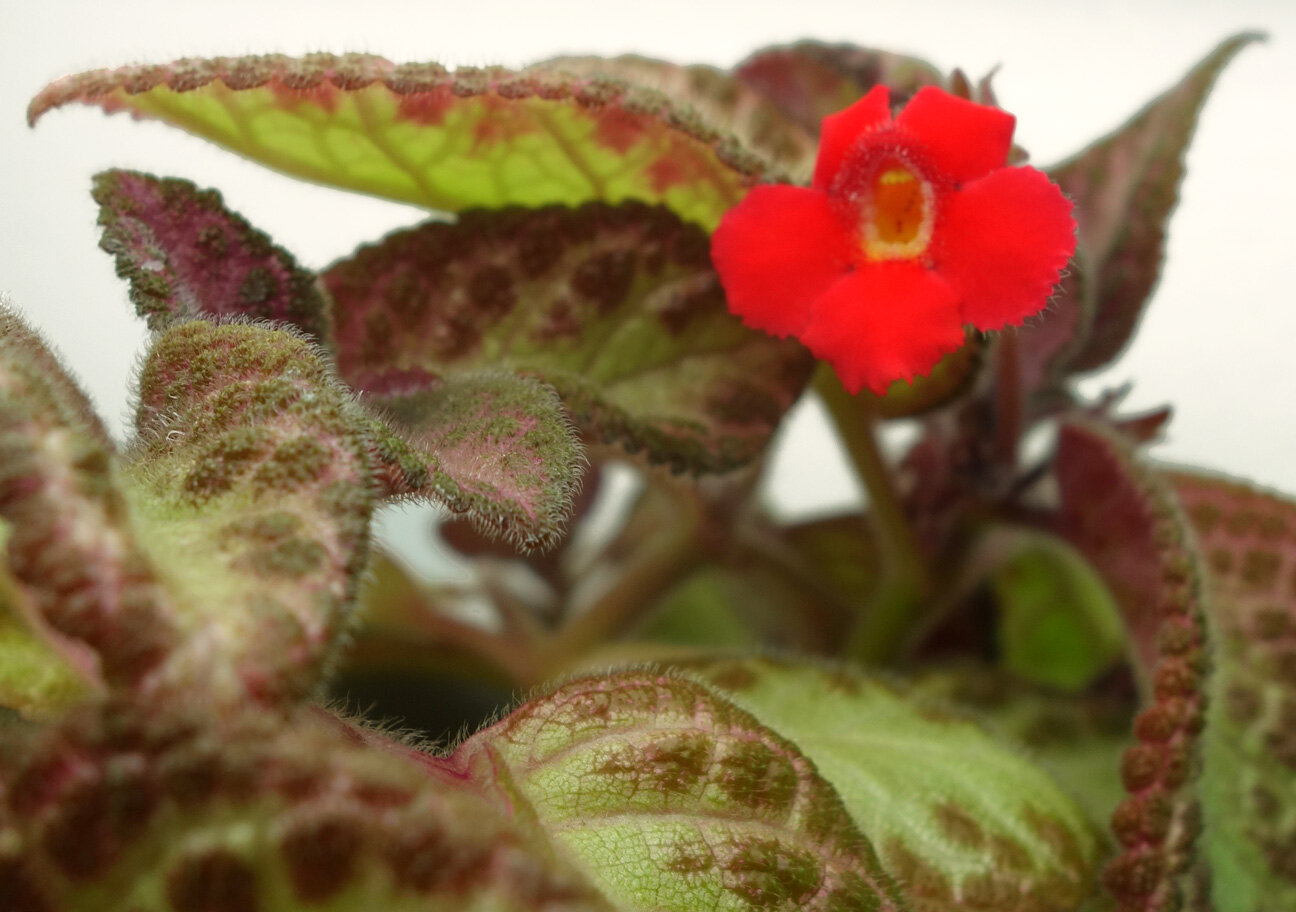
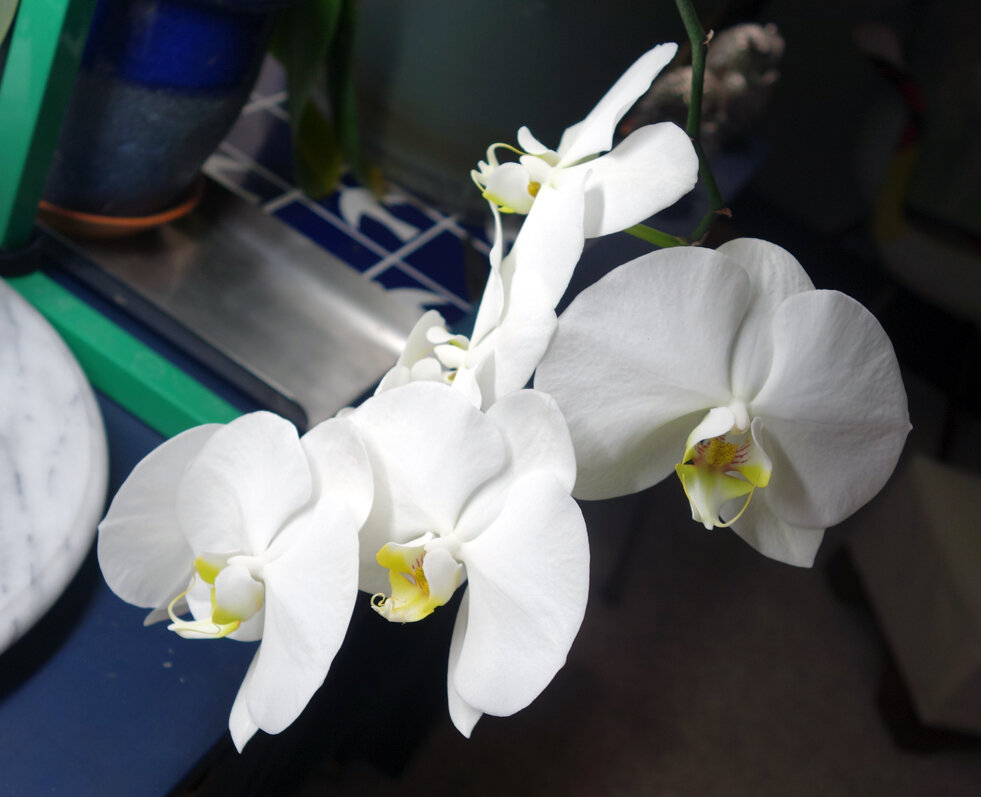
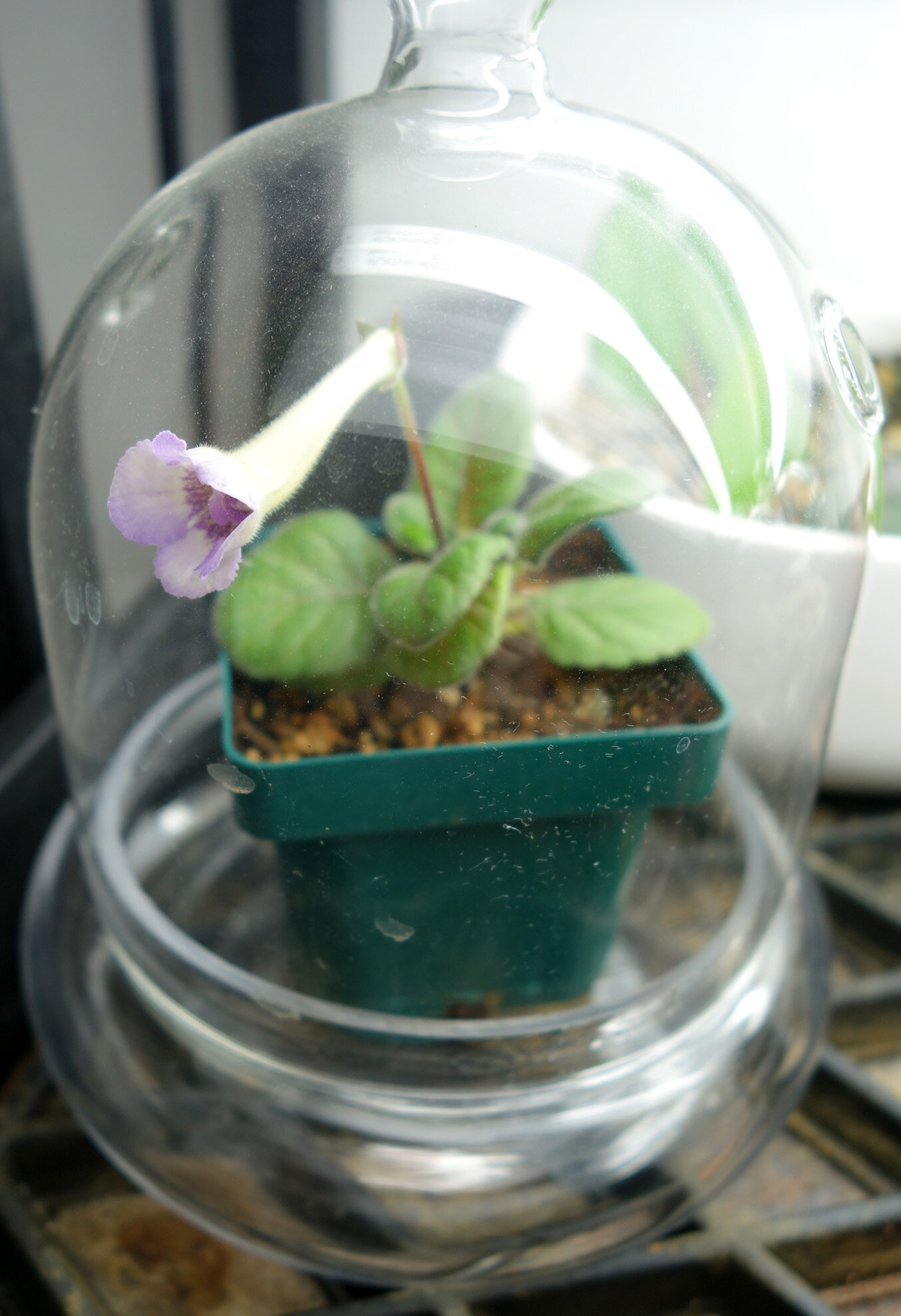
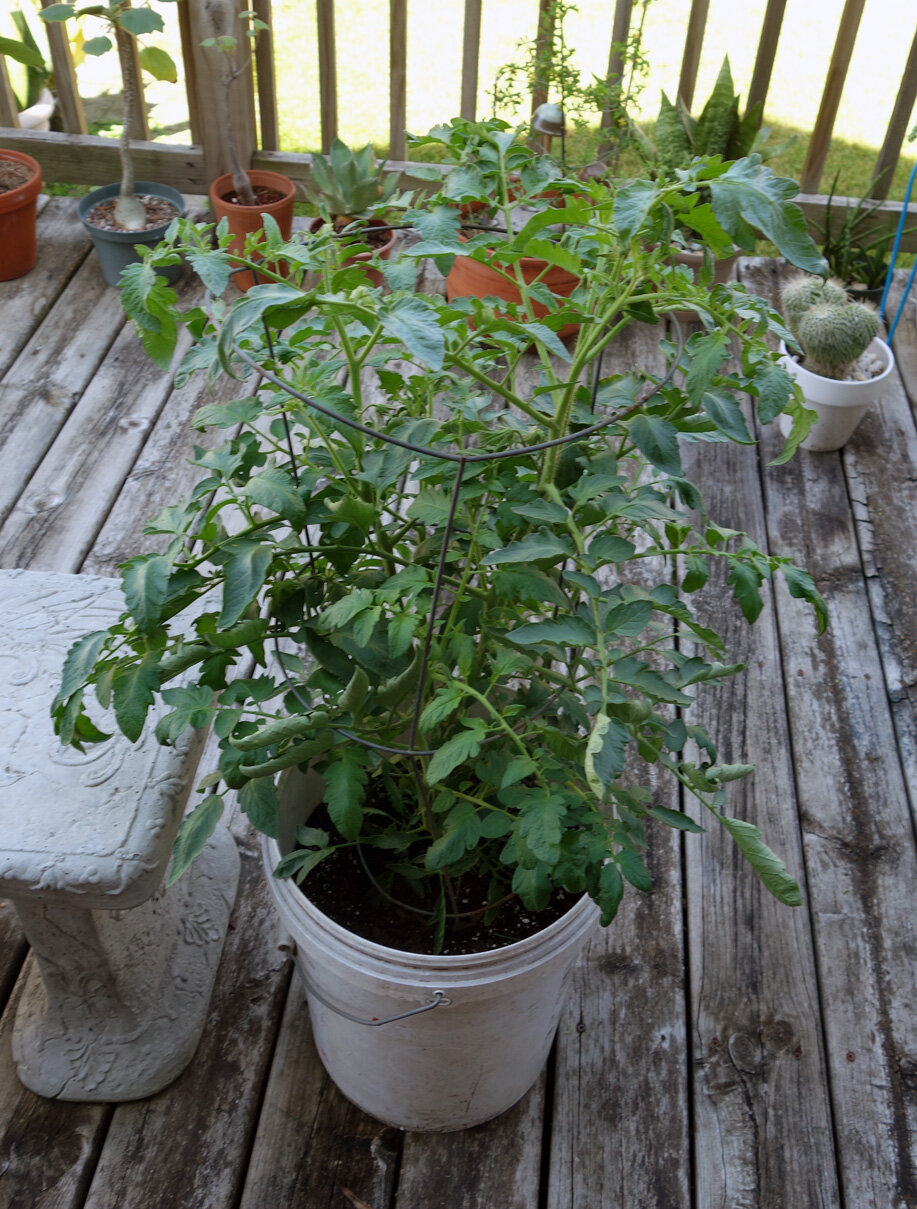
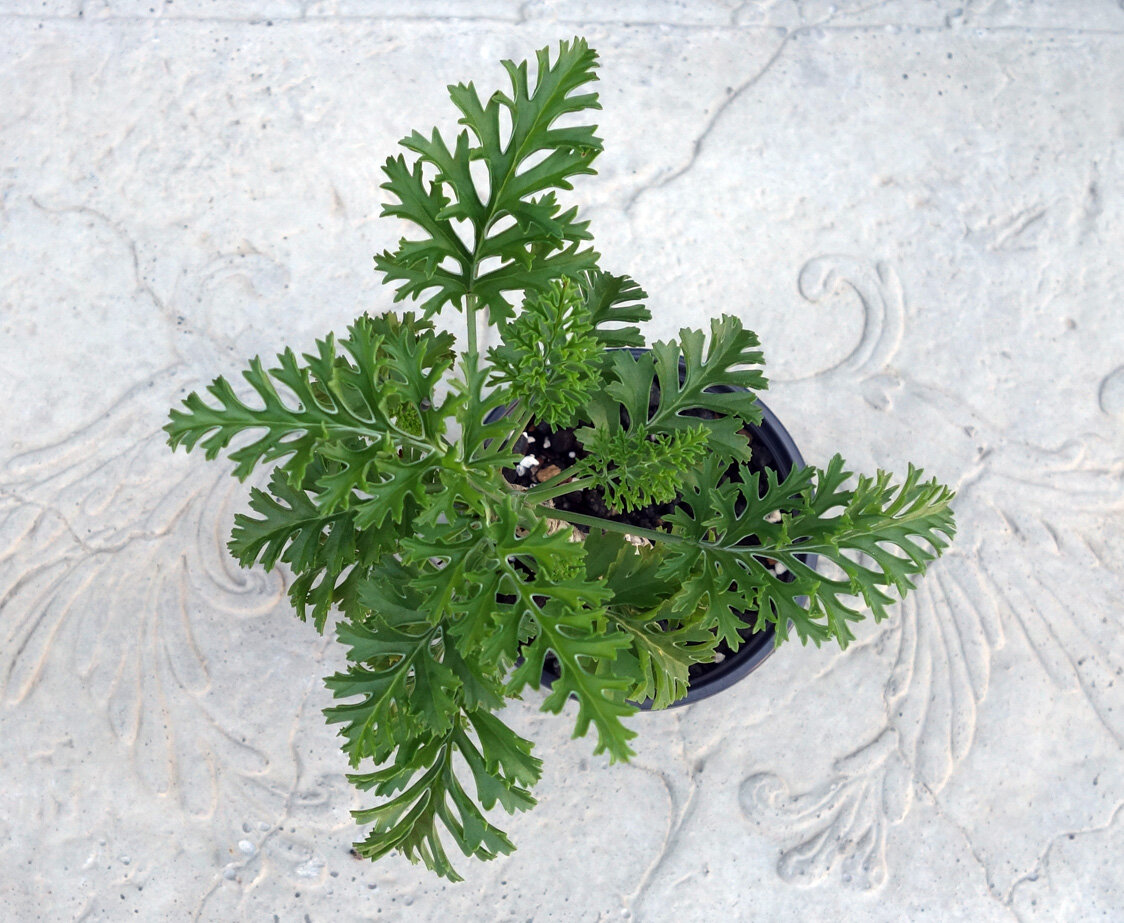
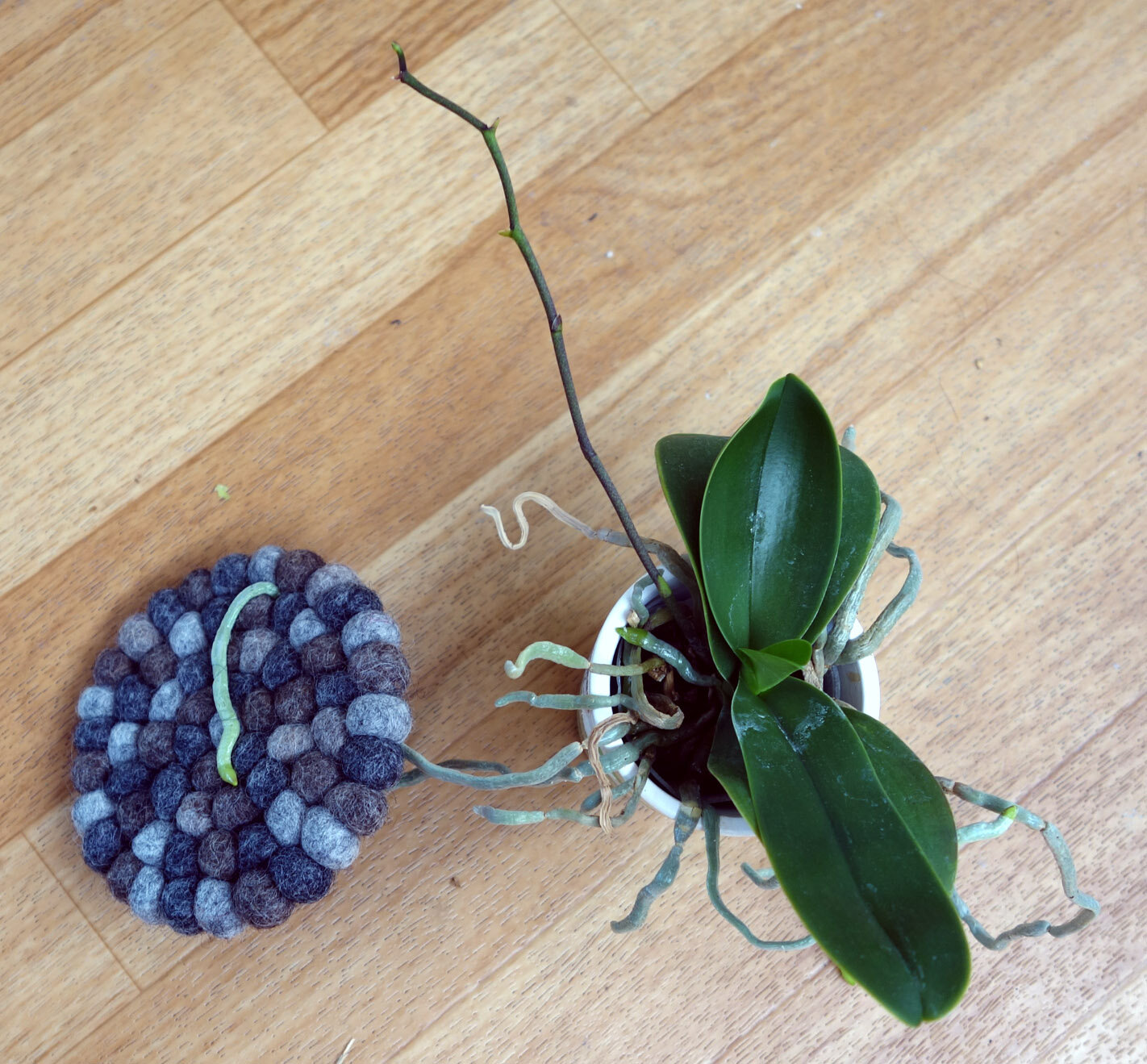
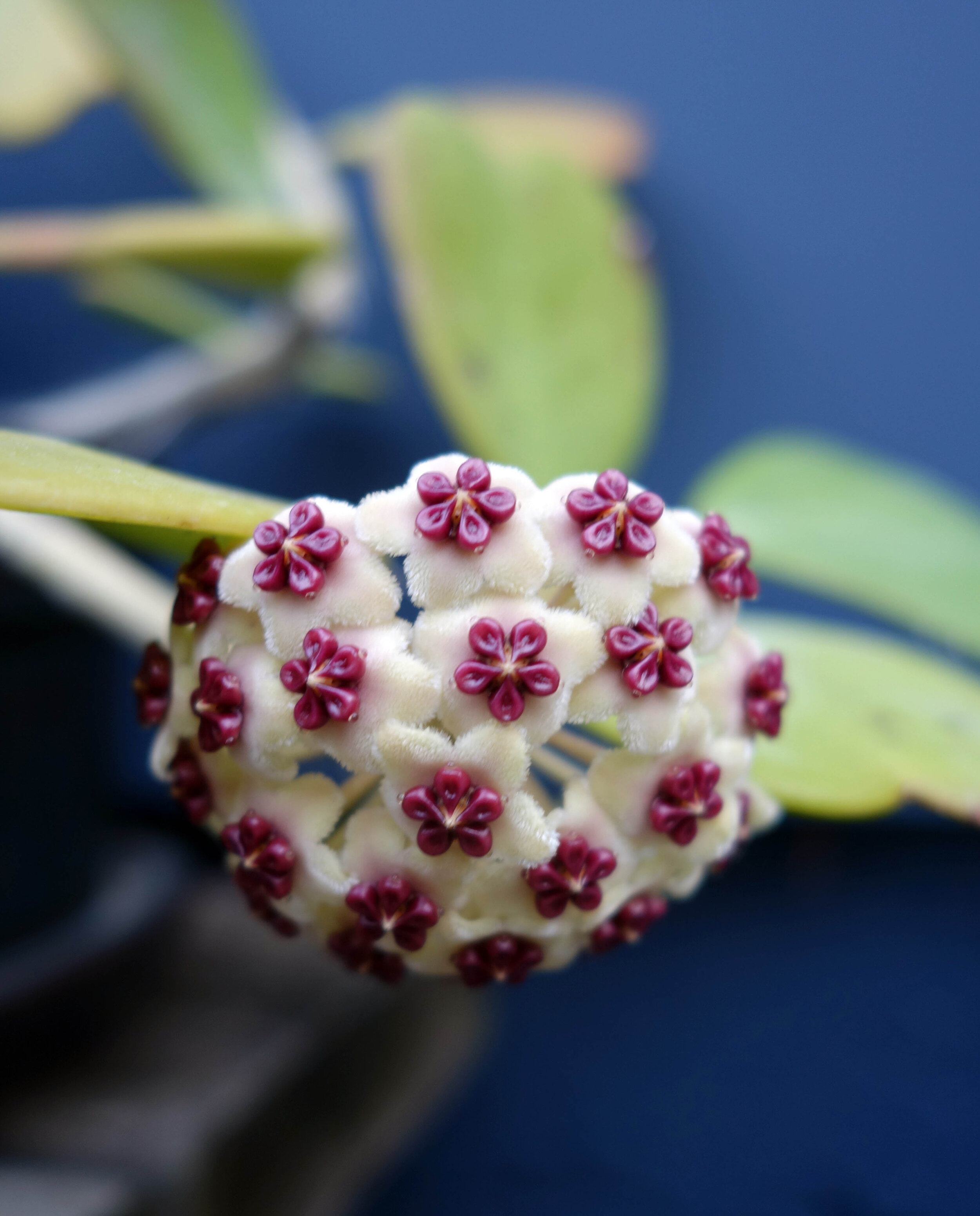
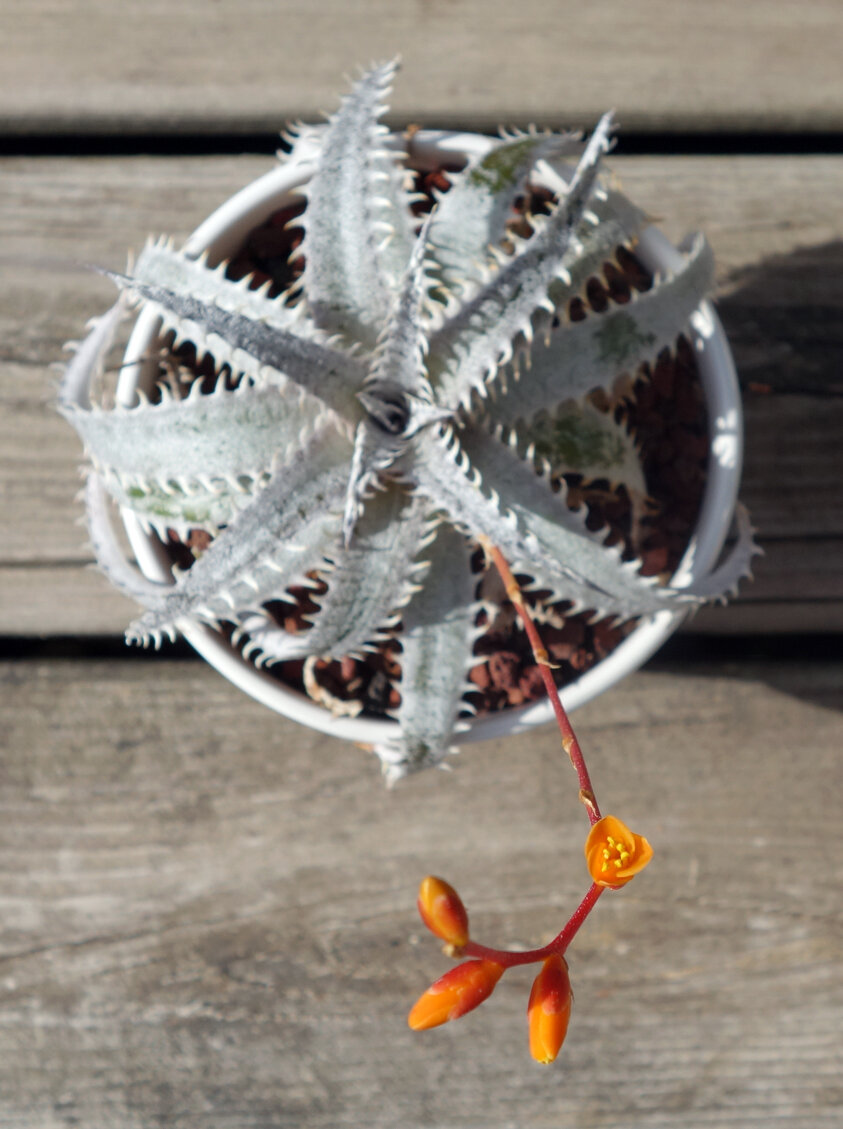
Here we have, in slideshow order: A blooming Hoya kerrii, a Dyckia spp. flower spike, two flower buds almost about to open on an Echinopsis subdenudata 'Domino,' my Haworthia parksiana growing several flower stalks, several different images of my blooming Ledebouria spp., my Mammillaria karwinskiana ssp. nejapensis flower crowns, an Ibervillea lindheimeri flower, Rhipsalis mesembryanthemoides with a couple flowers, a blooming Uncarina roeoesliana, an Episcia spp. in flower, a Phalaenopsis flower spike that lasted for about six months (!), a Sinningia spp. flowering in a cloche for greater humidity, my tomato plant with a few green tomatoes in progress, a lush top-view of my Pelargonium dasyphyllum, an evening look at a reflective Haworthia spp., and an errant Phalaenopsis orchid root that grew through a neighboring plant’s felt coaster which I removed post-photo.

Ashlar and a Blooming Sinningia Cardinalis

Here are a couple recent photos from fauna and flora in my life!

A Few Random Leftover Winter Flower Photos

I kind of trailed off on my monthly flower photos towards the end of winter, so here are a few leftover ones I haven't posted yet!  They are: two pictures of Gymnocalycium damsii var. rotundulum, an almost-blooming Tillandsia seleriana, and a blooming Tillandsia ionantha.

December Houseplant Happenings

Here are the photos from the final month of 2017!  We've got fewer flowers for sure this December - just this Copiapoa hypogaeaGymnocalycium pfanzii var albipulpa, Sansevieria cylindrica, and Sansevieria phillipsiae, respectively.  This fruit on my Gymnocalycium mihanovichii has also been around since at least November, but it really started becoming eye-catching in December.  It is now in the process of drying out.

November Houseplant Flowers!

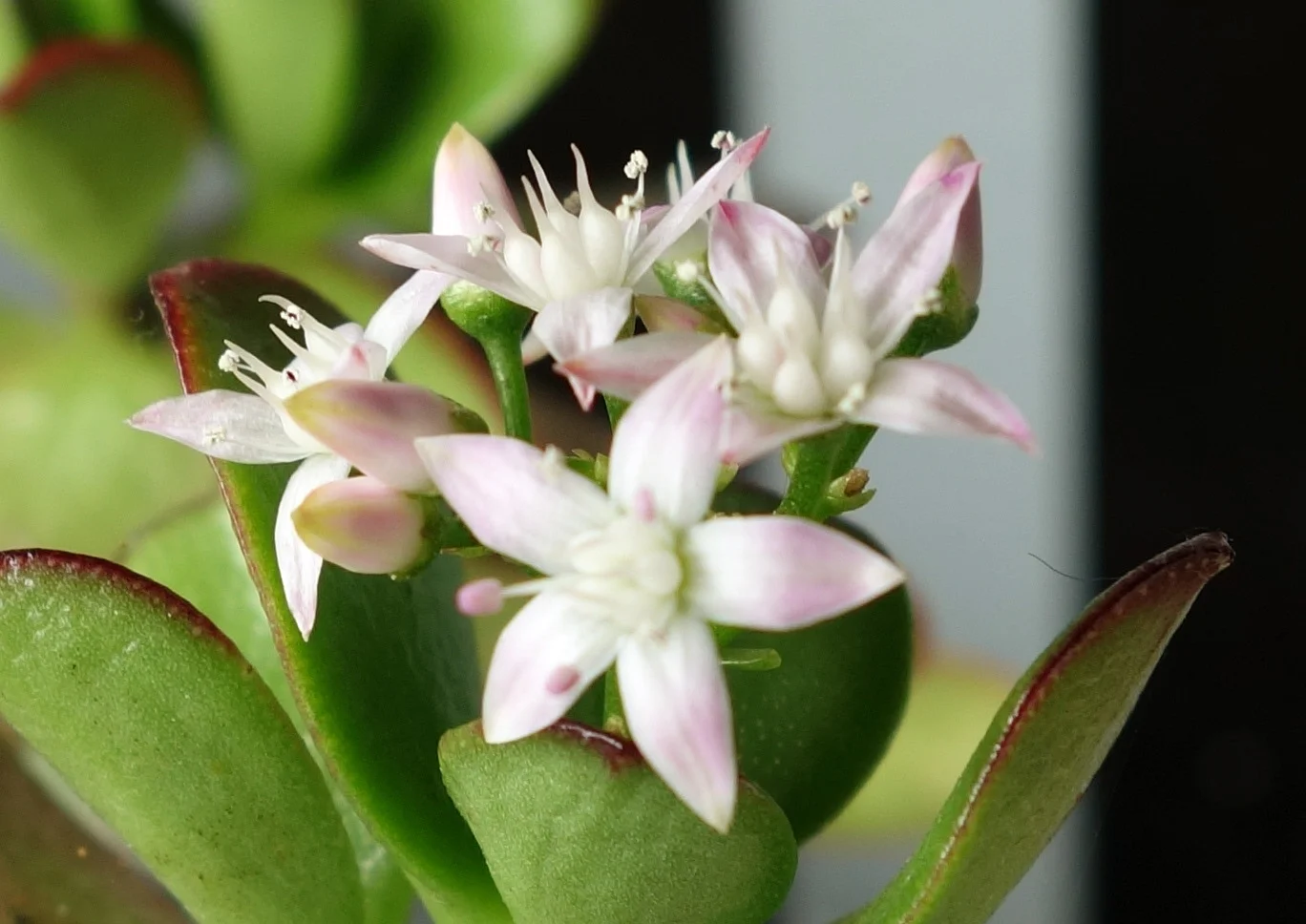
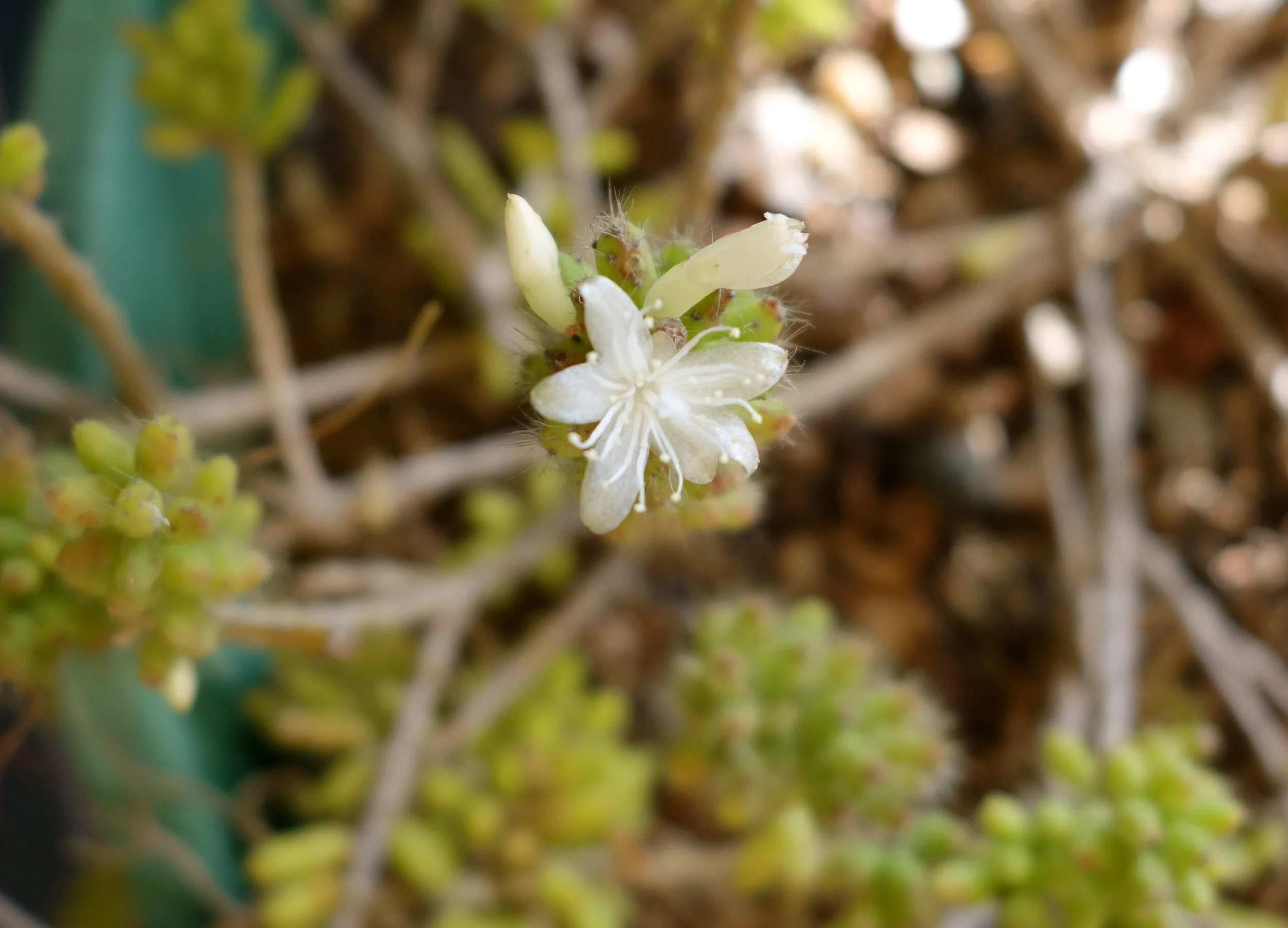
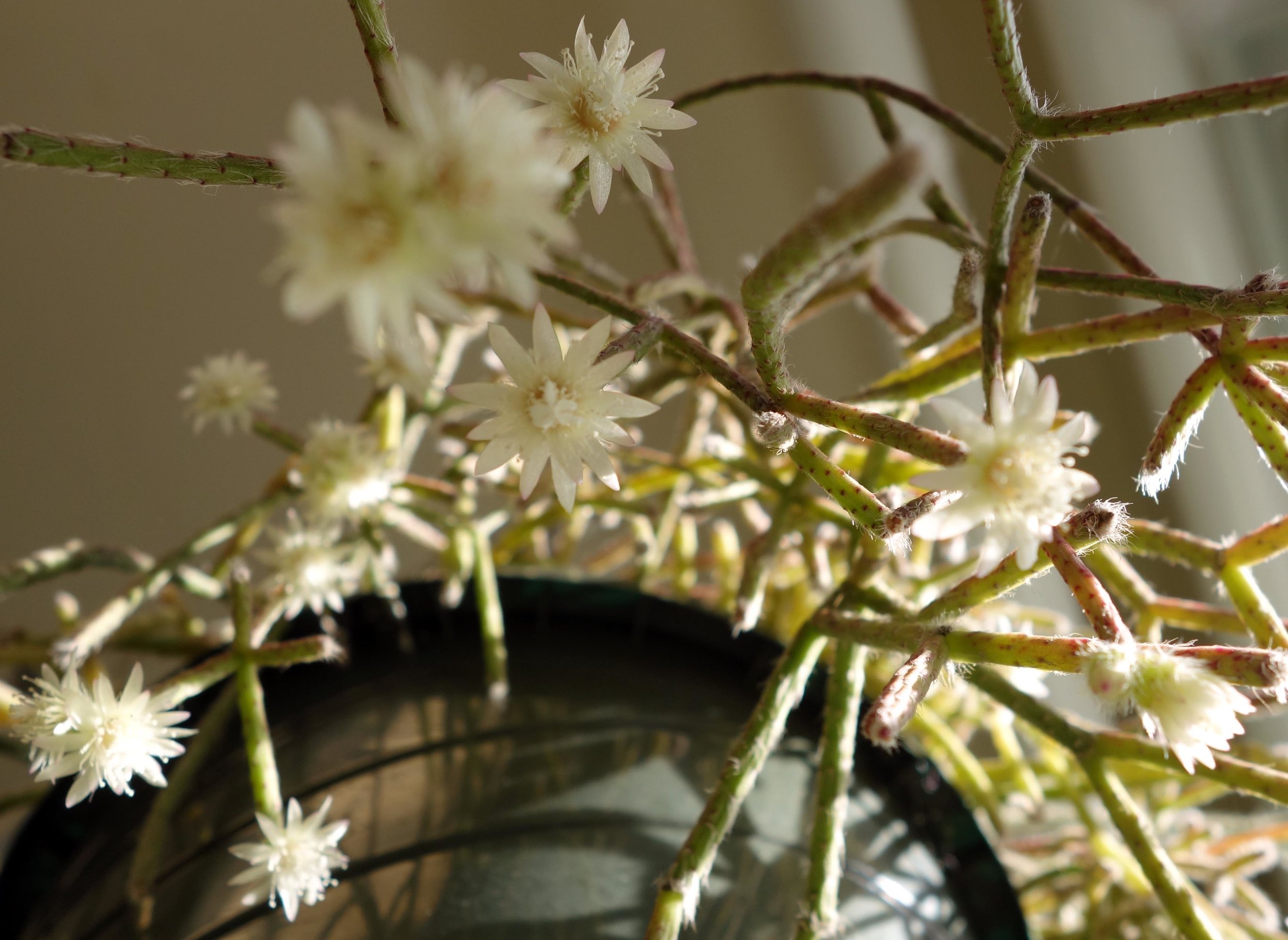
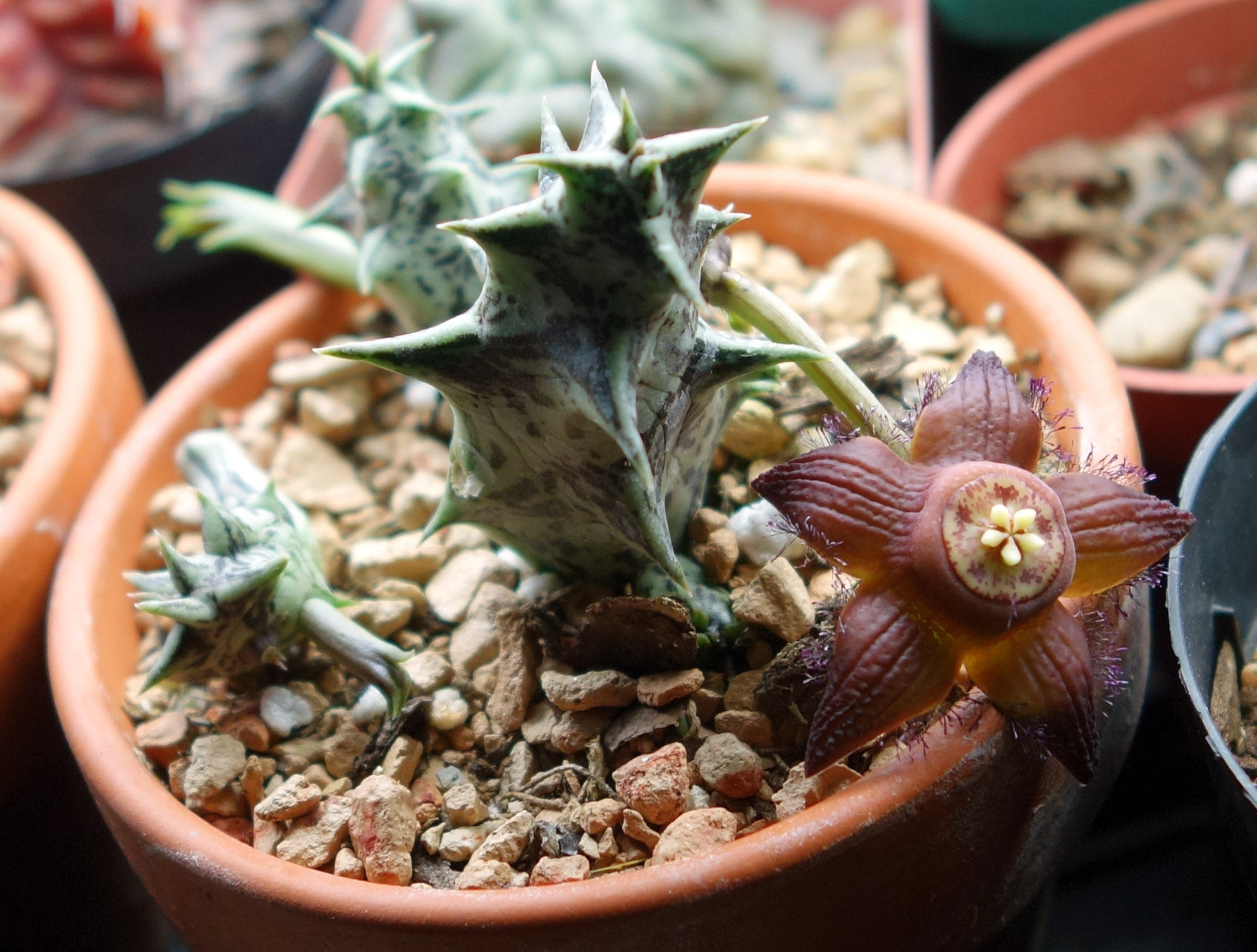
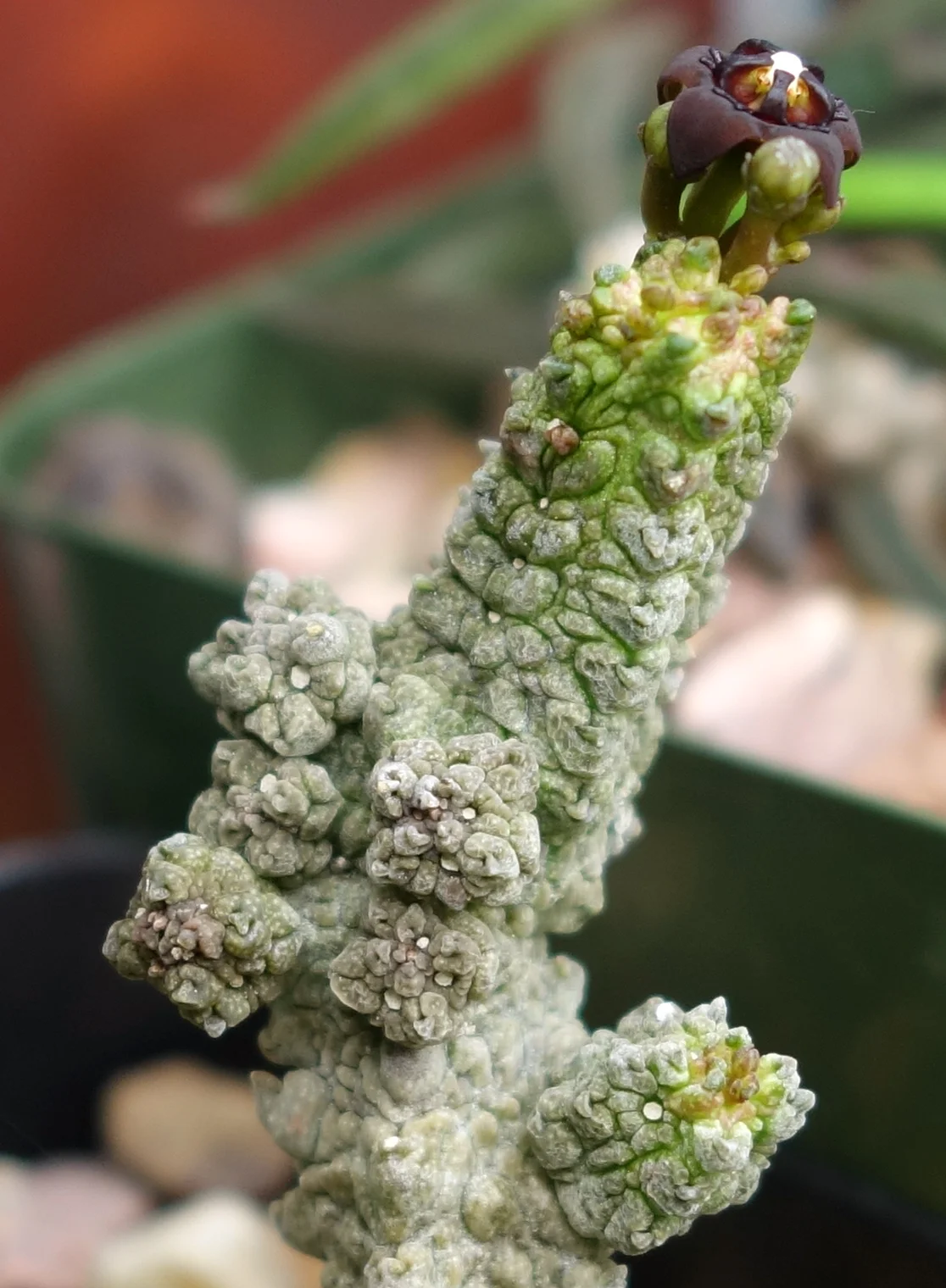
And here is the next set of houseplant happenings, from November!  I'm at the point now where I always have at least one or two plants in bloom at any given moment; I often neglect to photograph my orchid and African Violet (Saintpaulia spp.) flowers not because I don't appreciate them - I do! - but because they're quite common.  Here, we have in order from left to right and top down: Crassula perforata, Crassula ovata, Mammillaria elegans, Quaqua incarnata, Echeveria shaviana 'Neon Breakers', Rhipsalis mesembryanthemoides, Rhipsalis pilocarpa, Senecio jacobsenii, Duvalia sulcata, Anomalluma dodsiana, Stapelia sticula, and Matucana madisoniorum.  

The Crassulas are particularly surprising because Crassula hate me (and in return, I don't much care for them) but on both plants the blooms seem like they could be a last gasp, so... it's damning with faint praise, I suppose.  Also, my Anomalluma dodsiana revealed a mealybug infestation post blooming, so it's currently in round two of diatomaceous earth dusting.  The Quaqua incarnata has been blooming non-stop since November and is still in flower today, and the Stapelia sticula has also been quite prolific.

Remember that if you want to, you can click on any of the photos to see them in more detail!

My New Phidippus Audax Roommate!

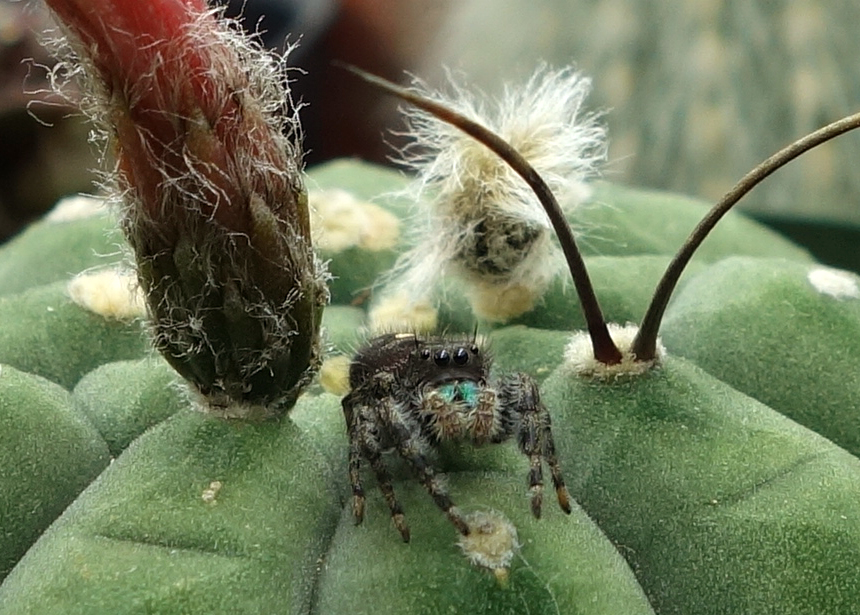
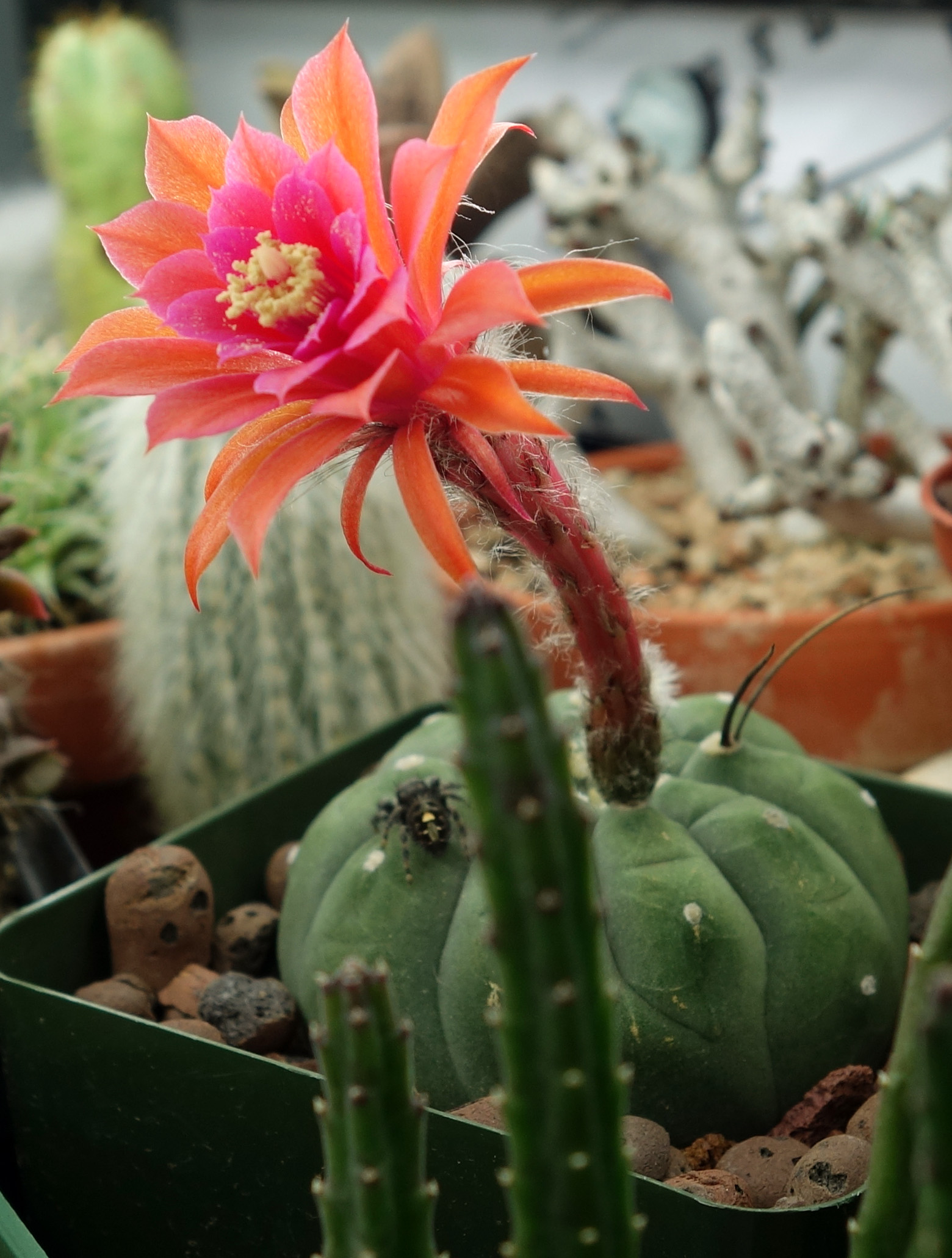
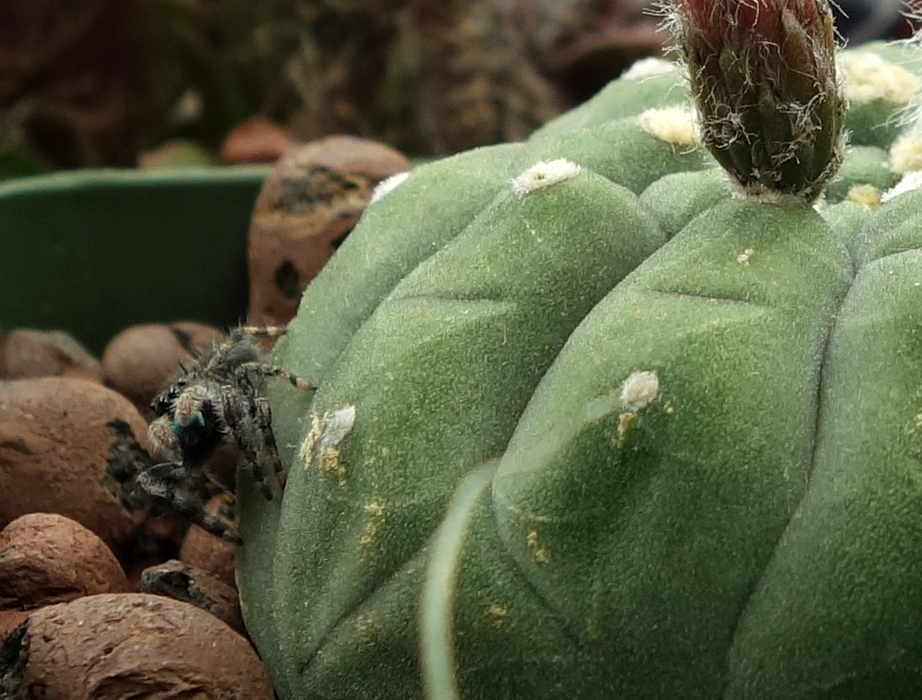
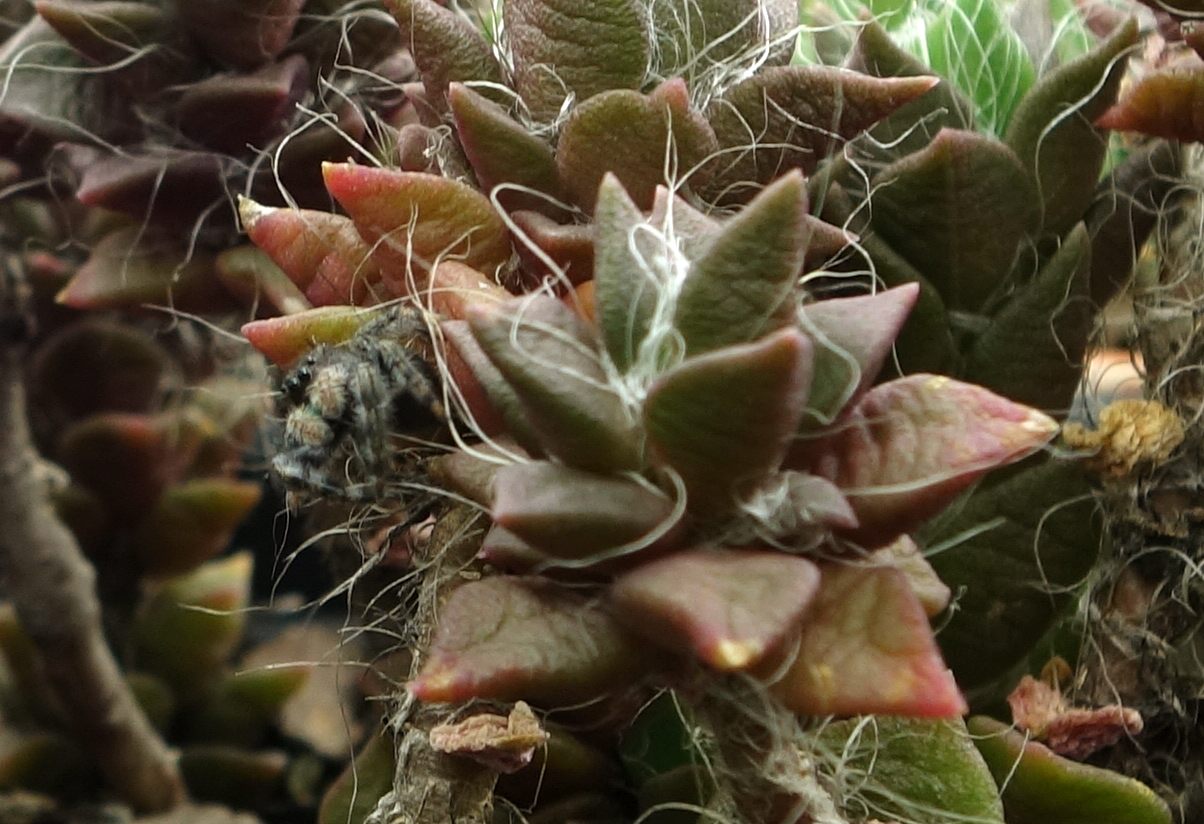
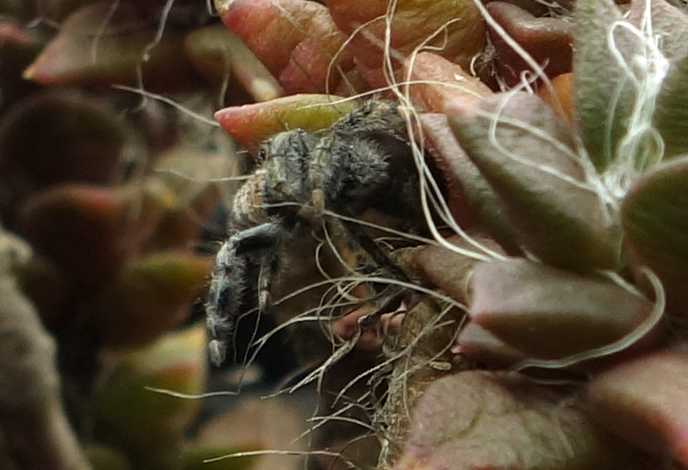
Happy holidays!  Here to celebrate with me is my new spider friend, Audrey.  She's a bold jumping spider (Phidippus audax).  She must have hitched a ride indoors with me when I relocated all my plants in for the winter, but she's preferred to maintain a very low profile and only popped out recently (and only for two days).  There's a whole small ecosystem going on with my outdoor/indoor plants - there are ants, and beetles, and mites, and spiders... I could nuke them all with neem oil or diatomaceous earth, but as long as they aren't harming me or causing significant damage to my plants, I like being able to support the local fauna and they in turn pollinate my plants or like Audrey keep them safe from pest species.  I watched her hunt for prey on at least ten different plants, but due to the way in which I've set up my collection, I couldn't get clear photos on her on most of them.  The best photos of Audrey are of her posing atop my Matucana madisoniorum which serendipitously was in bloom at the time!  I also have a couple okay photos of her on my Anacampseros rufescens.

More Houseplant and Insect Visitor Photos!

Here are my October 2017 notable houseplant moments and visitors!  The photos are respectively of flowering Ariocarpus fissuratus, Duvalia sulcata, Euphorbia francoisii, Mammillaria schiedeana still in bloom (it lasted two months!), Mammillaria plumosa, Stapelia gettleffii, and then a stick insect and a moth pretending to be a fallen leaf while visiting a Pilocereus.