kintsugi

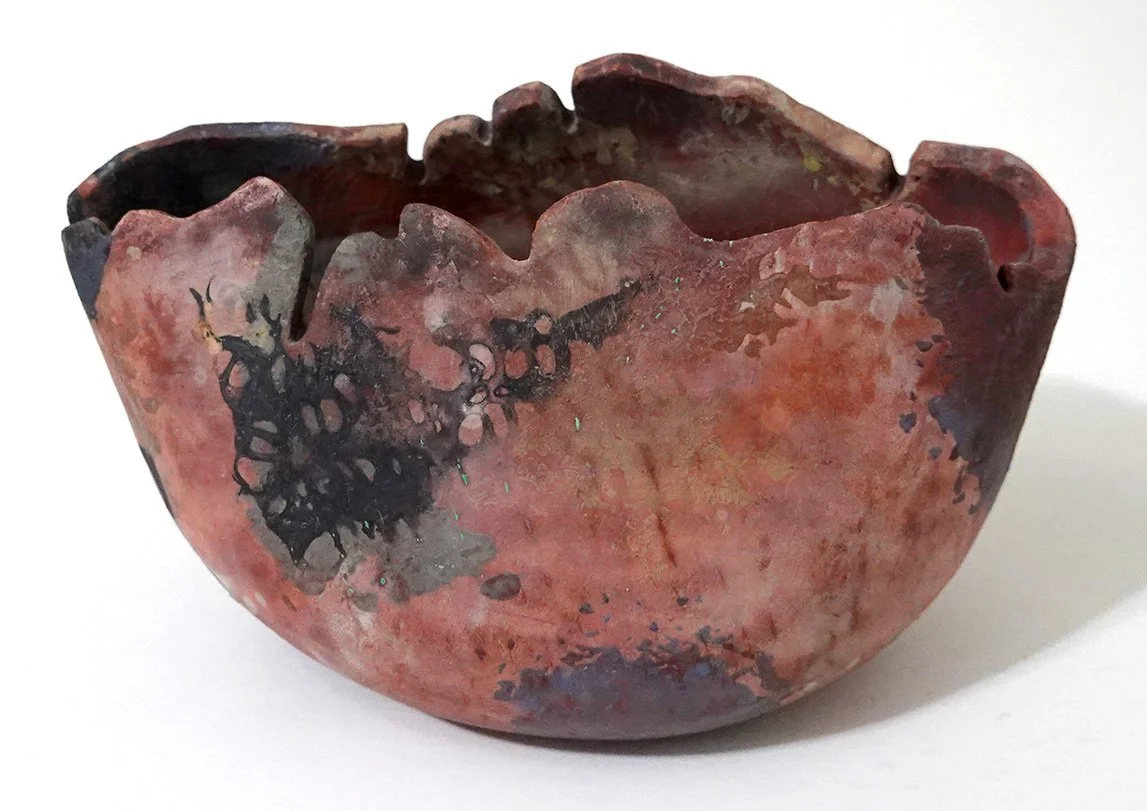
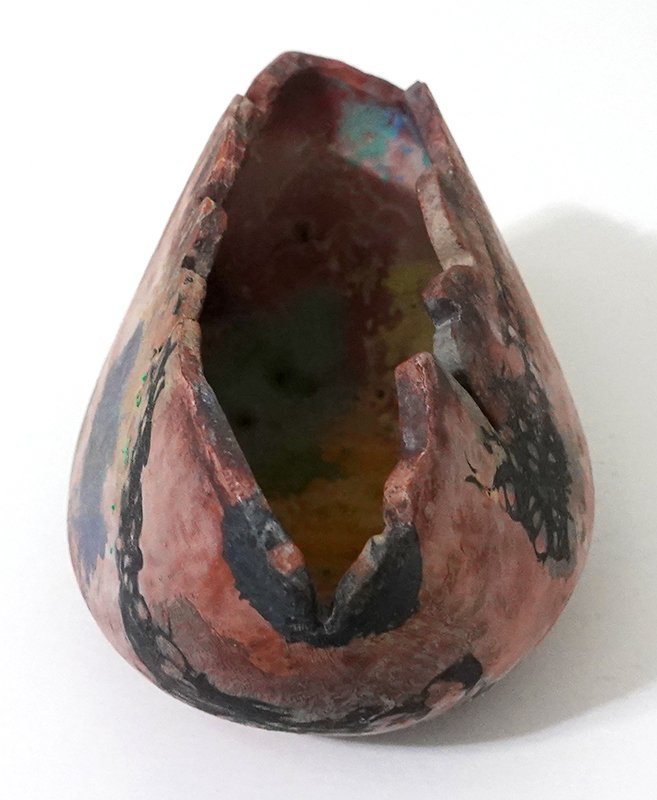
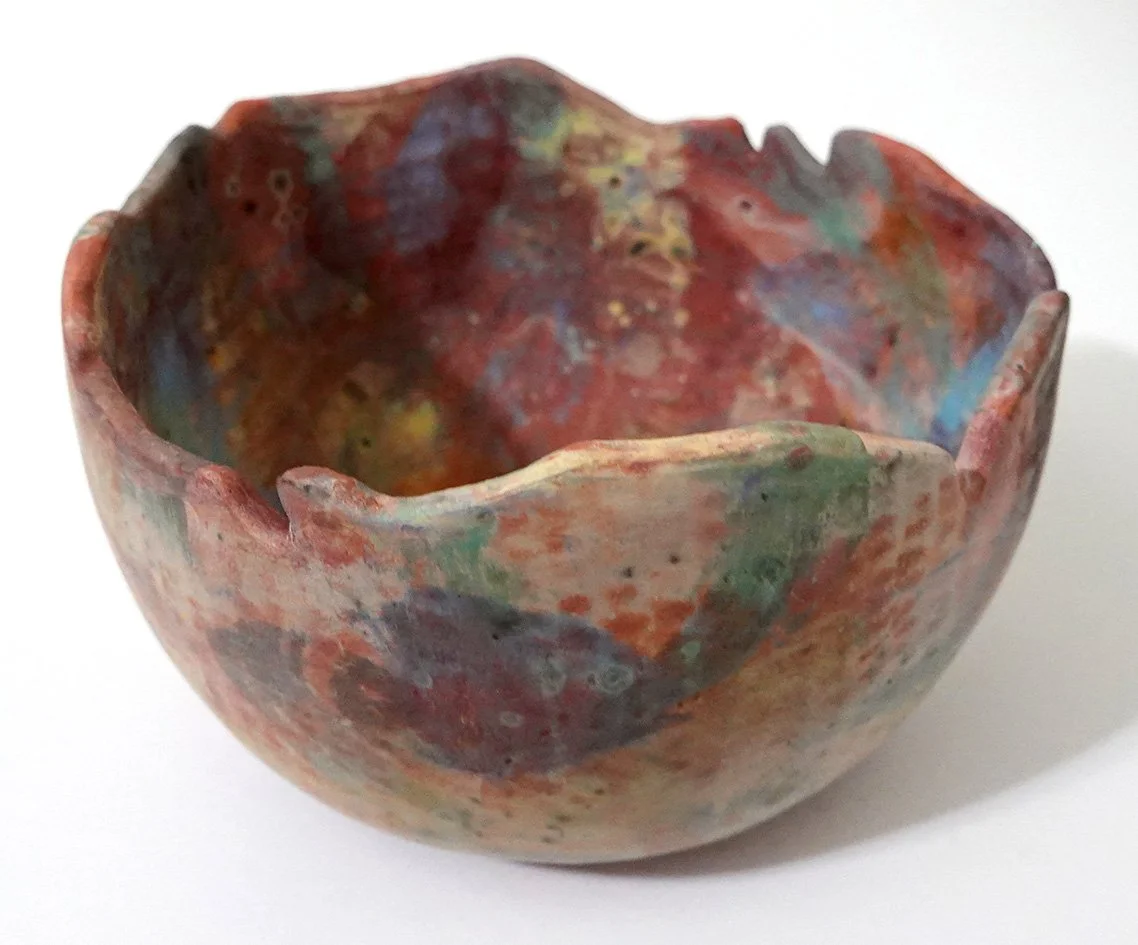
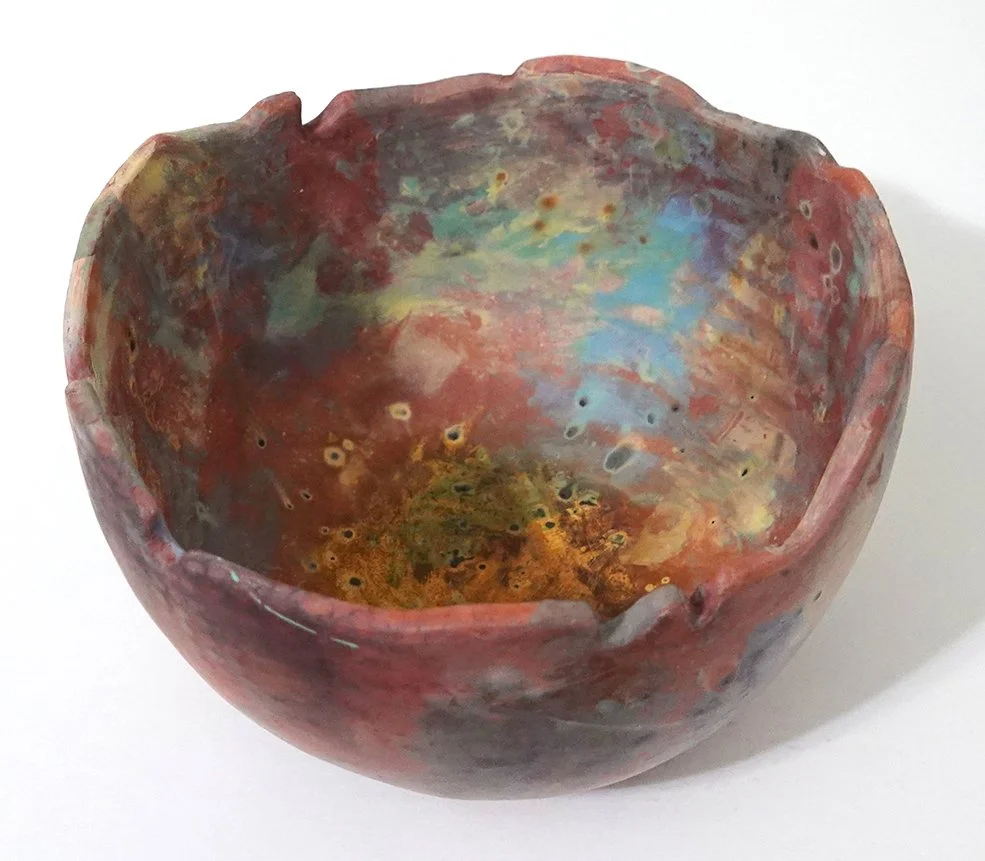
Mason Stained, Ferric Chloride Saggar Raku Ceramics

Bisqued pottery ready for the workshop!

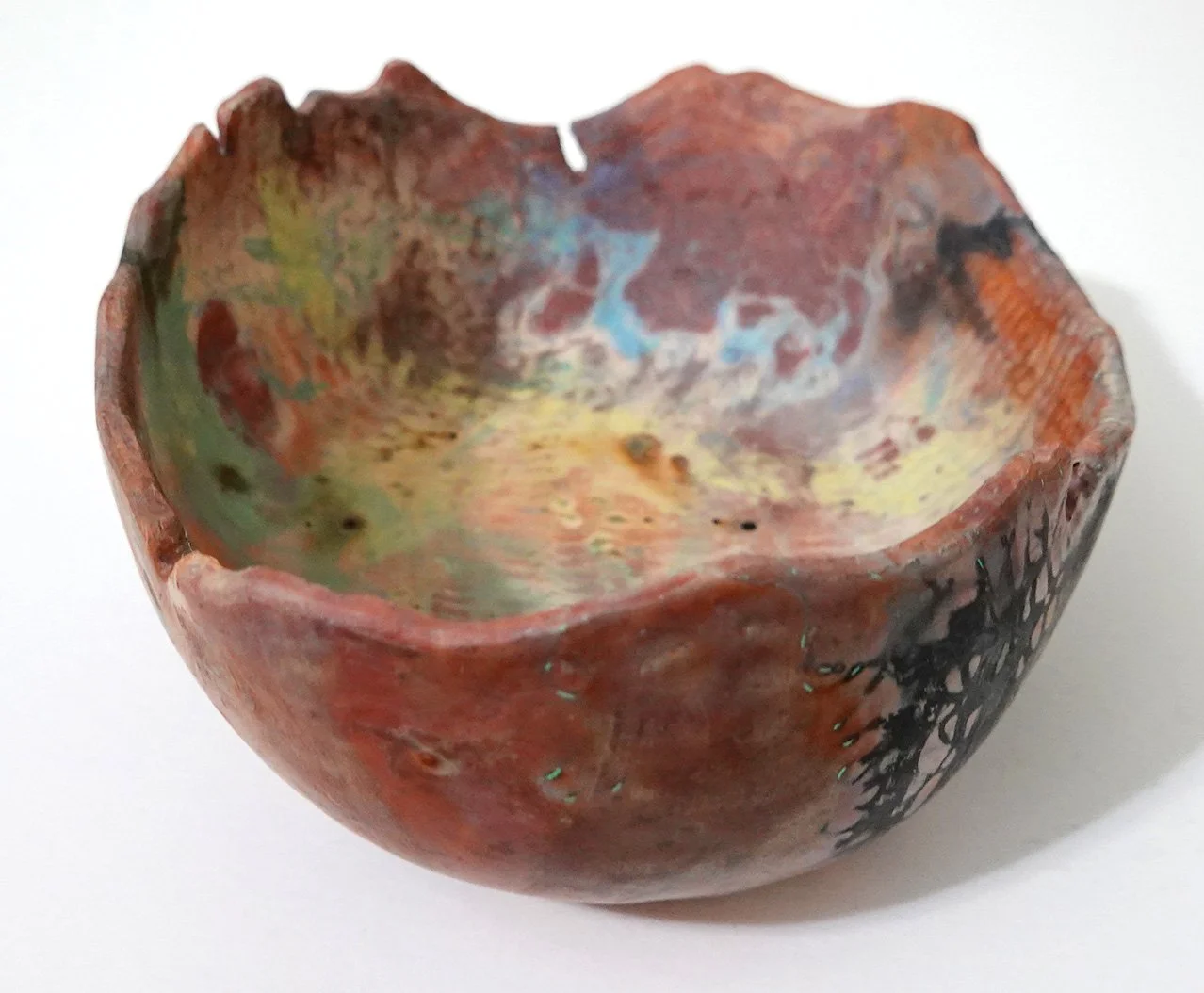
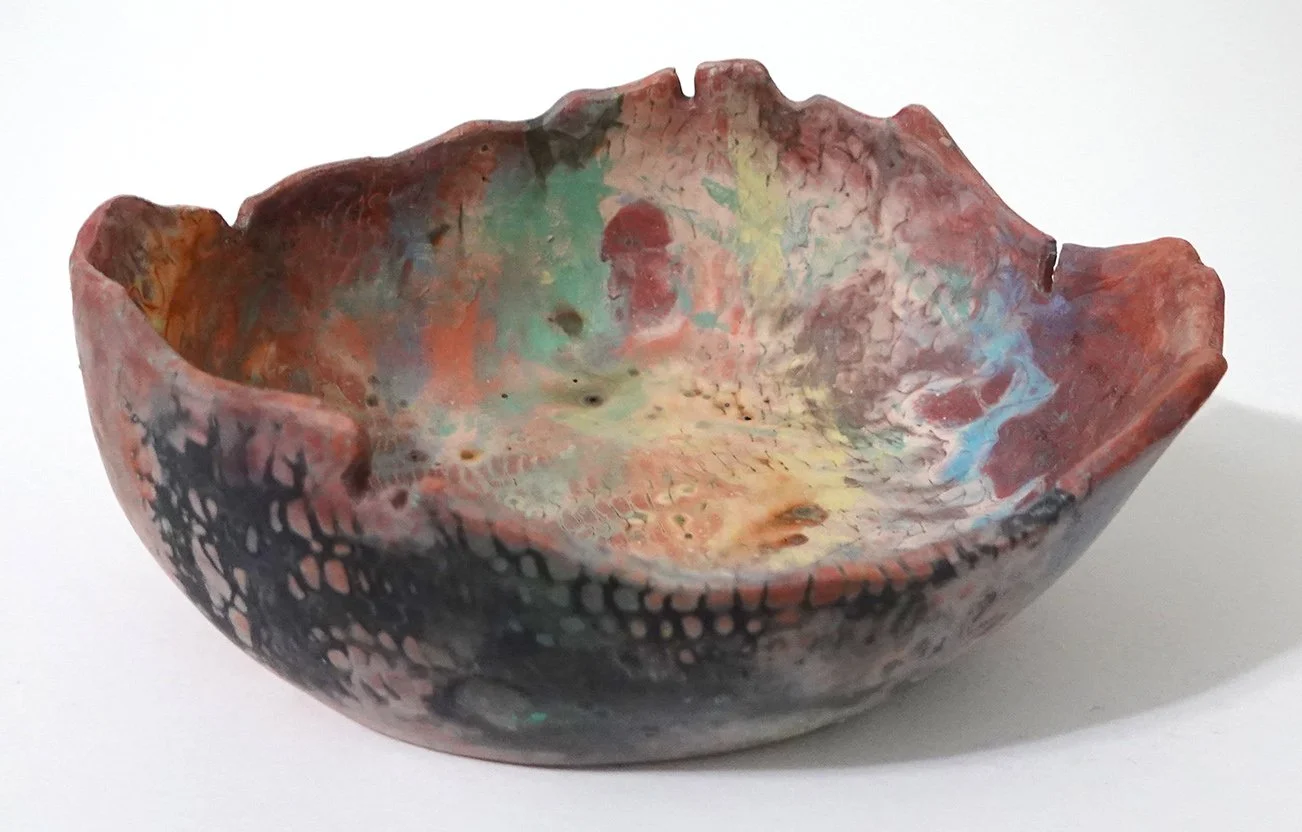
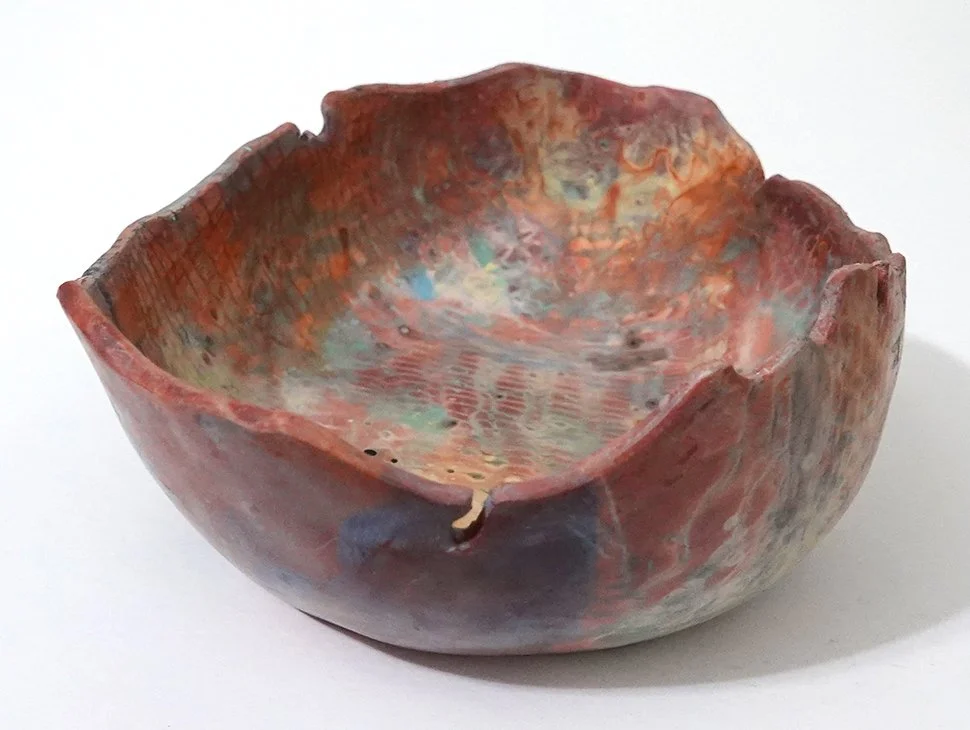
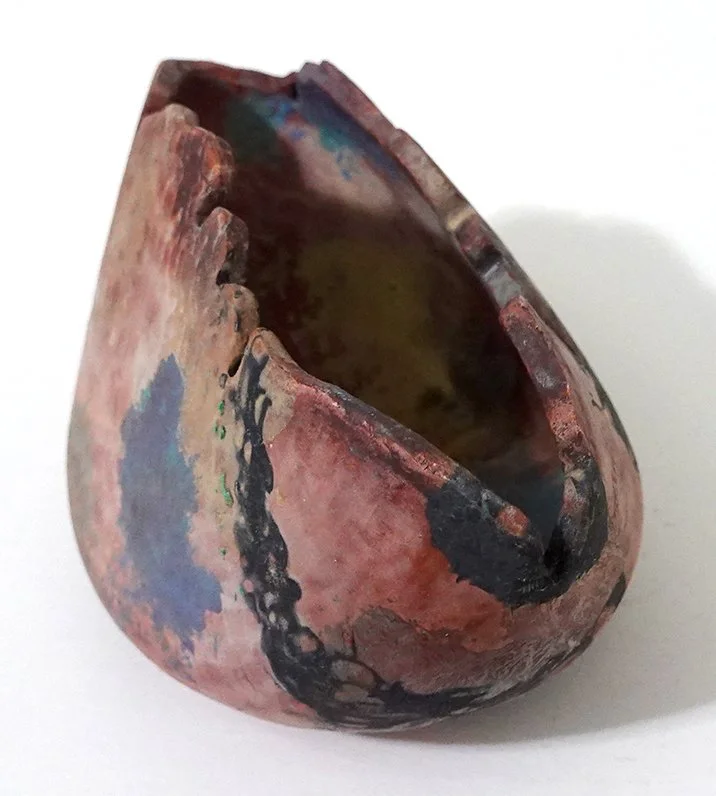
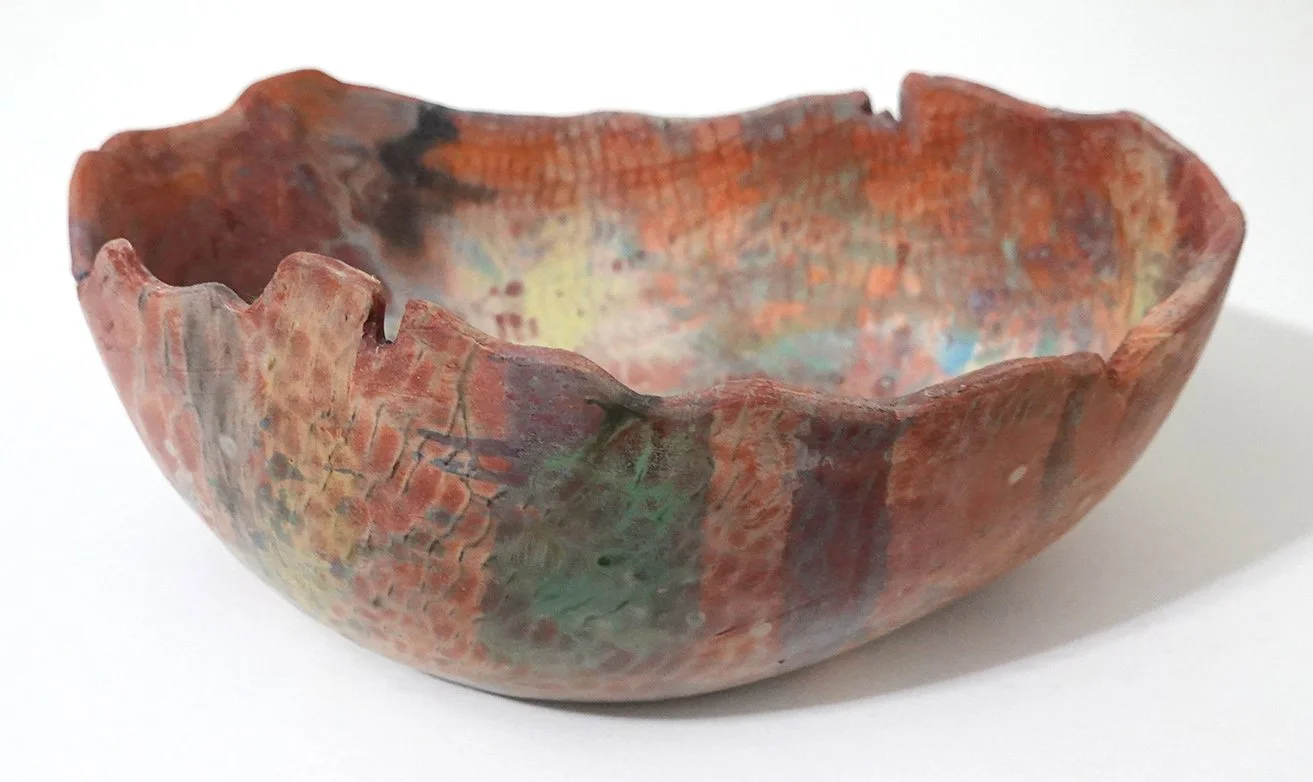
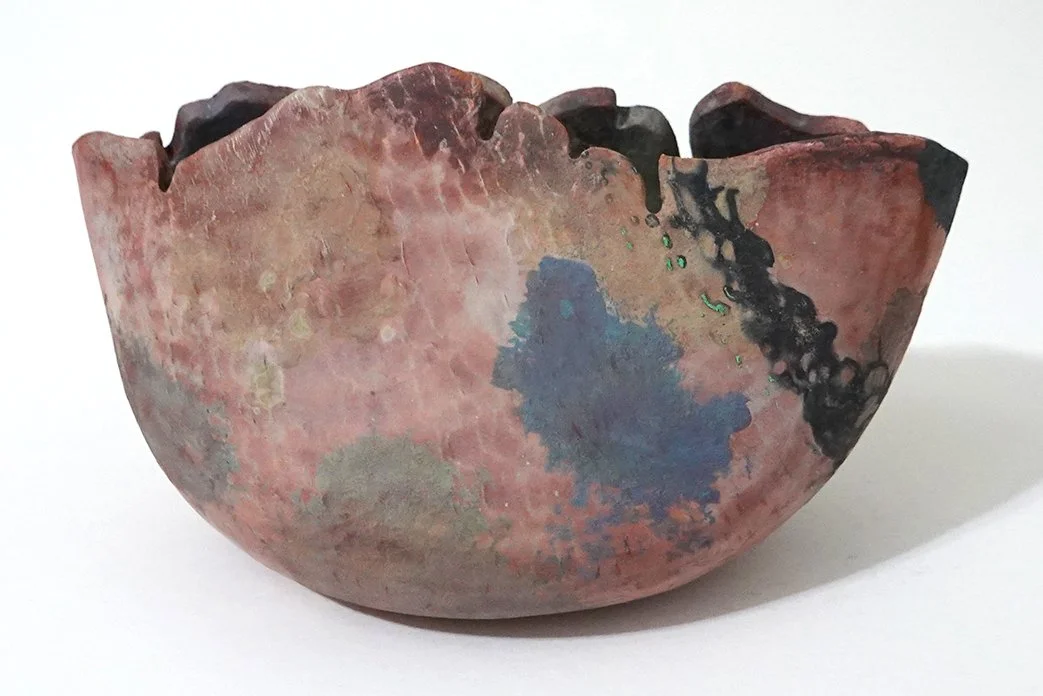
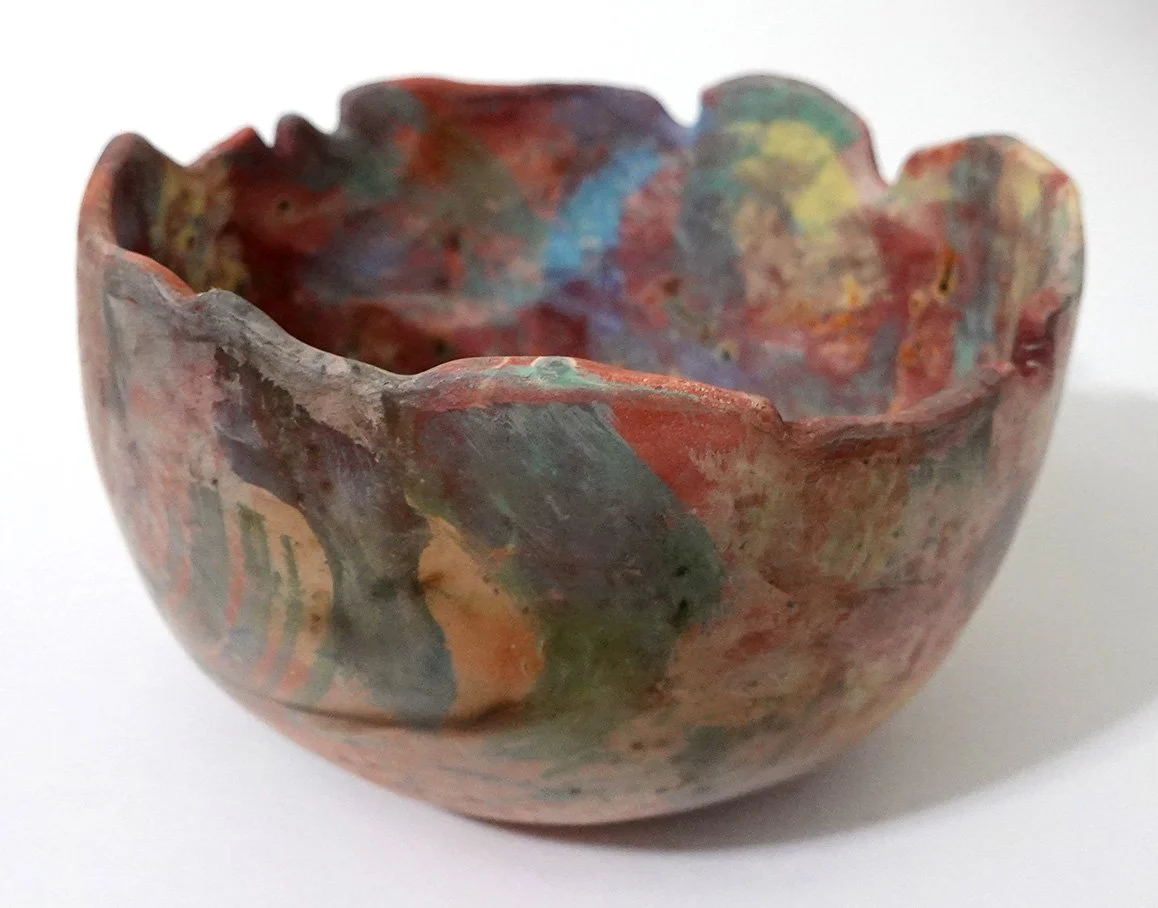
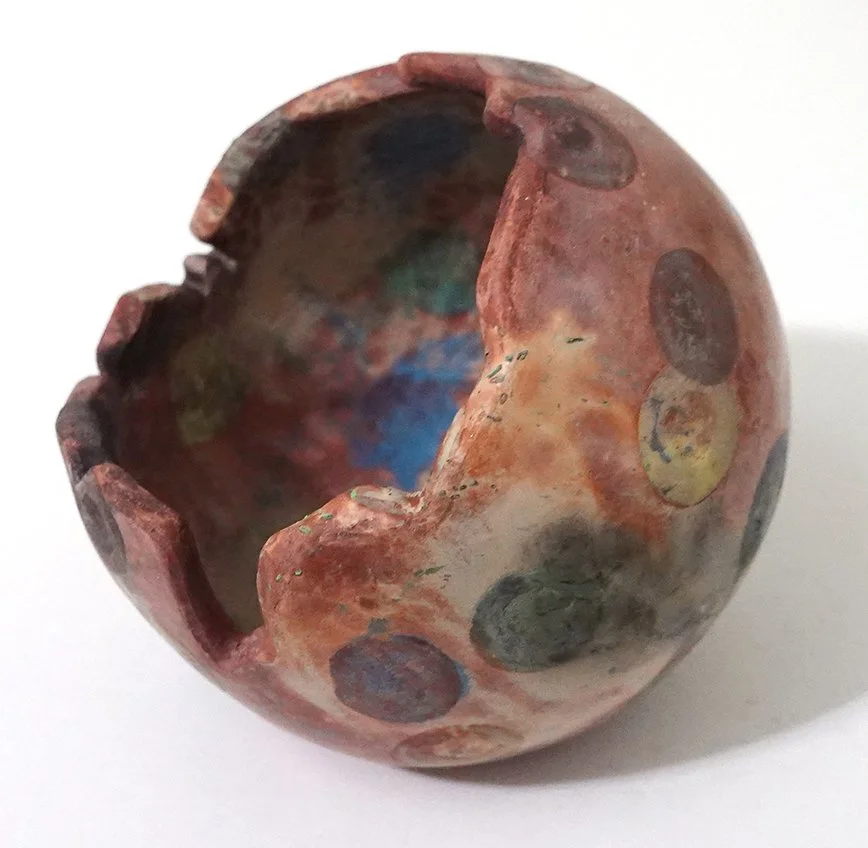
Here are the Mason stained, ferric chloride dipped, and saggar fired pottery resulting from my fall workshop! I used three different Mason stains: chartreuse, jade green, and dark teal. I mixed the stains with terra sigillata and applied them in a variety of ways (brush, sponge, scraper). I was purposely going for choppier, sectioned out applications of the Mason stain this workshop to compliment the choppy, random ferric chloride saggar markmaking. (I previously experimented with all-over solid dark teal in varying terra sigillata tints.) To the right is an image of all the bisqued pieces for awaiting ferric chloride dipping for this workshop.

After applying the ferric chloride, I did use a combination of sugar, copper mesh, copper wire, and/or Muehlenbeckia axillaris aka Creeping Wire Vine to contribute additional texture/carbonization, and then wrapped the pieces up in aluminum foil.

First, a large bowl:
Next, a squat vase:
This is a taller, medium-sized bowl:
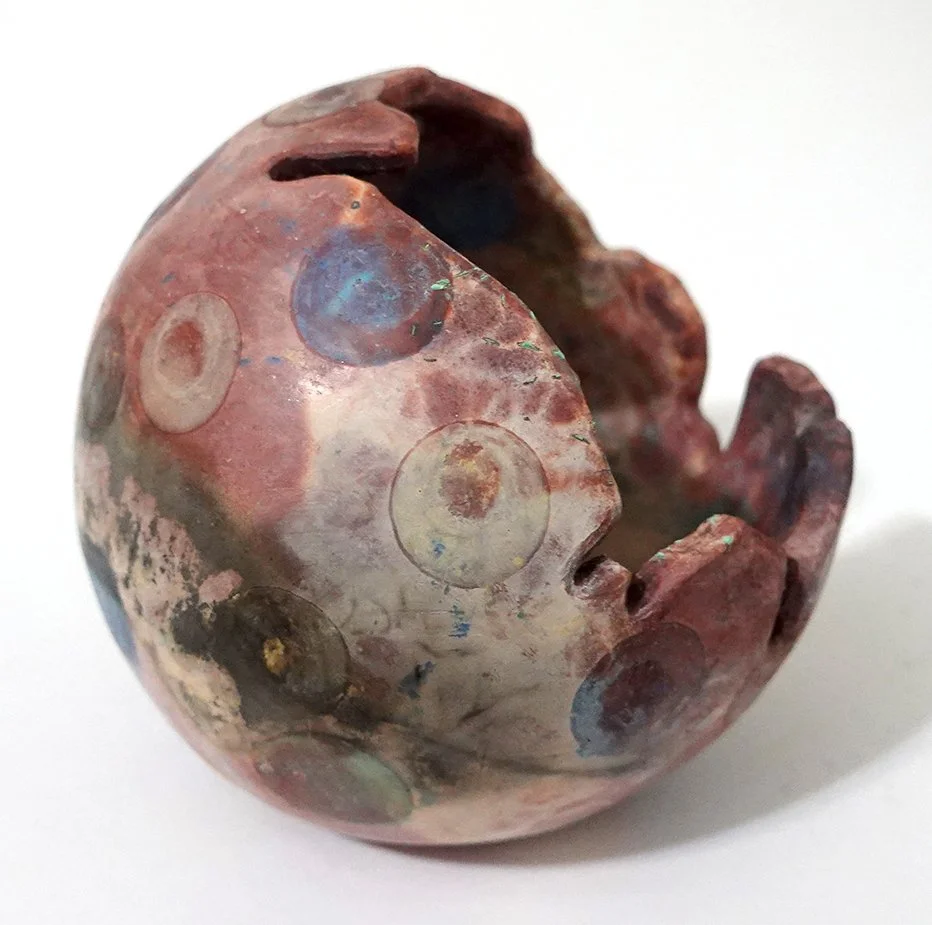
A sideways-opening orb - I think it’s one of those pieces that doesn’t photograph as well, so it’s significantly cooler in person:
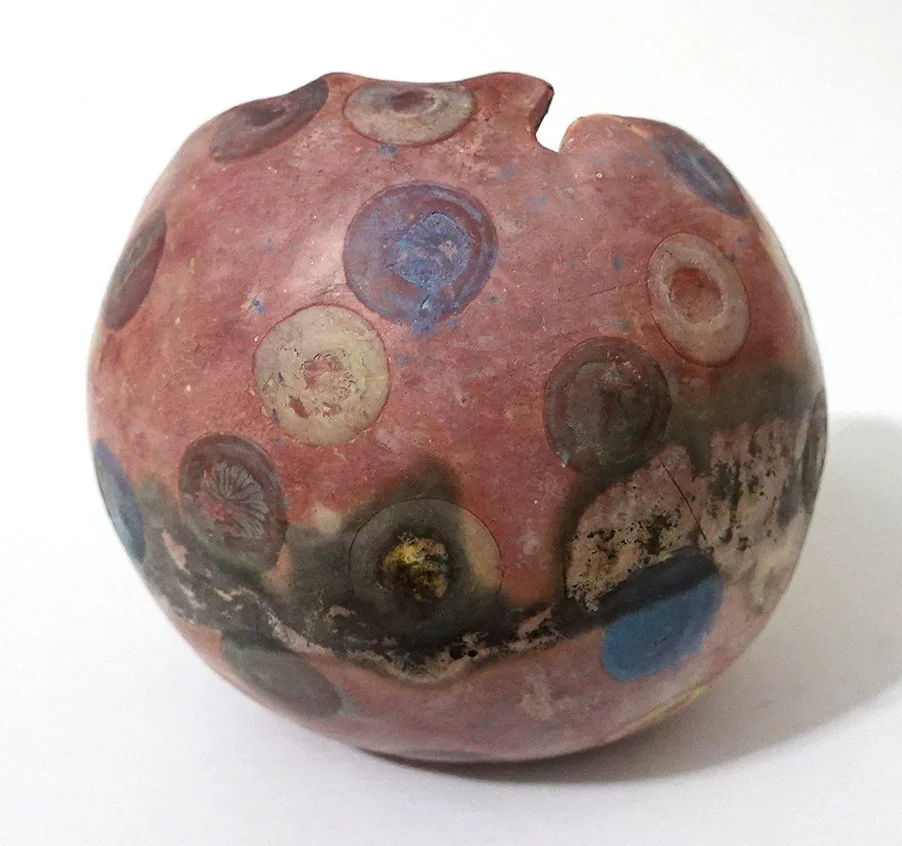
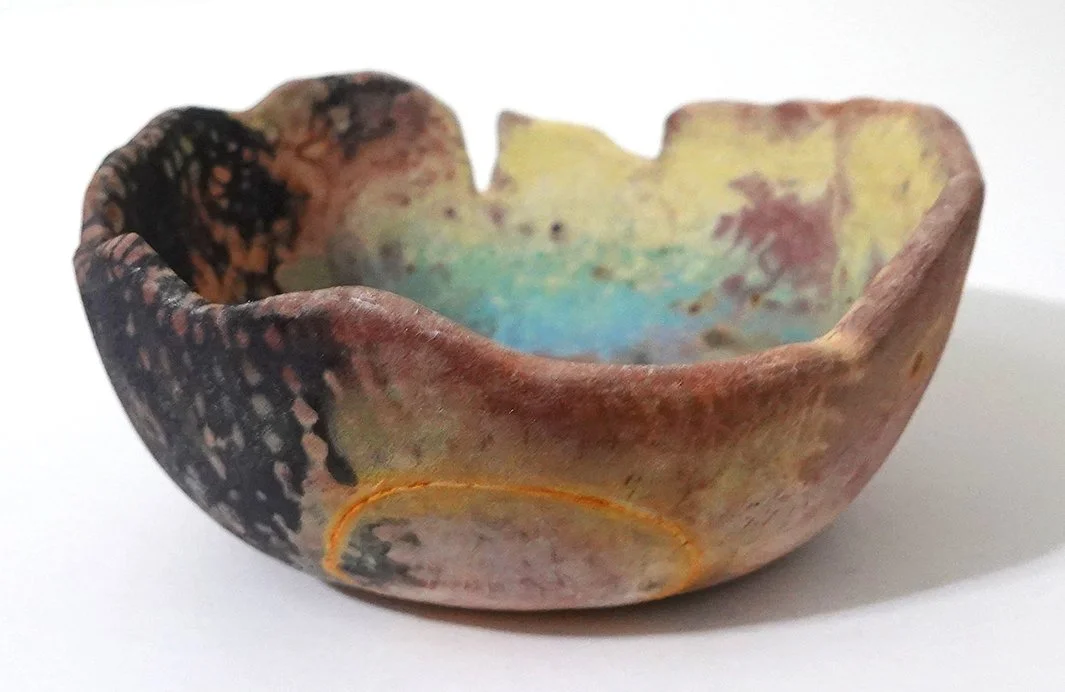
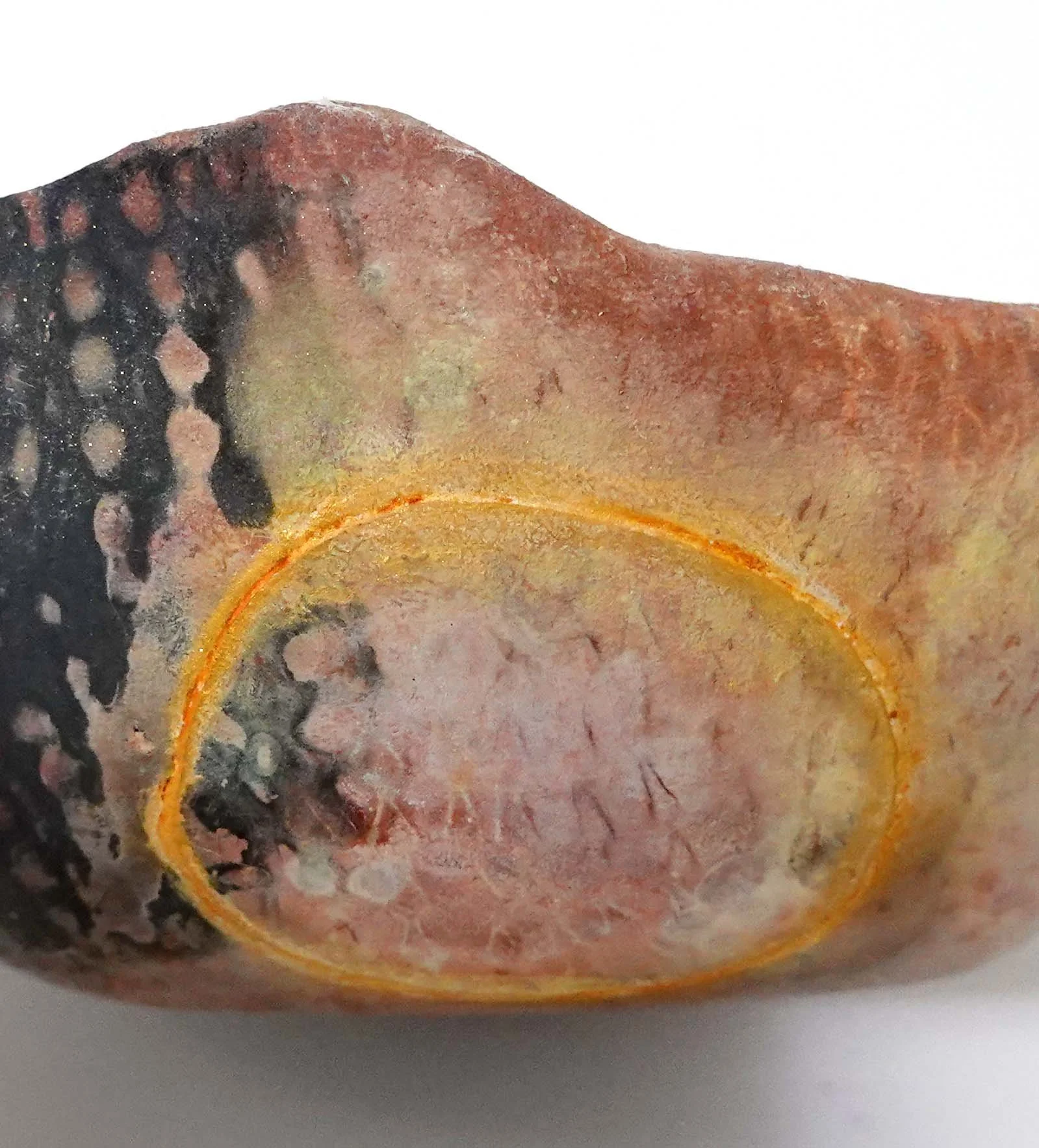
Finally, my favorite piece (mostly due to the finish, but I also like the shape). However, it unfortunately blew off an outer side piece of exterior as well as a piece off the bottom in the stressful firing and cooling process. Since it’s raku anyway (meaning it’s not food-safe or watertight even when undamaged), it’s less important when a piece is damaged. Luckily neither of these blown-off spots went all the way through the ceramic body or caused cracks to the body itself, so they’re just cosmetic and the ceramic itself is still sturdy. I decided to try a kintsugi-inspired repair for the side wall, and just put a foam furniture foot in the bottom cavity for added stability.
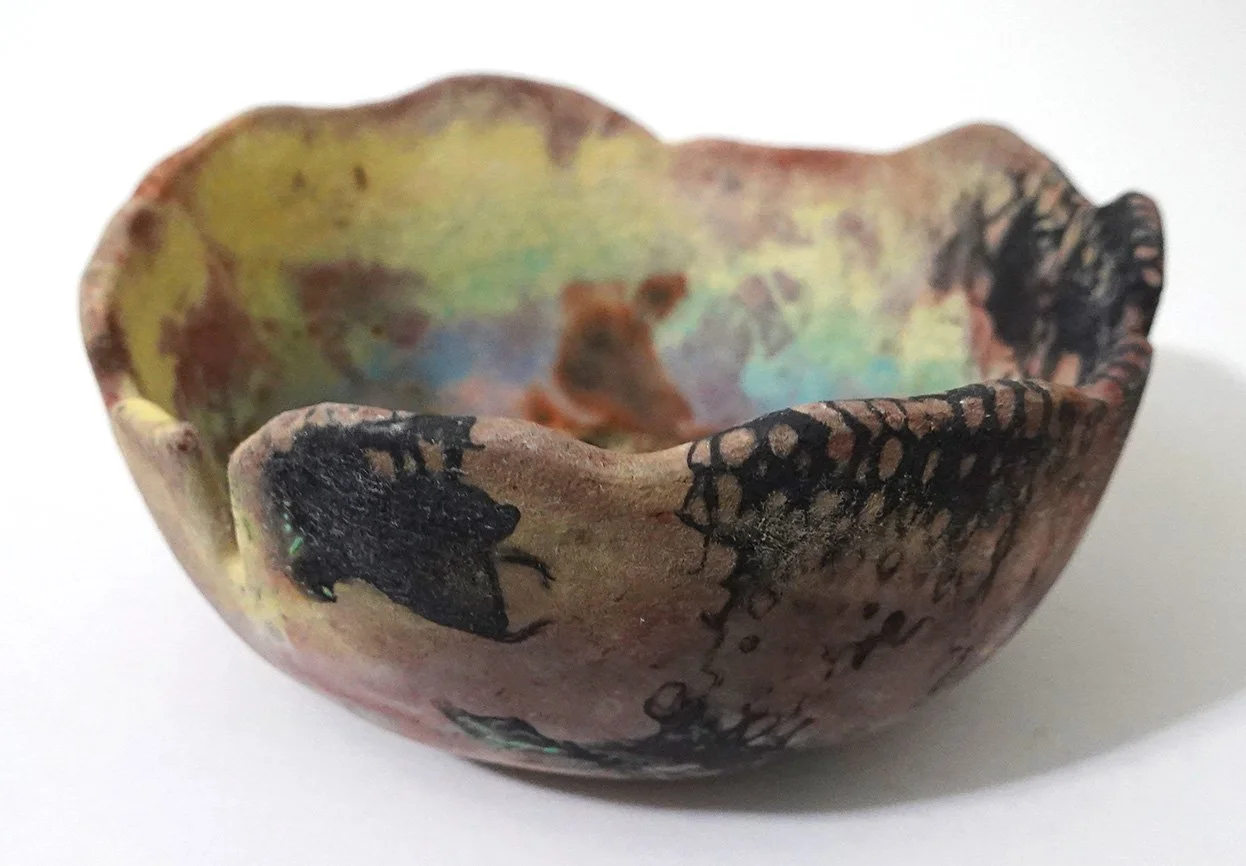
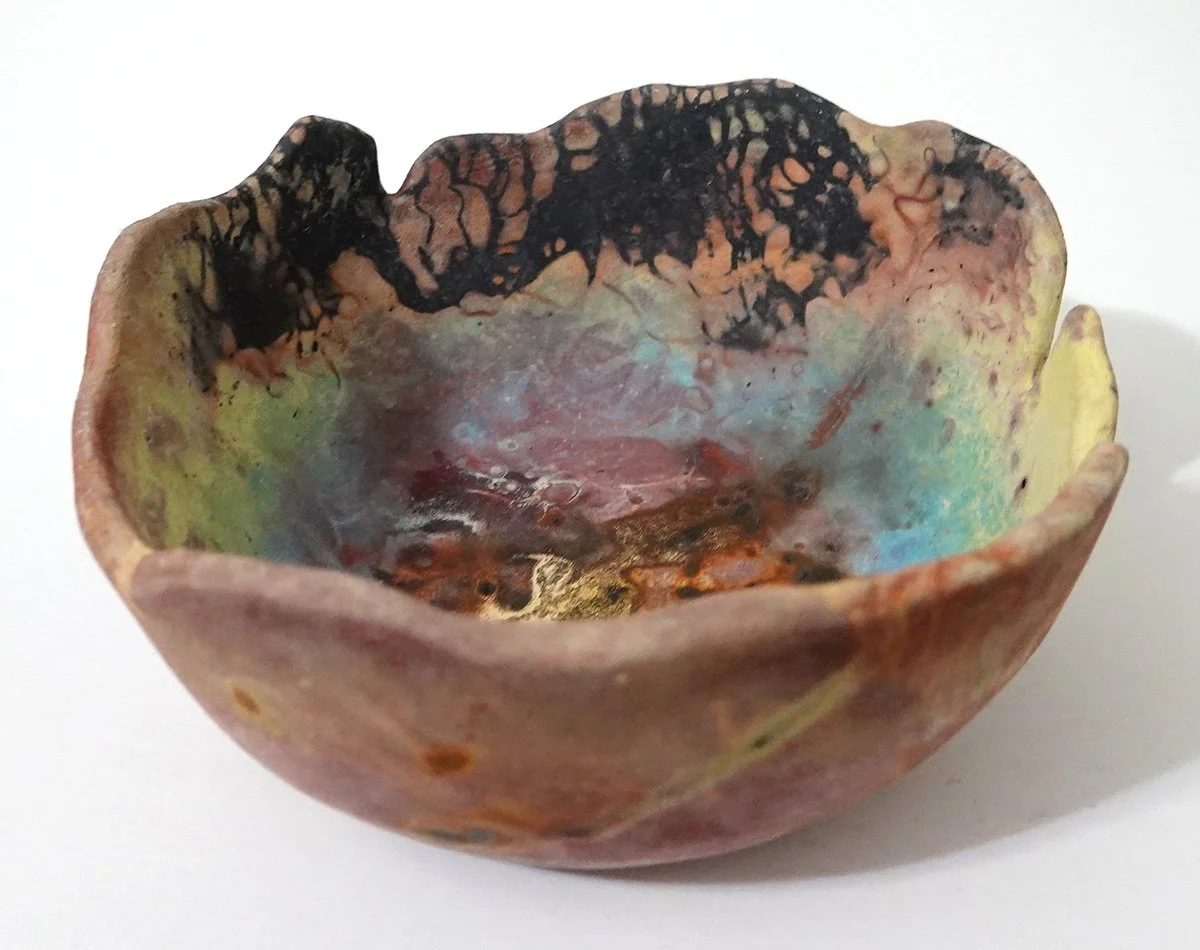
If you want to see a clearer detail shot on the kintsugi-inspired repair, here you go! I used a combination of super glue, gold mica powder, a little spackle, and quinacridone / nickel azo gold paint to achieve this repair. I initially had planned on just using super glue and gold powder, but the gold wasn’t showing up as much as I wanted and there was still a bit of unevenness to the edge so I added the spackle and paint to smooth it out and deepen the color.

Again, since the blown-out section was shallow enough, it did not require repair on the interior side.

As you may know, real kintsugi is a much more laborious, toxic process (I did one of the steps in a workshop in Japan in 2024) that when done correctly ensures food-safe results to originally food-safe ware; to my mind it is overkill for non-food-safe rakuware.

My First Days in Japan

I departed my house at 5am on May 23rd, and by about 6:30pm on May 24th (including the time change) I arrived at my hotel in Tokyo. My flights went well, though somehow my vegetarian meal requests did not make it through to All Nippon Airways; this meant for the first meal I was given a banana, but then the flight attendants managed to scrounge me leftover vegetarian meals from first class (after normal meal services concluded) and in the process of all the negotiations around food, they enjoyed my very beginner Japanese so much that they gifted me with ANA swag at the end of the flight! I now have a small ANA sketchbook with surprisingly decent paper, postcards, and I think a balloon..? I haven’t opened it yet to know for sure.

Once I got to my hotel and even though I’d been up for over 24 hours at that point, I summoned the energy to go to the nearby 7-11 to see if I could withdraw money with my debit card, as I wasn’t able to when I was in Athens and I needed to be able to here due to the many cash-only establishments. Fortunately, it worked! I then bought some konbini (Japanese convenience store) snacks including onigiri, radish salad, and a yogurt drink. Then I crashed.

Over the next several days, the jet lag only allowed me to sleep for about 4-6 hours a night, which put a bit of a damper on my overall energy levels and did require that I give myself some grace. Due to the number of time zones between the US and Japan, it can take up to a week to recover from jet lag.

Shelby Prindaville with a live Japanese rhinoceros beetle (Trypoxylus dichotomus) in Mushisha.

On my first full day in Tokyo, I went to a beetle pet shop called Mushisha. There are some beautiful native beetles in Japan that children capture and keep as pets, and that interest has cultivated a variety of beetle-related pastimes including raising beetle species from around the world from grubs as pets and holding beetle battles. I knew I wanted to be able to photograph the beetles, so I had prepared a short speech ahead of time in Japanese explaining my wishes, and then wandered around taking bad photos through the cages. Then I gifted the staff with my business card and my greeting cards of mosquitoes, and explained that my paintings are very detailed and I wanted to photograph the beetles out of their cages. They very, very kindly acquiesced and I negotiated first one beetle, then a total of four. I also asked for the species info, and after I finished with the fourth they gave me the list and somehow none of the beetles I photographed were native to Japan! So then I got to photograph a bonus fifth beetle, as I really wanted to paint a native species as well. Once I finished, I got their email address so I can send them images of the paintings I will do of their beetles.

Then I walked to a very small vegan restaurant with a unique quirk - it only caters to single diners, and requests that there be no talking aside from ordering and payment. Some reviews found this to be a hostile choice, but as someone who dines alone frequently I wanted to experience this atmosphere! I found it very meditative, and would happily eat there again.

After that, I started my quest for decorative washi paper that I could use as a painting substrate. I stopped at Bingoya, which was kind of on the way back, and bought a really lovely sheet there. Then I went to Pigment Tokyo. This was the shop I was the most hyped for, as it sells metal-leaf papers and titanium panels, the likes of which I’d not yet seen for sale anywhere else. I bought several hundred dollars’ worth of supplies there! However, I later discovered they sold me a packaged-up, flawed titanium panel and then refused to refund it or fix it when I returned to Tokyo after my artist residency. They apparently only have a maximum of one week for returns, which implies real quality issues. I don’t recommend them. I later found similar products with much better customer service at Ozu Washi.

Shelby Prindaville at the Tsugu Tsugu kintsugi workshop.

On day two, I went to an antiques fair and flea market; then I had planned another activity but I just returned to the hotel and took a nap before joining a real kintsugi workshop in the afternoon. Real kintsugi uses urushi lacquer, and is actually food safe. Most modern kintsugi uses epoxy. Real kintsugi takes two to three months, as you apply multiple layers of lacquer and each has to cure, so we were just doing the finishing layer. It was educational, but this workshop was quite expensive so I wouldn’t recommend it to folks who just want a cultural experience.

On day three, I continued my quest for washi paper and I went to four more shops that sell it and bought another several hundred dollars’ worth of paper. I don’t expect to use it all immediately - some will definitely be for future use. I also came to the realization that I had already acquired so many new art materials that I was not going to be able to fit them into my existing luggage, so I bought a new piece of luggage at this point. This was always in the cards, and is what I did in Athens as well. Fortunately, Reddit has some really helpful Japan-focused subreddits, so I learned of a shop that sells them at wholesale prices and got a really good deal on one! Most of the stores were selling large suitcases for 24,000 - 88,000¥ (about $153 - $560), but I got mine for under 8,000¥ ($50).

At the final shop of the day called Ozu Washi, I bought a ton of paper and also attended a washi paper-making workshop! This was way cheaper than the kintsugi workshop and also way more involved - I think anyone visiting Tokyo who might be vaguely interested should do one of these washi workshops as it was definitely a lot of bang for your buck. I will go back and do another one in July, as there are different processes and I’d like to see how some of the others work. The kind I did, pictured below, is called rakusui-shi / sukashi washi / lace washi.

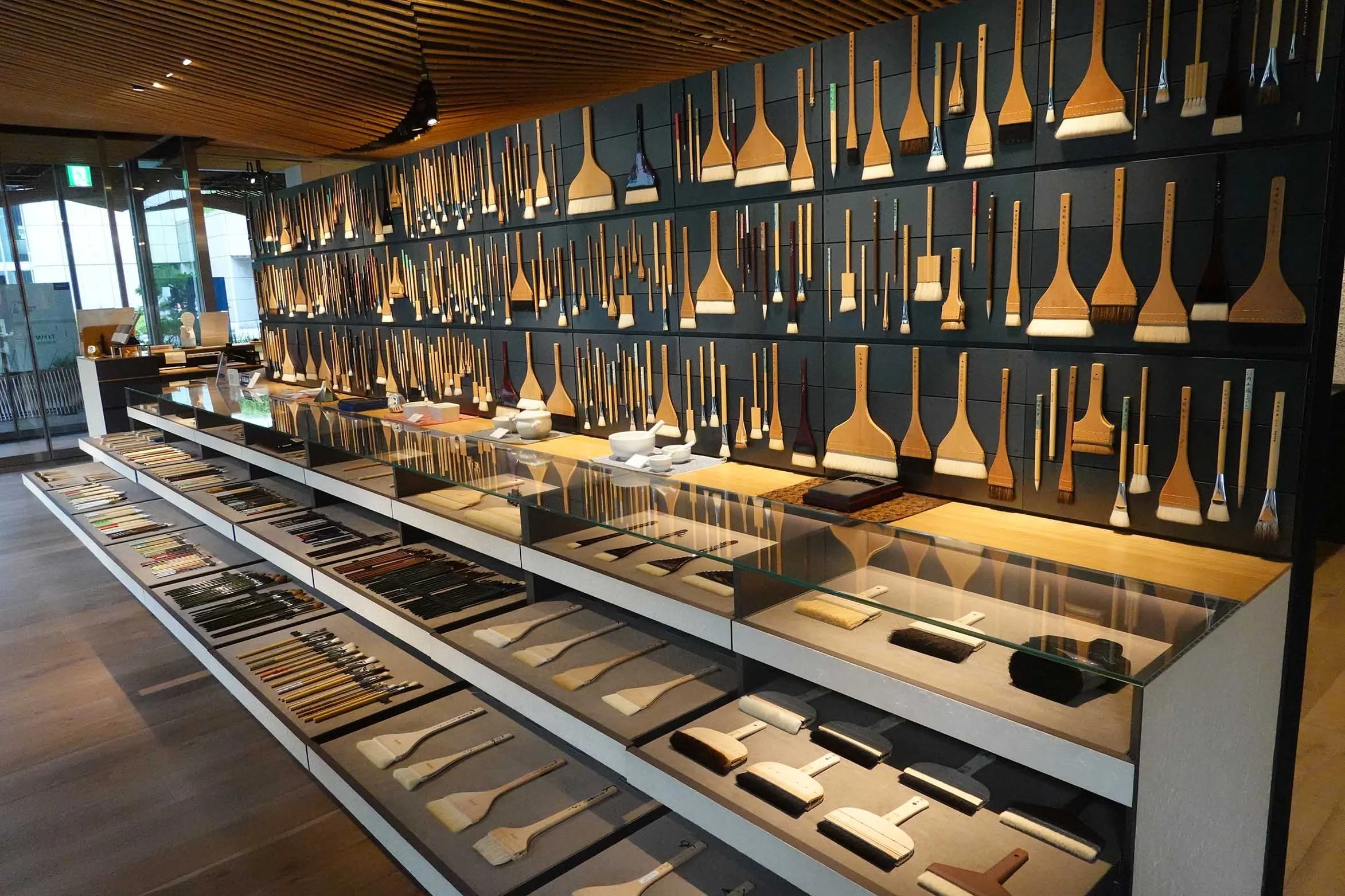
Below are a few more photos from my first few days in Tokyo! The first is of the inside of Mushisha, the second is of the single diners only restaurant with window signage, and the last two are of parts of the inside of Pigment Tokyo - but again, I would encourage you to support other art supply stores instead, due to their poor quality control and extremely short return policy. I recommend Ozu Washi instead.