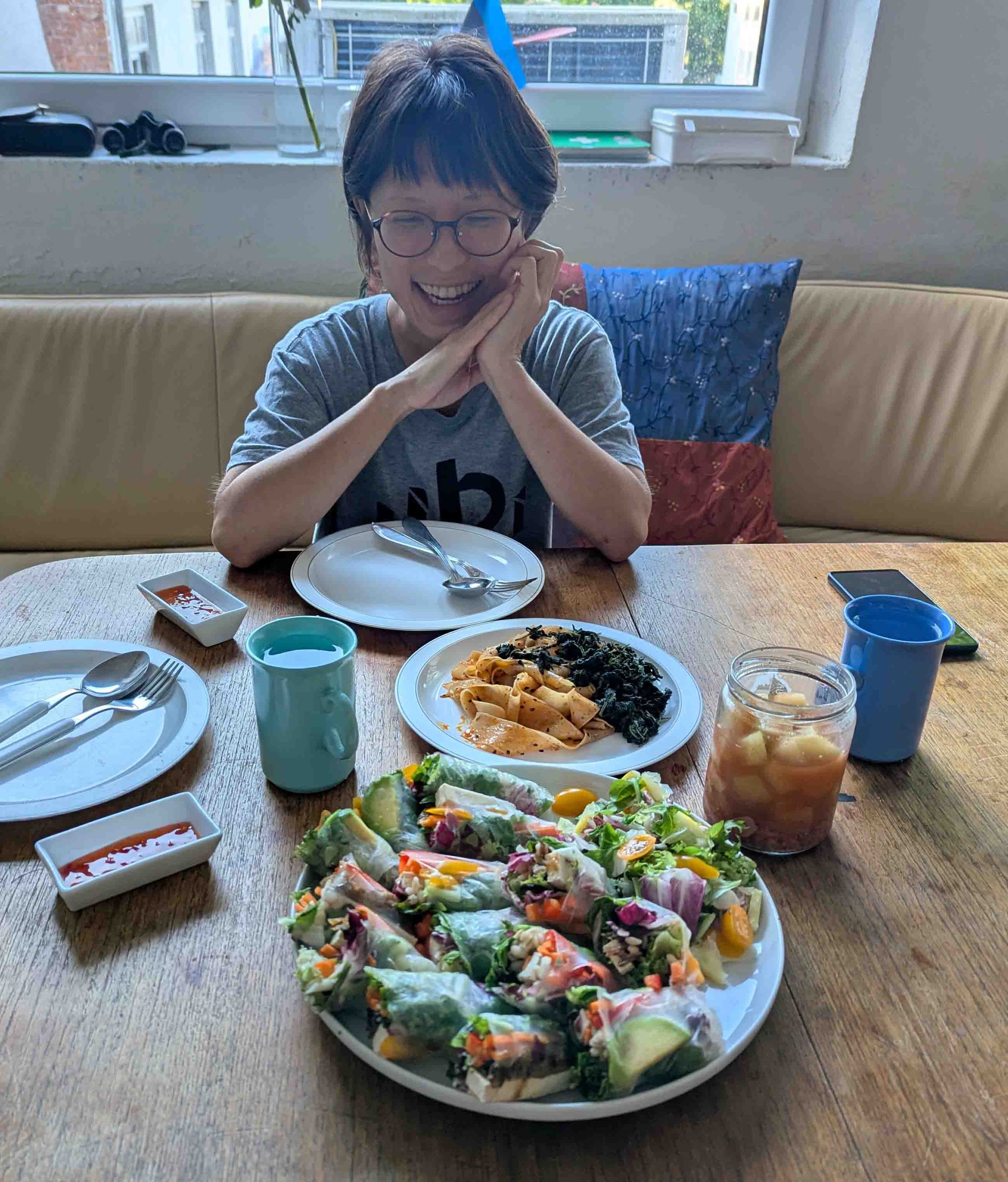
My last days in Pärnu were bittersweet, as I really enjoyed my time there and had two paintings in-progress when I left as well as many more in mind. I was also going to miss my fellow artist-in-residence Akie! Pictured is the feast she made for us to send me off - it was so delicious. (For any of the cropped images below, you can click in and page through the larger, uncropped versions.)
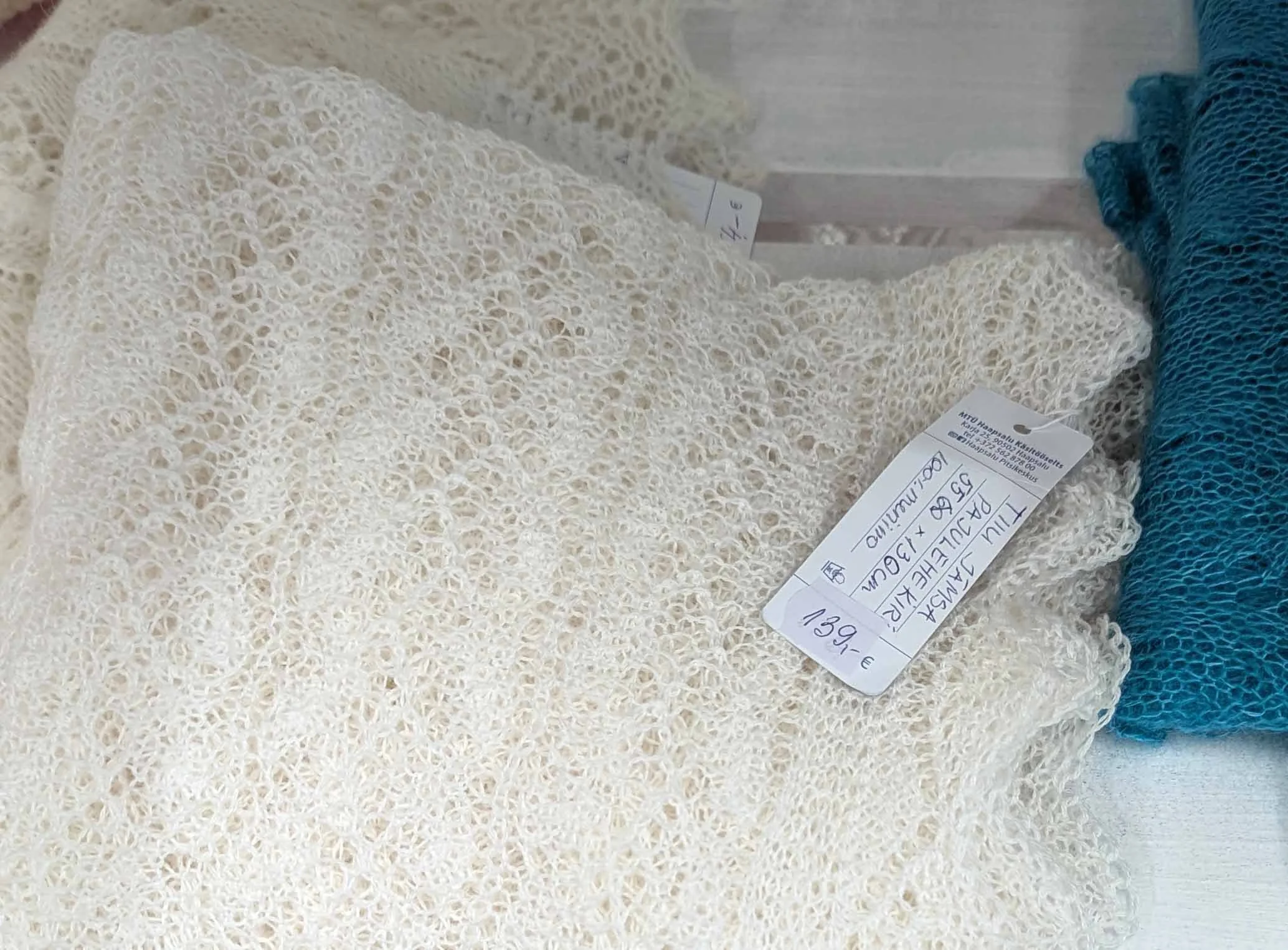
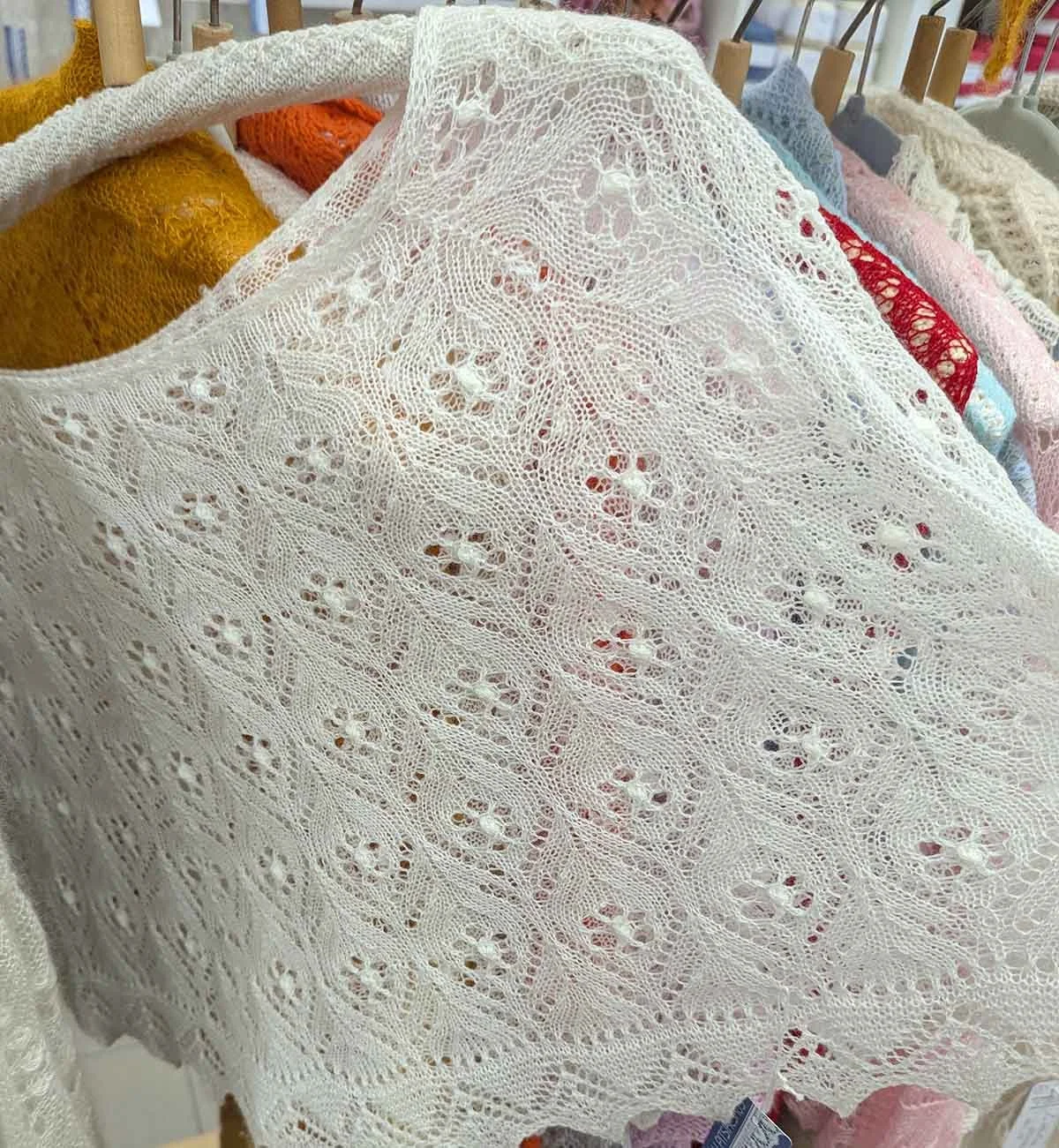
But the days slipped past and soon I was heading to Haapsalu, where I wanted to see the Haapsalu Lace Museum. Unfortunately for me, it turned out that despite what it said online (which I believe was intentionally misleading), the museum was closed for renovations and the address and listing was changed to that of the museum’s mall storefront. I still got to see beautiful examples of the prized bobble lace shawls and other wearables, and though these were all woolen and extremely expensive (due to the ridiculous amount of labor involved in the production), there were some more affordable stiffened lace doilies for sale. I picked a few up as gifts.
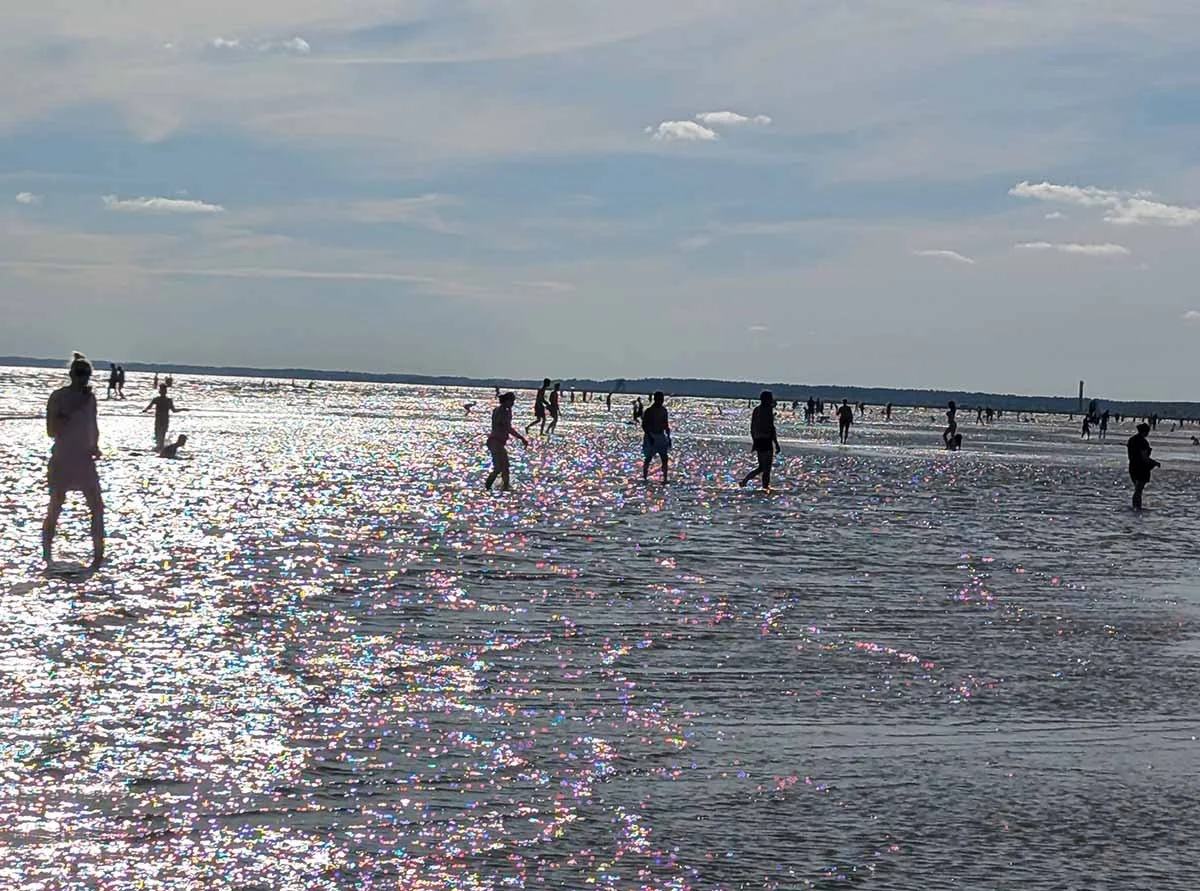
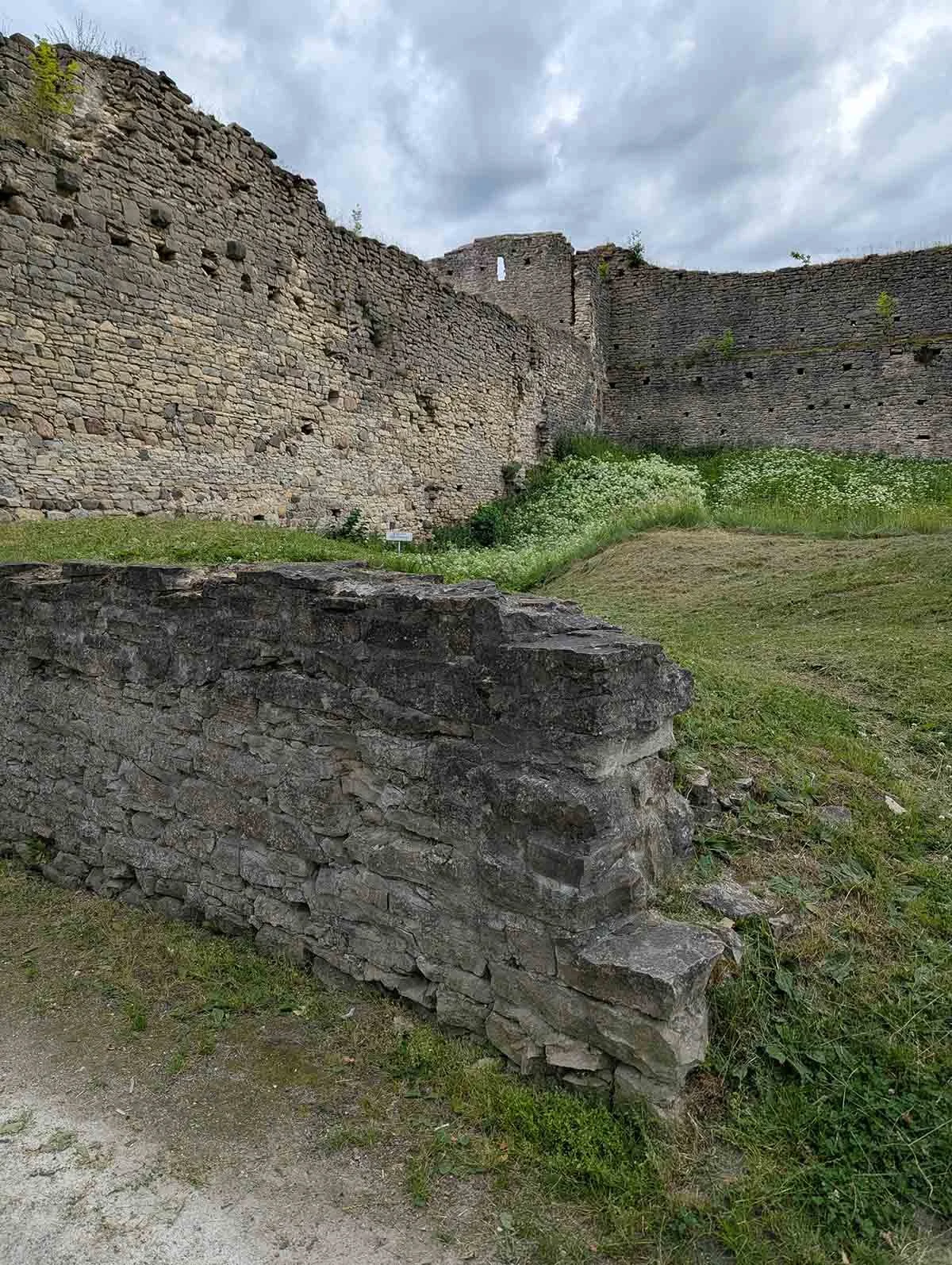
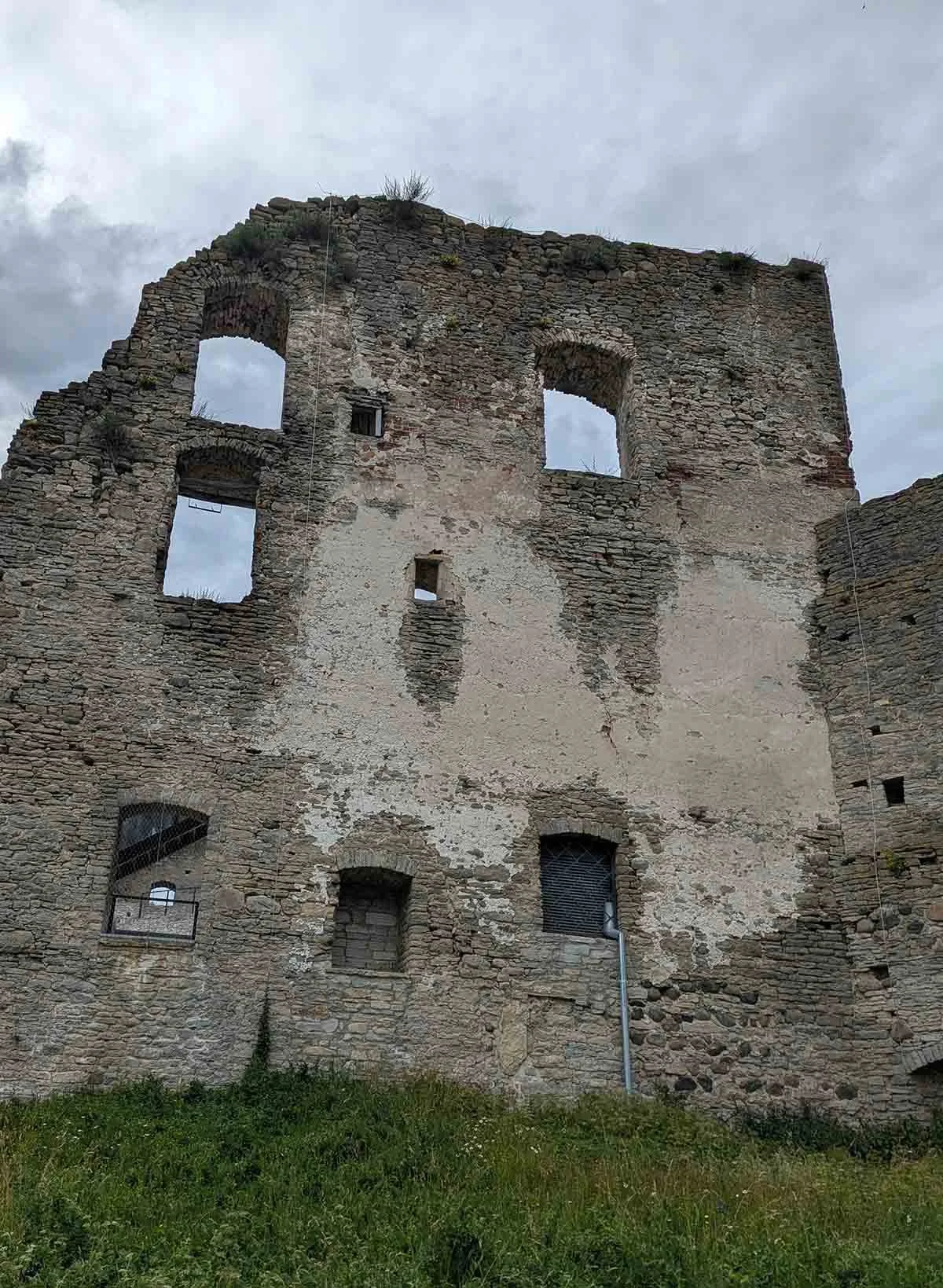
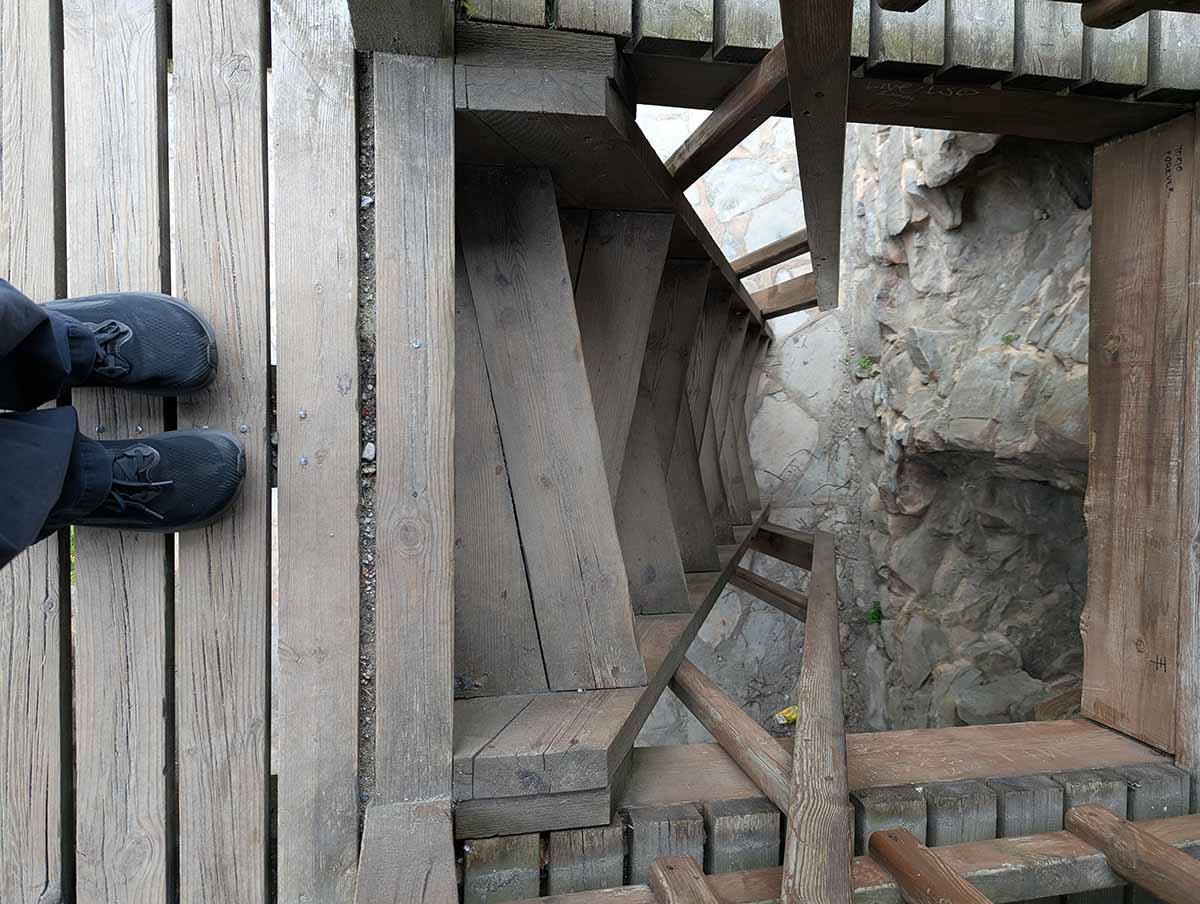
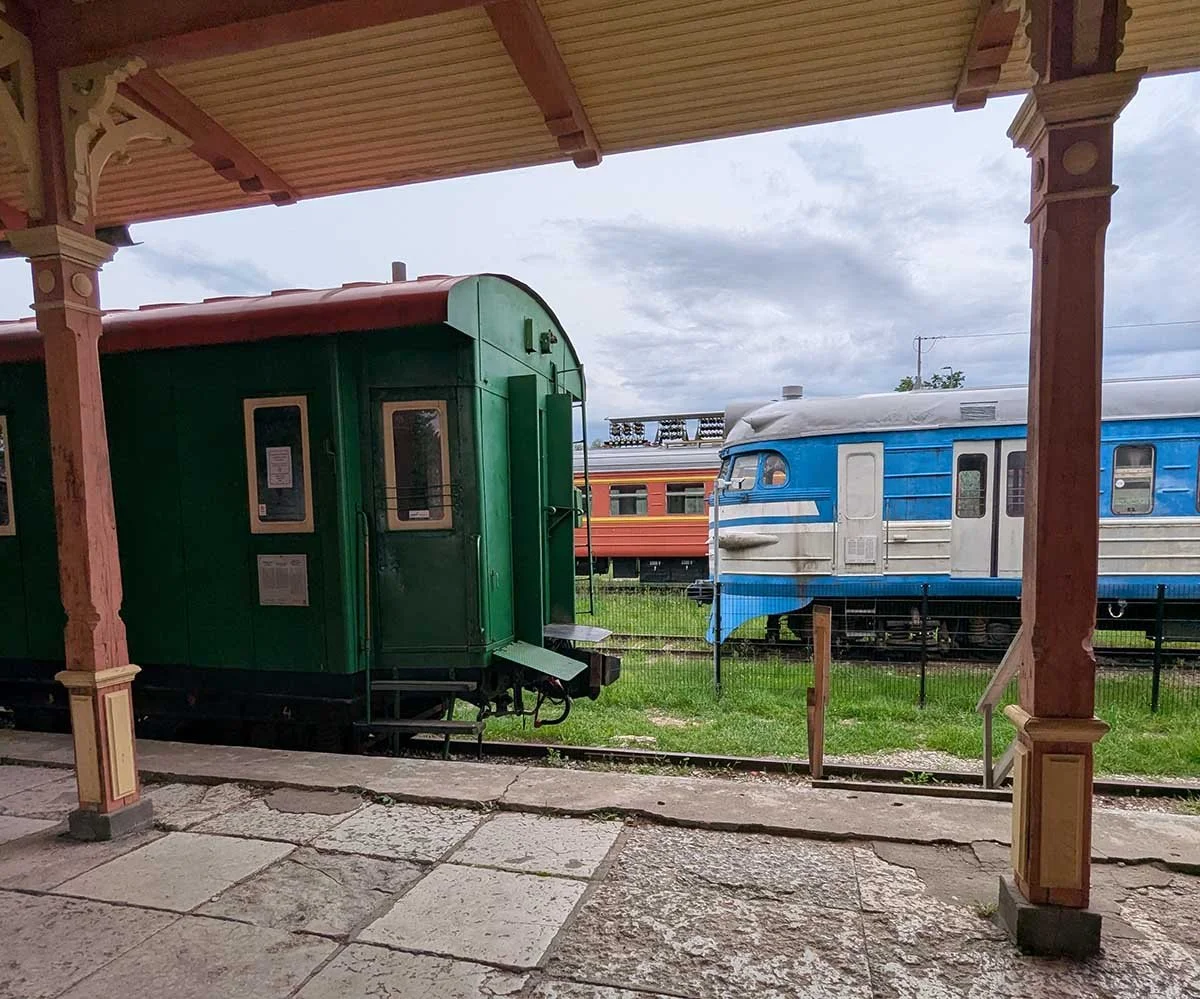
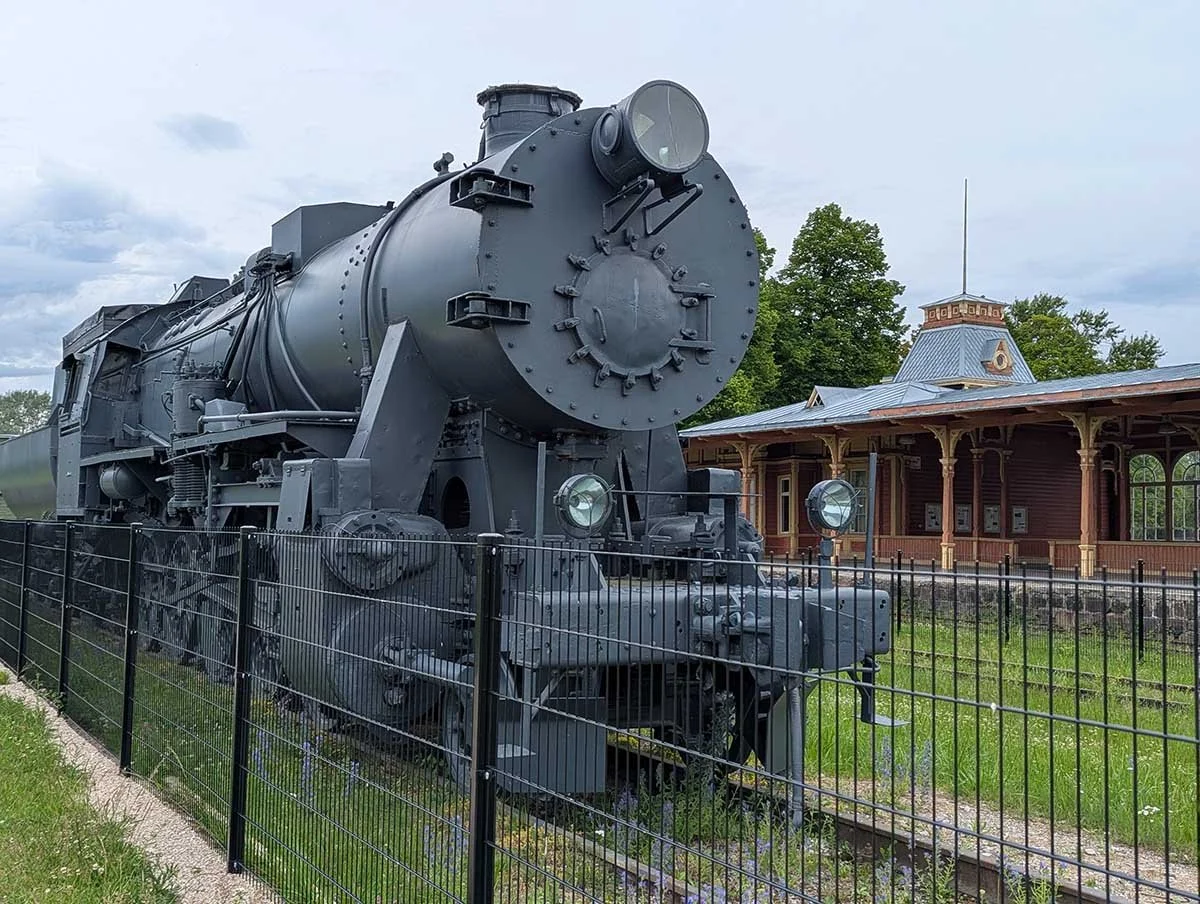
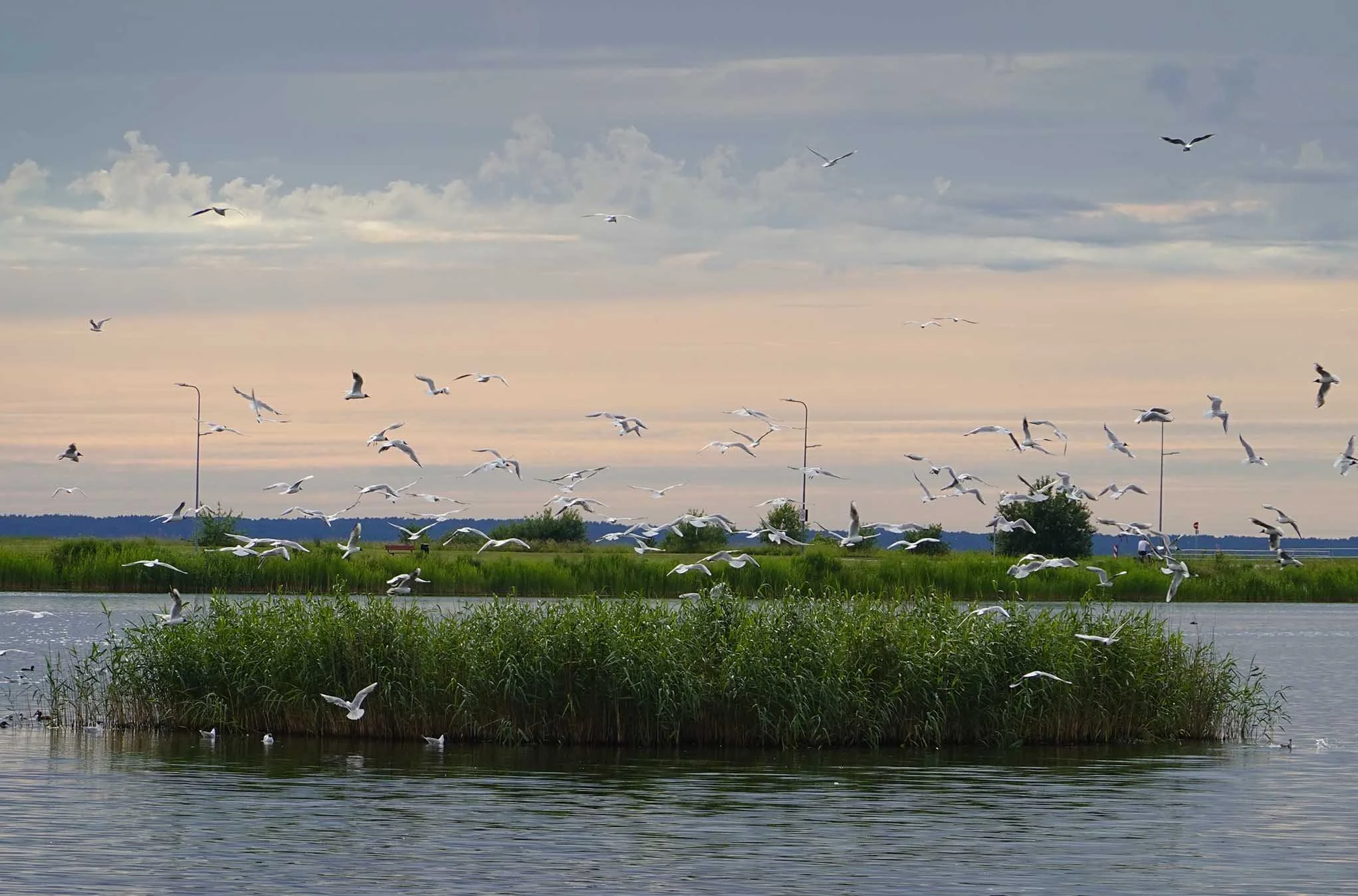
Though that was a bust, I did enjoy touring the Haapsalu castle ruins, old train station, and the bay!
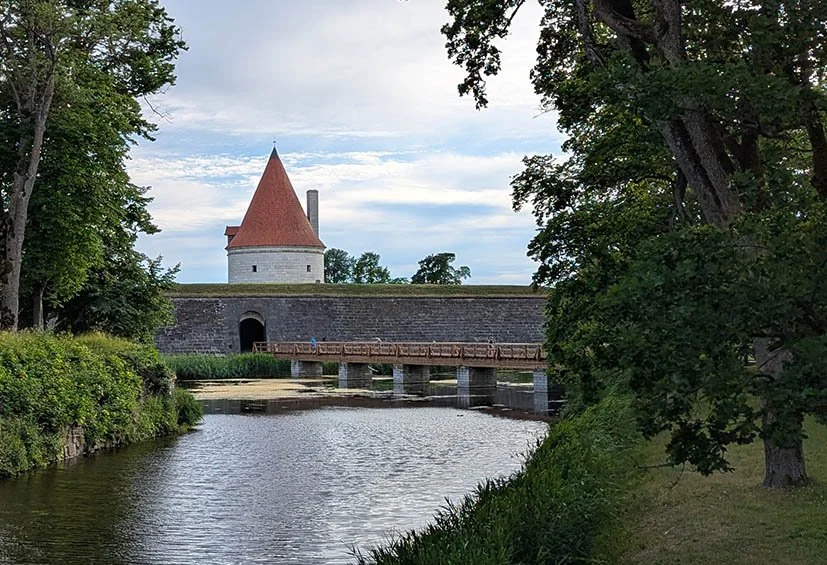
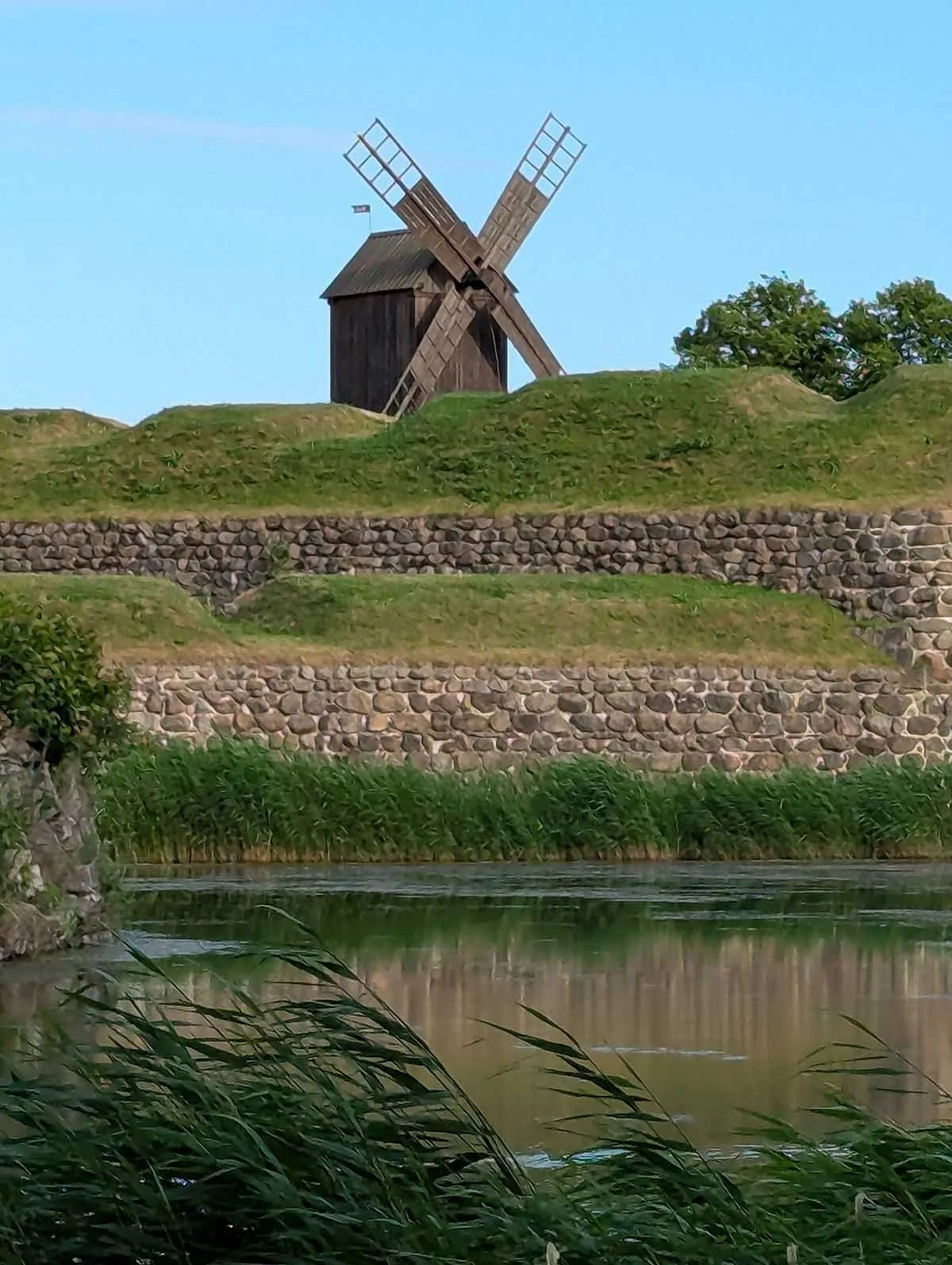
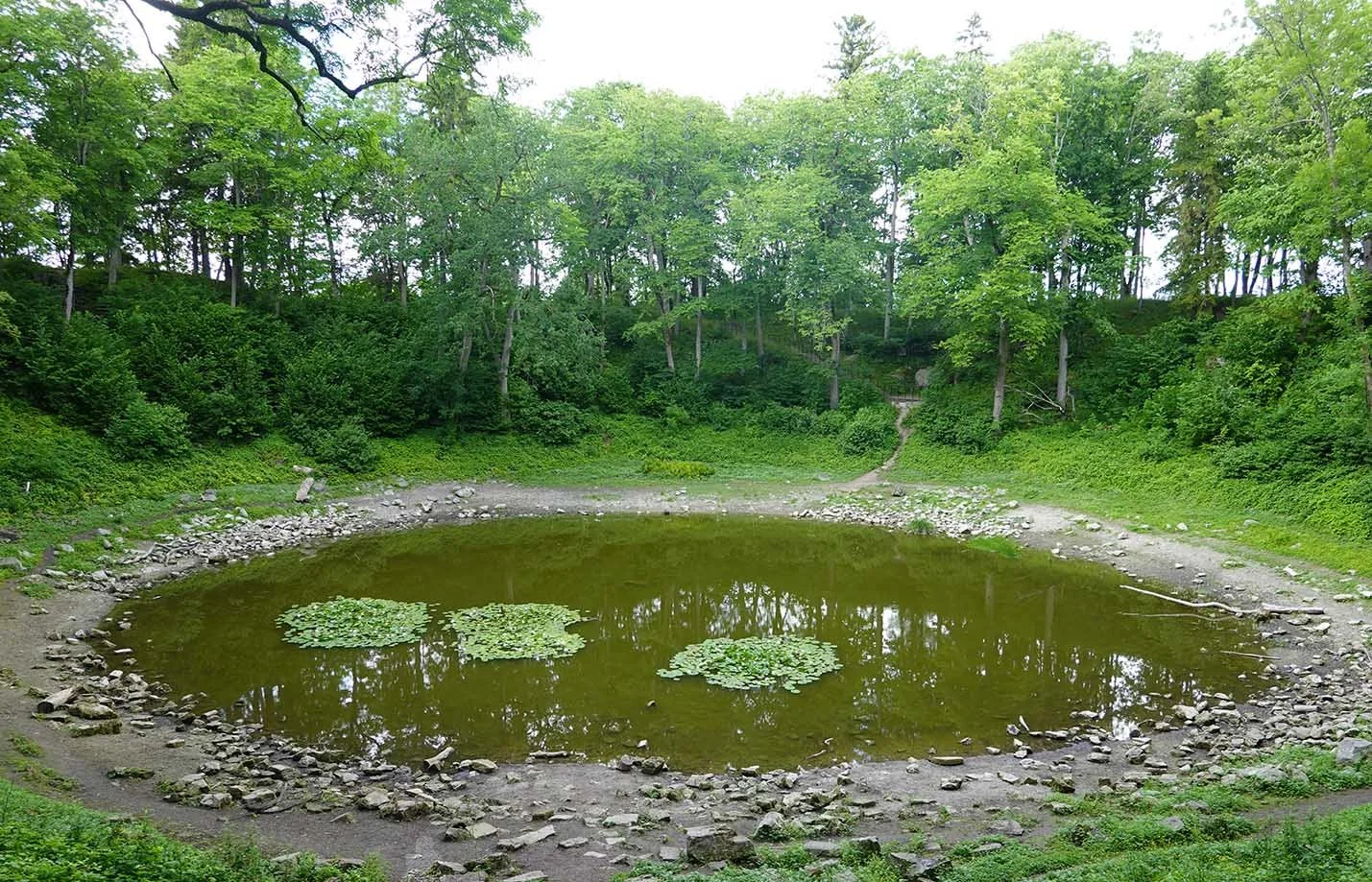
Then I moved on to Kuressaare on the island of Saaremaa, as they were having what they advertised as a three-day festival “Saarte Art Fest” with a large arts market featuring dozens of contemporary artists from all of Estonia. That, too, was extremely misleading; the arts market had four total new vendors, and a couple nearby galleries brought their wares out as well (which I had already seen in their own spaces). My recommendation is not to visit Kuressaare for these types of festivals; but there were two cool points of interest that made the visit worthwhile anyway, in addition to general Kuressaare wanderings. The first was a bus ride out to Kaali Crater. Technically there are nine meteorite craters in the town of Kaali, but most are very small and difficult to discern from normal topography. One, however, is more obvious!
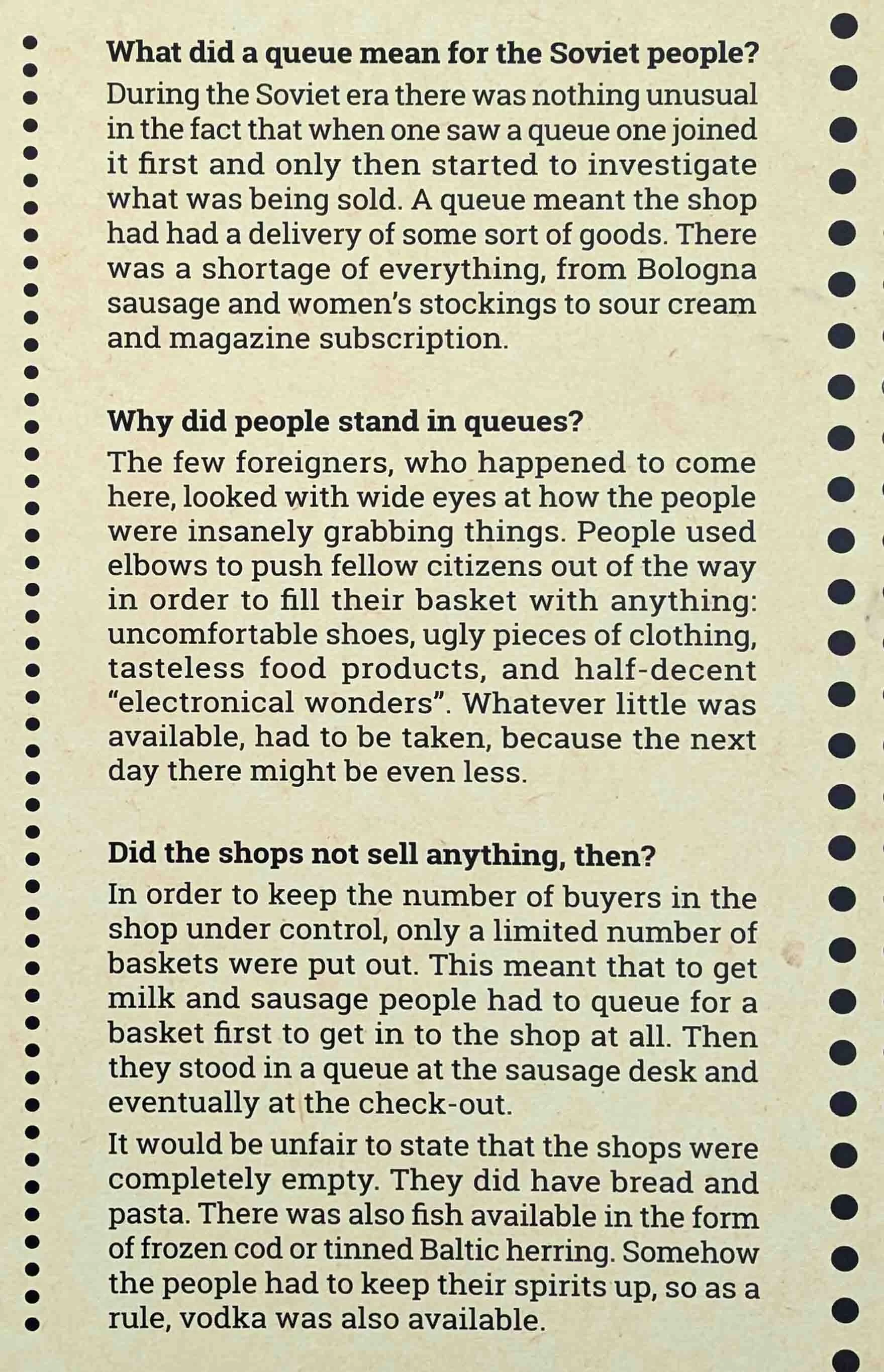
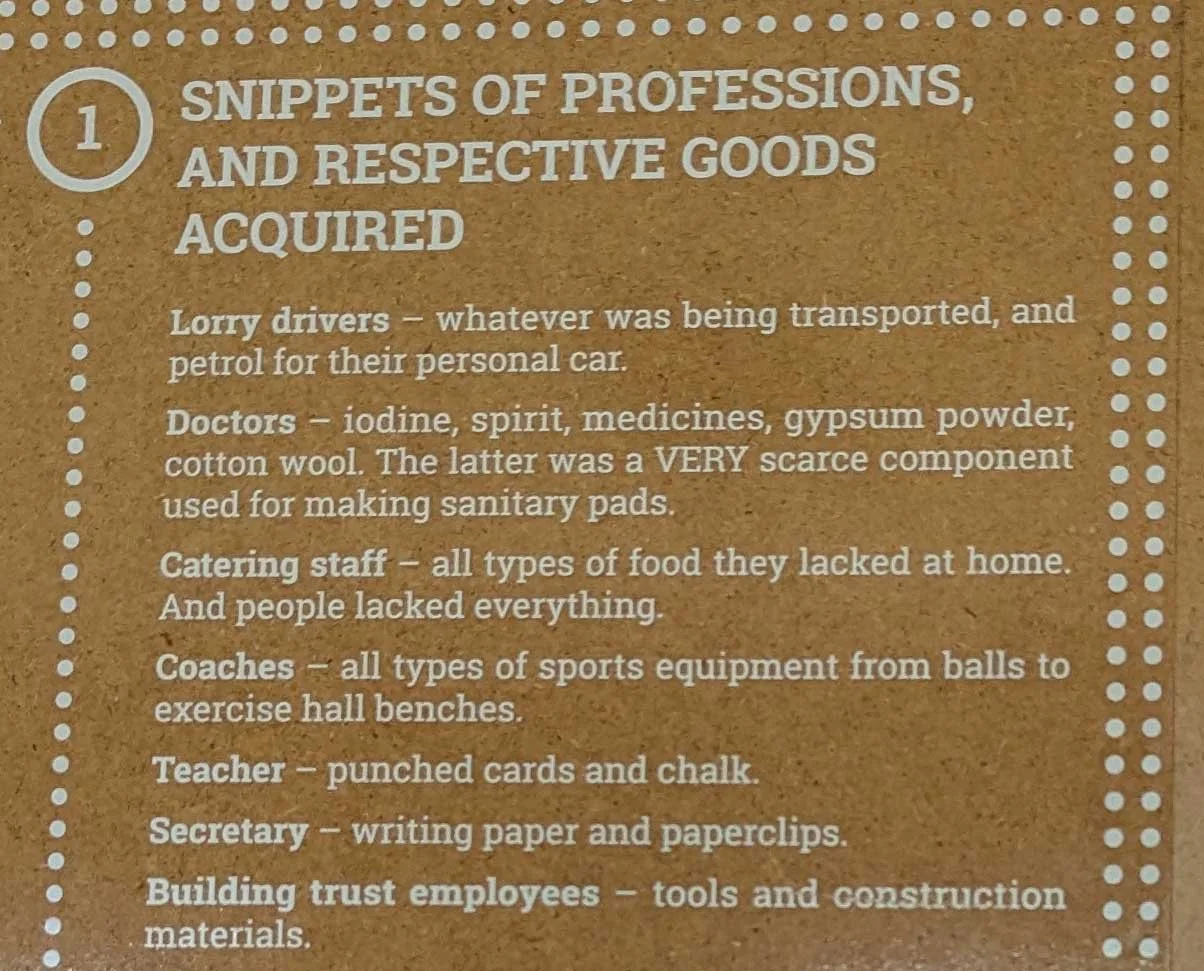
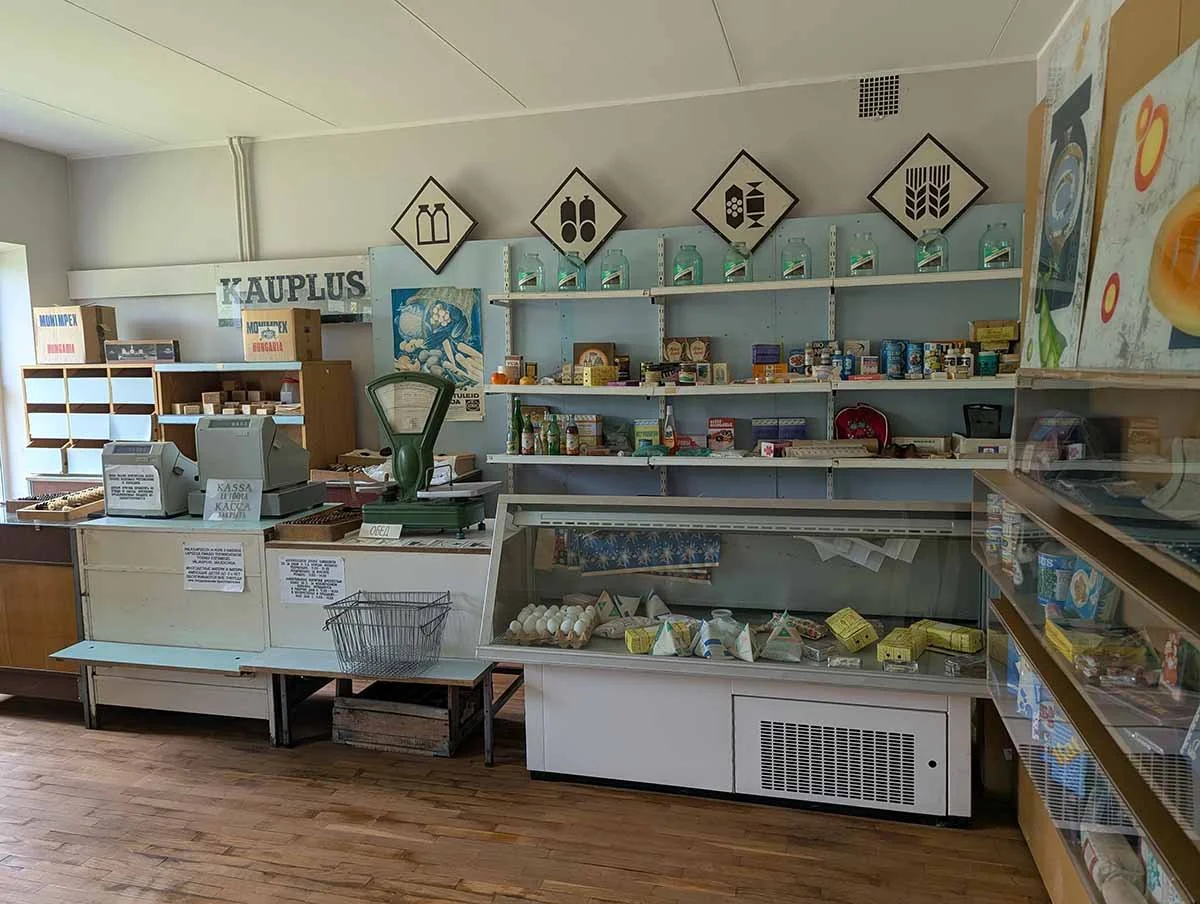
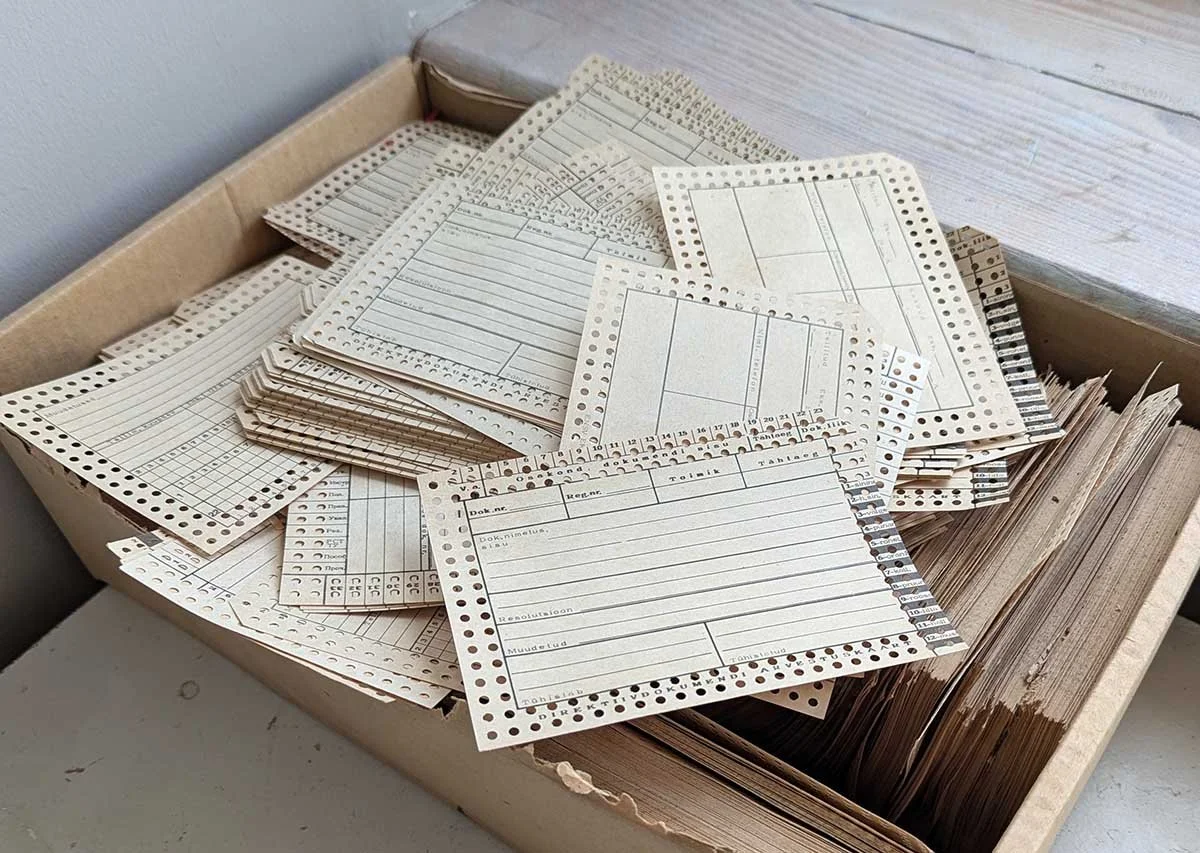
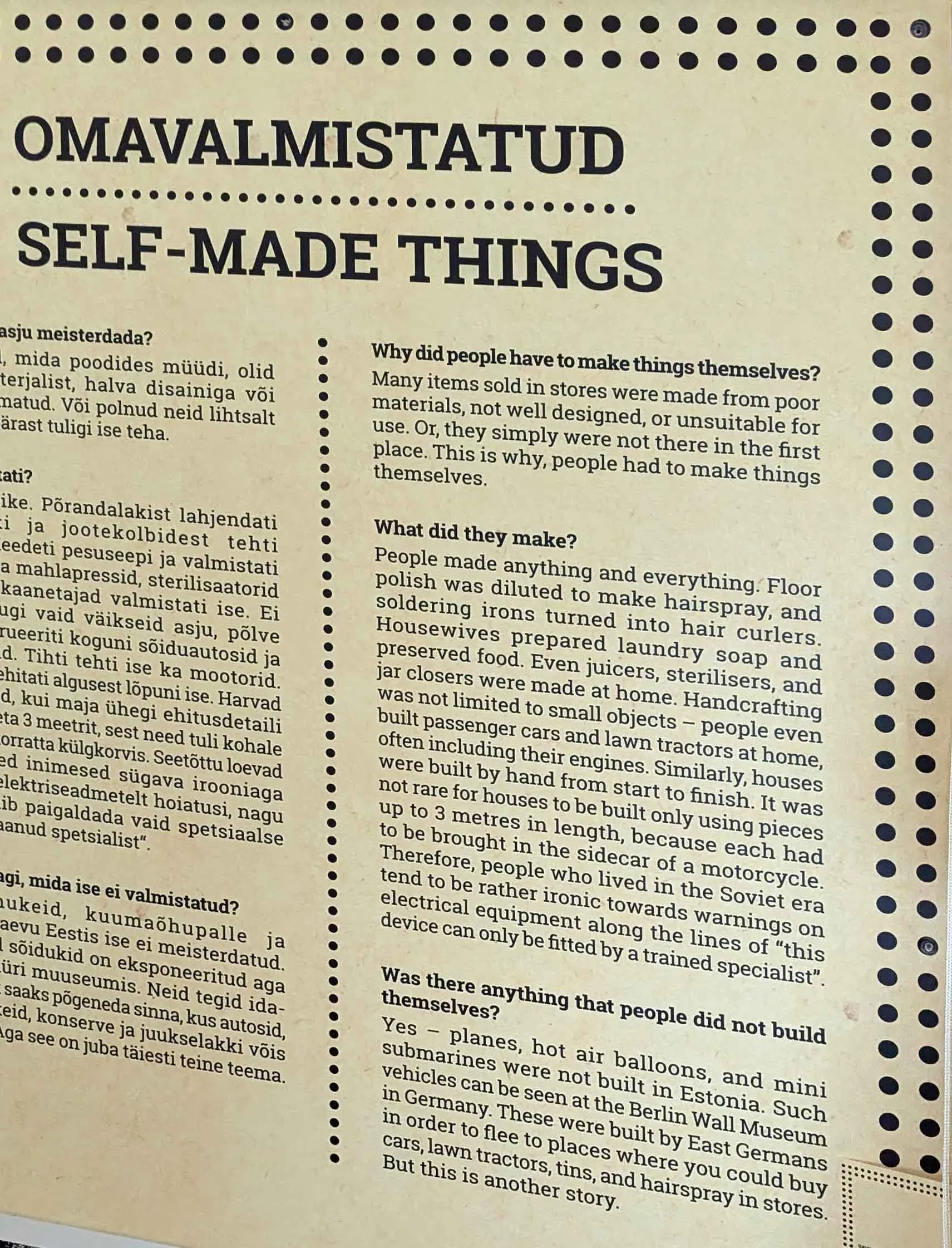
The top tier highlight of Kuressaare was visiting Saare KEK, a museum about life under Soviet occupation. I’m not sure I would have visited if not for my research into Pärnu KEK and the ENSV - but that would have been a huge shame; it was one of my favorite museum visits globally, ever. Its usage of perfokaart borders for all informational signage as clear iconography of the era was really validating of my using it as the substrate for Surveillance. Note that in the snippets of professions, teachers usually “acquired” as in took from their job and used, traded, or sold perfokaart (punch cards) - so it’s especially apropos that I was instantly drawn to it!
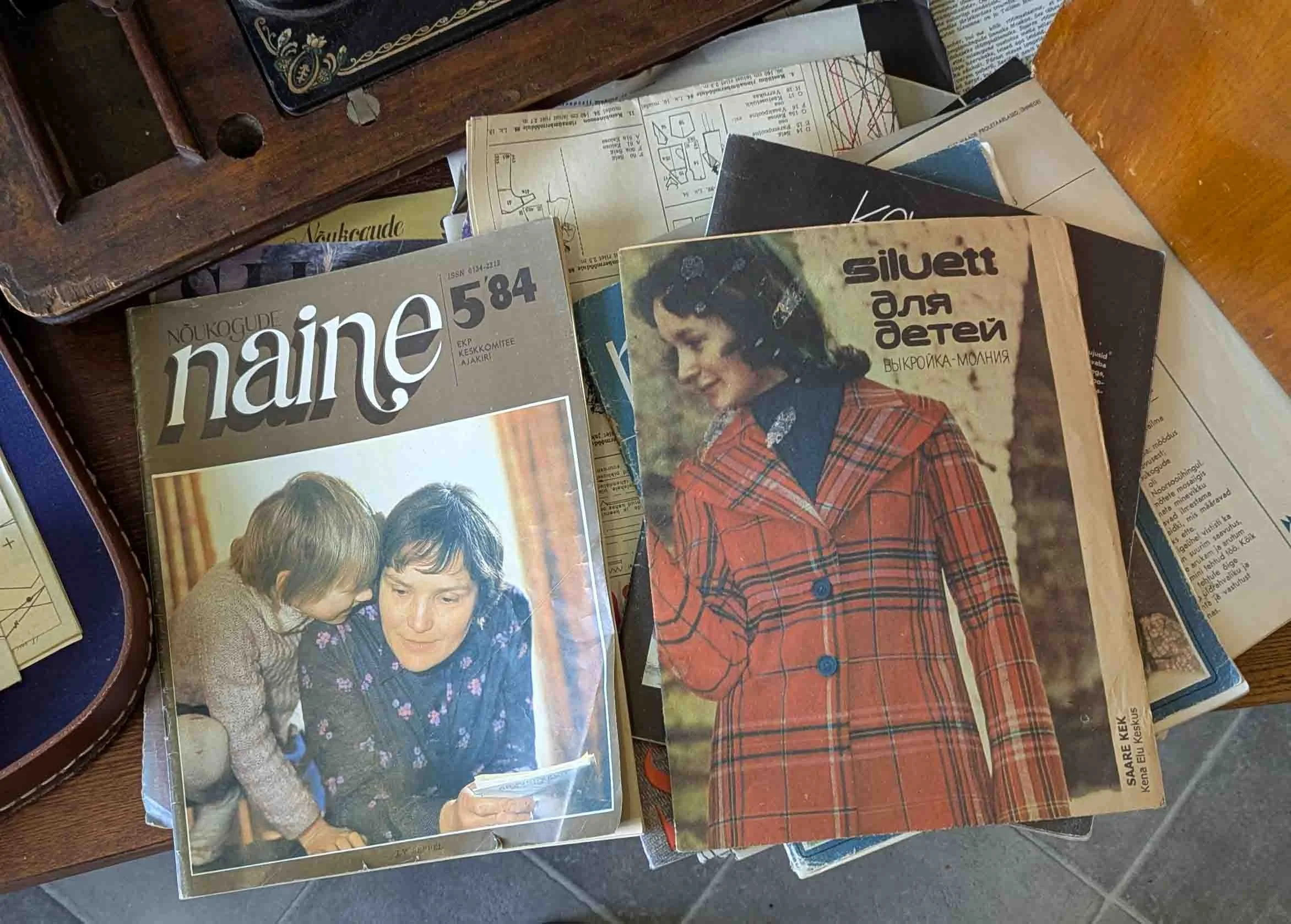
I also learned of new material I might be able to incorporate into my work: women’s fashion and craft magazines like Siluett.
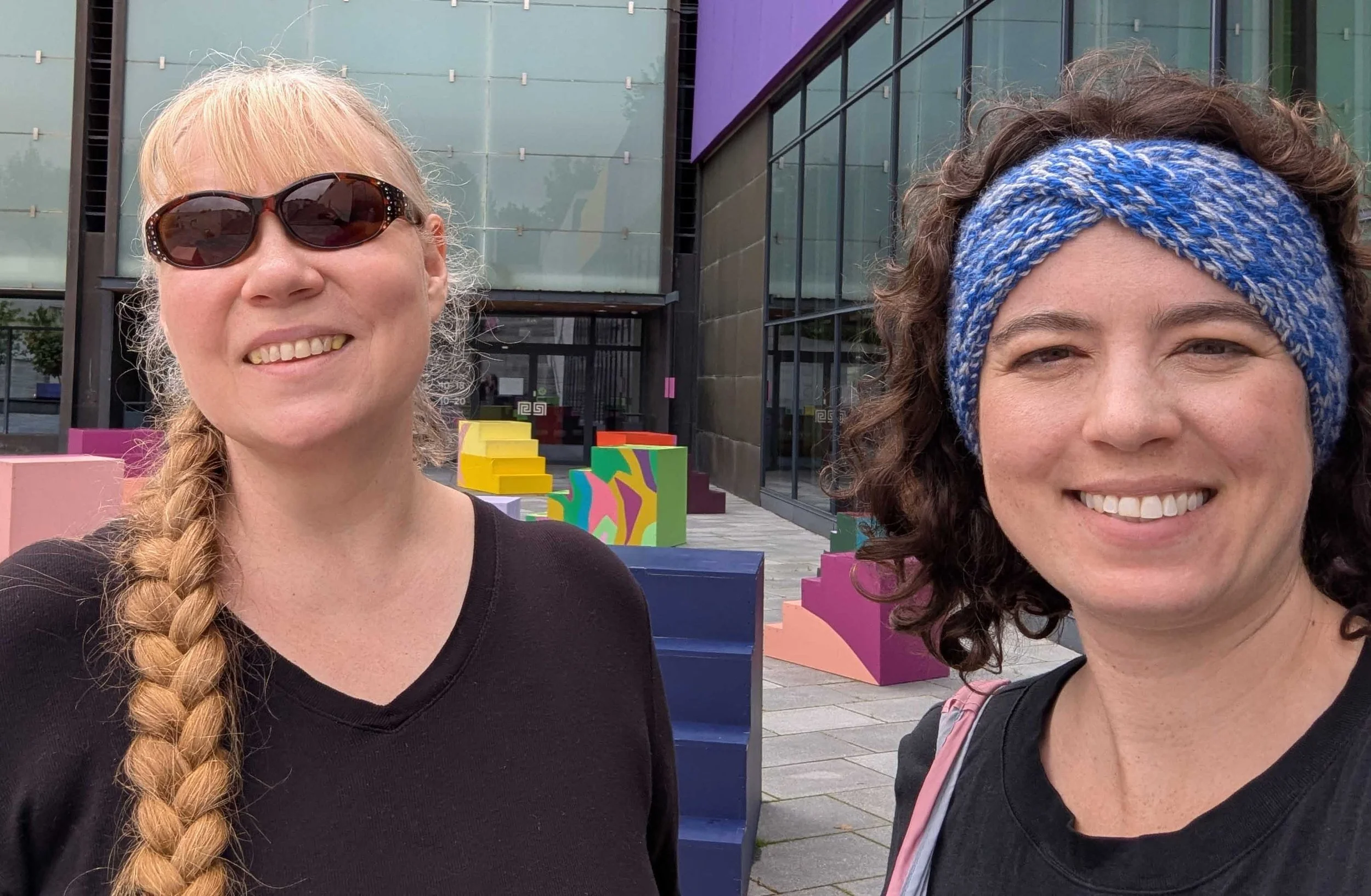
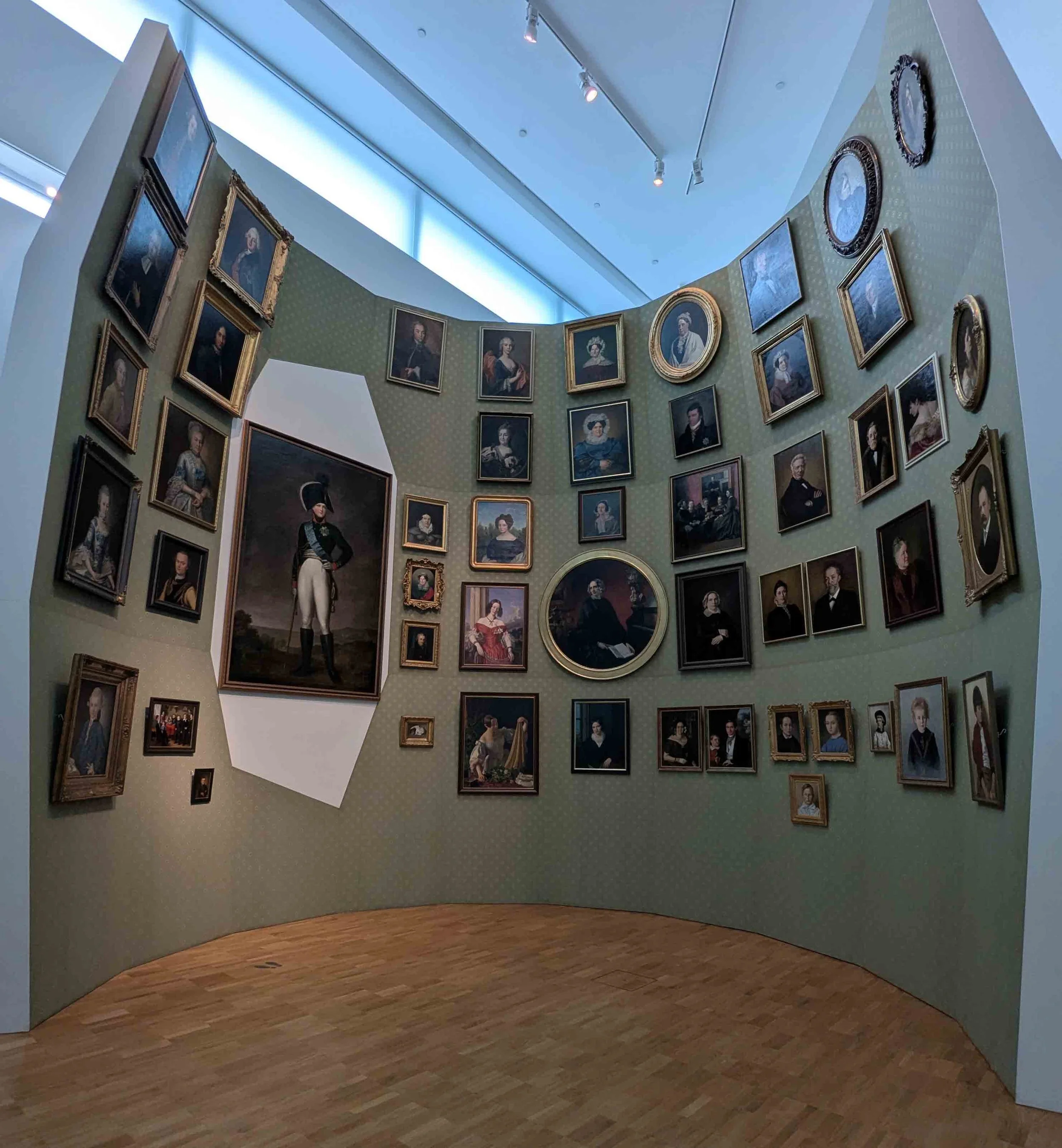
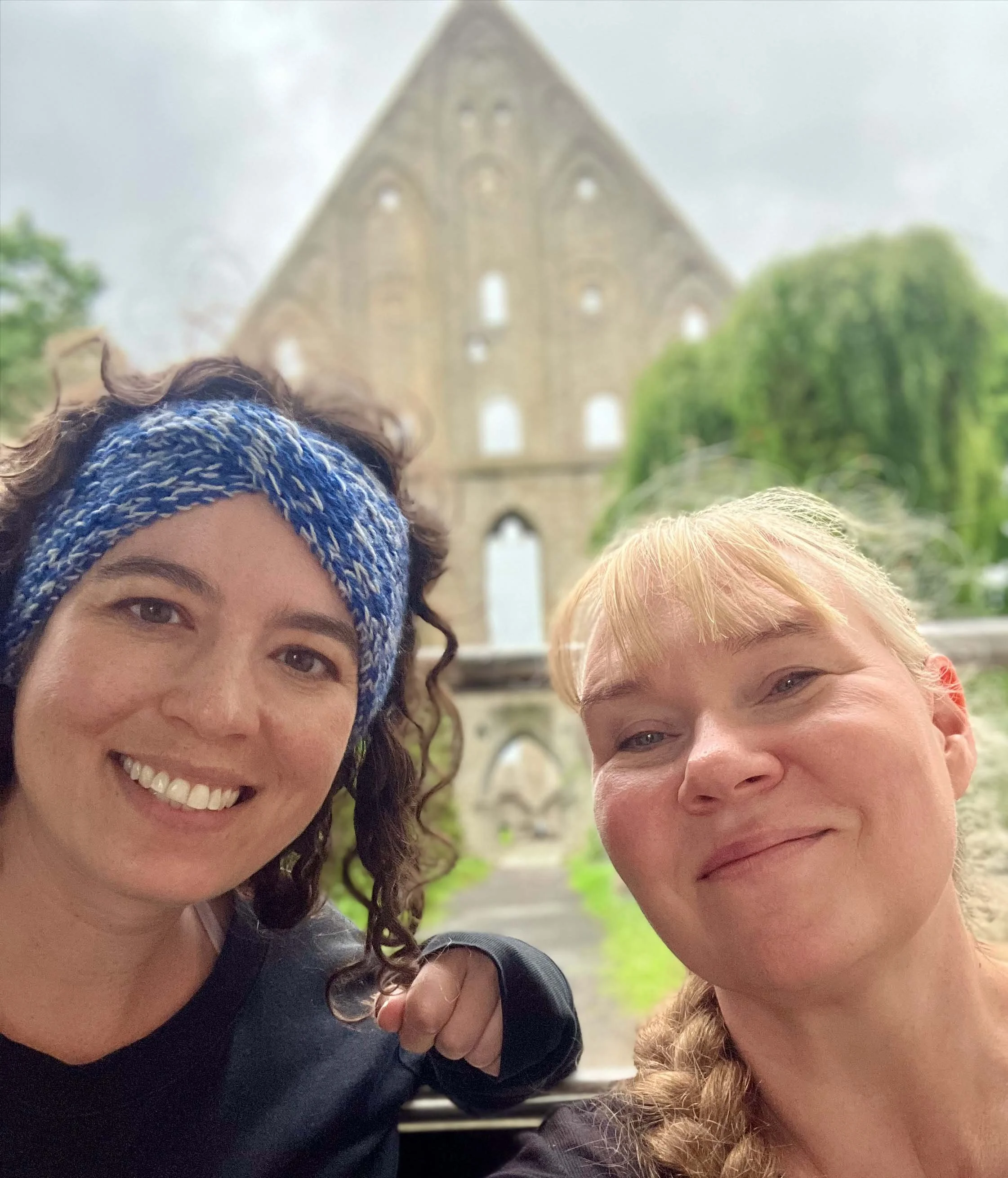
I made my way back to Tallinn and spent a day with my friend and colleague Anni Moore - visiting Balti Jaam market, KUMU, and the Birgitta Convent Ruins - before flying to my next residency in Berlin!