Pärnu

Transitions Between Residencies

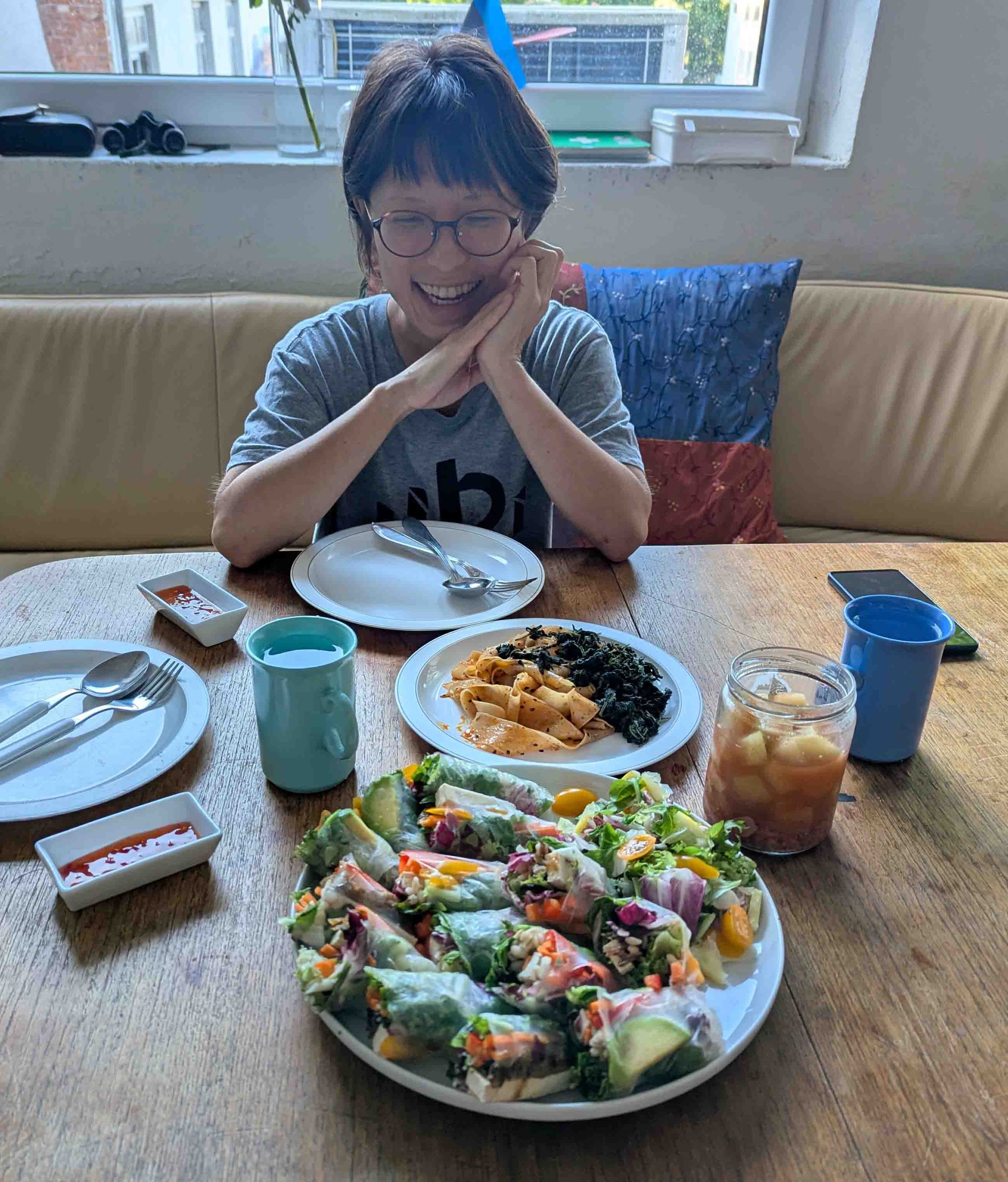
My last days in Pärnu were bittersweet, as I really enjoyed my time there and had two paintings in-progress when I left as well as many more in mind. I was also going to miss my fellow artist-in-residence Akie! Pictured is the feast she made for us to send me off - it was so delicious. (For any of the cropped images below, you can click in and page through the larger, uncropped versions.)

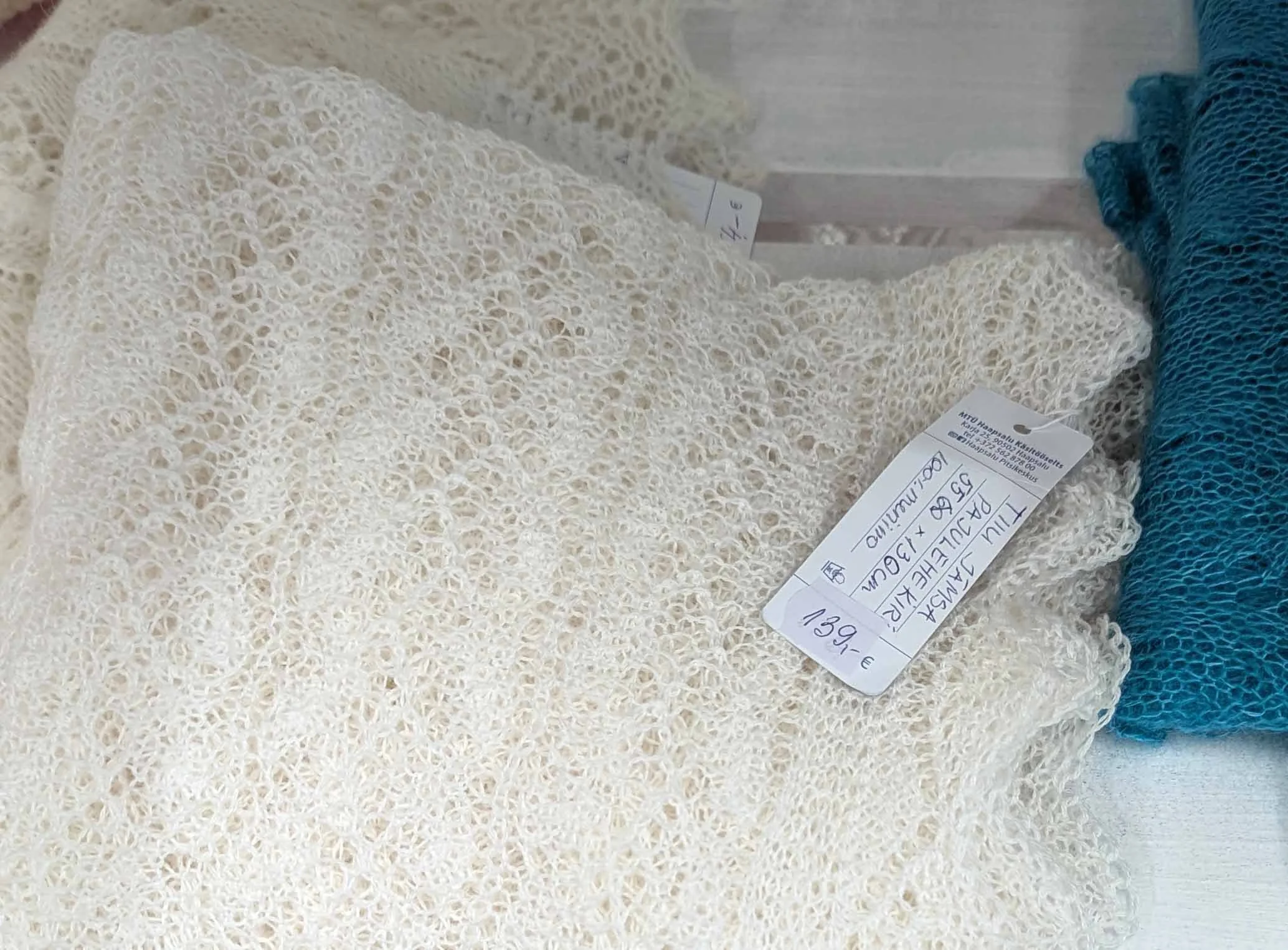
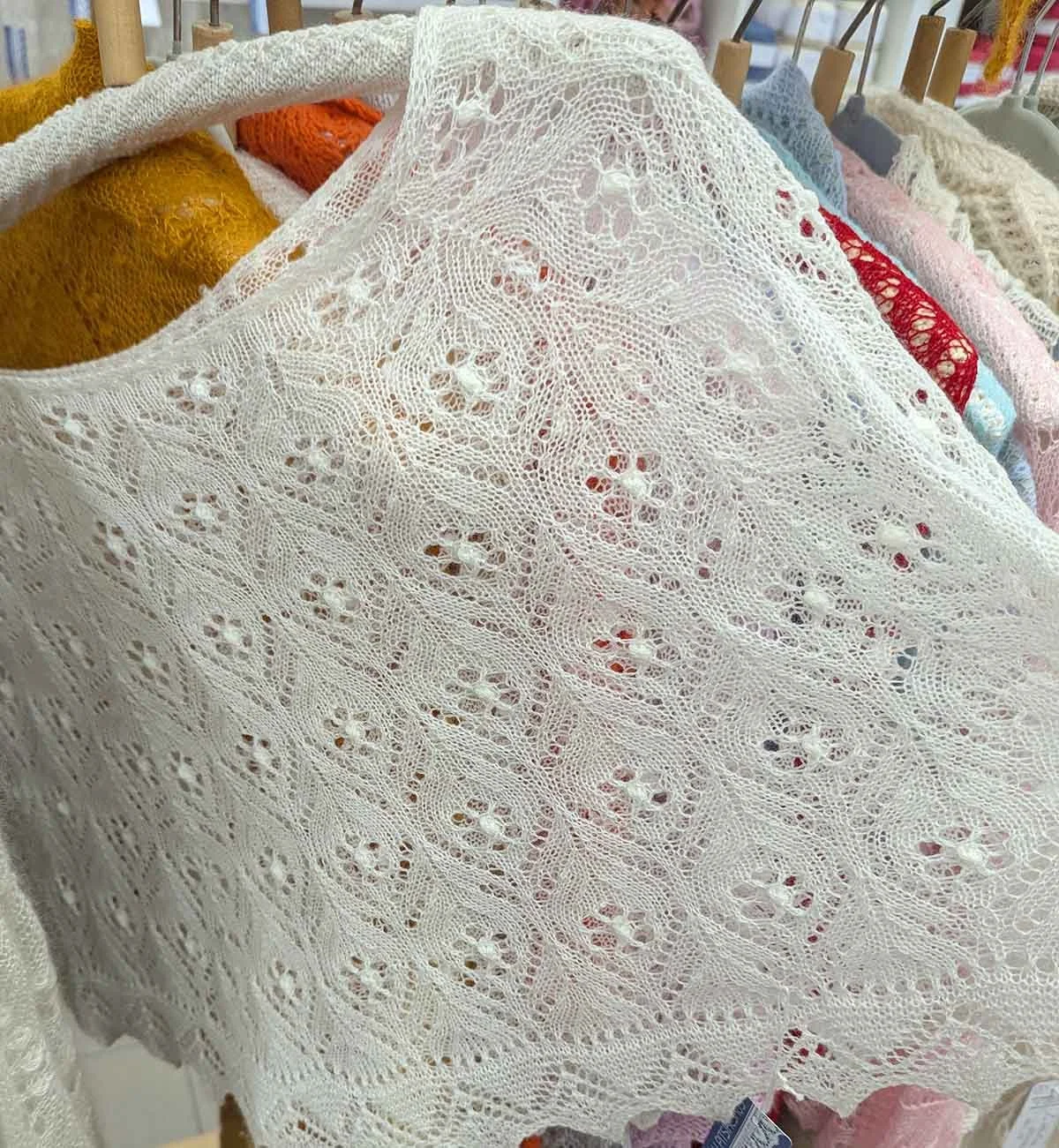
But the days slipped past and soon I was heading to Haapsalu, where I wanted to see the Haapsalu Lace Museum. Unfortunately for me, it turned out that despite what it said online (which I believe was intentionally misleading), the museum was closed for renovations and the address and listing was changed to that of the museum’s mall storefront. I still got to see beautiful examples of the prized bobble lace shawls and other wearables, and though these were all woolen and extremely expensive (due to the ridiculous amount of labor involved in the production), there were some more affordable stiffened lace doilies for sale. I picked a few up as gifts.

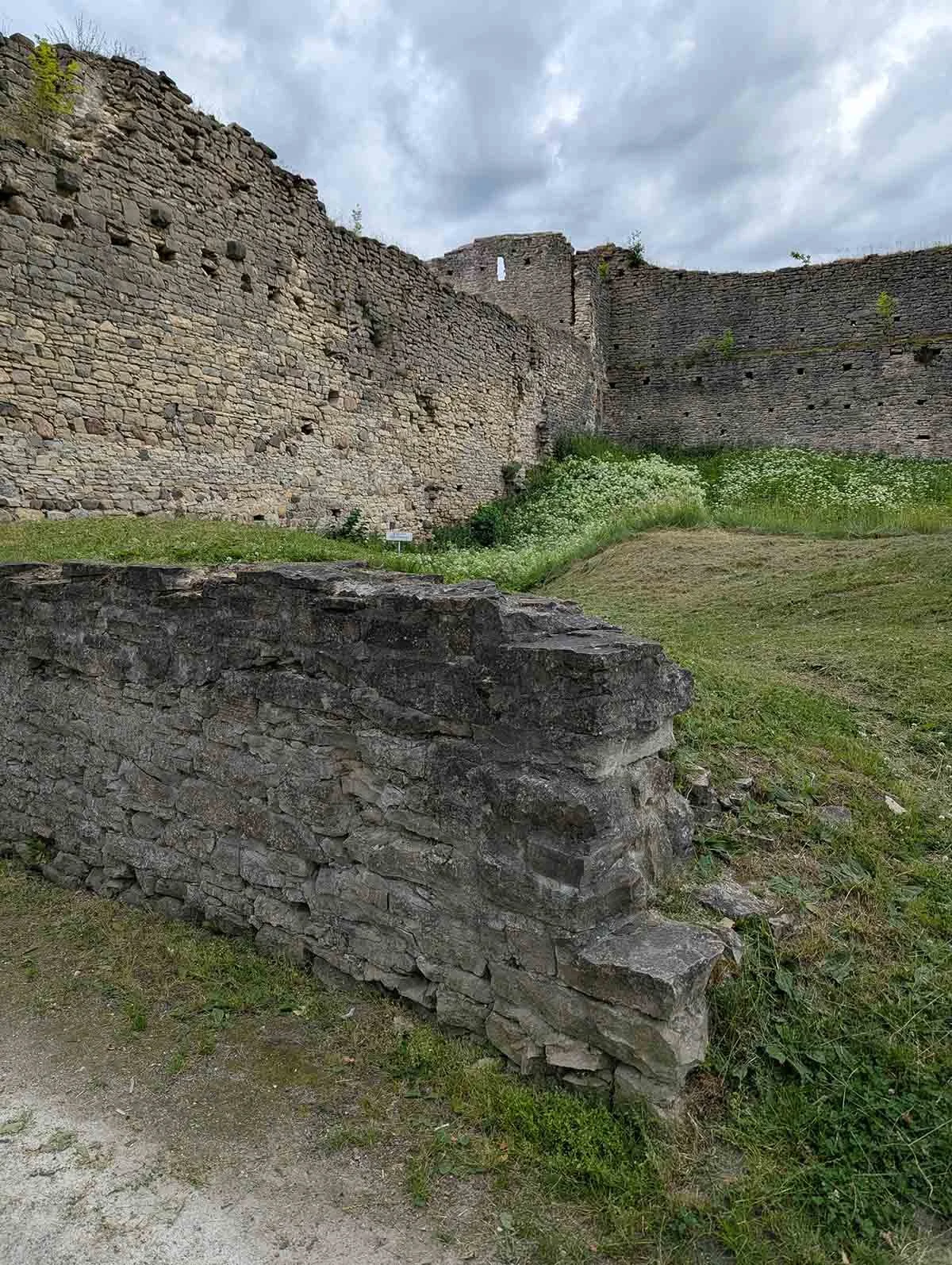
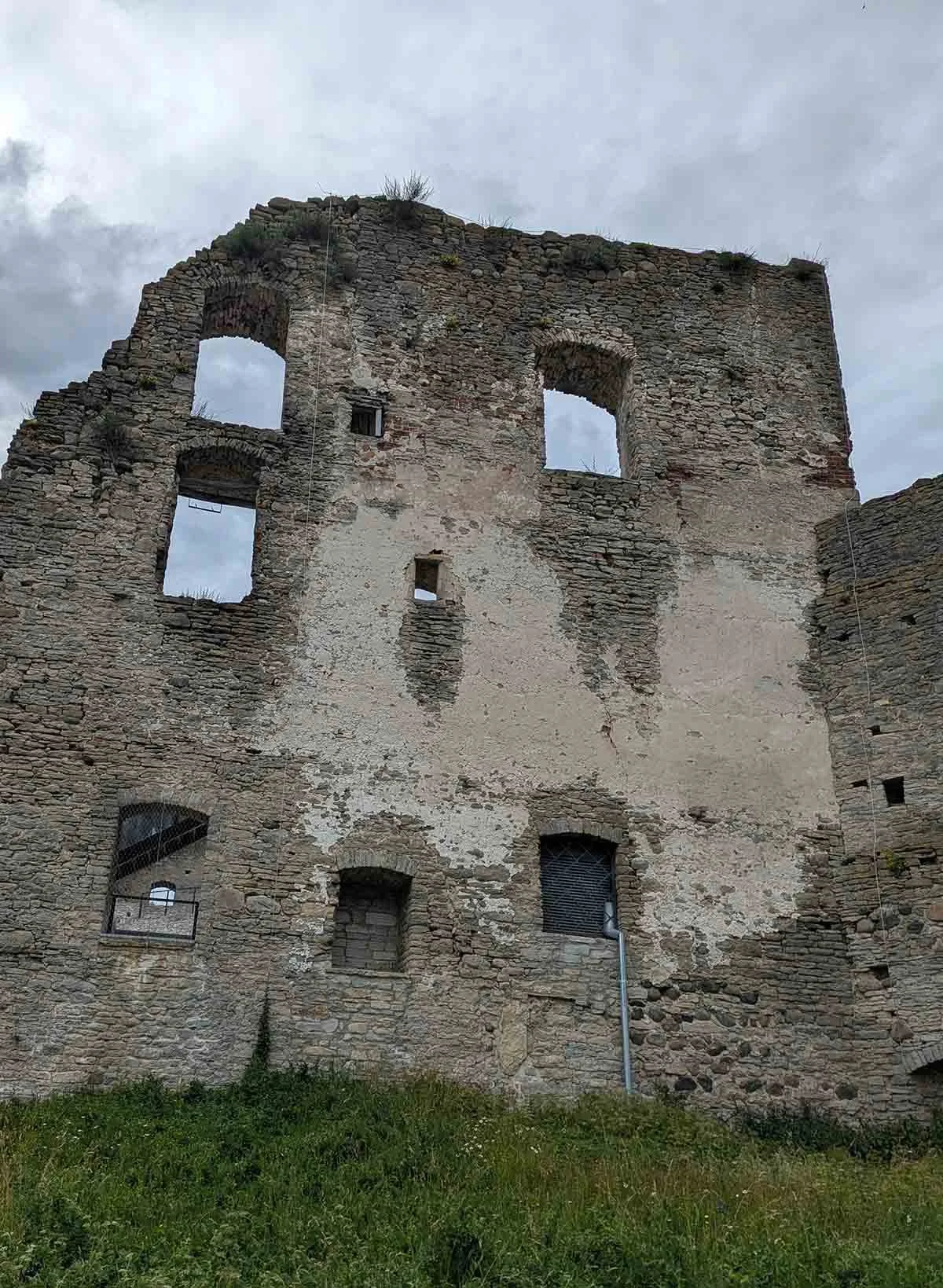
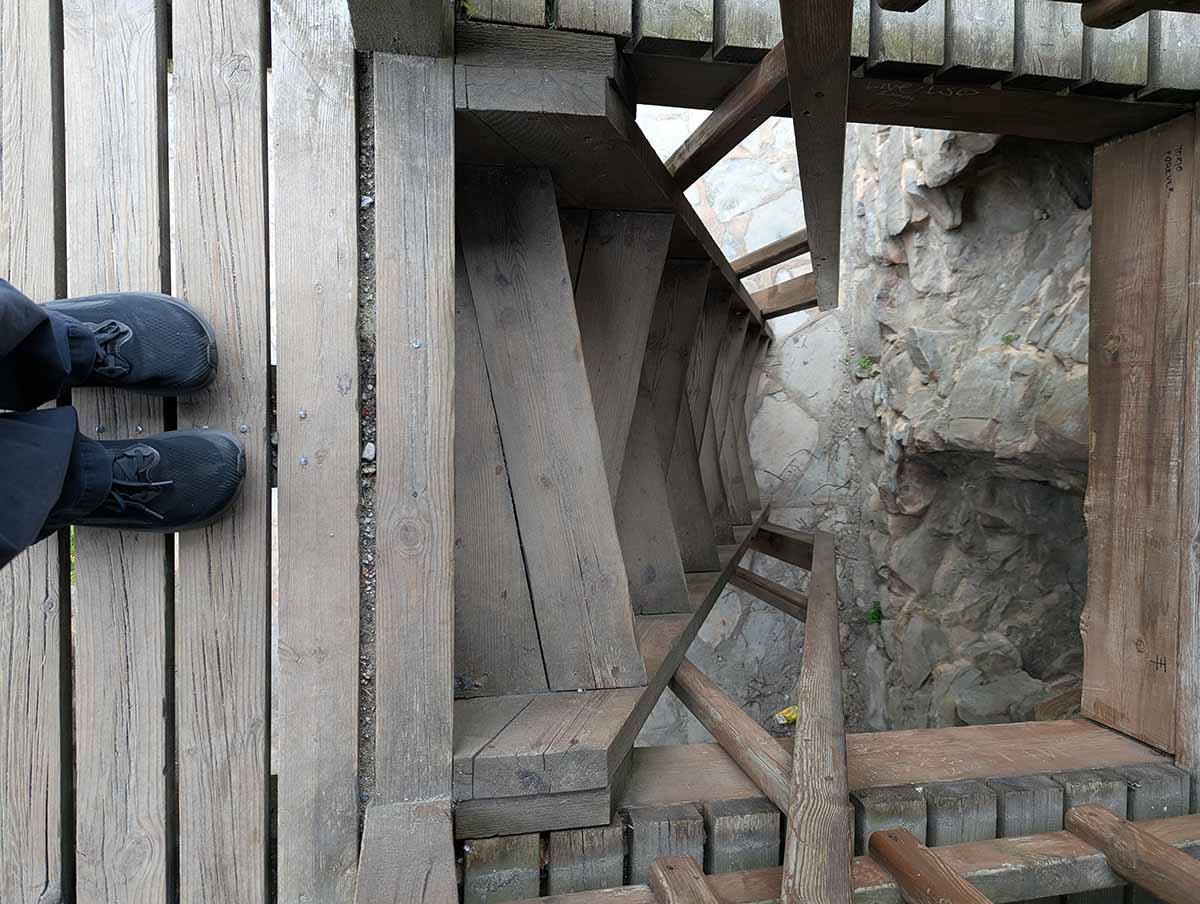
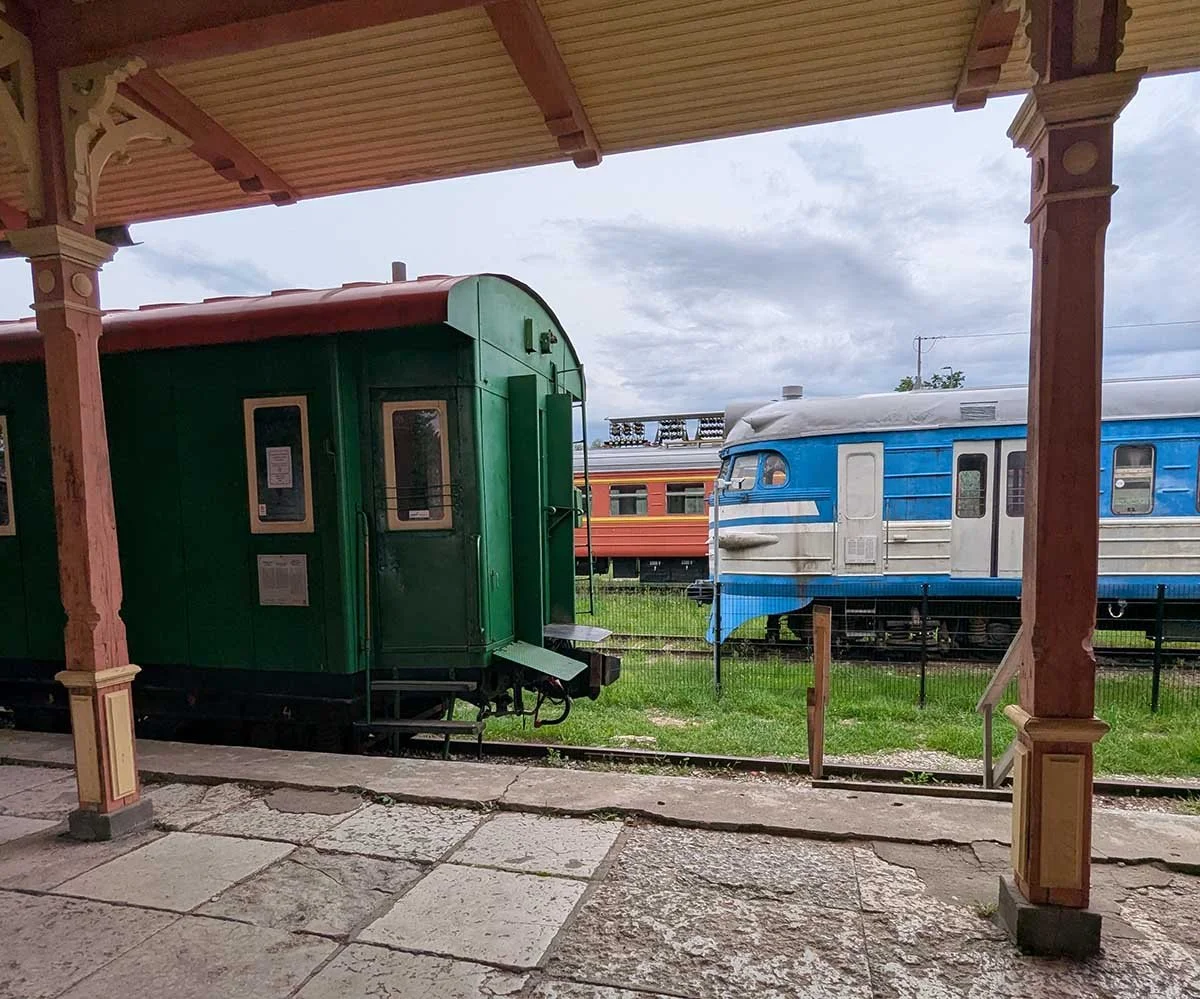
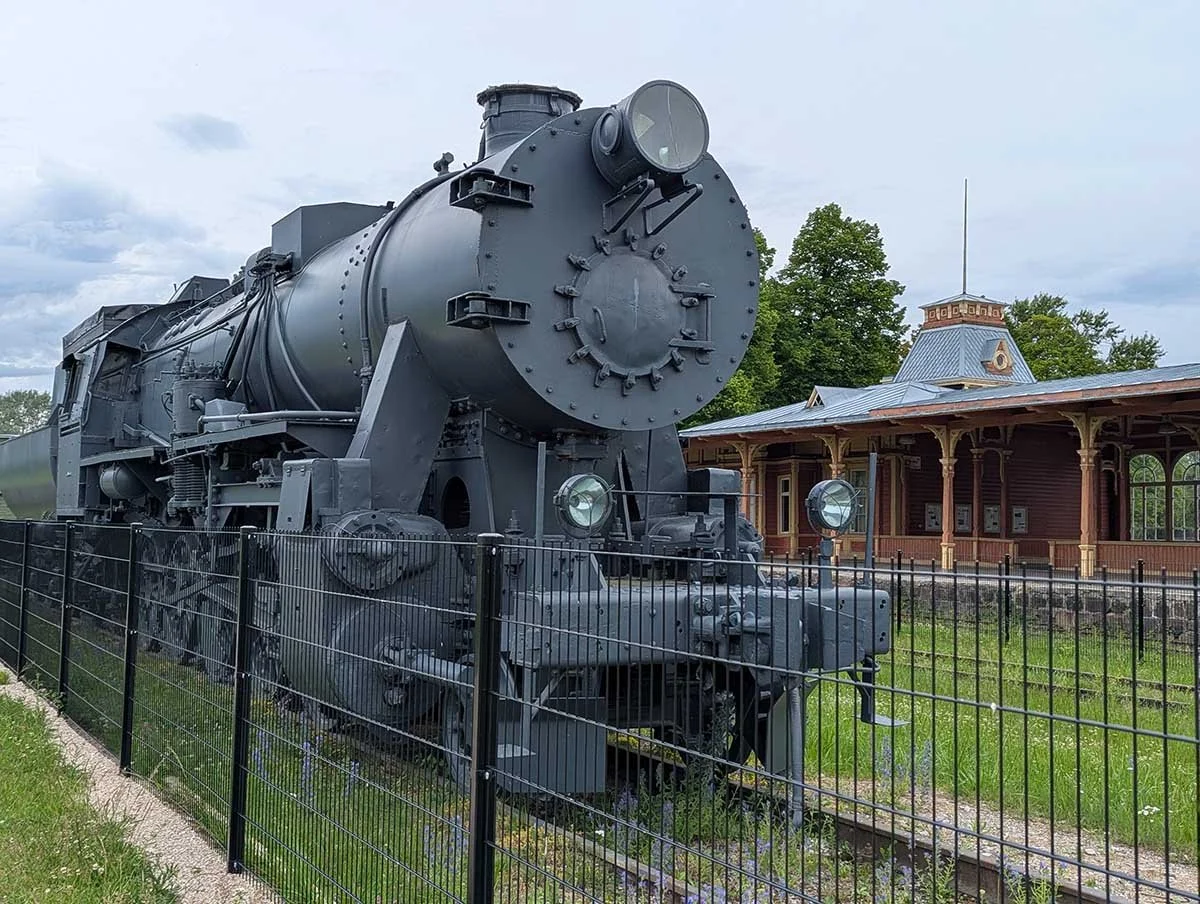
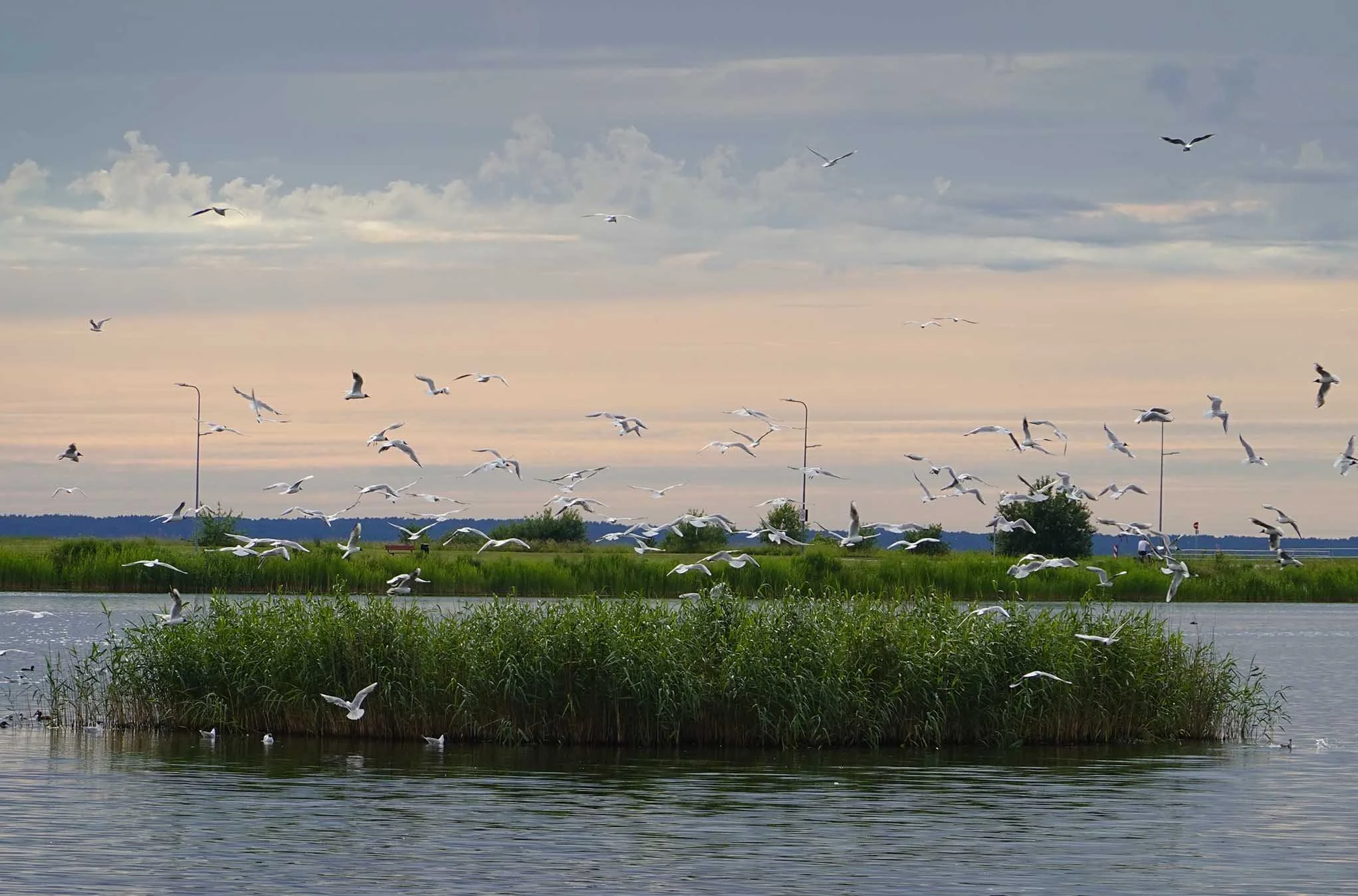
Though that was a bust, I did enjoy touring the Haapsalu castle ruins, old train station, and the bay!

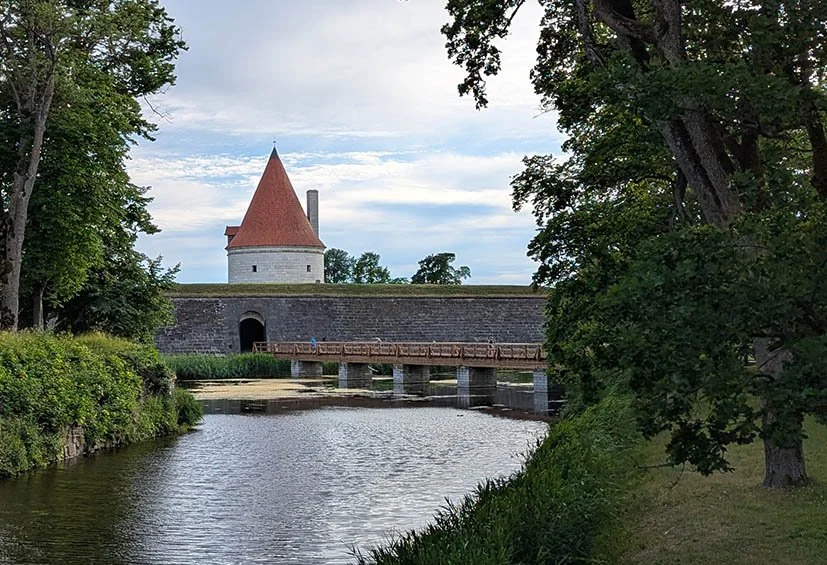
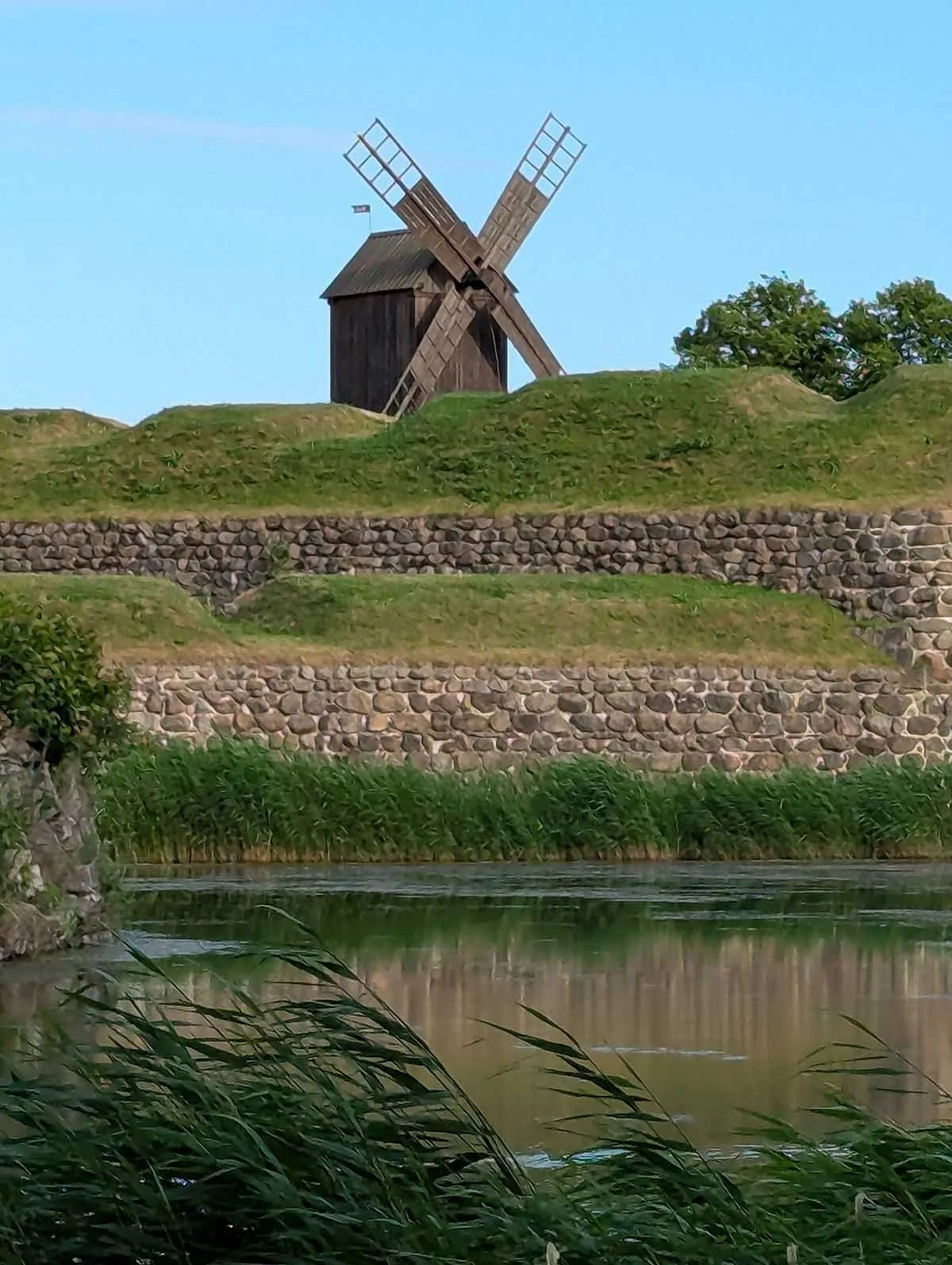
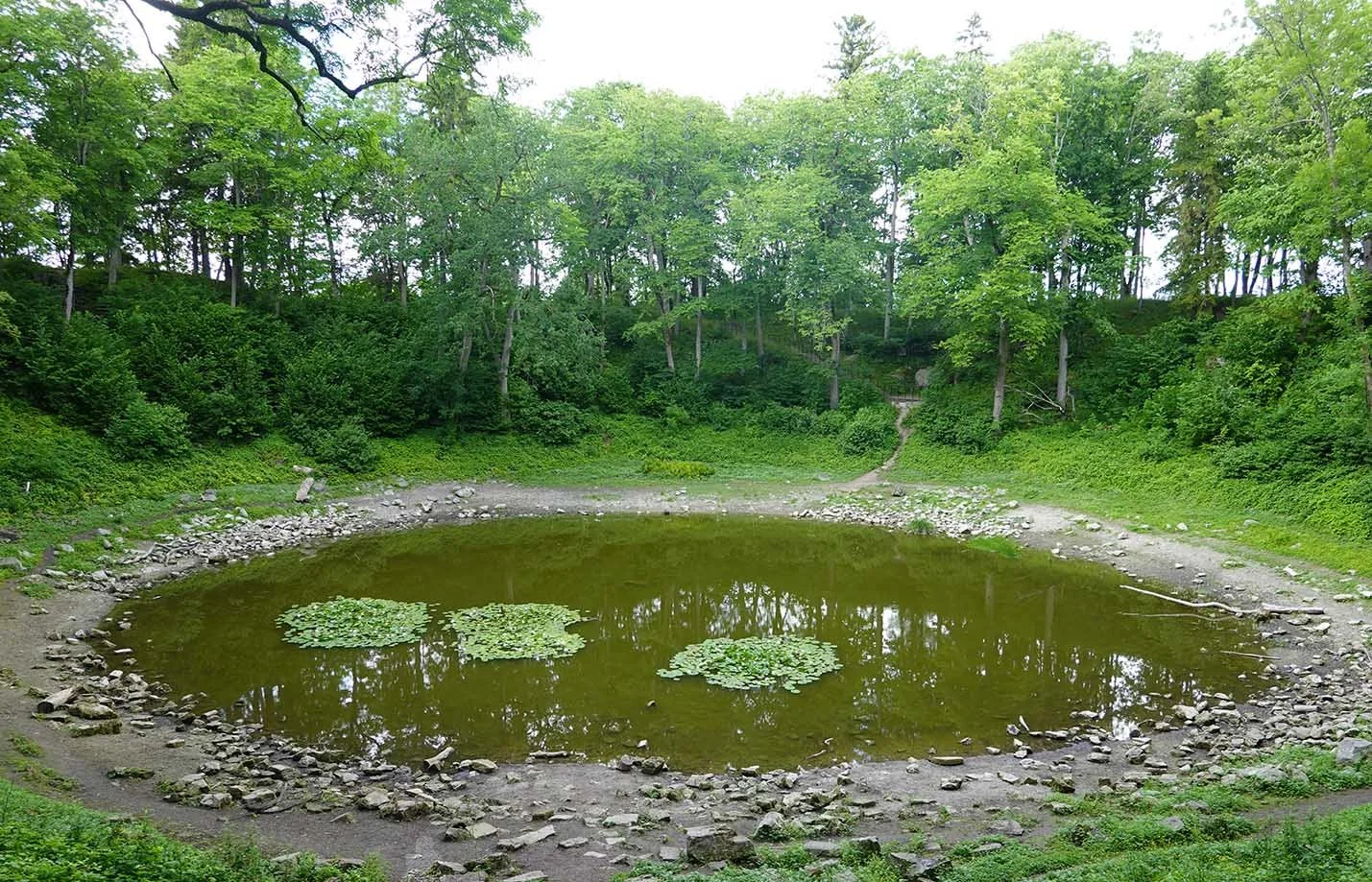
Then I moved on to Kuressaare on the island of Saaremaa, as they were having what they advertised as a three-day festival “Saarte Art Fest” with a large arts market featuring dozens of contemporary artists from all of Estonia. That, too, was extremely misleading; the arts market had four total new vendors, and a couple nearby galleries brought their wares out as well (which I had already seen in their own spaces). My recommendation is not to visit Kuressaare for these types of festivals; but there were two cool points of interest that made the visit worthwhile anyway, in addition to general Kuressaare wanderings. The first was a bus ride out to Kaali Crater. Technically there are nine meteorite craters in the town of Kaali, but most are very small and difficult to discern from normal topography. One, however, is more obvious!

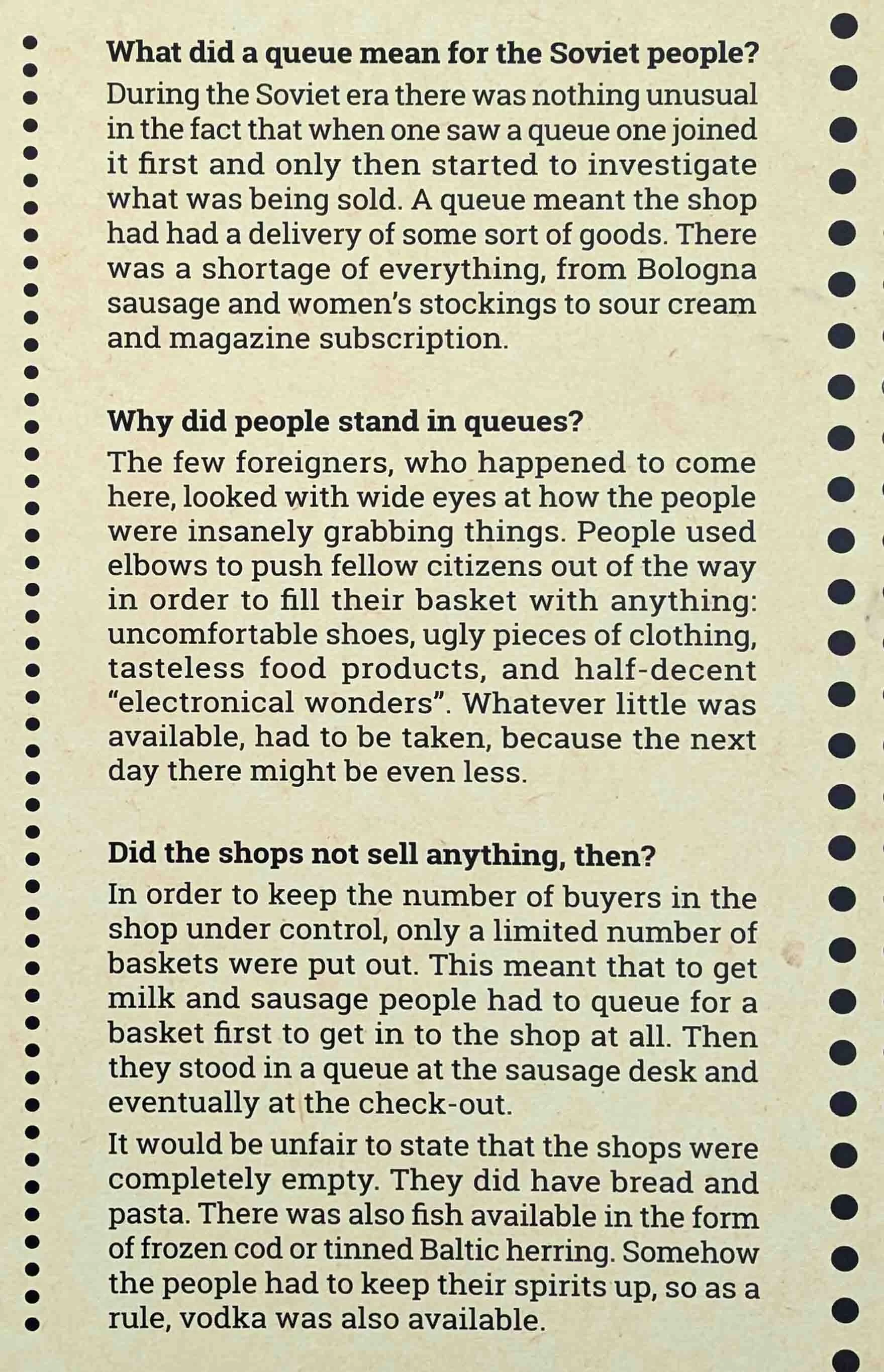
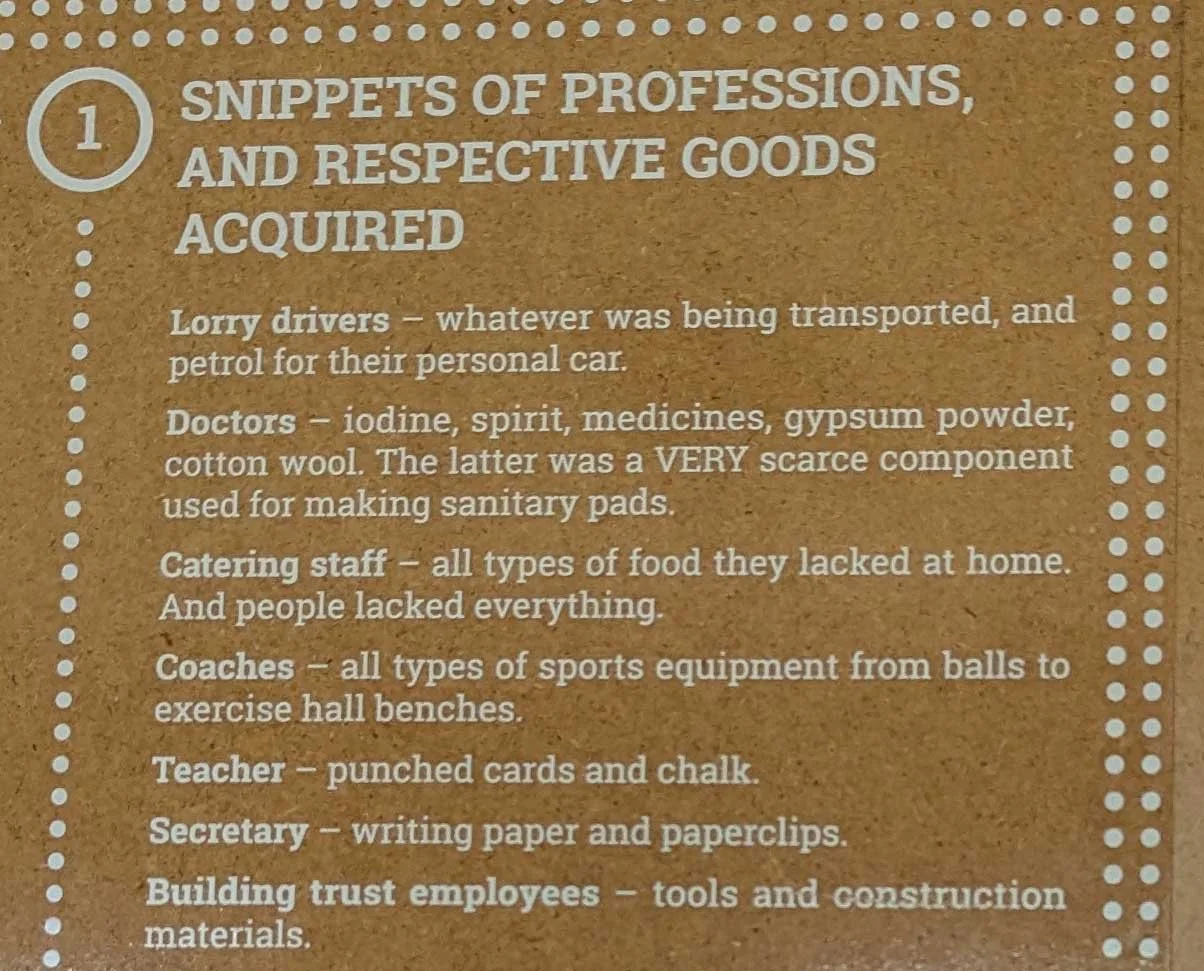
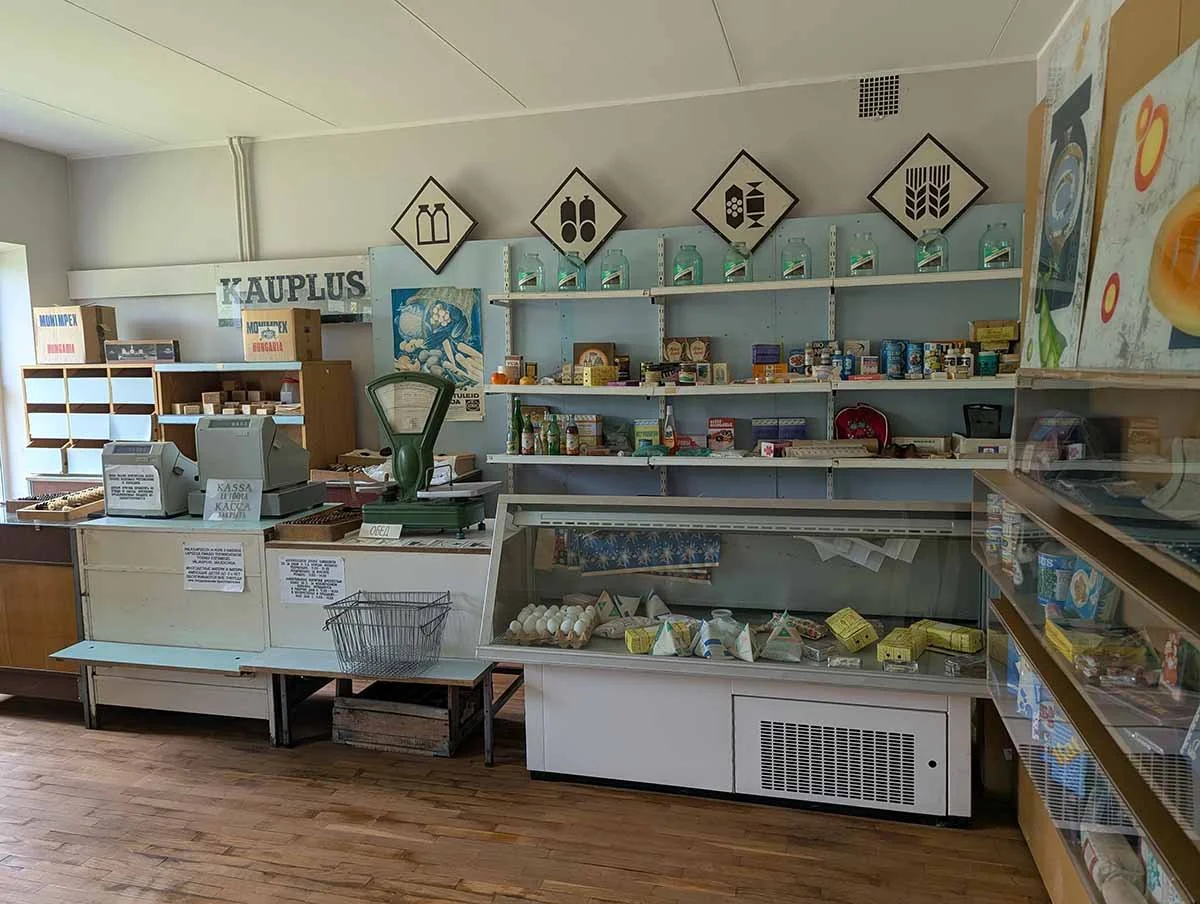
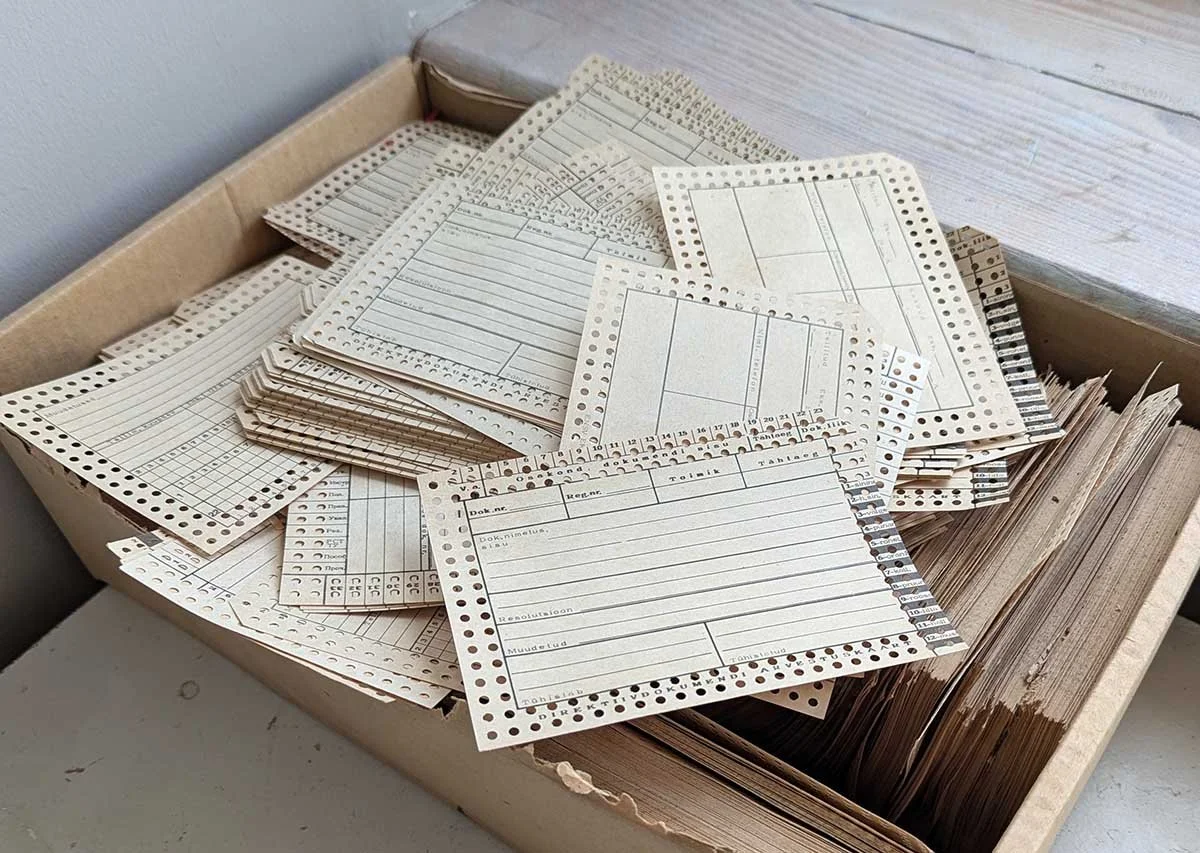
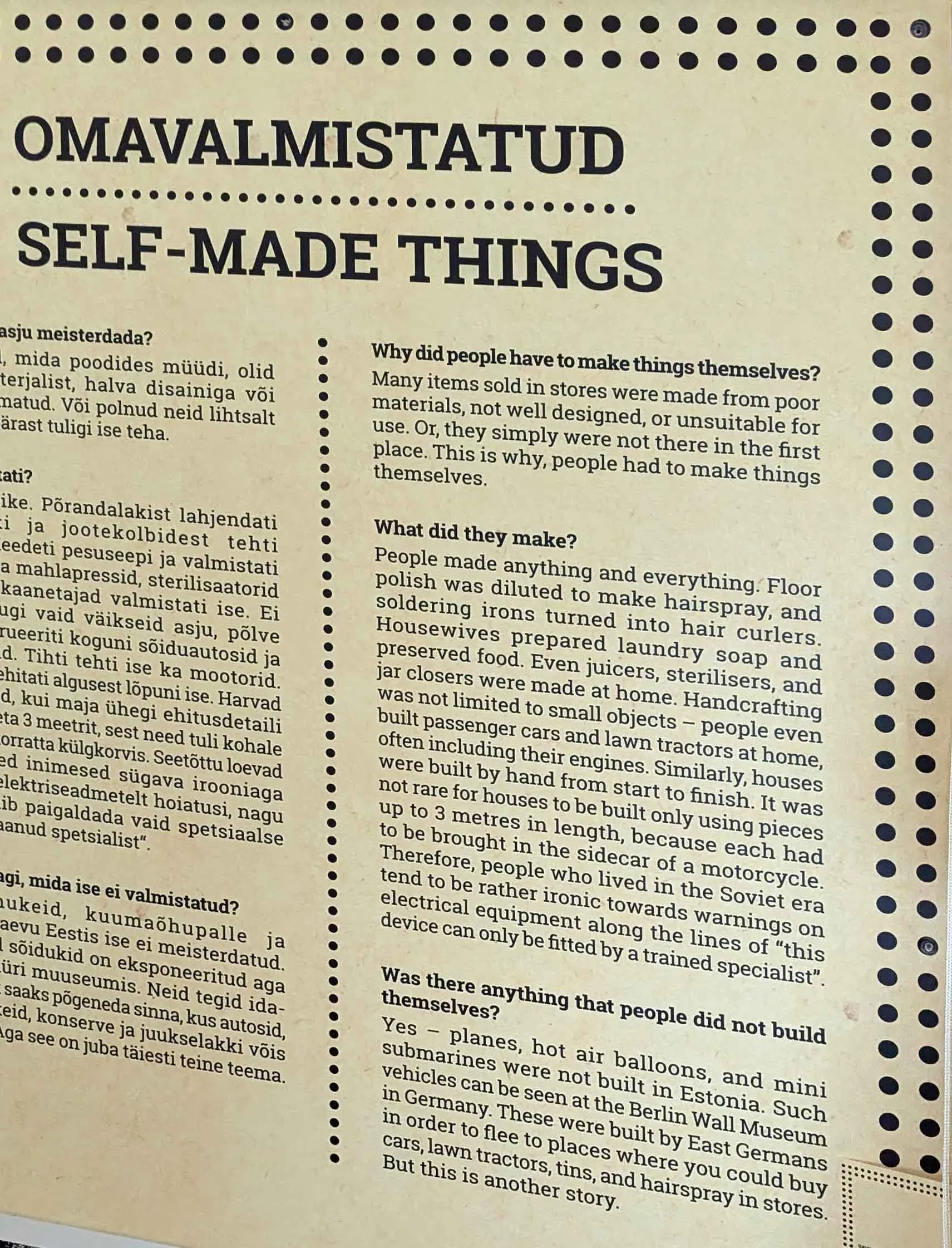
The top tier highlight of Kuressaare was visiting Saare KEK, a museum about life under Soviet occupation. I’m not sure I would have visited if not for my research into Pärnu KEK and the ENSV - but that would have been a huge shame; it was one of my favorite museum visits globally, ever. Its usage of perfokaart borders for all informational signage as clear iconography of the era was really validating of my using it as the substrate for Surveillance. Note that in the snippets of professions, teachers usually “acquired” as in took from their job and used, traded, or sold perfokaart (punch cards) - so it’s especially apropos that I was instantly drawn to it!

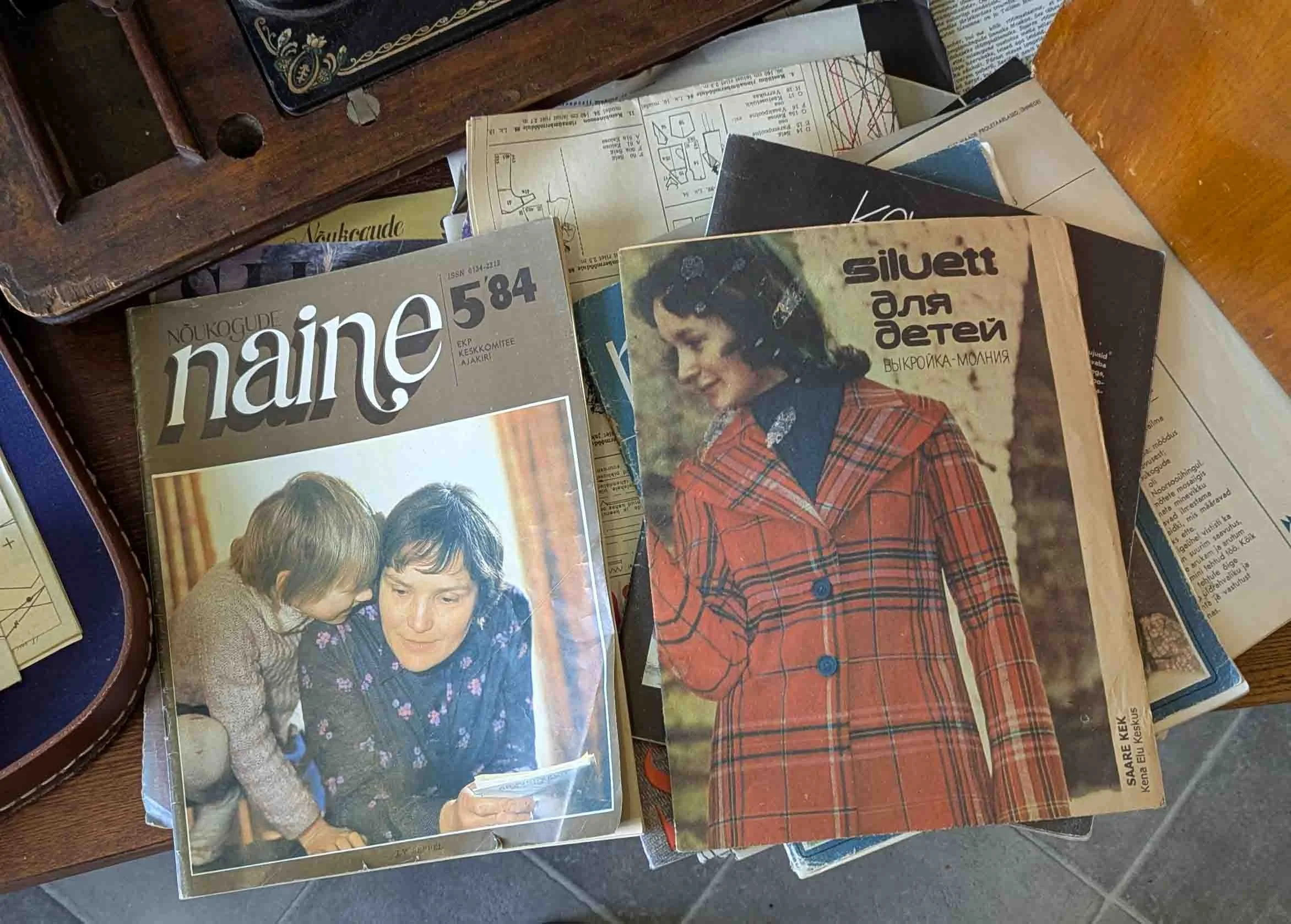
I also learned of new material I might be able to incorporate into my work: women’s fashion and craft magazines like Siluett.

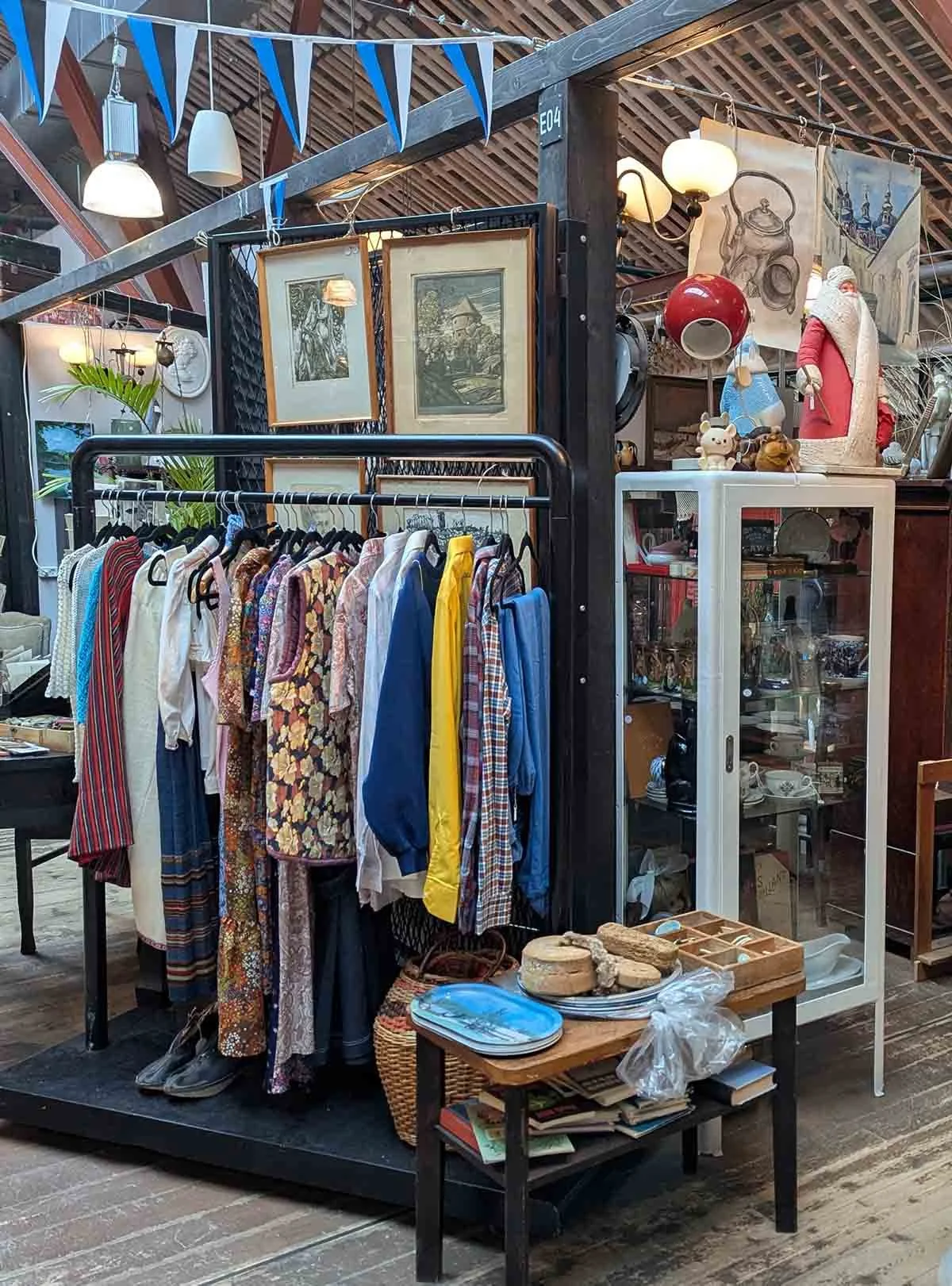
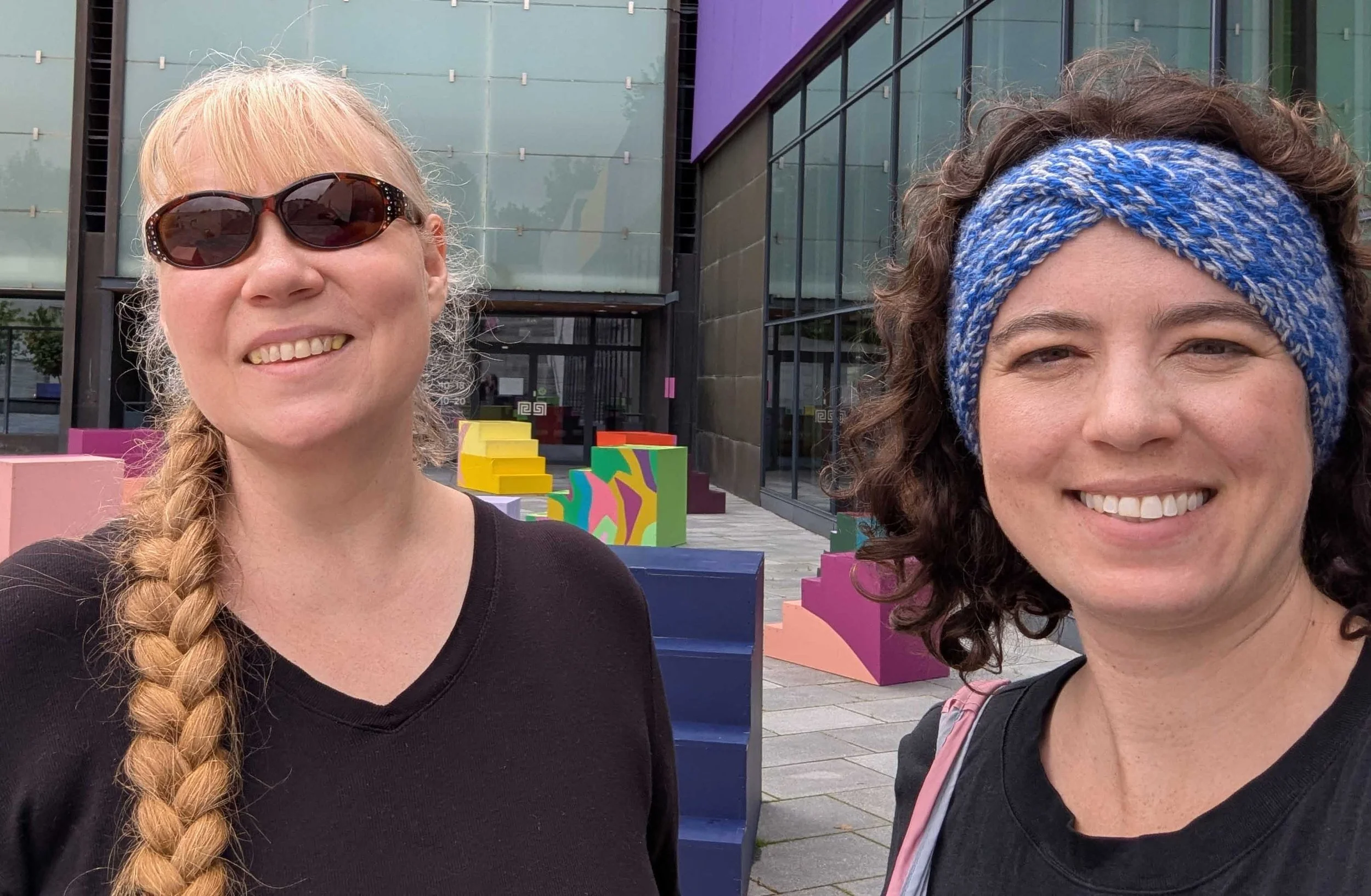
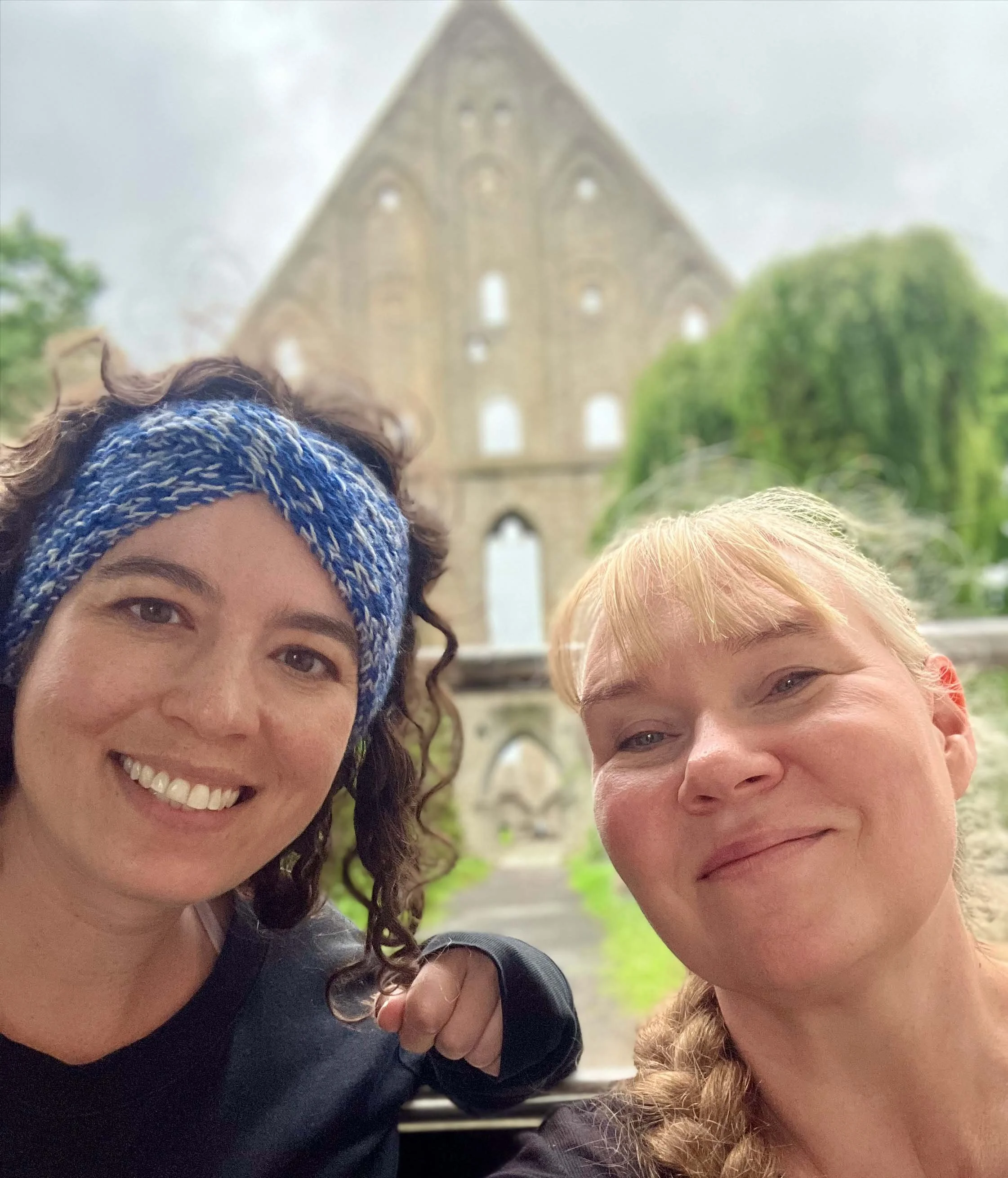
I made my way back to Tallinn and spent a day with my friend and colleague Anni Moore - visiting Balti Jaam market, KUMU, and the Birgitta Convent Ruins - before flying to my next residency in Berlin!

Pärnu KEK

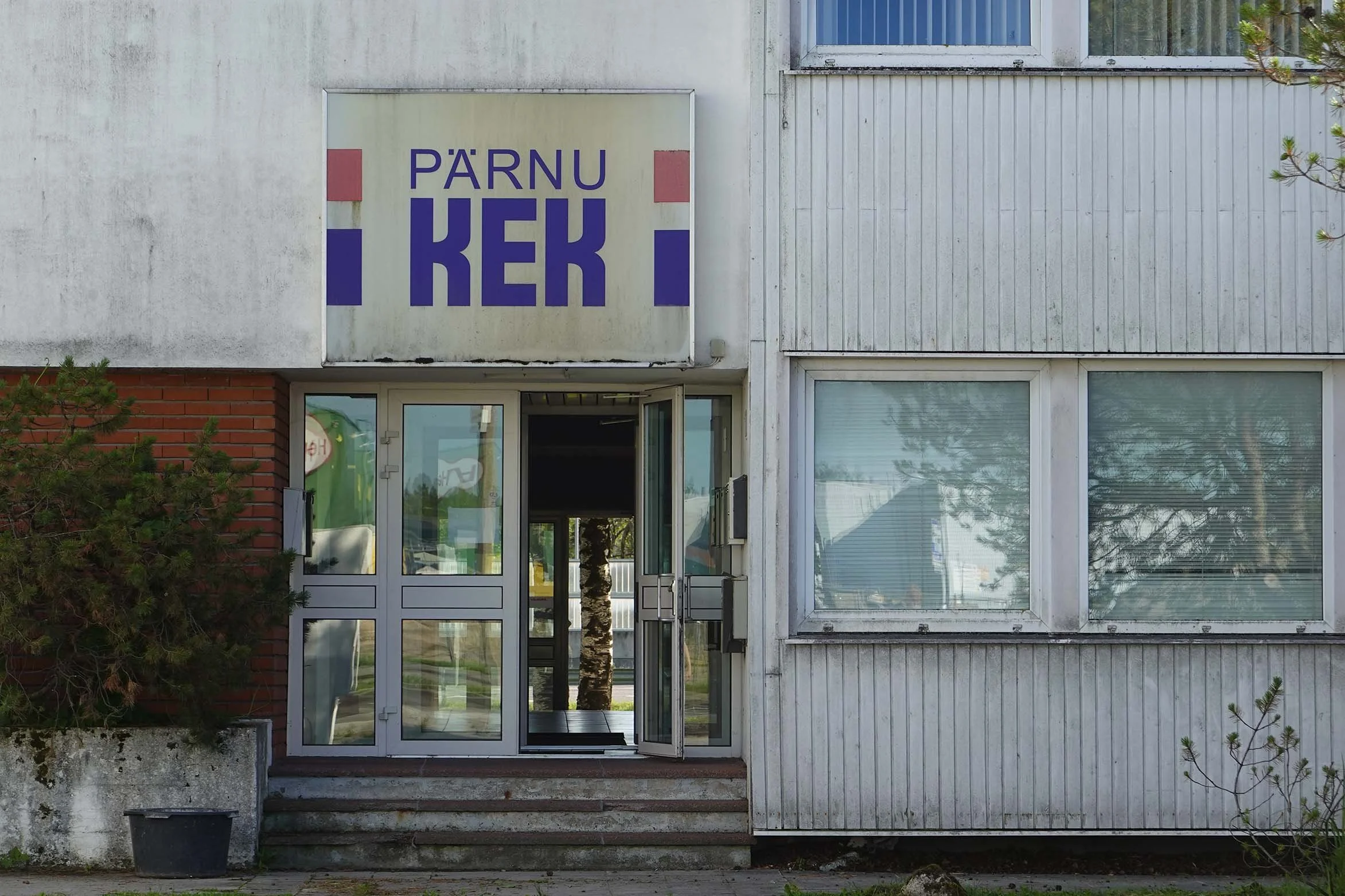
As I noted in my previous post, several of the friends I made came to visit my exhibition after I’d installed my ENSV stationery paintings. One of them saw The New Collective and knew a lot about Pärnu KEK, so he generously offered to spend an evening with me touring some of the buildings KEK built.

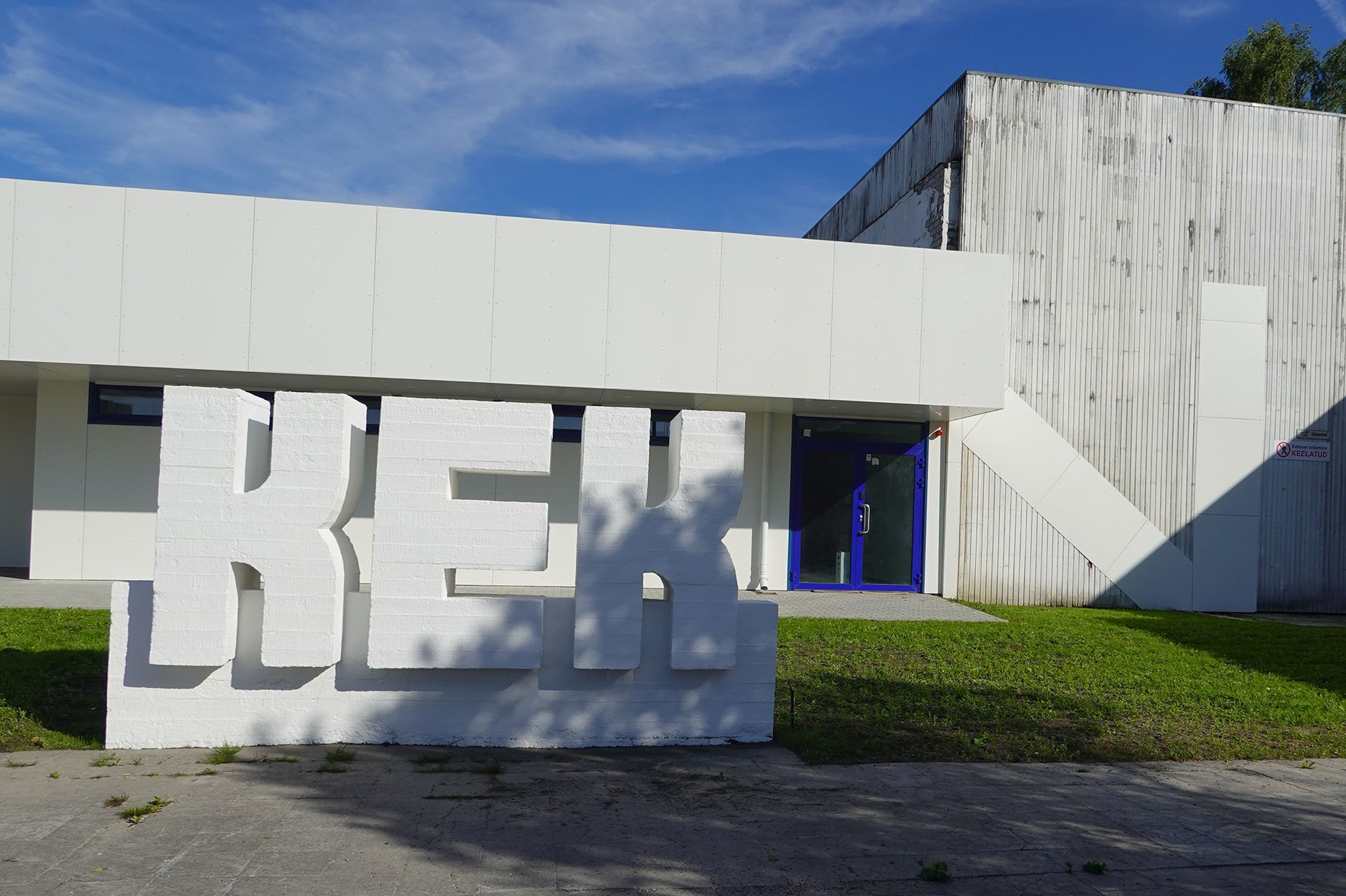
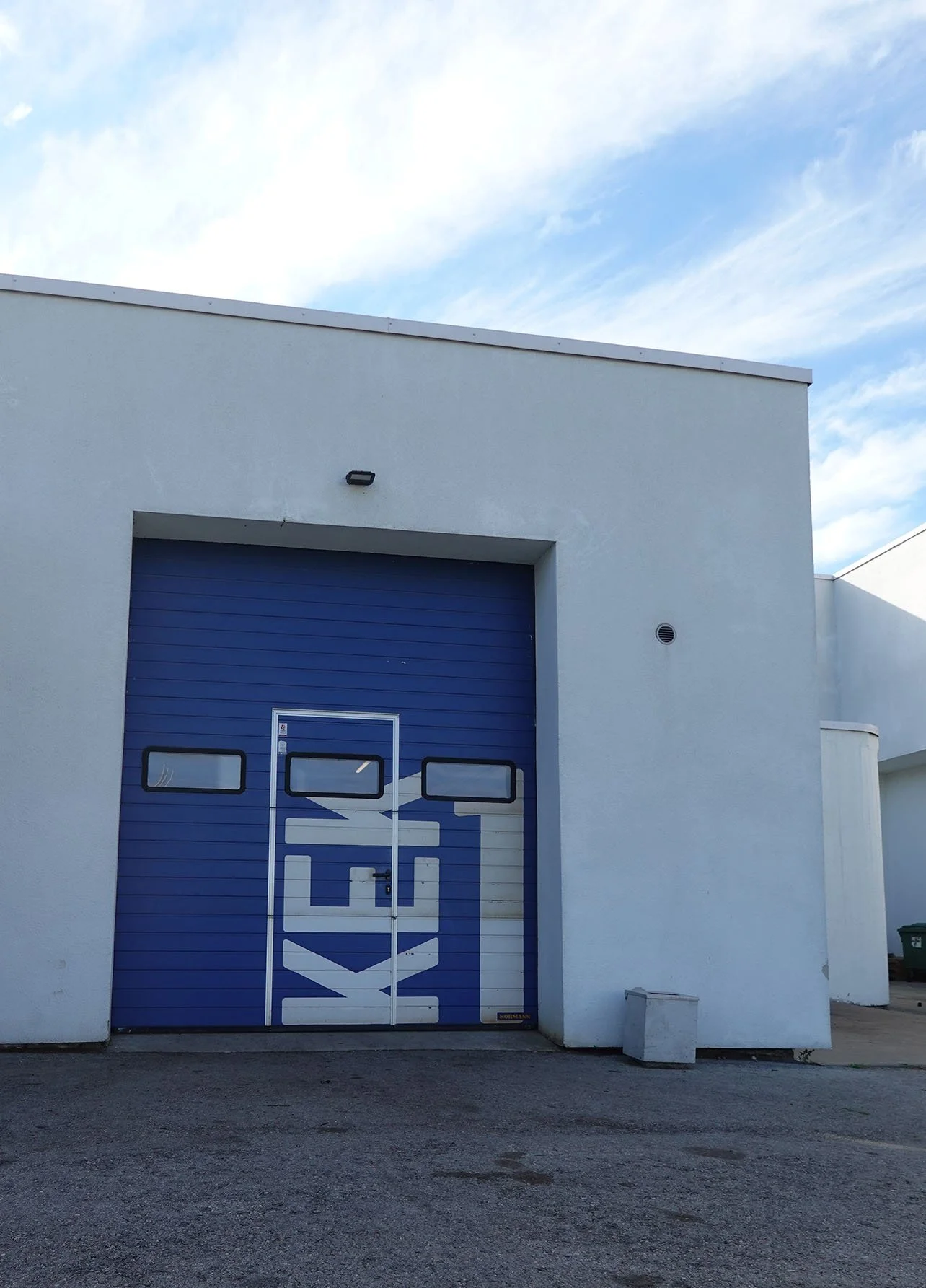
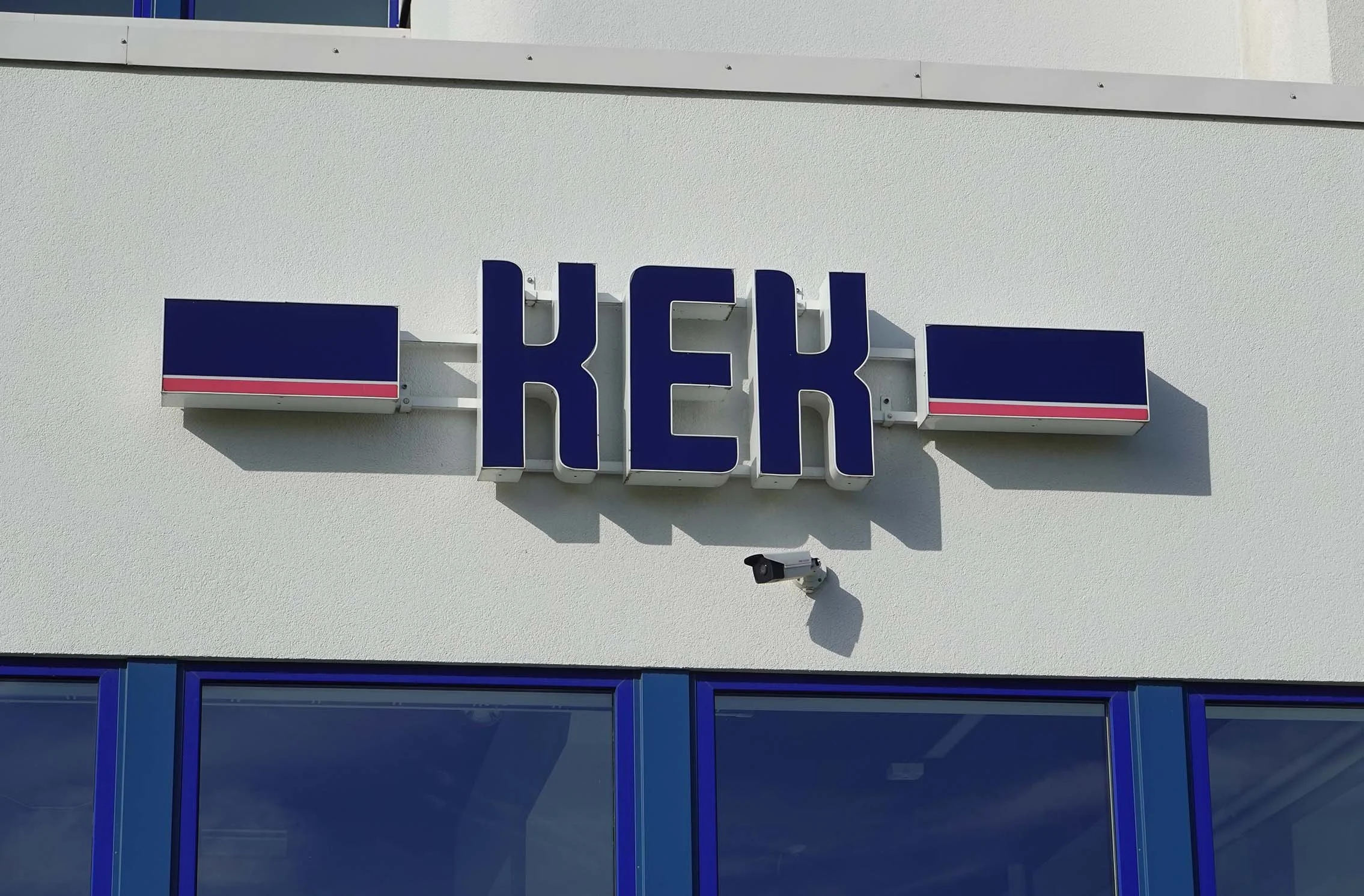
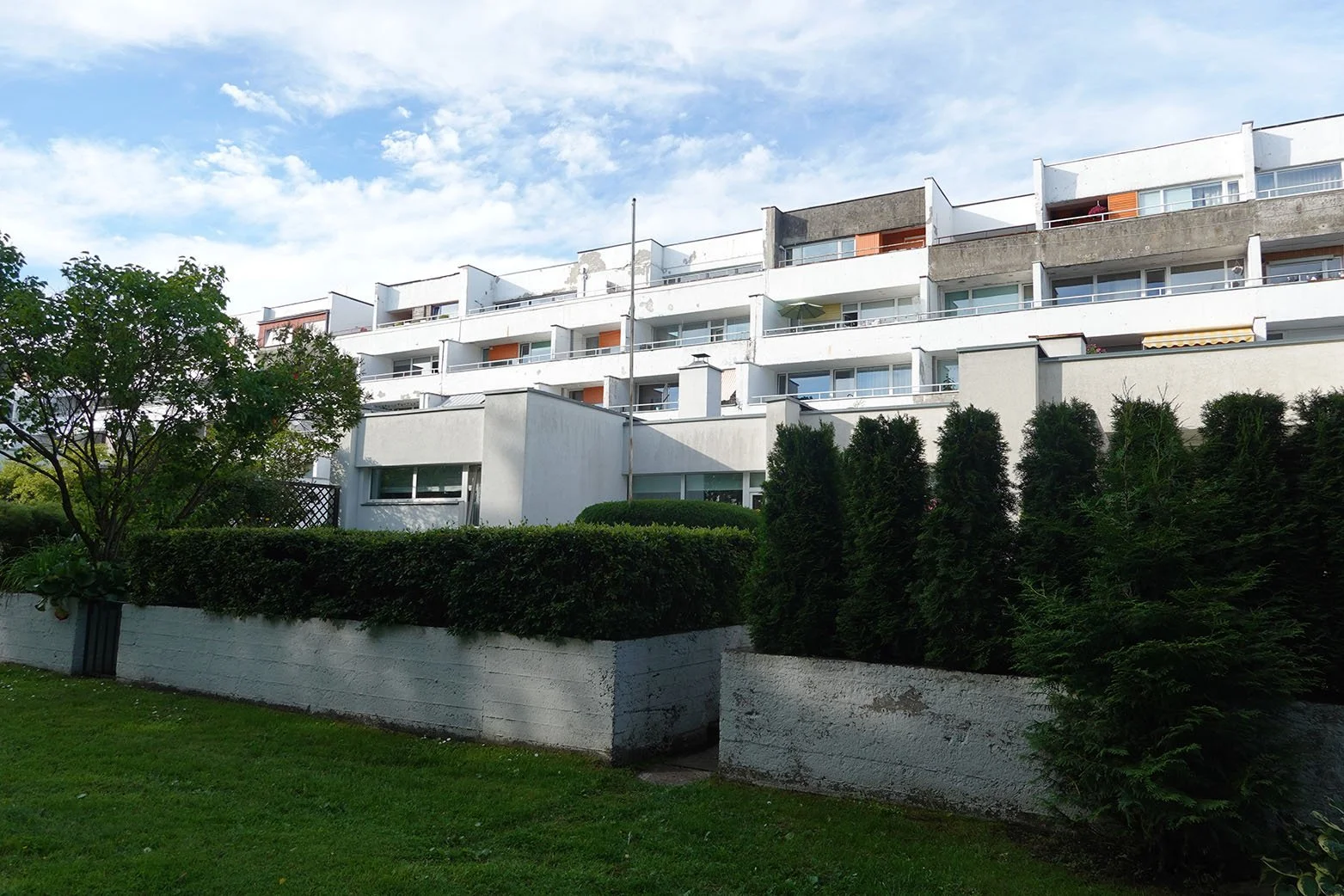
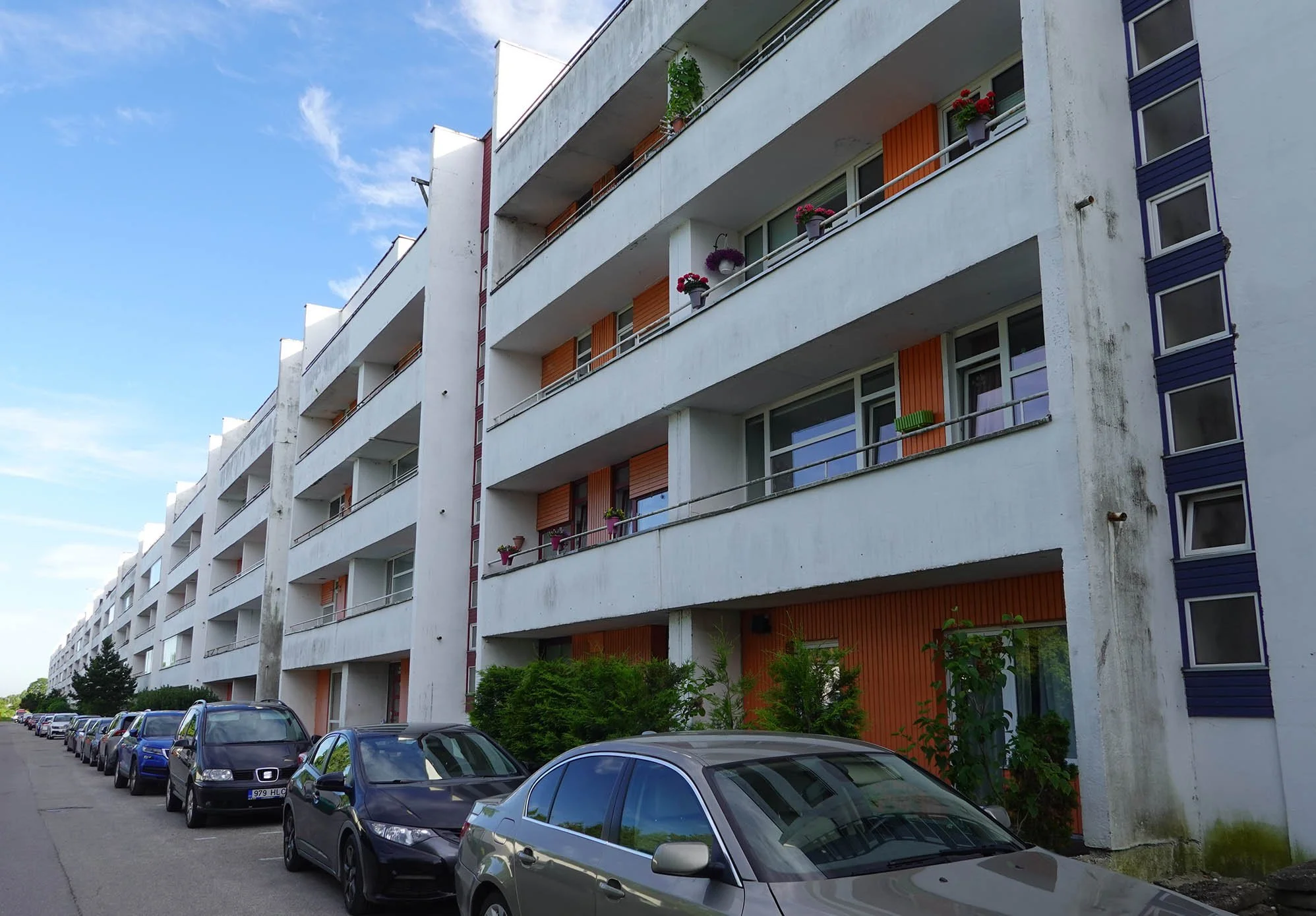
It turns out that my friend Kris’s partner actually grew up in the most famous of their builds, a kilometer-long monolithic concrete terraced housing block on the edge of a Soviet industrial complex called Kuldne Kodu (Golden Home), attended their kindergarten, and now works in one of the business buildings KEK not only built but also continues to manage in their present-day real estate company.

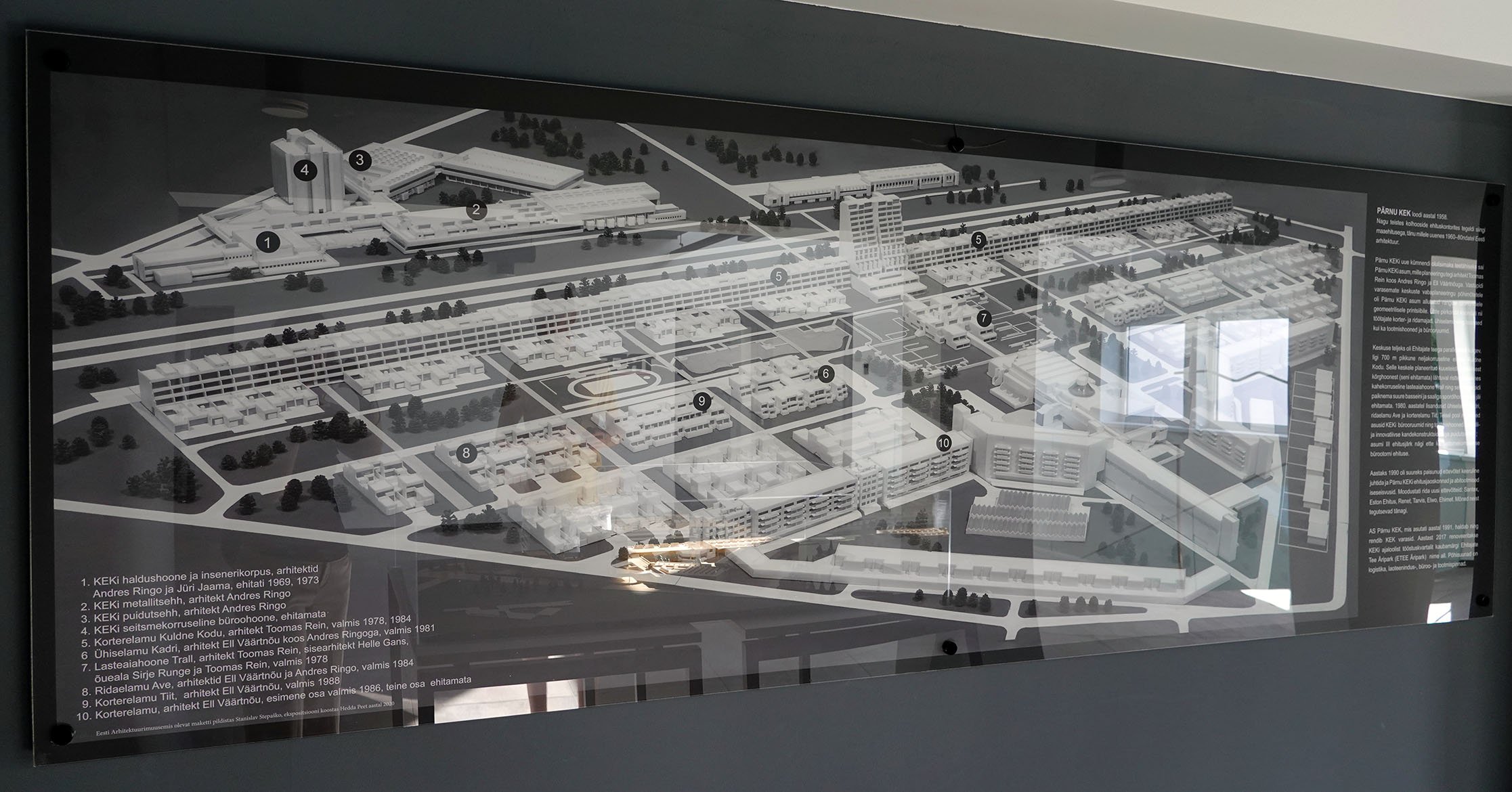
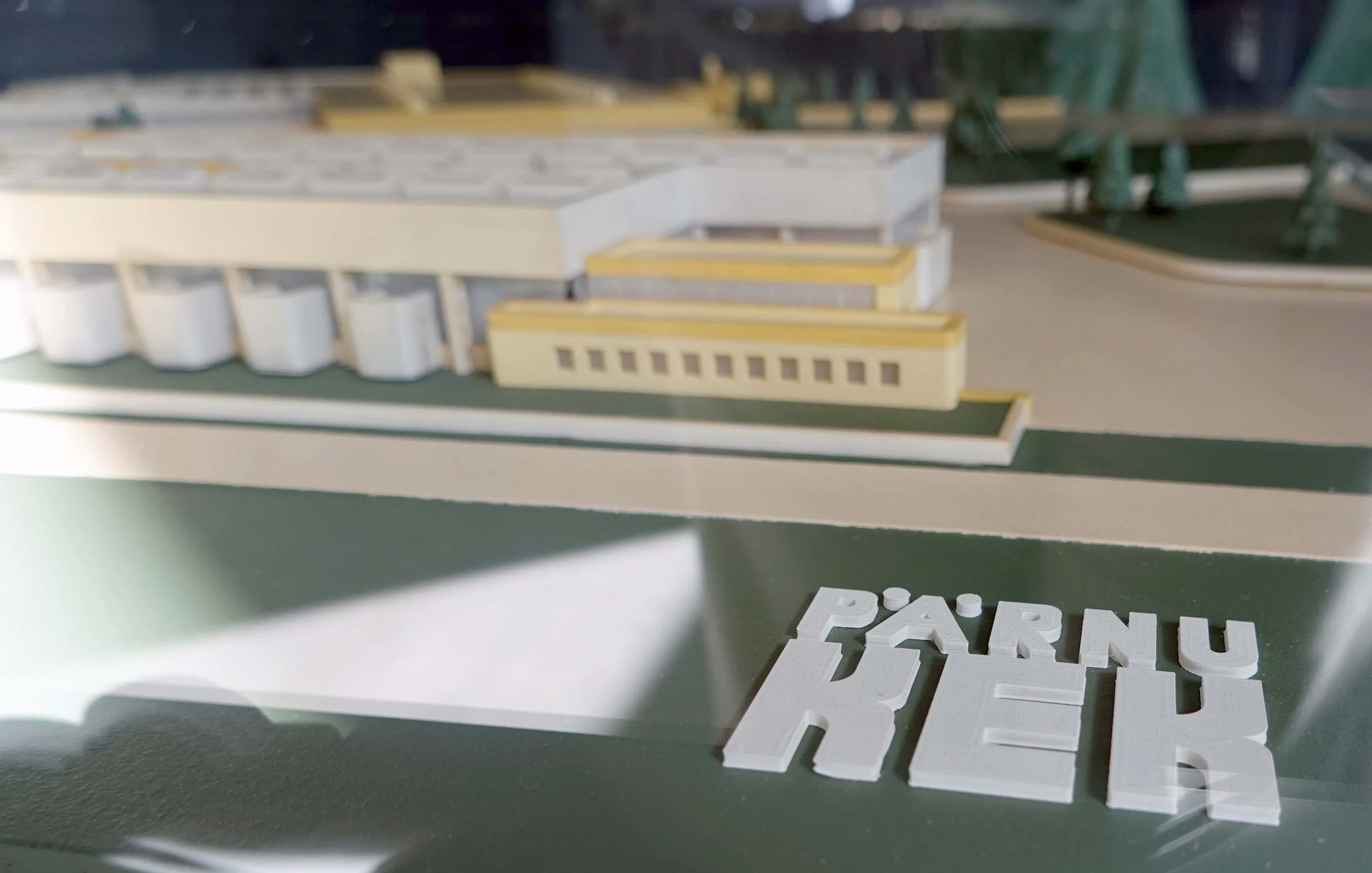
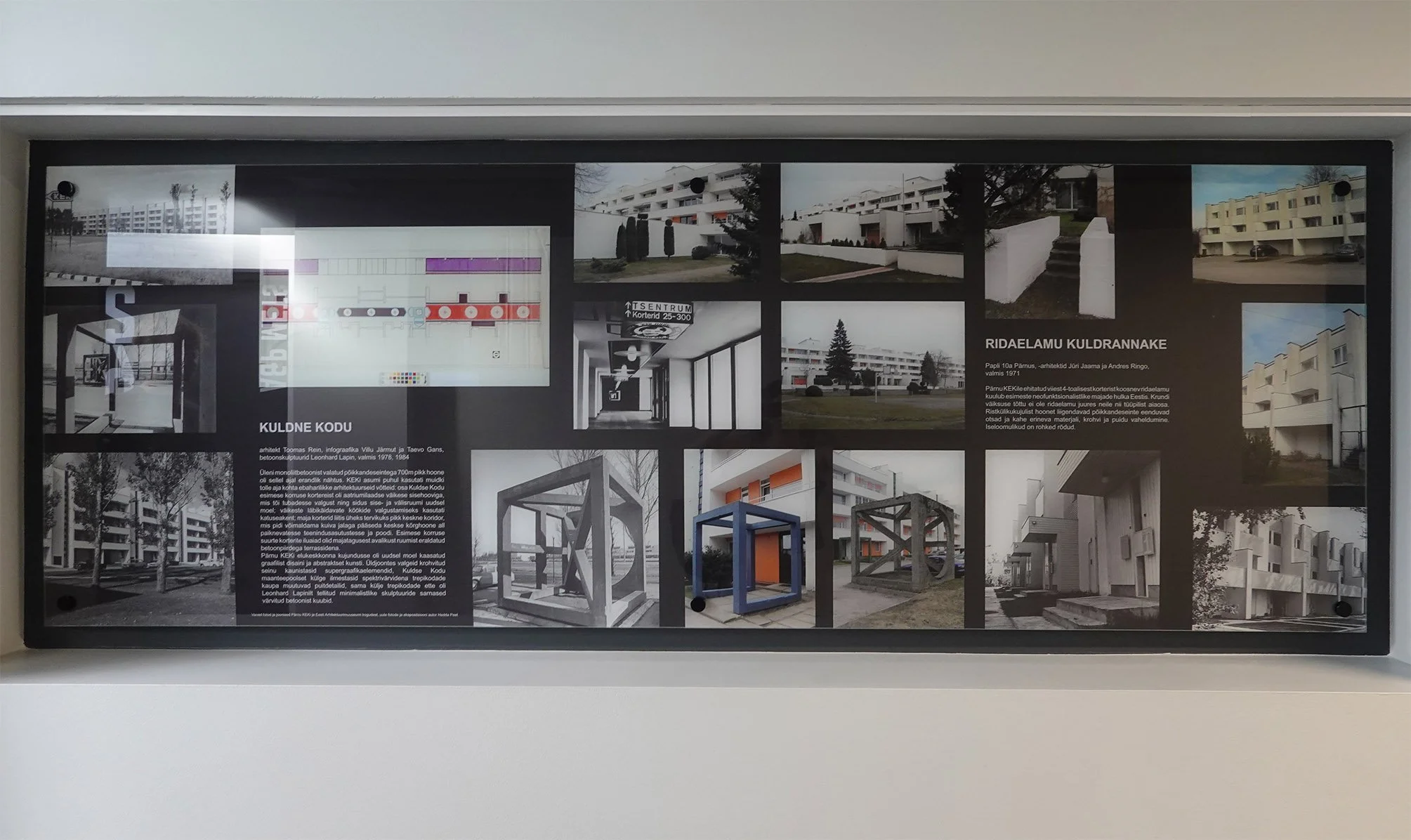
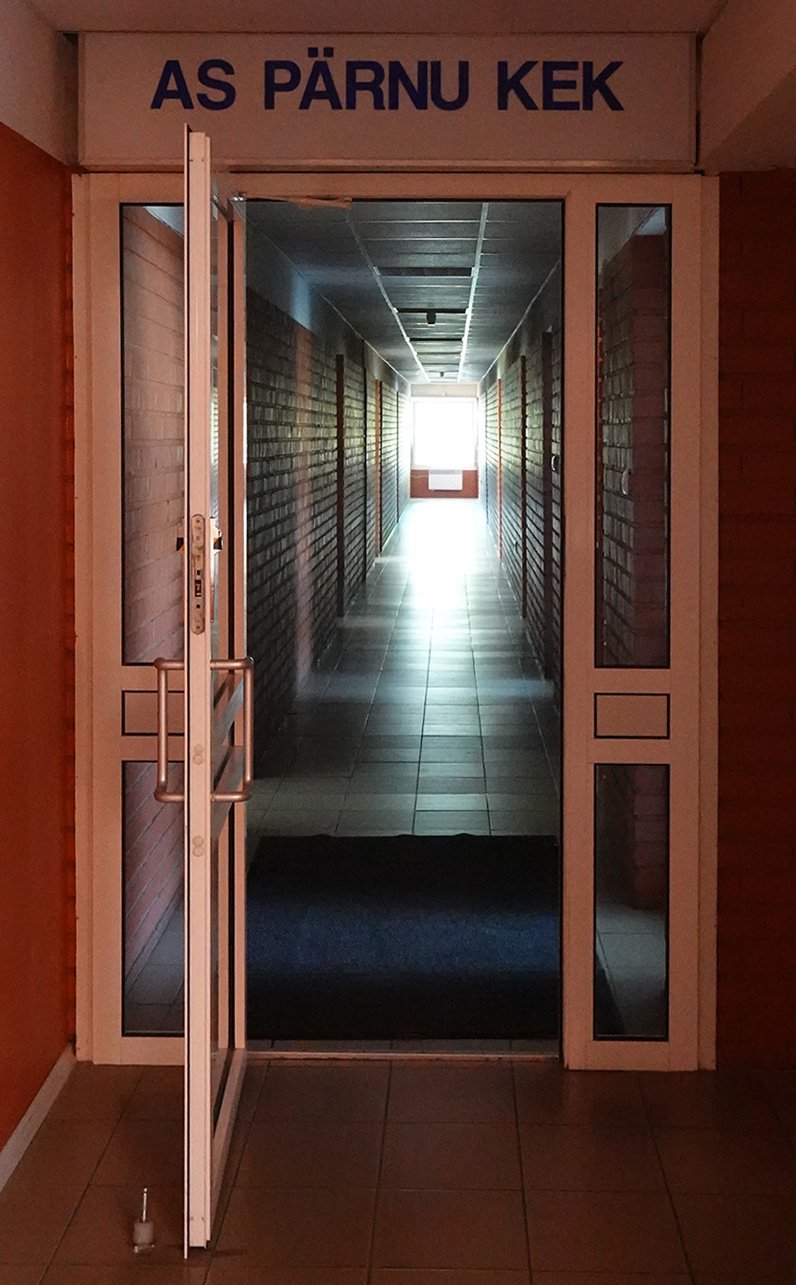
We toured her workplace, which had a model and map of the entire vision for the complex (which was never completed post-independence) as well as a series of informational panels about the history of Pärnu KEK.

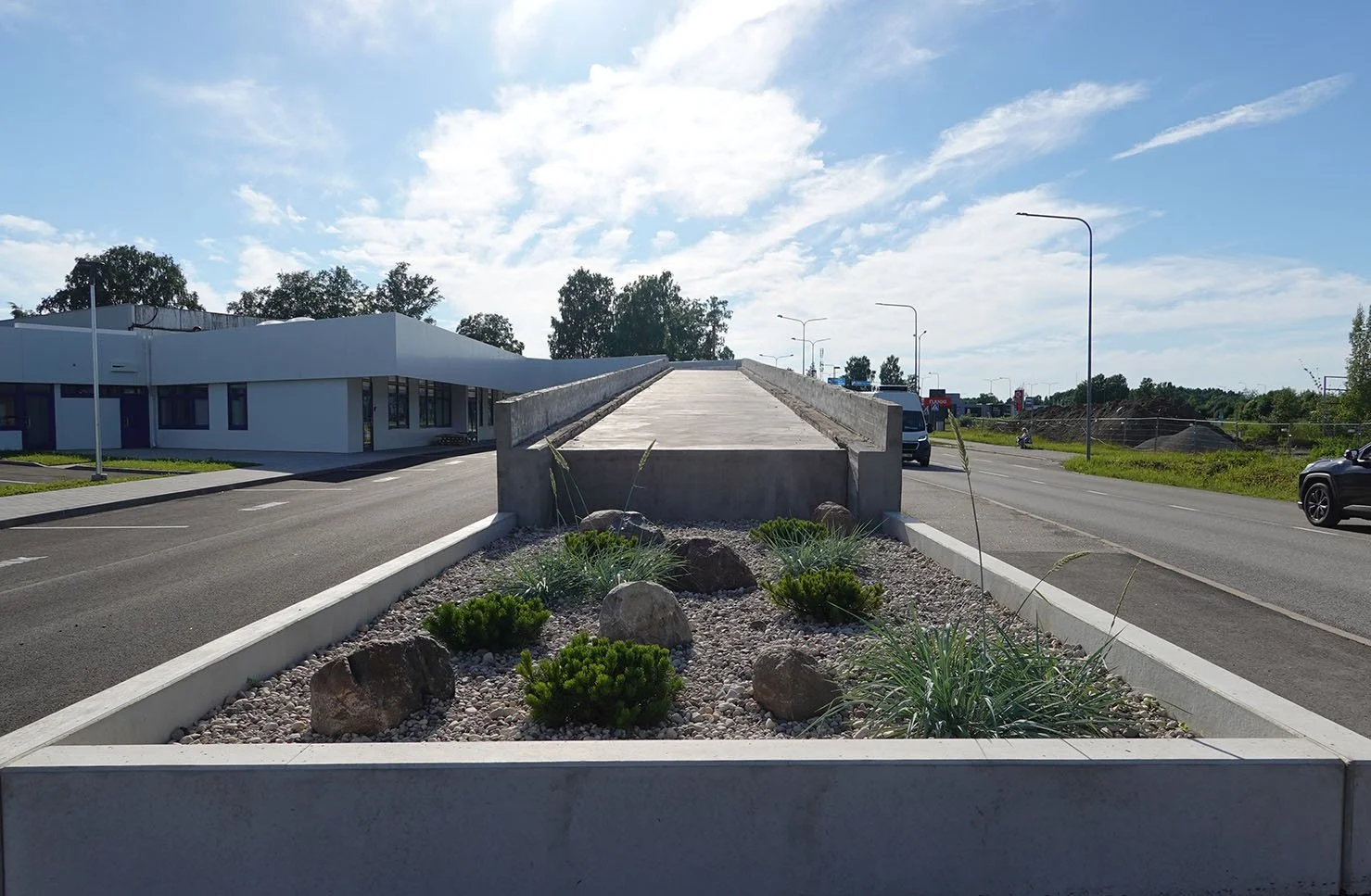
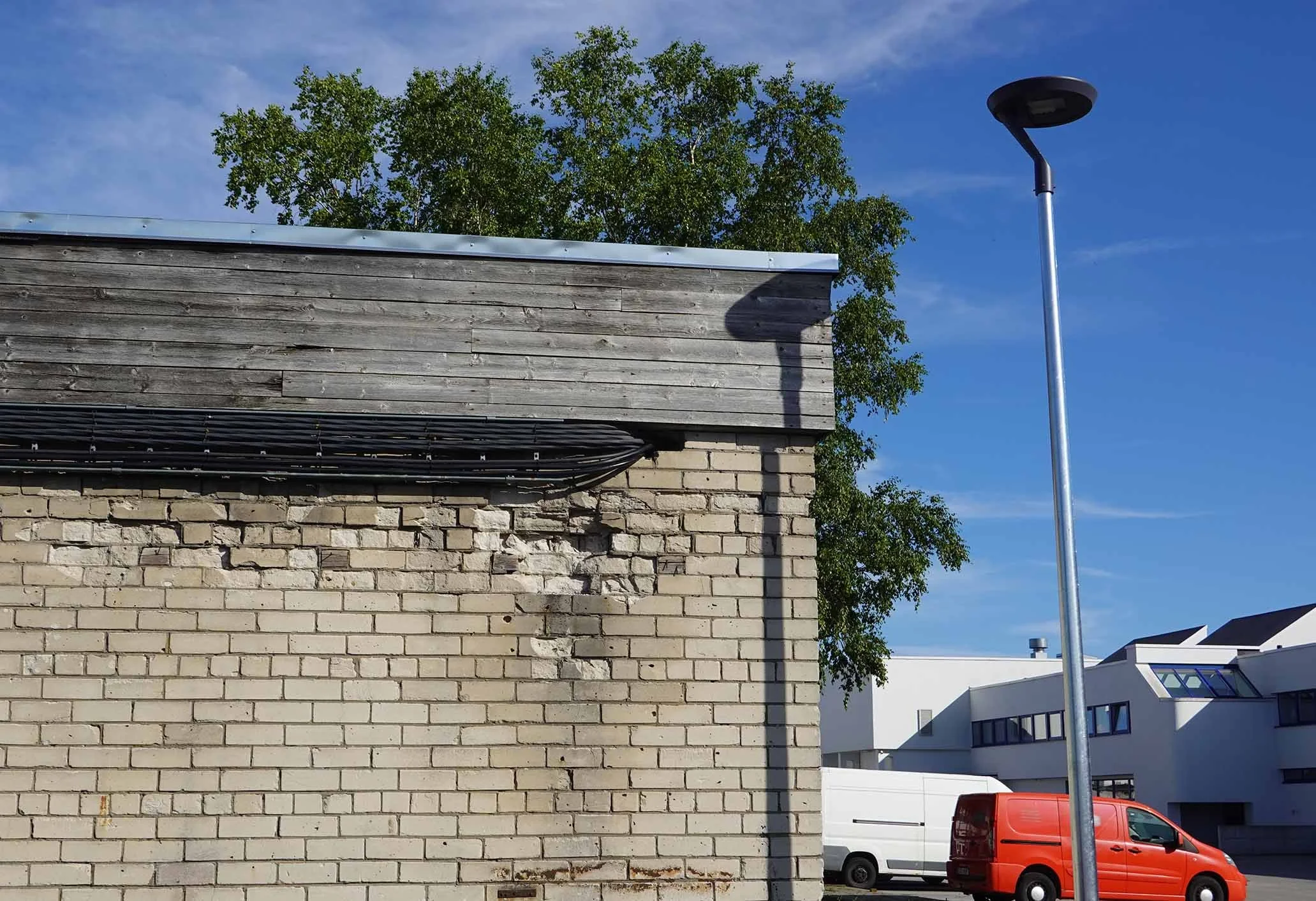
We then walked around the rest of that industrial and business section, seeing both original and renovated areas, and designs that never got completed - like the ramp to nowhere.

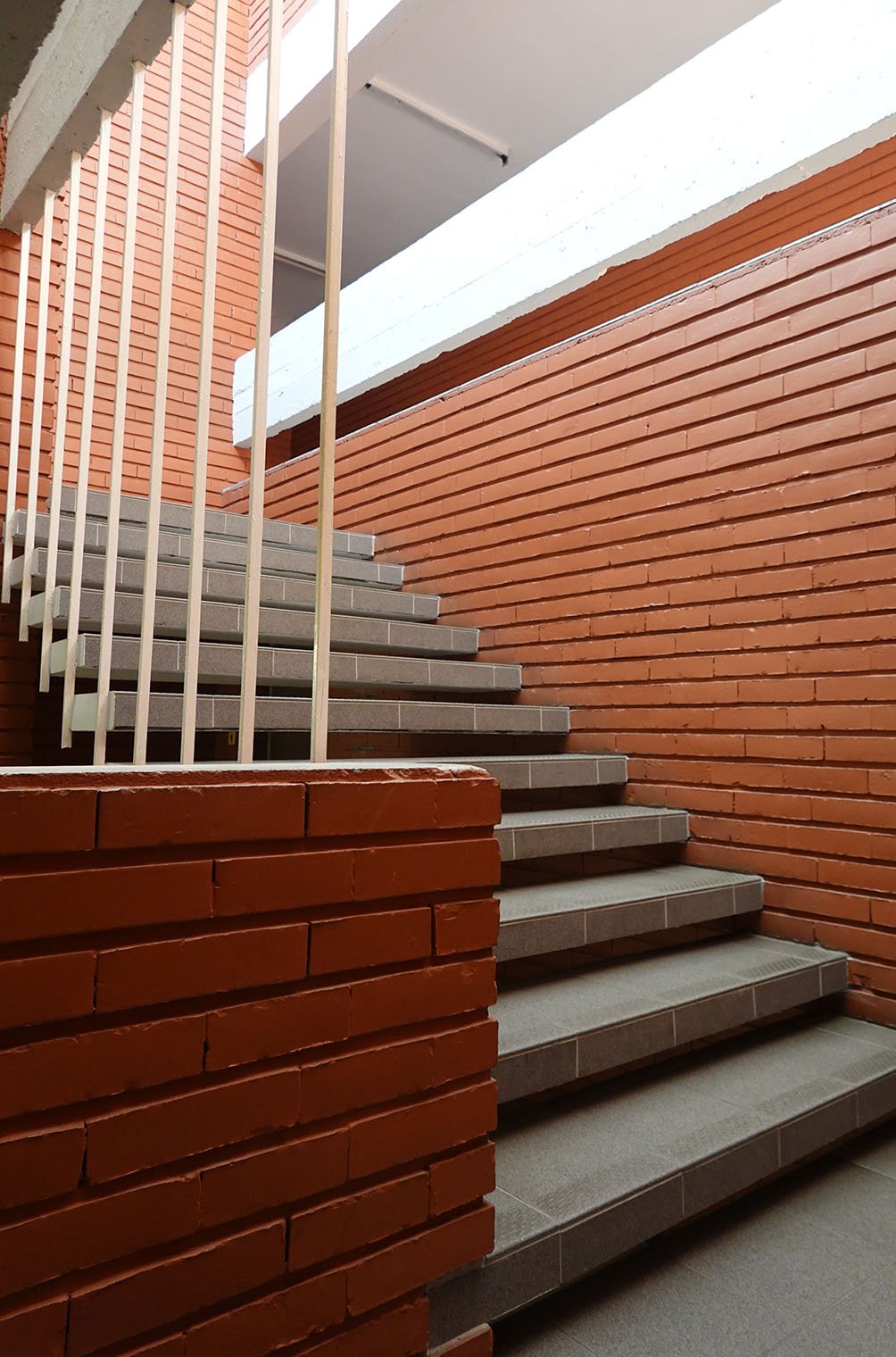
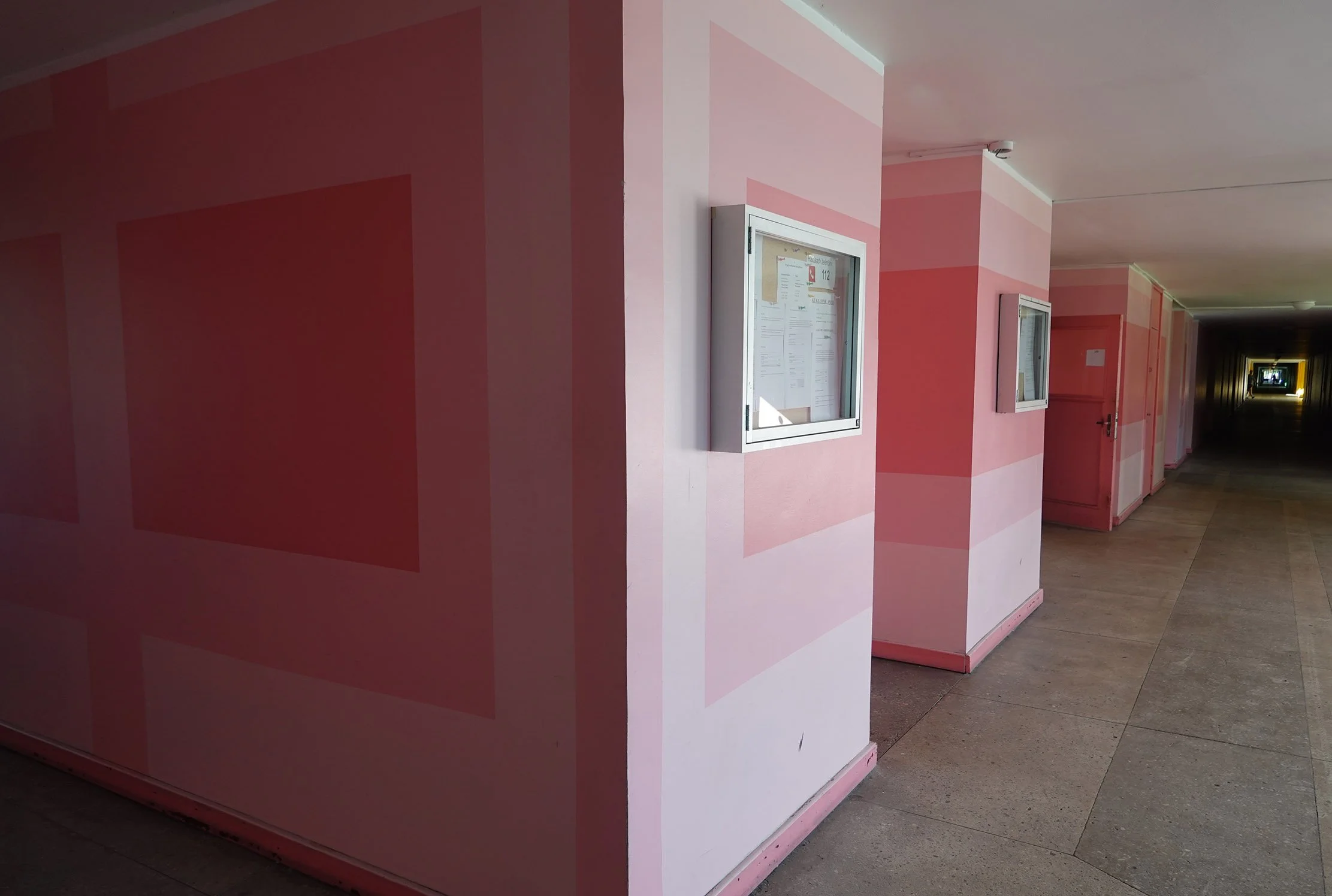
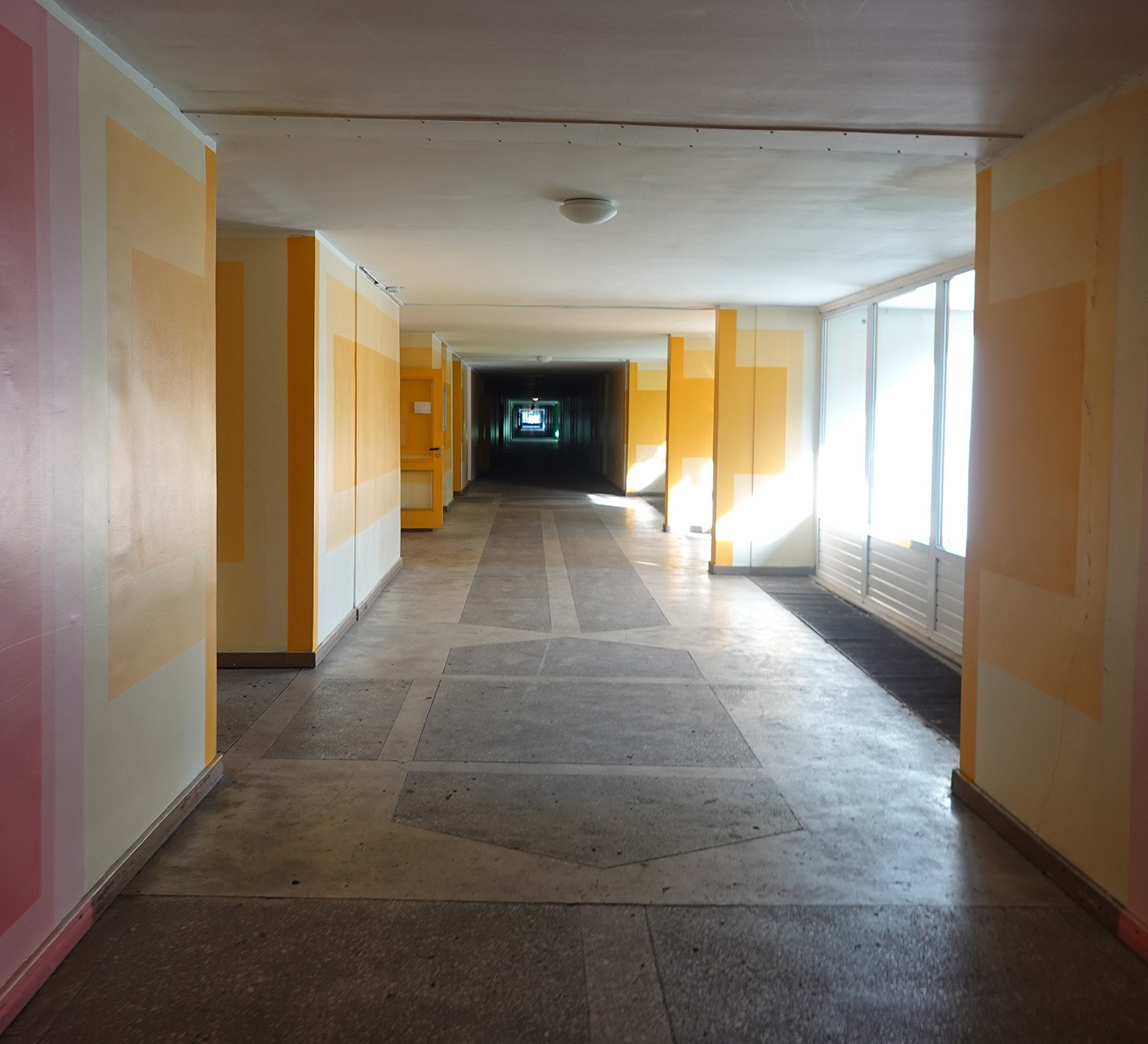
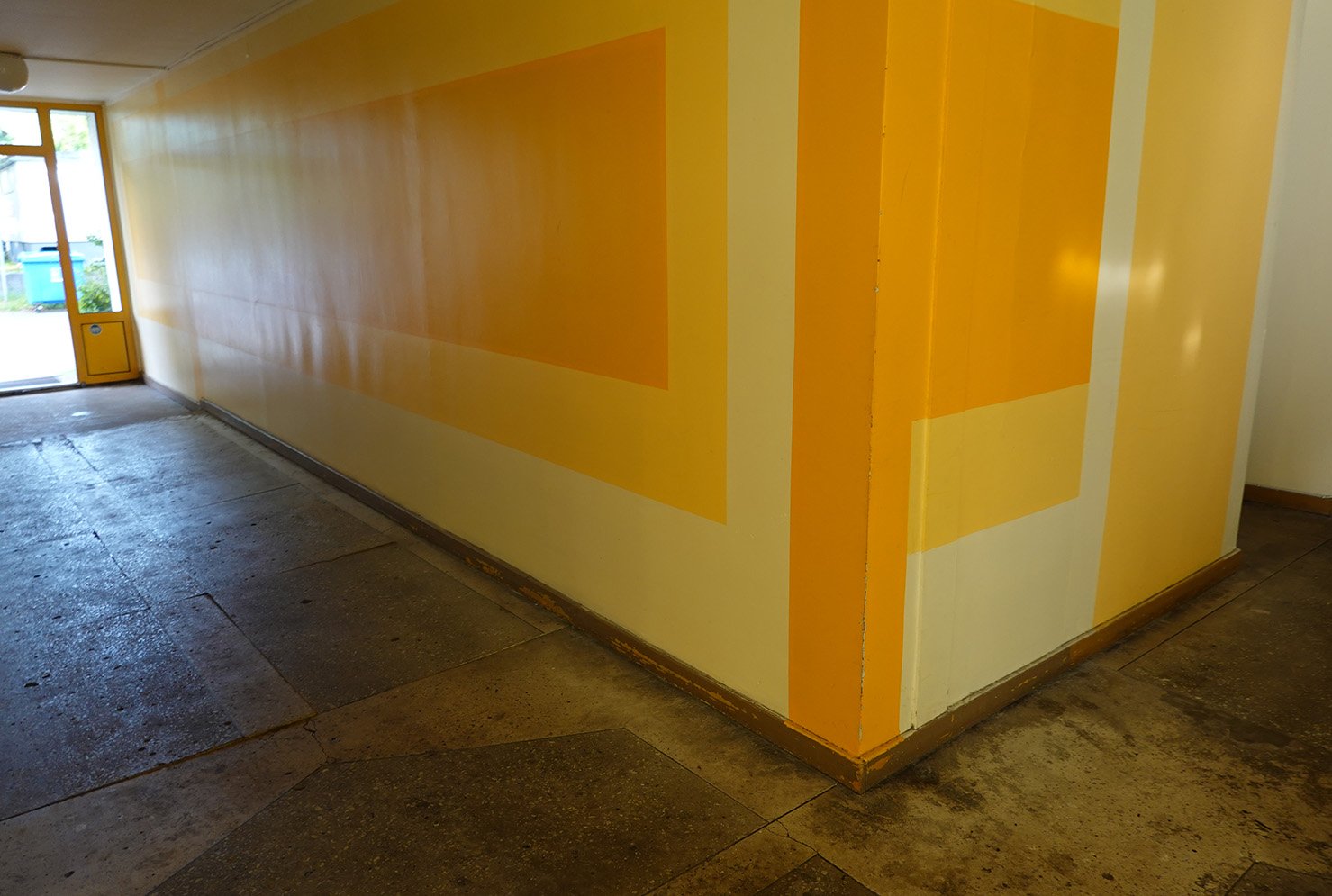
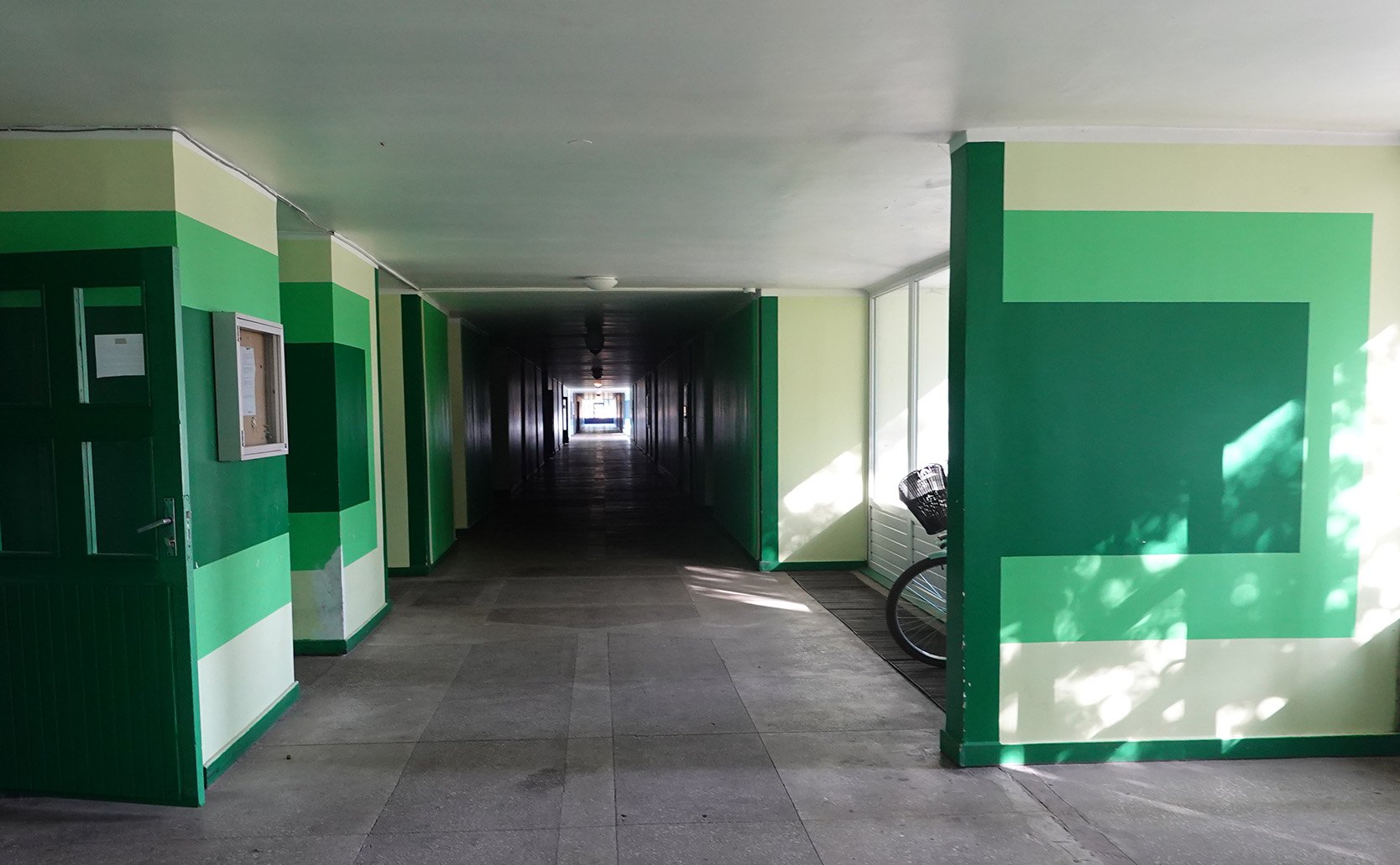
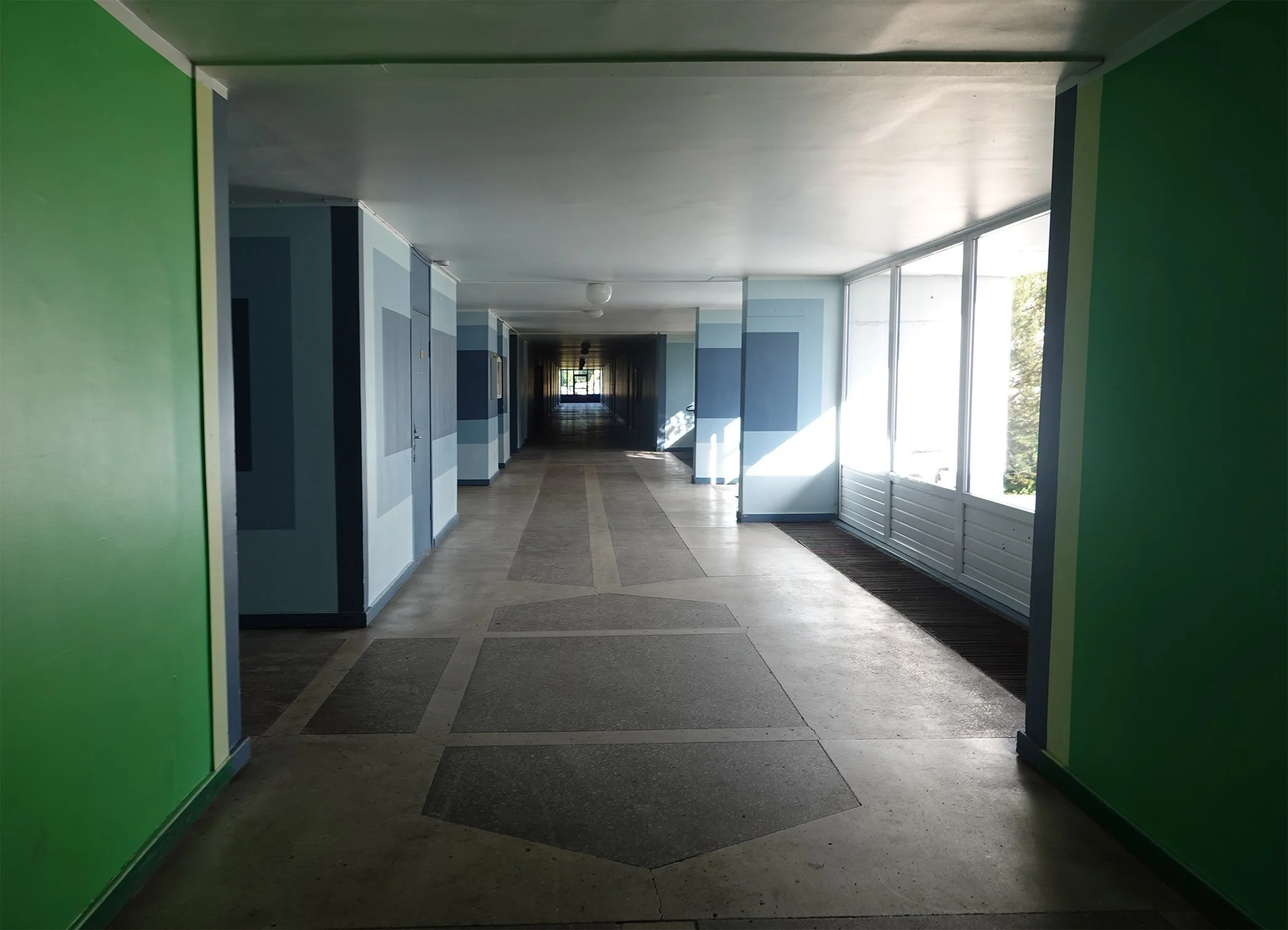
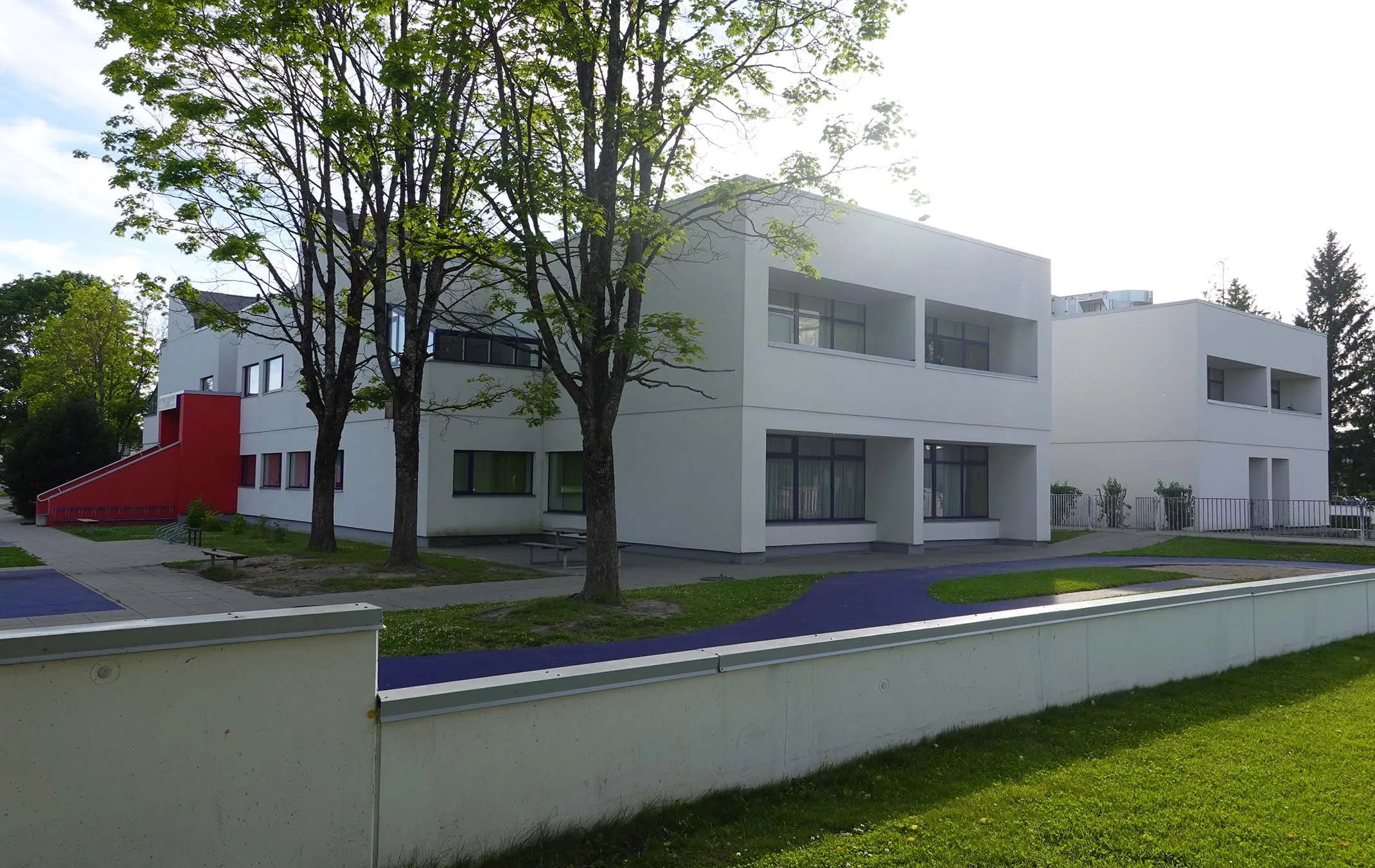
Then we visited Kuldne Kodu (Golden Home). It’s so massive and uniform that they color coded interior sections and floors so inhabitants and visitors didn’t get lost! We also saw the exterior of the kindergarten.

It was a really cool experience to research Pärnu KEK and paint on its ceremonial stationery, and then to get an in-depth tour of its constructions, history, and present from locals.

New Artwork: The New Collective

This piece continues my series of paintings atop printed stationery from the Soviet occupation period in Estonia, issued under the ENSV (the Eesti Nõukogude Sotsialistlik Vabariik, or Estonian Soviet Socialist Republic).

The substrate features Soviet-era industrial graphic design for Pärnu KEK (the Pärnu Külaehituskombinaat, or Collective Farm Construction Office). Founded to build infrastructure for rural collective farms, KEK eventually expanded into a broader portfolio of late-Soviet modernist architecture, becoming one of the more distinctive construction enterprises of the era.

I chose to paint another realistic, volumetric stork, this time sitting in a flat graphic semicircle “nest” that mirrors the geometry of the underlying design. KEK's original mandate was building the physical infrastructure of agricultural Estonia. Storks nest reliably on farm rooftops and chimneys across Estonia, colonizing the infrastructure the decommissioned collective left behind.

This is The New Collective, acrylic on occupied Estonian printed cardstock c. 1980, 11.38x8.2”, 2026.

Shelby Prindaville's painting of a white stork nesting on Pärnu KEK ENSV stationery c. 1980.

Pärnu

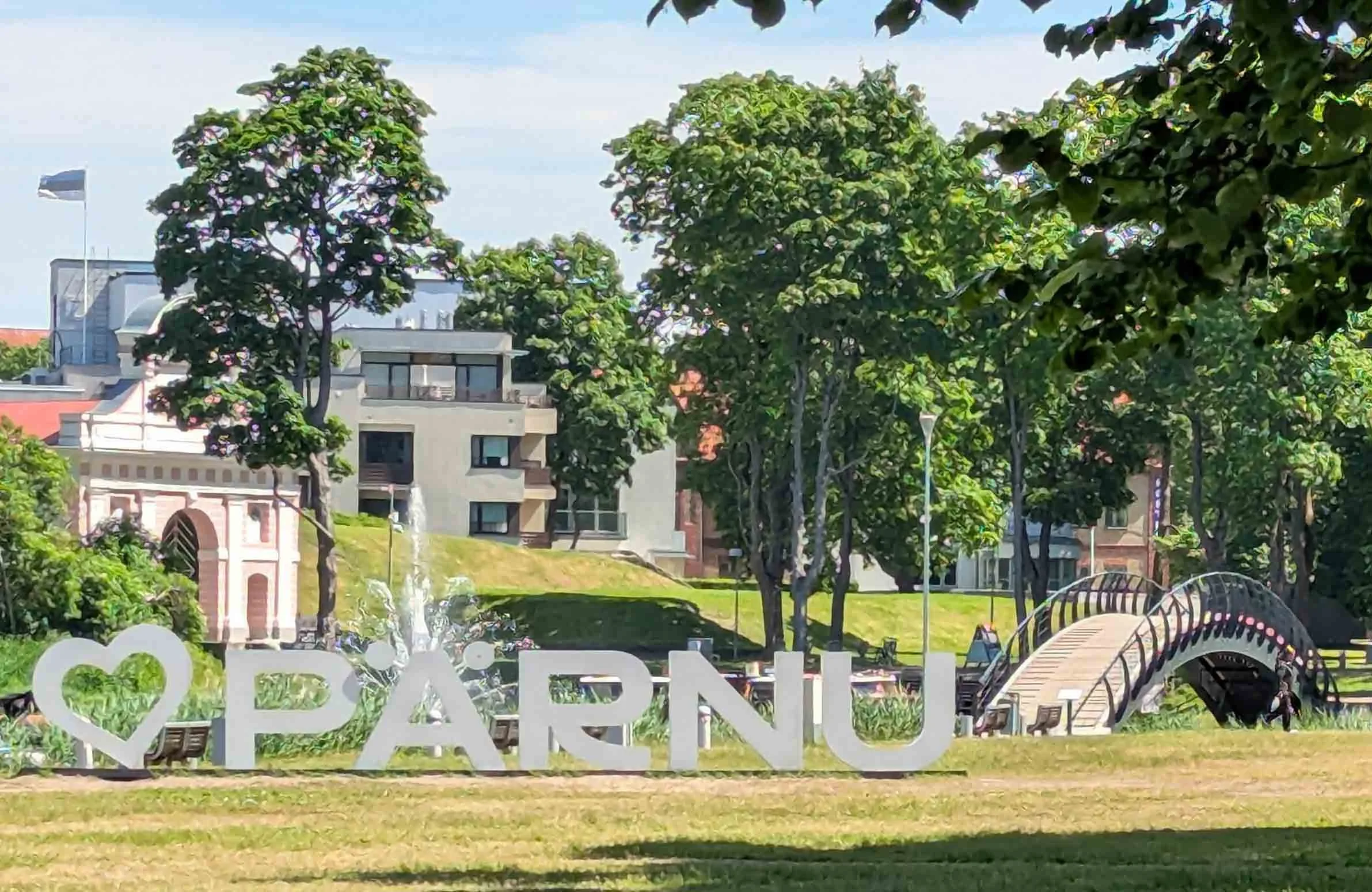
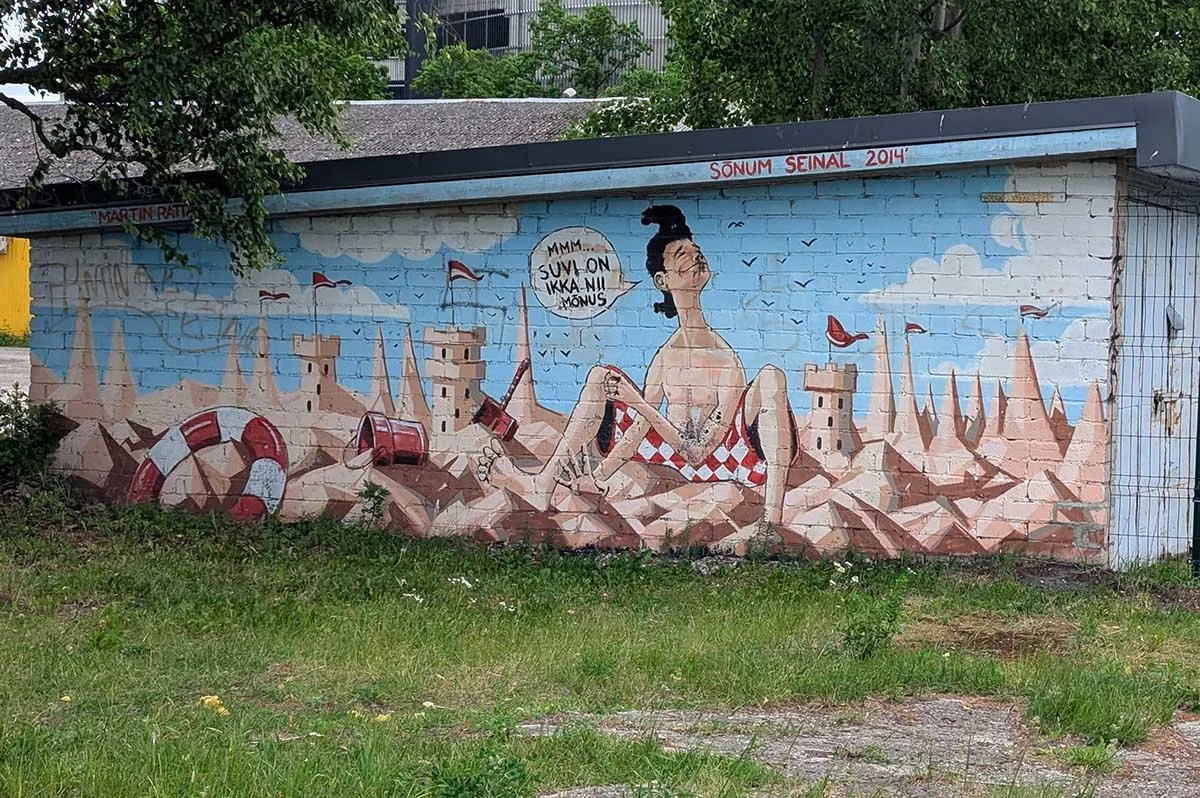
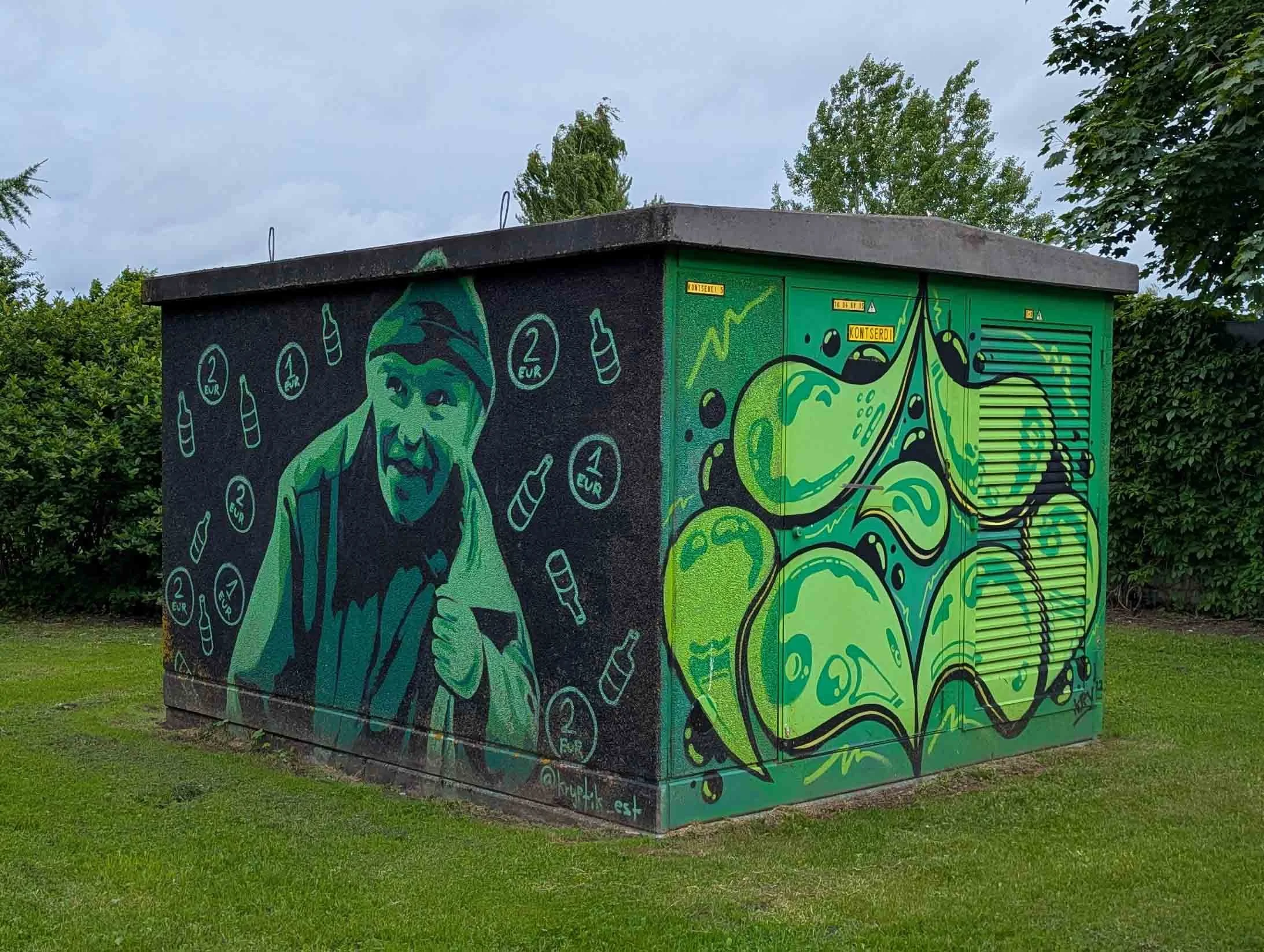
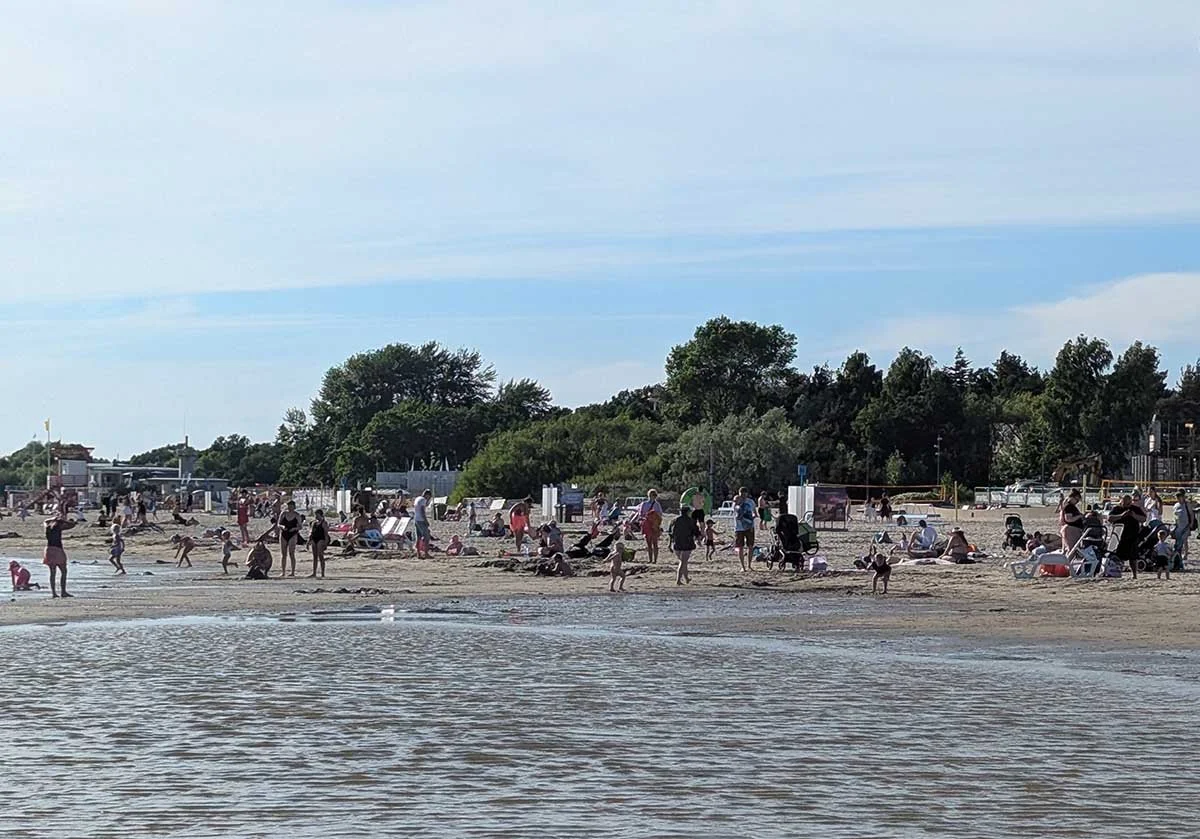
After my excursions on my nature and birding tour with Marko Poolamets and my trip to the Applied Arts Fair in Riga, I stayed in Pärnu for the next couple of weeks. While that meant a lot of studio time, it also meant a lot of long walks exploring everything Pärnu has to offer - which is a lot!

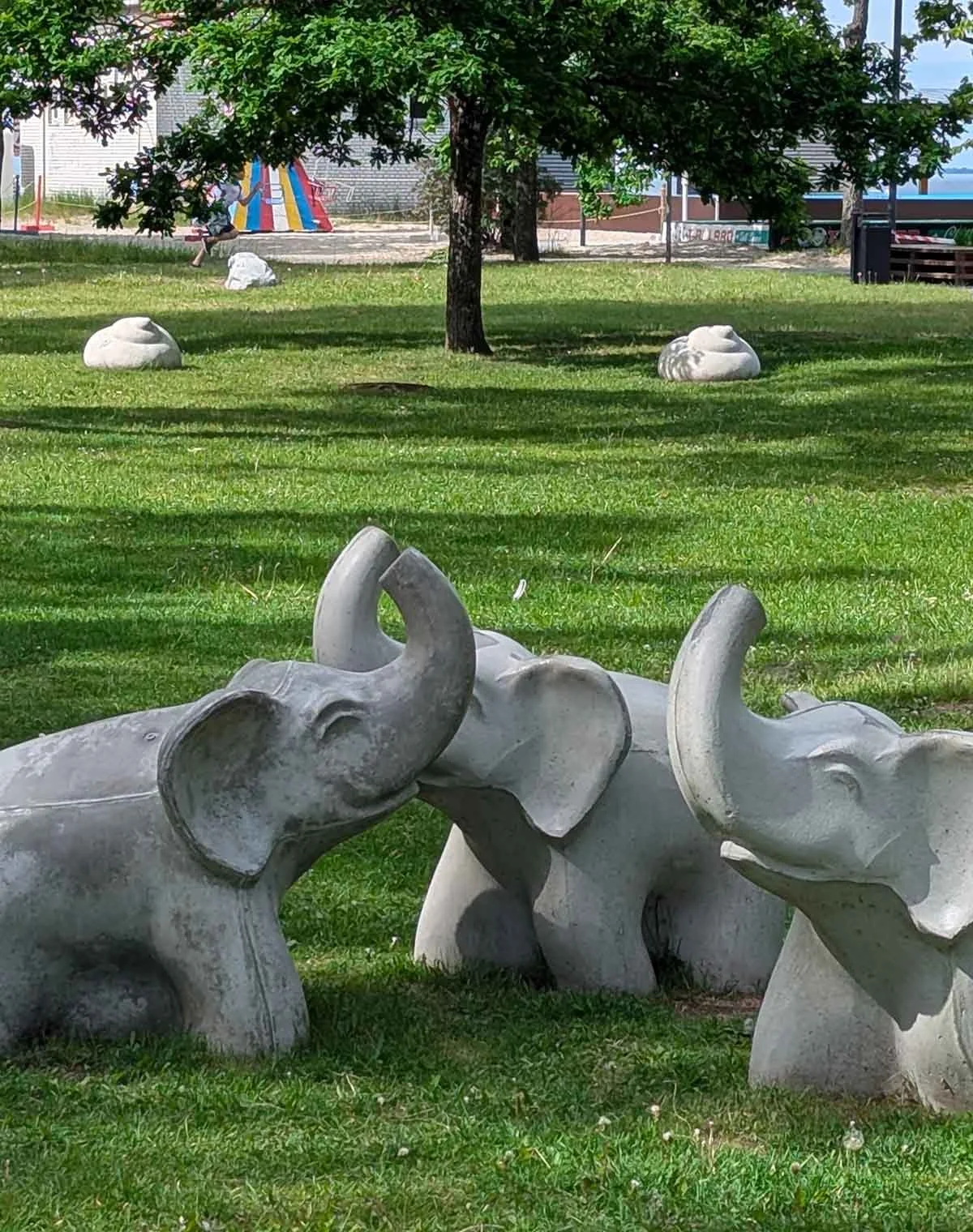
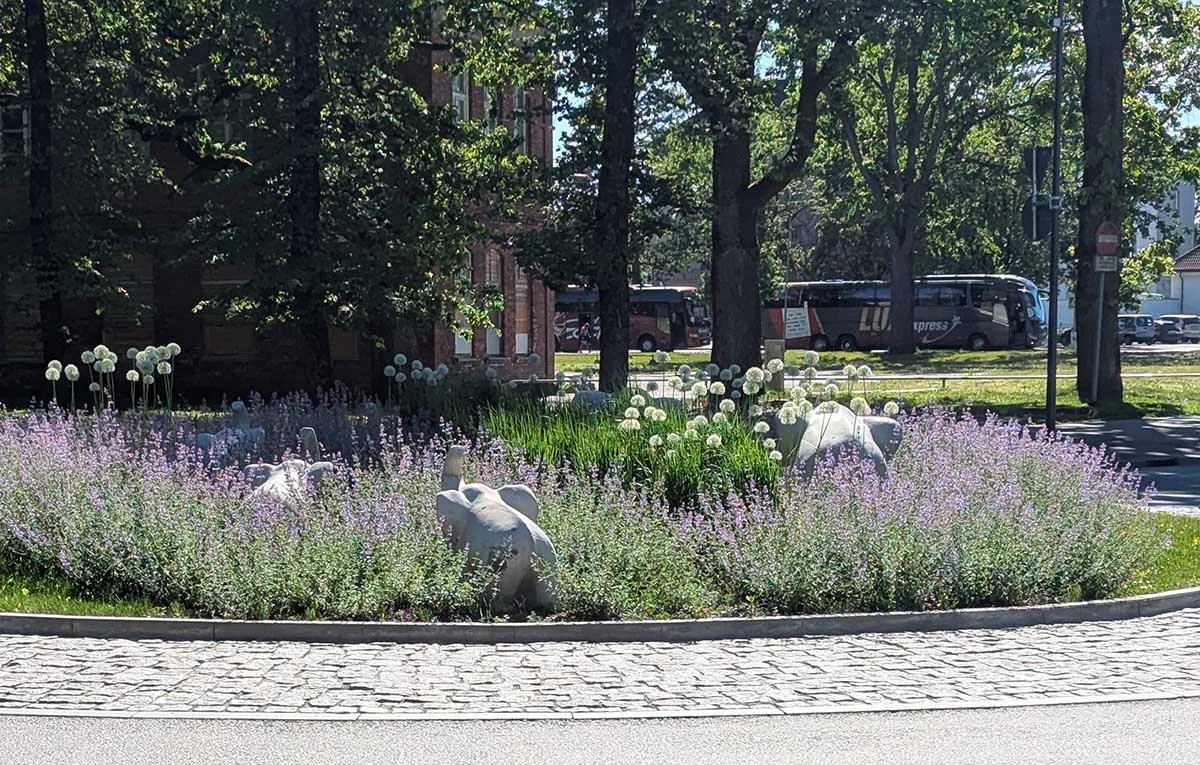
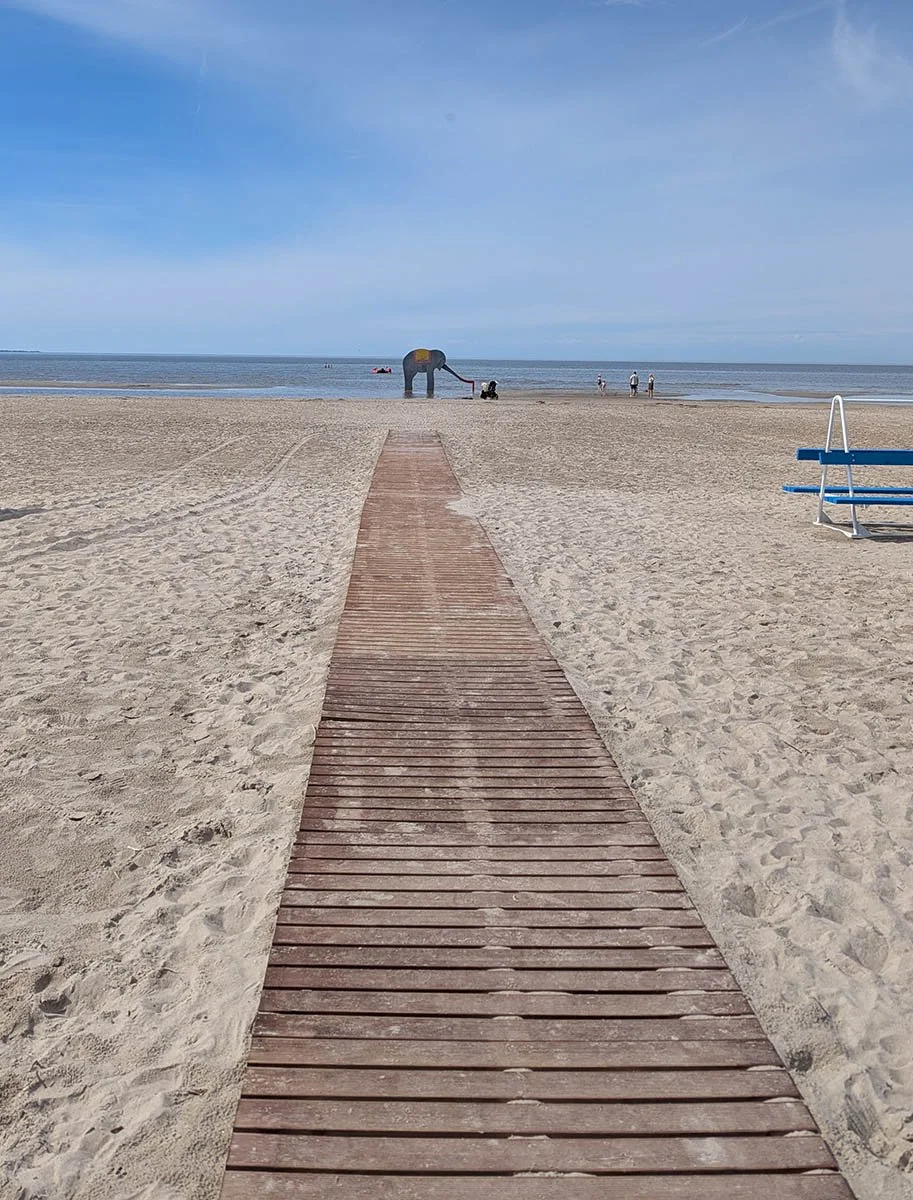
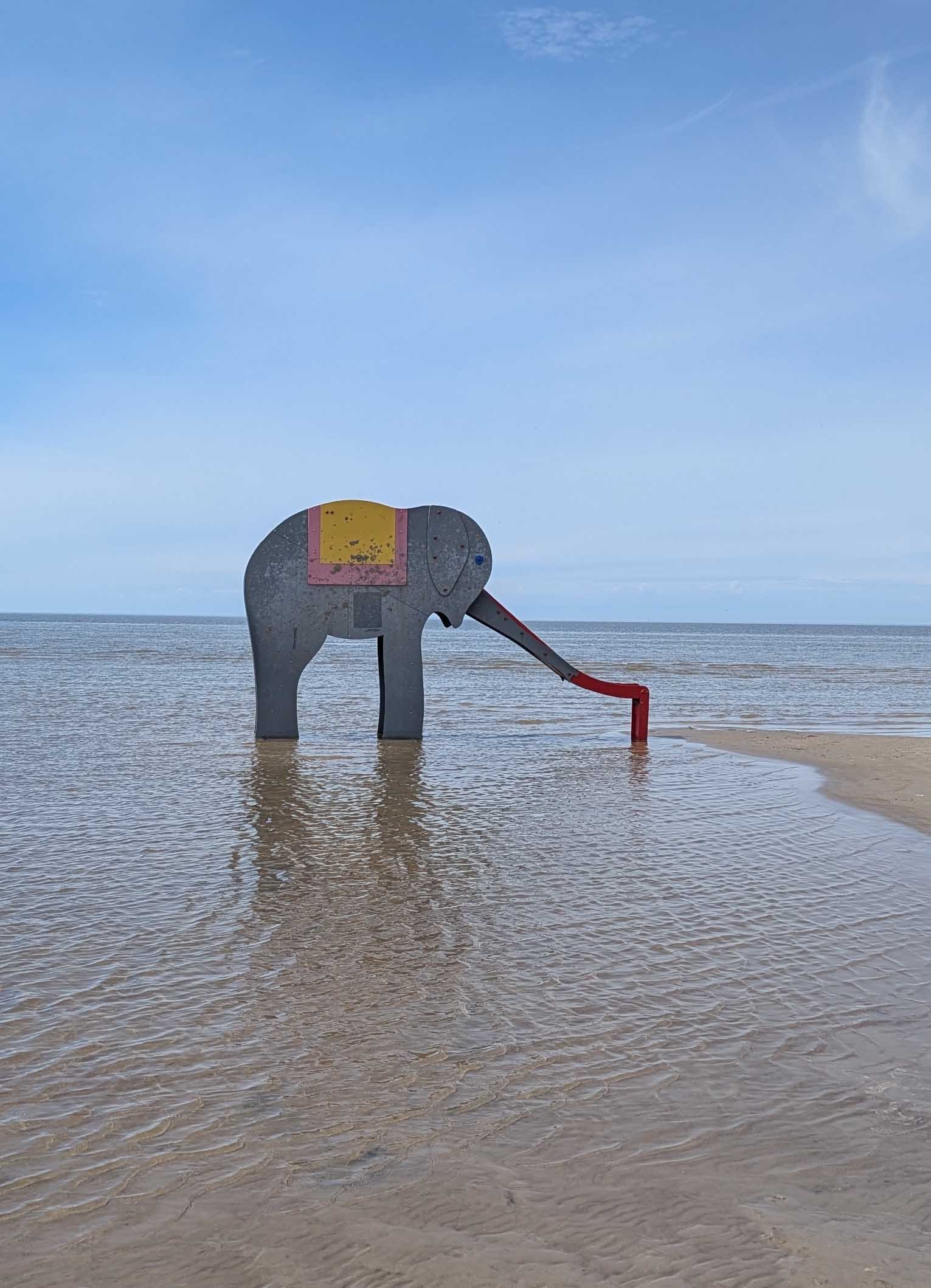
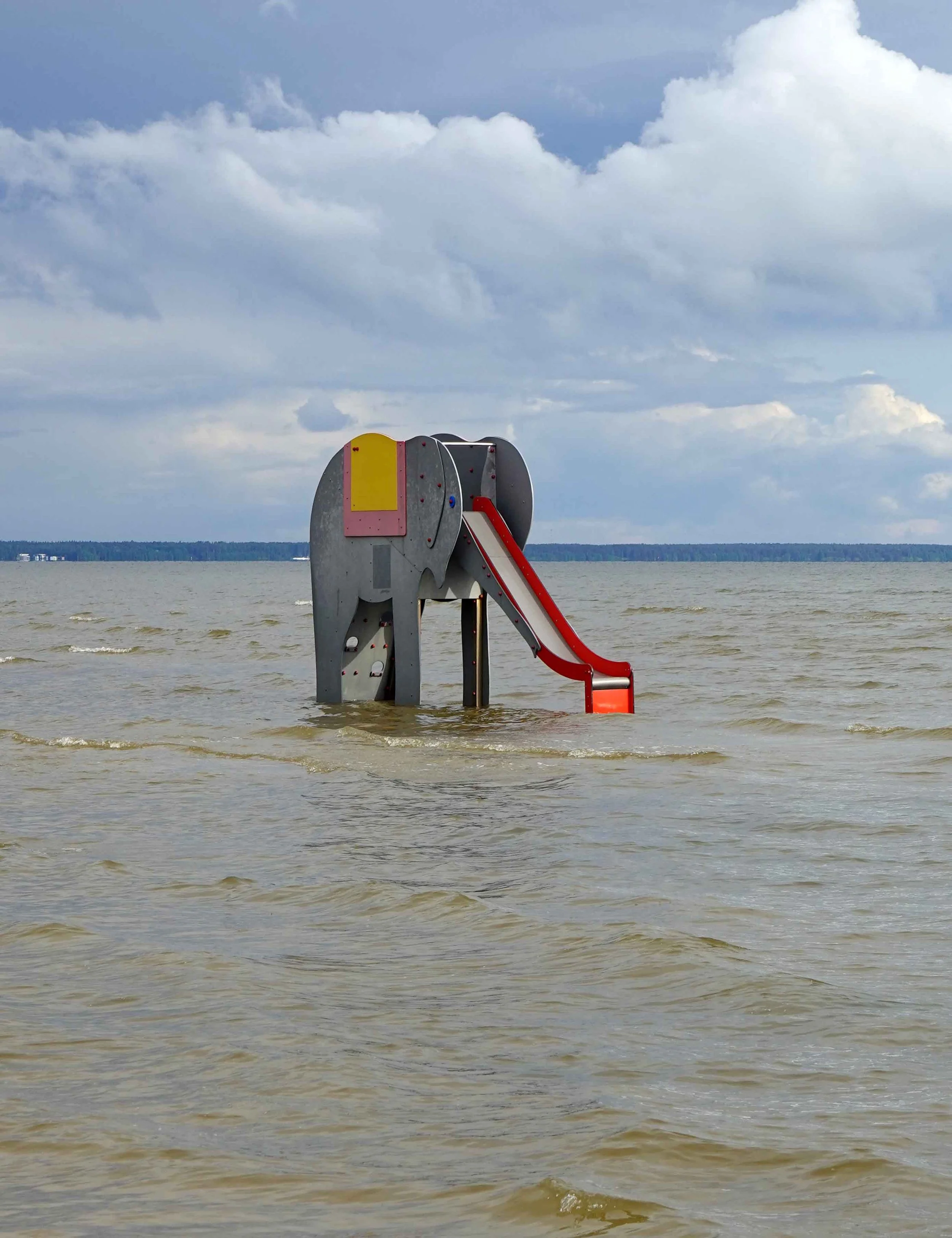
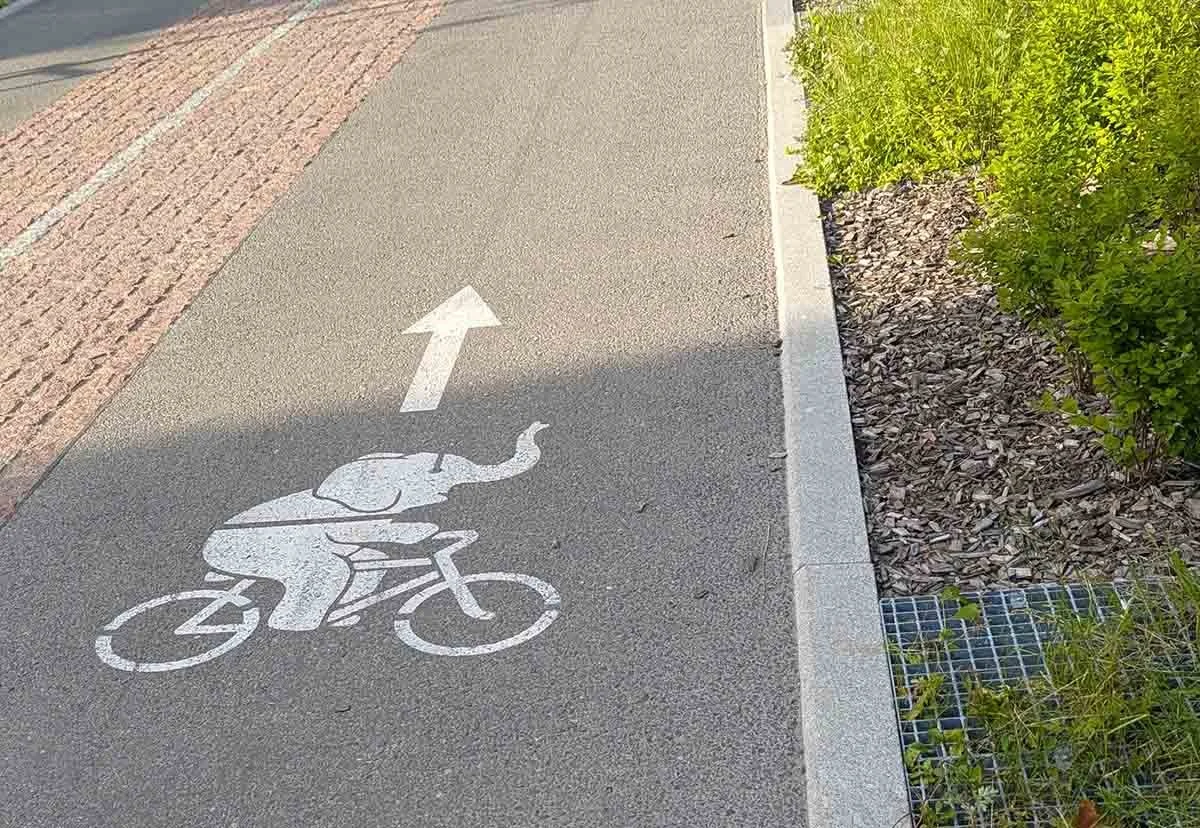
On the touristic side, Pärnu’s city symbol is the elephant, and there are concrete elephants strewn throughout the parks and roundabouts, and a large elephant slide is in the sea. There is a quaint Old Town, filled with souvenir stores, fashion shops, and restaurants. My favorite restaurant is a little vegan cafe called Liana Kohvik, but there are a lot of other nice options! There are also multiple malls, where you can get groceries, high end clothing, restaurant meals, and so forth. There are quite a few retailers outside of Old Town, including fabric stores, outlets, and secondhand and vintage shops.

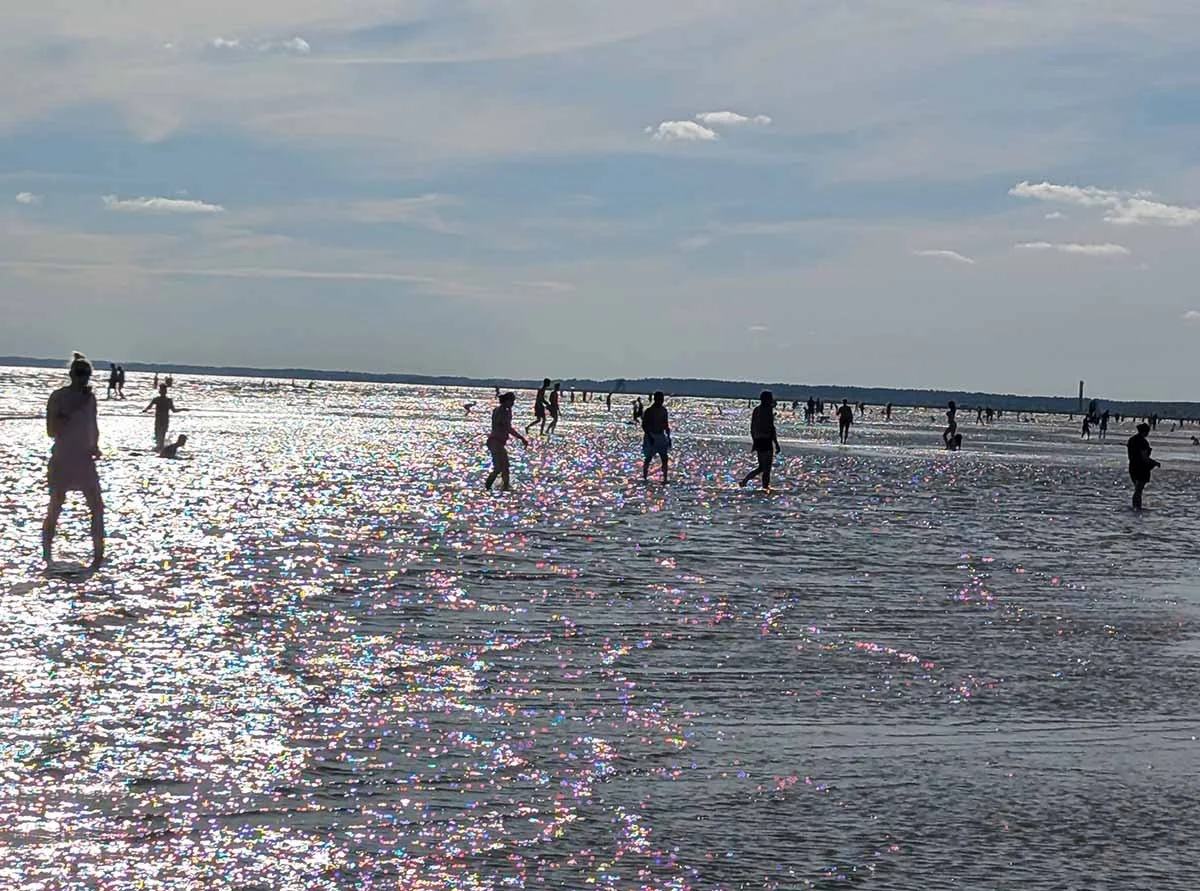
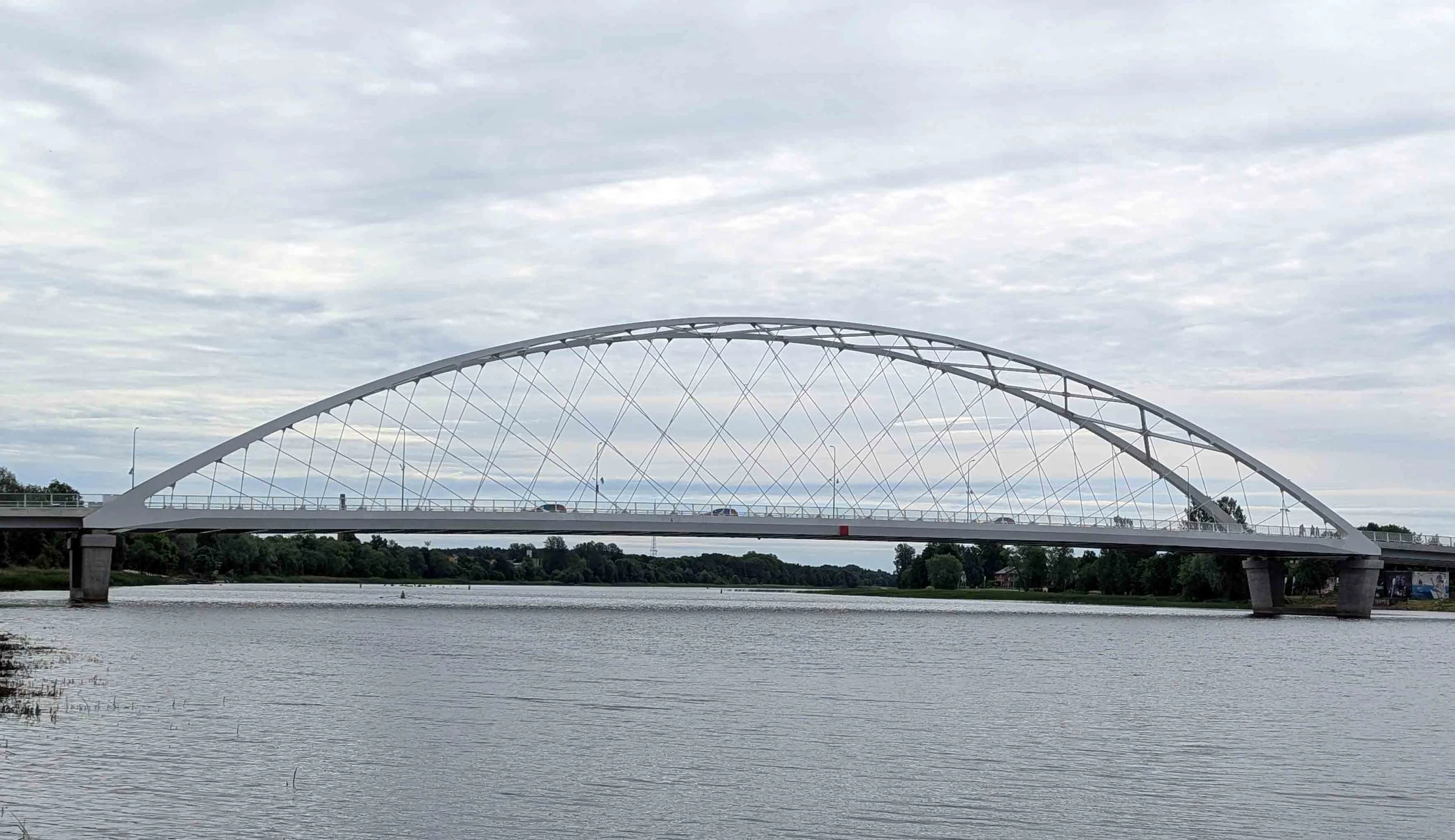
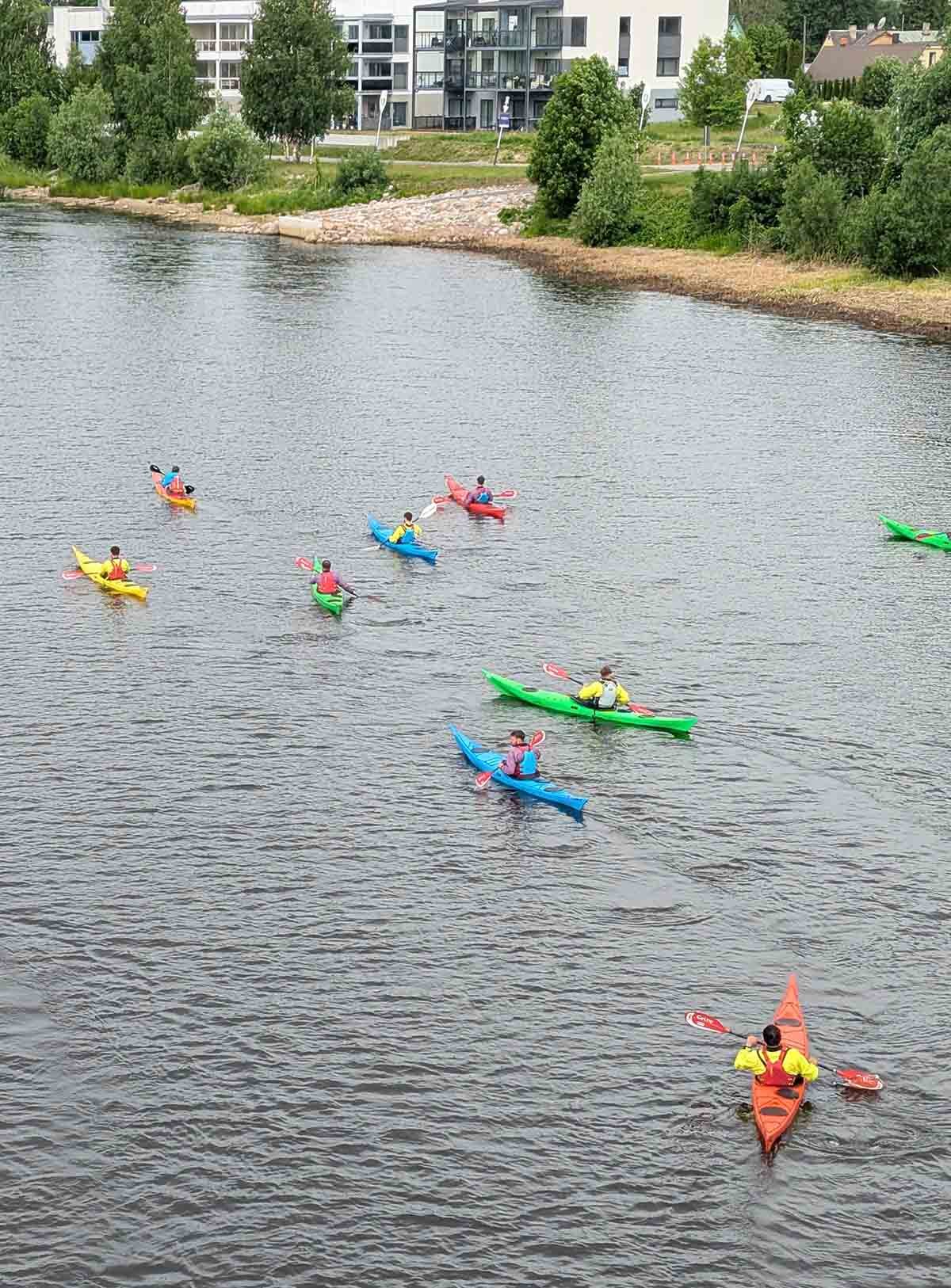
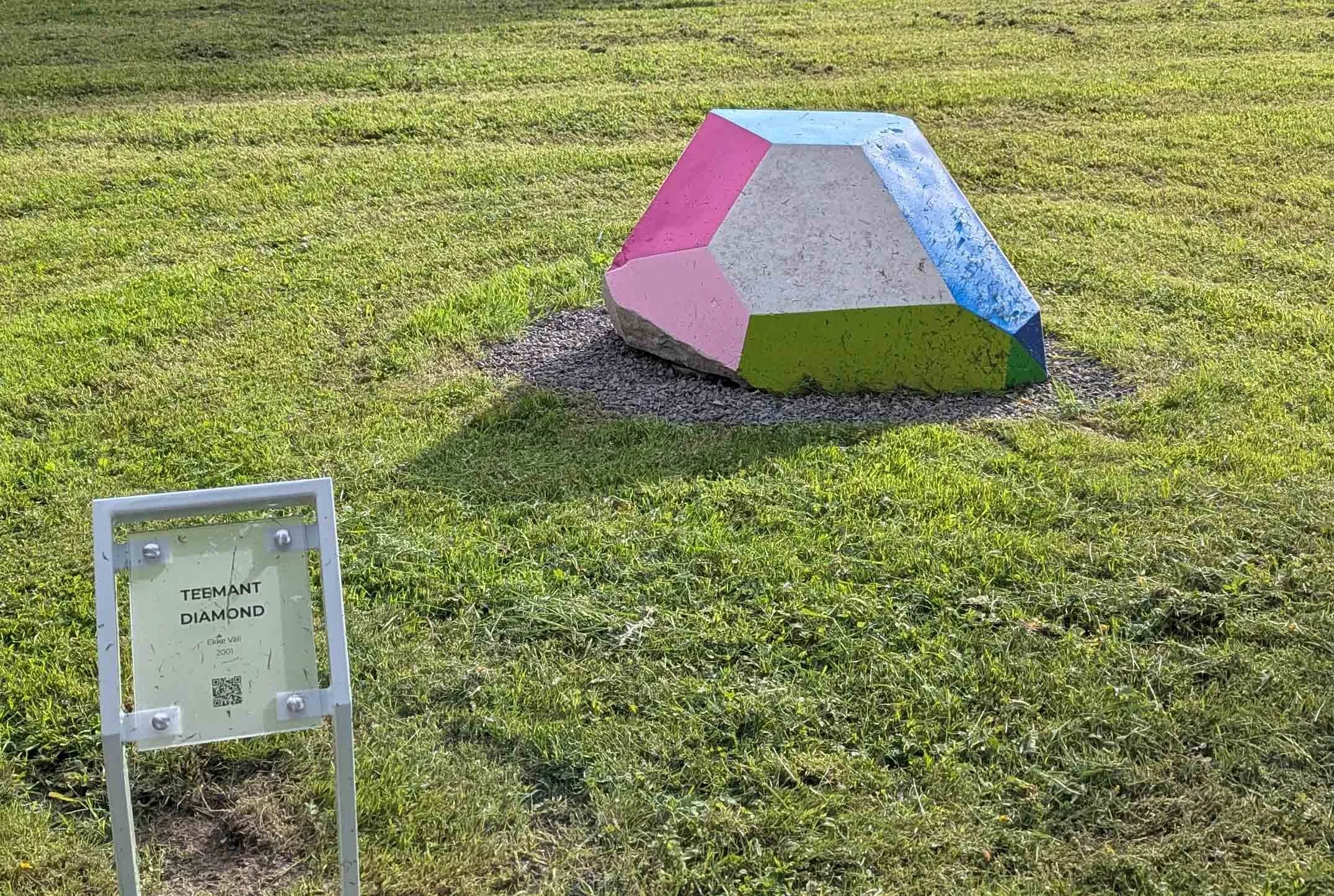
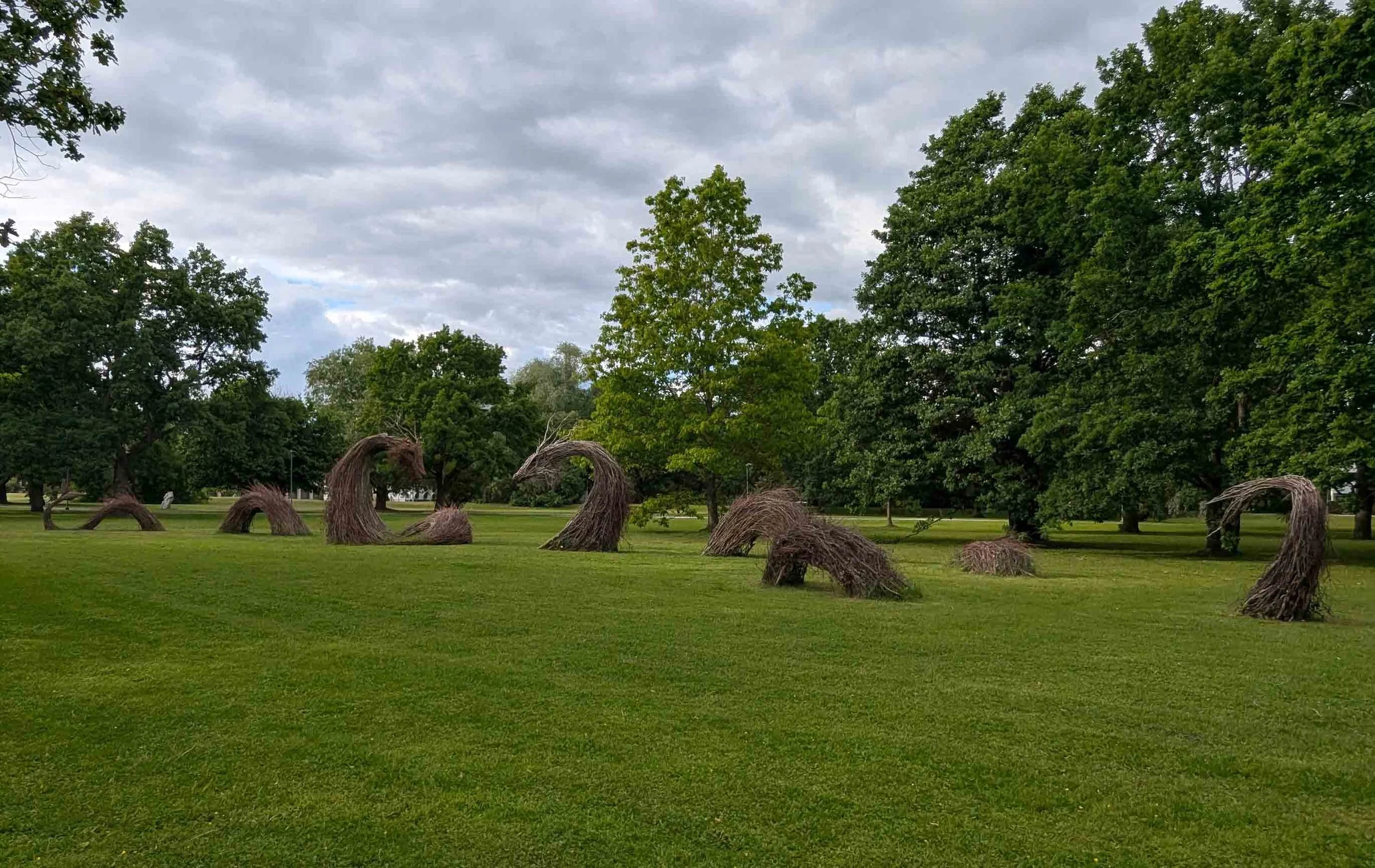
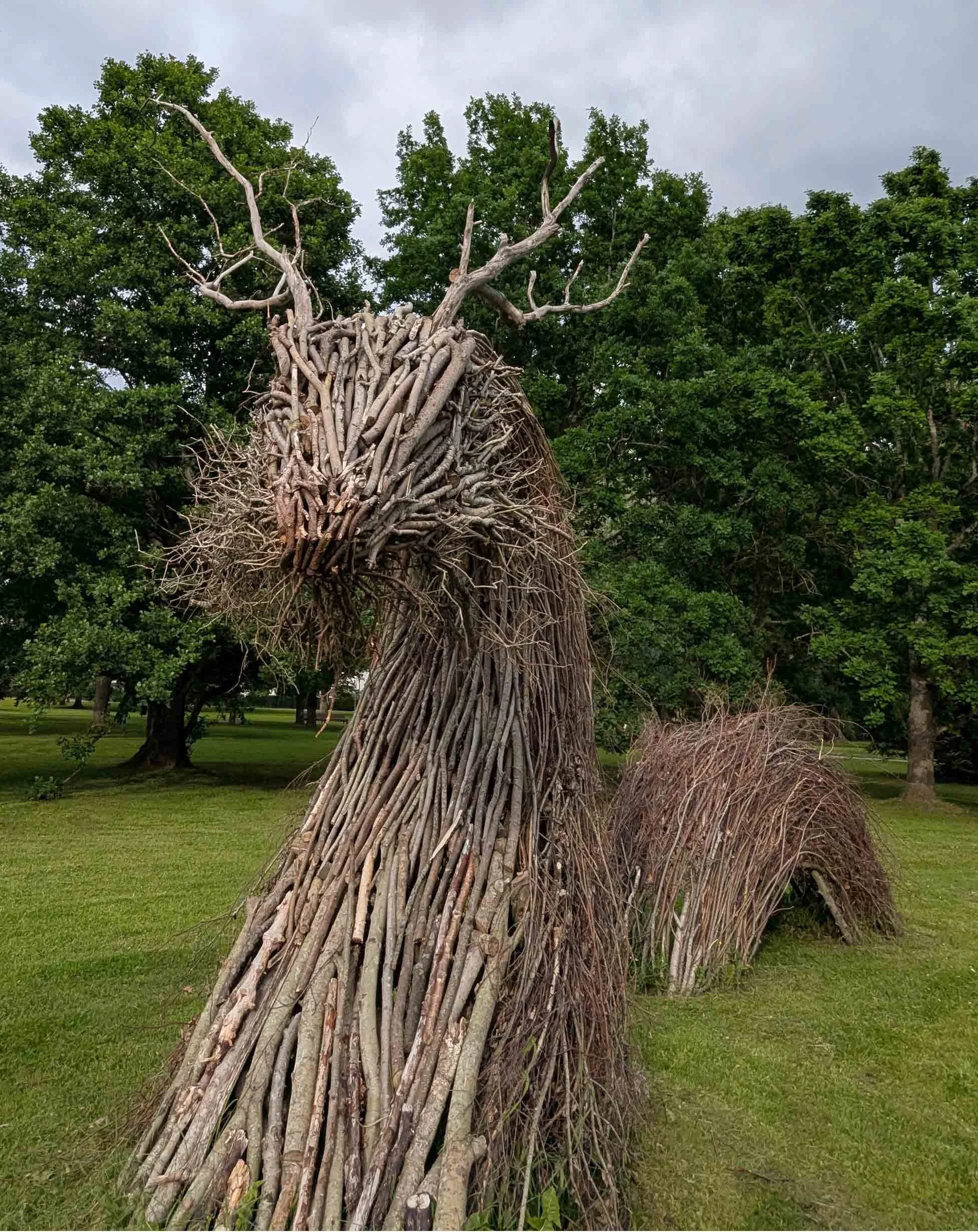
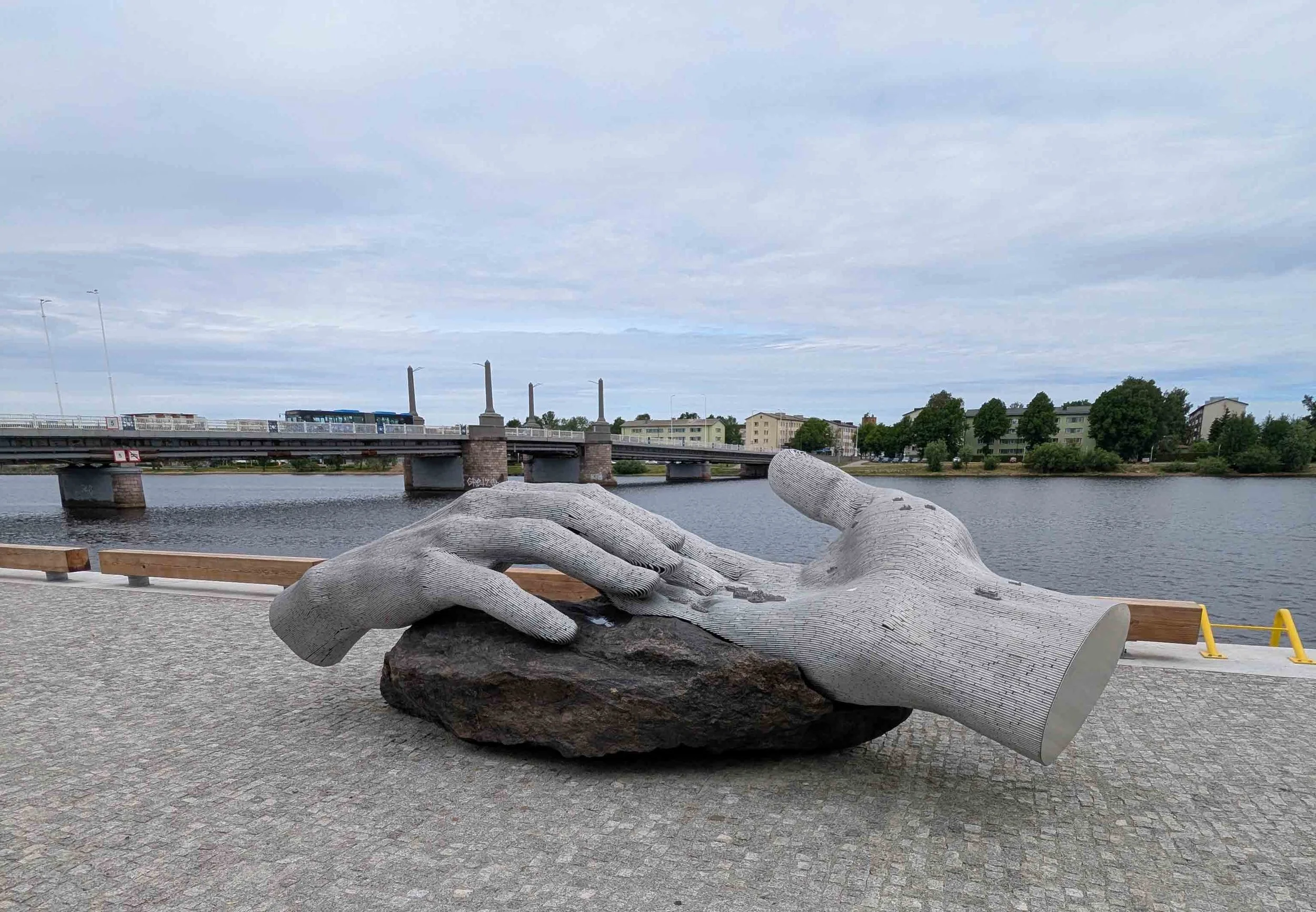
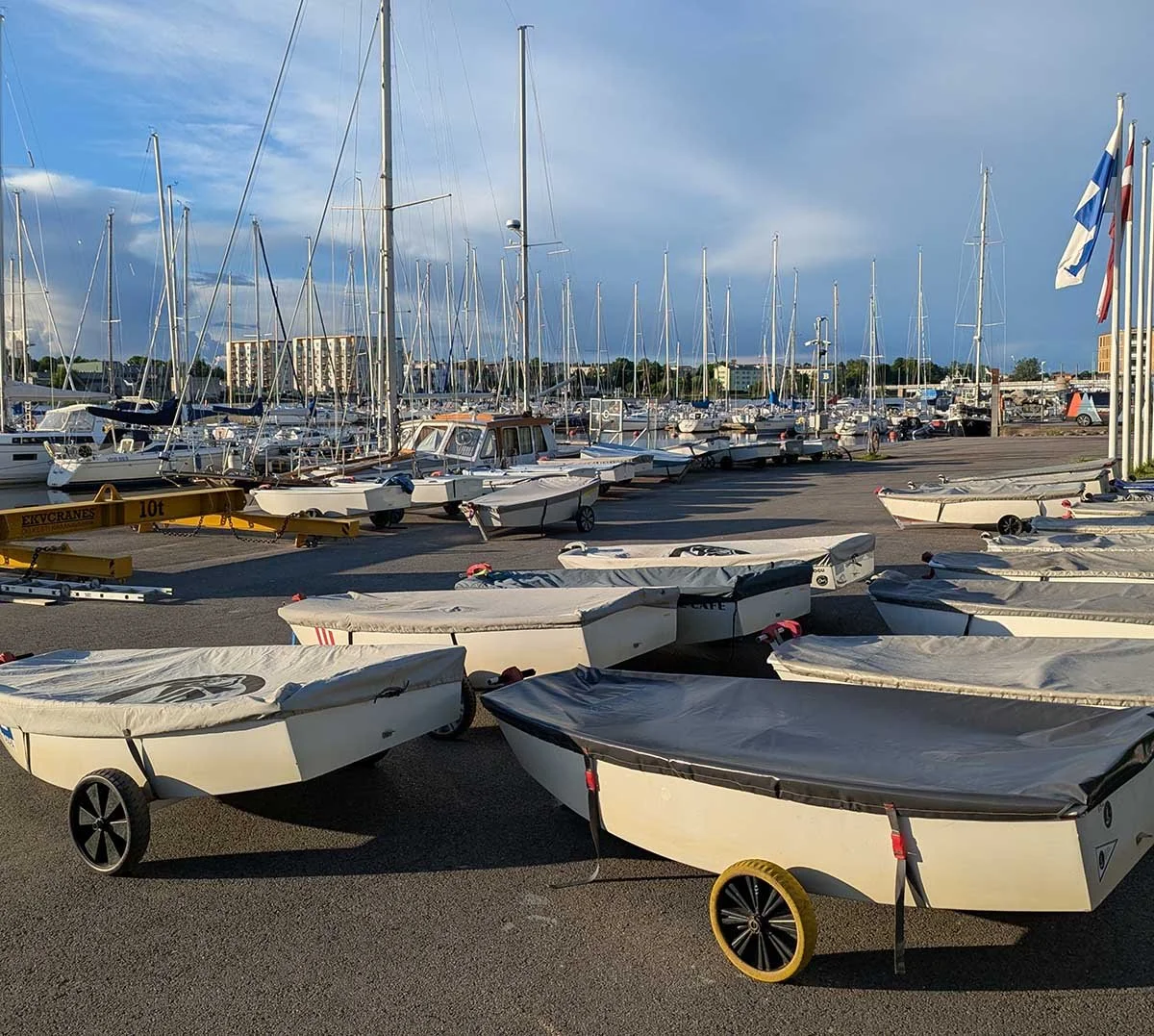
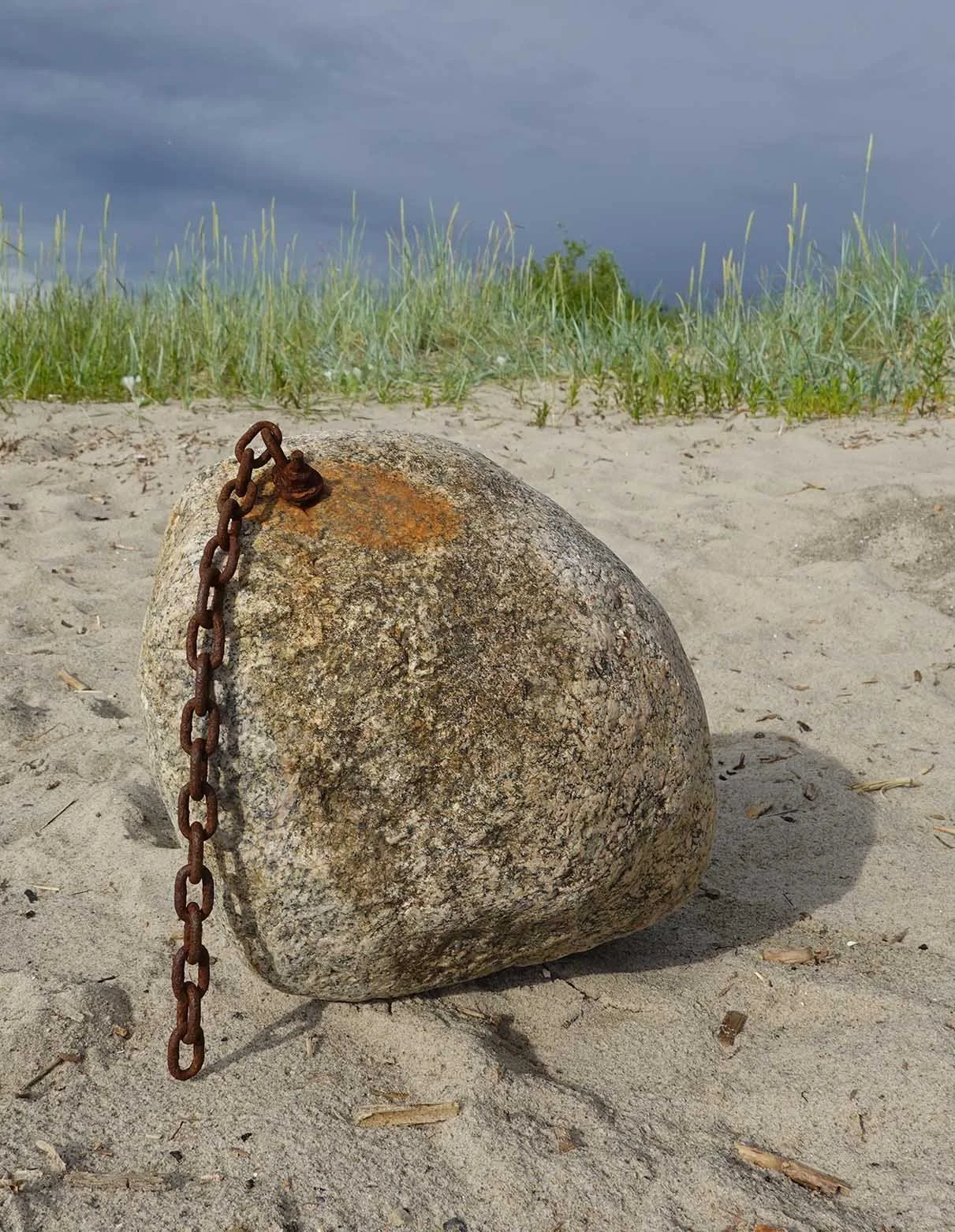
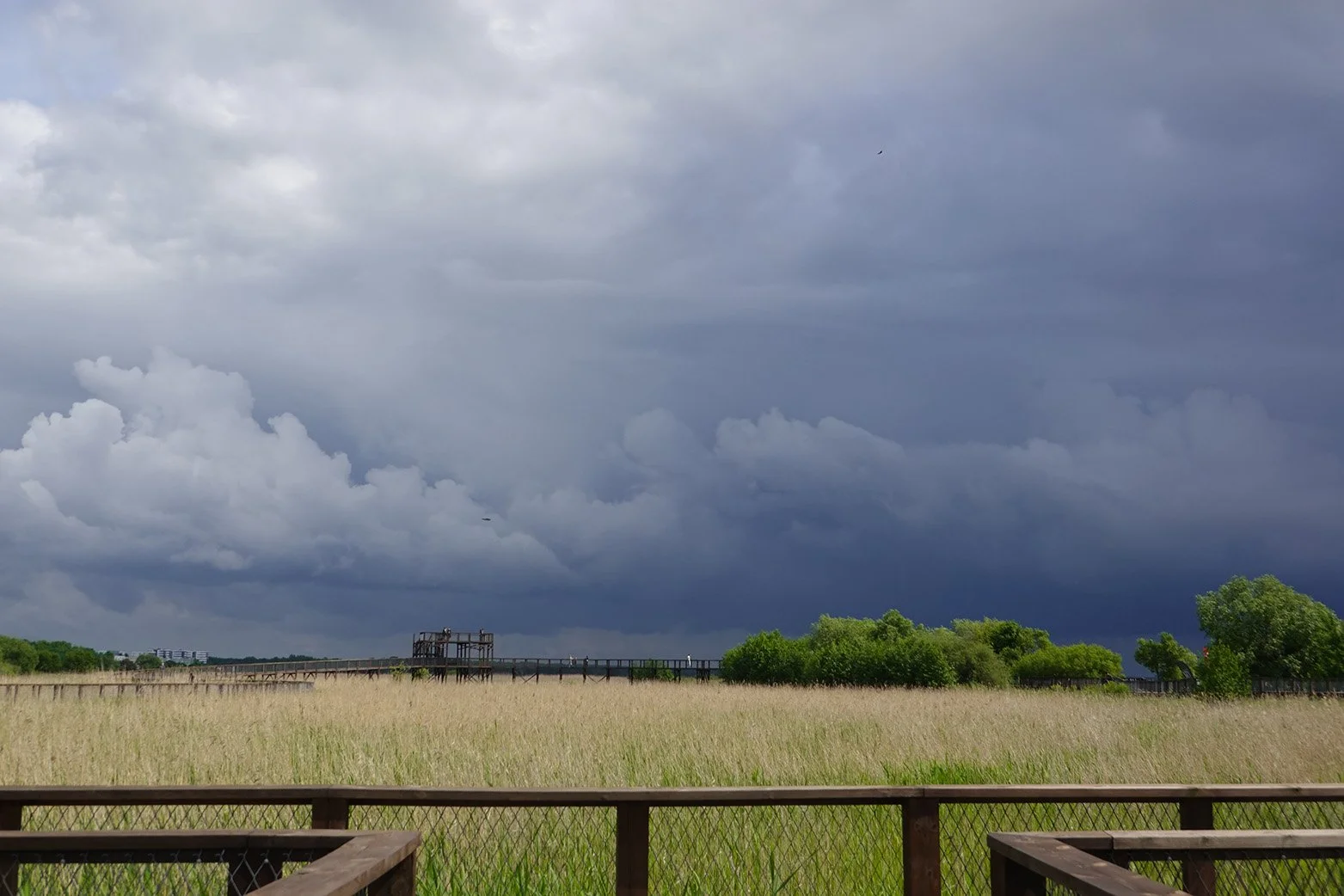
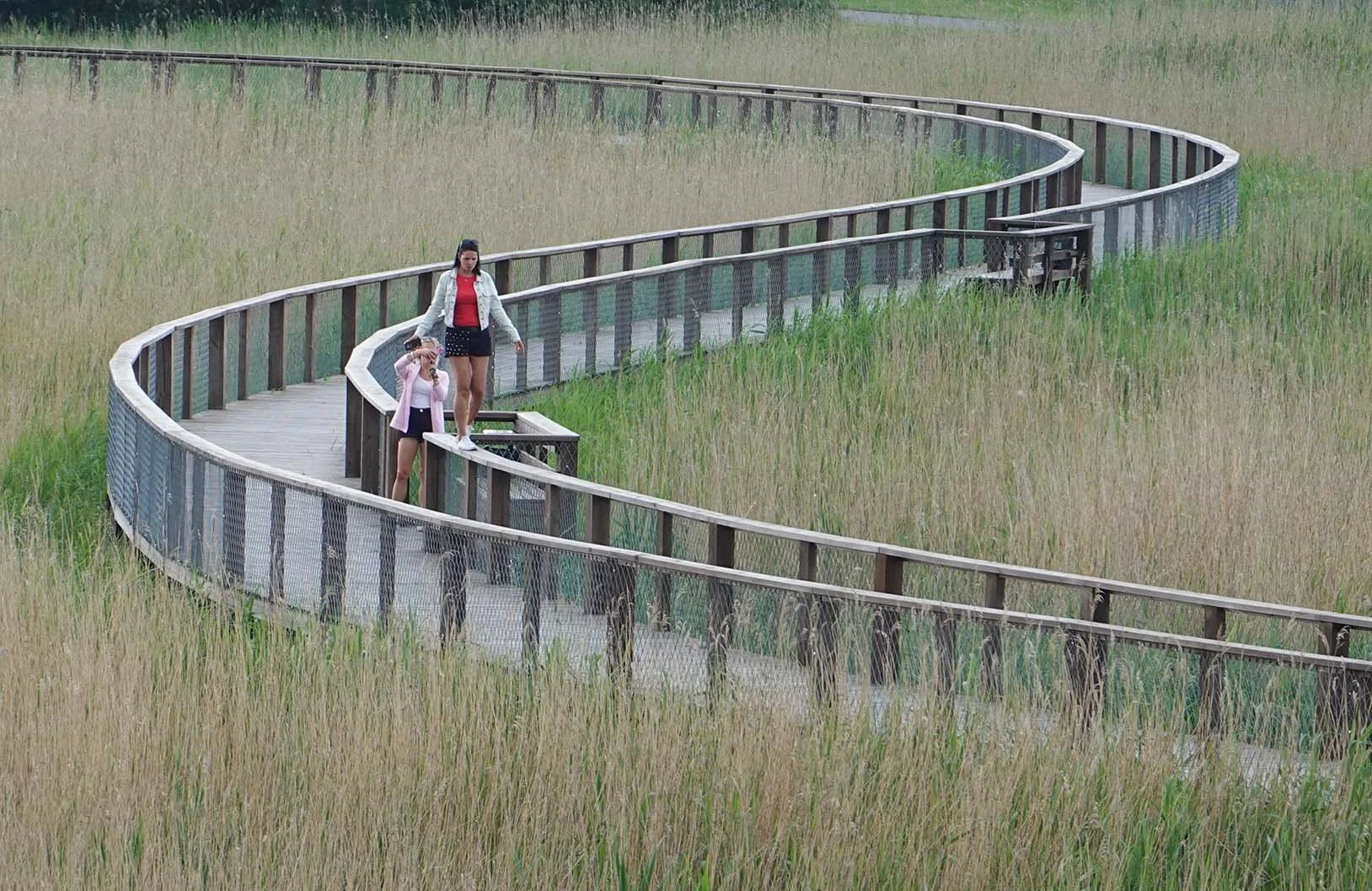
There’s also a lot of beautiful nature! My most scenic walk is is an approximately 5 mile loop through parks and residential neighborhoods down to the protected meadow, out to the beach, along the beach until it ends at the jetty, and then back up and through a park with a sculpture walk. There is always some wildlife to enjoy on that walk, including frogs, birds, and insects. I also really like walking along and across the river.

After almost three weeks and while doing a deep dive online, I discovered an artists’ guild that I hadn’t yet found in Old Town, and I was so confused - but when I went to it, I discovered why: they’ve closed off the whole street for construction for the whole month! With determination, I found an alternate route through back alleys and was pleased I did - it’s got a lot of great artists. There are other arts organizations here as well including the City Gallery and Artists’ House, and the Museum of New Art.

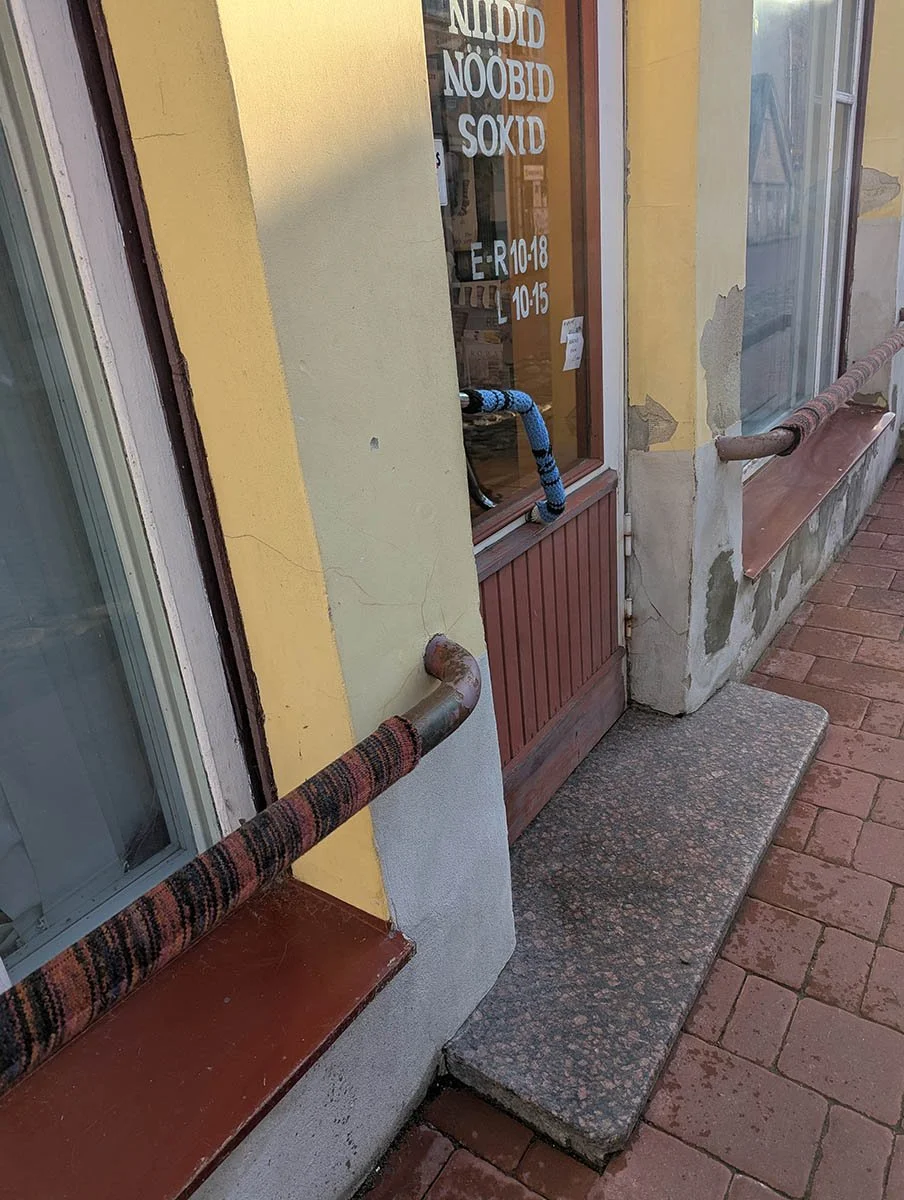
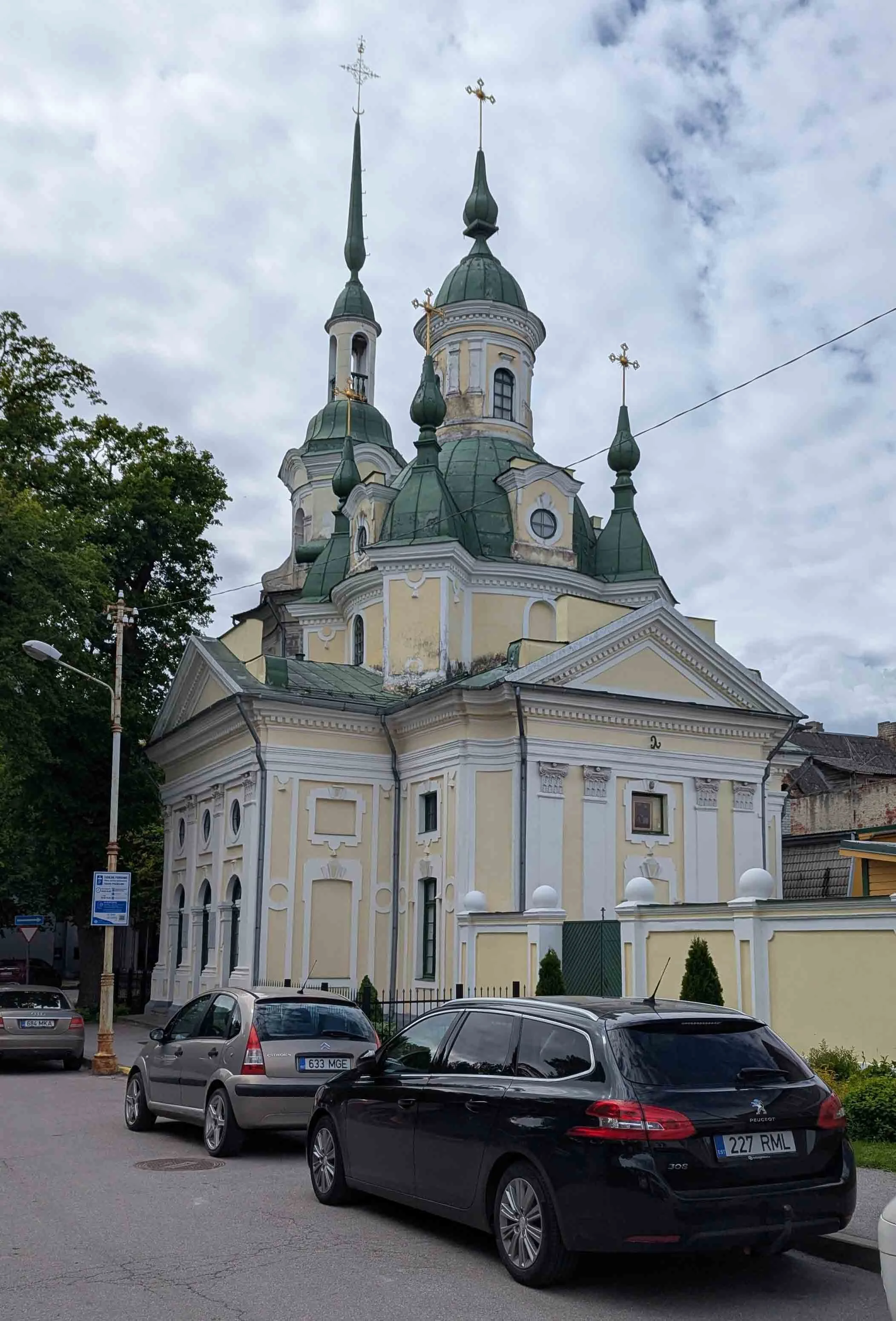
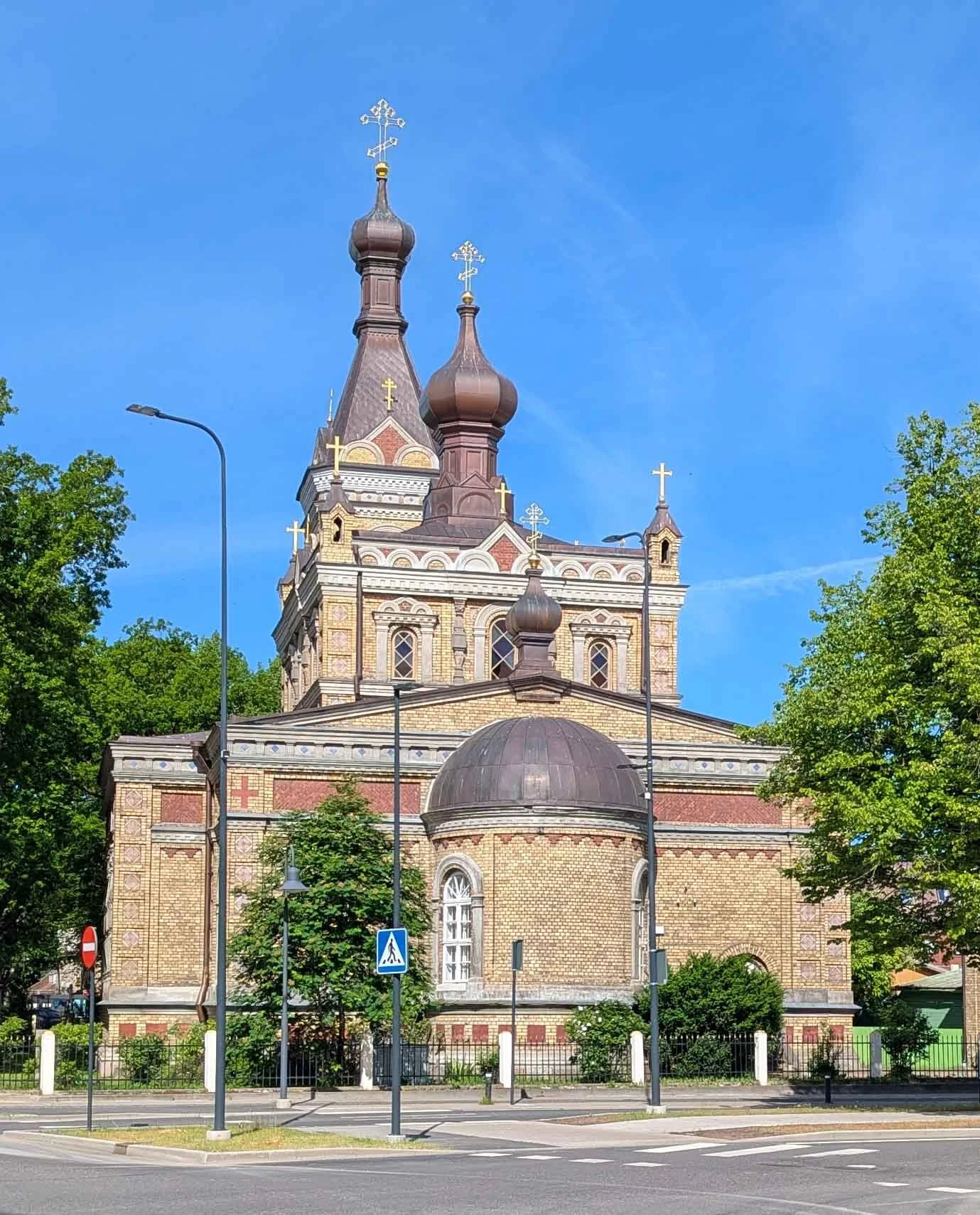
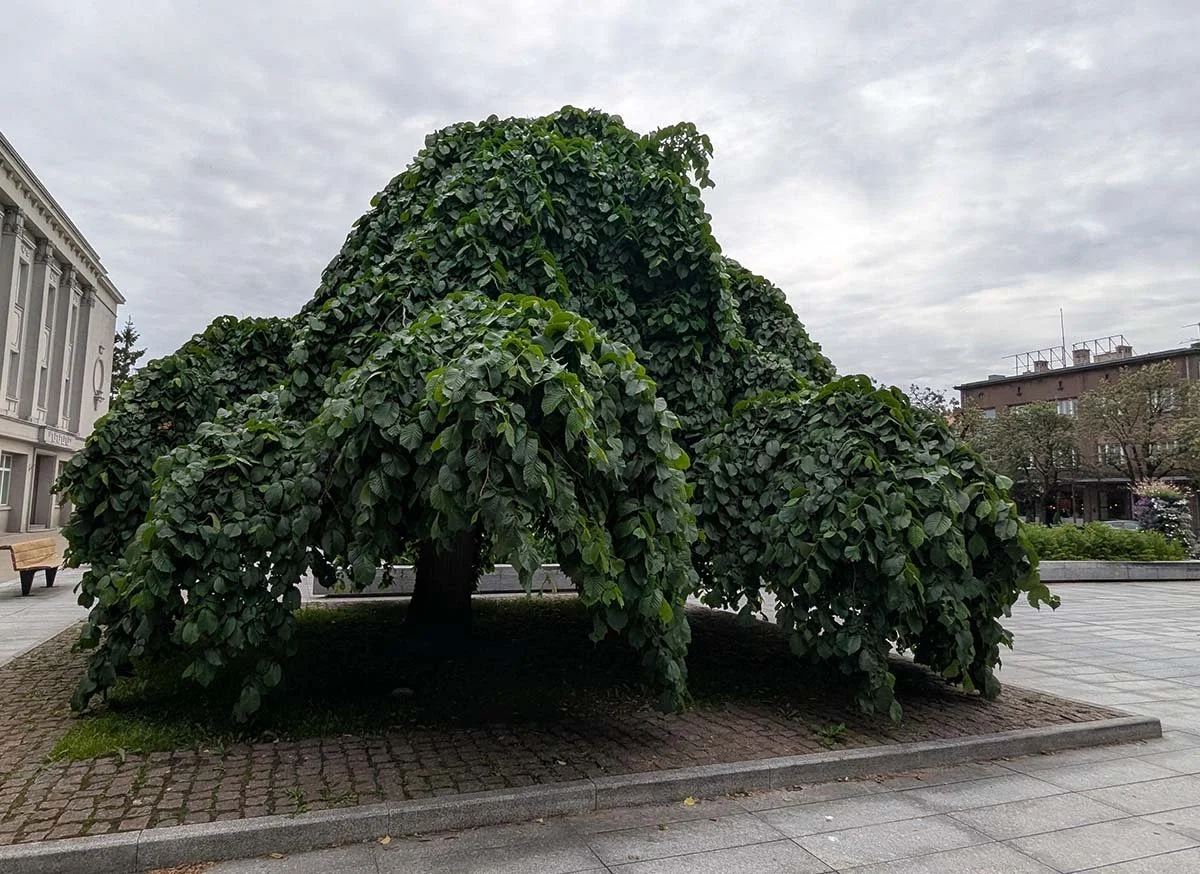
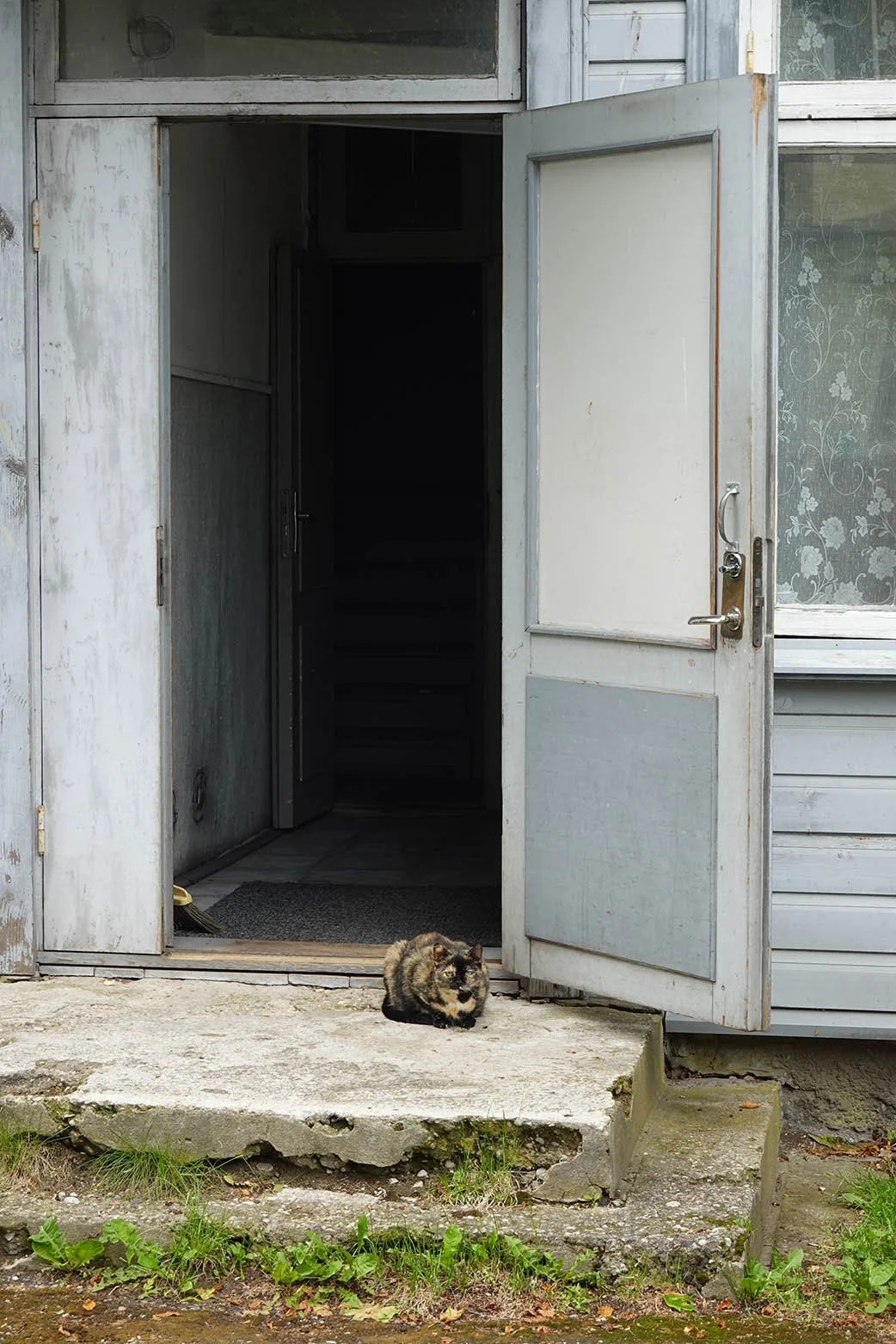
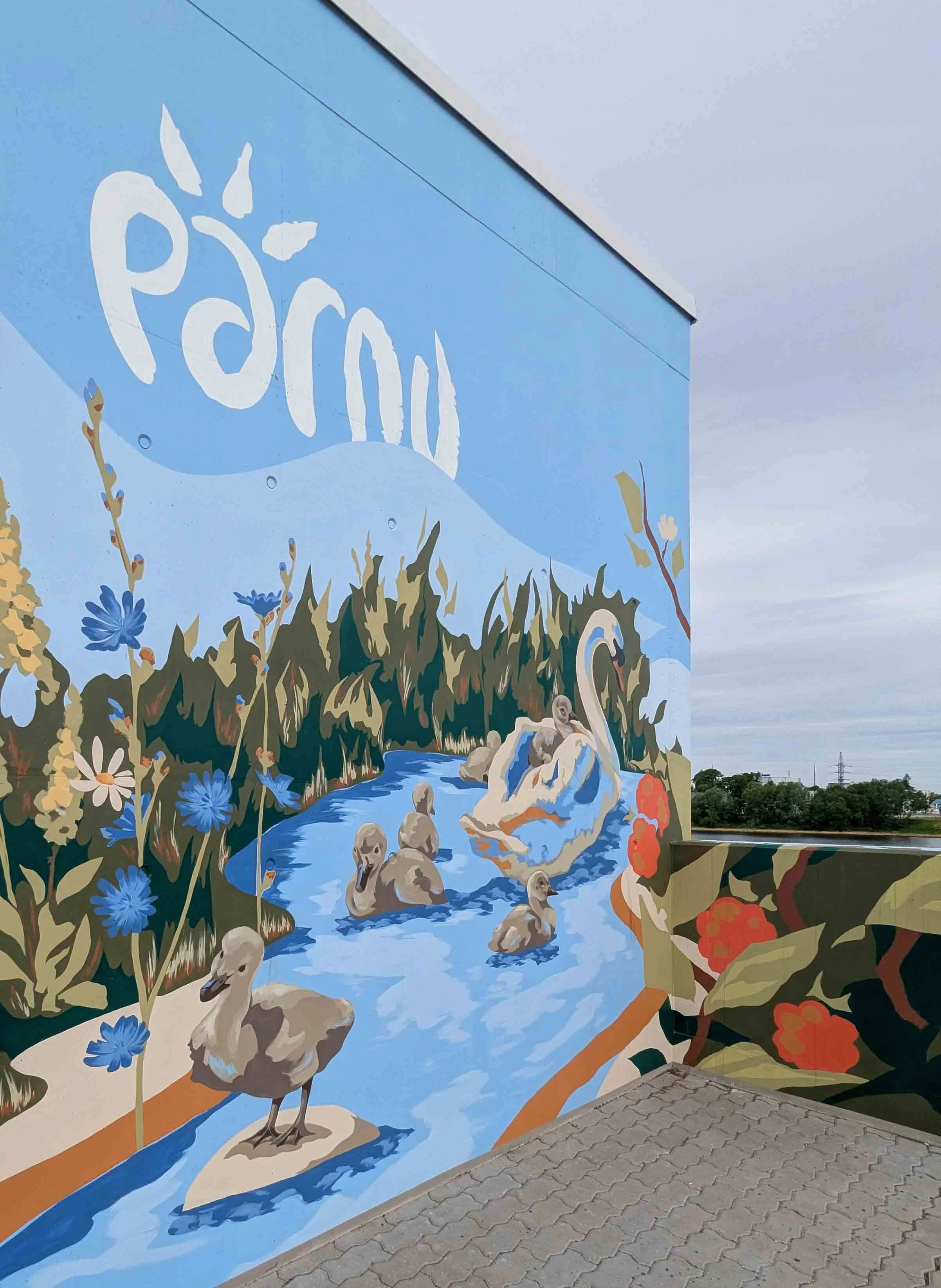
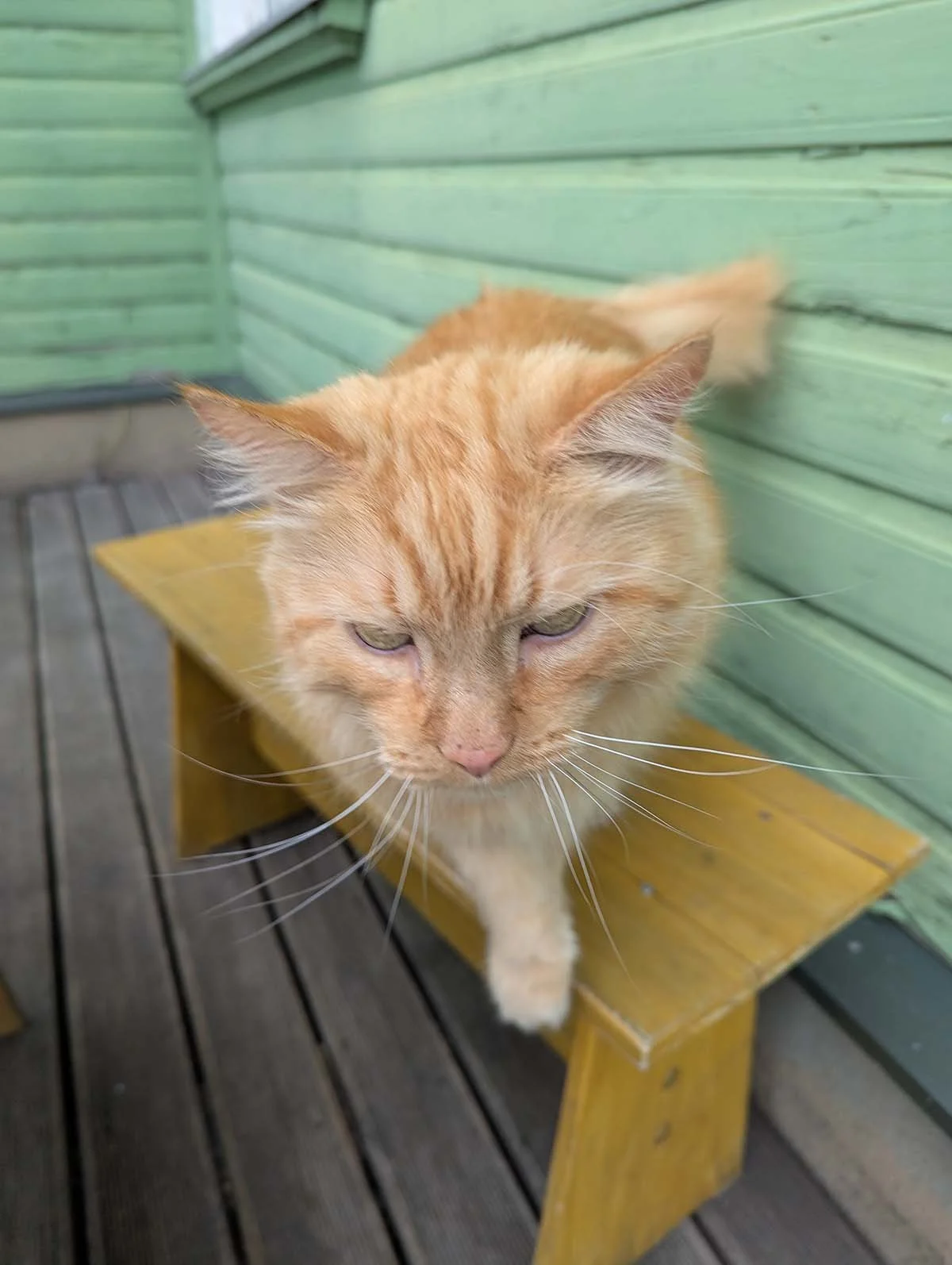
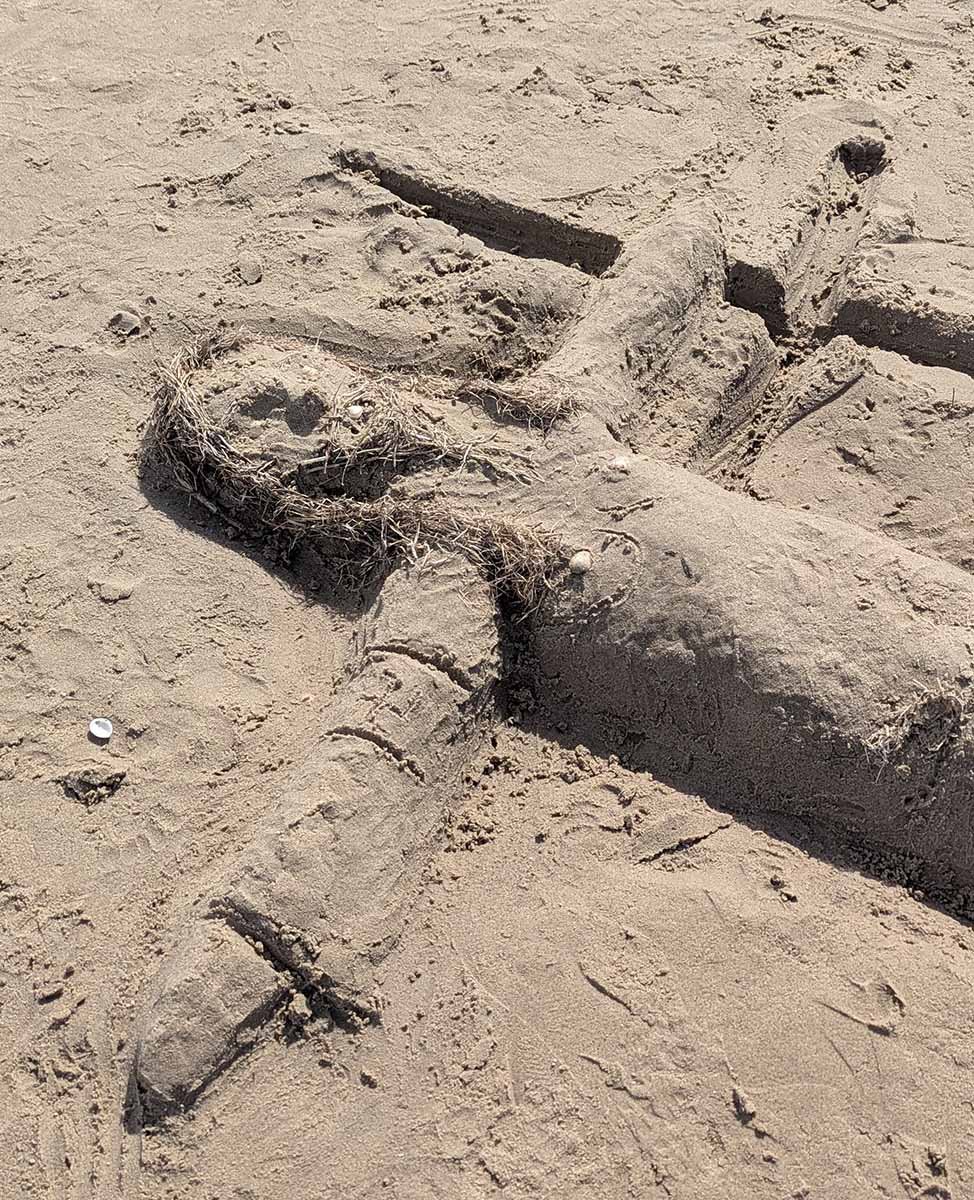
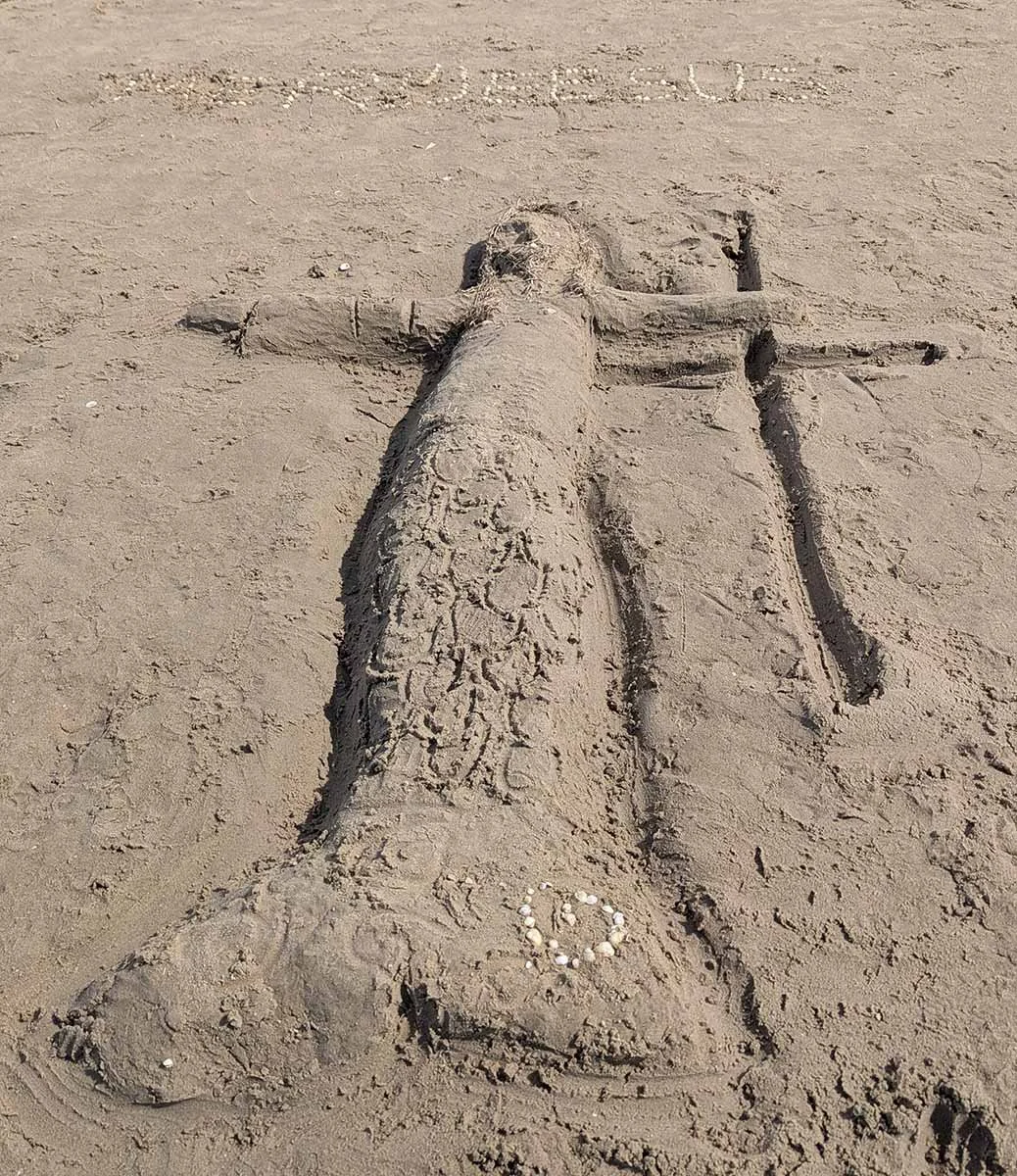
You can click into any of these cropped thumbnails to see the whole, larger images! They’re a mishmash of everything I mentioned above and some extras, like my favorite tree and the cat who demanded a lot of pets while I was eating vegan sushi.
New Artwork: Between Worlds

My first finished mixed media painting in Estonia depicts a white stork (Ciconia ciconia).
The substrate is antique lace over wood panel. My process involved attaching the lace to the panel, painting the portrait, removing the lace and altering the coloration of the wood panel surface, and then meticulously re-registering and attaching the lace back on top and sealing it down.

These birds are embedded in Estonian rural life: they're associated with summer farms and considered good luck omens. Storks are also important in folklore, as they accompany souls to the underworld and bring newborns into the world as a part of a cycle of death and rebirth in Finno-Ugric mythology.

This is Between Worlds, acrylic and antique lace on wood panel, 14x14x1.5”, 2026.

Shelby Prindaville's mixed media lace painting of a white stork.

Upcoming: Loovlinnak Creative City Artist Residency in Pärnu, Estonia

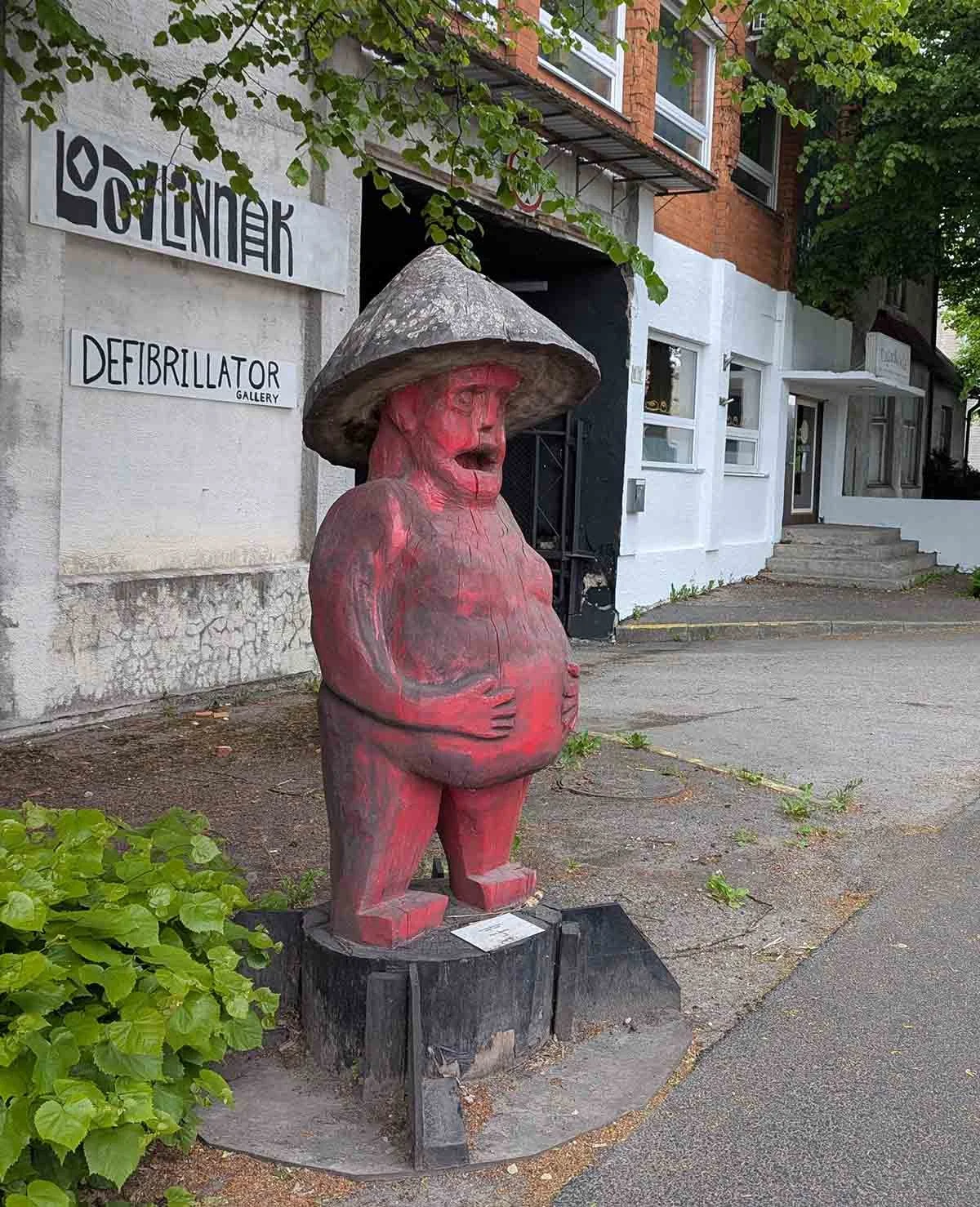
I’m excited to share that I will be attending the Loovlinnak Creative City Artist Residency in Pärnu, Estonia this summer for a month-long stay in June 2026! This will be my first time in the Baltics, and I’m excited to experience and document the environment and atmosphere in and around the “summer capital of Estonia.”

As always, I’ll try to get some Estonian under my belt before I go. However, there are no local classes in Estonian nor is it even available on Duolingo, and it’s a language family with which I’m unfamiliar (Finnic, a division of Finno-Ugric). I imagine I’m not going to get very far with this one, but I’ll do what I can!