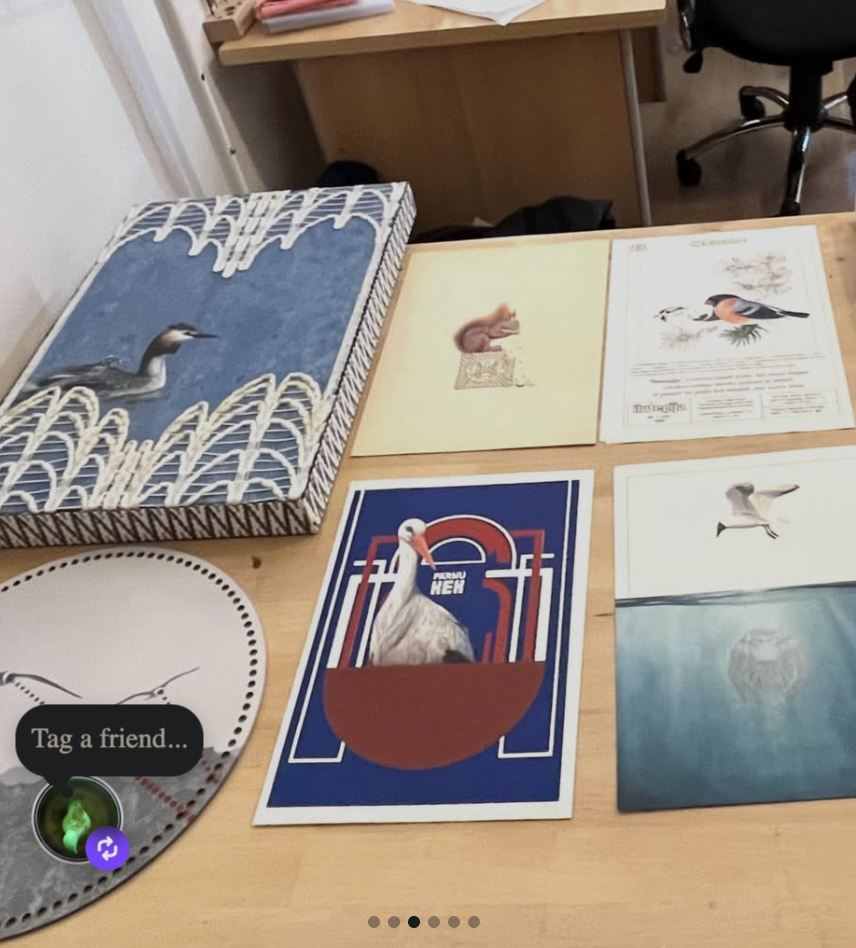
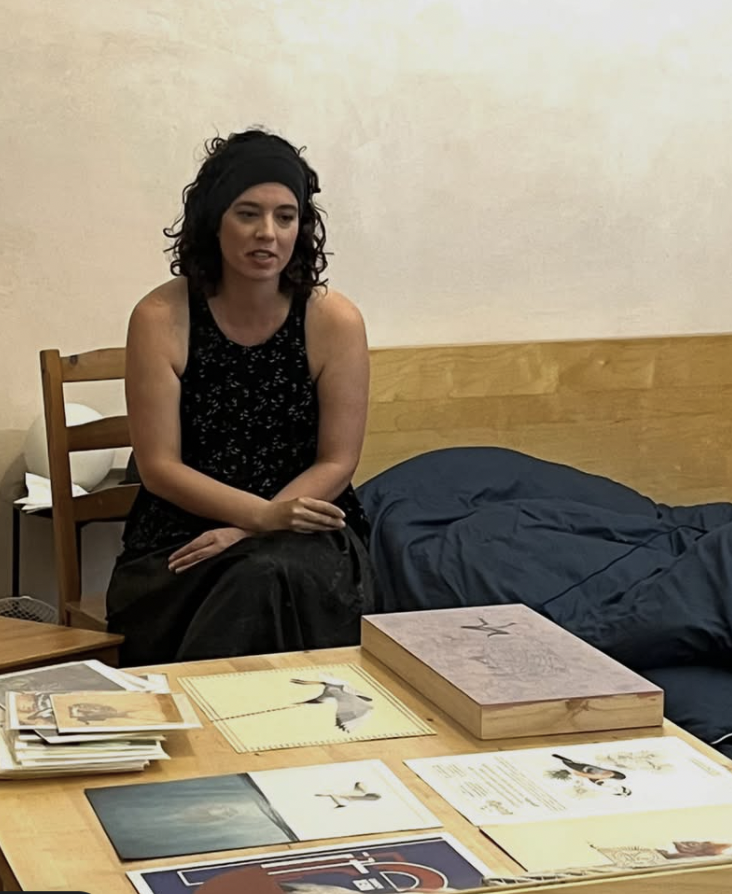
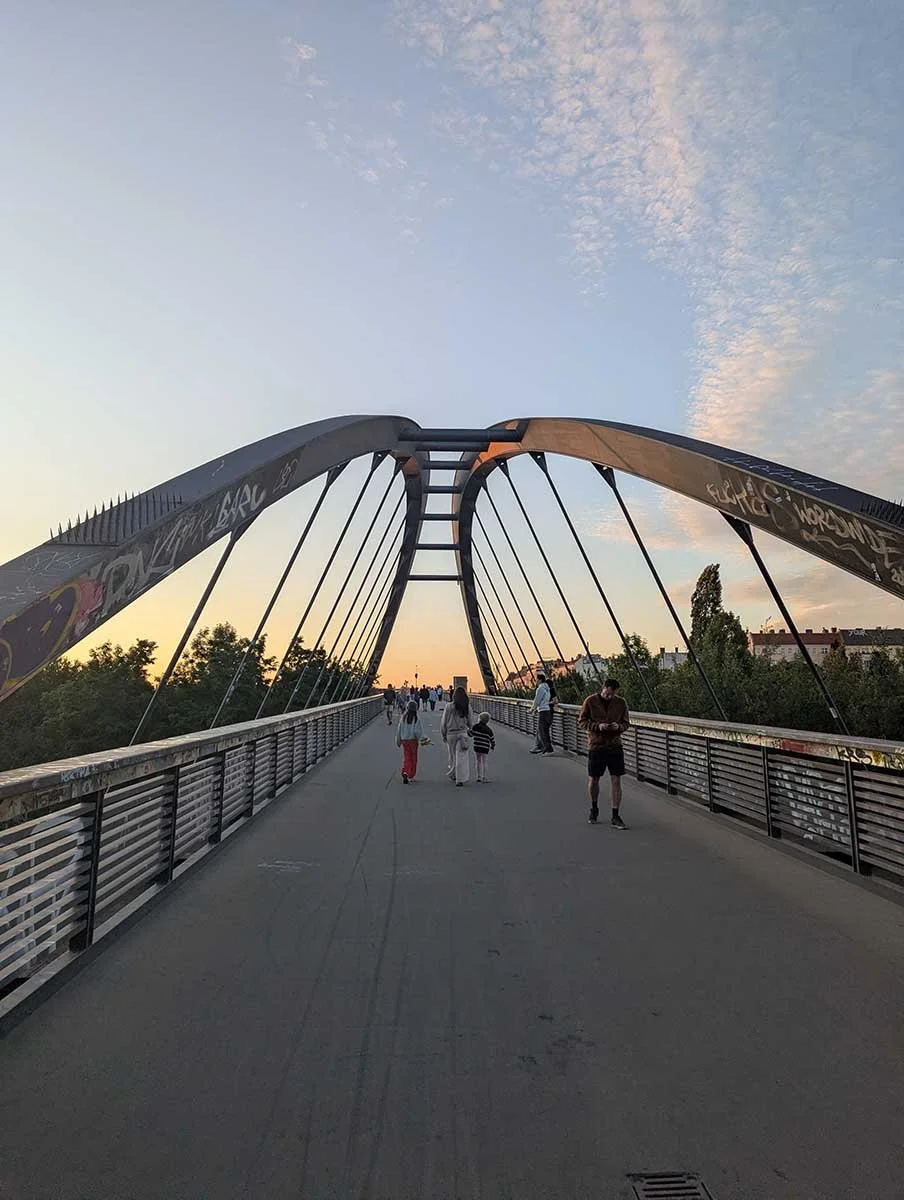
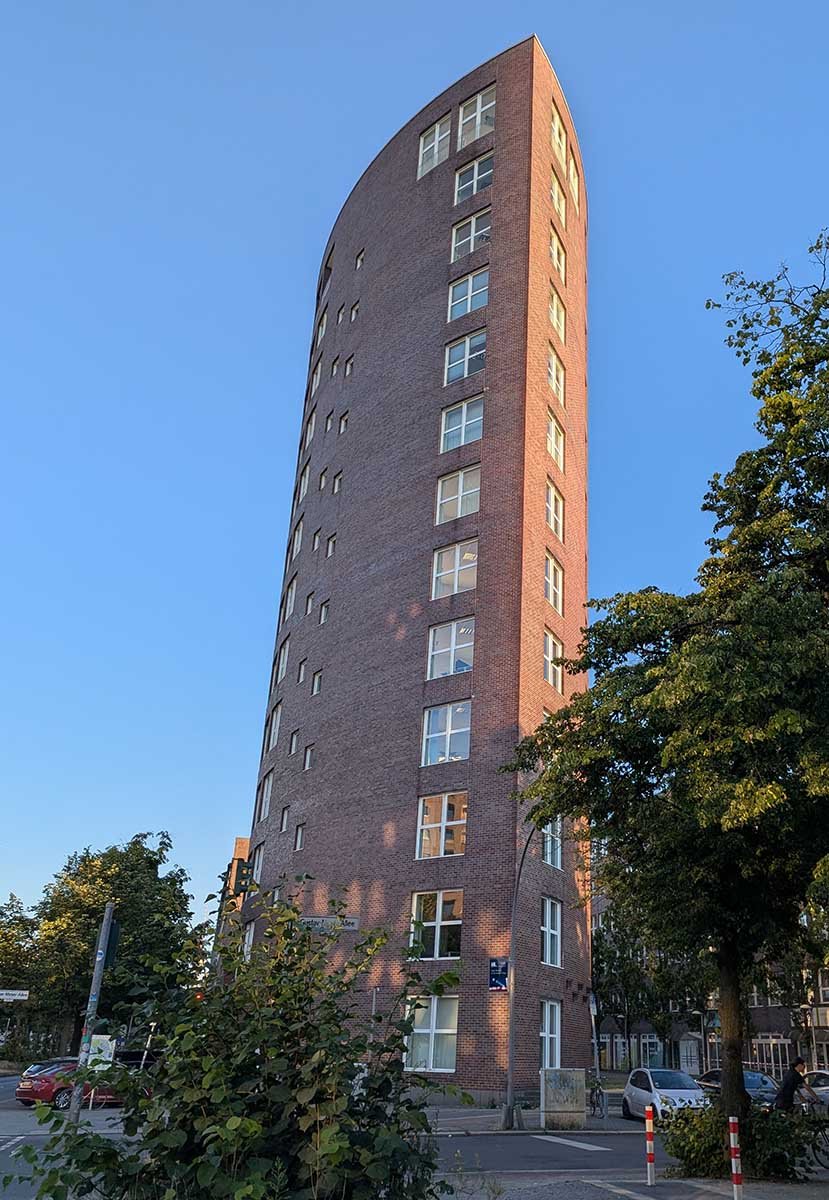
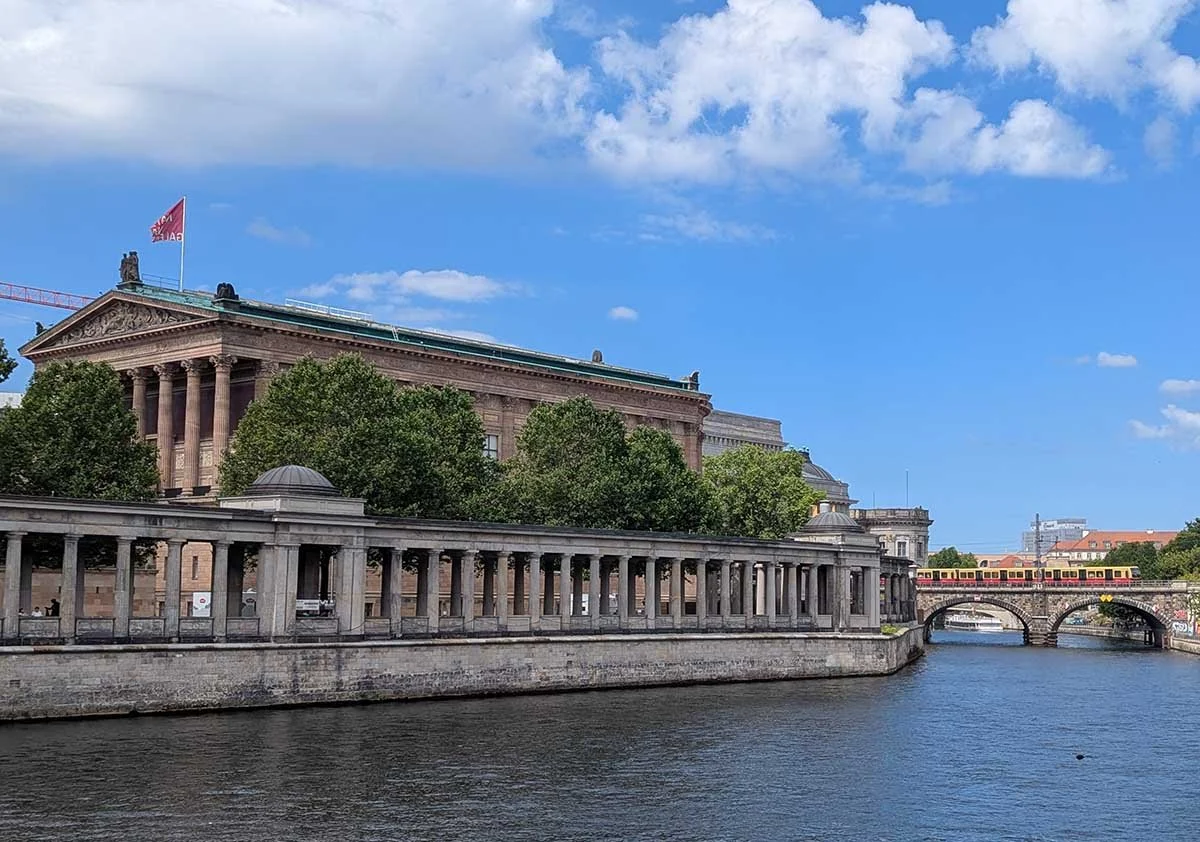
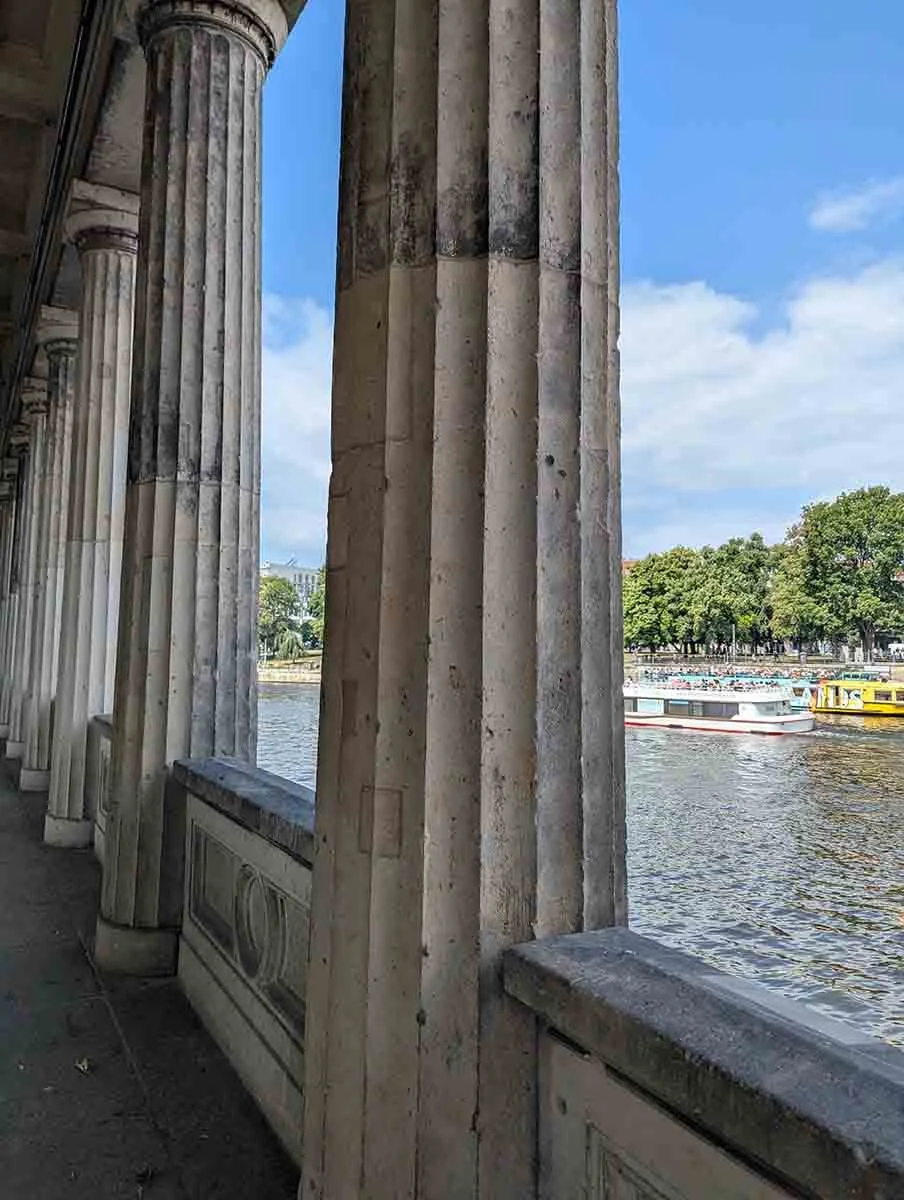
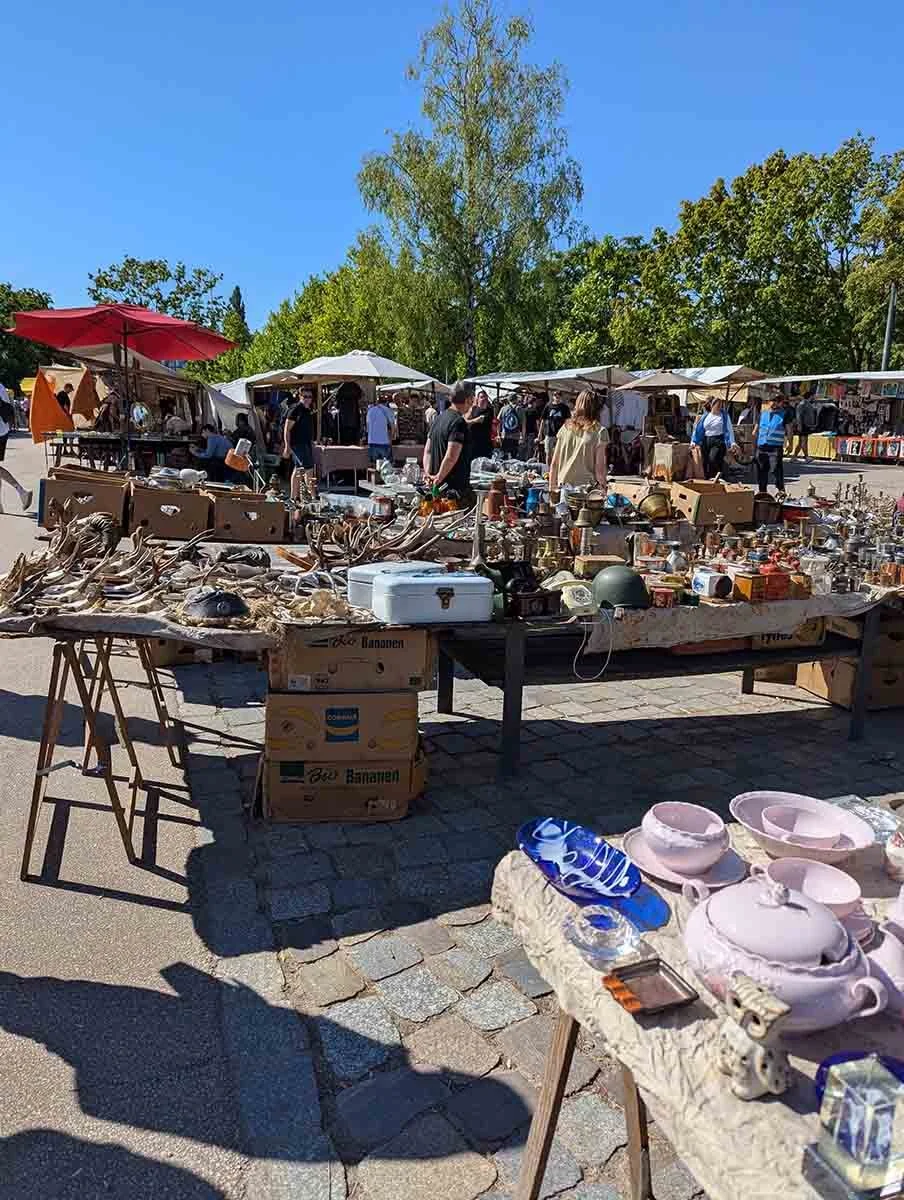
When I was setting this summer up, I anticipated that after a relatively small-town month in Estonia, I’d be excited to spend time in a major city. Berlin is, in fact, the most populous city in the whole of the EU!
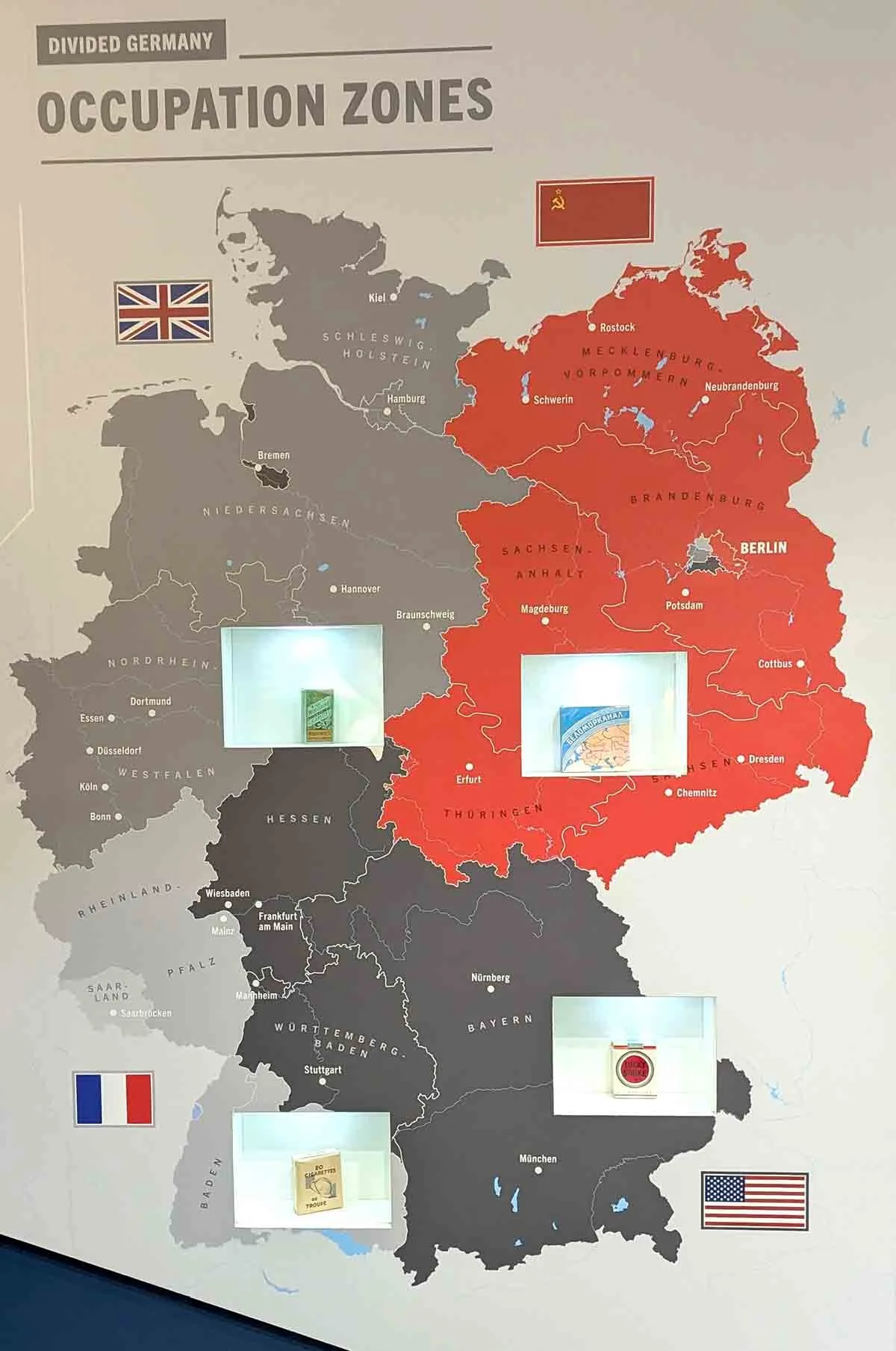
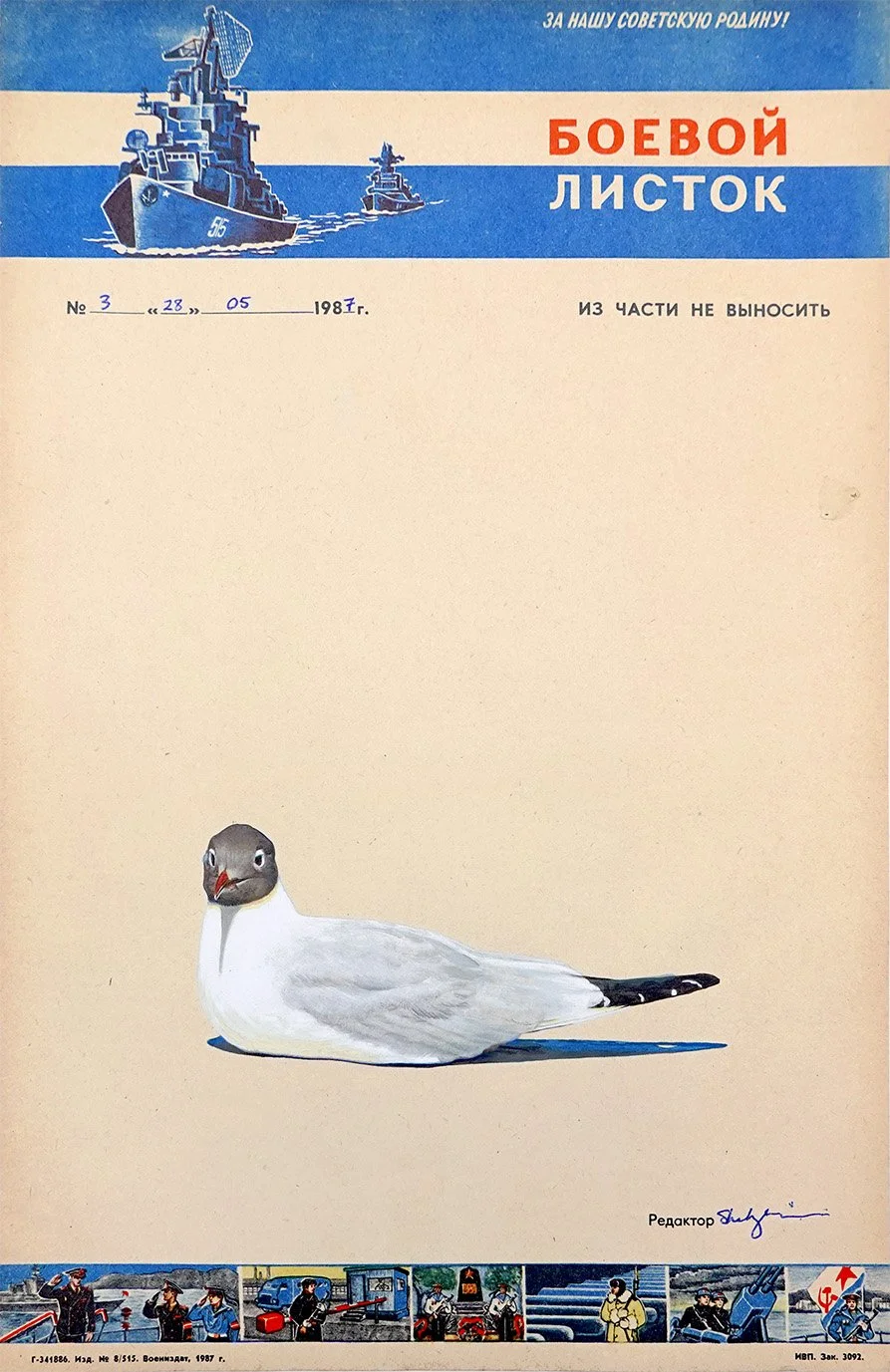
I hit the ground running on my first day. I knew from research that there is a German equivalent to ENSV stationery - that of the DDR (Deutsche Demokratische Republik), called the German Democratic Republic or just East Germany in English. I wanted to work atop at least one of these as well, so I visited a store called VEB Orange. VEB is an abbreviation of Volkseigener Betrieb, which translates to “People's Owned Enterprise." It was the standard legal prefix for state-owned businesses in East Germany.
It was an instant jackpot, and I walked away with several pieces of stationery. Unfortunately, the shopkeeper wrapped my purchases in newspaper (which I saw but didn’t think about), and the newspaper ink rubbed off on the face of two. The rest were OK, though, and even the worst one might be able to be salvaged if I find the right composition for it.
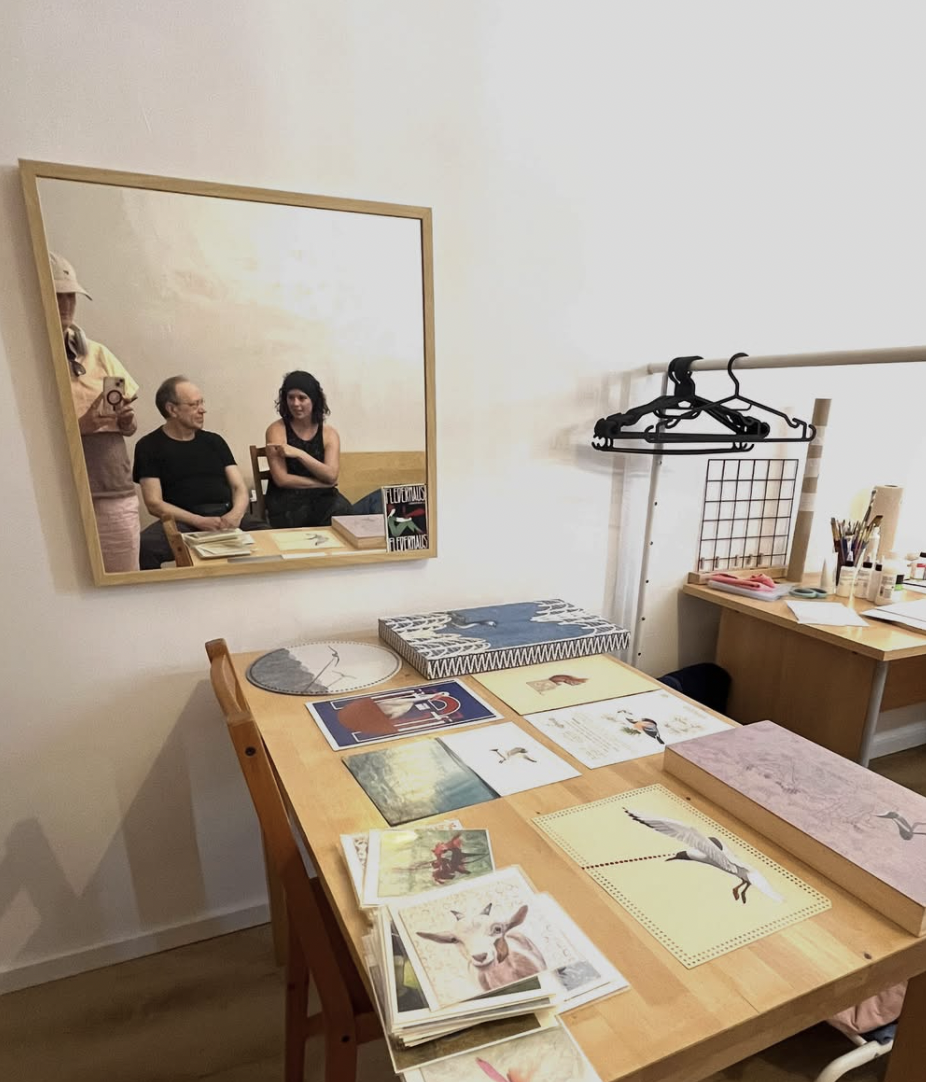
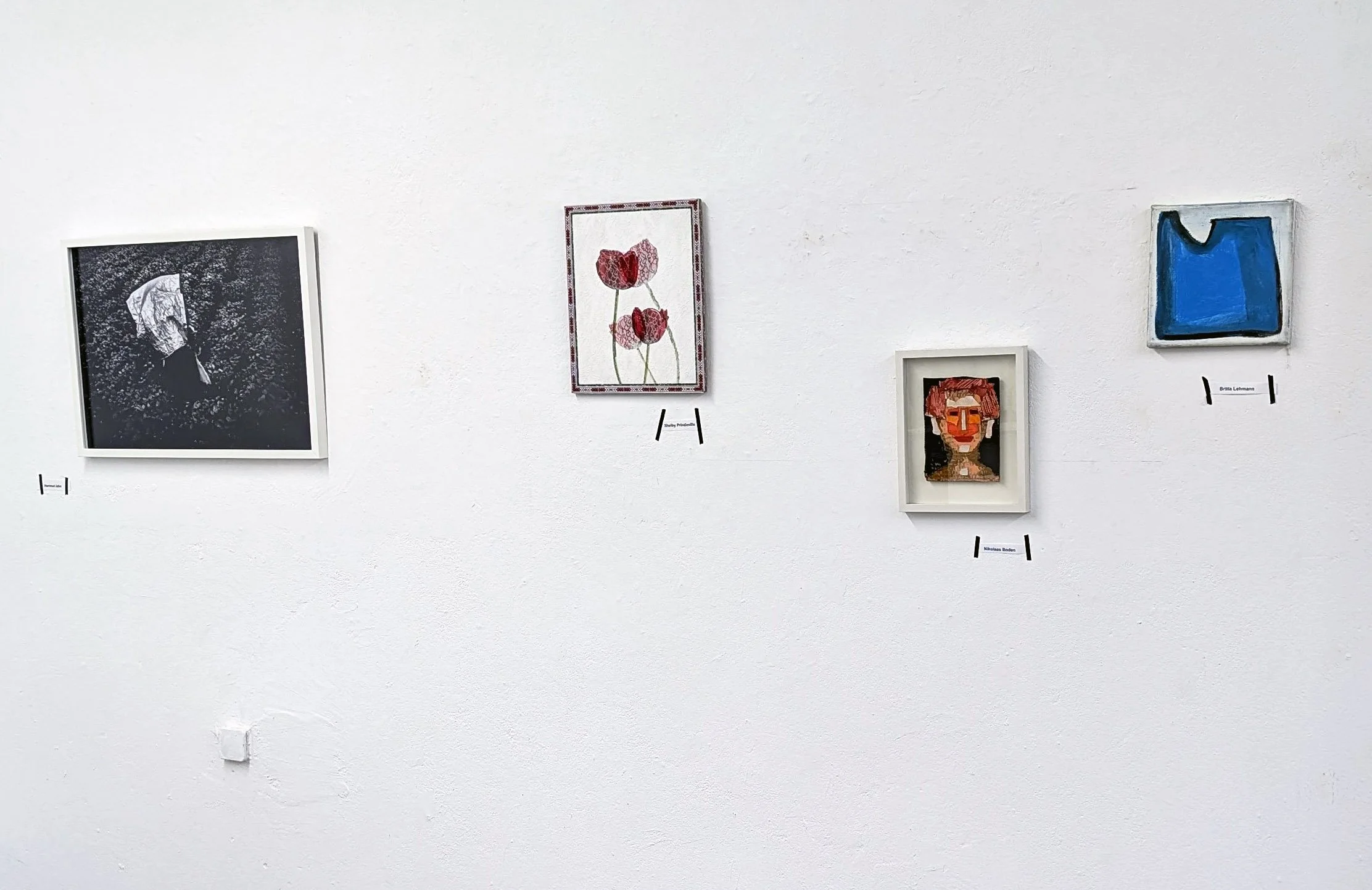
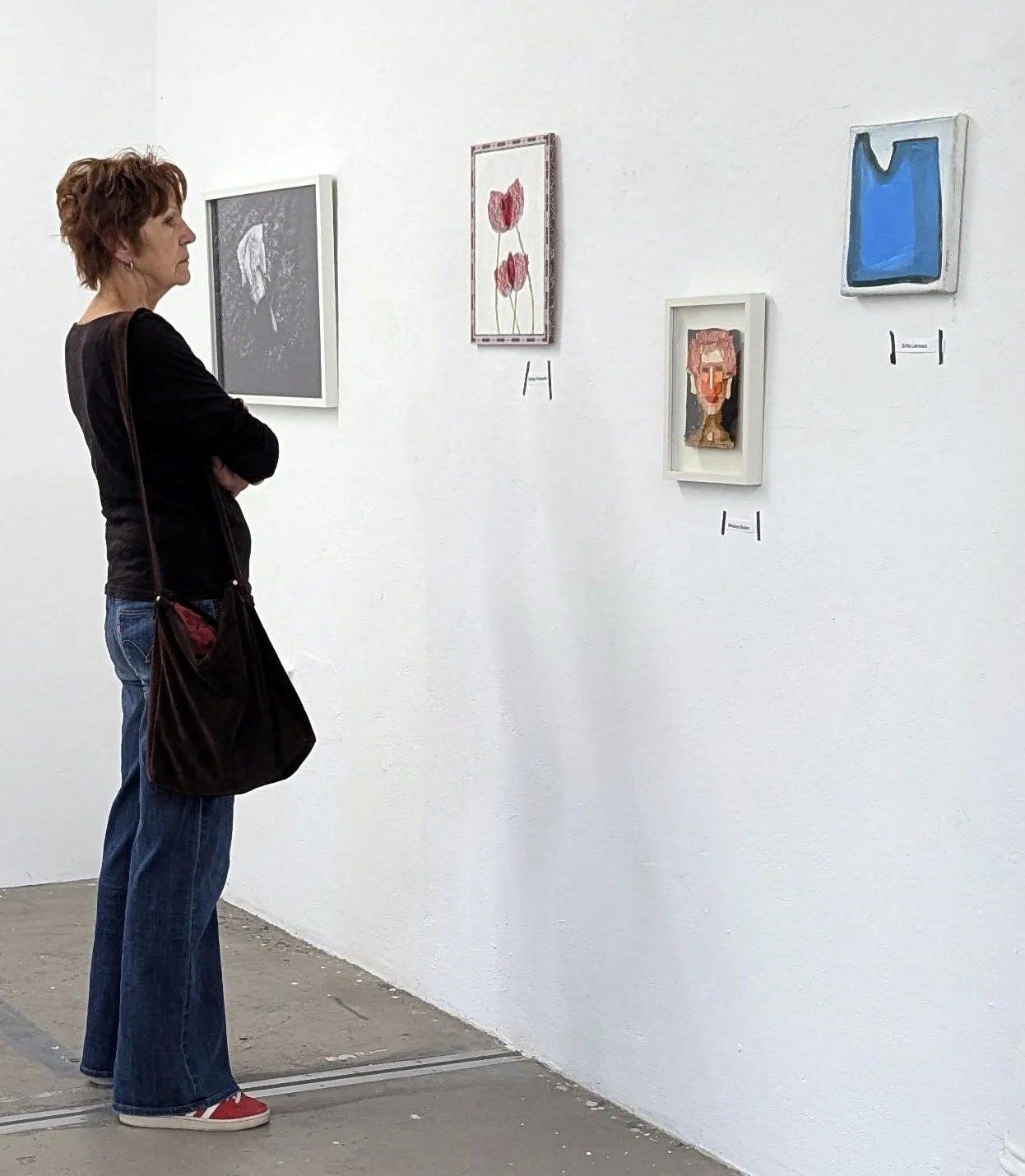
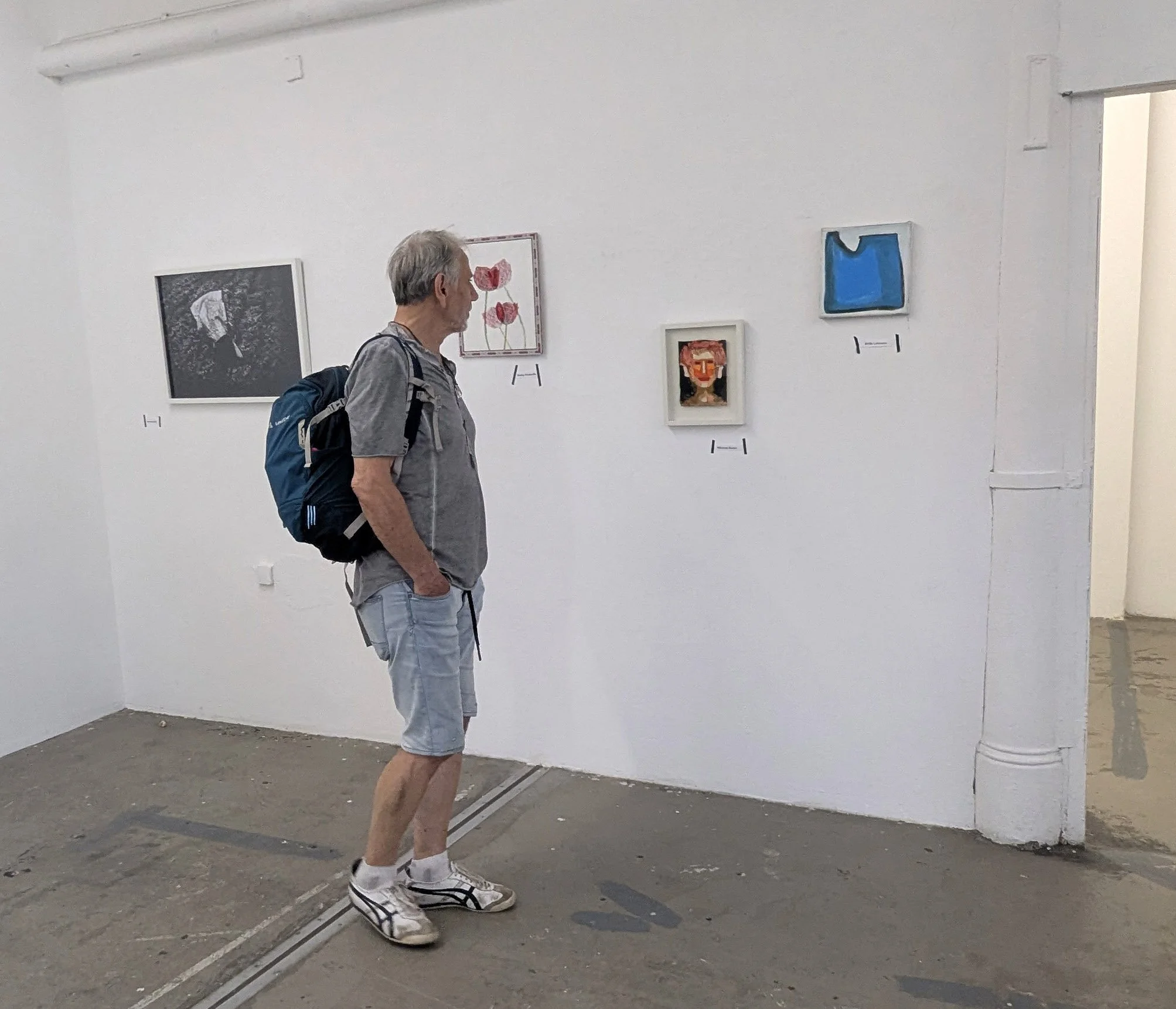
Then that evening, I attended a group exhibition reception at Atelierhof Kreuzberg. Takt’s residency director Antje had forwarded me an email from them with an intriguing opportunity: folks can request to participate in each week’s themed show, and if their work is selected, they bring it by an hour before the reception for placement and installation. I needed to see exactly what was up before I applied, and I wasn’t in town for that long, so off I went - and though it’s still in Berlin, it’s about an hour away by train from where I’m staying. (In general, Berlin is big enough that I spend a couple hours minimum in transit each day.)
The folks running Atelierhof Kreuzberg, exhibiting there, and viewing the art are all collectively great. I felt really comfortable with the setup, and so I asked to participate the following week and submitted images of my artwork - and I was accepted!
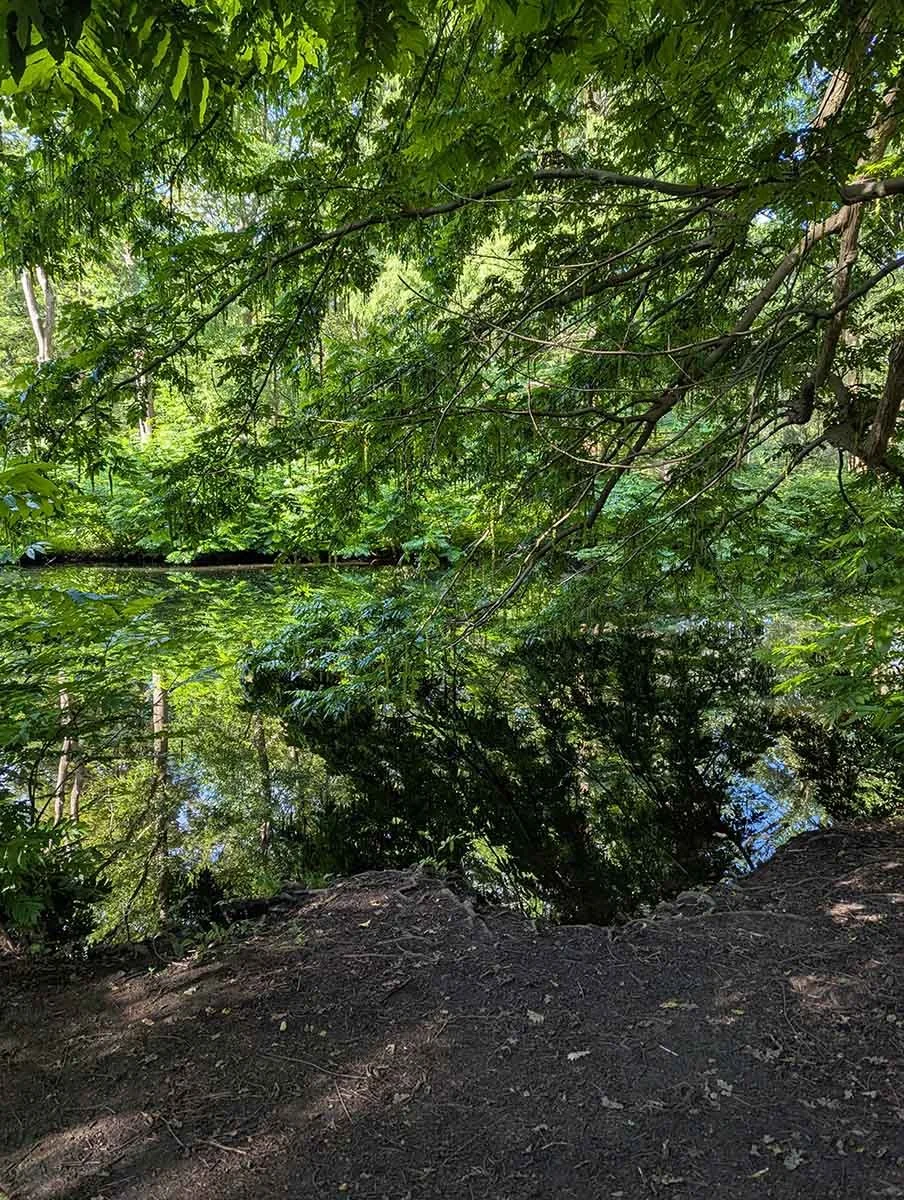
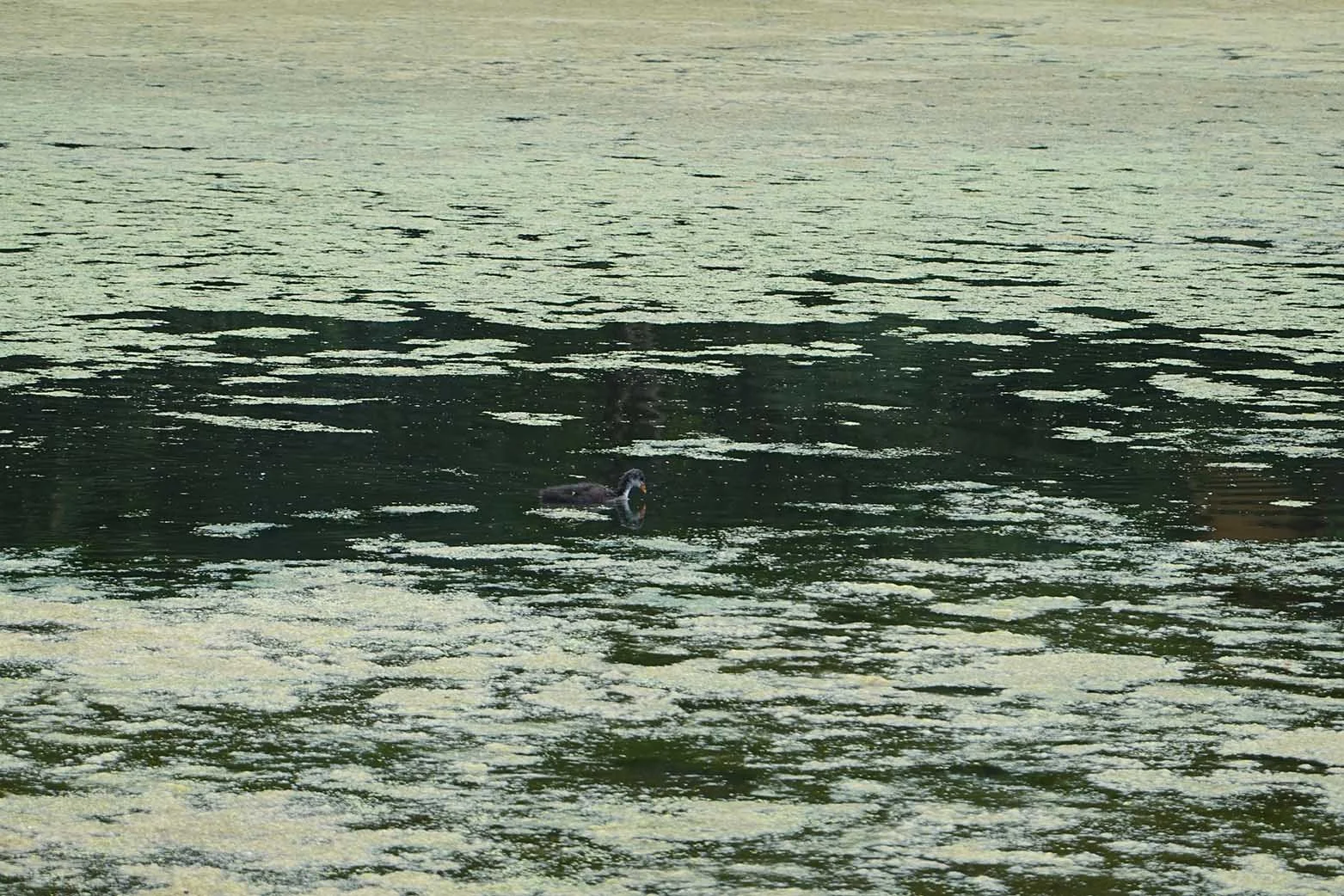
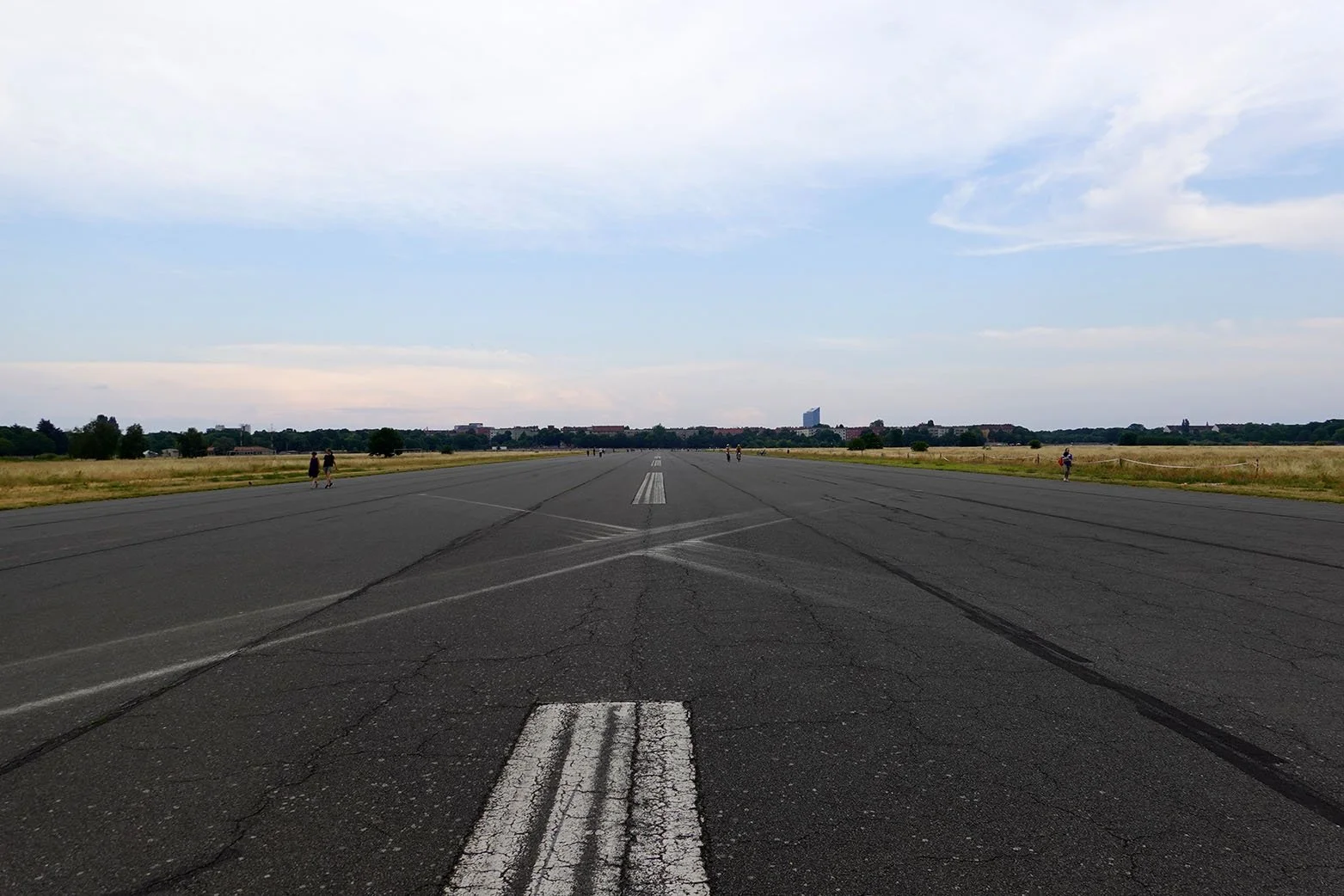
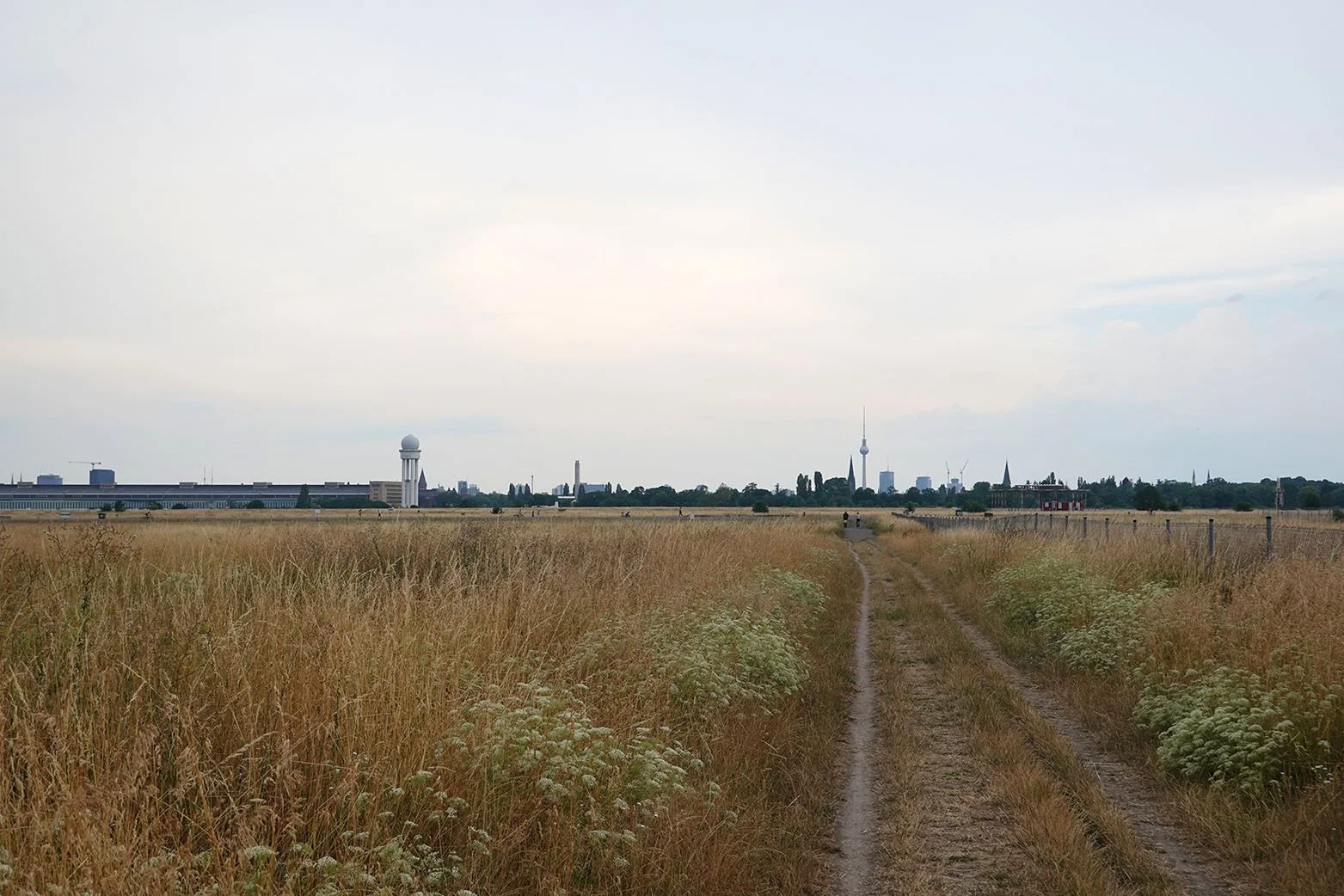
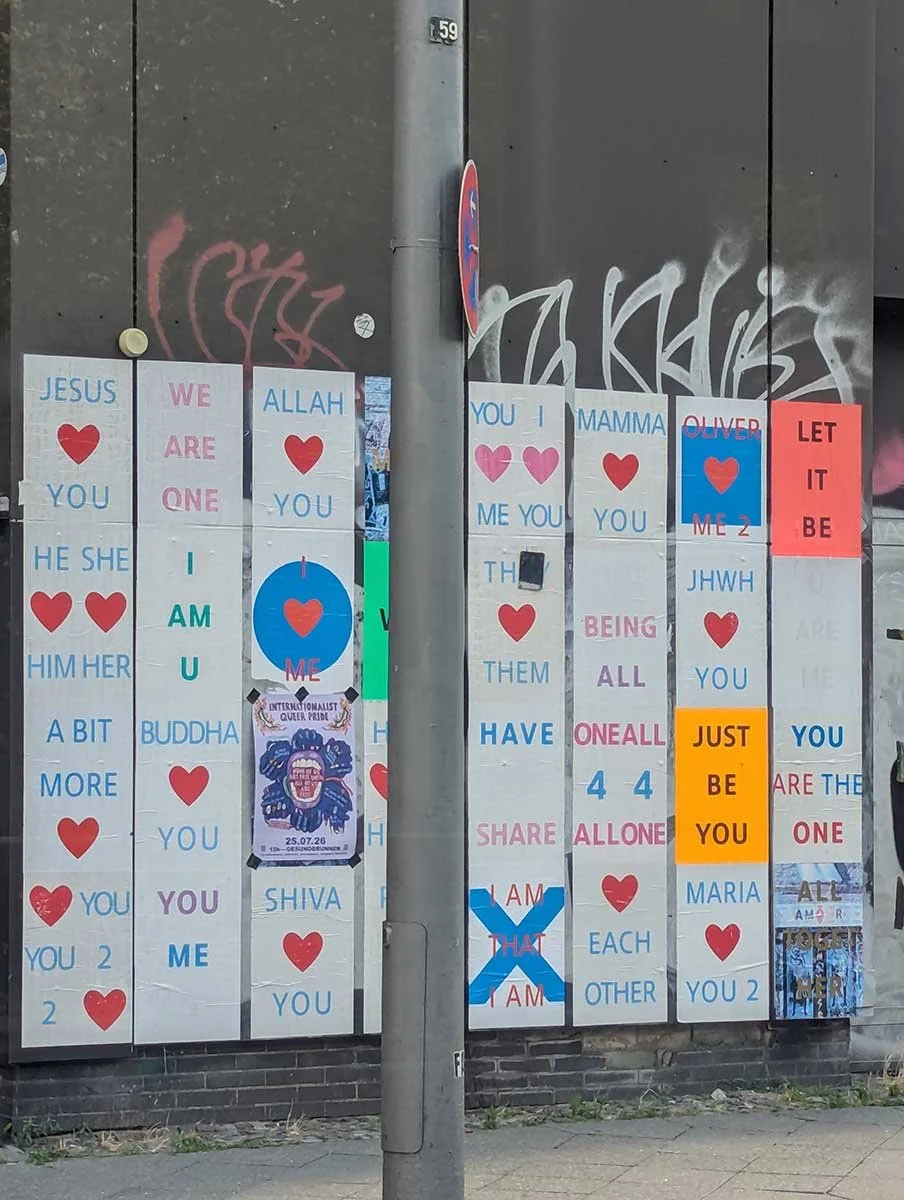
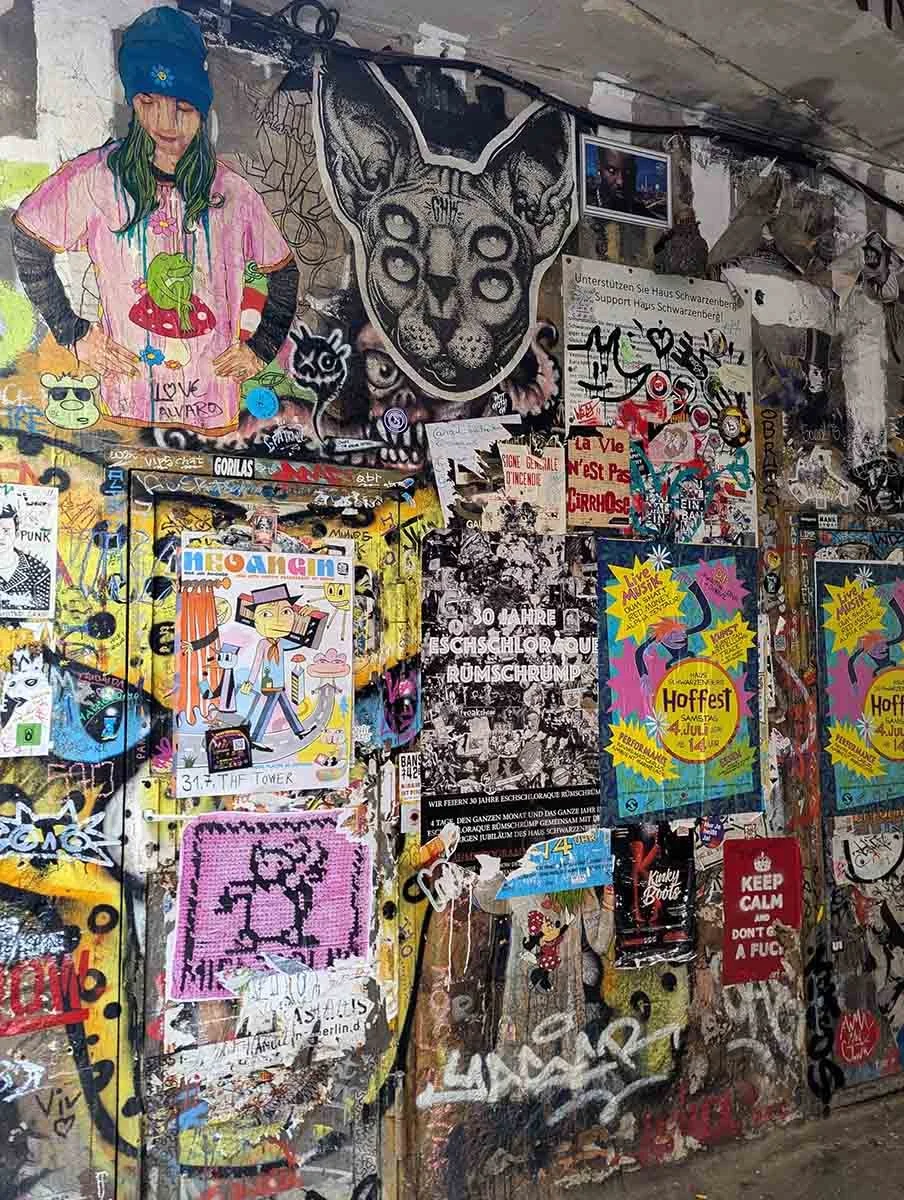
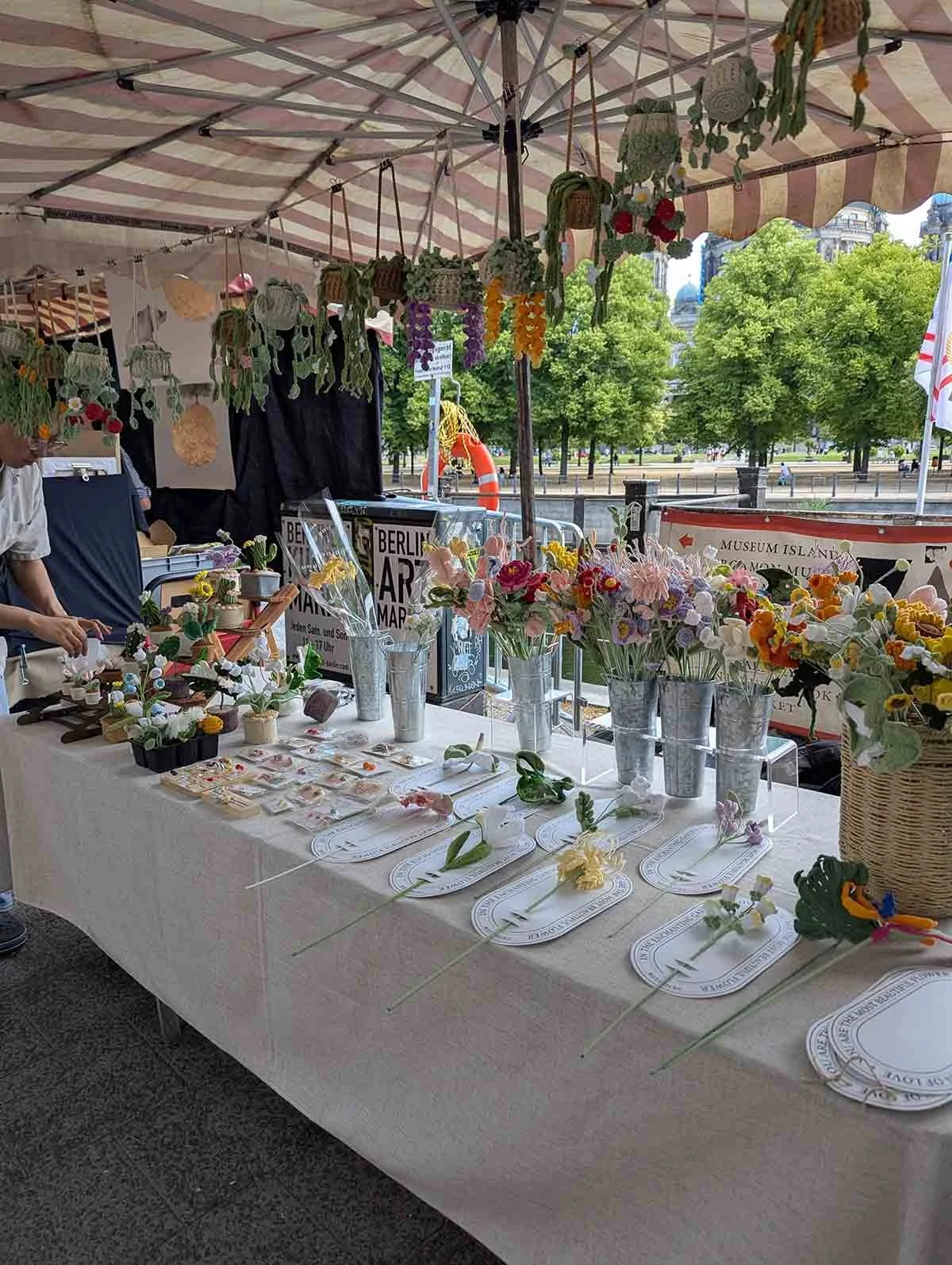
I was saving a lot of my core tourism for when my colleague and friend Elizabeth Coody was coming to visit later in the month. In the subsequent days, I went to the Tiergarten (a large state park) and after much time investment and walking, I managed to photograph what I most wanted to see there: the red squirrel. I had studio time, visited an art supply store, went to several vintage, design, and secondhand stores, did chores (laundry, grocery shopping, etc.), and went to several weekend arts and flea markets. I also visited a private art collection that doesn’t allow photos - the Sammlung Hoffman. I walked around quite a lot of Berlin, hit a handful of other parks including Tempelhofer Feld, and took a number of street photos.
Three minor complaints: first, Berlin has a real dearth of public toilets, particularly when 3/4 of the ones that exist are out of service. The functional ones they do have almost all cost between €.50-1 (and private toilets get in on this as well), which was really noticeable after two summers in Japan; I never had to worry about finding a clean, free public toilet almost anywhere in Japan.
Second, the train and tram seats (and bus seats, but that’s more normal) are carpeted. I have repeatedly sat on one only to find it wet with an unknown substance, which is even worse if you’re anosmic like me as I can’t figure out what it is so I worry that it’s urine. I much prefer the plastic/fiberglass seats in NYC, where you can see if the seat is soiled before sitting in it.
Third, the cobblestones and natural stone pavers are not it. They are irregular and if you’re walking 8-15mi a day (which I do when I’m in exploration mode), they cause a lot of foot pain. I want smooth, flat surfaces. Bikers clearly agree and managed to secure that for their specified paths, and I want pedestrians to be afforded the same privilege.