burnished raku

Preparing for the Next Raku Workshop: Hump Molds!

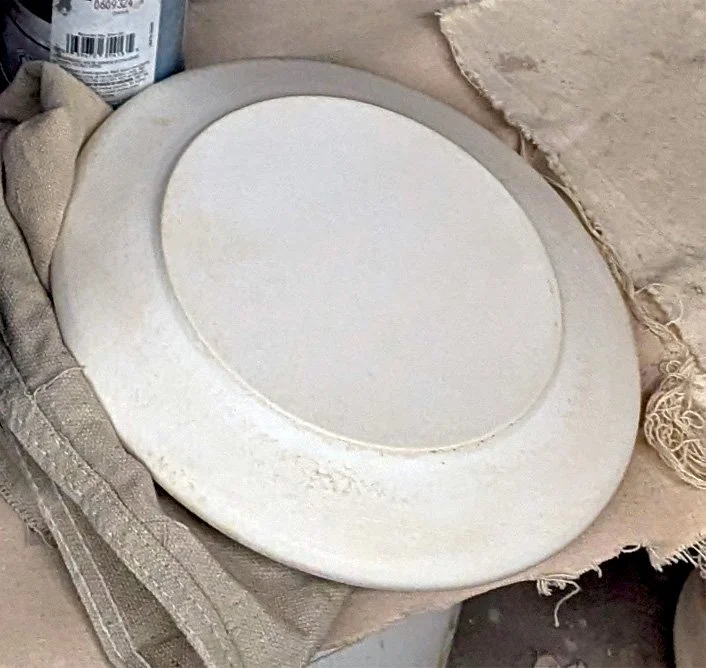
A plaster hump mold for a plate.

I’ll be taking a group of nine (including myself) to another raku ceramics workshop at Dakota Potters Supply this weekend!

This semester has been very busy, so I’ve chosen to focus entirely on hump-mold pottery for this workshop. Using plaster hump molds (convex forms over which slabs are placed and pressed) significantly reduces the time required to make raw ware compared to pinch-pot, hand-built construction.

Hump molds also allow me to easily add and retain complex texture particularly to the interior of a piece; when making a pinch pot, the shape comes from pounding, pulling, and tapping the clay with tools that typically leave a fairly consistent surface. I can add texture to the exterior of a pinch-pot bowl or vase after it is built by rolling it over a texture plate or hitting it with a textured paddle, but I can’t do that to the interior. I can always carve texture in to both sides or use other techniques if I really want to, but what I’m getting at is that texture is more complicated to add and retain when working in my preferred pinch pot style.

With these plaster hump molds, I can easily add complex surface texture to a flat slab and control whether it appears on the exterior, interior, or both. I then rely on gentle pressure, gravity, and evaporation to shape the clay, rather than the more aggressive pinch-pot methods that diminish or fully remove surface detail.

I am also continuing to experiment with Mason stains and burnishing on a few of the ceramics!

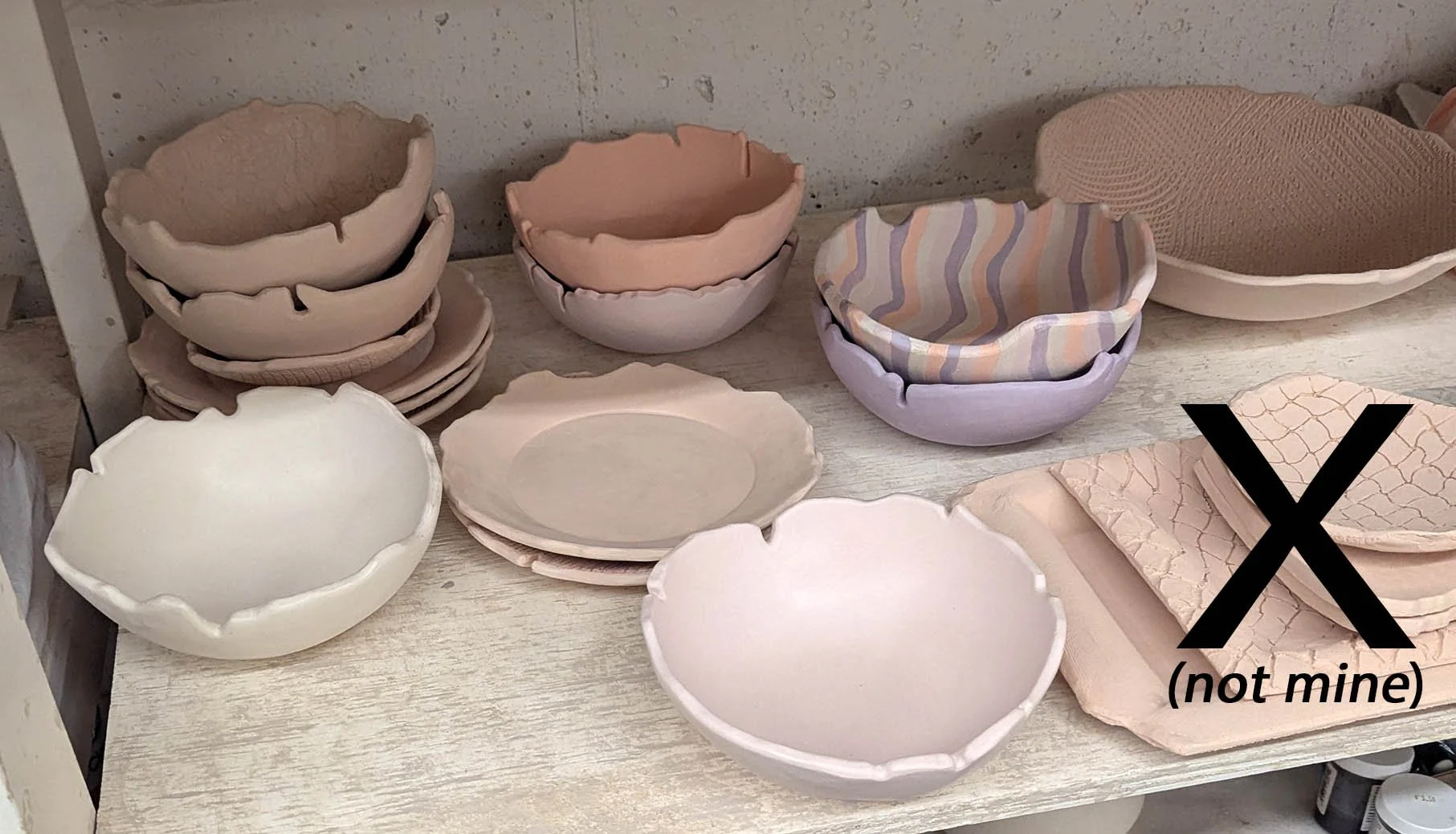
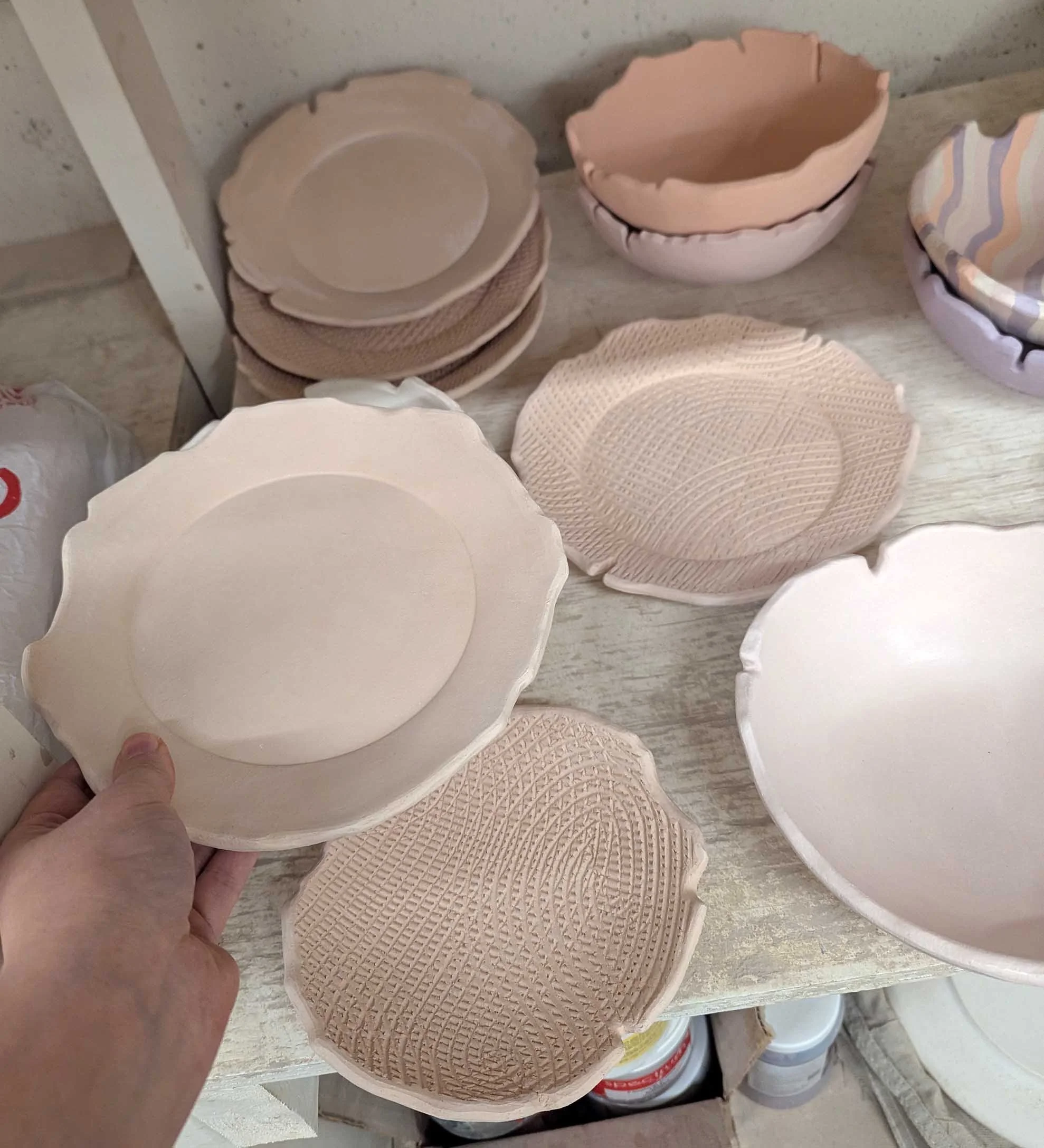
I saved enough time that I actually made more pottery than I think I’ll have time to finish at the workshop, which is a good problem to have. I’ll nevertheless bring it all just in case I’m wrong about that! Below is all the bisque ware I’m bringing with me. I share space with other folks in our ceramics studio, so I’ve crossed out the pieces in the first photo that aren’t mine. In the second photo, you can see the variety of techniques more closely, and the plate I’m holding corresponds to the hump mold pictured above (as do others).
Mason Stained, Burnished Obvara Raku Pottery

At this most recent raku workshop I attended in late October 2025, I experimented with Mason stains in several ways. For the obvara, I did two burnished pieces with very light mason stains. I think it mostly worked well, but the obvara carbonization had a somewhat difficult time really gripping onto the surface, so I think next time I might not burnish and see how that goes.

Here is the first ceramic piece, a burnished oval bowl I did a large polka dot pastel pattern on with small amounts of teal and chartreuse Mason stains mixed into terra sigillata:

Here is the second, a burnished round bowl with a small amount of teal Mason stain mixed into terra sigillata:

Previous Raku Workshop: Faux Pit Firing

I experimented one last time at the April 2025 workshop: I wanted to approximate pit firing, so I put a burnished bowl into an aluminum foil saggar along with a variety of combustibles including dried banana peel, coffee grounds, steel wool, and some metal salts.

Here is that bowl post-firing:

The metal salts didn’t really do much, but the rest of the colorants did produce a range of neutrals! I really liked this result and plan to do more in this vein in the future.

Honey Rakuware

I first tried honey raku in October 2023; I didn’t really like my own results at the time, but I learned two main takeaways in the process:

  • you very much want thin strands of honey rather than thick, so that it pulls into beads rather than leaving thick streaks

  • the honey works best on convex rather than concave forms, due to its propensity to run off vs. pool inside

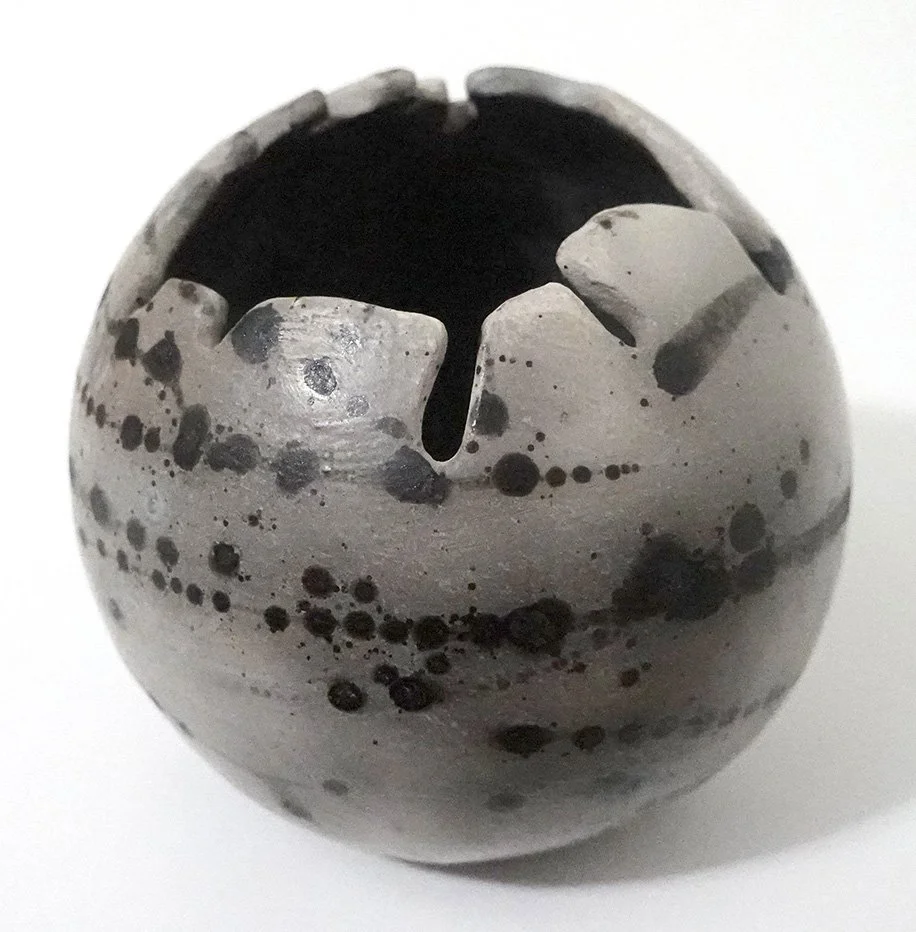
With those in mind, I decided to give the honey raku finish another try atop two orbs, and I brought some honey drizzler sticks and a glass along for better stream control rather than using my earlier, clumsier technique of dispensing the honey via the squeeze bottle. Rotating these while they were insanely hot was asking a lot, so I really appreciated that Wanda was up for the challenge as she did that for me while I applied the honey.

Here’s the smaller sphere:

And the larger sphere:

The resulting pieces’ exteriors were smokier than the interiors since barely any honey made it inside, and the white shining out from the insides was distracting. I carefully stained the interior of the larger orb with India ink, and then watered it down a bit before staining the interior of the smaller orb as well. I love how they turned out; the bead trails of the honey almost look like planetary maps, comet/asteroid tracking paths, or constellations… a little bit like audio visualizations.

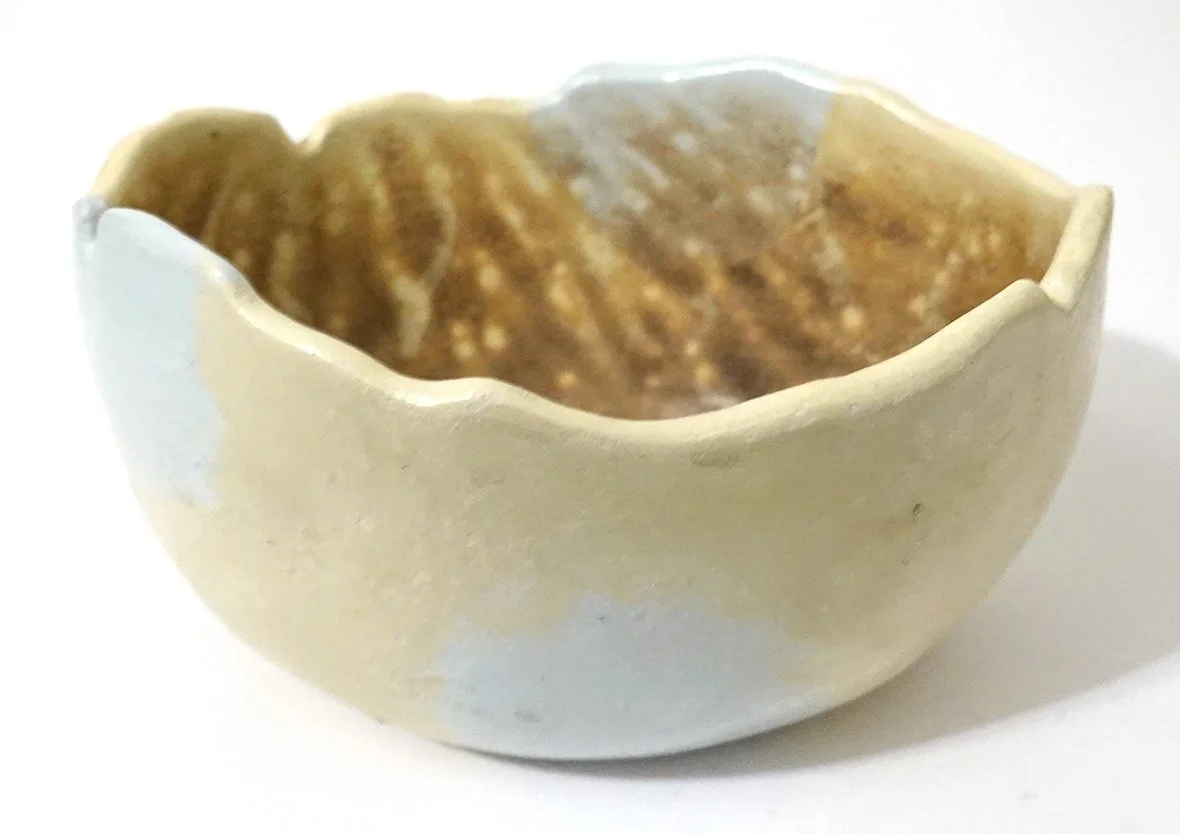
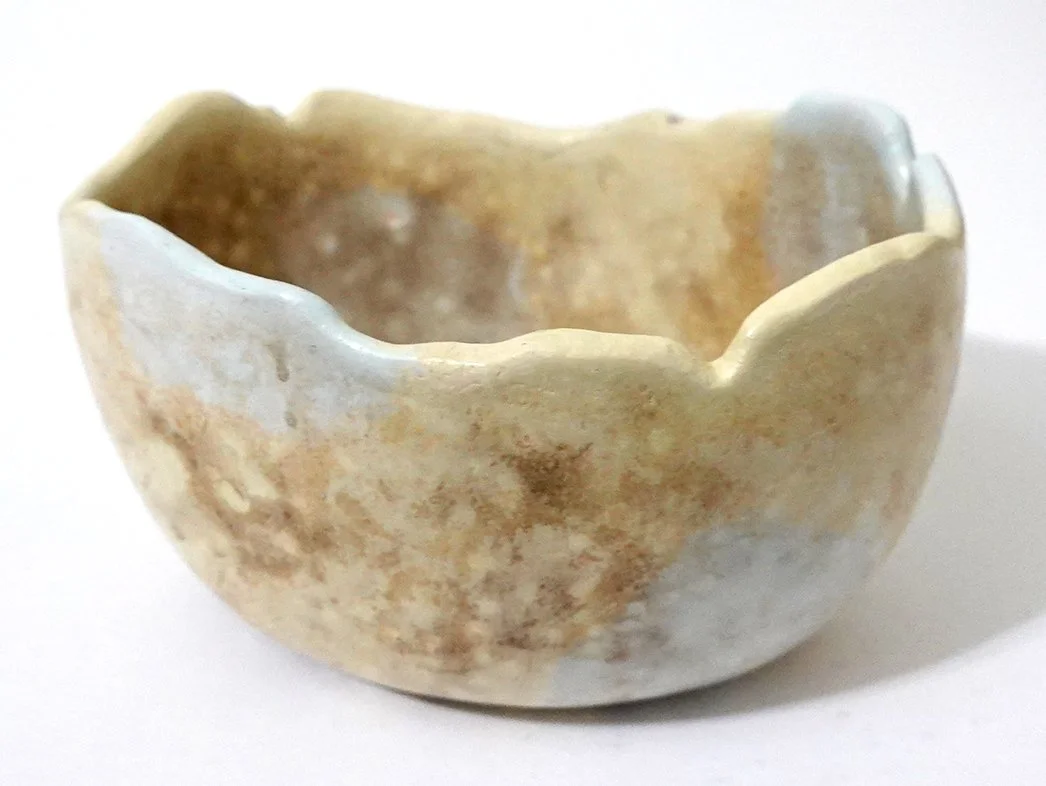
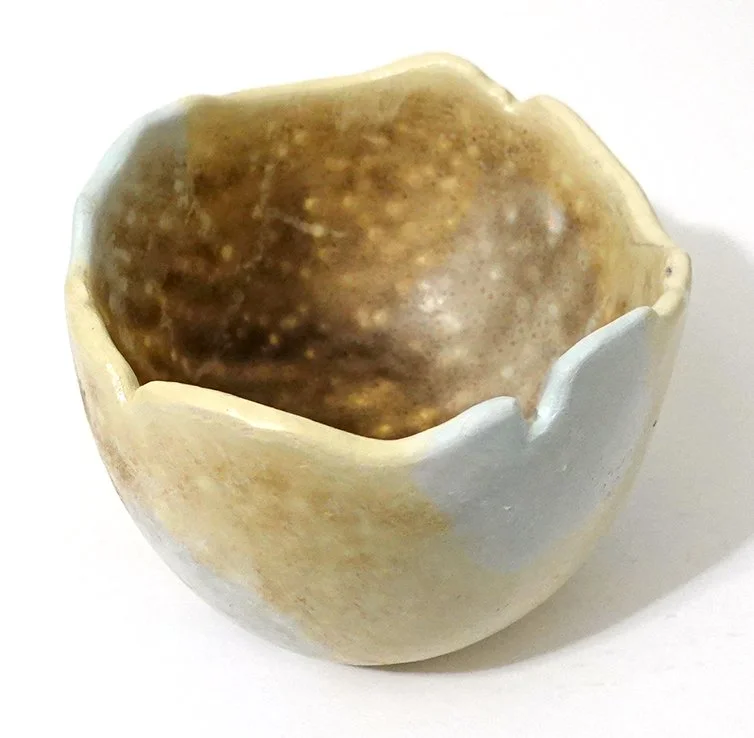
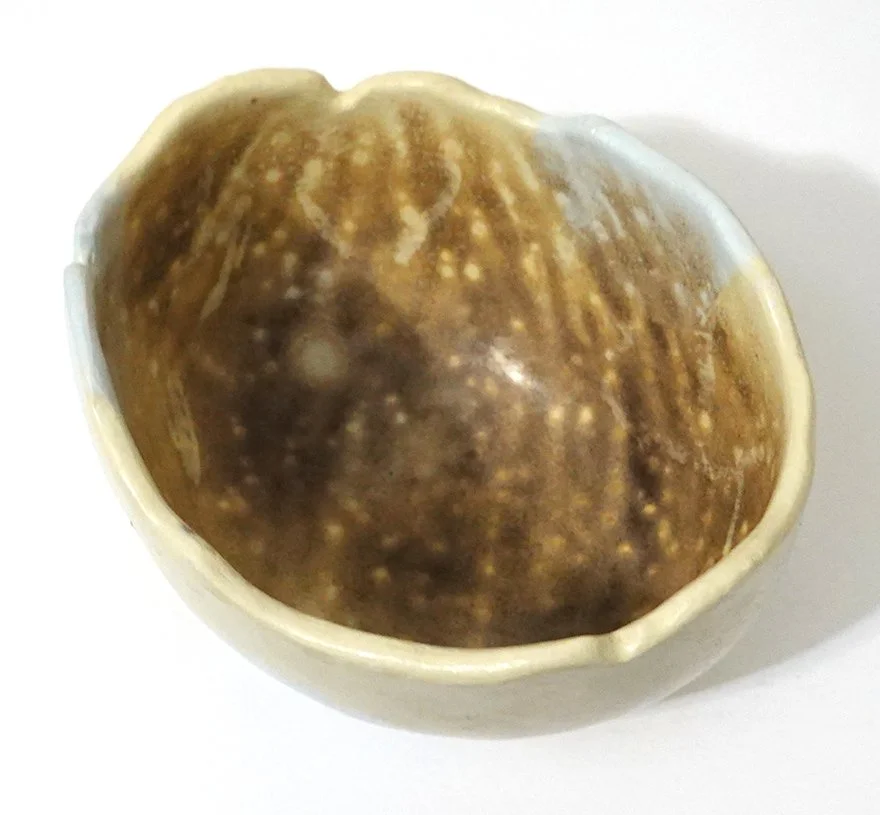
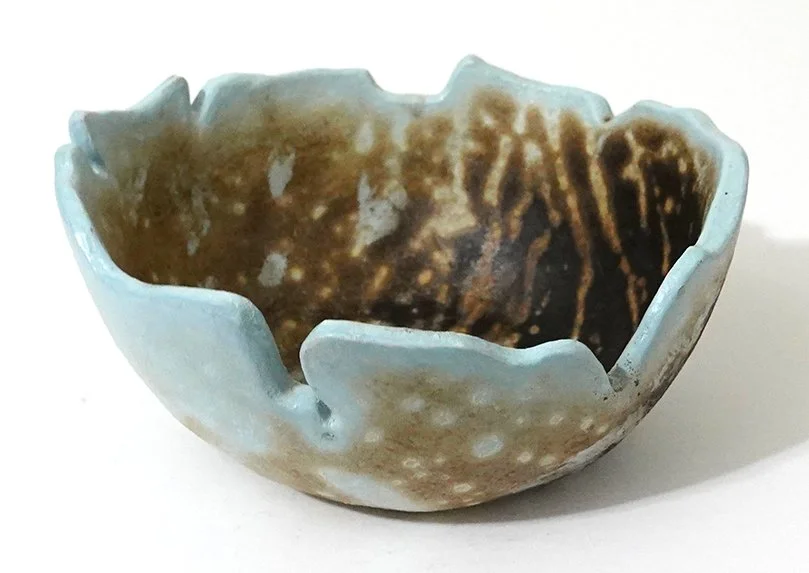
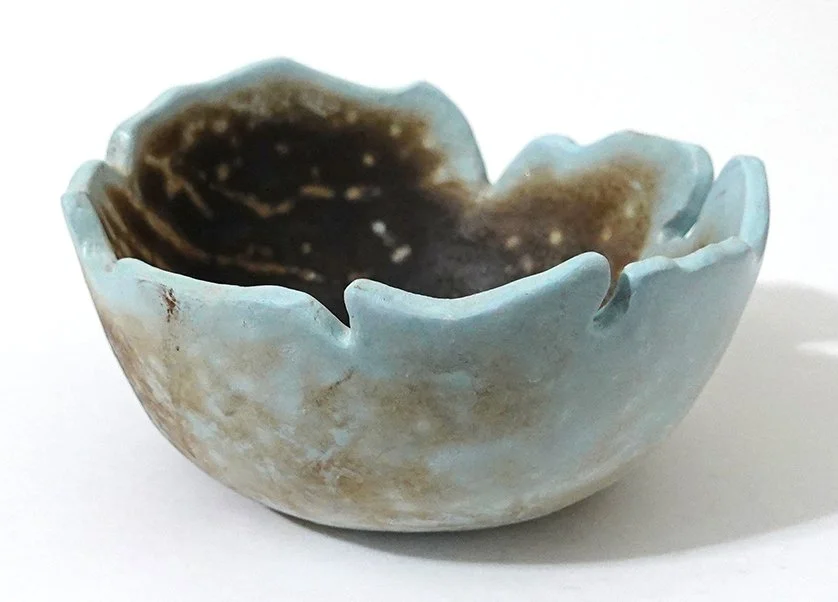
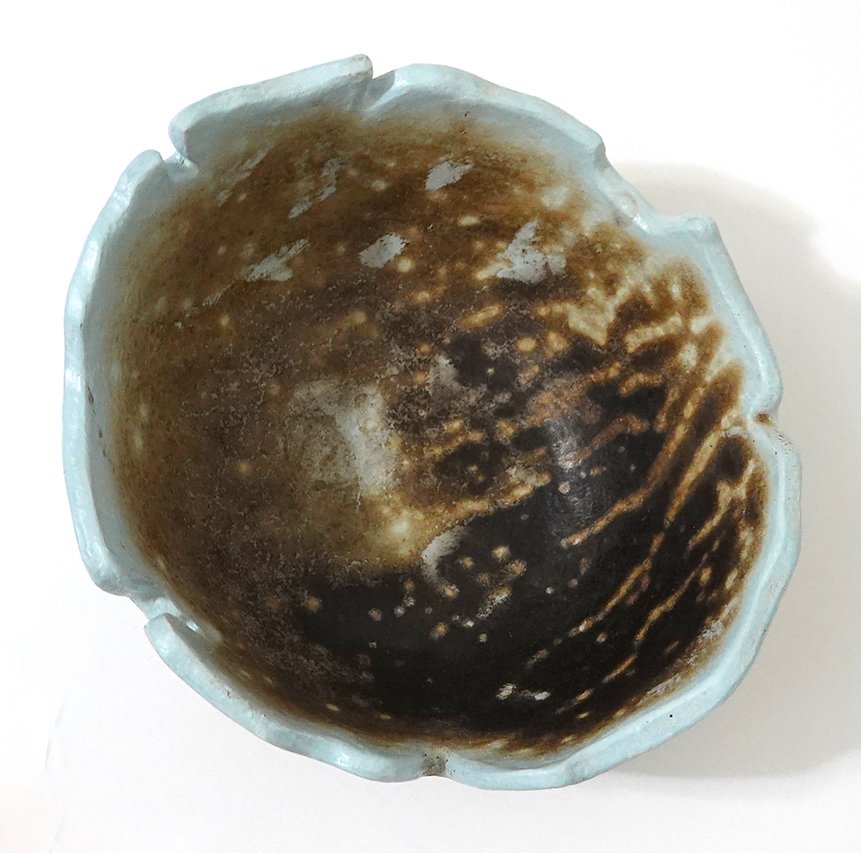
I also decided to experiment with a blue copper glaze in combination with the honey raku on a small bowl, even though the concave interior would be a challenge. What you can’t see in the below images is twofold: first, the blue lip is complemented by a blue base line, only visible when you lift the bowl up or get really down low. Second, this piece unfortunately lost the thermal shock lottery and has a number of minute cracks which make it less structurally sound. However, since it’s a decorative, low-fired piece anyway (as opposed to being food-safe or water-tight), the cracks are a permanent asterisk - but they won’t stop me from displaying or using it!