General Interest

LSU Vet Med Artist Residency Journal 7

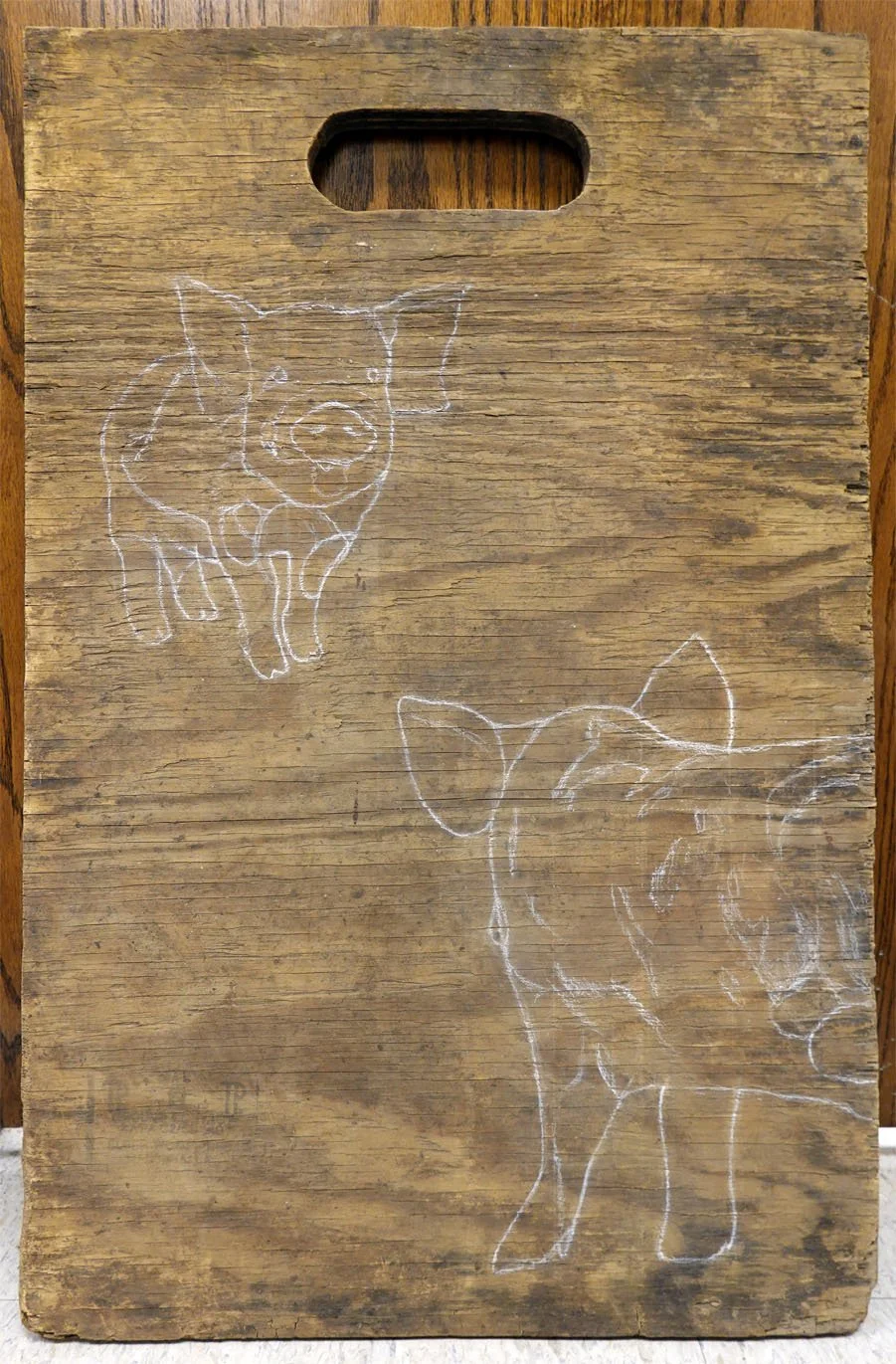
After I was able to return to the studio from COVID, I felt a lot of self-pressure to complete all the work I had envisioned prior to getting sick and losing access for several days. I prioritized my mosquito painting, ceramics, and pig board piece first.

My very kind host Rob Carpenter had helped me order a raw poplar frame from his own framers, and he showed me how to assemble it that weekend. We ran into a bit of a snafu when the museum glass was 1/8” too long, but Michael’s was willing to trim it down (and shared that if it broke in the process they’d also be willing to recut a new piece at no additional cost since it was their error in the first place). I also have to give Michael’s, specifically one of its workers, huge credit as they mounted my mosquito netting to the matboard for me! I was willing to do it myself if need be, but the most logical process was to get the whole matboard in, apply matte medium to the whole face and press the netting on top with a large flat weight (like a piece of plywood) until dry, and then cut the matboard down to size and with the window. They agreed with me about that being the simplest way, and said that they’d take care of it since they’d be doing all the surrounding work to it anyhow! I feel like I got a little taste of what it must be like to have a professional studio assistant, and it is a very nice luxury… They also gave me free foamcore backing and put little metal tabs in as well. Once it was all assembled, Rob helped me wire it and it was finally done!

Switching gears, I was lucky that I had brought all my raw ware down to Southern Pottery Equipment to be bisque-fired just before I came down with COVID, and we decided together that given my timeline I’d go there to glaze it on site so that it could then instantly be put in the glaze firing. So on Tuesday, I headed over!

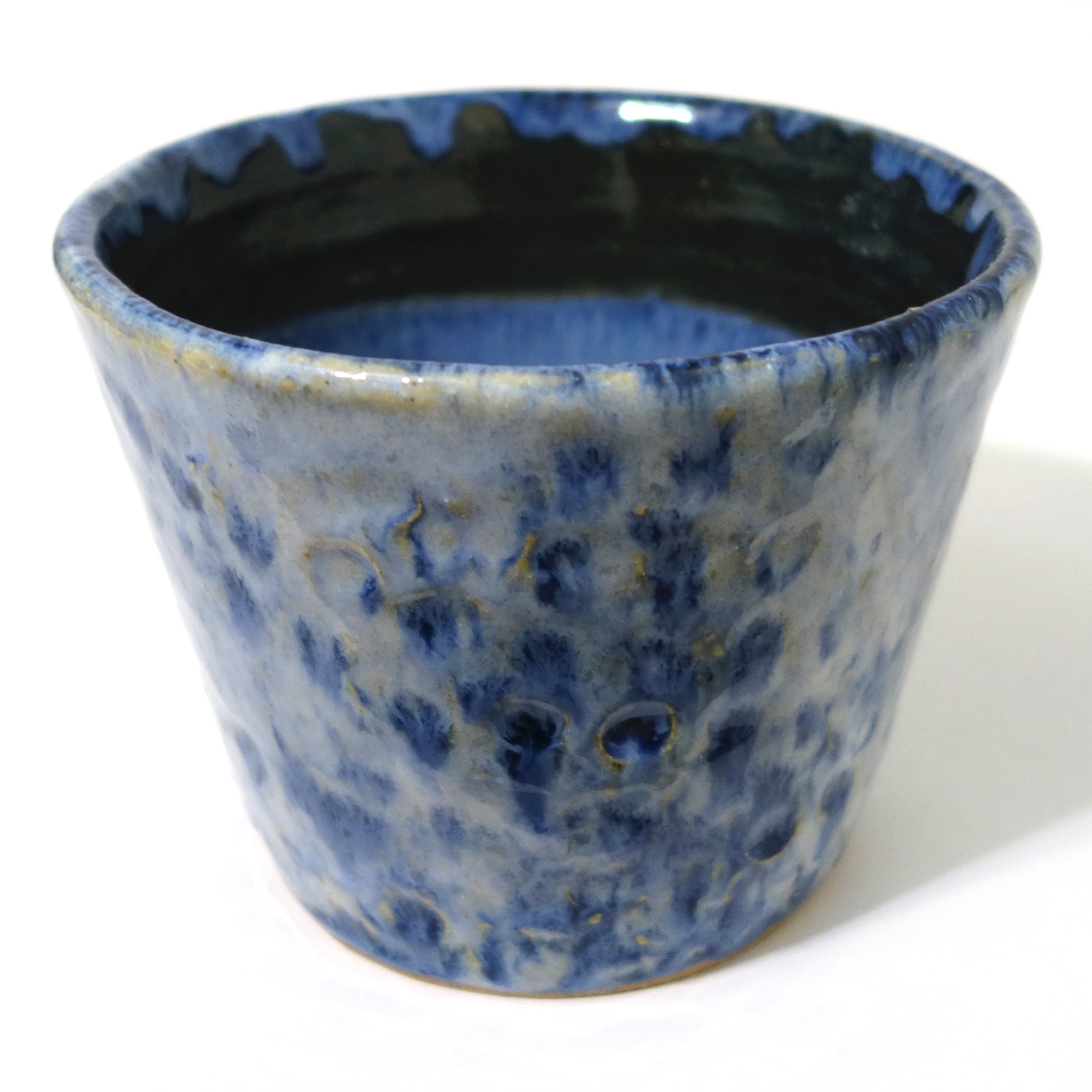
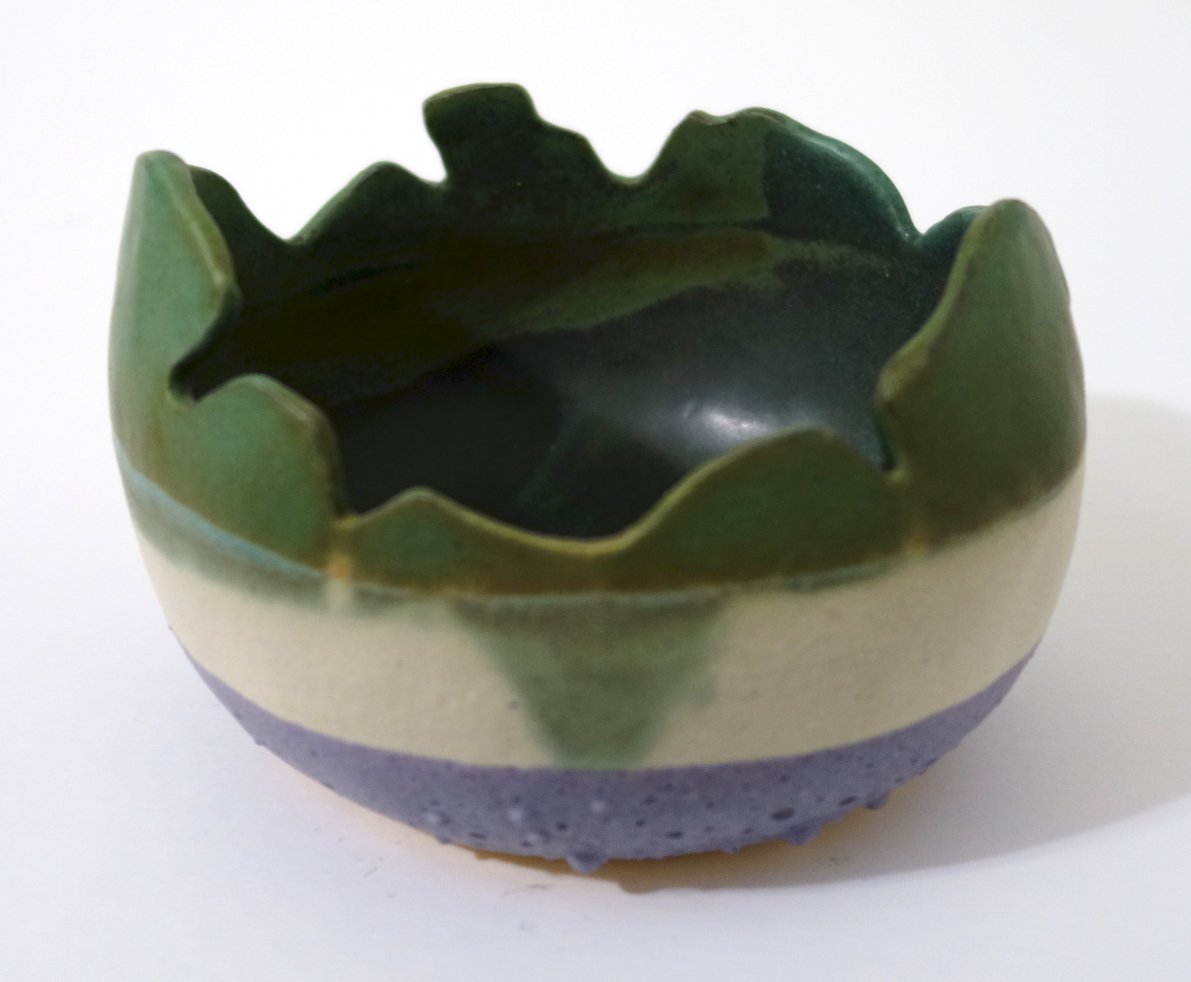
I had purchased three different glazes which in my head when combined together would give a bone-like appearance. The catch is that I was just guessing based off my previous experience with completely different glazes, and as I believe I mentioned before this was a one-shot, que será, será situation. It took me four hours to glaze all 17 ceramic vessels, but honestly I stopped because the shop was closing - I could probably have glazed for another hour more!

Much of the rest of the week was spent planning out how the show would be installed, tracking down pedestals, and finishing up the pig piece. I also recorded the Arts Council of Greater Baton Rouge podcast. Then I returned to fetch my glaze-fired ceramics! Unfortunately, none had been stilted as the shop hadn’t felt there was a need, but the satin mottle seemed to behave more as a hi-flow gloss and it ran enough to fuse a number of my pieces to the kiln shelf. A large bowl I had impressed with a pig skull fragmented into pieces, and another four pieces had pretty severe damage. One had moderate damage but was still displayable, and then another five or so had varying bottom detritus; I did the best I could to smooth them all out, but I only had a Dremel rotary tool on hand so I was much more limited than if I’d been back in the Morningside studio with our diamond grinders. Despite the damage, about half were completely unscathed and I think I ended up displaying 13 total in the show.

That weekend, I put the pedal to the metal in racing to finish a vulture sculpture I had begun weeks ago but then deprioritized. The one non-art event of the week I did sneak in was to get a haircut! I had looked at the Baton Rouge subreddit for curly hair specialists and there was a woman recommended at the local Supercuts - I decided to try her out, as the rest of the options were all $80+ and I was feeling tapped after outlaying $400 for my isolation housing on top of all the other costs of the residency.
LSU Vet Med Artist Residency Artwork 7 Process

Here are some in-progress photos of Seeing Double!

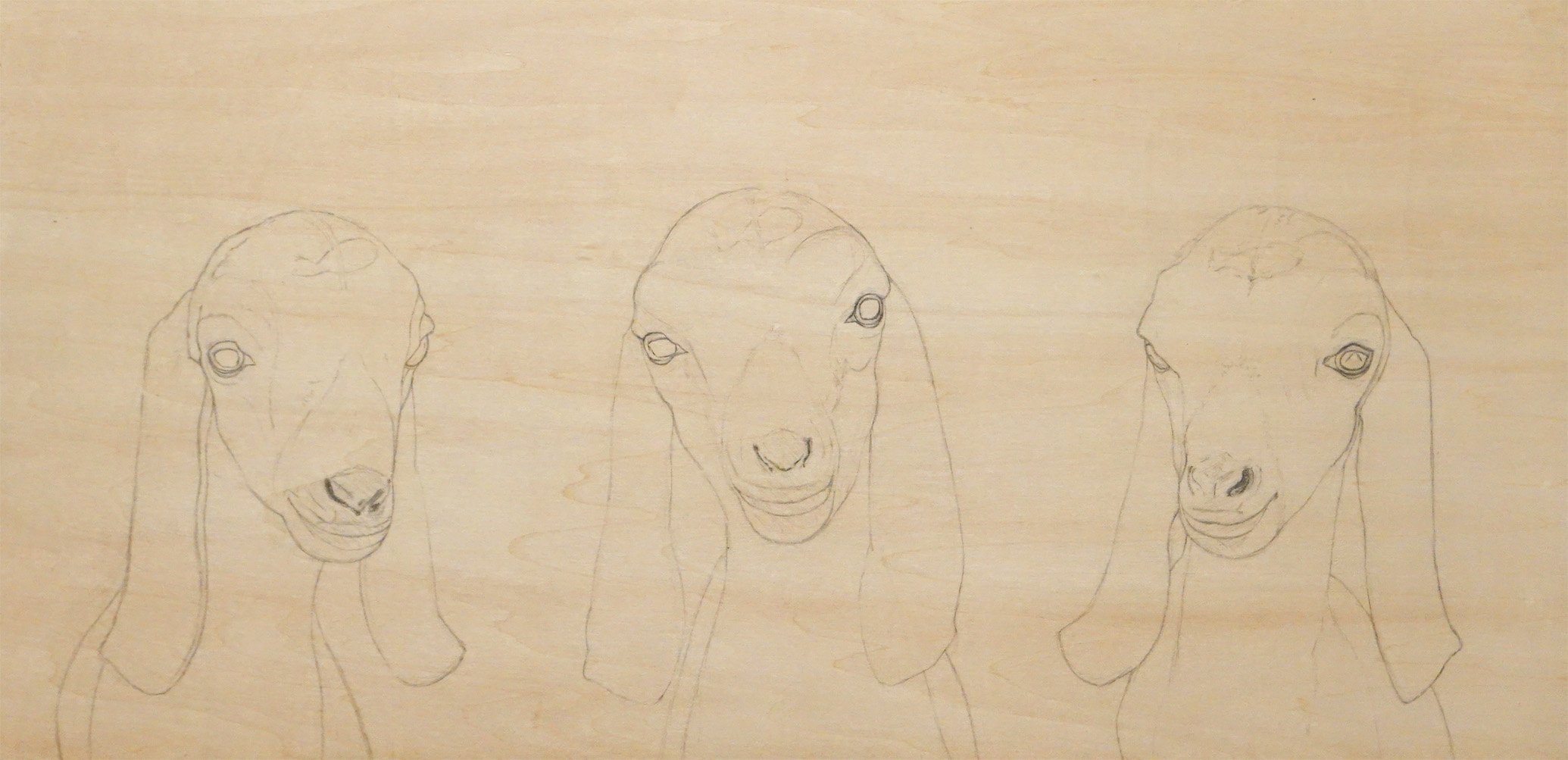
LSU Vet Med Artist Residency Artwork 6 Process

Here are process photos from Crèche Chic!

LSU Vet Med Artist Residency Artwork 5 Process

And here are process pictures of Singularity from start to finish!

LSU Vet Med Artist Residency Artwork 4 Process

Here are some in-progress images of Hosts! I had to almost exclusively use my two smallest brushes for the whole painting, which was tedious but ultimately worth the effort.

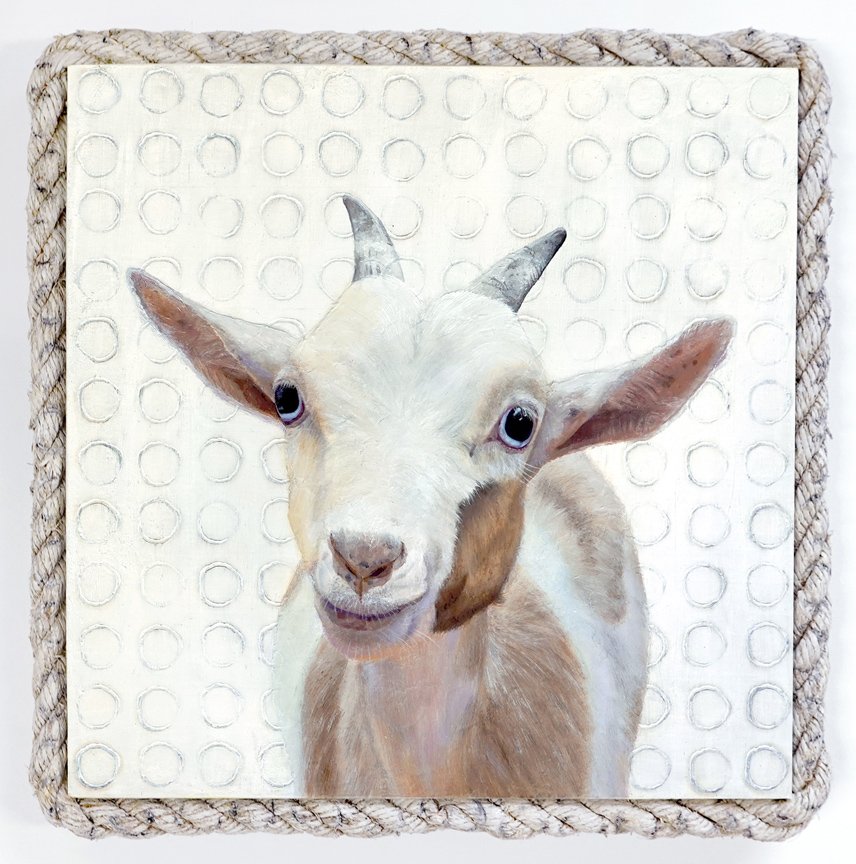
LSU Vet Med Artist Residency Artwork 3 Process

Here are process photos from Lineage! I first used the debudding tool on a plain basswood panel and then painted over it with white acrylic to make the background. Then I drew out the goat contour, and before I even drew the eyes or snout I then went over the area she’d be painted with molding paste several times to fill in the depressions. I added the eyes and snout and a couple more layers of molding paste, and then began painting!

When I paint, the order of what I do can change depending on the textures involved; I always aim to paint further away first and then foreground last, but in this painting’s case I left the eyes and ears for last as I was painting the goat fur with synthetic bristle brushes. They gave the mark-making I was looking for, but their lack of precision meant that I wanted to get the fur mostly down before I addressed those more tightly detailed areas.

After I finished the painting, I varnished it, and then worked on the halter rope before gluing and clamping it onto the basswood panel.

LSU Vet Med Artist Residency Journal 4

Over the weekend, I had dinner with my good friend Dr. John Pojman and his wife and came into the studio and painted. The following week was mostly focused on my studio practice as well, but there were a few interesting events! The first is that some anatomy folks asked to meet with me, and then after I showed them my studio and its current state of affairs, I followed them back to their lab and nosed around. They had a veritable stockpile of bones, as you might imagine, and also lent me some stain powders which I am excited to explore, though a bit less so now that the methylene blue counter stain has revealed itself to be unstable in coloration… but I still want to see what these others can do, and there’s one made out of lichens that sounds pretty promising.

After sleeping on our conversation, I went back and borrowed a giant bucket full of duplicate bones, as with permission from the school I decided I would create a small body of ceramics with bone impressions for texture. I had been so convinced I would not do ceramics down here though that I didn’t bring any tools along. Thank goodness I got the Morningside University Ver Steeg grant, as I might’ve otherwise balked at the cost of buying new ones! I went to the primary pottery supply store in Baton Rouge and picked up tools, a 25lb bag of white stoneware, and three glazes which I hope to combine together in a way that both accentuates the texture while being reminiscent of bone. We’ll see - I don’t really have time to troubleshoot any part of the glazing, so que será, será.

On Thursday evening, my former graduate faculty member and mentor Kelli Kelley hosted a shindig at her house for me to introduce me to some of her recent MFA alumni and current MFA students. It was really kind of them all to spend this time with me, and I enjoyed seeing Kelli’s studio again - it’s perhaps my platonic ideal of studio. It’s big, has a lot of table space and an extremely high ceiling, and just generally cultivates an air of peaceful, creative energy.
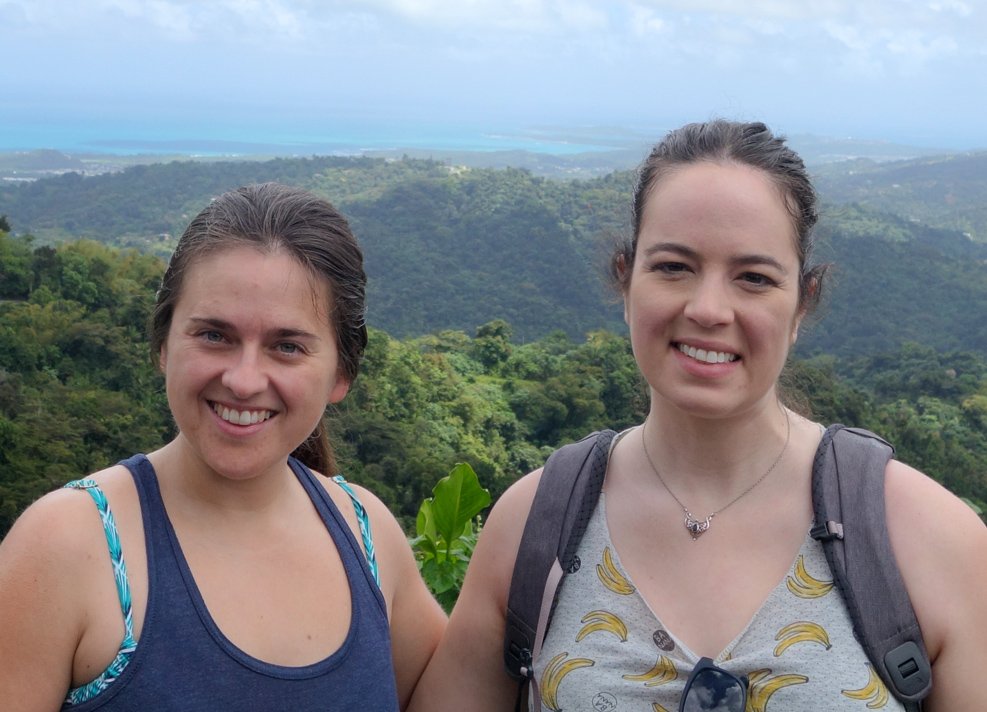
After that gathering I made my way out to dinner with a new friend I made after moseying into Mo’s Art Supply - Emily Seba, a talented illustrator and prop designer who also manages this Mo’s.
The following weekend and beginning of the next week was spent busily crafting a small collection of pinch pots; I have to say that though my new tools are fine, I really miss my Garrity tools. (Buying more would take too long in shipping time though, so I made do with the instantly available ones from Southern Pottery Supply.) I learned that a lot of bones don’t really leave as much in the way of impressions as I’d hoped, but there were a few that served me quite well!

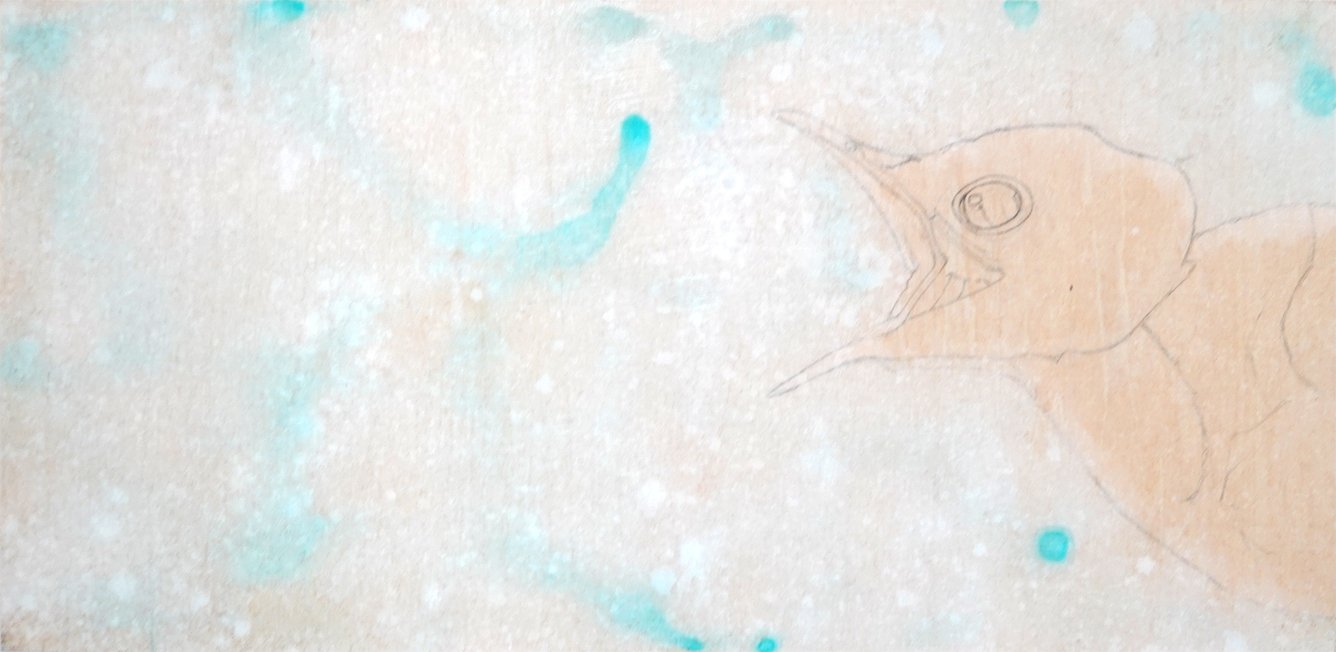
LSU Vet Med Artist Residency Artwork 2 Process

As I mentioned in my first post about this painting, the coloration of the background comes from my novel usage of veterinary stains and medicine as art media, and I continued that color palette into the subject as well. However, there was a lot of trial and error in the creation of the background, and a cyan coloration that was produced ended up quickly going almost entirely fugitive (bleached out). I reinforced it with acrylic droplets as a final step, but as the painting continues to age, the background purple coloration is also beginning to fade. I may need to redo the whole background eventually, but right now I am adopting a wait-and-see approach!

This painting has already had a number of failed backgrounds, because two of the chemicals I tried to use for pigmentation clearly did not work from the start. The first I attempted was chlorhexidine, and the second was light green stain from Histology. “Wait a minute!” you might say to yourself. “Those chemicals are still listed in the mixed media!”

You’d be correct - I left them in because I kept sandwiching new chemicals between layers of acrylic medium, and I can’t be sure that some of those initial layers didn’t create the compositional effects that later resulted from the Diff-Quik methylene blue counter stain. That is the chemical that brought both the purple and strong cyan into to the background, but the cyan came from watering down or thinning out the stain and it began going fugitive quickly. The purple stuck around long enough that I thought it was permanent, but now it too is beginning to fade. I’ll continue to update you as to where this painting ends up, in terms of both aesthetics and process!

LSU Vet Med Artist Residency Artwork 1 Process

I tend to be pretty bad about taking process photos, but I’ve been trying to be more intentional about it for this residency! Here are several images of Fortification in progress, culminating in the finished artwork.

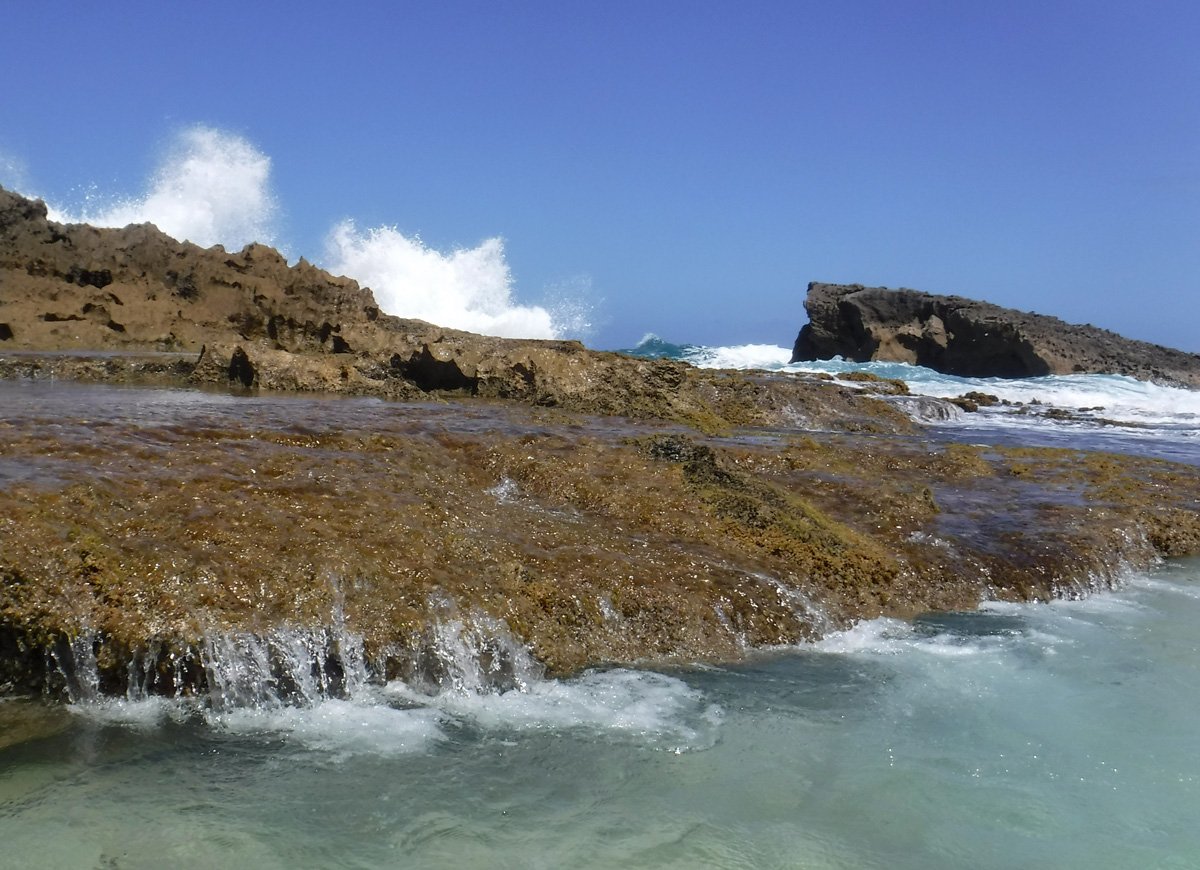
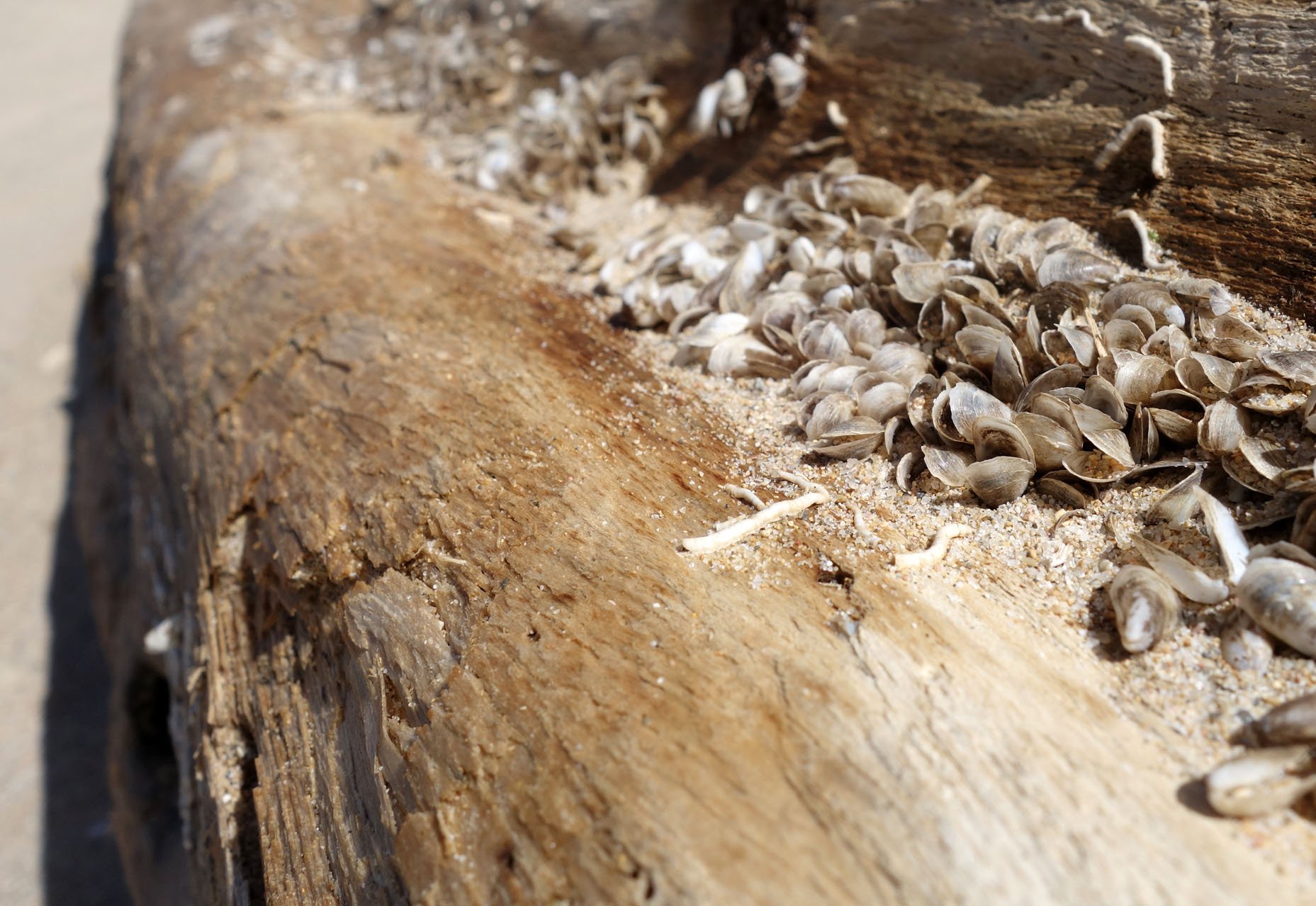
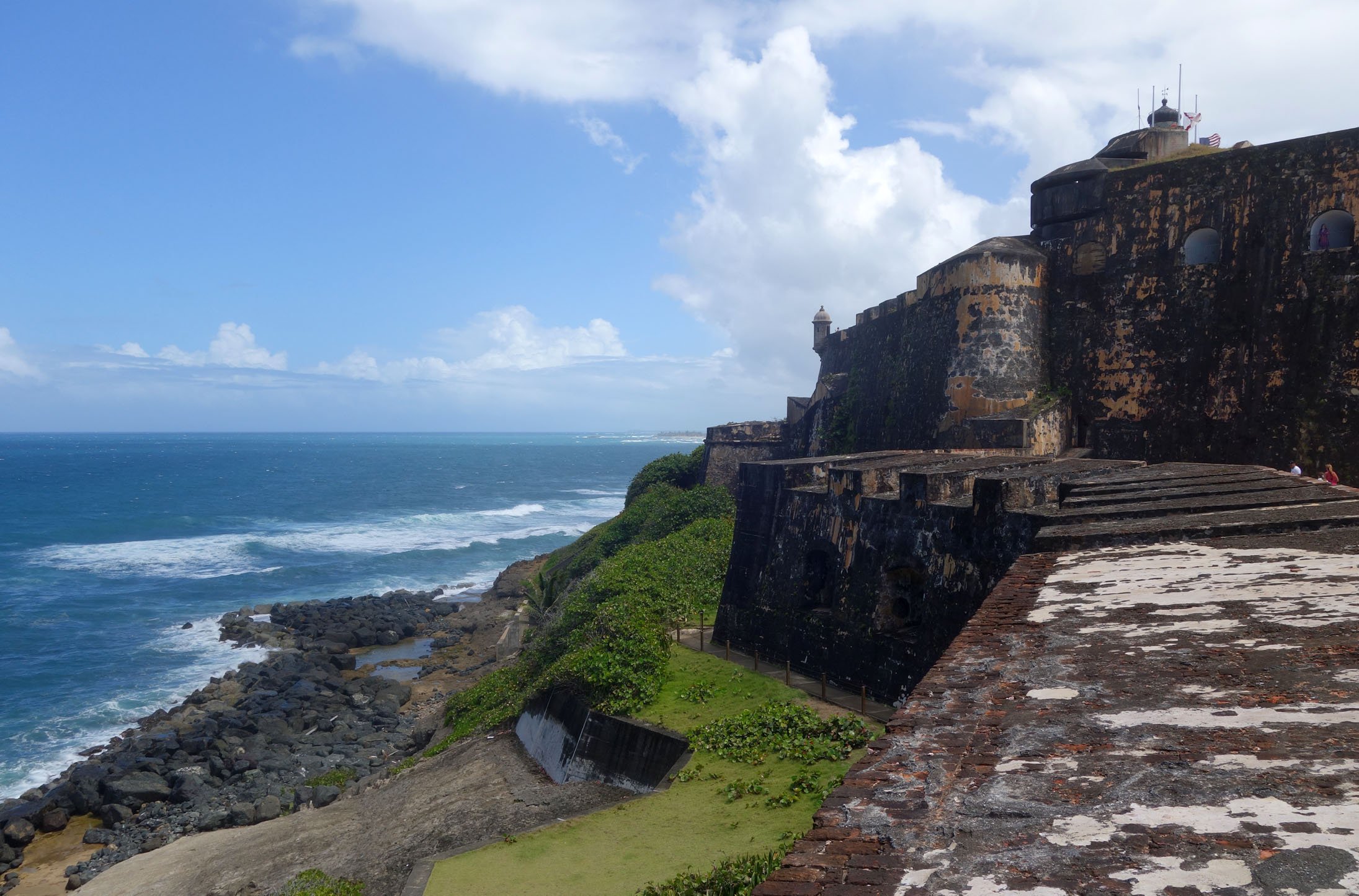
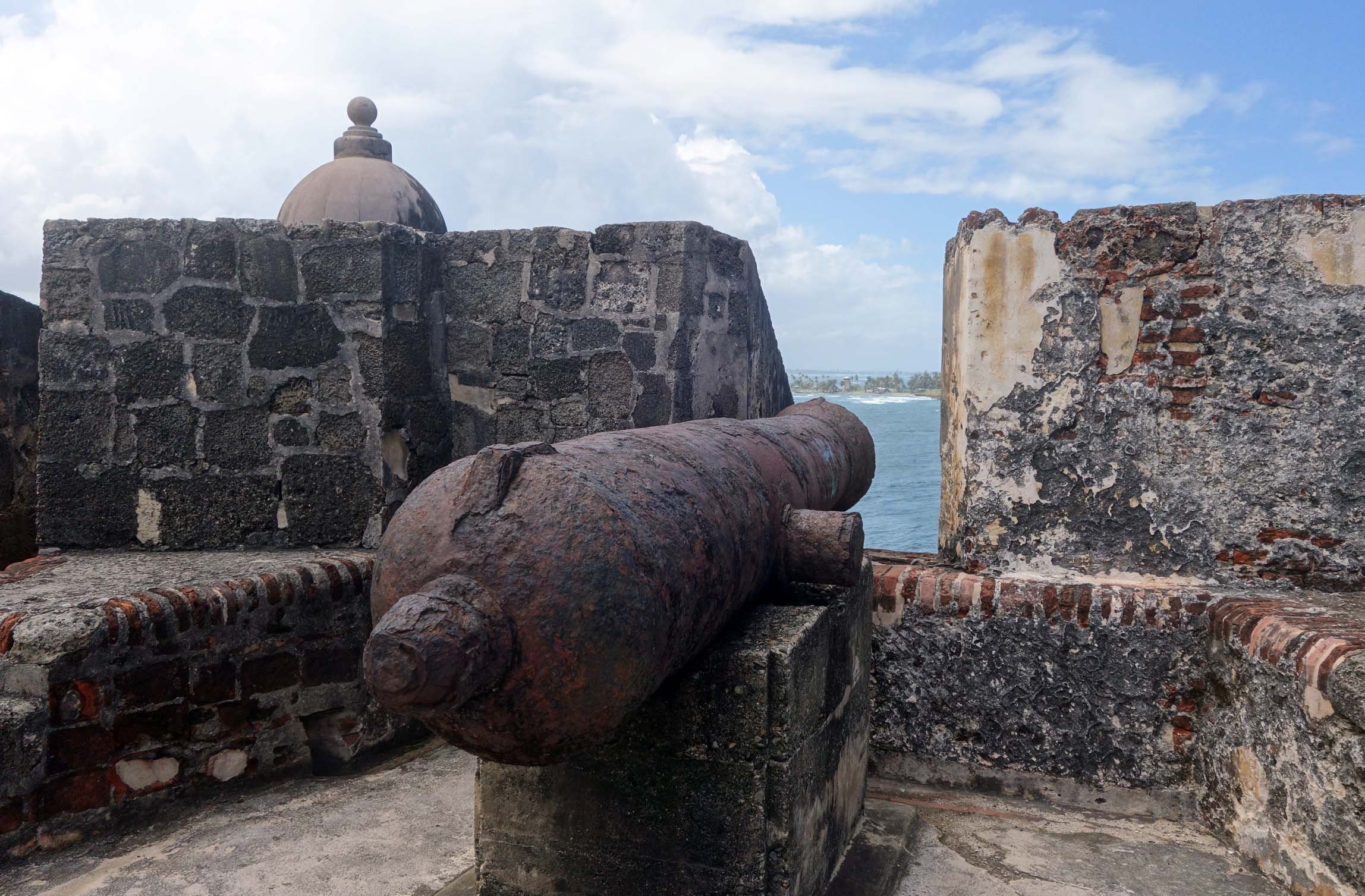
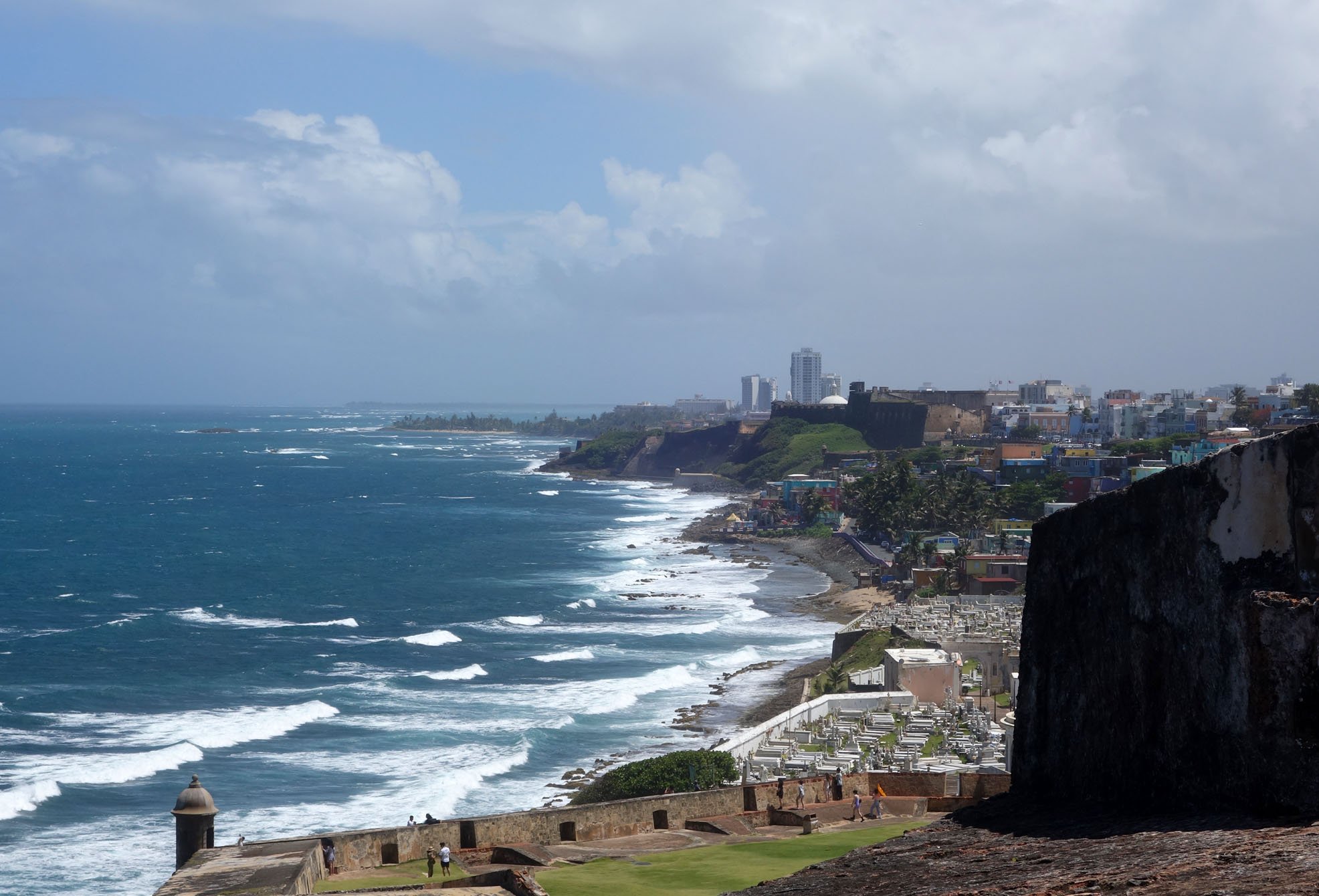
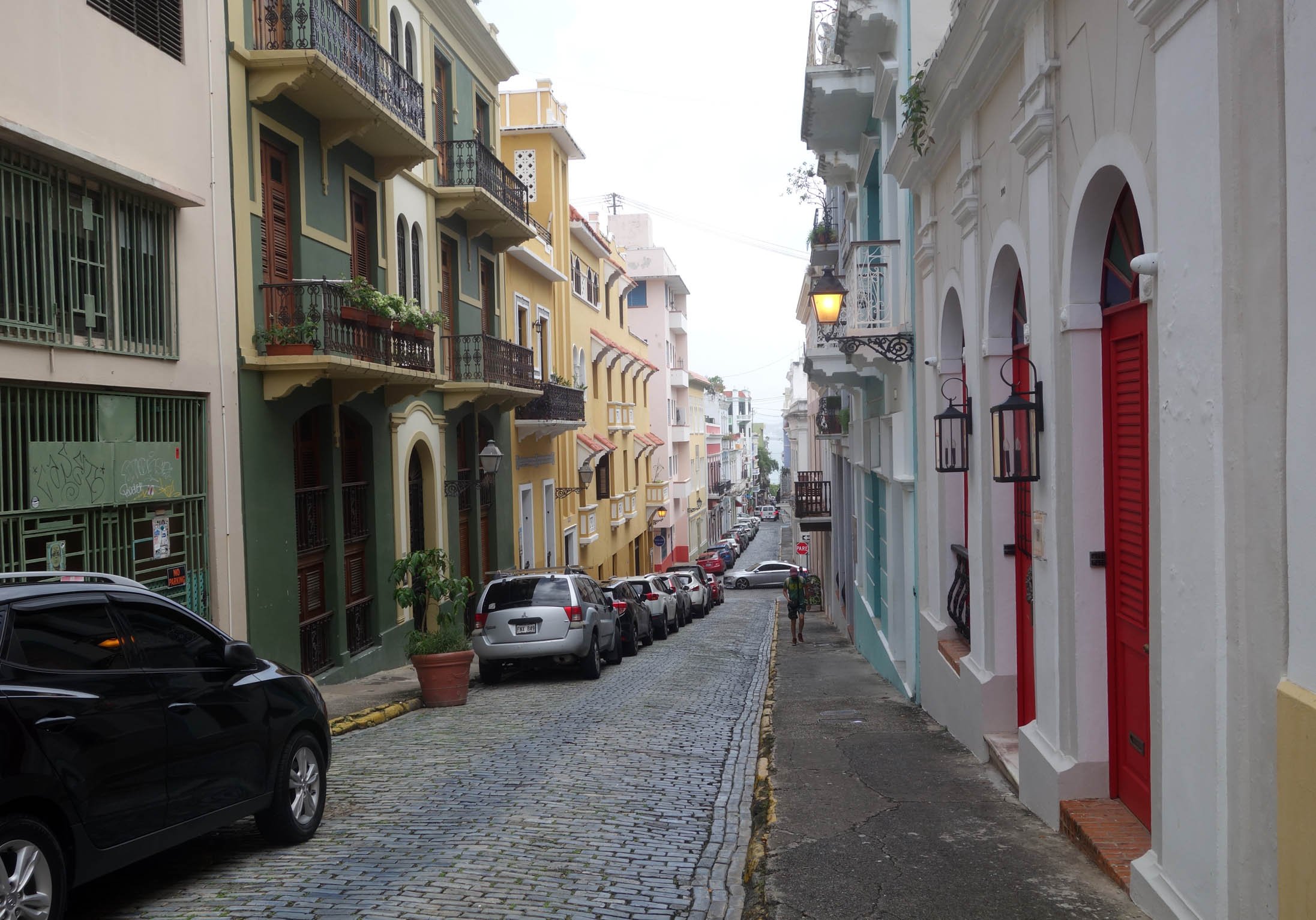
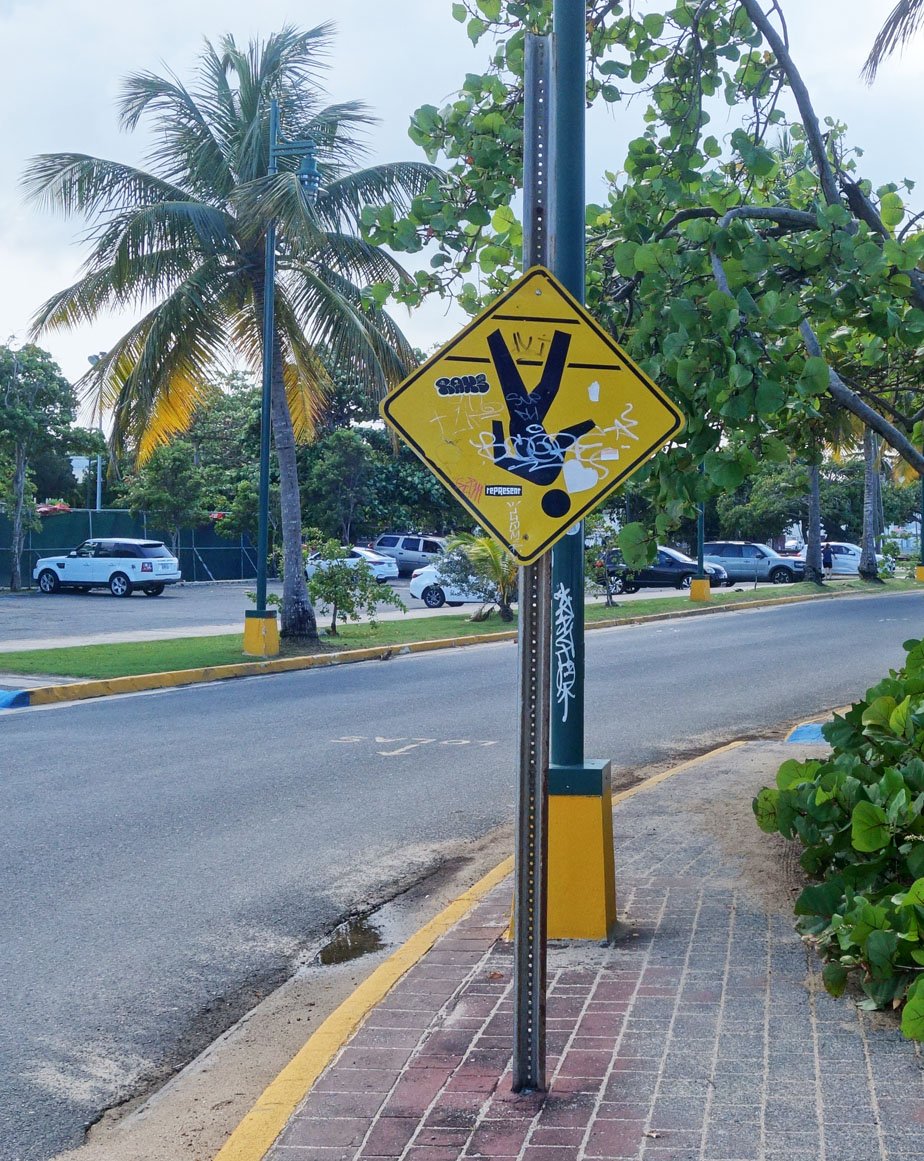
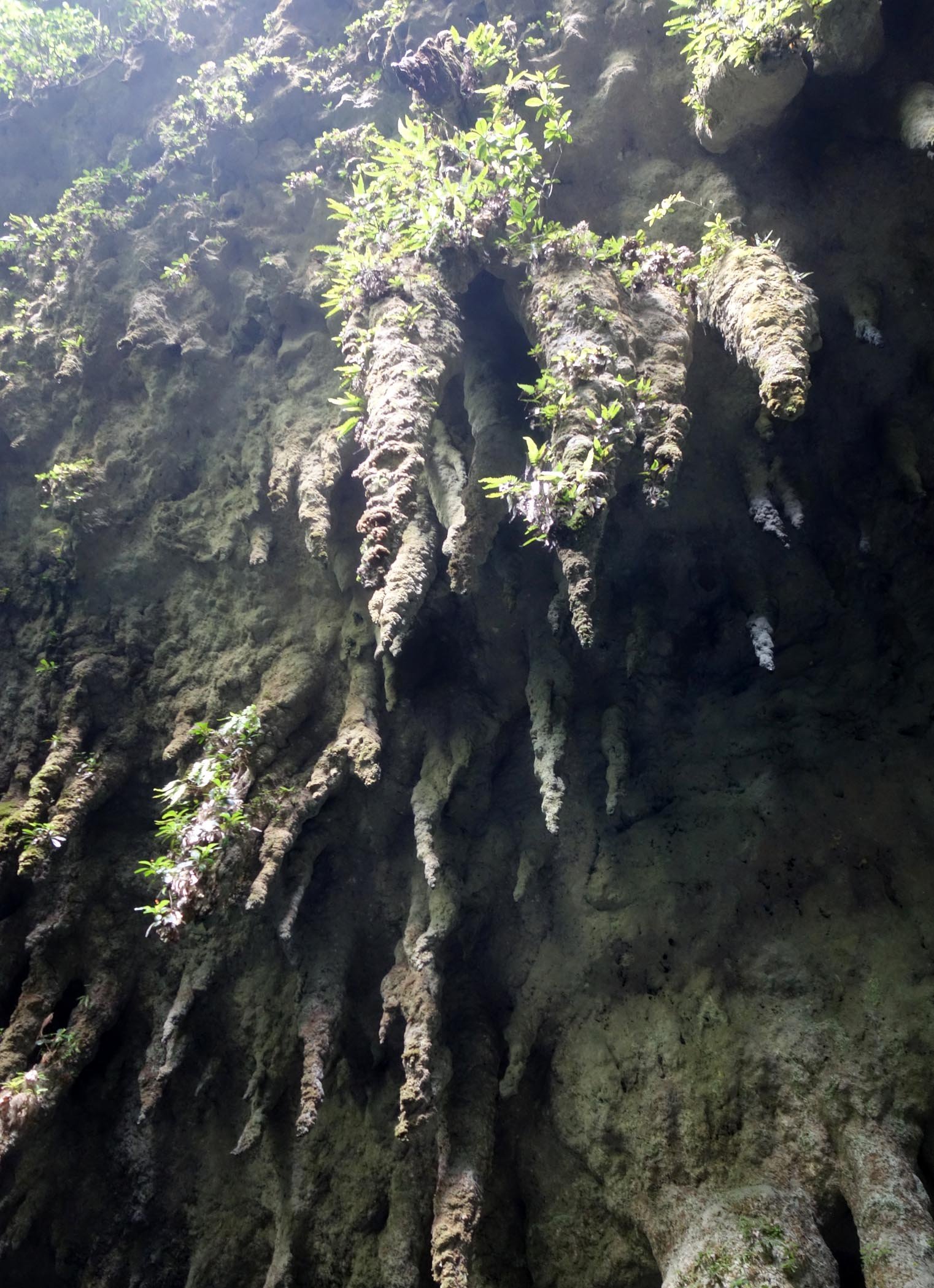
Puerto Rico Photos!

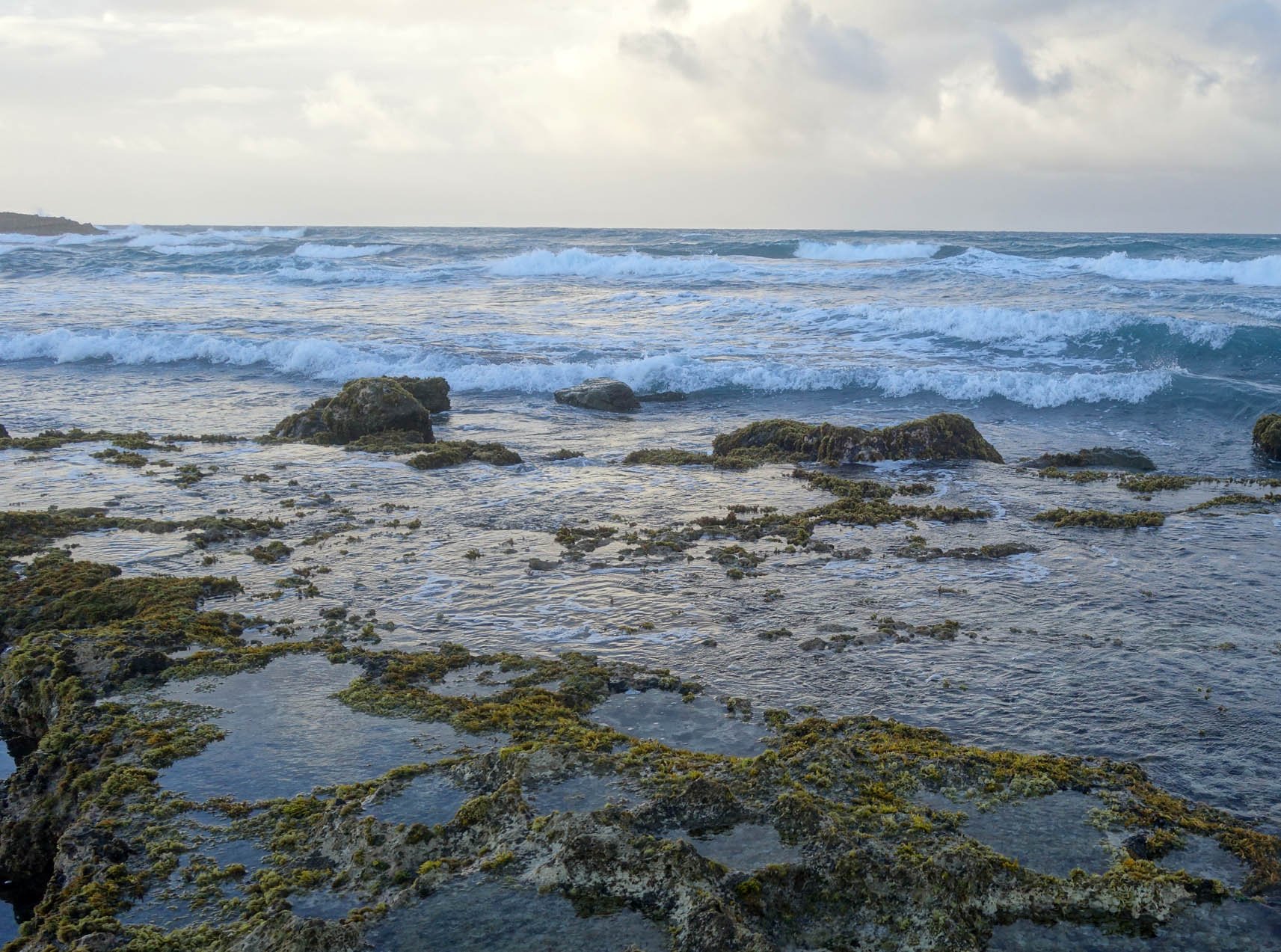
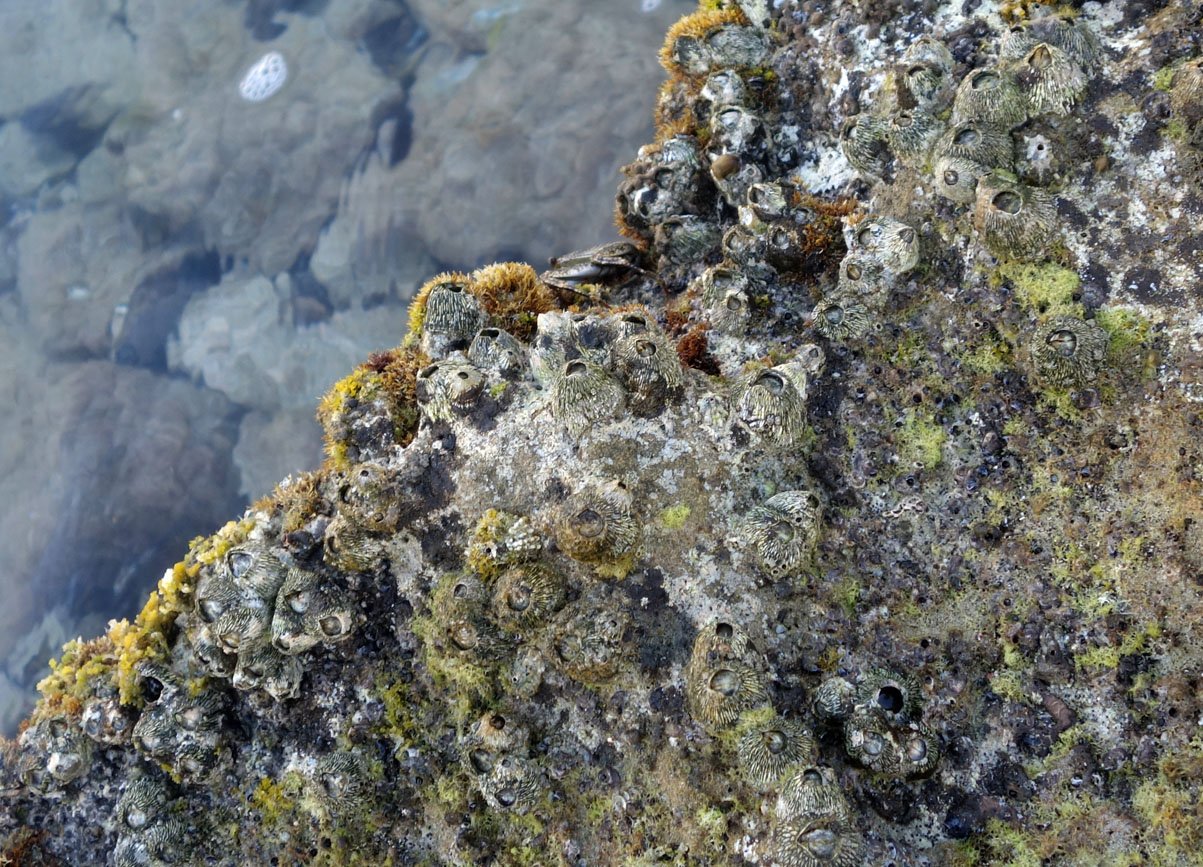
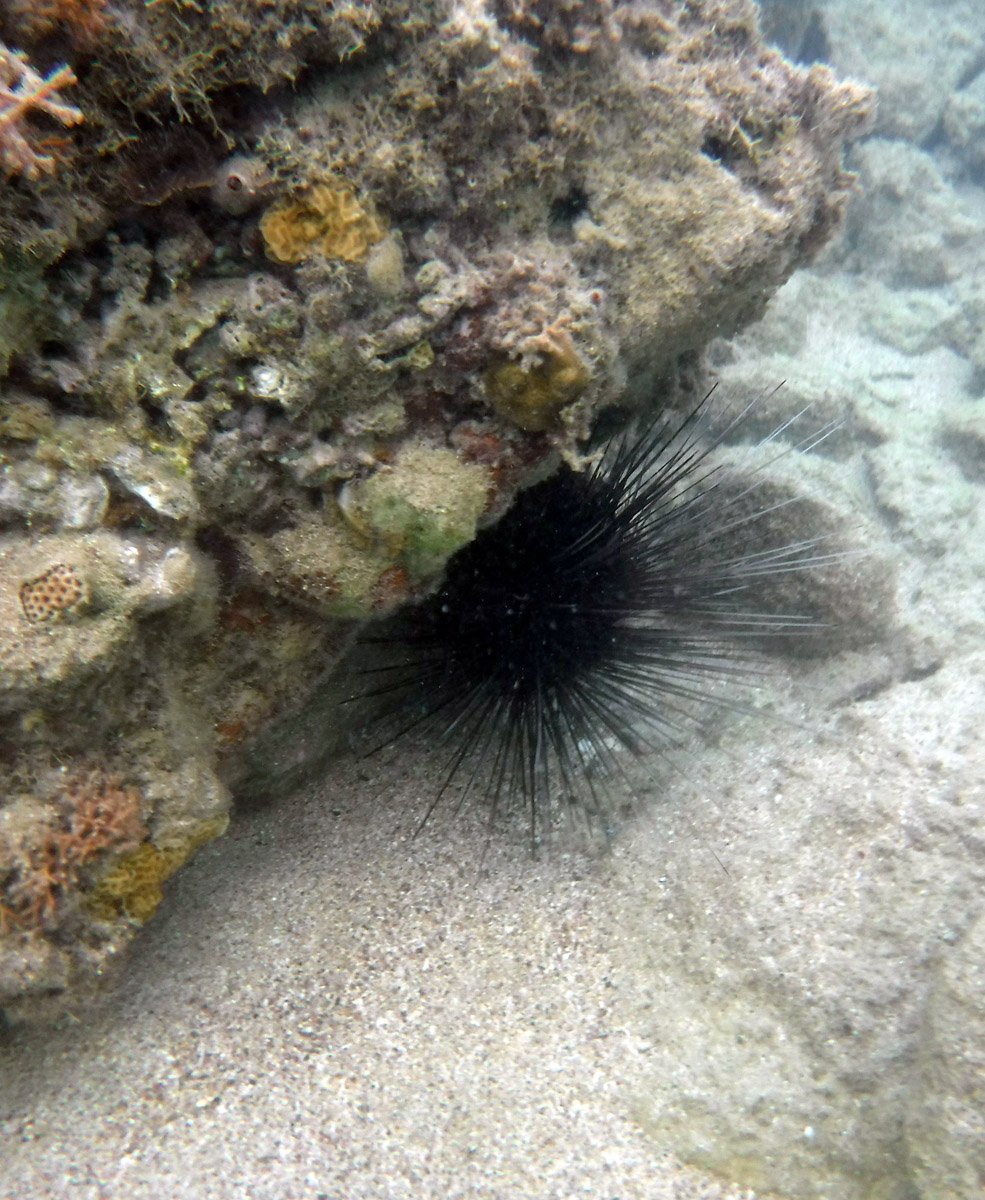
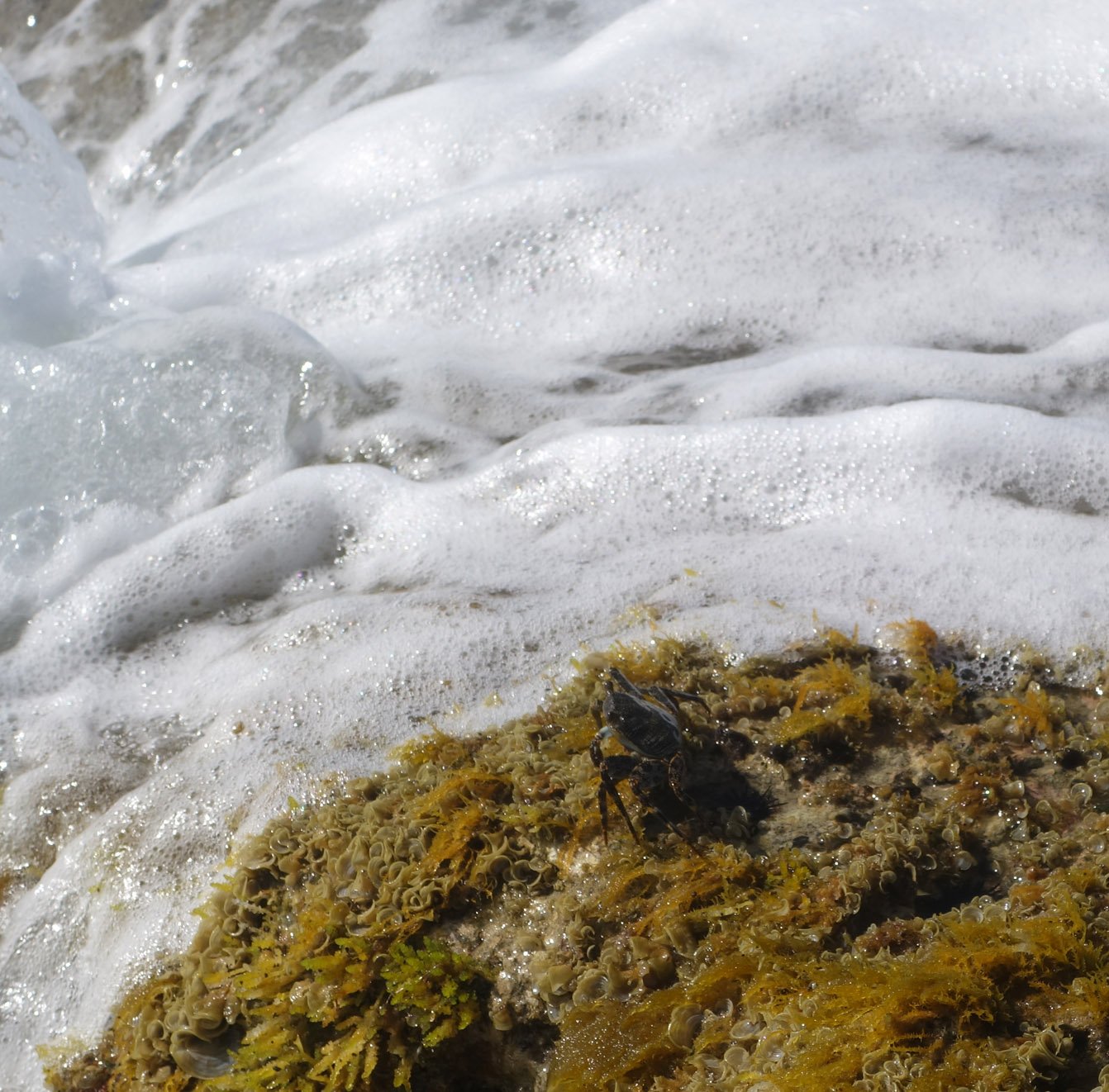
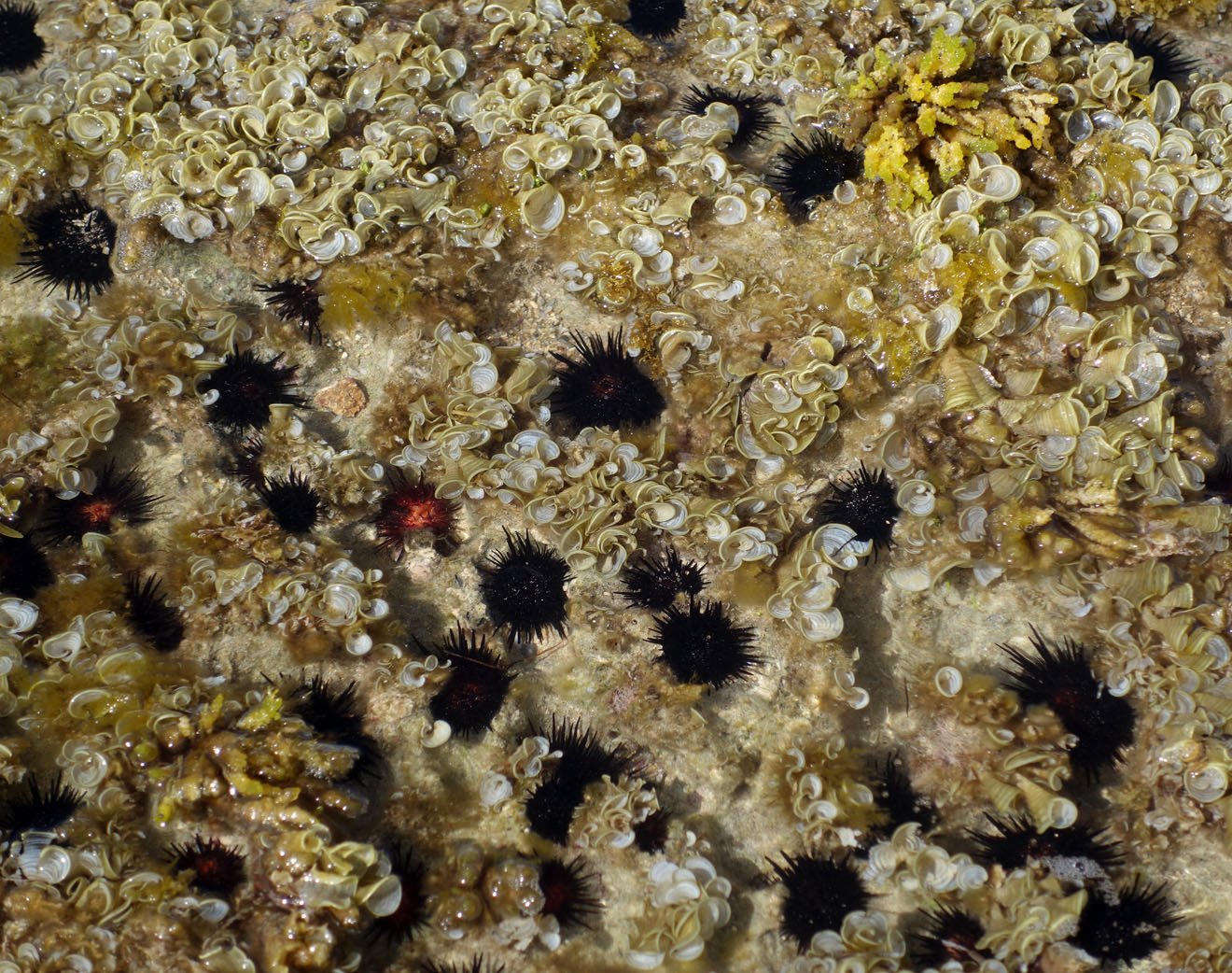
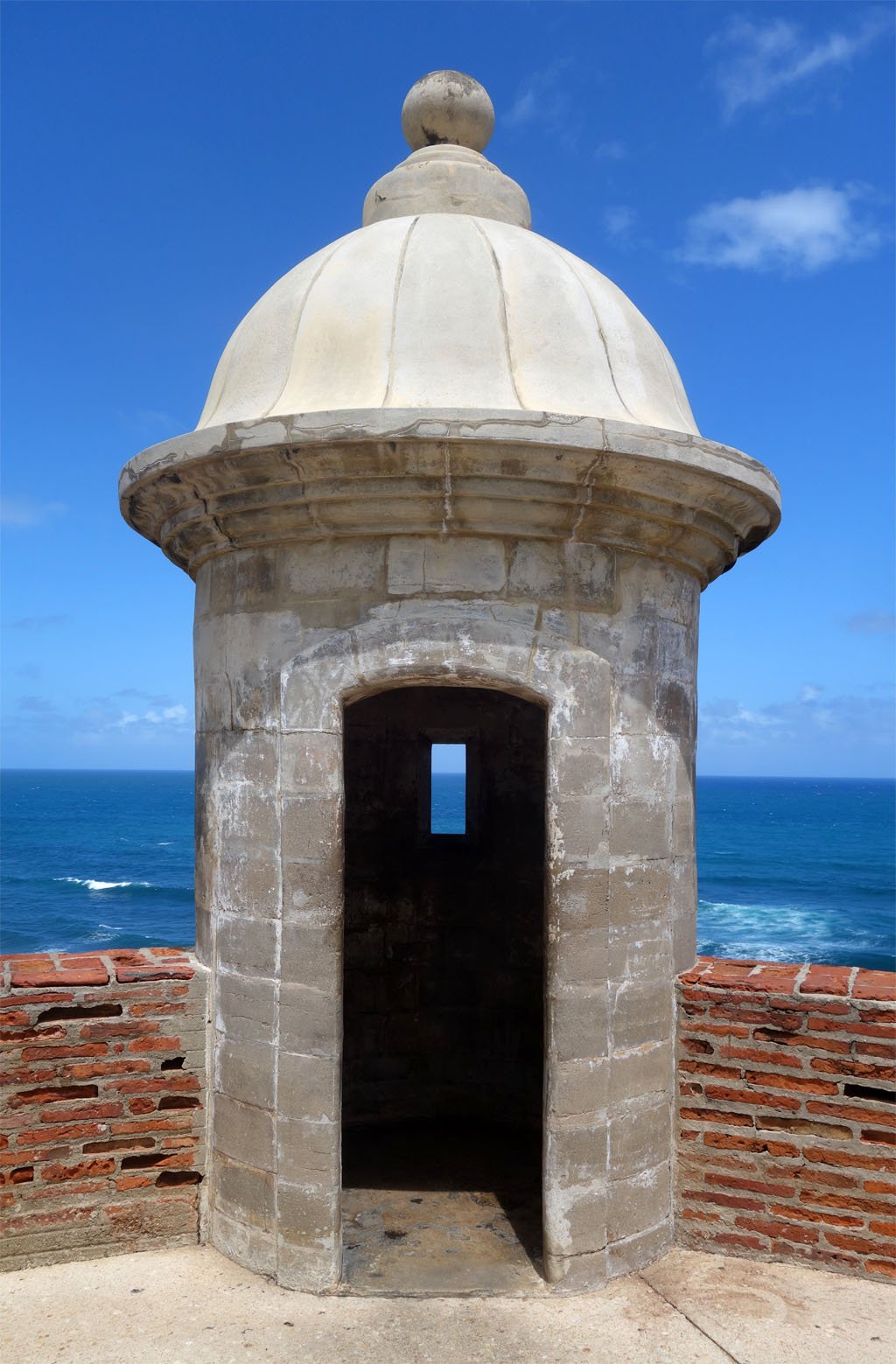
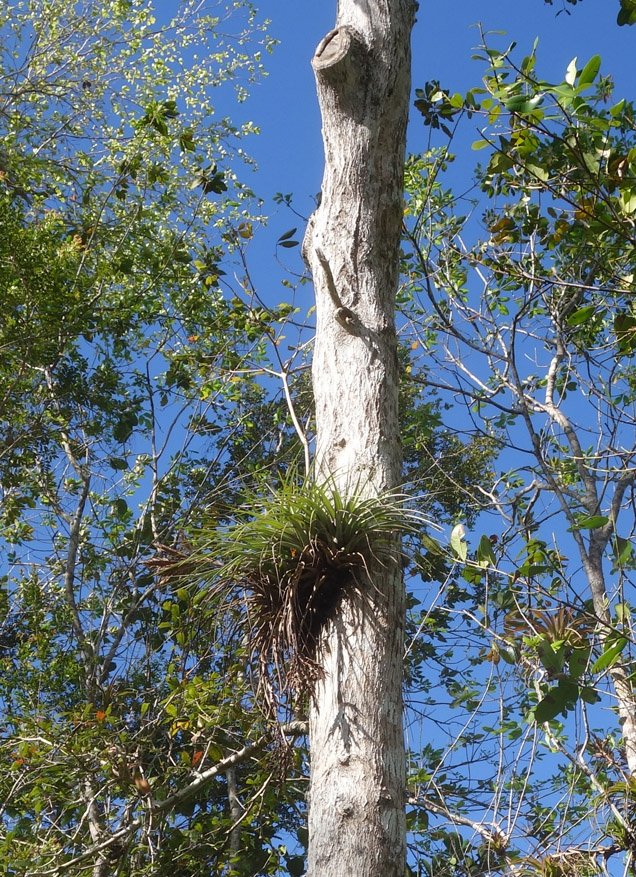
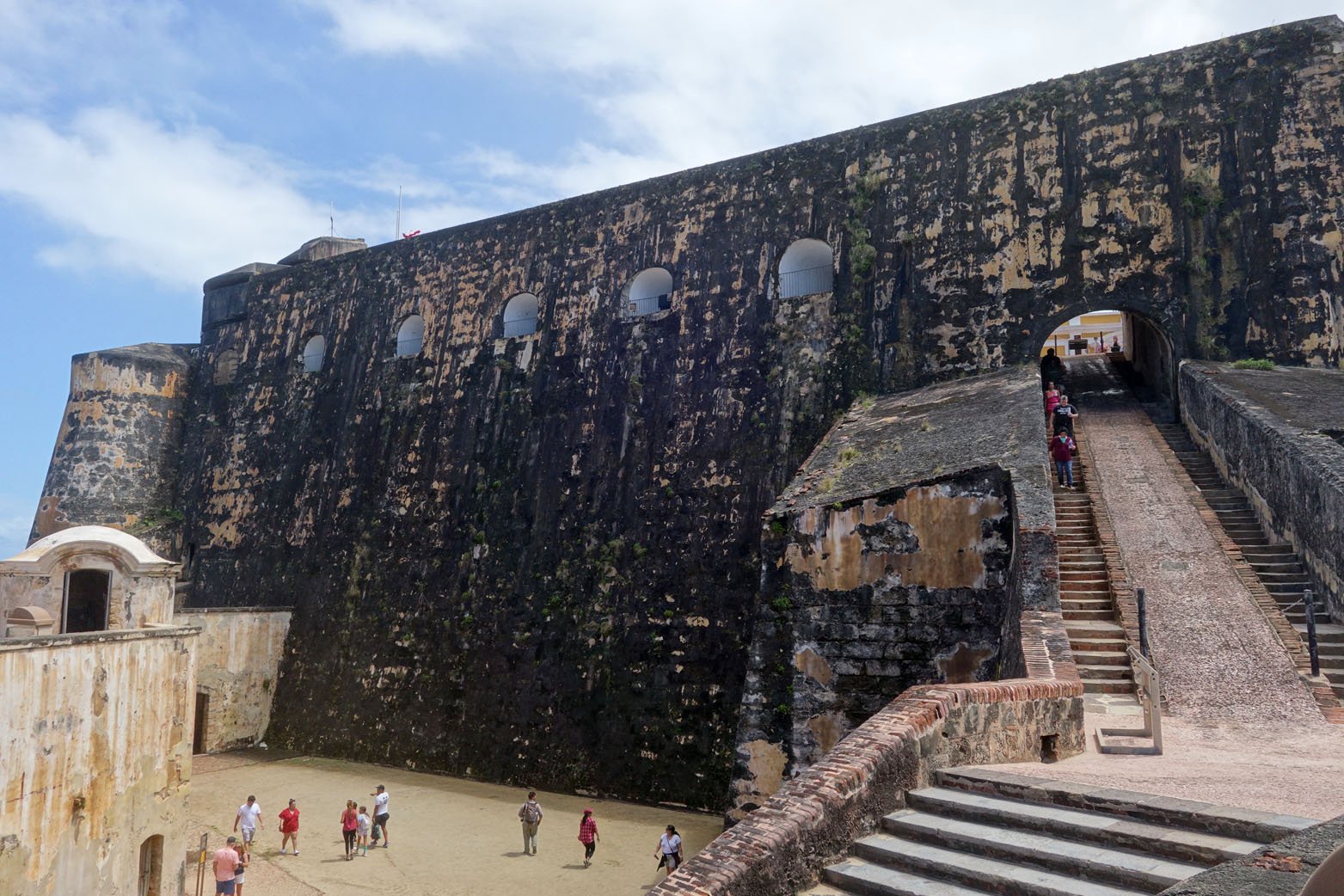
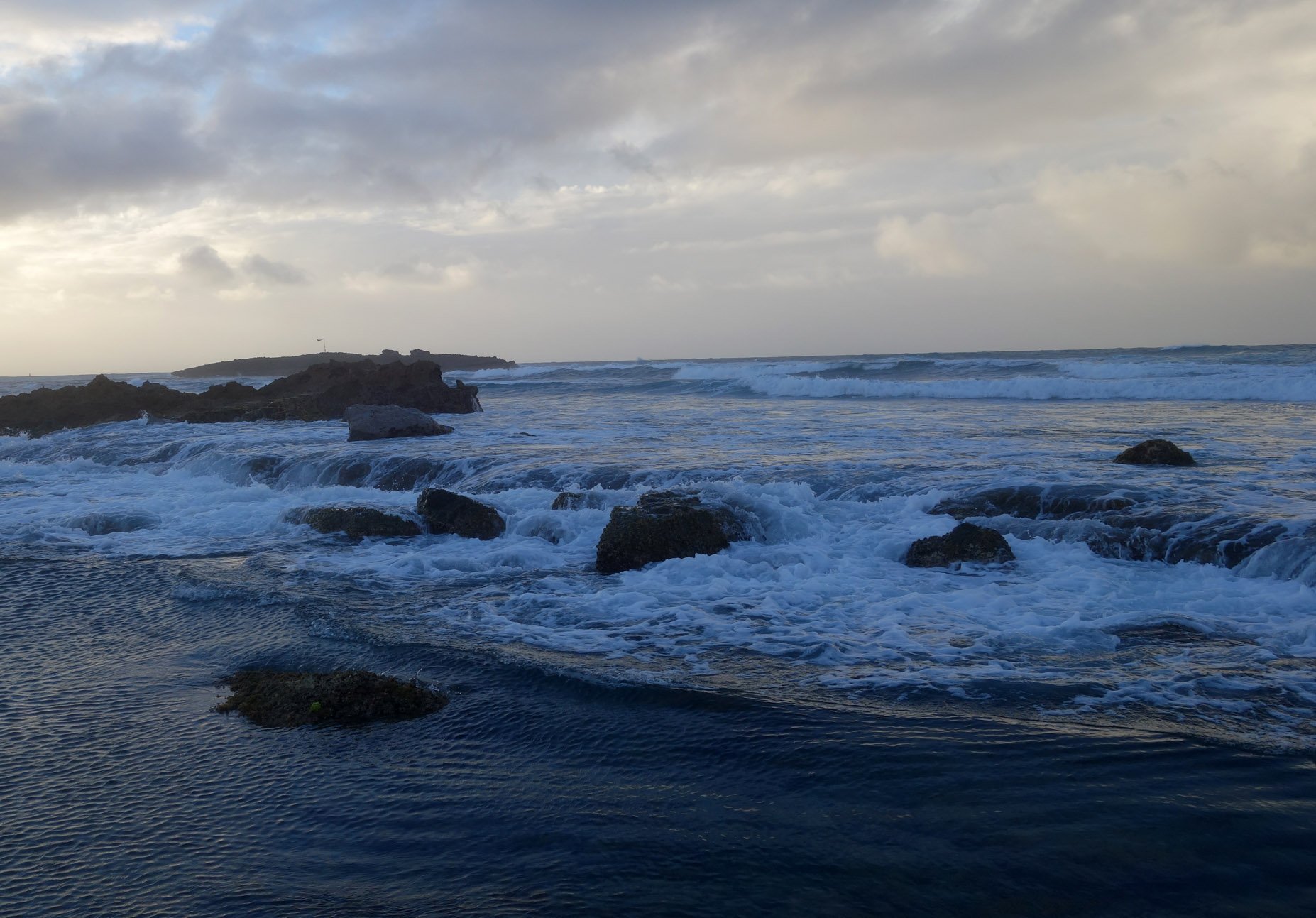
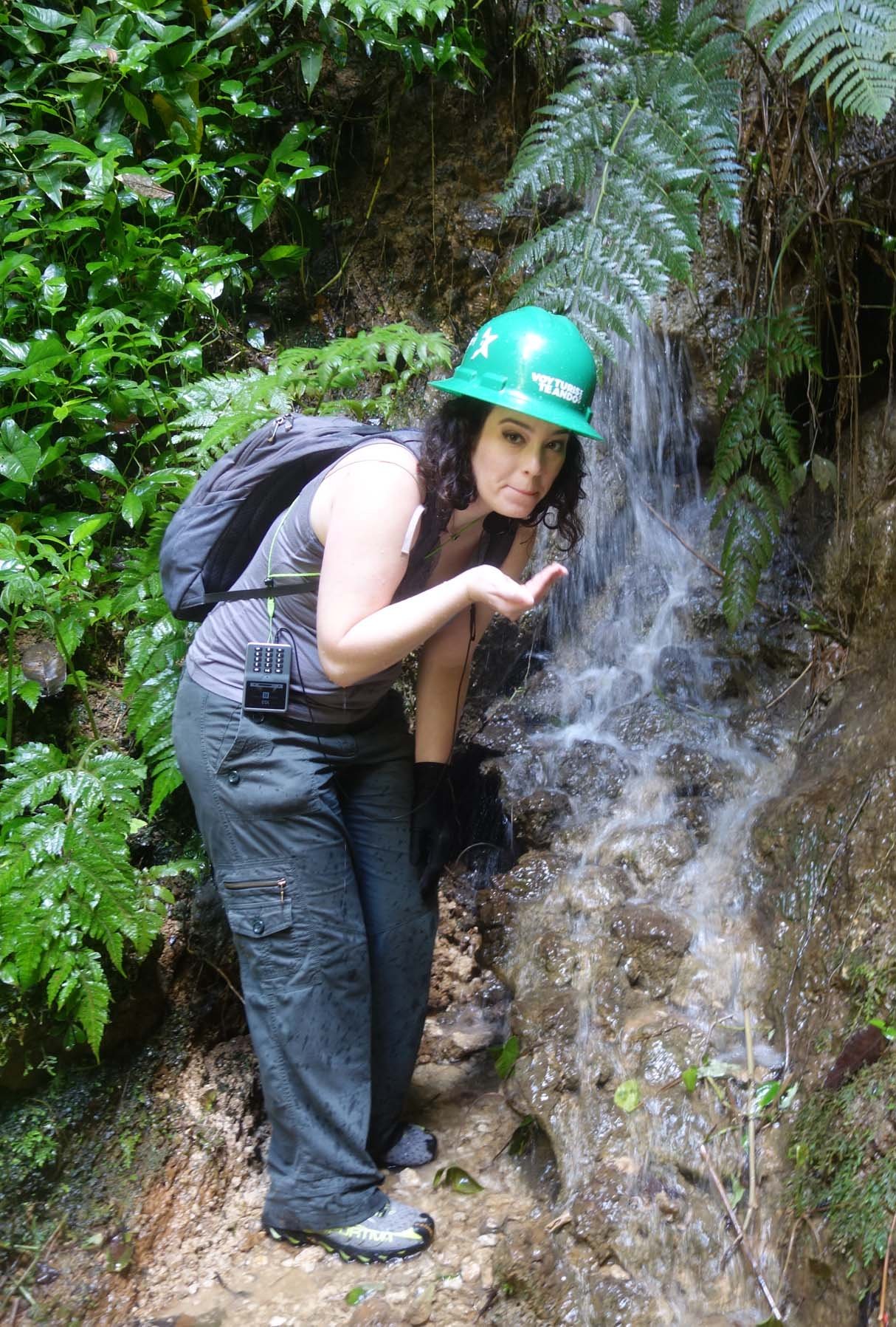
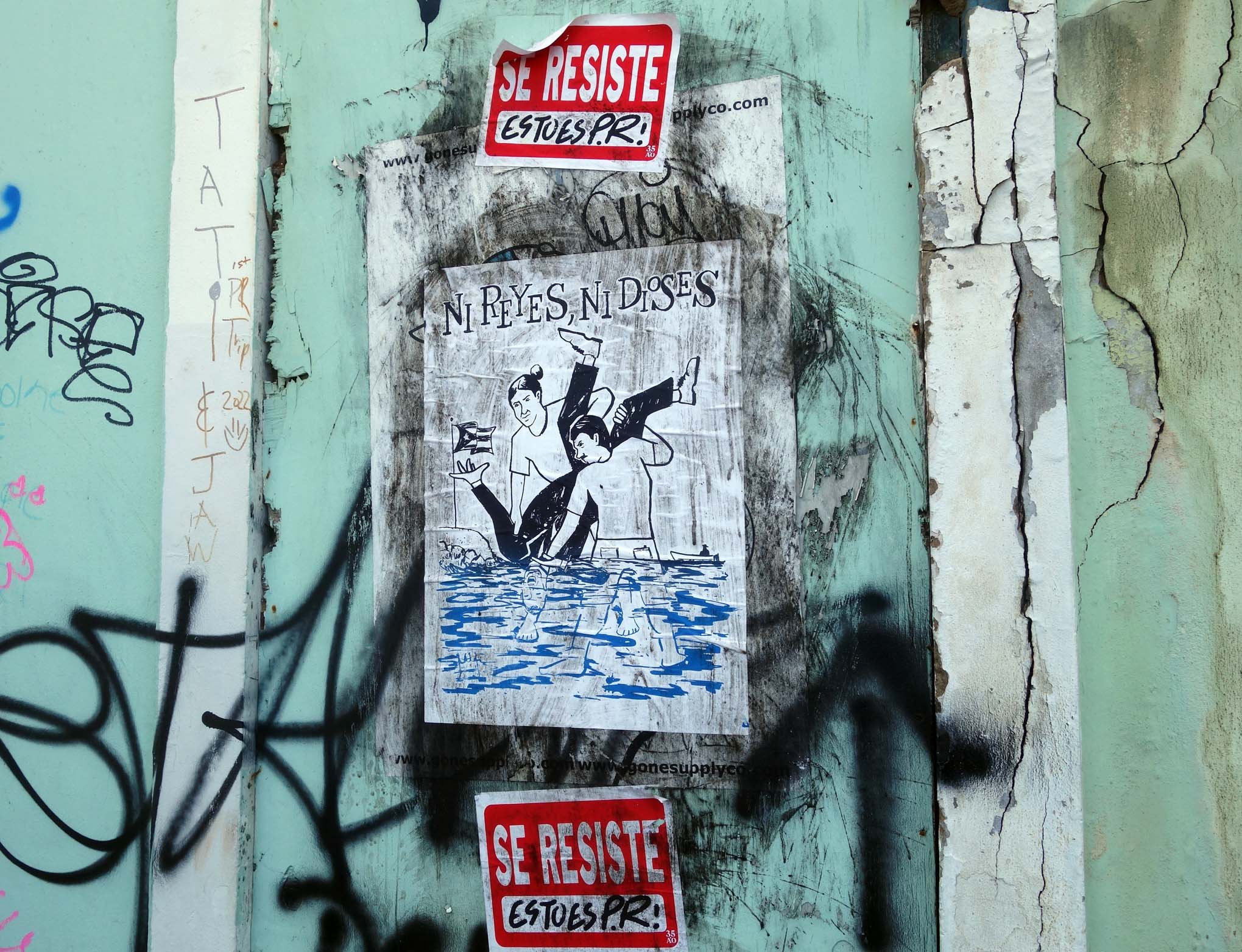
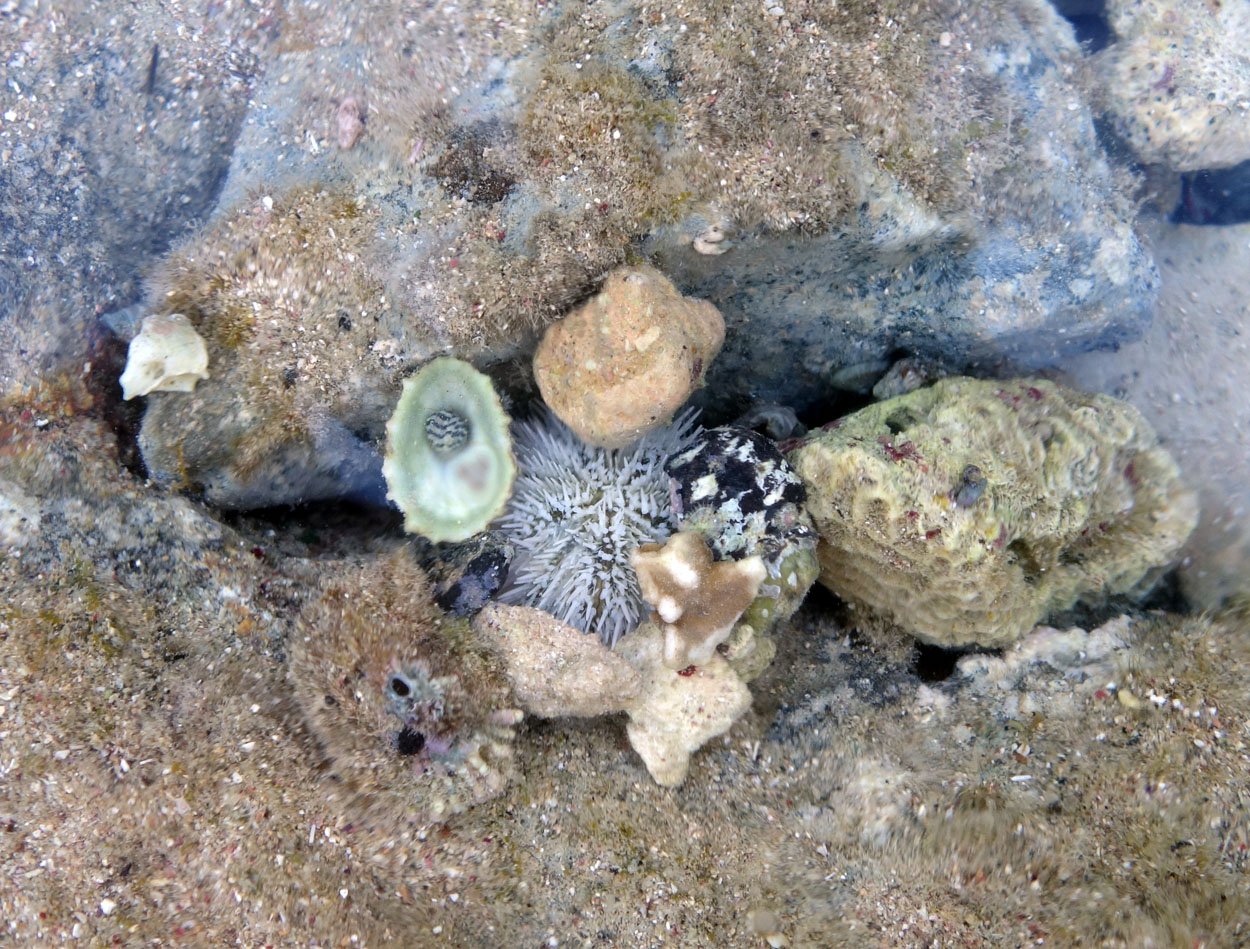
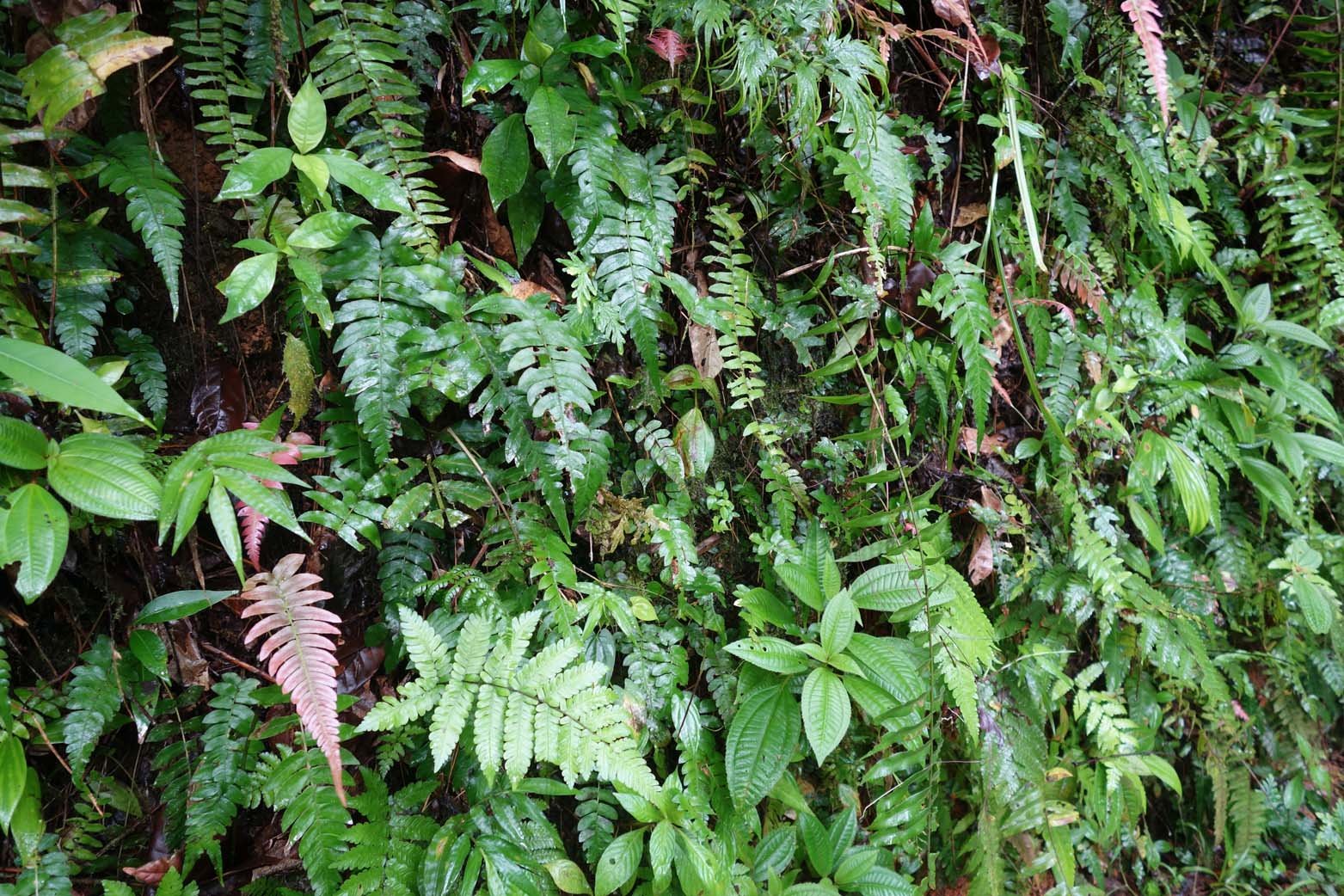
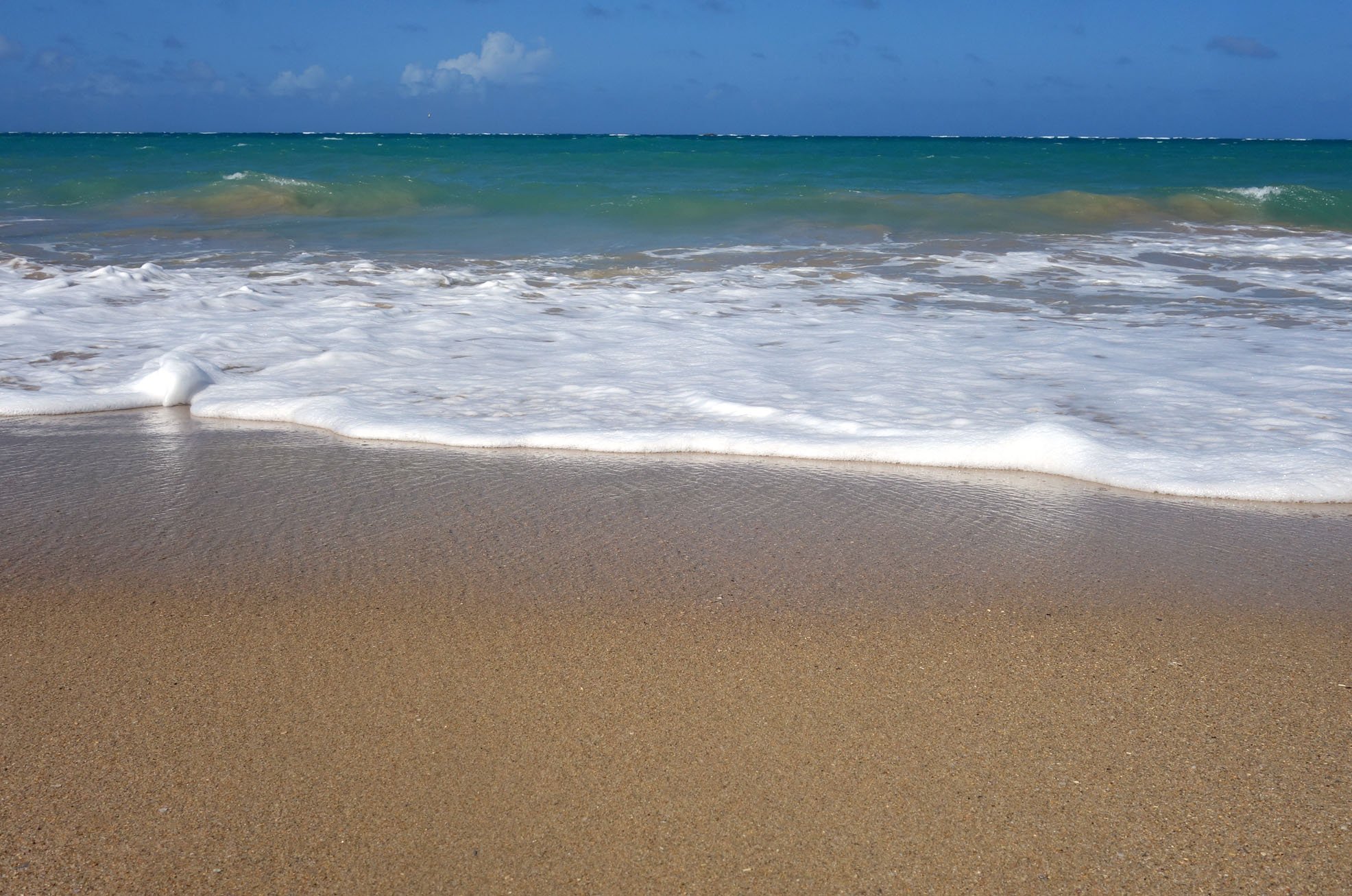
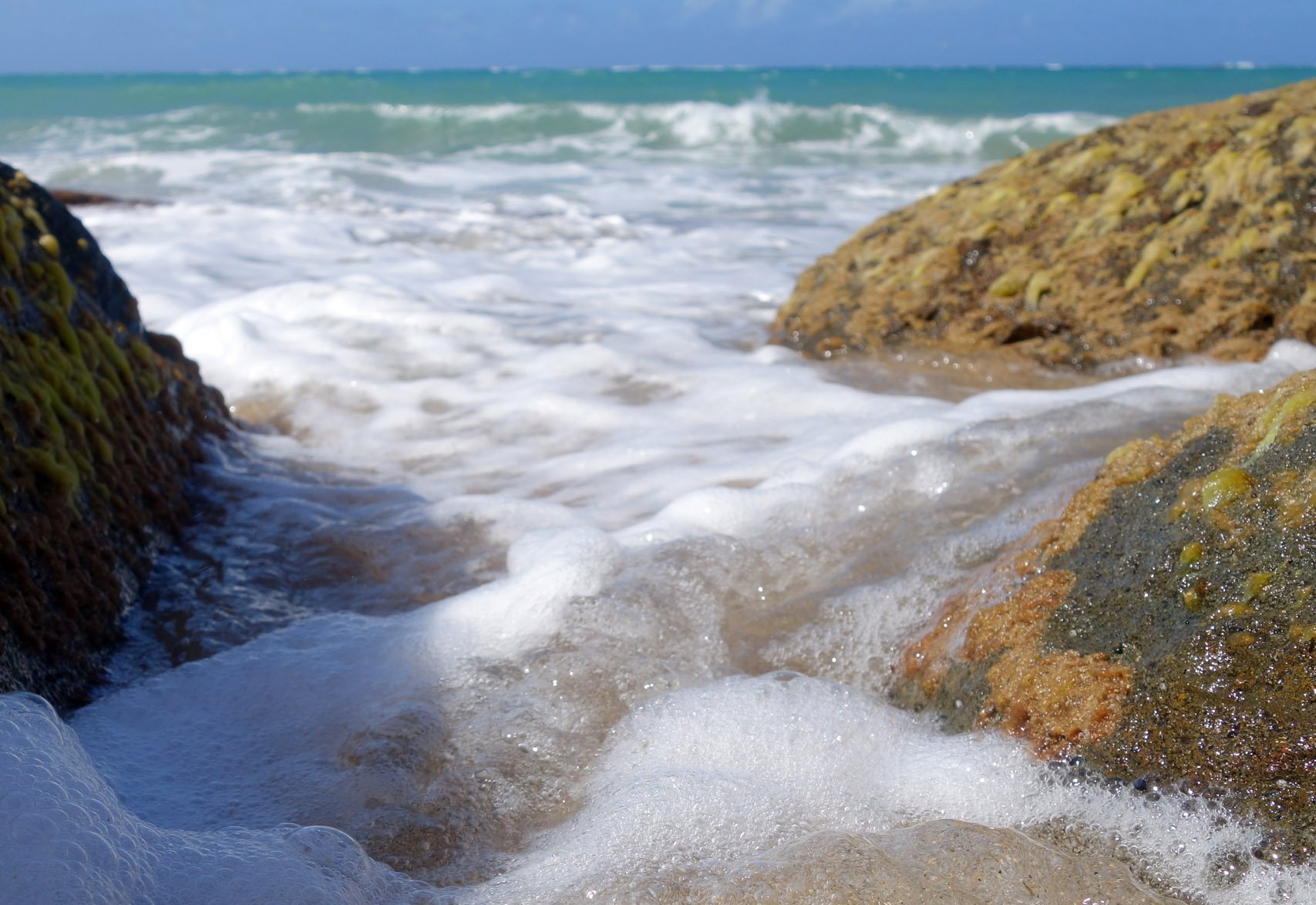
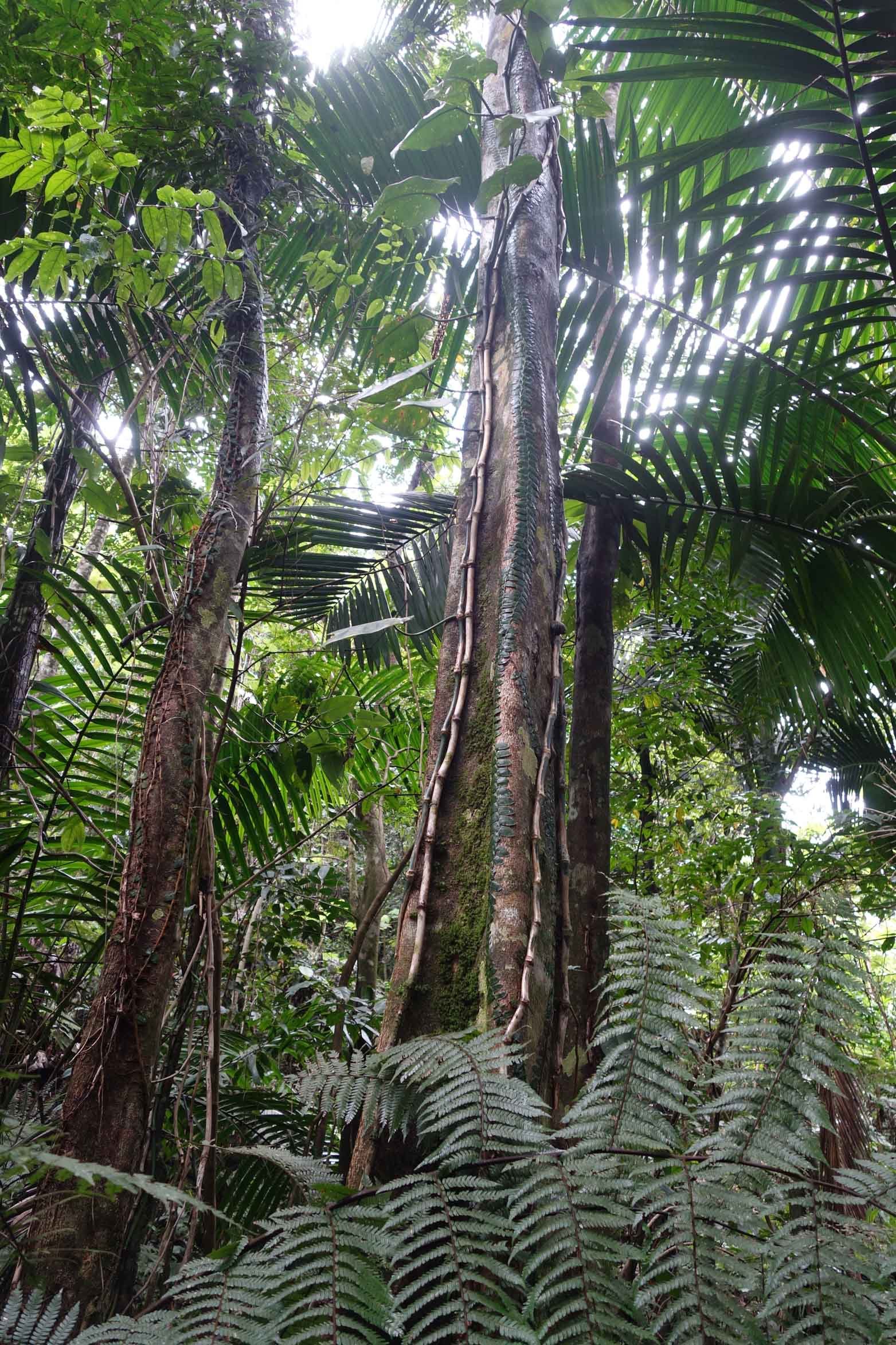
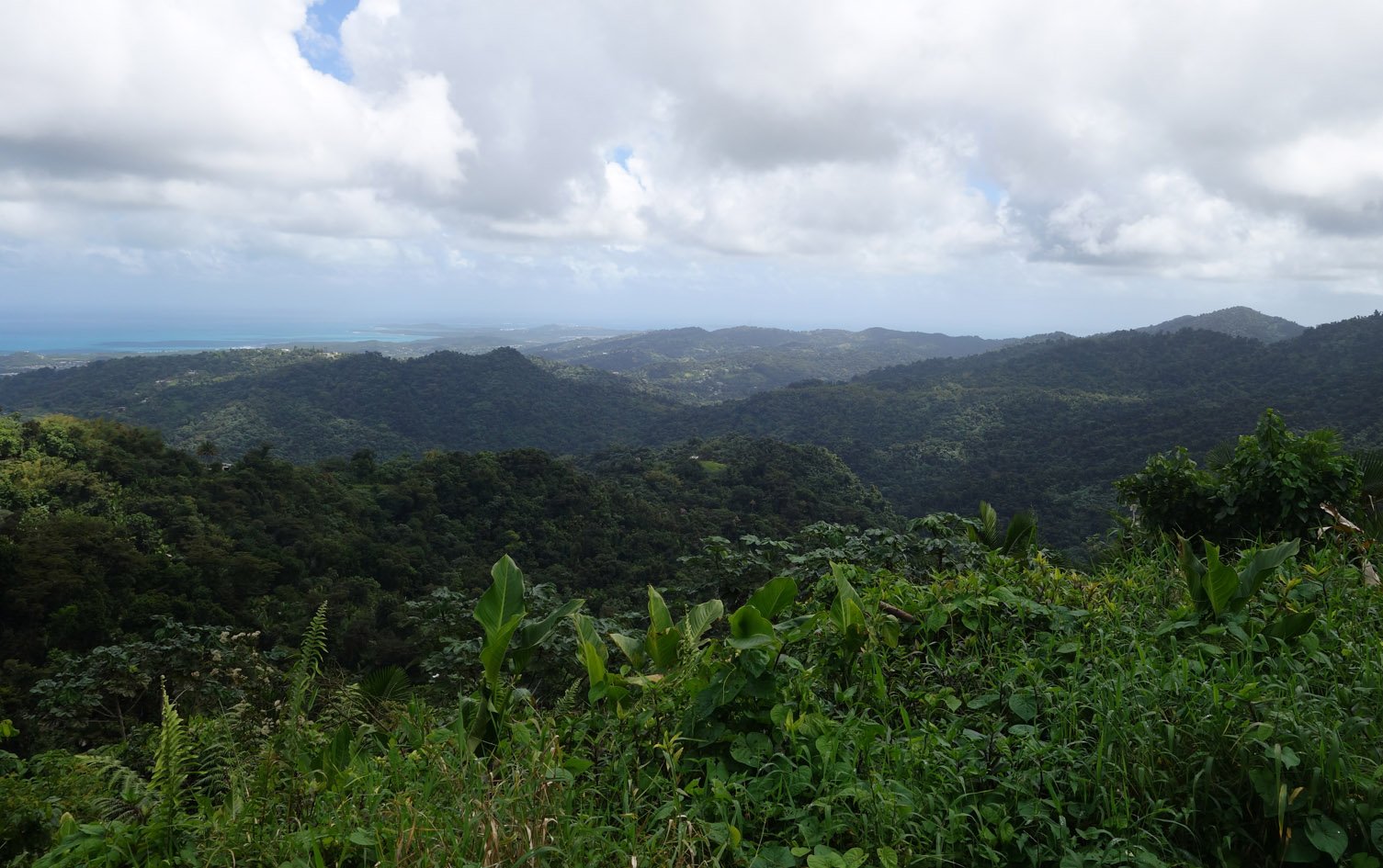
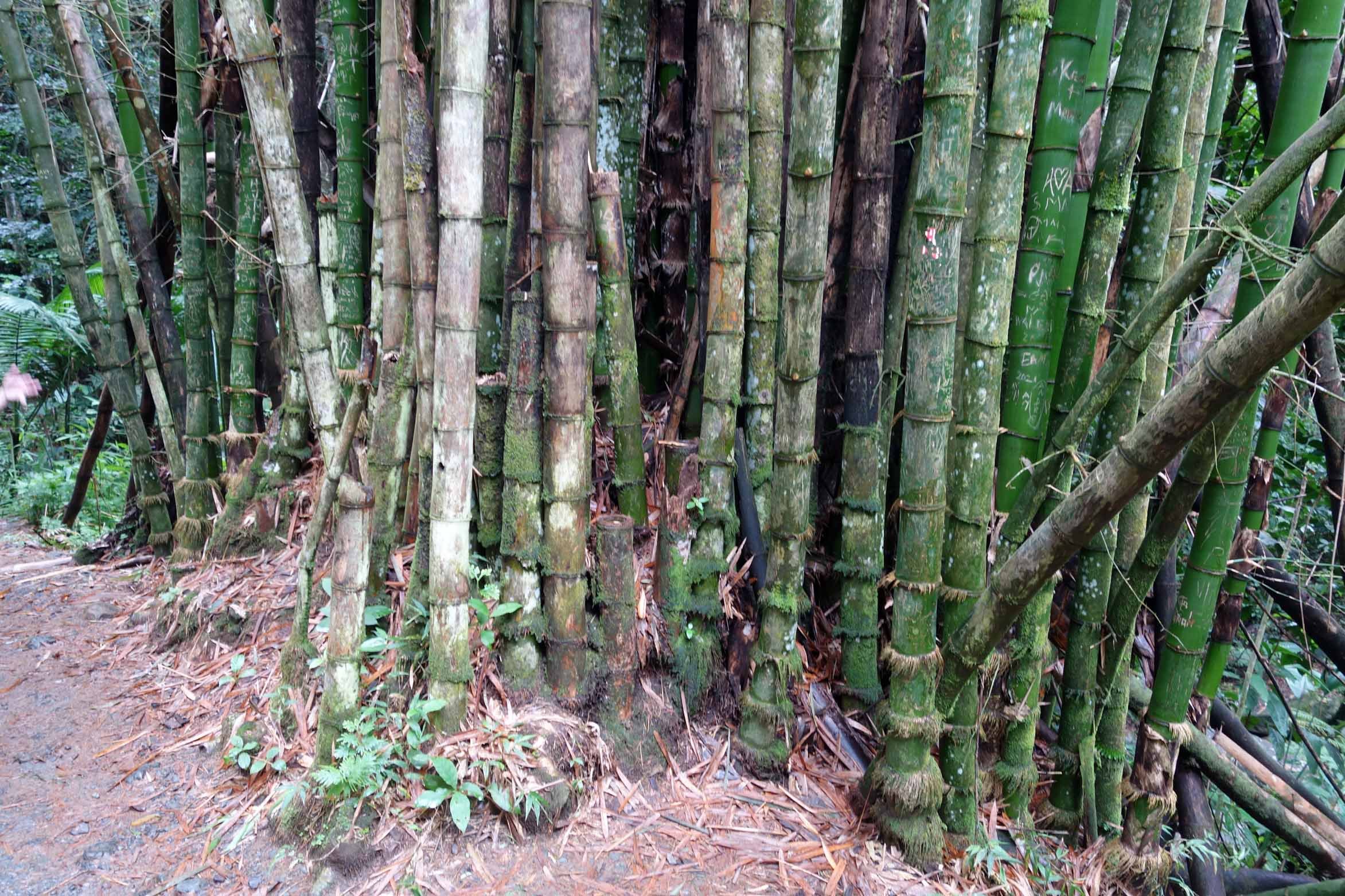
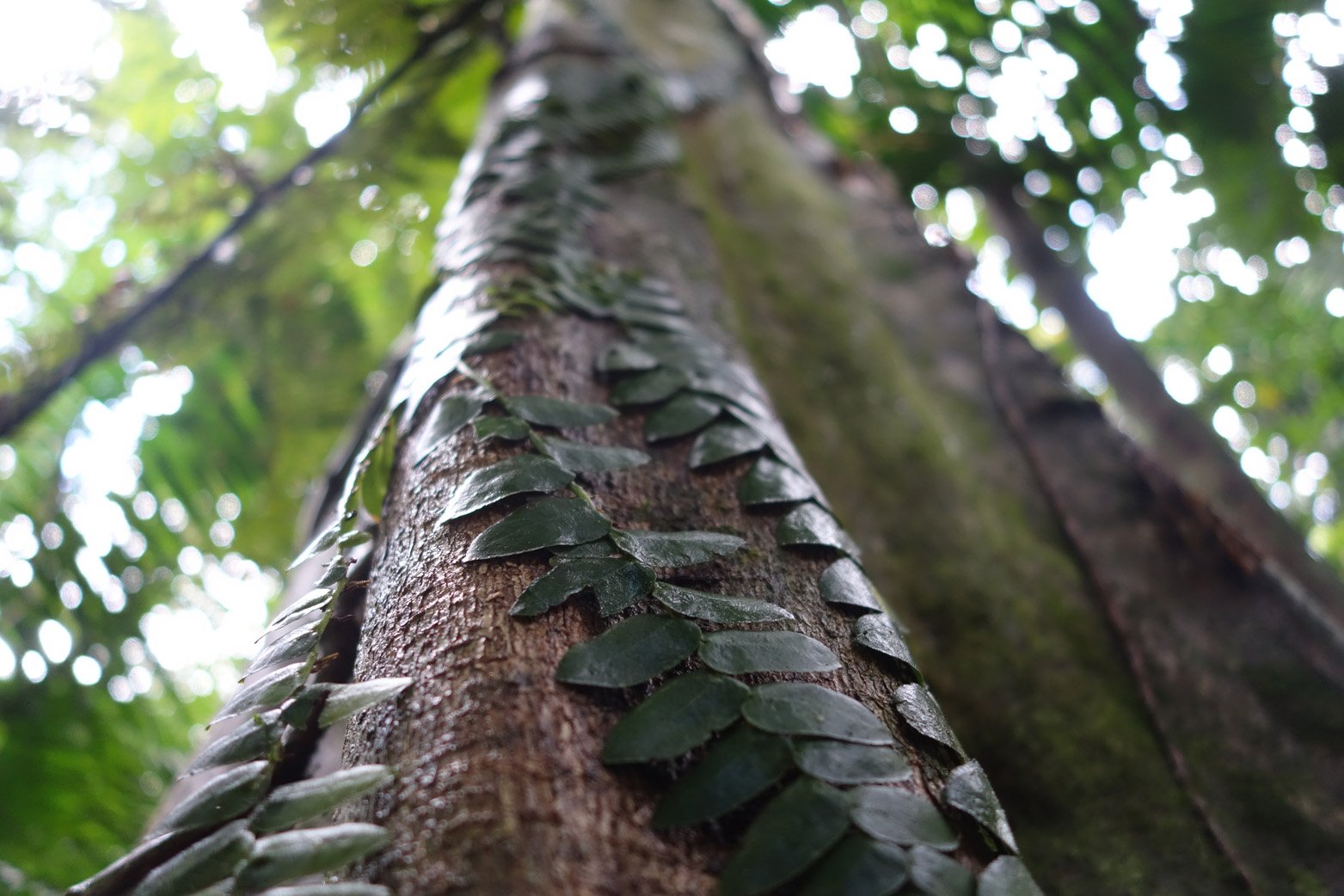
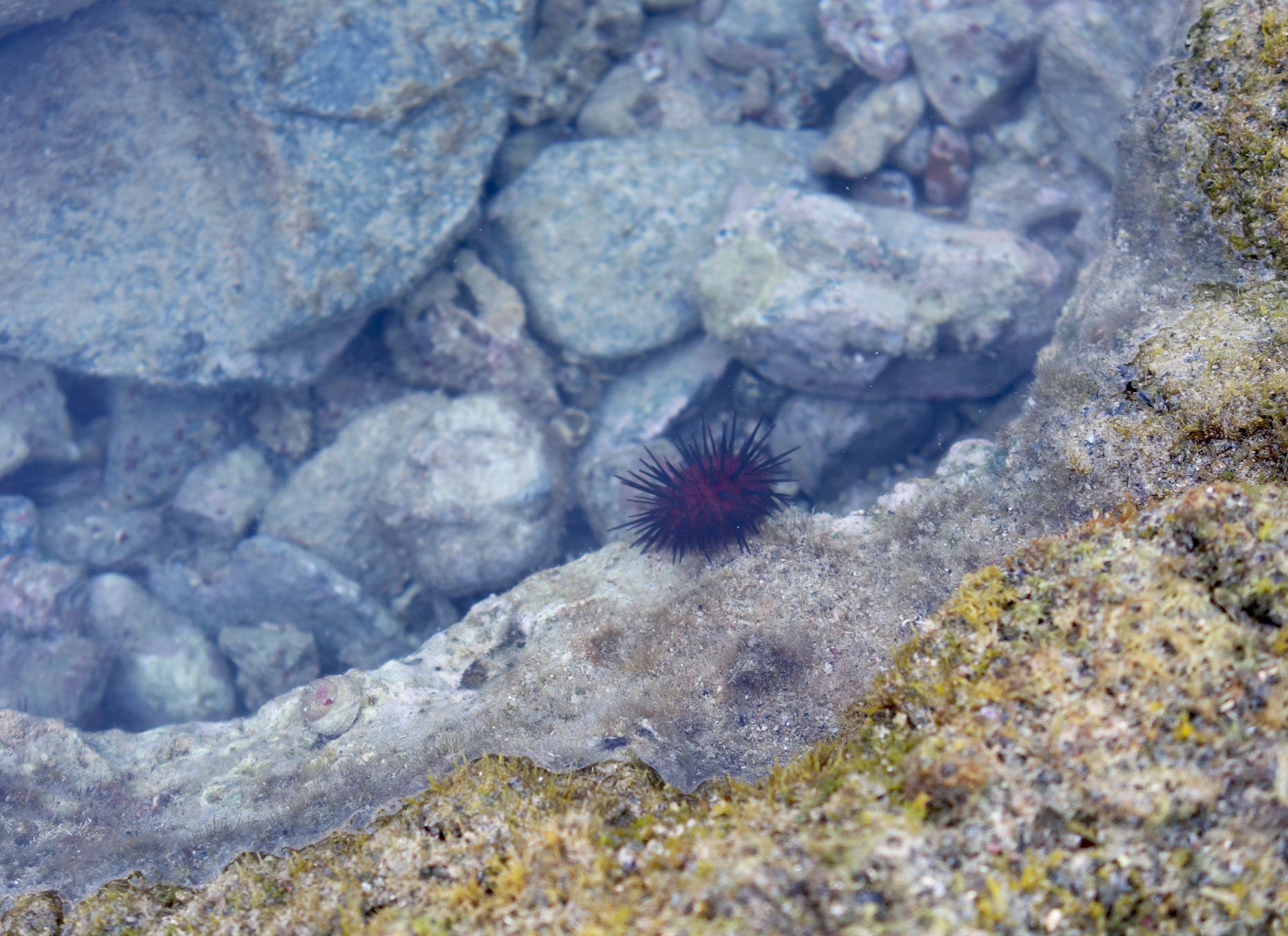
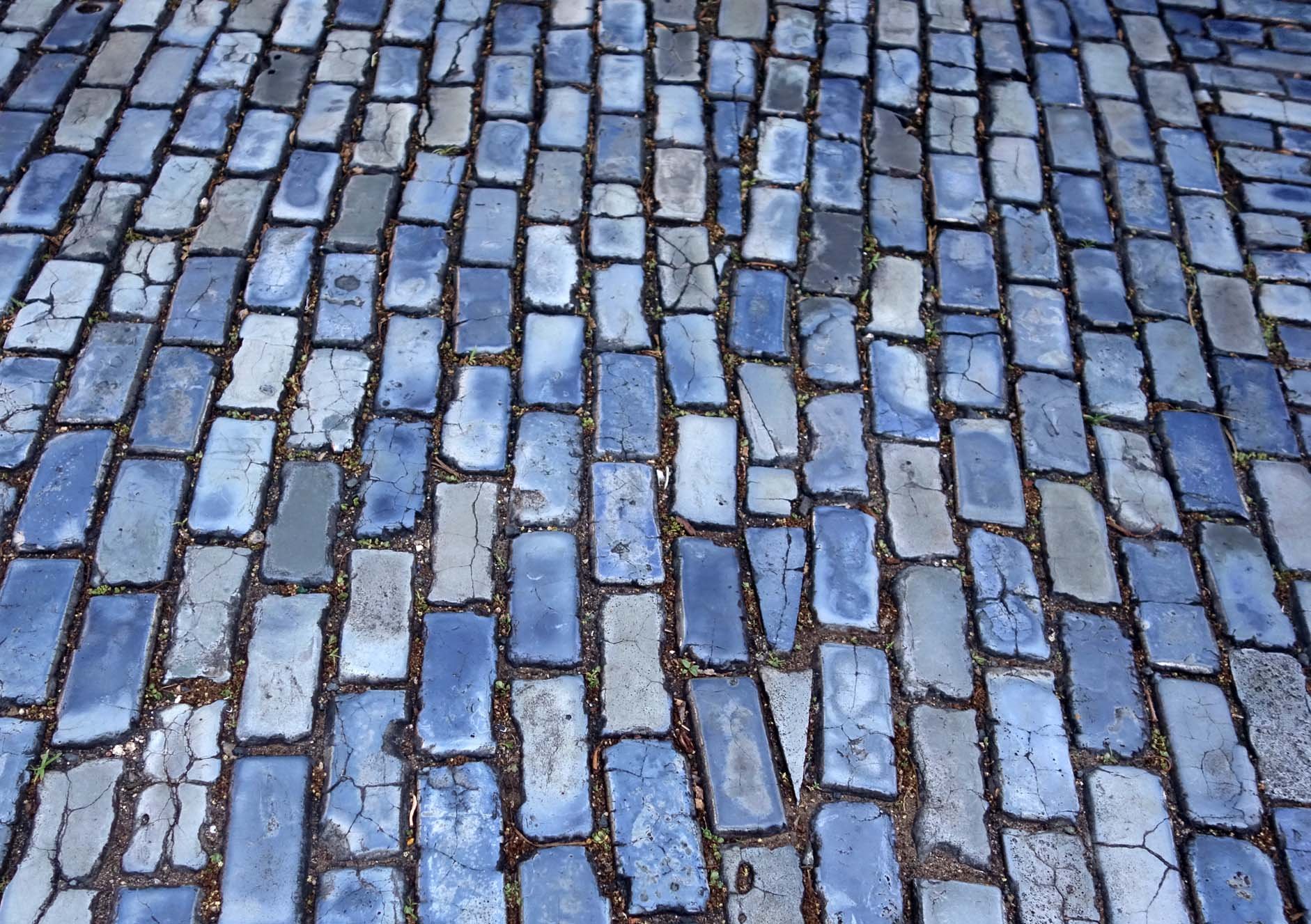
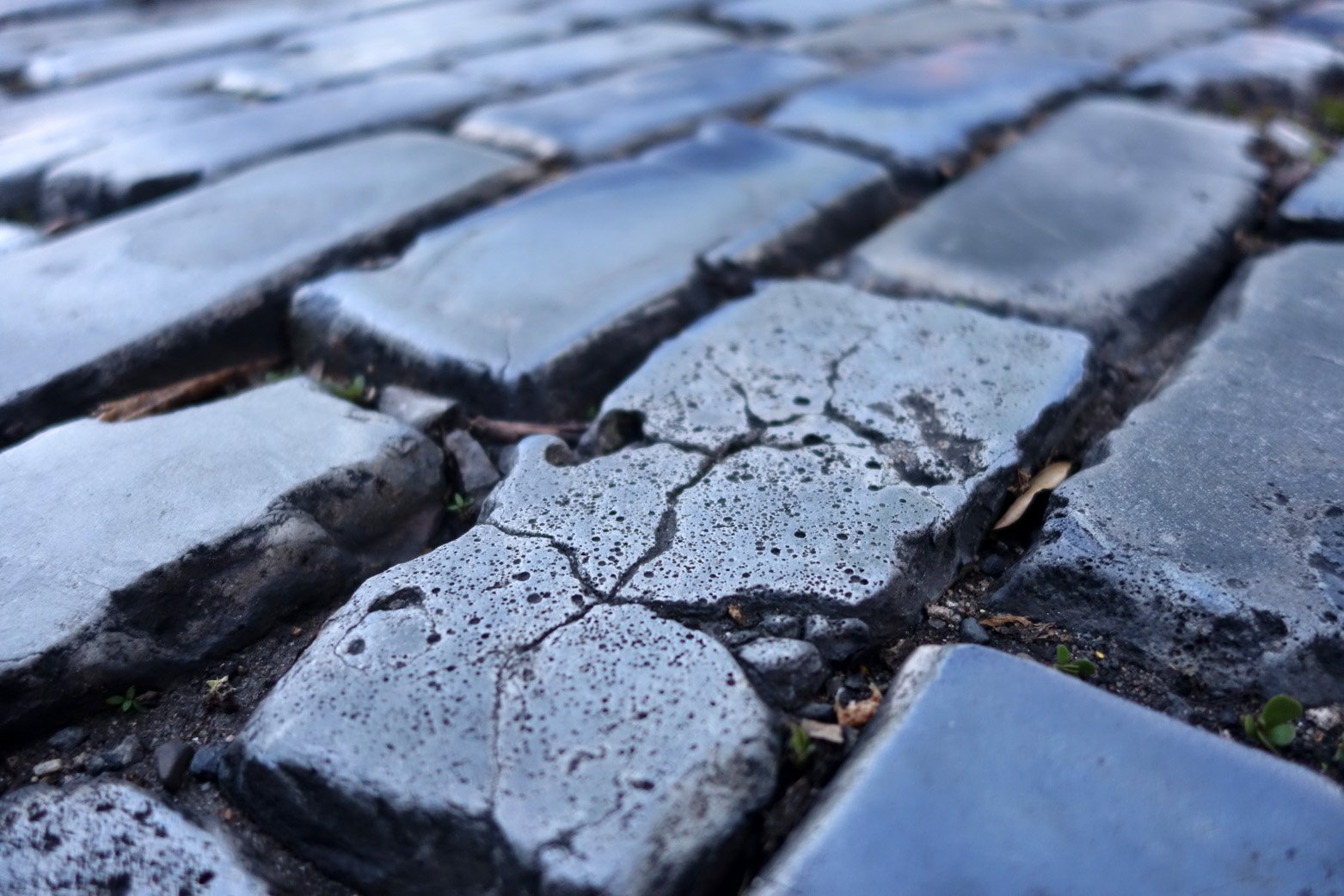
Whew, I’ve been booked up so much that I’ve not had time to download, edit, and upload photos until now! Here are some highlights from my spring break trip to Puerto Rico.

Hard at Work Making Ceramics

I’ve been spending a lot of studio time with ceramics lately as I’ve got several bodies of work in progress simultaneously and each have different time pressures. I’ll discuss each as they continue to develop! However, in these photos I was preparing for the Dakota Potters Supply raku workshop I attended in Sioux Falls this past Saturday, April 23rd along with our ceramics instructor Paul Adamson and two Morningside students.

Since this semester has been so busy, I only had one raku piece ready to go by April 14th (the start of Morningside’s Easter break). I needed to have all the pieces I wanted to bring in the bisque firing by April 20th, which meant finishing the rawware by April 17th to give it time to dry. I cranked out seven more pieces over the holiday, so I was able to bring eight with me to the workshop! My sweet spot is between six to nine pieces for each workshop day, so that worked out perfectly.

In the first image, you can see me in the Morningside ceramics studio as I used the slab roller, a foam square, and a 6” mushroom anvil to prepare a few small platters. In the second photo, I’m handbuilding a vase in my kitchen at home.

Just Returned from the April 2022 CIC Workshop for Department and Division Chairs

It’s a busy spring - I just returned from the April 2022 Council of Independent Colleges (CIC) Workshop for Department and Division Chairs in Greenville, SC. I attended with two of my Morningside colleagues from the music and business departments.

You might be surprised to find out this was my first full academic conference. I have attended the annual College Art Association’s (CAA) conference twice, but the first time was as a graduate student job seeker, so I worked as a room monitor/projectionist in order to afford the registration cost and went to the job fair and the exhibitor and trade fair. This meant I didn’t really engage with the main conference all that much, as my availability was heavily focused on those three aspects. The second time I attended the CAA, my role was exclusively being a vendor in the exhibitor and trade fair alongside Dr. John Pojman representing QuickCure Clay. I have also attended several raku ceramic workshops at Dakota Potters, but those are geared towards production rather than discourse.

At this April 2022 CIC conference, it was rewarding to get to know my own two colleagues better as well as to get to meet peers from institutions across the United States and work with them on our various session topics. One of the presenters was Morningside’s own Bill Deeds, our retired provost who hired me onboard in his last semester!

After the conference was over, I stopped by the Greenville County Museum of Art and had a great time viewing their four exhibits, which had a heavy concentration of work by Andrew Wyeth, Jasper Johns, Thomas Sills, and David Drake. I really enjoyed Wyeth’s and Johns’ work in particular.

A Taste of Puerto Rico

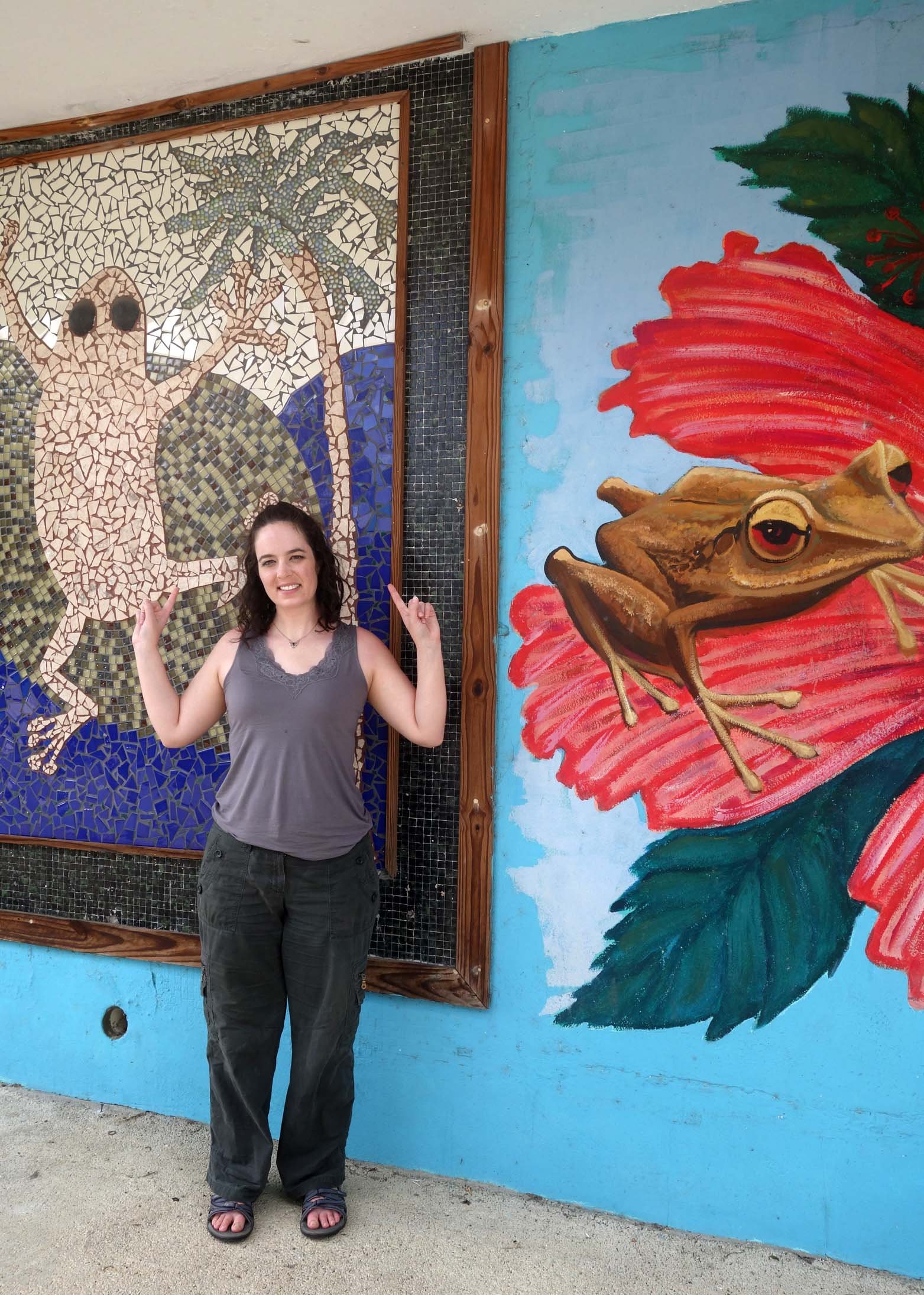
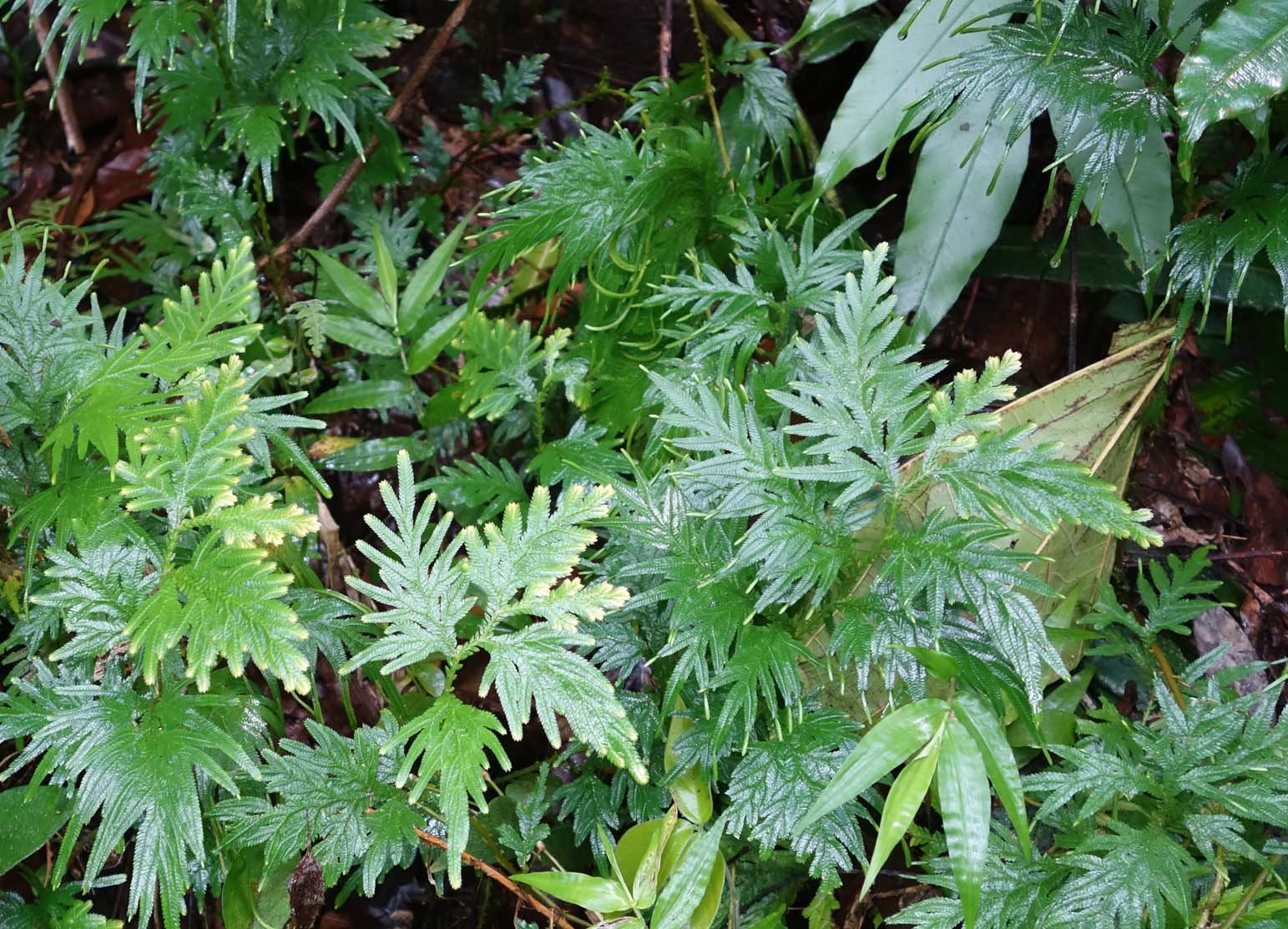
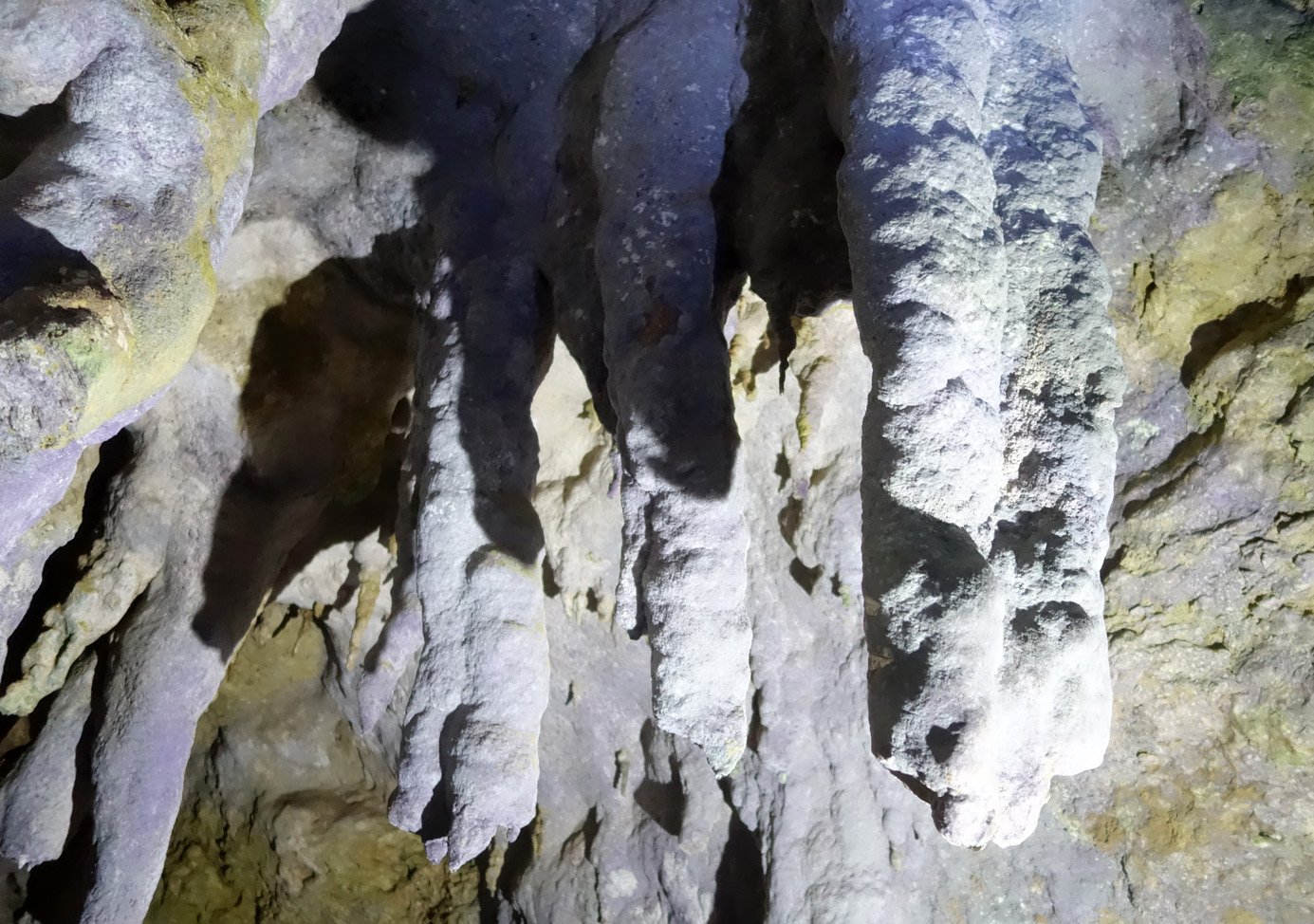
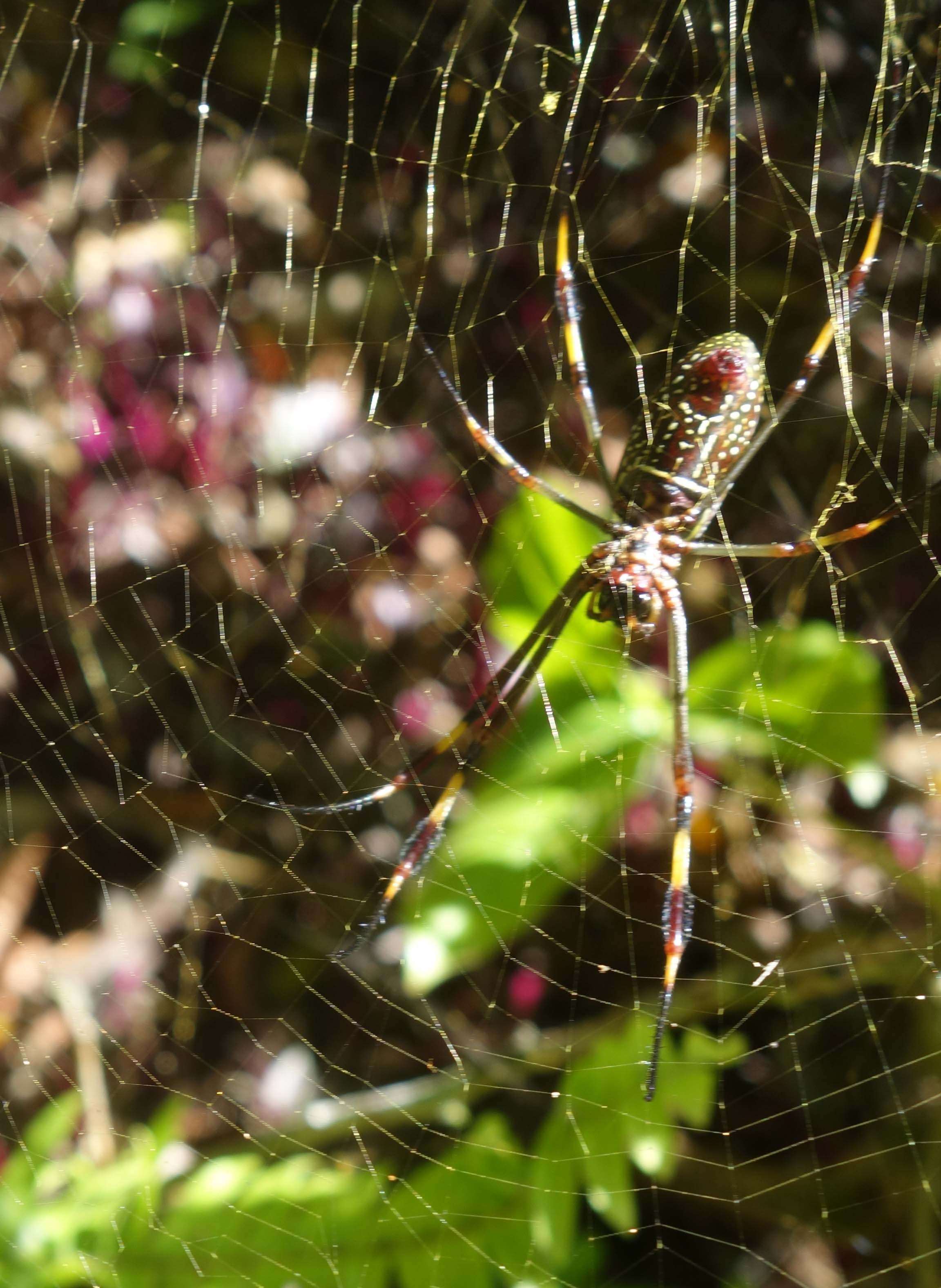
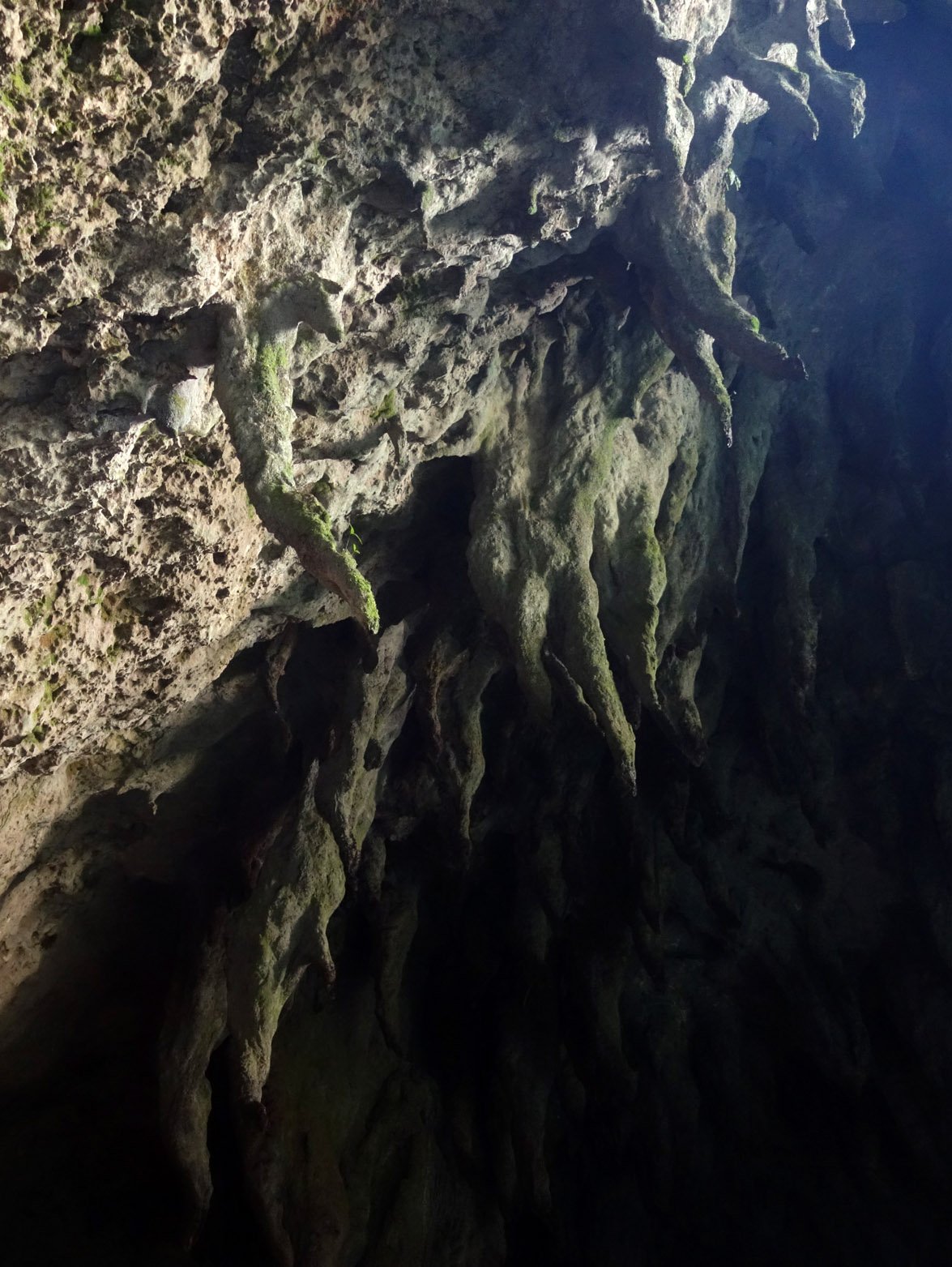
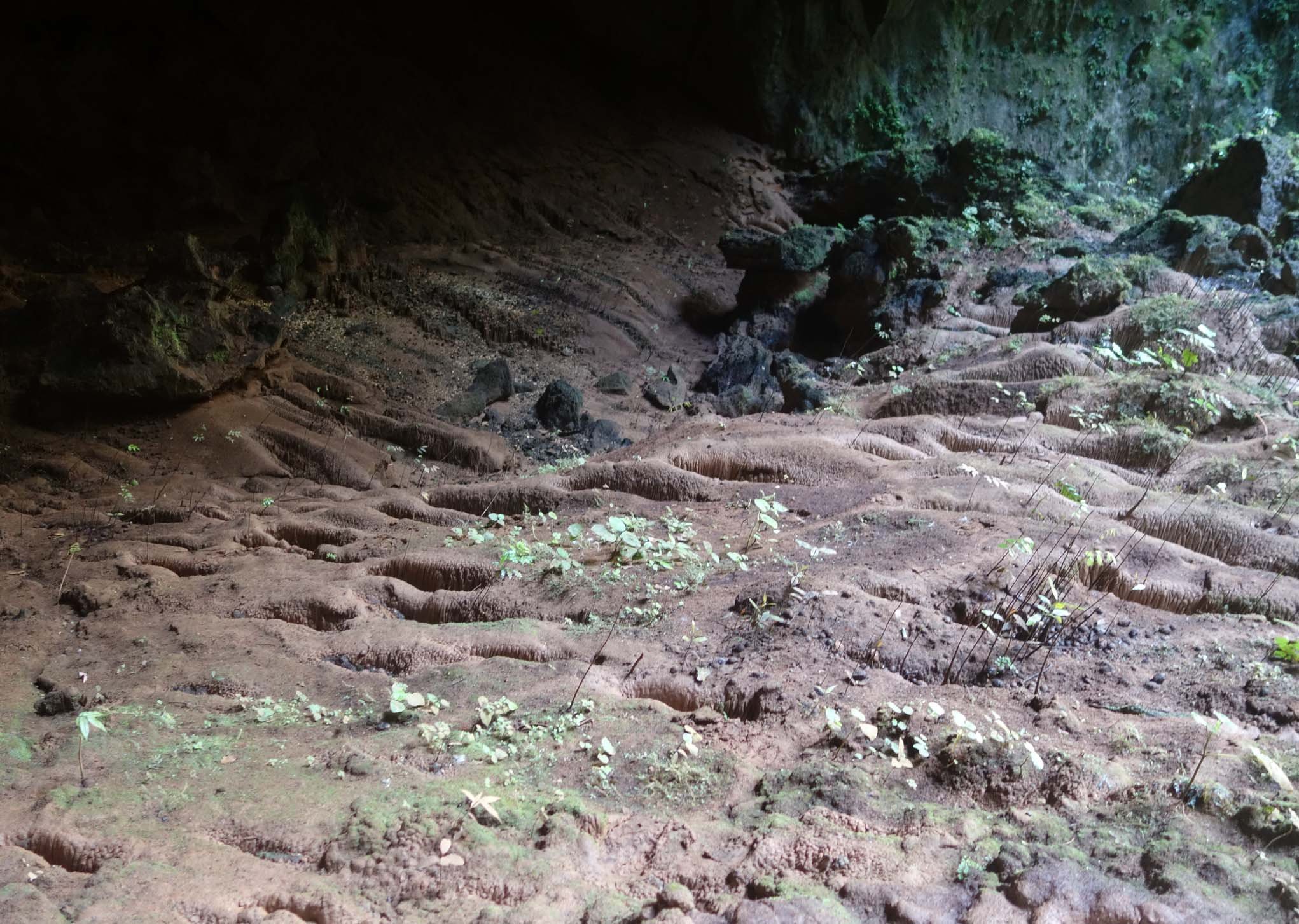
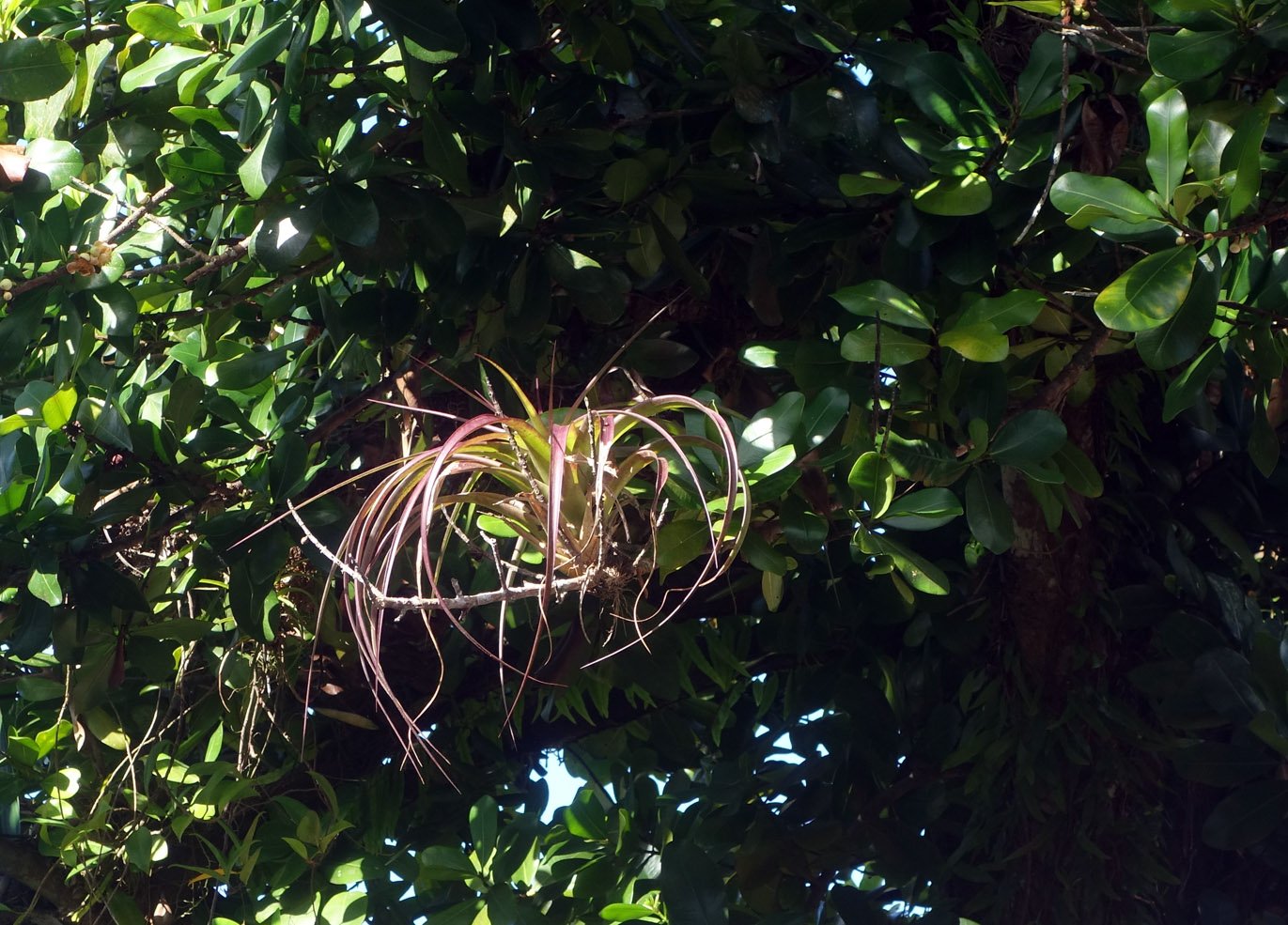
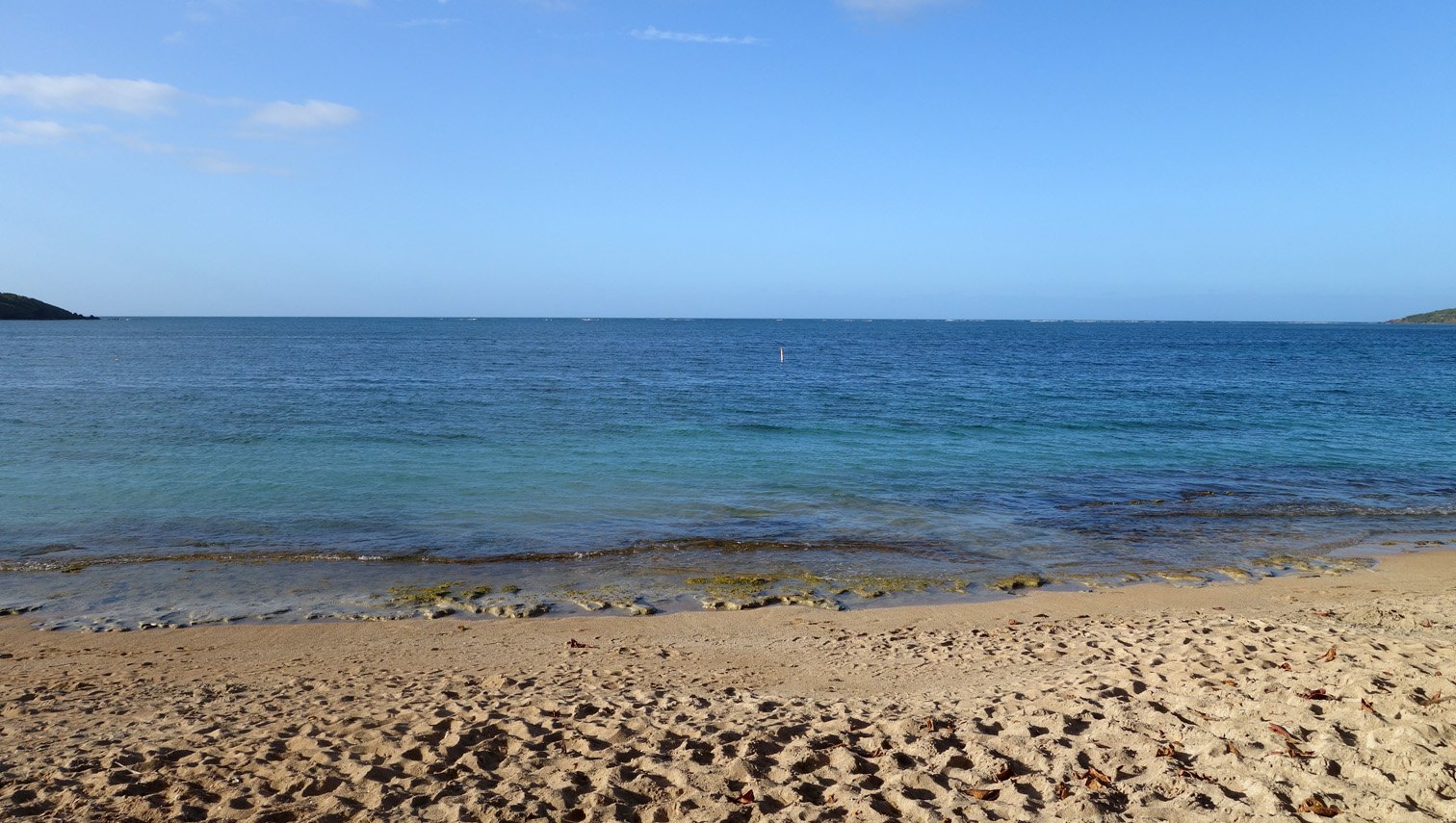
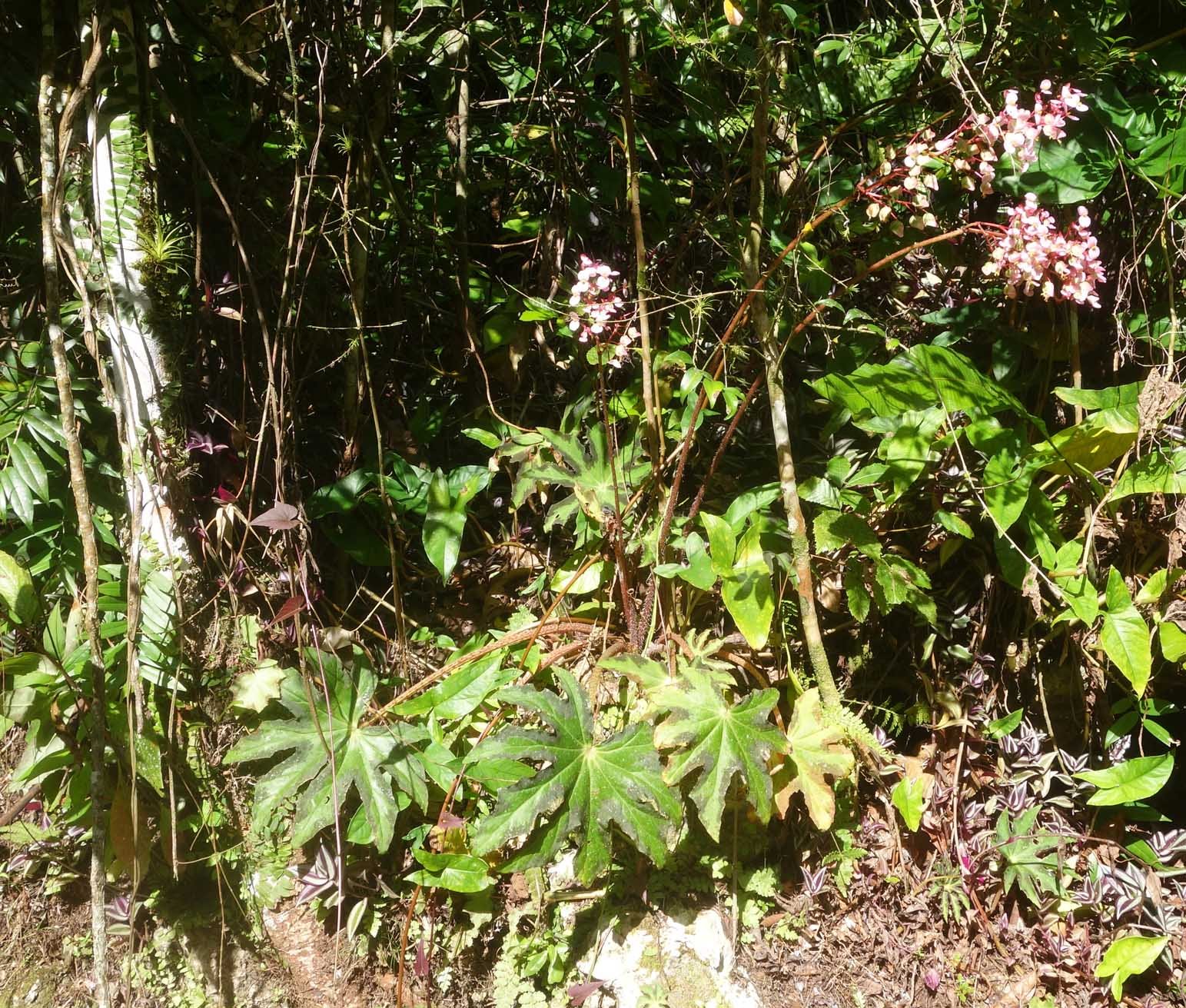
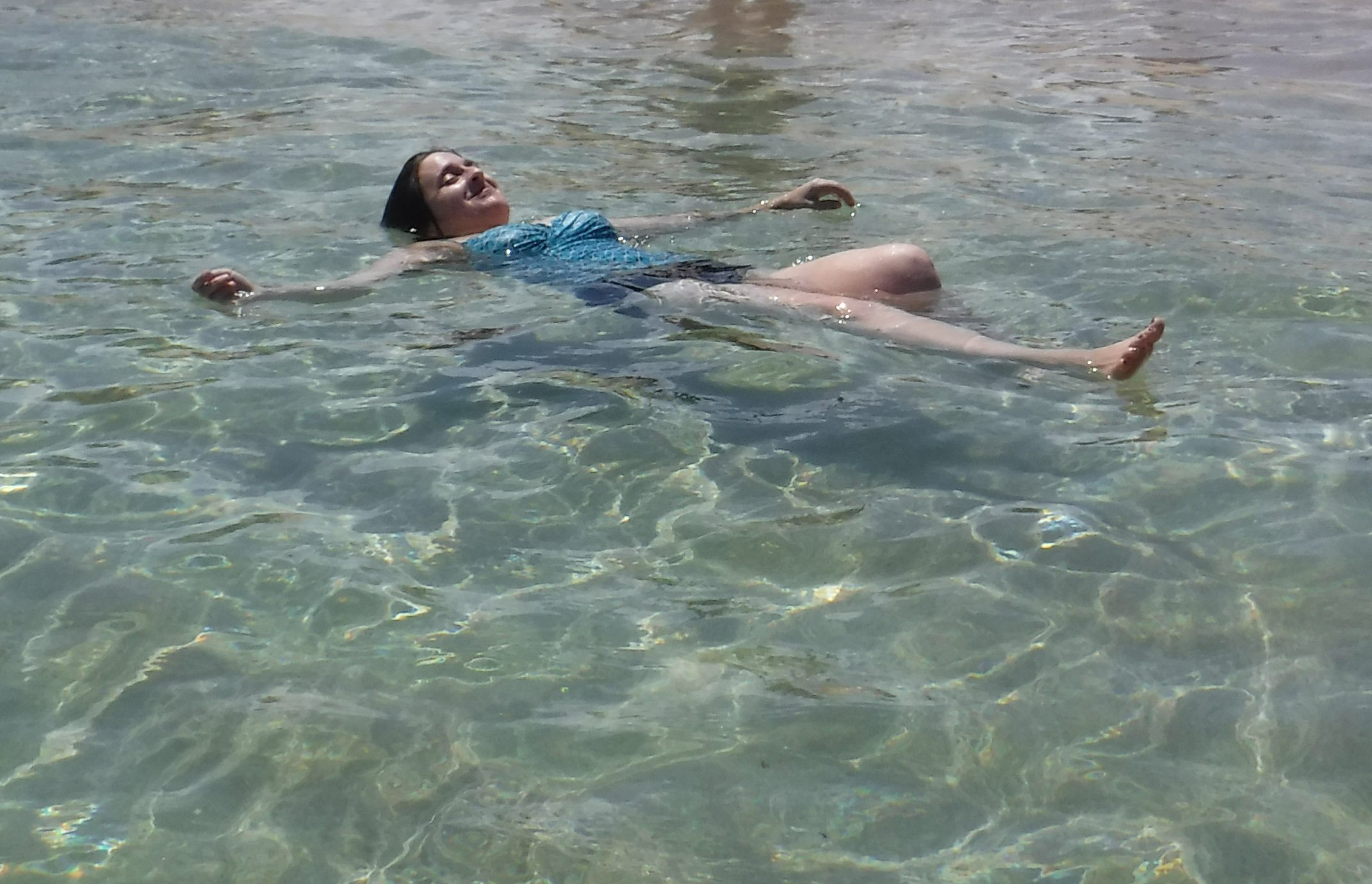
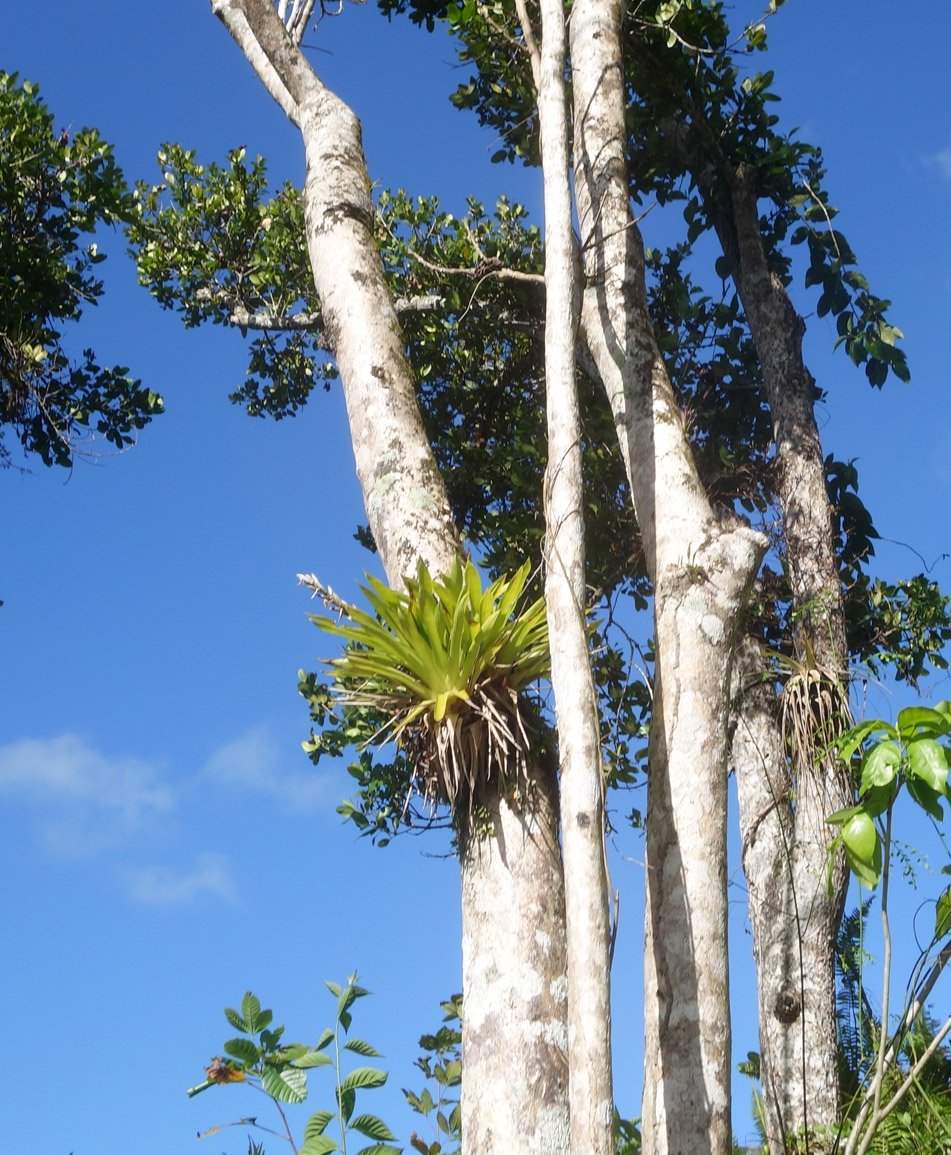
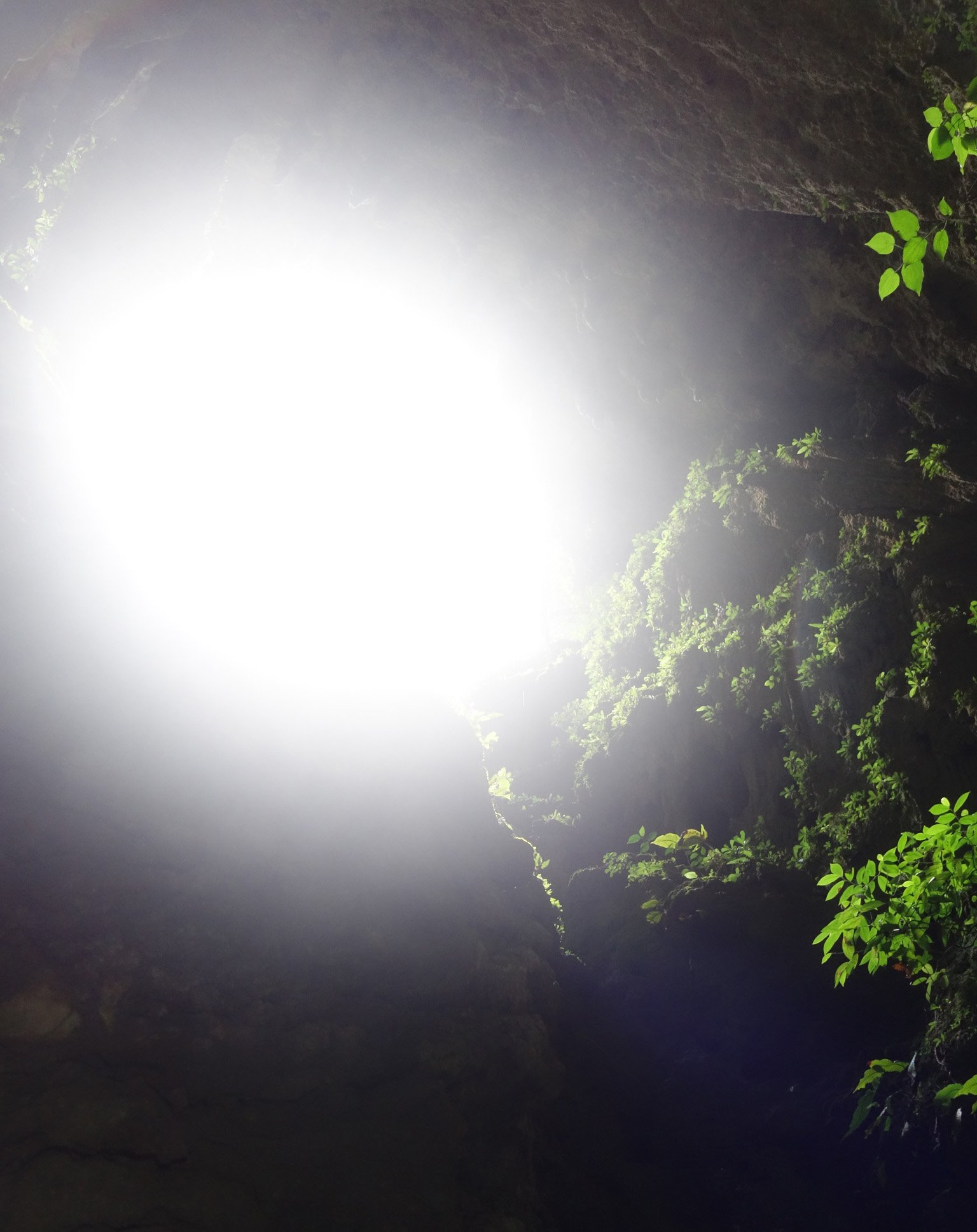
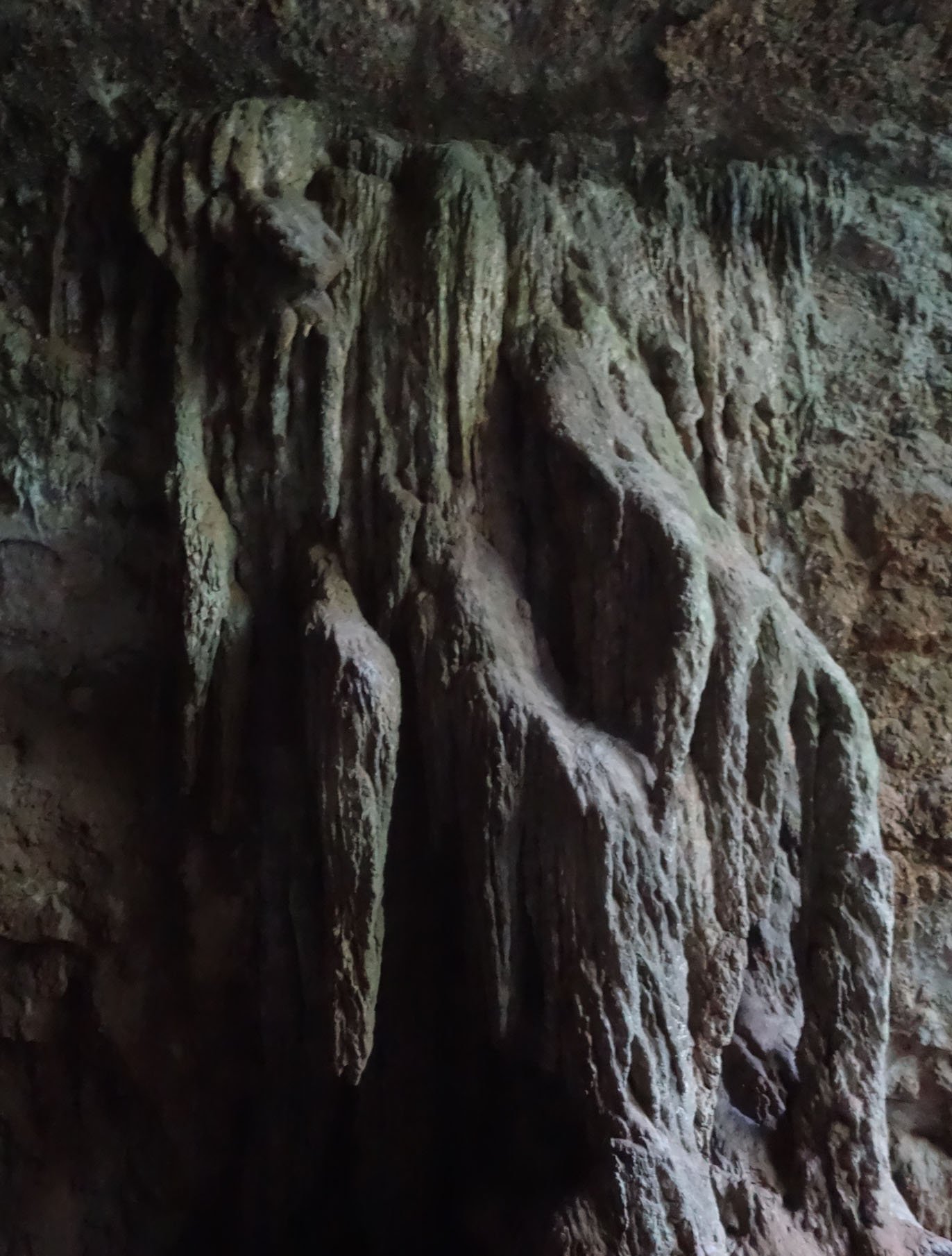
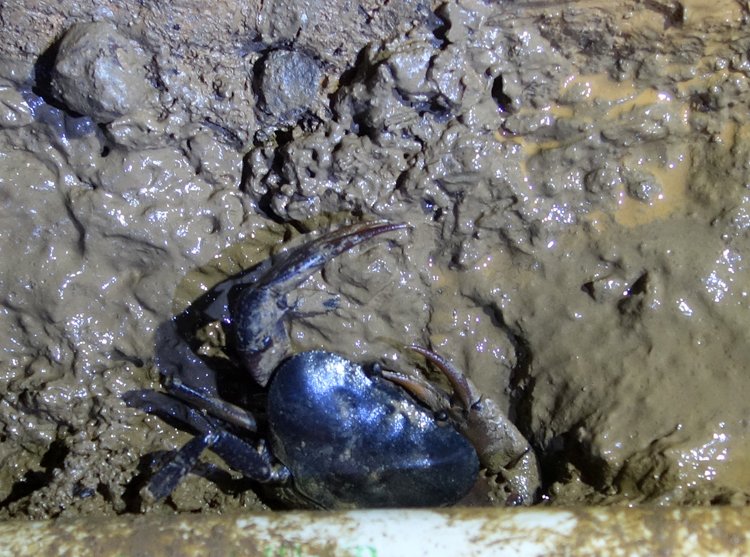
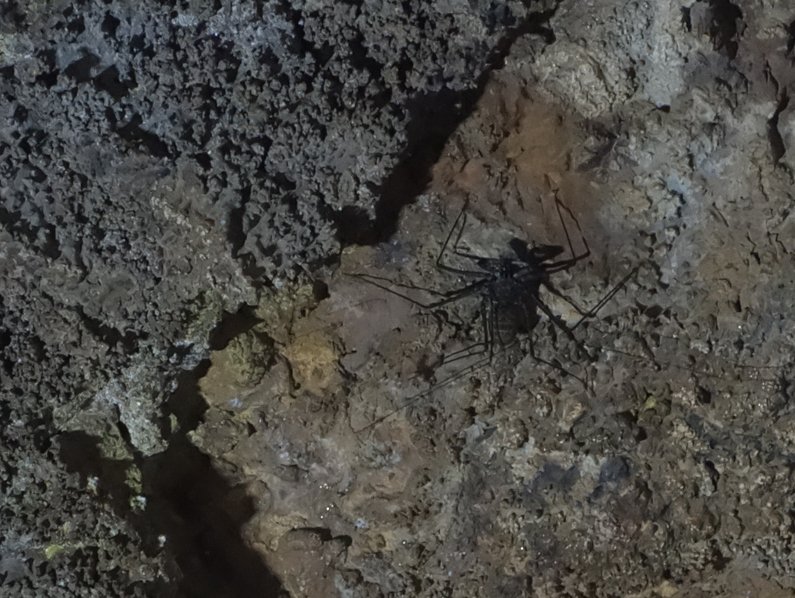
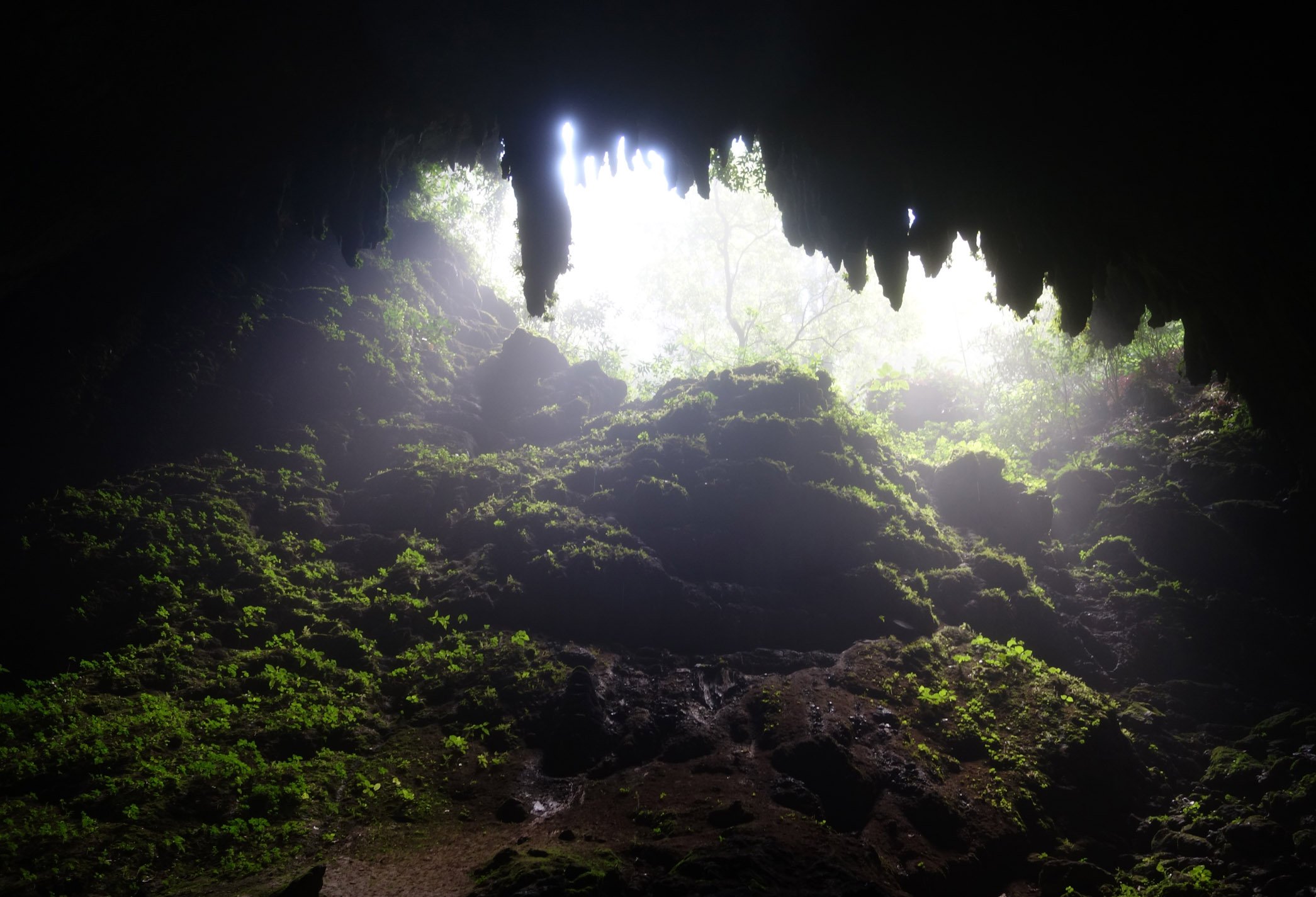
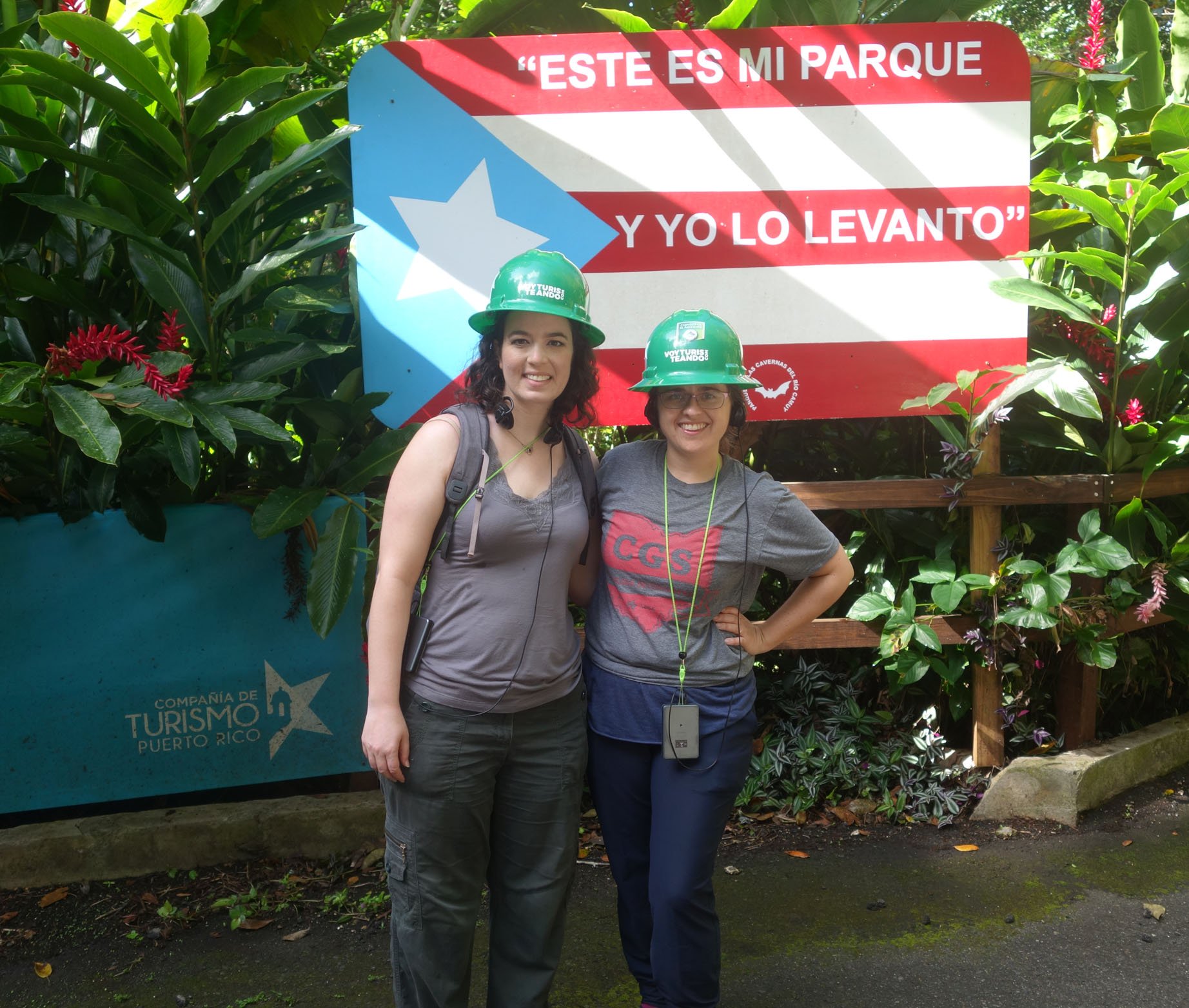
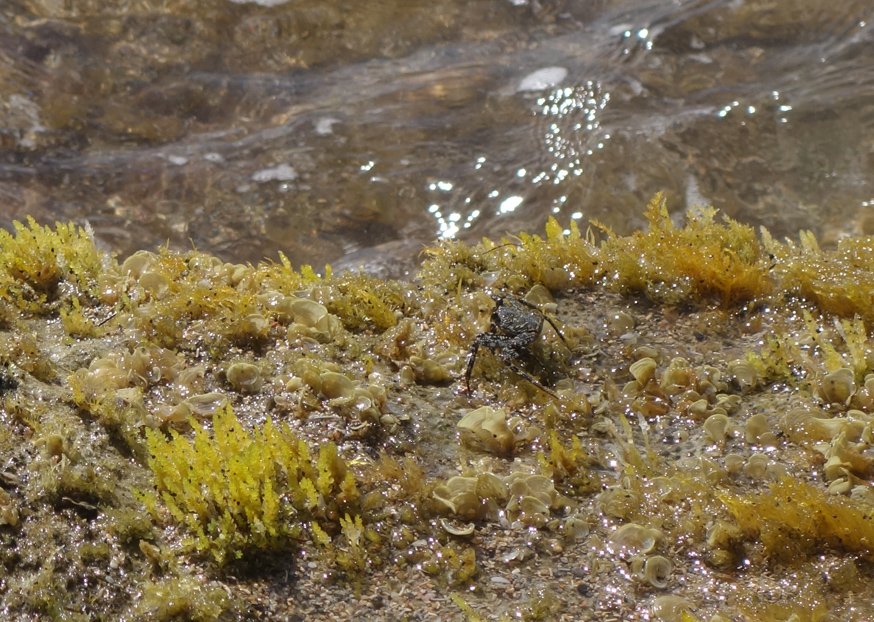
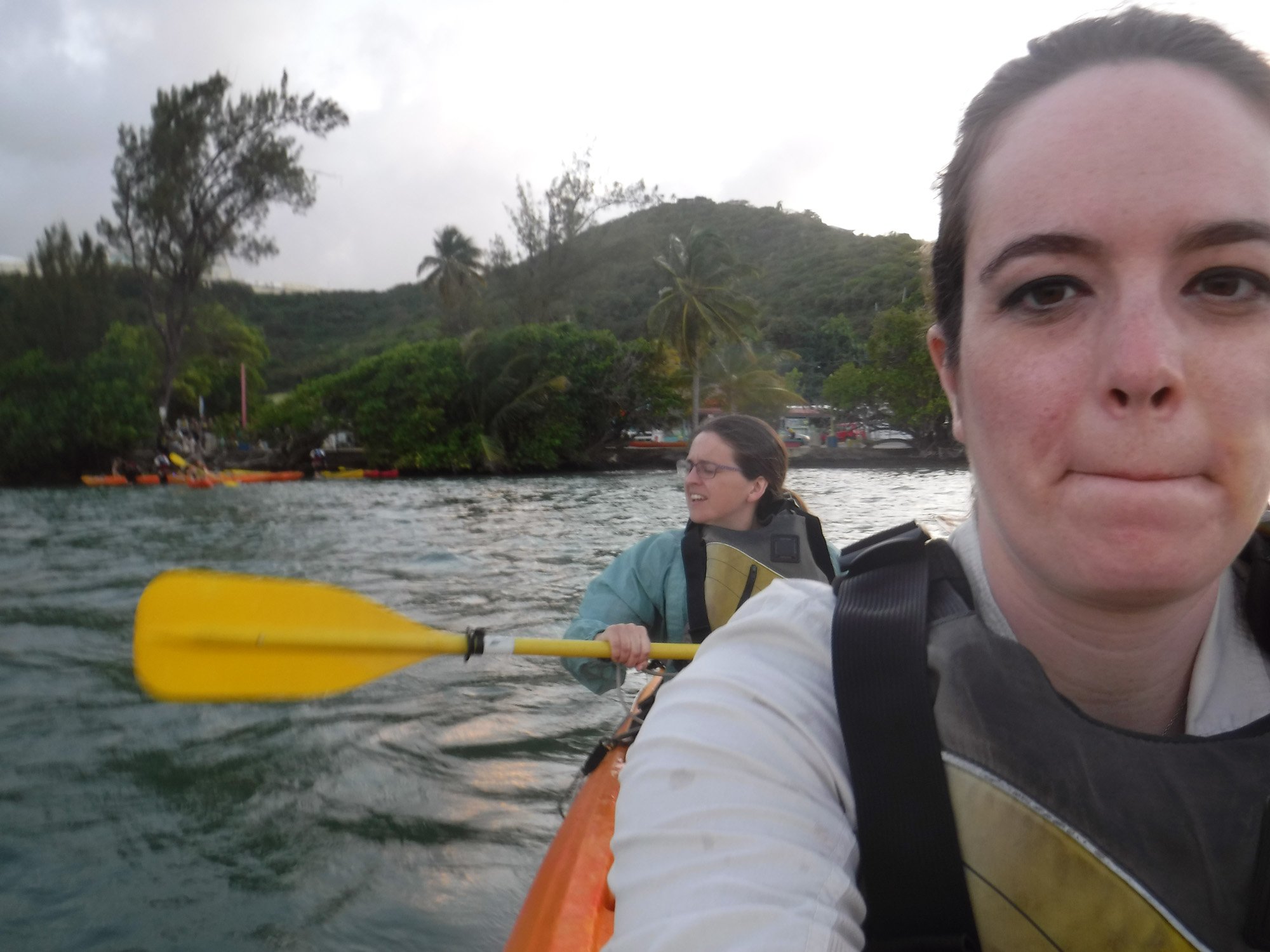
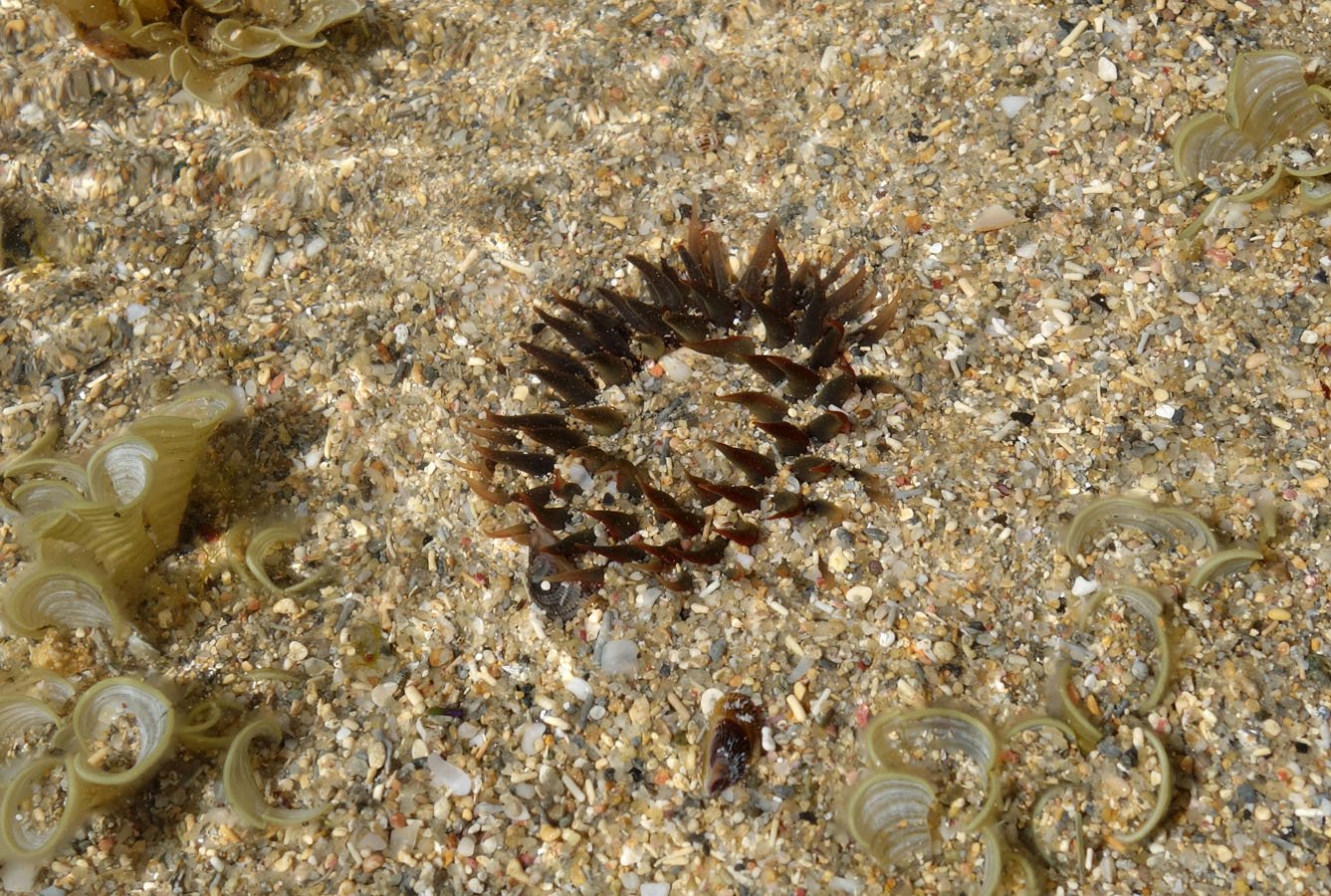
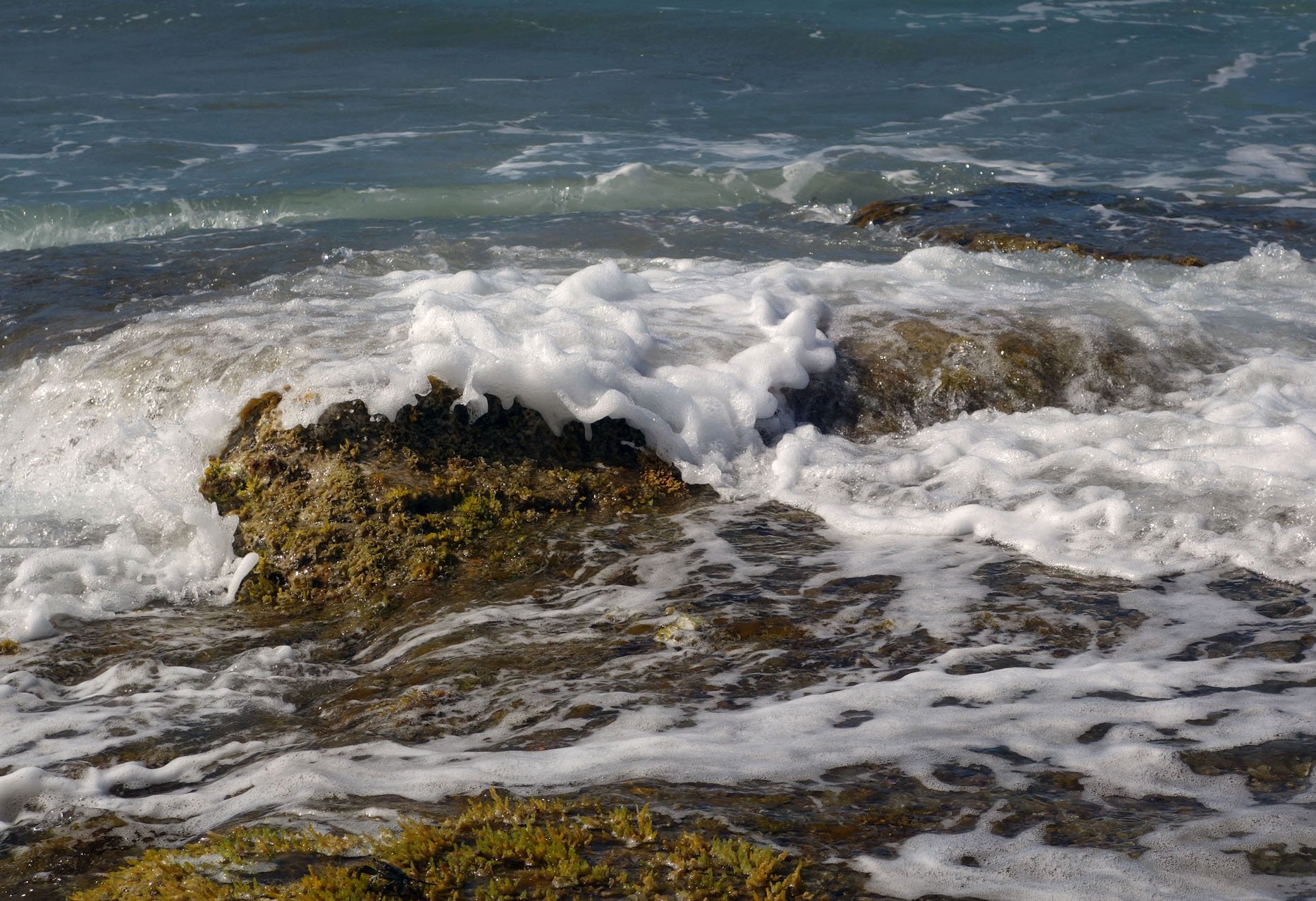
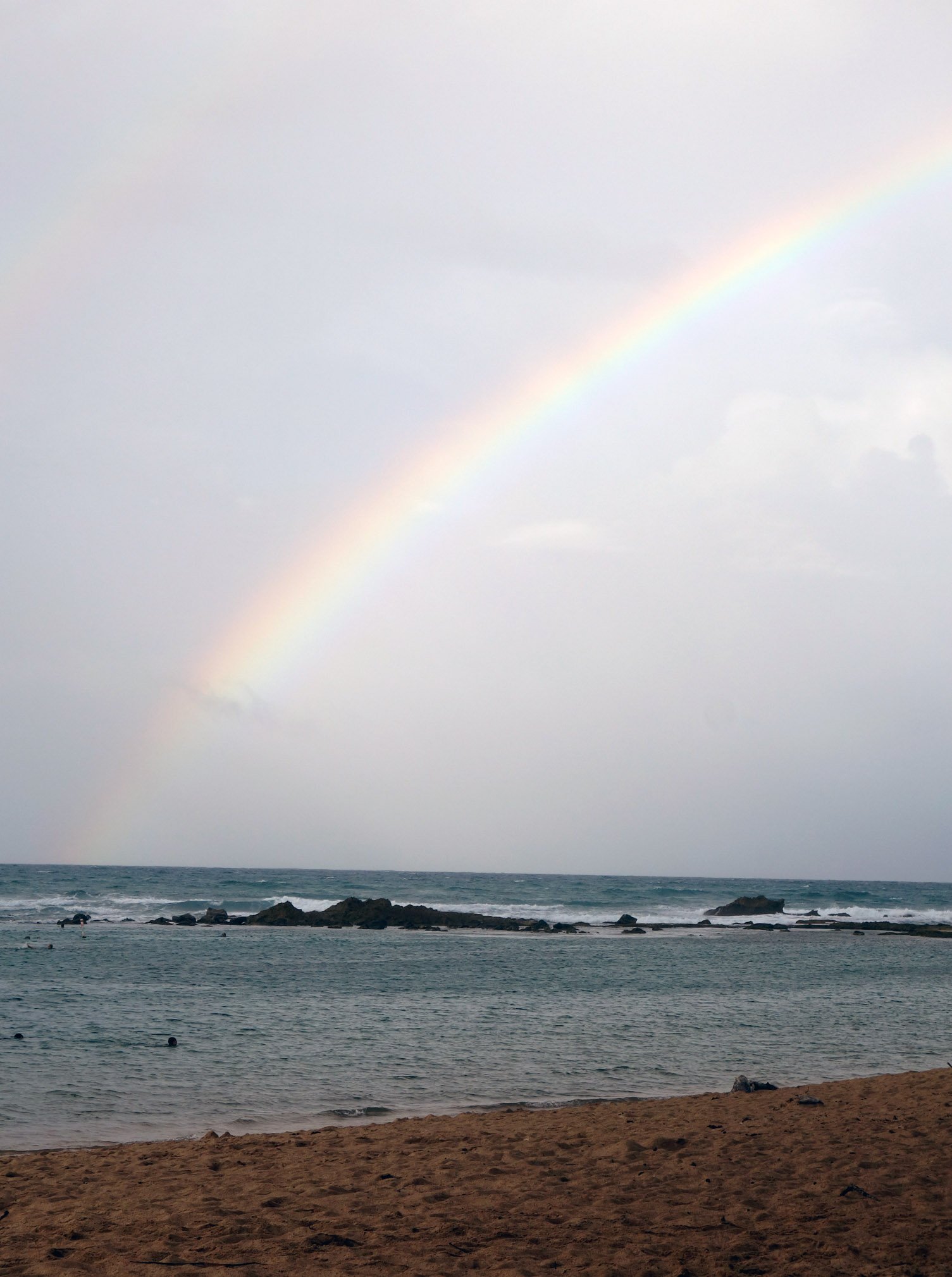
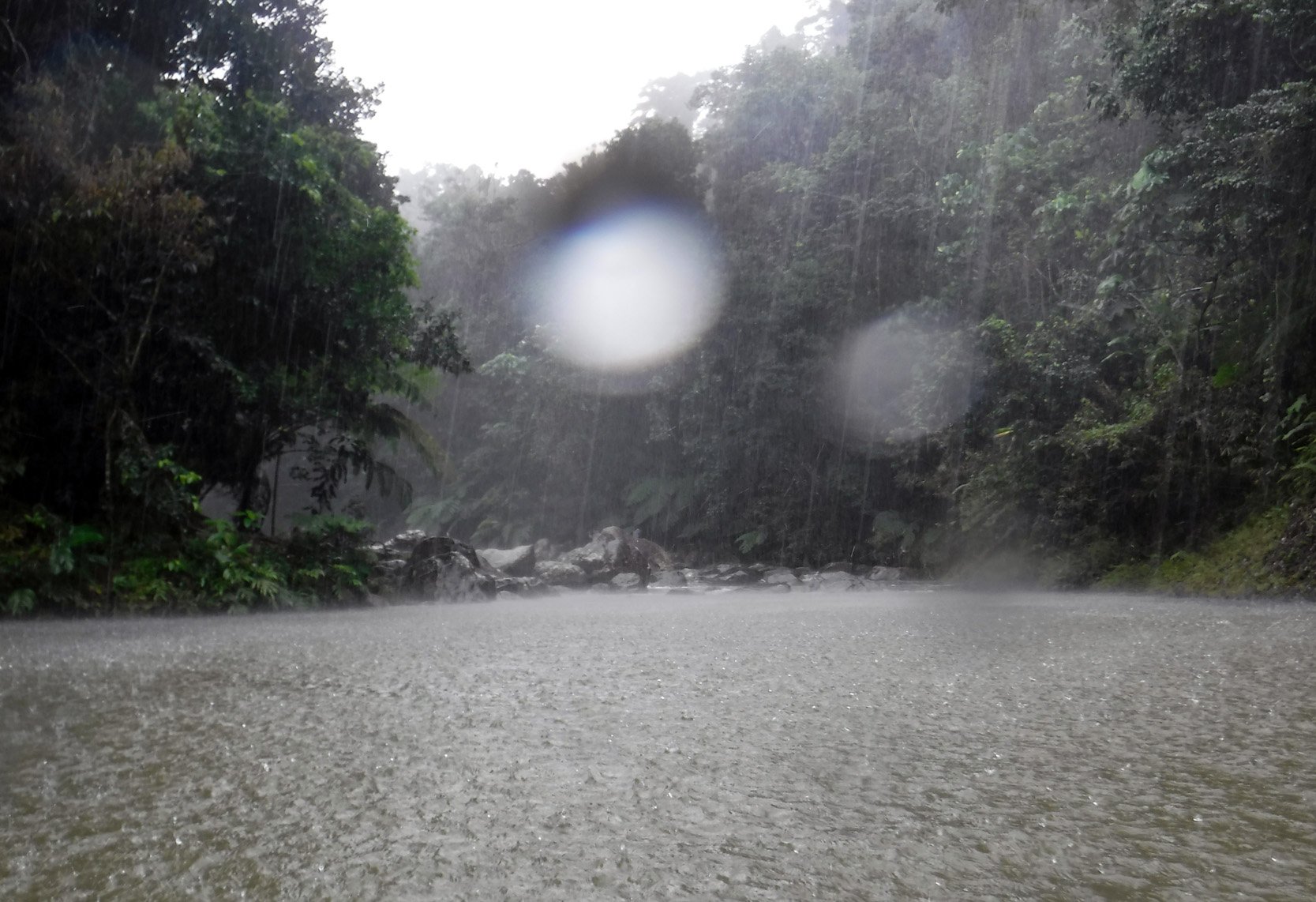
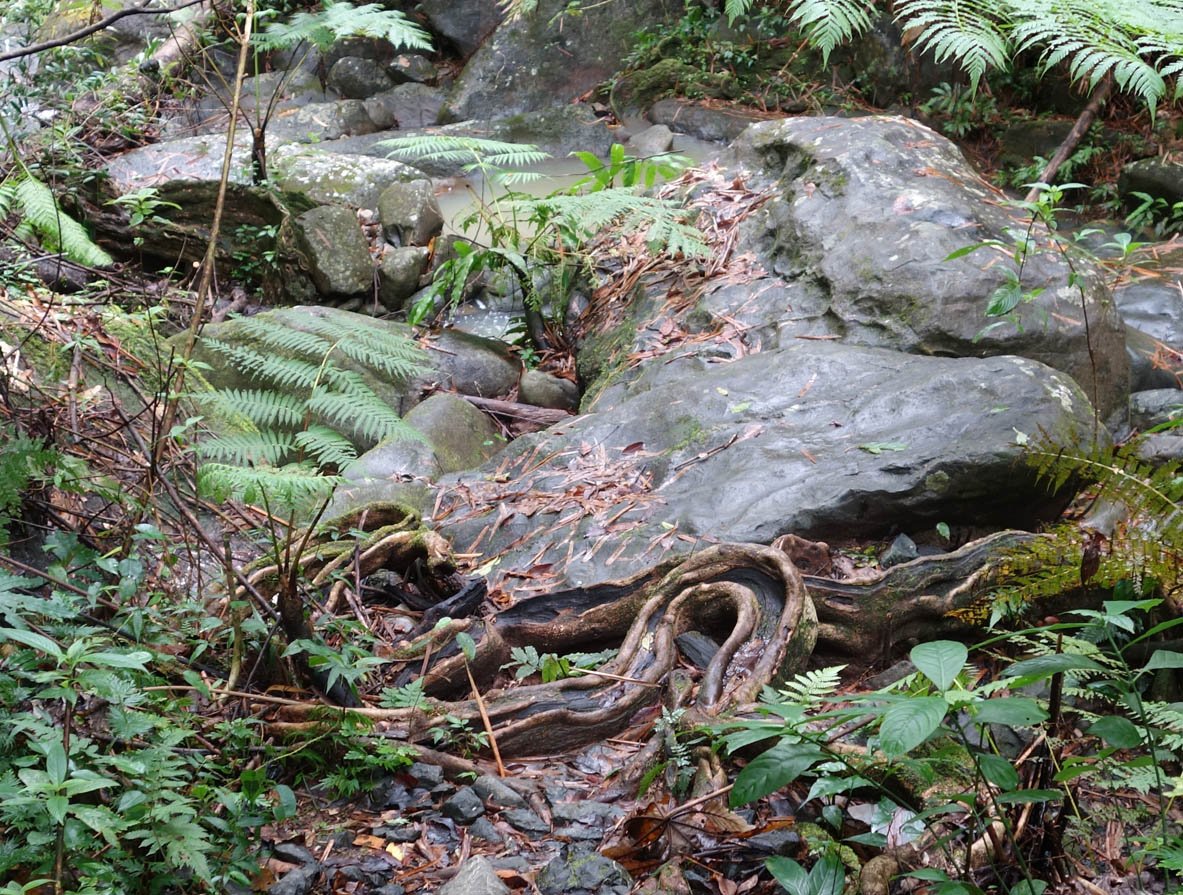
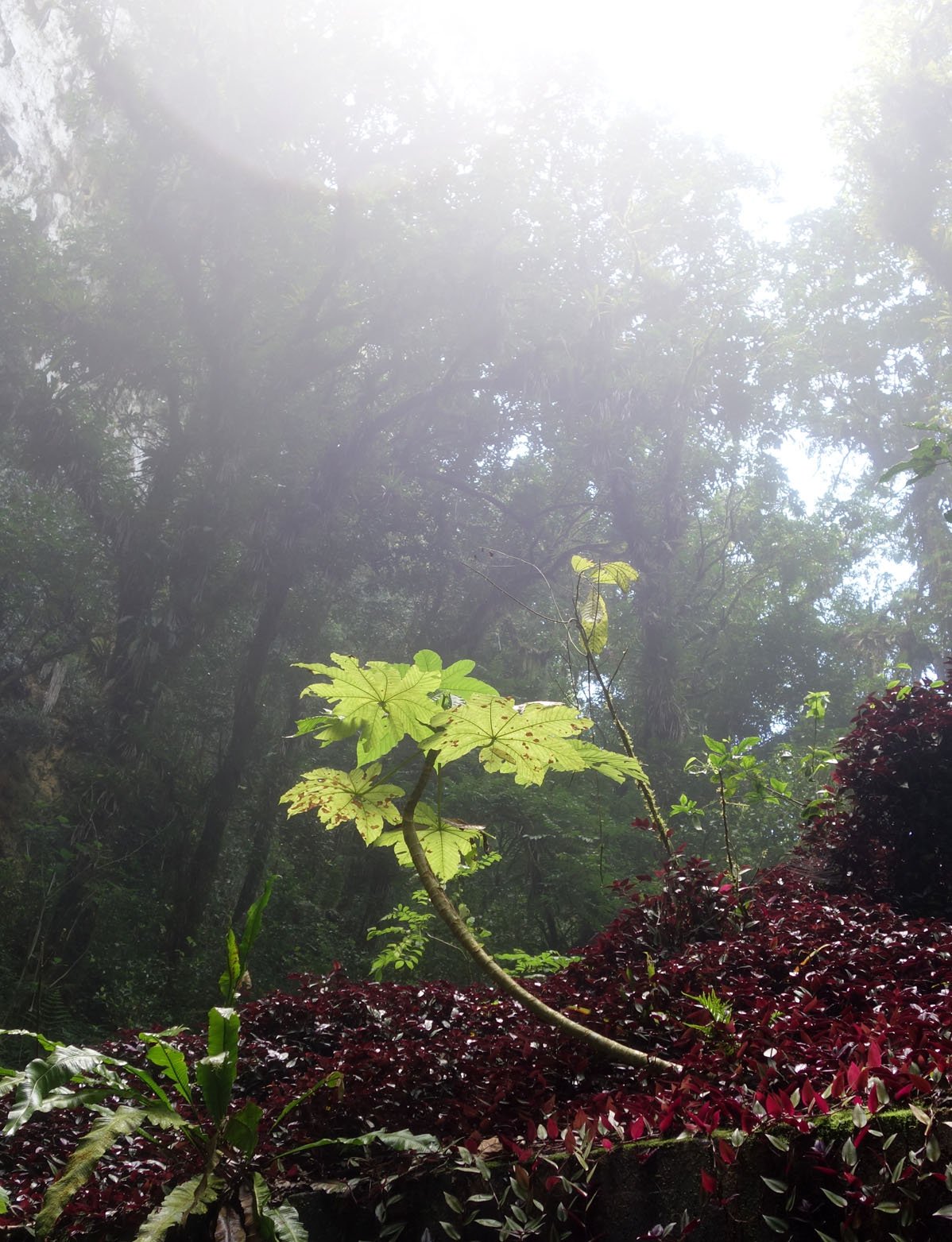
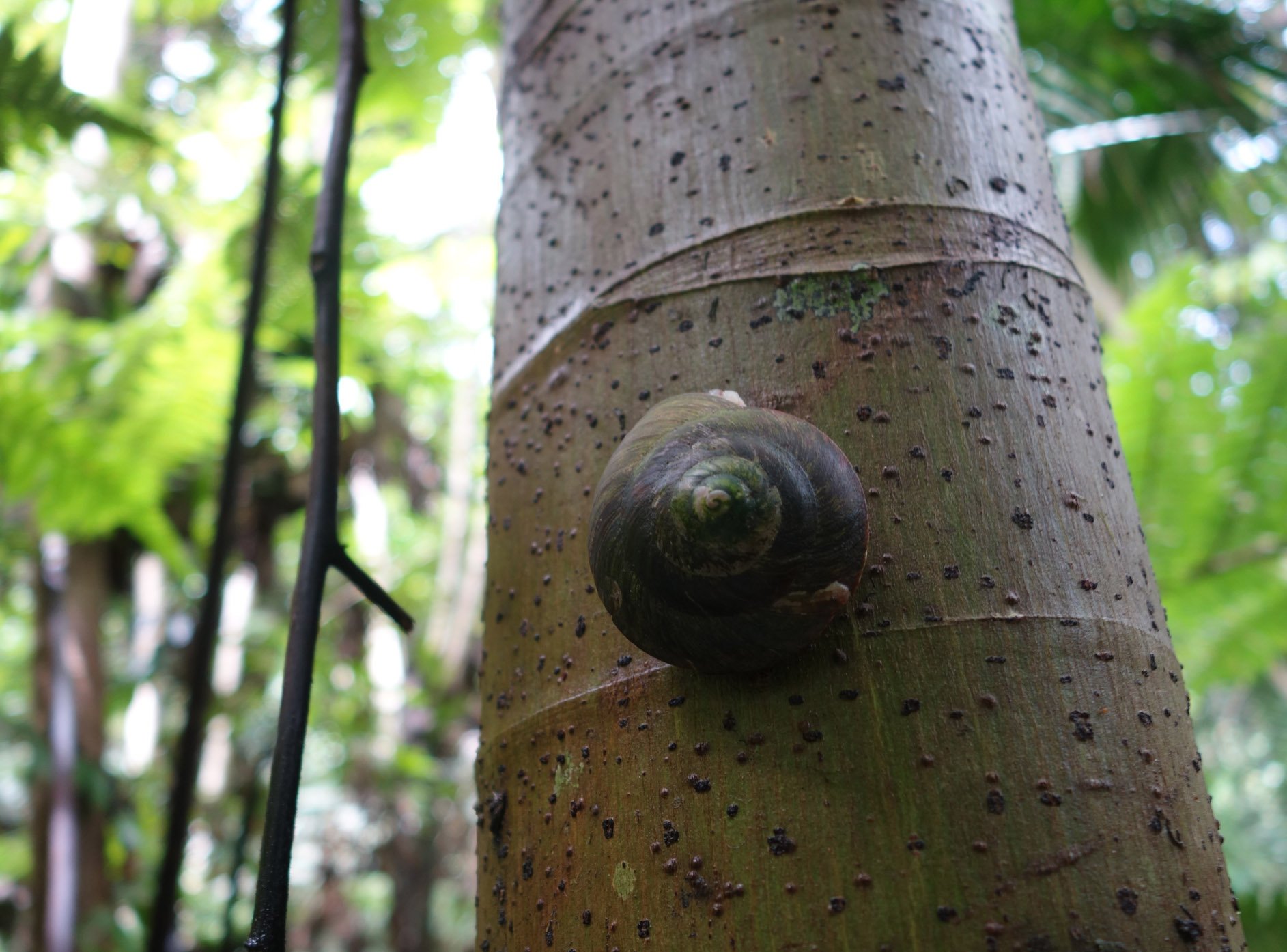
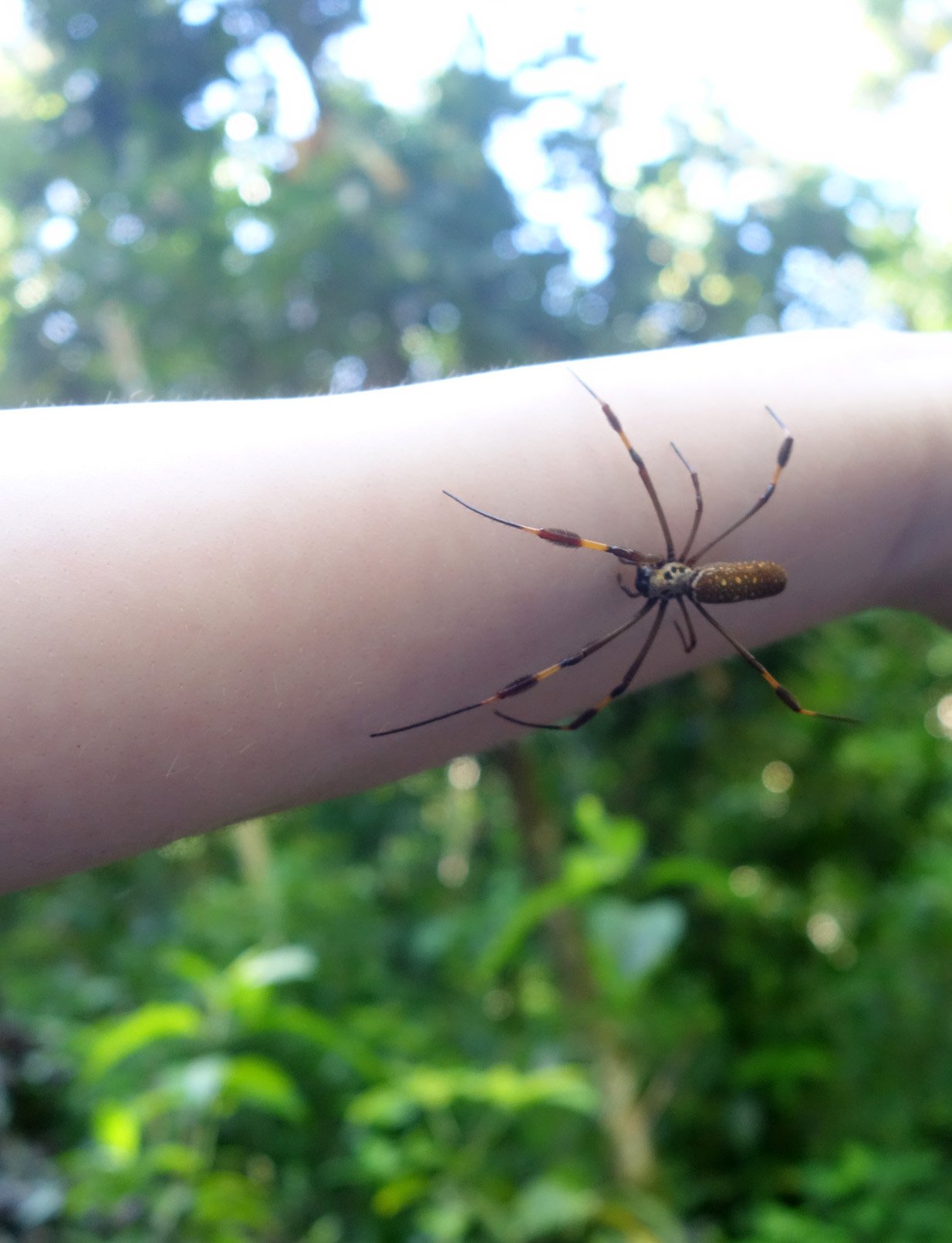
I had a great time in Puerto Rico over spring break - we hiked a trail in El Yunque and swam in one of its rivers, had several beach excursions, toured the Rio Camuy Caverns, kayaked the Laguna Grande bioluminescent bay, and went out dancing! Since I fully used my break time, I immediately returned to work so I haven’t had a chance to pull any images off my cameras yet; here’s a cell phone photo on the trail down to the Rio Camuy Caverns to tide you over until then!

Spring Break in Puerto Rico!

I’ll be visiting Puerto Rico with my friend and colleague Stacey Alex over spring break! As you might imagine, I’m excited to get to soak in the natural beauty of the island. Our planned outdoor itinerary includes kayaking on the Laguna Grande Nature Reserve’s bioluminescent bay, hiking in El Yunque National Forest, a variety of beach visits, and exploring the Rio Camuy Cave Park.

I’ll post some photos when I return!

Title IX Religious Exemptions

Title IX of the Education Amendments of 1972 is a federal civil rights law which reads, “No person in the United States shall, on the basis of sex, be excluded from participation in, be denied the benefits of, or be subjected to discrimination under any education program or activity receiving Federal financial assistance.”

All three of the higher education institutions I have taught at have complied with this law. Up until recently I had believed - mistakenly, it turns out - that any educational institution had to make a choice between adhering to Title IX and receiving federal funding, or opting out of both.

I have now learned that institutions can request religious exemptions to Title IX, receive those exemptions, and then are explicitly allowed to discriminate against their students and employees and still receive federal funding. Furthermore, the Office for Civil Rights has approved every religious exemption Title IX request filed. This includes hundreds of institutions; in late 2016 that number was at 245 and it continues to grow each year. Depending on their religious tenets, institutions can legally discriminate “on the basis of sexual orientation, gender identity, marital status, pregnancy or receipt of abortion while still receiving federal funds.”

Last March, the Religious Exemption Accountability Project (REAP) filed a class action lawsuit seeking to remedy this glaring civil rights loophole. As stated in the legal complaint, the institutional and legally sanctioned discrimination faced by these diverse populations includes “conversion therapy, expulsion, denial of housing and healthcare, sexual and physical abuse and harassment, as well as the less visible, but no less damaging, consequences of institutionalized shame, fear, anxiety and loneliness” on our taxpayer dime.

If you too find this religious exemption to Title IX to be deeply troubling, please consider donating to the REAP team (through their parent organization Soulforce, which received an 89/100 on Charity Navigator).

Rolling with Ceramic Glaze Changes

Speaking of glazes: I’ve been learning that the discipline of ceramics involves many variables, and some of the variables are less constant than I’d expect. In the discipline of painting, when I use up paint and I need to buy replacement tubes, they are very consistent in formulation so they are almost never perceptibly different. In ceramics, due to weight, volume, and cost issues we mix most of our glazes ourselves. This introduces a lot more human error compounded by potential supply line vendor changes in the ingredients and user contamination. To continue the comparison, it’d be like if I switched brands and sometimes even types of paint and expected continuity!

To state it simply: I’ve learned that when a bucket of glaze is gone and we remix it, I cannot expect the same aesthetics or behavior from the new glaze as from the old, even if they are purportedly the same. In some ways this is disconcerting, of course. But it is also a real opportunity, and it adds some exciting pressure and novelty into the glazing process. The novelty is self-explanatory; the pressure comes from if you want consistency since you only have as long as those buckets last for the desired effects to relatively predictably result.

Below is how Cone 6 Larry’s Black under Iron White looked with the bucket of Iron White that we were using last year.

You can see that the Iron White behaved in a very glossy way, was relatively thin at one coat but varied in thickness dependent on number and types of application coats with opacity ranging from translucent to decently opaque. At its most opaque, it was white. The Larry’s Black underneath went to a glossy and stable spectrum of various values of blue dependent on the application thickness of both colors.

We used up that bucket of glaze a few months ago, and the new Cone 6 Iron White appeared. Below are two new pieces that use Green Tweed, Larry’s Black, and the new mix of Iron White.

This Iron White is thicker at one application coat, a little yellower, and more opaque and matte. It also interacts quite differently with Larry’s Black. The matte-over-gloss effect causes the Iron White to crater and blister atop Larry’s Black; you can see it does not do that over Green Tweed as Green Tweed is itself more of a matte glaze.

Cratering and blistering are frequently considered “glaze defects,” but I enjoy the texture that some “glaze defects” provide - if you review my body of stoneware ceramic work you’ll notice that I am drawn to crawling as well.

Since these were my first pieces with the new bucket of Iron White, I didn’t know about this new interaction yet - I was expecting glossy results aligned to that first batch above. Now that I know, I’ve glazed a bunch of new ceramics with this cratering/blistering effect in mind, and they are waiting in the kiln until it’s filled up and ready to fire. I’m excited to see them come out!

Hot Water

My travel through artist residencies to different parts of the world has contributed a lot to my artistic oeuvre and practice. But its impact surpasses professional rewards; it has materially changed the ways in which I see and operate within the world both big and small. One of the smaller persistent changes is that every time I have a hot shower, I really appreciate it.

I took hot water in the shower - and out of the shower! - for granted growing up. I liked it, but I don’t remember truly feeling grateful for it until after I lived without it for weeks at a time. I’ve probably only lived a cumulative of around three months without hot water. It is somewhat surprising to me that such a short period of deprivation or negative novelty can have this lasting an impact. I’m so happy it has, though! Because again, every time I step into a hot shower now, I’m impressed and thankful. I just finished a hot shower, in fact, and was marveling at it which led to my writing this post.

I recognize that this story reflects my privilege; that I was able to take hot water for granted growing up and that travel, rather than economic hardship, has led to my reevaluation of hot showers are both very fortunate circumstances. But now I am additionally fortunate for my gratitude, this transformation of an expectation into an abiding appreciation.

Do you have any “hot water” transformations?

Speaking Of Ashlar...!

I always provide Ash with a water bowl in addition to misting. I know she drinks from the misted droplets and the water in her food rather than standing water, but I like providing her with a spot to soak if she wishes. She somewhat regularly drags coconut fiber bedding into the dish, and that’s her prerogative!

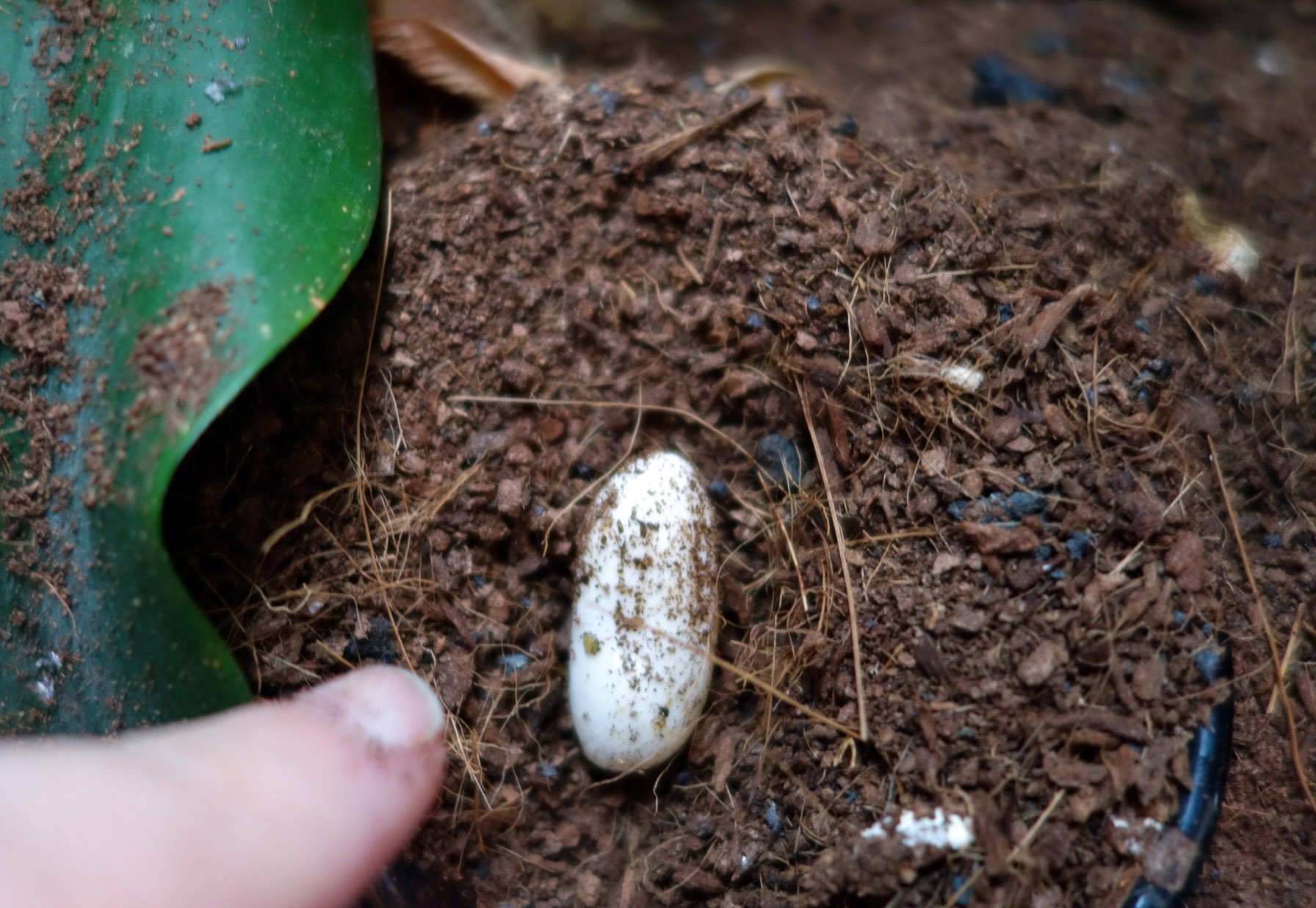
Recently, though, I saw her sitting protectively atop the wet coir in the dish one evening - a behavior I’ve not witnessed before - and I thought I spotted a bit of white that looked suspicious. I took a photo and then the next morning when she’d moved off to sleep, I investigated! Sure enough, I unearthed an egg. I’m not sure if it’s her first egg or not, but it’s the first I’ve spotted from her! She created her own lay site and ensured the right humidity - what a clever gecko she is.

Since Ash has been a solitary gecko since around eight months old, she is very likely laying infertile eggs. There is an ever so small - microscopically tiny! - chance that she could successfully undergo parthenogenesis, but I’m not holding my breath. However, this is a maturity milestone! I left the egg in the dish as she might want to circle back and eat it to reclaim some of the nutrients.

Ashlar Update!

I haven’t updated you on Ashlar - my pet gargoyle gecko - in a while, but she’s doing very well! Ash is a little over three years old, has a strong preference for the Fig & Insects Pangea Gecko Diet, changes color regularly, and makes full use of her vivarium. Here are a few new photos of her!